REVIEW · THESSALONIKI
Thessaloniki: Vergina and Pella Day Trip
Book on GetYourGuide →Operated by Ammon Express · Bookable on GetYourGuide
Philip II’s tomb can feel unreal. This Thessaloniki day trip links Pella and Vergina into one clear story of Macedonia under Philip II and Alexander the Great, with standout mosaics and museum displays. I especially love the Golden Larnax experience in Vergina and the famous Pella mosaics (like the Abduction of Helen and Amazonomachy). The main thing to watch is cost at the door: museum and site tickets are not included and you’ll need cash.
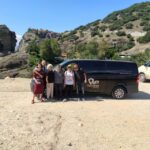
You start early from the Venizelos Statue at Aristotelous Square & Egnatia Street, then head out by modern, air-conditioned bus for a full 8.5-hour loop back to the same stop. The pacing is built to reduce stress: you get skip-the-line help and a live English guide who sets the context before you walk into each place.
One more practical note: your time at each site is fixed. If you’re the type who wants to linger for hours, you may wish for more minutes in the museums or at the archaeological grounds, especially at Pella.
In This Review
- Key things I’d circle before you go
- Aigai and Pella in one long day: what this trip is really about
- Price and logistics: the €40 ticket reality (and why it still may be good value)
- Morning pickup and the ride north from Thessaloniki
- Pella: the modern museum and the mosaics that set the tone
- Pella archaeological site: getting the best use out of your hour
- Aigai Royal Tombs at Vergina: the Golden Larnax and the symbol of power
- New Museum of Aigai: Alexander’s portrait, coins, arms, and queen burials
- Lunch in Vergina: a real pause, not a rushed stop
- Guide impact: why the same route can feel totally different
- What to bring so the day feels easy
- Should you book this Thessaloniki to Vergina and Pella day trip?
Key things I’d circle before you go
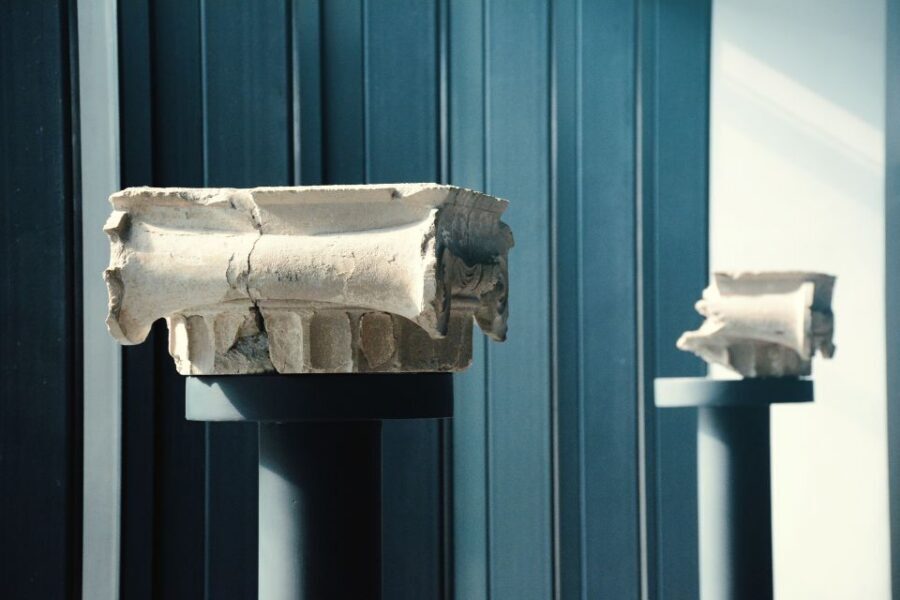
- Pella’s mosaic highlights: Abduction of Helen and Amazonomachy are real “stop and stare” moments.
- Vergina’s Philip II connection: the Golden Larnax and the 16-rayed sun link directly to Macedonian royal symbolism.
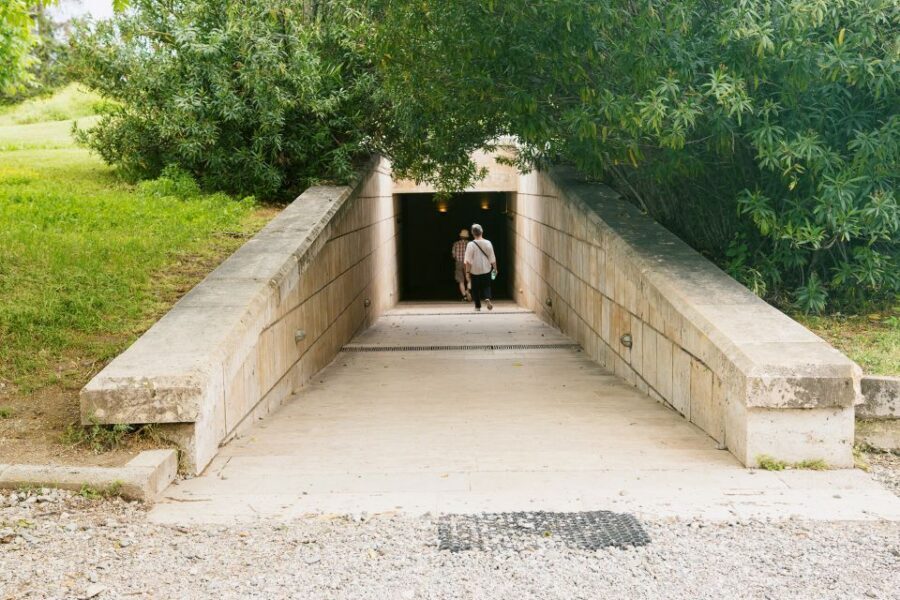
- Atmosphere at the Royal Tombs: the burial setting is experienced in semi-darkness, which makes it feel special.
- New Museum of Aigai: Alexander-themed galleries plus coins, arms, pottery, and royal burial finds.
- Time-boxed visits: you’ll get enough to enjoy, but not enough to do everything at an unhurried pace.
- Bring cash for entry tickets: the add-on cost is real even if the tour price looks low.
Aigai and Pella in one long day: what this trip is really about
This isn’t just a bus ride to two sites. It’s a story-driven day that moves through key layers of ancient Macedonia: city life and art in Pella, then royal power at Aigai (Vergina), where Philip II’s burial and the symbols of the Argead dynasty are front and center.
What makes it satisfying is how well the day connects the dots. You don’t walk into Vergina with only vague “Alexander stuff.” You arrive after seeing the Macedonian world take shape in Pella’s mosaics and everyday-life artifacts, then you end the day with royal imagery, weapons, and burials that explain how power worked.
Also, the day is built for convenience. Pella and Vergina aren’t the easiest places to do from Thessaloniki without your own wheels. This tour solves that problem while still giving you proper time inside museums and enough space to wander the sites.
A few more Thessaloniki tours and experiences worth a look


Price and logistics: the €40 ticket reality (and why it still may be good value)
The tour price is $58 per person and includes roundtrip A/C bus, basic travel insurance, and skip-the-line assistance. What’s not included are two big items: entrance fees for Pella and Vergina.
Plan on paying:
- Vergina Museum (Aigai Royal Tombs): 20€
- Pella archaeological site and museum: 20€
So figure about €40 in entry fees on top of the tour price, plus lunch.
Is it worth it? In my view, it often is—because you’re not just seeing ruins. You’re seeing modern museum presentation tied to major finds, plus the royal tomb experience at Vergina. But you should budget calmly so the day doesn’t feel like it got pricier at the last minute.
Logistics matter too:
- Meet at 08:00 at the Venizelos Statue (Aristotelous Square & Egnatia).
- The bus can’t wait for late arrivals due to road restrictions.
- Bring cash for entry tickets, and bring your ID/passport if you want reduced/free admission.
Morning pickup and the ride north from Thessaloniki
The departure is straightforward: 8:00 a.m. from the Venizelos Statue at the intersection of Aristotelous Square and Egnatia Street. The bus ride to Pella covers about 50 km and takes around 45 minutes, so you’ll arrive before the day turns into full-on museum-time fatigue.
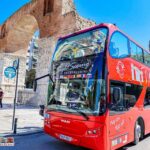
The transport is part of the comfort equation. You’re on a modern, air-conditioned bus, which matters in Greece—especially in summer. One small heads-up from real-world experience: if you’re tall, some buses can feel tight, so it’s worth choosing your seat early when you board.
The best use of the ride time is mental preparation. Your guide explains what you’re about to see, which helps the art and artifacts click faster once you’re inside.
Pella: the modern museum and the mosaics that set the tone
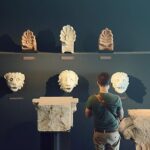
Pella is the first “wow” stage, and it happens fast. You get about an hour at the Pella archaeological museum and then another hour at the archaeological site itself, with time to see key areas.
The museum experience is modern and designed for clarity. You’re not just looking at objects behind glass. You’re building a mental map of the ancient Macedonian world—how people lived and what mattered.
The standout moments are the floor mosaics and the visual storytelling they carry. In the ancient market area, look for the Abduction of Helen and the Amazonomachy mosaics. These are the kinds of artworks that make you realize Pella wasn’t a backwater—it was plugged into the artistic language of the Greek world.
A practical strategy: if you want to slow down without getting rushed, take a few photos of museum text panels from a distance on your first pass. You can then “read while you rest” later (for example on the bus), which helps you actually absorb things instead of speed-scanning.
Pella archaeological site: getting the best use out of your hour
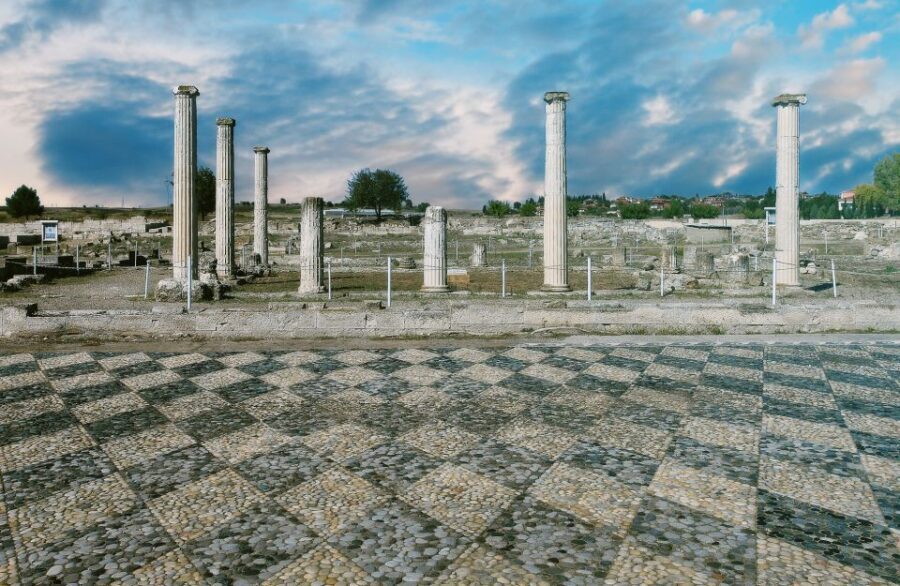
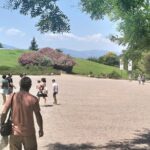
After the museum, you head to the archaeological site at Pella. This part feels bigger in a physical way: it’s an open-air setting where you’ll want comfortable shoes. One good tip is to plan for walking on outdoor paths, and if you’re visiting during hot months, wear something you can handle in sun.
Your hour is enough to enjoy yourself, but it’s not enough to see every corner at a lazy pace. So don’t wander aimlessly. Instead, focus your route on the mosaic-related areas and the parts that connect to daily life in ancient Pella—those are the moments that make the museum content pay off.
If you’re the type who likes to know what matters before you arrive, you’ll benefit from a quick look at key mosaic themes before you go. That way, your brain is already searching for the right details when you’re on-site.



Aigai Royal Tombs at Vergina: the Golden Larnax and the symbol of power
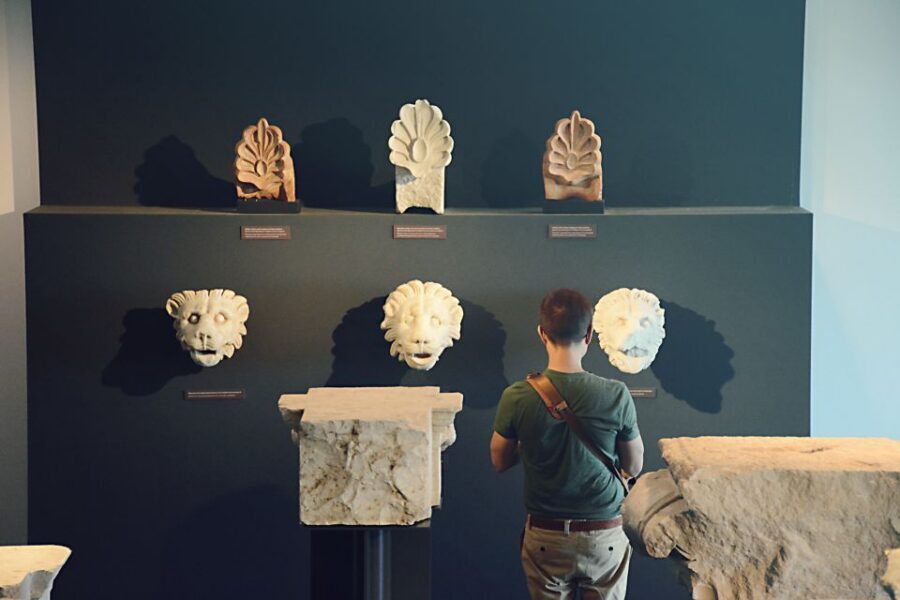
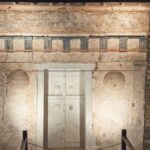
Vergina is where the tour turns from “interesting history” into “this is real.” You visit the Museum of the Royal Tombs at Aigai, which is located on the borders of the village.
This stop is built around the most famous objects tied to Philip II:
- The Golden Larnax, an urn holding cremated remains of Philip II.
- The 16-rayed sun symbol linked to Macedonia.
- The Sun of Vergina, also associated with the Argead dynasty and found alongside excavations revealing Philip’s father’s royal tomb.
- The Golden Oak Wreath Philip II wore during his funeral pyre.
- Military armor and grave goods from multiple tombs brought back to light.
The museum presentation matters. One reason people get emotional here is the sense of place and the careful way the display connects objects to identity and ritual. Even if you know the basics of Alexander’s father, the combination of gold, symbolism, and burial context gives you a stronger picture of how royalty was made permanent.
Also, the tomb experience has a special mood. It’s described as atmospheric in semi-darkness, which helps you feel like you’re in the middle of an important discovery rather than browsing a shop display.
New Museum of Aigai: Alexander’s portrait, coins, arms, and queen burials
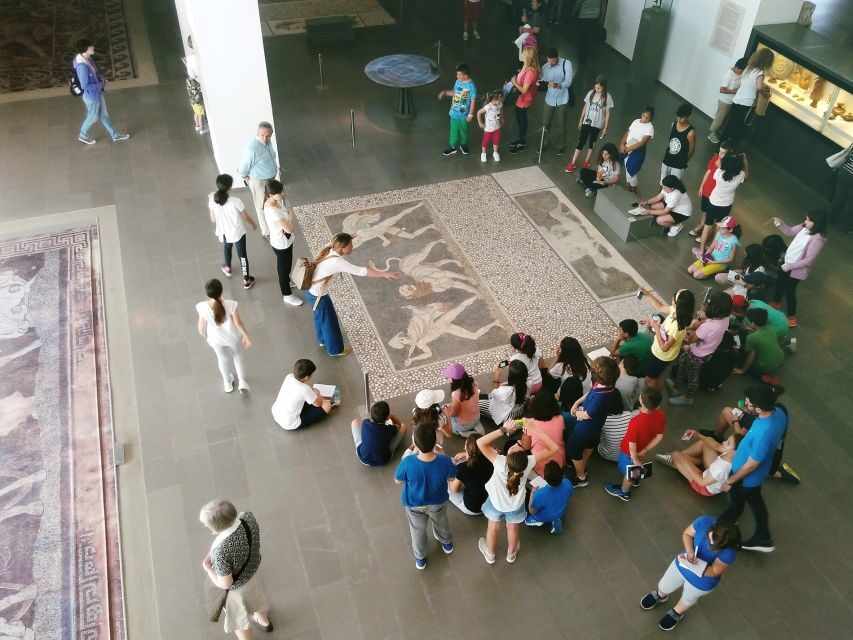
After lunch, you move to the New Museum of Aigai, where the emphasis shifts from a single tomb focus to the broader material world of the old Macedonian capital.
This museum is packed with scene-setting details, and it gives you multiple ways to understand the kingdom:
- An Alexander the Great portrait greets you and sets the tone right away.
- A temporary numismatic exhibition with coins from across the Hellenistic world, including Macedonian kings and Alexander’s successors.
- Monumental sculptures, sarissa spears, and helmets of Macedonian phalanx soldiers.
- High-class painted pottery and banquet utensils tied to aristocratic symposium life.
- Queen burials with jewelry and royal insignia.
If you like “how it worked” history, this is the payoff. Coins tell you politics traveled through trade and symbols. Spears and helmets show the military backbone of the state. Pottery and symposium items remind you the elite world wasn’t only about war—it also ran on ceremony, status, and shared culture.
And this part can be a great equalizer for different interests. Even if mosaics weren’t your first love, arms, coins, and burial finds bring plenty to the table.
Lunch in Vergina: a real pause, not a rushed stop
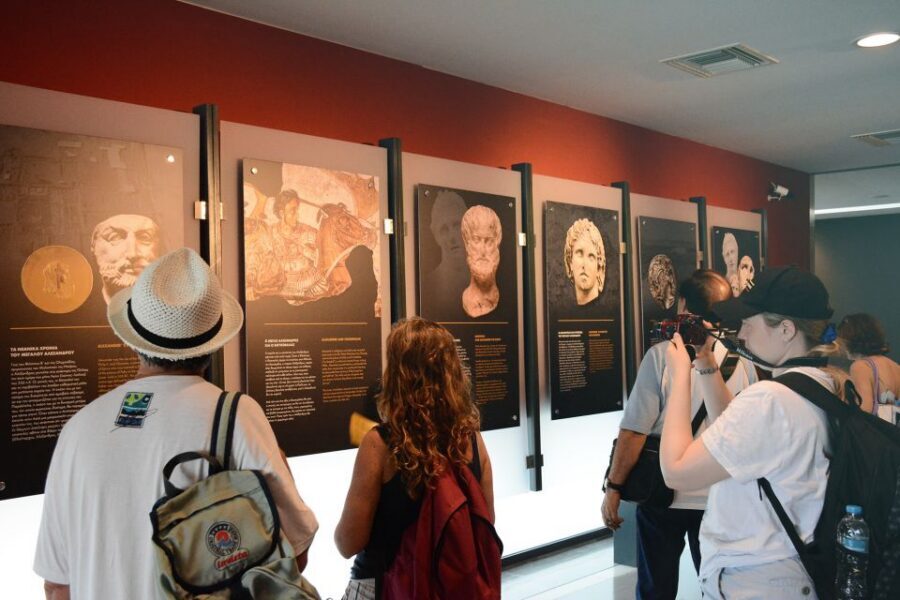
Lunch is scheduled in the Vergina area at a traditional Greek tavern. The tour gives you about an hour here, which is long enough to eat without feeling like you’re sprinting from one museum doorway to the next.
I’d use this hour for practical recovery:
- Hydrate.
- Take a short walk outside if you can.
- Don’t plan to “save time” by skipping lunch—you need the energy for the afternoon museum.
Guide impact: why the same route can feel totally different
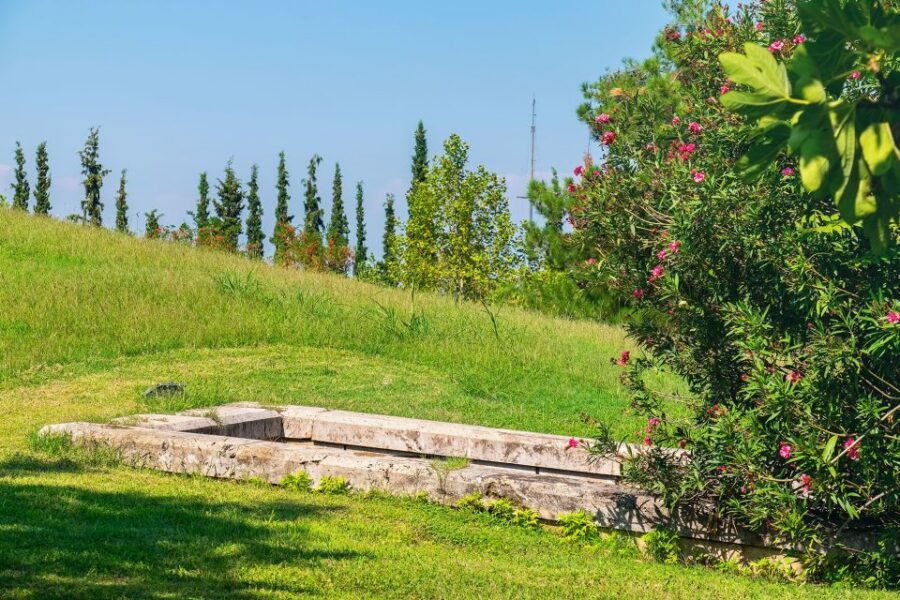
The tour includes a live English guide, and this matters a lot here because the subject can go from names and dates to meaning fast—if the guide connects it for you.
In real operation, you may travel with guides such as Eva (described as an archaeologist with university training), Stelios (mentioned as a former archaeologist), Janis, Eleni, Yannis, or Lazaros. While names vary, the common thread is that the guide sets context on the bus and helps you understand what you’re looking at inside.
That’s why skip-the-line assistance is more than a convenience. You lose less time queuing and spend more time seeing. When your guide offers a quick orientation first, you also walk away with a clearer sense of what the big objects and artworks are actually telling you.
There’s one balance to consider: some people feel the tomb stop could take slightly more time than the museums, depending on what you personally care about. If your top priority is Pella art and galleries, go into the day knowing the schedule is fixed—then prioritize what you want to see most when you’re there.
What to bring so the day feels easy
Bring:
- Passport or ID card (for possible reduced/free admission)
- Cash (for entry tickets)
I’d also pack:
- Comfortable walking shoes (Pella is outdoors and involves real walking)
- Sunscreen and water, especially in warmer months
- A small note in your phone with your preferred payment info and ticket plan, so you don’t scramble at the gate
If you’re a photo person, take a few text shots early in the museums. It’s an easy way to keep the time-pressure under control later.
Should you book this Thessaloniki to Vergina and Pella day trip?
Book it if:
- You want the Macedonian world connected in one day (Pella’s everyday life and art, then Vergina’s royal burial story).
- You’re excited by museums and artifacts, not just open-air ruins.
- You don’t want to deal with separate transport to Pella and Vergina on your own.
Skip (or consider a different format) if:
- You’re hoping for maximum time in each museum and site. This day is time-boxed by design.
- You hate the idea of paying extra on arrival. You’ll need roughly €40 for the two main site admissions, plus lunch.
- You’re extremely sensitive to seating comfort on buses—small seats can be an issue for tall people.
For most history-minded visitors, this is a smart value trade: you pay a modest tour fee, you add the site tickets, and you get a packed, well-structured story of Philip II and Alexander’s Macedonia that you simply can’t recreate as cleanly on your own in a single day.