REVIEW · ATHENS
Travel like a Food Editor. Privare Food Tour Athens,
Book on GetYourGuide →Operated by Stathopoulos Dimitris · Bookable on GetYourGuide
Athens makes a fine food city because its best flavors are often found in ordinary places: a market stall, a family-run café, a specialist shop, or a small plate shared over coffee. This private walk brings those places together, with tastings of loukoumades, koulouri, cheeses, mezes, and Greek wine guided by food specialist Stathopoulos Dimitris. I like the access to Varvakios Agora and the traditional kafenio setting. I also like that the private format lets you shape the pace and discuss the foods that interest you most.
The main consideration is the price: $134 per person is a serious spend for a walking tour, especially if you are traveling alone. The tour is described as lasting 3.5 hours in the activity details, though the itinerary also calls it a 4-hour experience, so confirm the exact timing when you book.
In This Review
- Key points at a glance
- A food walk through everyday Athens
- Starting with Athens’ central food market
- Avissinias Square and the food of old Athens
- Psirri, street art, and modern city life
- What you may taste along the way
- The kafenio experience
- How the private format affects the experience
- Is $134 per person a fair price?
- Timing, comfort, and booking advice
- Who should book this Athens food tour?
- FAQ
- How long does the Athens food tour last?
- What language is the tour conducted in?
- Is this a private tour?
- What foods and drinks are included?
- Where does the tour go?
- What should I wear and tell the provider before booking?
Key points at a glance
- Varvakios Agora: Walk through Athens’ central food market and connect its stalls to everyday Greek cooking.
- Private guide Dimitris: Ask questions freely and adjust the food stops to suit your group.
- Greek café culture: Spend time learning about the kafenio, a traditional place for coffee, conversation, and small bites.
- Avissinias Square and Psirri: Pair food with flea-market finds, street art, cafés, and the changing character of central Athens.
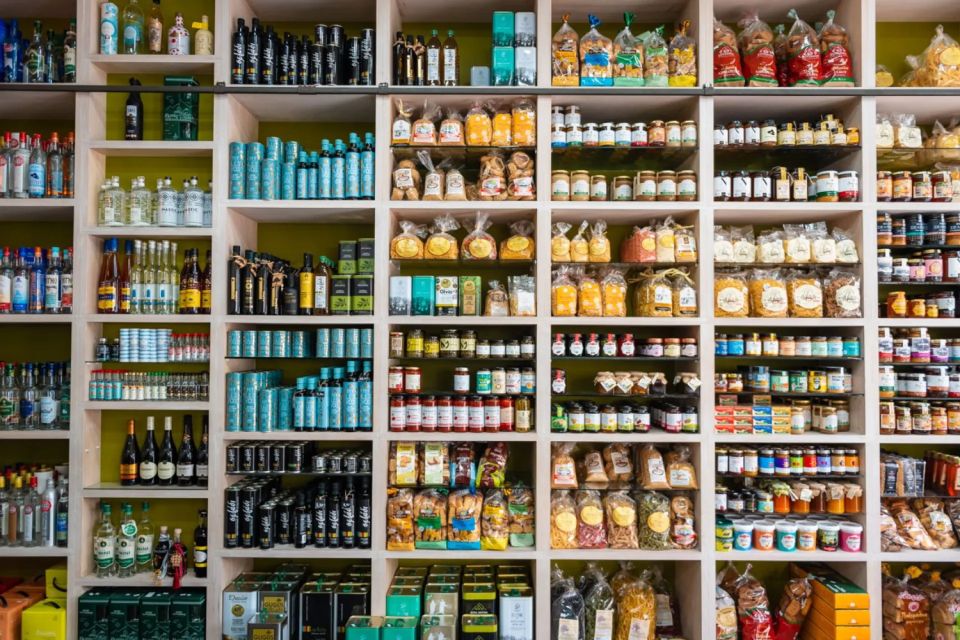
- Plenty of tasting stops: Expect mezes, bougatsa, cured meat, olives, honey, dried figs, yogurt, cheeses, dips, wine, coffee, and tsipouro.
- Useful planning detail: Comfortable shoes are essential, and dietary restrictions or allergies should be shared before the tour.
A food walk through everyday Athens
This is not a bus tour with a distant view of the city. You move on foot through central Athens, stopping to taste and talk. That matters because Greek food makes more sense when you see where people buy it, how it is served, and the settings in which locals eat it.
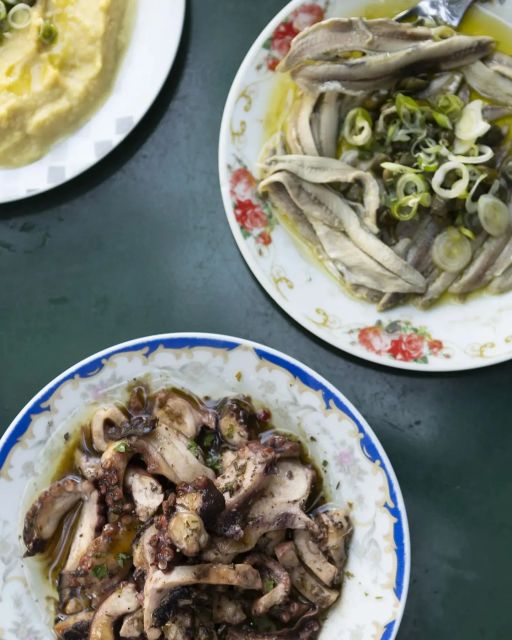
The route combines several kinds of places: cafés, markets, delicatessens, specialty food shops, and street-food stops. Some tastings are familiar, such as tzatziki and cheese. Others may be less known to you, including fava, tyrokaftyeri, dakos, keftedakia, and melitzanosalata.
The private format is the heart of the experience. You and your group have the guide’s attention instead of following a large crowd from one stop to the next. You can ask why one olive oil tastes grassy, how a particular cheese is made, or which foods belong on a Greek table at home. If your group has mixed interests, Dimitris can spend more time on markets, cooking traditions, drinks, or the neighborhoods themselves.
The schedule is long enough for a good range of tastings but short enough to fit into a busy Athens stay. Because it is a walking tour, you should not treat it as a quick snack break. Pace yourself from the start. Greek food may arrive in small portions, but the total amount can add up quickly.
You can also read our reviews of more food & drink experiences in Athens

Starting with Athens’ central food market
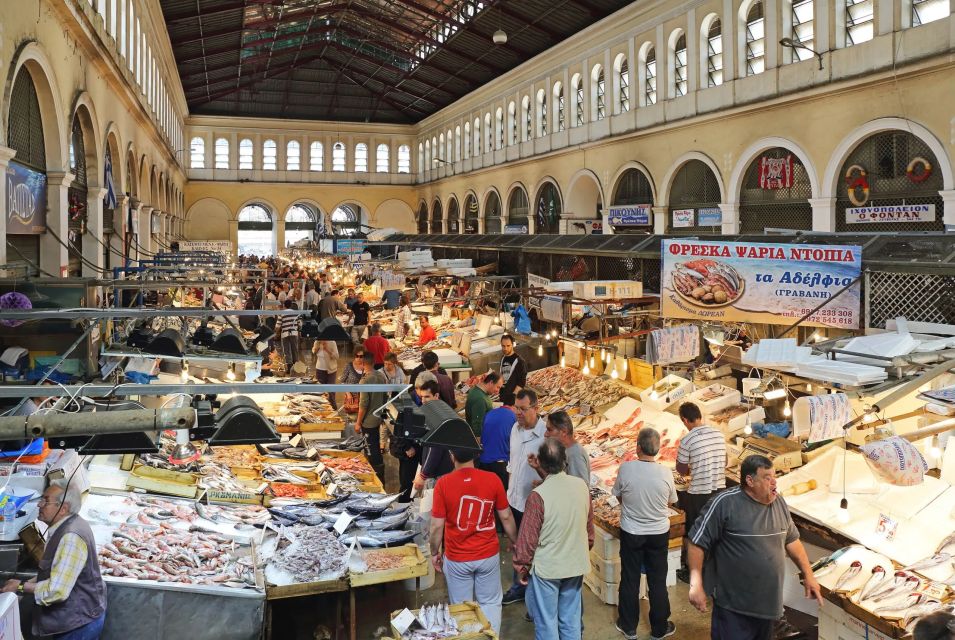
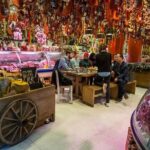
A stop at Varvakios Agora gives the tour its strongest sense of place. This is Athens’ central food market, and it offers a look at the working side of the city rather than the polished restaurant version.
You may see the ingredients that support Greek cooking, including meat, fish, produce, herbs, and other food staples. The value here is not only what you taste. Dimitris can help explain how these ingredients relate to Greek meals and why markets remain important in the city.
For you, the market is also a useful lesson in contrast. Athens has plenty of modern cafés and stylish dining rooms, but Varvakios Agora connects food to shopping, routine, and local supply. It helps you understand that Greek cuisine is not just a list of famous dishes. It is also olive oil chosen at a shop, cheese bought for the table, herbs used in a simple dish, and small foods eaten throughout the day.
Market conditions can be lively and crowded, and the setting is practical rather than decorative. Wear shoes with good grip and keep your belongings secure. If you prefer quiet, slow sightseeing, this may be the most hectic part of the walk. If you enjoy seeing a city at work, it is likely to be one of the most useful stops.
Avissinias Square and the food of old Athens
Avissinias Square brings a different mood. The square is known for its flea market, with antiques, vintage objects, and Greek handicrafts spread among the stalls. It is a place where you can browse while hearing stories about Athens’ past and its changing neighborhoods.
The food connection is easy to miss if you rush through. A market square is not only about buying something to take home. It also shows how the city mixes commerce, conversation, old objects, and casual eating in a small area. The tour gives you a chance to link that atmosphere with Greek snacks and drinks.
This is a good point to ask Dimitris about foods you might want to find later in your trip. For example, if you enjoy the olive oil, honey, dried figs, or spices tasted during the walk, ask where to shop for them and how to carry them home. The tour includes visits to specialty food stores, so you get more help than a simple sample at a restaurant.
Avissinias Square can appeal to non-food members of your group, too. Someone who is less interested in tasting every dish can browse the market stalls while still taking part in the neighborhood walk. Just remember that purchases at the flea market are not part of the tour price.
Psirri, street art, and modern city life
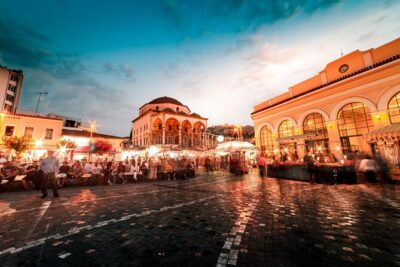
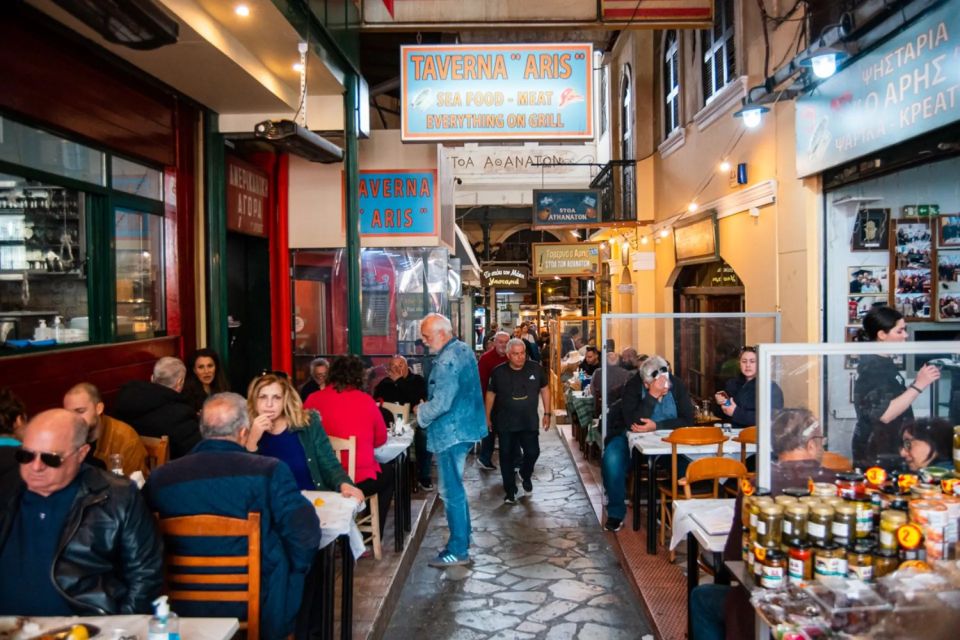
From Avissinias Square, the route continues into Psirri. Once associated with industry, the neighborhood now has cafés, tavernas, entertainment venues, and street art. Its appeal comes from the mix of older buildings, creative decoration, and busy street life.
Food is a natural way to read this part of Athens. Psirri shows how traditional tastes fit into a modern city. You may move from a food shop with long-established products to a street where younger businesses and nightlife have changed the feel of the area.
I like this pairing of neighborhoods because it avoids making Athens seem frozen in the past. Avissinias Square gives you old objects and long-running market habits. Psirri shows a more current side of the city. The combination makes the walking portion more interesting than a route devoted only to restaurants.
The drawback is that Psirri can feel crowded and noisy, especially around popular cafés and evening venues. The tour is in English and the guide will provide the context, but the street atmosphere may make conversation harder at times. Stay close to your group and expect a city walk, not a quiet countryside tasting.
What you may taste along the way
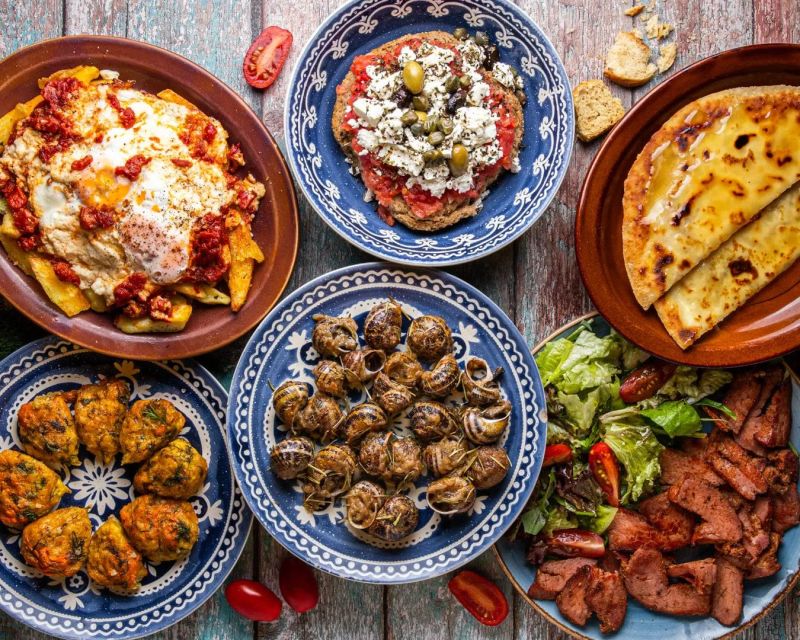
The tasting list is broad, and it gives you a useful tour of Greek flavors. Here are the foods and drinks that matter most:
- Loukoumades: Small Greek donuts with a sweet finish. They offer a contrast to the salty mezes and cheeses.
- Koulouri: A sesame-covered bread ring, commonly associated with quick Greek breakfasts and snacks.
- Bougatsa: A pastry that may be sweet or savory, depending on the filling and local style.
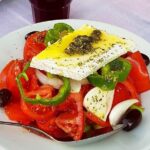
- Mezes: Small dishes designed for sharing, including tzatziki, eggplant salad, beans, fava, dakos, and keftedakia.
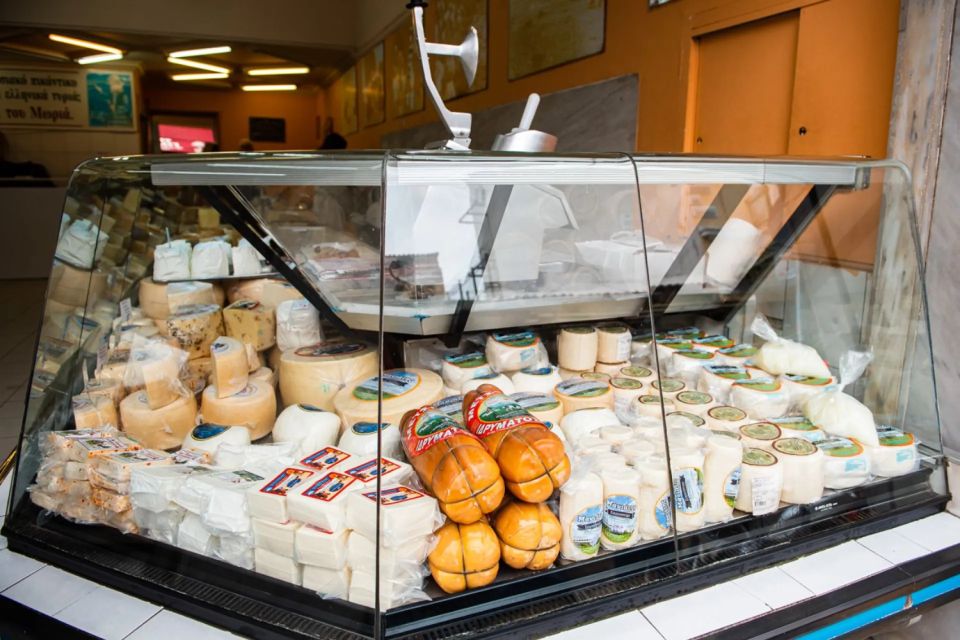
- Cheeses: A selection of regional cheeses lets you compare texture, saltiness, and use at the table.
- Tyrokaftyeri: A spicy cheese-based spread for a stronger, sharper taste.
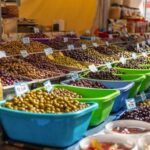
- Olives and olive oil: Essential Greek products that show how much flavor can come from simple ingredients.
- Honey and dried figs: Sweet foods that reflect Greece’s pantry beyond pastries.
- Traditional yogurt: A cool, creamy counterpoint to salty, spicy, or fried foods.
- Cured meat: A chance to taste another part of Greek snack culture.
- Wine, coffee, and tsipouro: Drinks that place the foods in a social setting rather than treating them as isolated samples.
You will not simply receive a plate and move on. The format is built around learning what each product is and how it fits Greek food customs. That is especially useful if you want to order more confidently during the rest of your holiday.
The exact tasting order and portions are not specified, so arrive ready for variety rather than a fixed restaurant menu. If there is something you cannot eat, tell the provider before booking. The tour specifically asks about allergies and dietary restrictions in advance.
A few more Athens tours and experiences worth a look




The kafenio experience
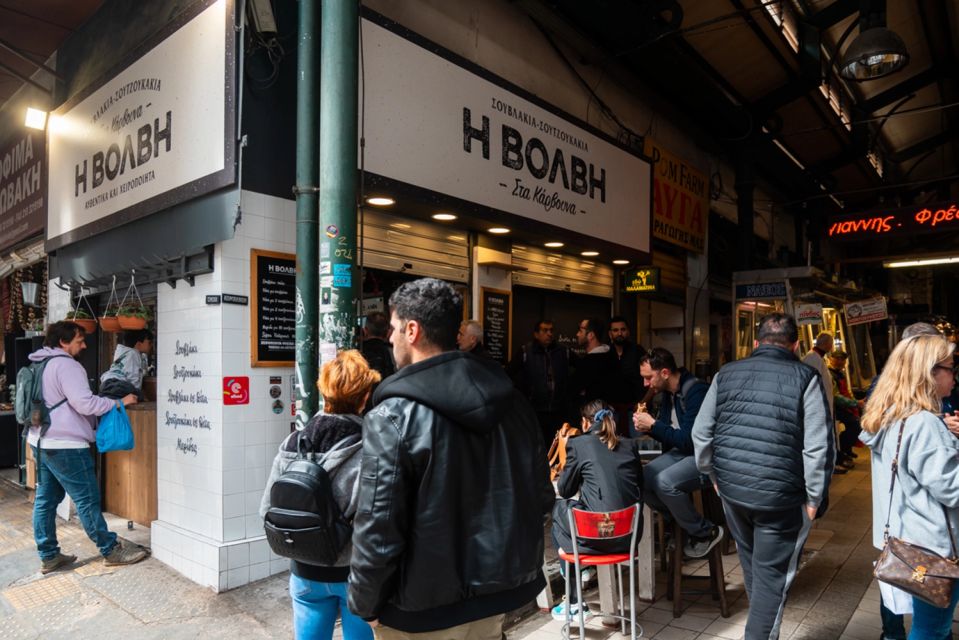
The kafenio is one of the most appealing cultural parts of the tour. A traditional Greek café is not just a place to buy coffee. It is a social setting where people sit, talk, read, and share small foods over time.
The tour gives you a chance to feel how this idea fits into daily life. Coffee can be paired with a sweet bite such as loukoumades, while savory dishes and drinks can lead to a different kind of conversation. The point is less about a single famous café and more about understanding the role of the setting.
This stop is valuable for anyone who wants context with their meal. You learn that food in Greece often involves lingering and sharing, not simply eating quickly between sights. It also gives your feet a break during a route that otherwise requires several hours of walking.
Do not expect a full sit-down meal at the kafenio. The experience focuses on tasting and cultural explanation. If you need a large lunch, plan another meal before or after the tour.
How the private format affects the experience
Private touring changes the rhythm. With only your group, you can stop to ask about ingredients, request more detail about a food tradition, or tell Dimitris that you prefer savory foods over sweets. The guide can also consider children’s ages when arranging tastings, which is helpful for families.
The group size is not stated beyond being private, so ask for clarification if you need a precise maximum. The important point is that you are not joining a large shared group. Your companions control the pace, within the limits of the shops, cafés, and market stops.
A private guide also makes this a strong first or second-day activity. You can ask for food advice for the rest of your stay, including which products are worth buying and which dishes to seek out. The walk through central Athens may also help you get your bearings before visiting more distant sights.
The English-language format is clear. If you want another language, contact the provider before booking rather than assuming it can be arranged. The experience provider is Stathopoulos Dimitris, and the tour is led as a private food-specialist experience.
Is $134 per person a fair price?
At $134 per person, the tour costs more than a casual market visit or a self-guided food walk. The price makes the most sense when you place value on the private guide, the number of tastings, and the convenience of having the food stops organized.
All tasting fees are included. That removes the worry of paying small amounts at each café or shop, and it lets you concentrate on the food. The price also covers the personal guidance of a food specialist, a visit to Varvakios Agora, specialty food shops, the kafenio, and neighborhoods such as Avissinias Square and Psirri.
For a couple or family, the private setup can be worthwhile because everyone shares the same pace and questions. For a solo visitor, the per-person cost is harder to justify unless food is a top priority and you want one-on-one attention.
I would compare the tour with what you want from Athens. If you only want a cheap meal, spend the money at a taverna instead. If you want to understand what you are eating, sample many different foods, and get practical food guidance in one outing, the price is easier to defend.
Timing, comfort, and booking advice
The activity information gives the duration as 3.5 hours, while the detailed description refers to a 4-hour food journey. Ask for the confirmed start time and length when checking availability. Several meeting points are possible, and you can suggest another convenient starting location for the provider to consider.
The tour runs rain or shine. Athens weather can change your comfort quickly, so wear clothing suited to the forecast and shoes made for several hours on pavement. Comfortable walking shoes are specifically required.
Book with allergies and dietary restrictions in mind. The provider asks you to share this information in advance, and families should provide children’s ages so the tastings can be adjusted appropriately.
Cancellation is flexible if you act early: cancel at least 24 hours before the start time for a full refund. A reserve-now, pay-later option is also available. Late cancellations and no-shows do not qualify for a refund.
Who should book this Athens food tour?
I would recommend it to food-focused visitors who want more than a restaurant meal. It suits couples, families, and small private groups who enjoy asking questions and trying unfamiliar foods. It is also a good choice for visitors who want a planned introduction to Greek ingredients before eating independently for the rest of their trip.
The tour is less suitable if you dislike walking, prefer a quiet tasting room, or need a large meal rather than many samples. It may also feel expensive if your main aim is to see Athens’ famous landmarks, since this experience centers on food, markets, cafés, and neighborhoods.
Book it if you want a personal guide, a broad spread of Greek tastes, and a look at the city’s food culture from market stalls to the kafenio. Skip it if you are happy to explore the market and Psirri on your own and would rather put the $134 toward several independent meals.
FAQ
How long does the Athens food tour last?
The activity details state a duration of 3.5 hours. The fuller description refers to a 4-hour journey, so confirm the exact timing when you check availability.
What language is the tour conducted in?
The tour is conducted in English. Requests for another language should be made before booking.
Is this a private tour?
Yes. The experience is for you and your group only, rather than a shared public group.
What foods and drinks are included?
Tastings may include loukoumades, koulouri, bougatsa, cheeses, tzatziki, keftedakia, tyrokaftyeri, dakos, beans, fava, eggplant salad, olives, honey, dried figs, yogurt, cured meat, wine, coffee, and tsipouro. All tasting fees are included.
Where does the tour go?
The route includes central Athens, Varvakios Agora, Avissinias Square, and Psirri. It also visits cafés, markets, delicatessens, specialty food stores, and street-food locations.
What should I wear and tell the provider before booking?
Wear comfortable walking shoes and dress for the weather, since the tour runs rain or shine. Tell the provider about allergies or dietary restrictions in advance, and provide children’s ages if you are traveling with children.