REVIEW · ATHENS
Understanding the Refugee Crisis
Book on GetYourGuide →Operated by Planetwonk Experiences · Bookable on GetYourGuide
Athens has plenty of walks about ancient stones. This one takes you into Victoria, Omonia, and Metaxourgio, where abandoned neoclassical buildings and multicultural streets frame a difficult modern question: why are people forced to leave home? The focus is on the refugee crisis, not on postcard Athens.
I like the way this walk links world events to places you can actually see, and I like its goal of replacing quick judgments with a more human understanding. The main drawback is its subject matter: the stories and conditions discussed may feel heavy, and the route includes visible urban decay.
In This Review
- Key points to know before booking
- Why this Athens walk takes you beyond the usual sightseeing
- Starting at Green Park Athens
- Victoria and Aghios Panteleimonas: reading the city around you
- Omonia: a central square with a harder story
- Metaxourgio and the city’s changing identity
- What the walk explains about Syria, Afghanistan, and other regions
- The emotional side: useful, but not easy
- What you get for $35
- Who should book this experience
- Practical details that affect your choice
- Should you book this refugee crisis walk?
- FAQ
- Where does the walk meet?
- How long does the experience last?
- What neighborhoods are included?
- What is the main subject of the walk?
- Which languages are available?
- Is the walk suitable for people who are easily overwhelmed?
- Can I cancel or pay later?
Key points to know before booking
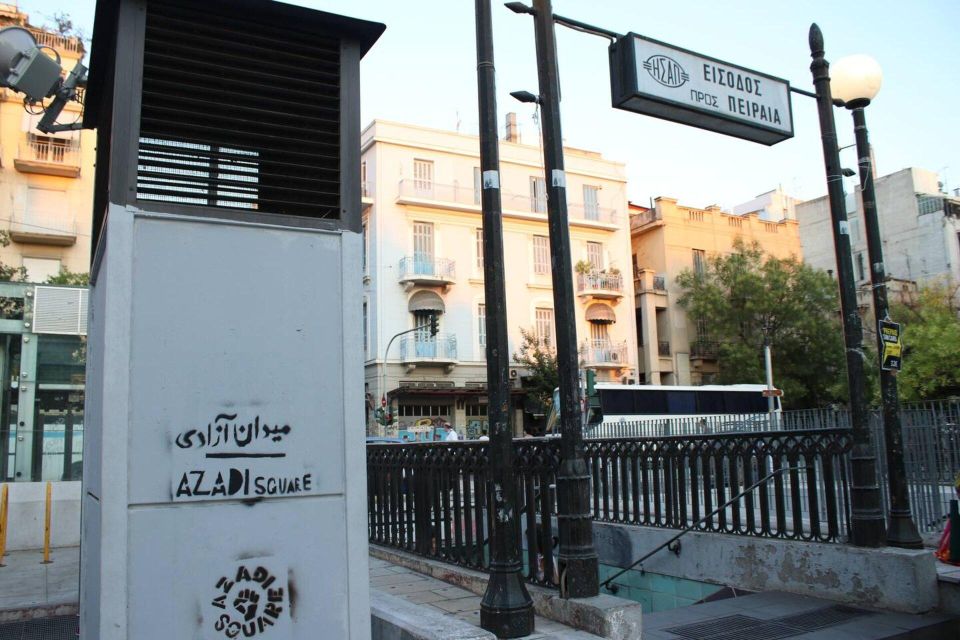
- 90 minutes through four central Athens areas: Victoria, Aghios Panteleimonas, Omonia, and Metaxourgio are part of the walk.
- The focus is the refugee crisis: You receive context about Syria, Afghanistan, and other regions rather than only a general city tour.
- A live guide leads the experience: English and Spanish are available, but Spanish should be requested before booking so availability can be confirmed.
- It begins at Green Park Athens: The meeting point is at the entrance to the park.
- The approach is personal and social: The aim is to build empathy by examining the pressures refugees face.
- Expect a serious urban setting: Abandoned buildings and neighborhood decay are part of what you will see.
Why this Athens walk takes you beyond the usual sightseeing
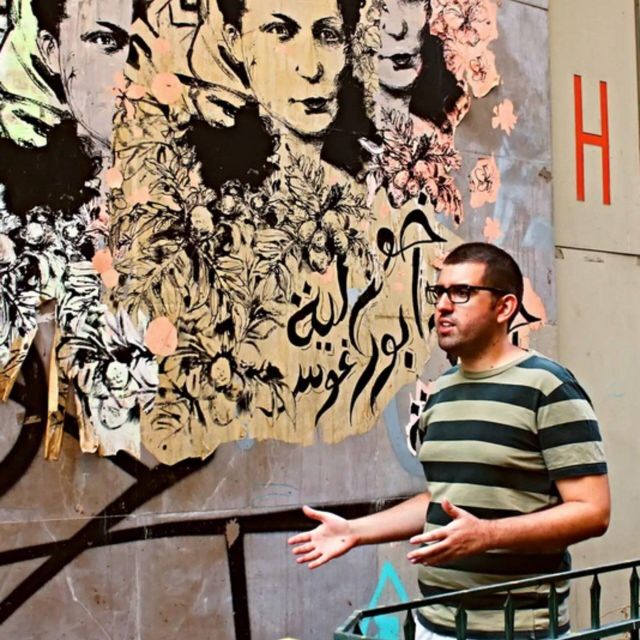
Athens is often presented through the Acropolis, Roman ruins, white marble, and sunny café tables. Those places matter, but they do not tell the whole story of the city. This walk shifts your attention to central neighborhoods shaped by migration, poverty, political tension, and changing populations.
That shift is the reason to book. You are not simply collecting another set of city facts. You are being asked to connect the international refugee crisis with the streets of Athens, a city that has received people arriving from difficult and dangerous parts of the world.
The walk addresses situations in Syria, Afghanistan, and other regions. The information is intended to explain why people flee, not just to describe where they have arrived. That distinction matters. A short news report may show a border crossing or a crowded camp, but it often leaves out the wars, insecurity, political pressure, or lack of safety behind the decision to leave.
I appreciate that the experience does not promise an easy emotional payoff. Its purpose is to challenge simple reactions and encourage a more thoughtful view of refugees. You should expect discussion that may make you reconsider assumptions rather than confirm them.
You can also read our reviews of more tours and experiences in Athens.



Starting at Green Park Athens
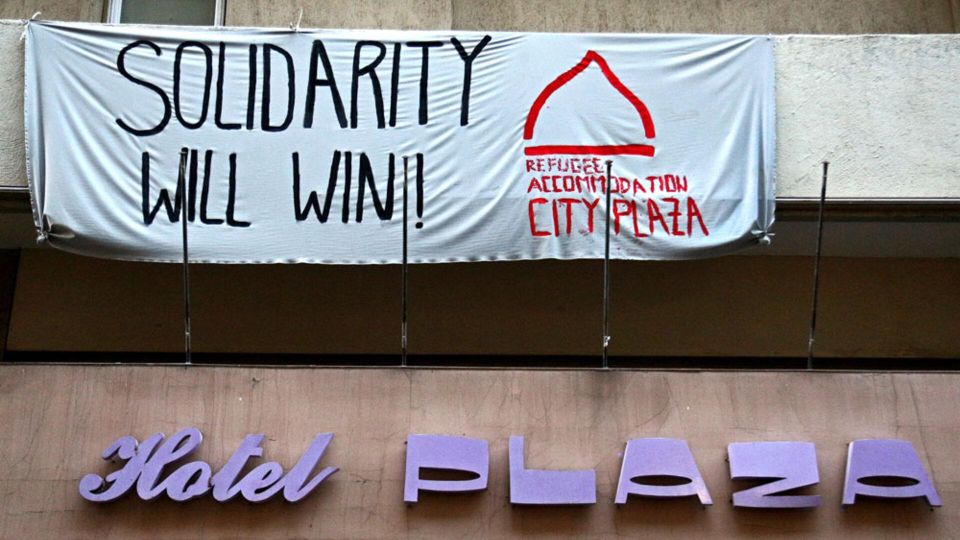
The meeting point is the entrance to Green Park Athens. From there, your guide begins a 90-minute walk through central Athens.
The supplied details do not give a fixed stop-by-stop order, so you should not expect a rigid sightseeing script with named monuments at every turn. The neighborhoods themselves are the setting. Your guide uses the streets, buildings, and surrounding communities to provide context for the wider social issues.
That format can be more revealing than a talk held in a classroom. You see the physical surroundings while discussing the pressures that shape city life. At the same time, you should keep your expectations realistic. This is not a museum visit, and it is not designed as a polished architectural tour.
The meeting point is useful to confirm carefully before you set out. Green Park Athens is the stated starting location, and the experience is on foot, so wear shoes you can use comfortably for a full 90 minutes. The provider does not give a detailed accessibility description, so ask before booking if you have mobility concerns.
Victoria and Aghios Panteleimonas: reading the city around you
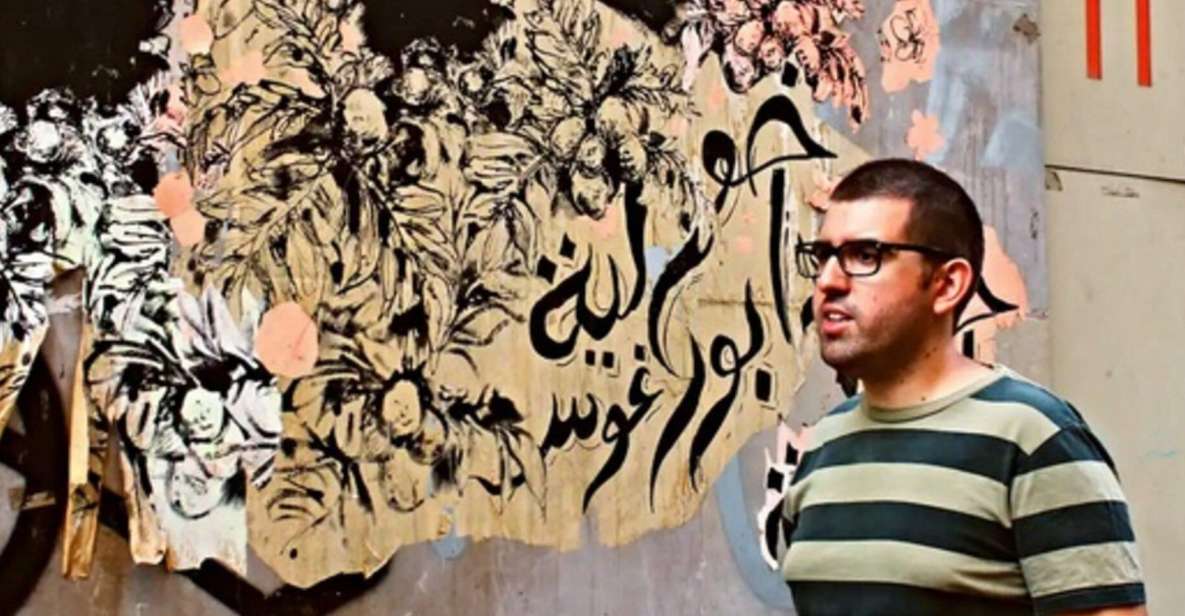
Victoria and Aghios Panteleimonas form an important early part of the walk. These central areas include multicultural neighborhoods and abandoned neoclassical buildings, giving the route a very different feel from Athens postcard spots.
The older buildings are not presented simply as pretty scenery. Their condition helps create a conversation about decline, neglect, and the uneven experience of life in the capital. You might notice how grand architecture and worn urban spaces exist side by side. That contrast gives the discussion a physical setting.
Aghios Panteleimonas is also included because of its multicultural character. The point is not to treat the neighborhood as a spectacle. Instead, you are encouraged to look at how different groups share the city and how public attitudes can be shaped by fear, unfamiliarity, or incomplete information.
This section may be uncomfortable for some people. Urban decay can be visually harsh, and the subject of displacement adds emotional weight. If you prefer light sightseeing, this is probably not the right walk for you. If you want a more serious look at present-day Athens, the setting supports the theme well.
Omonia: a central square with a harder story
Omonia is another area included on the route. It is one of the city’s best-known central districts, yet it does not fit the tidy image many people bring to Athens. The neighborhood can help you see the capital as a place where visitors, longtime residents, migrants, and people in vulnerable situations share the same urban space.
The walk uses this kind of setting to discuss the challenges refugees face. Those challenges are not limited to the journey itself. Once people arrive, they must deal with uncertainty, unfamiliar systems, social suspicion, and the basic work of rebuilding daily life.
The activity description does not promise personal meetings with refugees, visits to organizations, or access to accommodation centers. That is worth noting. This is a guided educational walk through public city neighborhoods, not a volunteer placement or a direct service visit.
That limitation is also a strength. You can consider difficult issues without treating private hardship as a tourist attraction. The guide’s role is to offer context and encourage empathy while you observe the city around you.
Metaxourgio and the city’s changing identity
Metaxourgio completes the listed neighborhood coverage. Like the other areas, it is associated here with central Athens, multicultural life, and visible urban wear.
The route gives you a chance to think about how cities change. Buildings fall into disrepair, communities shift, and new arrivals become part of the daily life of a neighborhood. Those changes can create tension, but they also show that Athens is not a static ancient capital preserved for visitors.
I like this part of the experience because it places the refugee issue in an ordinary city environment. You are not discussing people only as numbers or headlines. You are walking through streets where questions about housing, belonging, work, safety, and public acceptance have practical consequences.
Still, the information provided does not specify exact streets, cafés, monuments, or planned stops in Metaxourgio. Do not book this expecting a detailed architecture tour or a guaranteed list of attractions. The value is in the guided interpretation of the area and its connection to a wider issue.



What the walk explains about Syria, Afghanistan, and other regions
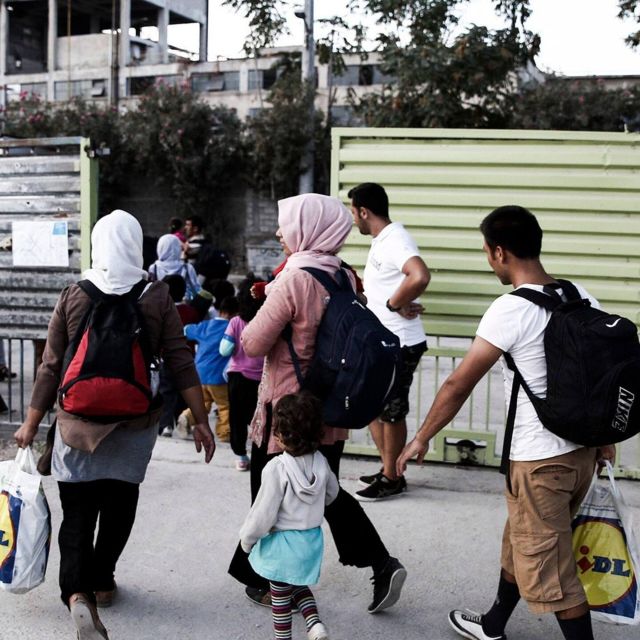
The central subject is the reason people flee. The walk provides insight into situations in Syria, Afghanistan, and other regions, then connects those conditions to the challenges refugees face after leaving.
That approach helps correct a common gap in public discussion. People often hear about arrivals without hearing enough about the circumstances that made departure necessary. By placing those causes at the center, the experience asks you to consider the choices available to someone who may have lost safety, stability, or the ability to plan a normal future.
The activity is not described as a formal academic lecture. It aims to move beyond an academic viewpoint and present the issue in a more human way. That makes the guide especially important. A live guide can explain the topic in plain language, respond to questions, and adjust the conversation as the walk develops.
No guide name is provided, so you cannot select a particular host in advance. You can choose English or Spanish, but Spanish availability needs to be confirmed before booking. If language affects how comfortably you can discuss a sensitive topic, settle that point early.
The emotional side: useful, but not easy
The provider clearly warns that this experience may not suit people who are easily overwhelmed. The walk is safe, but its nature is serious.
That warning should guide your decision. You may hear about hardship, forced movement, and the difficult conditions refugees endure. The purpose is to shift attitudes, and that can involve discomfort. A tour that leaves you thinking is valuable, but it may not be the best choice on a packed day when you want something relaxed.
I would schedule it when you have enough time afterward to process what you have heard. The stated duration is only 90 minutes, yet a serious conversation can stay with you longer. Avoid treating it as a quick filler between major monuments if you want to give the subject proper attention.
The walk also asks you to observe urban decay. Some people find that honest and useful. Others may find it bleak. Neither response is unreasonable, and the experience does not try to hide that part of the route.
What you get for $35
At $35 per person, this is priced like a short guided city experience rather than a major attraction ticket. You are paying for 90 minutes with a live guide, a focused route through four central areas, and interpretation of a subject that is difficult to understand through sightseeing alone.
The value depends on what you want from Athens. If you are looking for entrance tickets, famous monuments, food tastings, or panoramic views, this will not be the best use of your money. Those are not the point here.
If you want a socially focused walk that gives context to present-day Athens, the price is reasonable. The experience can add meaning to other parts of your visit by helping you understand the city beyond ancient history and tourist districts.
The flexible booking terms also reduce the risk. You can reserve now and pay later, and cancellation is available up to 24 hours in advance for a full refund. Starting times depend on availability, so check the schedule before planning your day.
Who should book this experience
I would recommend this walk to you if you:
- Want to understand the refugee crisis through the setting of Athens
- Prefer present-day social issues to standard monument tours
- Are interested in Syria, Afghanistan, migration, and public attitudes
- Can handle serious discussion and visible urban decay
- Want a short activity that may change how you think about refugees
- Are comfortable walking through central neighborhoods without expecting polished sightseeing
It may not suit you if you are easily overwhelmed by difficult subjects or want a cheerful, low-effort introduction to Athens. It also may disappoint you if you expect direct contact with refugees, visits to aid groups, or a detailed account of every street and building.
Families should consider the subject carefully. The supplied information does not give a recommended minimum age, so you will need to decide based on the maturity and sensitivity of the people in your group.
Practical details that affect your choice
The walk lasts 90 minutes, which makes it easy to fit into an Athens itinerary. Still, the content deserves more attention than the clock suggests. You will be walking through Victoria, Aghios Panteleimonas, Omonia, and Metaxourgio, and the route includes areas with abandoned buildings and urban decay.
The experience is led in English or Spanish. Spanish is not automatic, so contact the provider before booking to confirm that option. The provider is Planetwonk Experiences, and you can also ask about its Athens Social and Political Walk if you want a related activity.
You meet at the entrance of Green Park Athens. Starting times vary, so check availability rather than assuming a particular departure. Since the route is a walk, practical clothing and comfortable footwear are sensible choices, though no detailed dress or equipment requirements are provided.
Should you book this refugee crisis walk?
Book it if you want Athens to be more than ancient ruins and restaurant streets. This 90-minute experience offers a direct way to think about why refugees leave Syria, Afghanistan, and other regions, and how their lives are affected after arrival.
Skip it if you want light entertainment, a classic sightseeing route, or a tightly documented list of monuments. The strongest reason to choose this walk is its human focus. It asks you to look at central Athens with more care, and to question fast judgments about people whose stories are often reduced to headlines.
At $35, it is a fair choice for a serious, socially minded city walk. Go with an open mind, allow room for discomfort, and you are likely to gain a more grounded view of modern Athens.
FAQ
Where does the walk meet?
The meeting point is at the entrance of Green Park Athens.
How long does the experience last?
The walk lasts 90 minutes.
What neighborhoods are included?
The experience includes Victoria, Aghios Panteleimonas, Omonia, and Metaxourgio.
What is the main subject of the walk?
The walk examines the refugee crisis, including the situations in Syria, Afghanistan, and other regions, along with the challenges refugees face.
Which languages are available?
A live guide is available in English or Spanish. You should request Spanish before booking so availability can be confirmed.
Is the walk suitable for people who are easily overwhelmed?
It may not be suitable for people who are easily overwhelmed because the subject matter can be difficult. The experience is described as safe, but its focus is serious.
Can I cancel or pay later?
You can cancel up to 24 hours in advance for a full refund. Reserve now and pay later is also available.