REVIEW · ZITSA
Zitsa: Traditional Pies Cooking Class
Book on GetYourGuide →Operated by Epirus Adventures · Bookable on GetYourGuide
Zitsa’s best lesson is edible: you learn to make the thin, filled pies that define Epirus, then sit down to eat them with salad, cheese, bread, dessert, and local wine. Kostas, a baker with 31 years of experience, leads the hands-on work with Anna, his partner in the bakery and a fluent English speaker.
I like the small, personal setting and the way the class connects food with village life. I also like that your meal includes ingredients from the family farm, homemade creations, and a taste of Debina, Zitsa’s local wine variety. The main drawback is practical: transfers are not included, and the bakery is not suitable for wheelchair users.
In This Review
- Key points to know before booking
- Why Zitsa is a good place for a pie-making class
- Meeting Kostas and Anna at the village bakery
- Making savory and sweet Greek pies
- The lunch: your pies, local cheese, and Debina
- Old houses, museums, and nearby wineries
- What the four-hour schedule feels like
- Price and practical value at $176
- Who will enjoy this most
- Cancellation and booking flexibility
- Should you book the Zitsa pie-making class?
- FAQ
- Where does the Zitsa pie-making class take place?
- How long does the activity last?
- Who teaches the cooking class?
- What will I learn to make?
- Is lunch included?
- Is transportation included?
- Can I cancel for a refund?
Key points to know before booking
- Kostas teaches from 31 years of bakery experience, with Anna helping explain each step in English and Greek.
- You make both savory and sweet pies, so this is more than a single-recipe demonstration.
- Lunch uses your own creations, along with salads, local cheeses, fresh bread, dessert, and Zitsa wine.
- Zitsa adds more than a cooking lesson, with old houses used as small museums and wineries nearby.
- The group can be intimate, with one recent class including only four people from several countries.
- The four-hour format works best for food-focused visitors who can arrange their own transport to the bakery.
Why Zitsa is a good place for a pie-making class
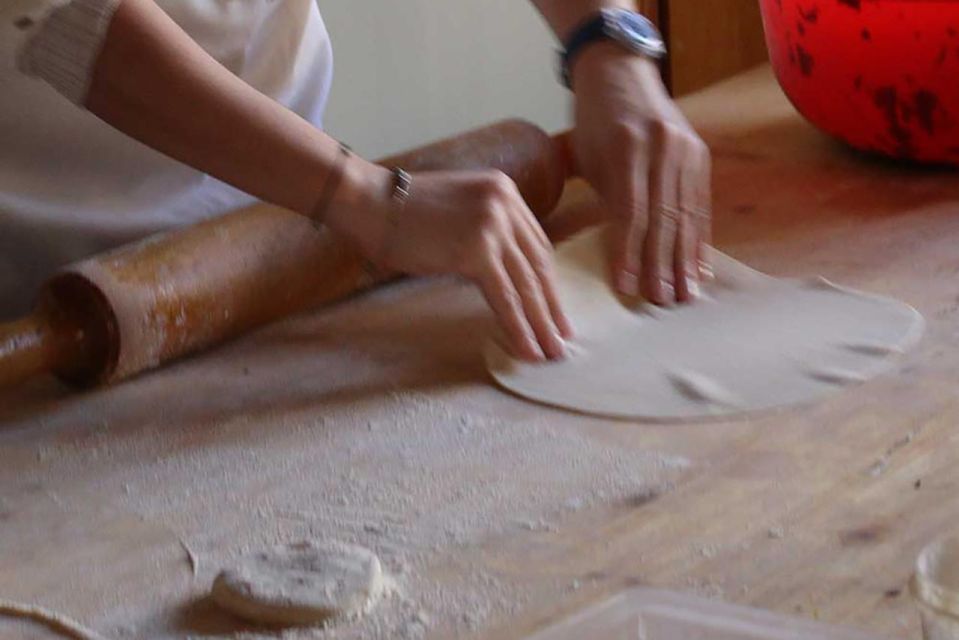
Zitsa gives this activity a sense of place that a city cooking school cannot easily copy. It is a village in Epirus known for its bakery tradition and wineries, and the class takes place in a working village bakery rather than a staged restaurant kitchen.
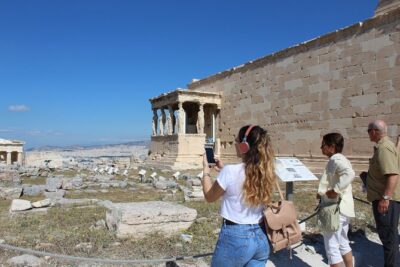
Before or around the lesson, you can see old village houses that now operate as small museums. These buildings offer a useful glimpse of local life, even if your main reason for coming is the food. The nearby wineries add another local thread, especially if you want to understand why Debina wine belongs on the lunch table.
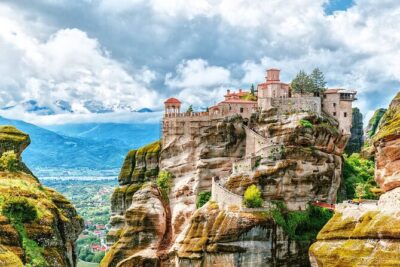
Zitsa is also close to Zagorahoria, an area known for dramatic scenery and outdoor appeal. This class can fit neatly into a wider Epirus day, though you need to arrange the transportation yourself. The activity begins outside the bakery in Zitsa village, so do not assume a hotel pickup or a vehicle connection is part of the booking.
Meeting Kostas and Anna at the village bakery
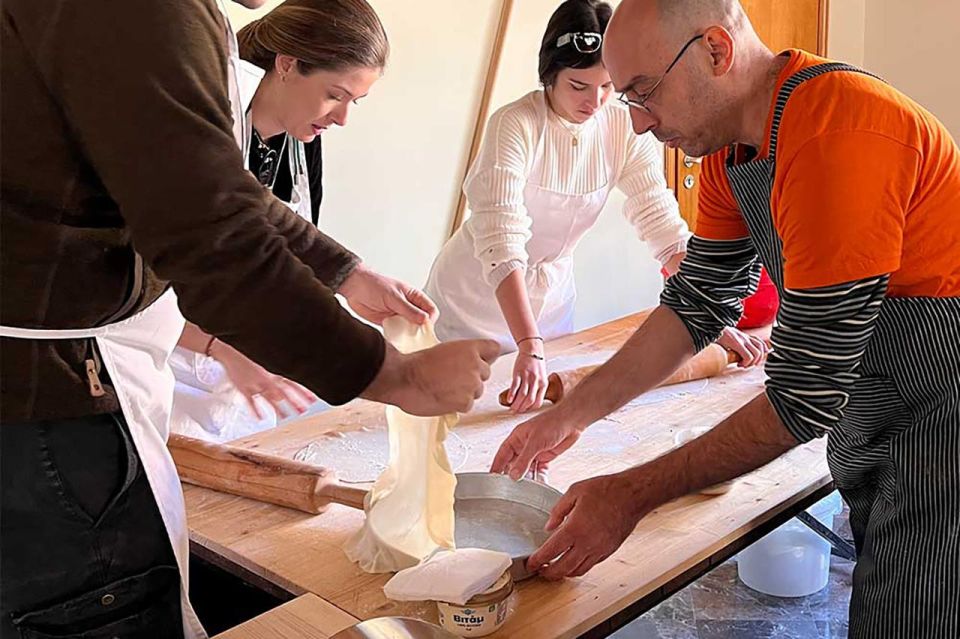
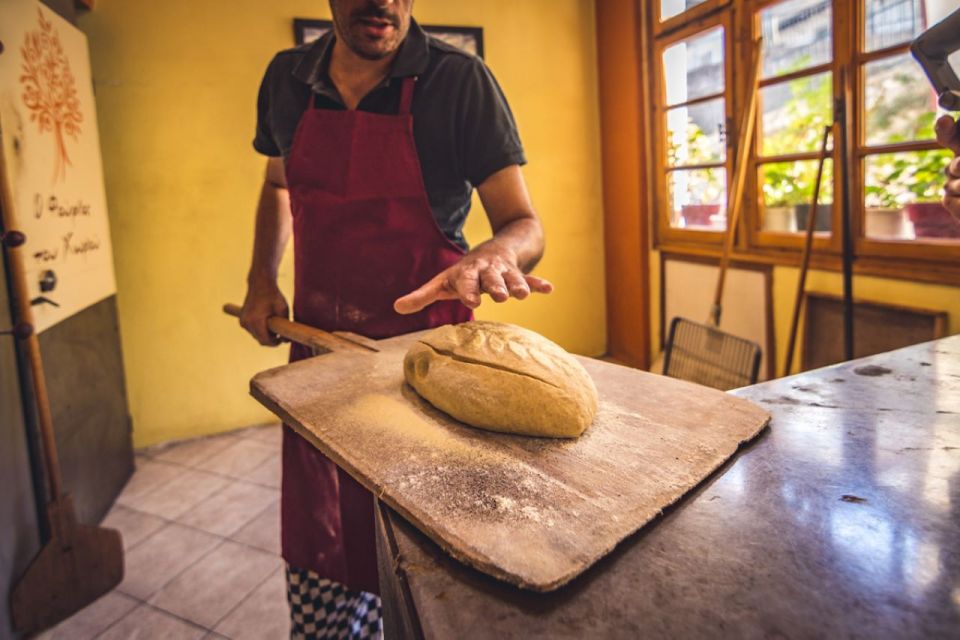
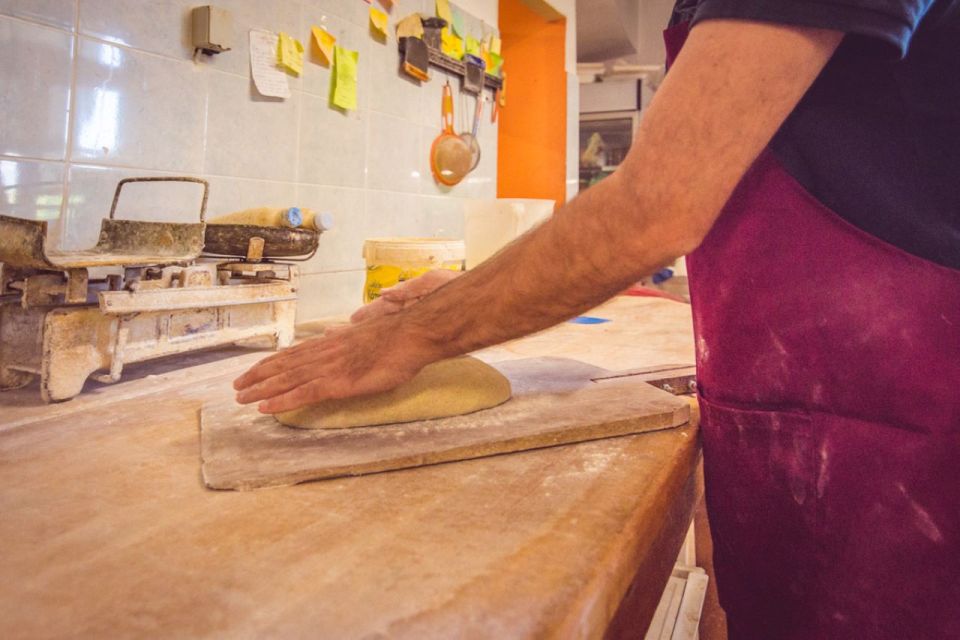
The heart of the class is the bakery itself and the people running it. Kostas has worked as a baker for 31 years, giving the lesson a practical foundation. You are not simply watching a cook perform a polished demonstration. You take part in the preparation and learn the logic behind the recipes.
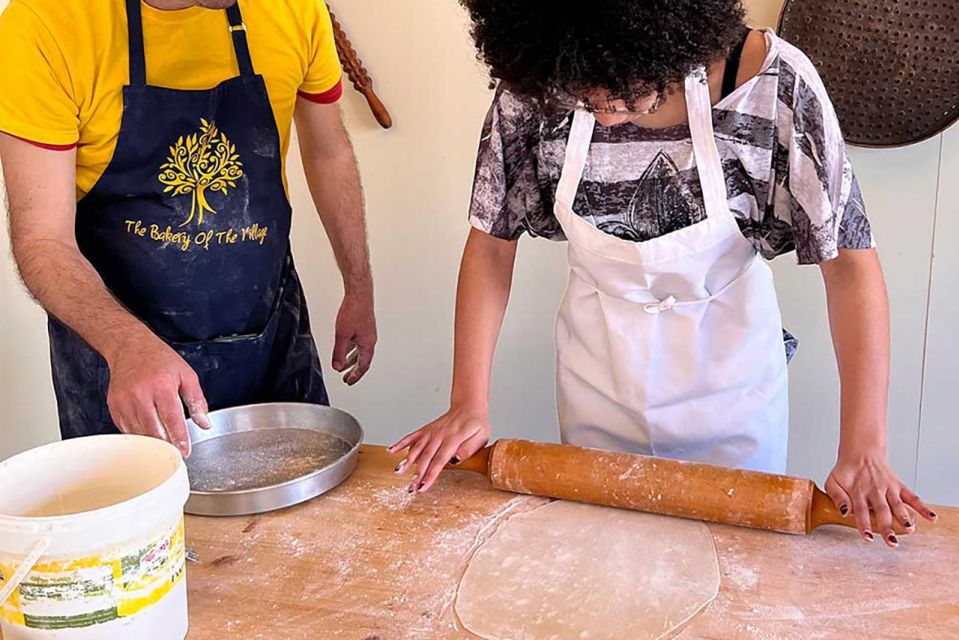
Anna is part of the welcome and instruction, and both hosts speak English and Greek. That matters in a class where small details can make the difference between a workable pastry and a frustrating one. You can ask questions, follow the process, and understand what you are doing instead of copying a movement without context.
Their connection to Zitsa is part of the story. Kostas and Anna fell in love with the village and built their bakery life there. That personal link helps the class feel connected to the community rather than like a detached food attraction.
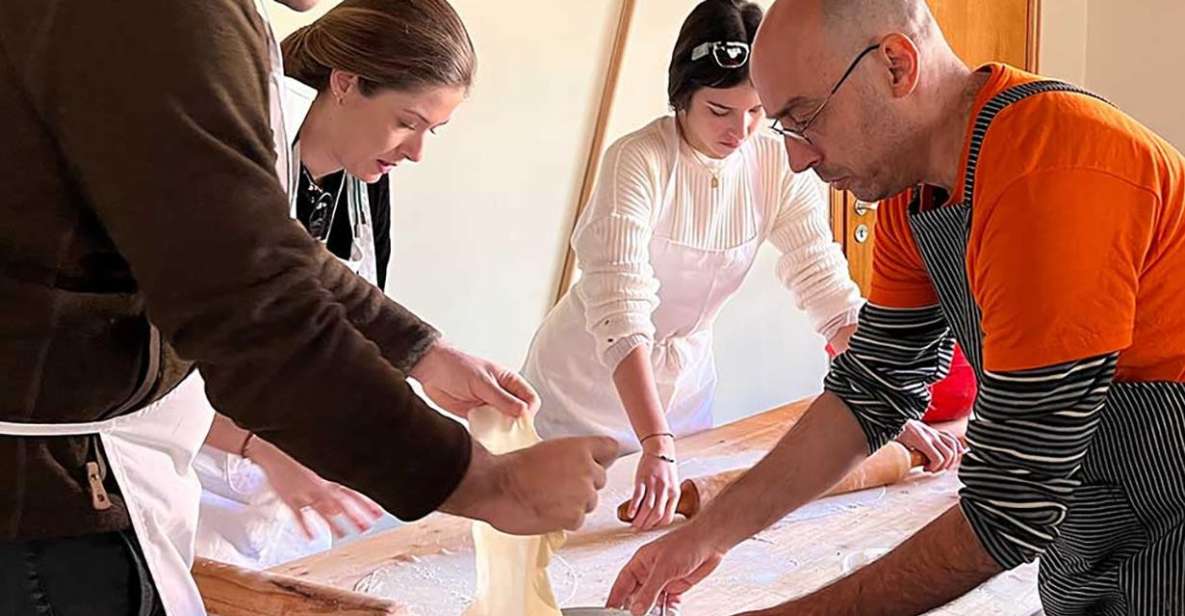
The setting is especially appealing if you prefer a small group. One class had four participants from different countries, which allowed plenty of room for explanation and conversation. Group size can vary, so I would not treat four as a guarantee, but the format is clearly intended to be personal rather than crowded.
Making savory and sweet Greek pies
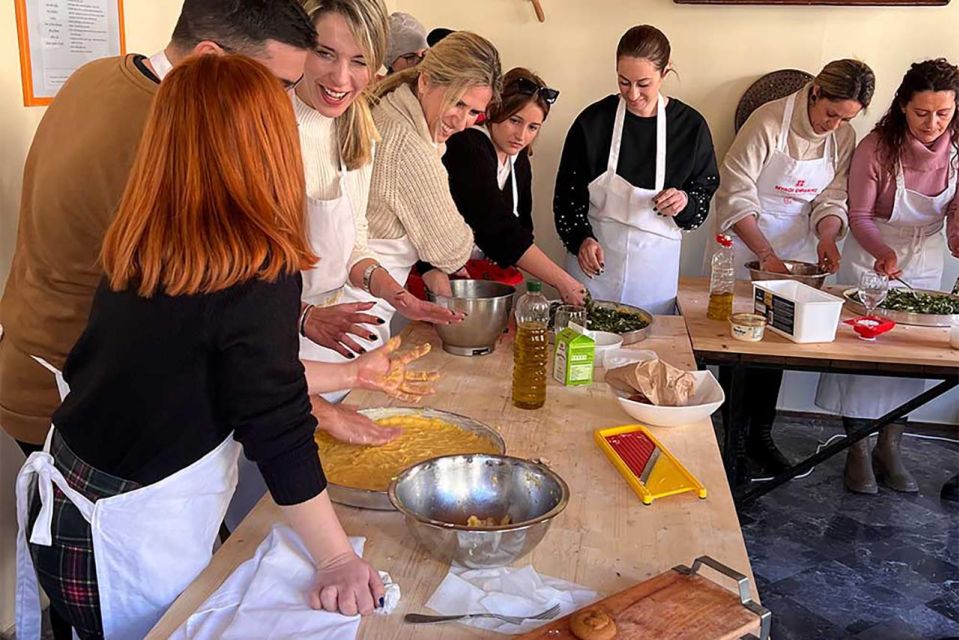
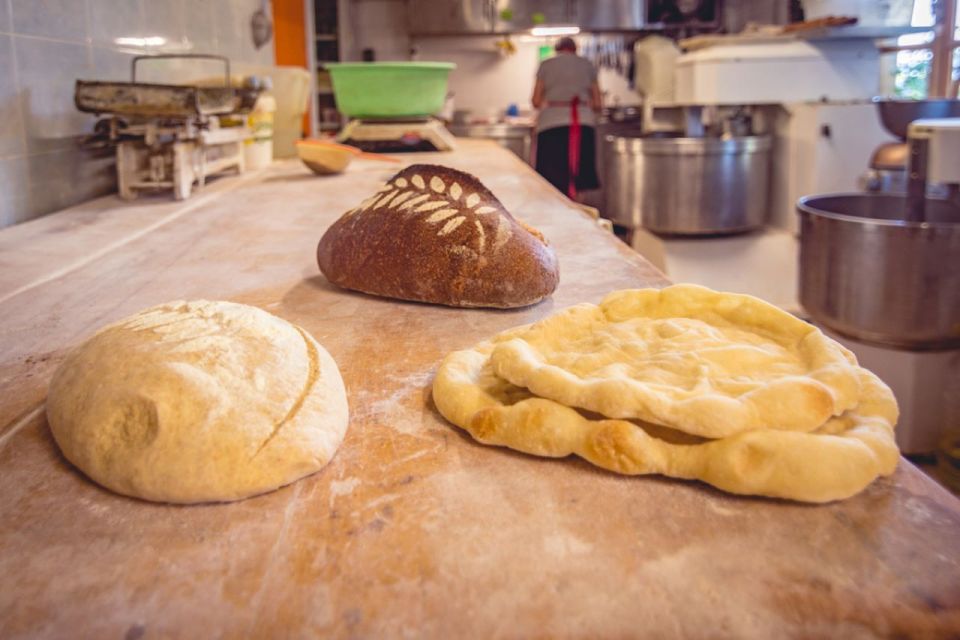
Greek pies are the main event, and the class covers both savory and sweet versions. This gives you a better sense of the range of the tradition. Savory pies can form part of a full meal, while sweet pastries show how the same baking culture moves toward dessert.
Kostas explains the recipes and processes as you work. The useful part is not only learning what goes into a pie, but seeing how the ingredients come together under the guidance of someone who has spent decades baking them. You get a practical lesson, not just a tasting.
The class uses fresh ingredients from the family farm. That detail gives the food a direct connection to the area and helps explain why the final meal is more than a generic Greek lunch. You are working with ingredients tied to the hosts and their home region.
Plan to take part rather than arrive expecting a passive show. Comfortable clothes and shoes are sensible because you will be working in a bakery for several hours. A hat is also listed among the recommended items. The activity information oddly includes beachwear as something to bring, but the central requirement is simple: dress comfortably for hands-on cooking.
The quantity can be generous. One participant prepared enough food that there was plenty left after the meal, with takeaway cartons available. That is useful to know if you like substantial cooking classes, but it also means this is not a tiny tasting session. Arrive ready to spend time preparing, cooking, eating, and talking.
The lunch: your pies, local cheese, and Debina
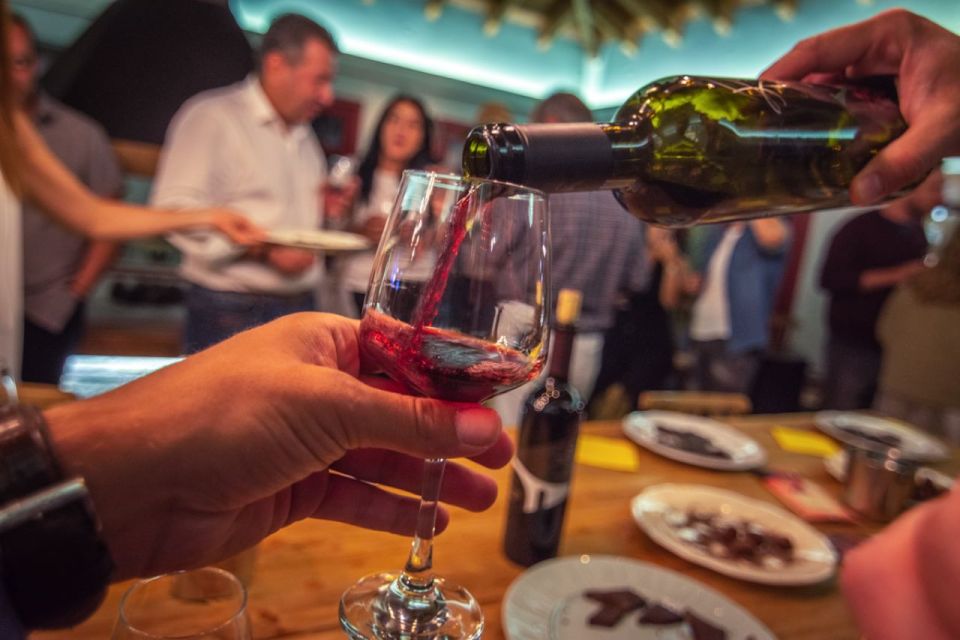
After the cooking, you eat the results. Lunch includes the pies and sweets you have made, plus salads, local cheeses, fresh bread, Zitsa wine, and dessert.
I like this arrangement because it makes the lesson feel complete. You see the food before preparation, take part in making it, and then taste it at the table. The meal is not an extra tacked onto the end. It is the payoff for the work.
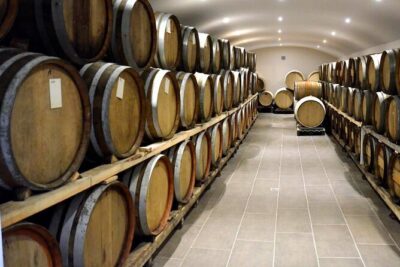
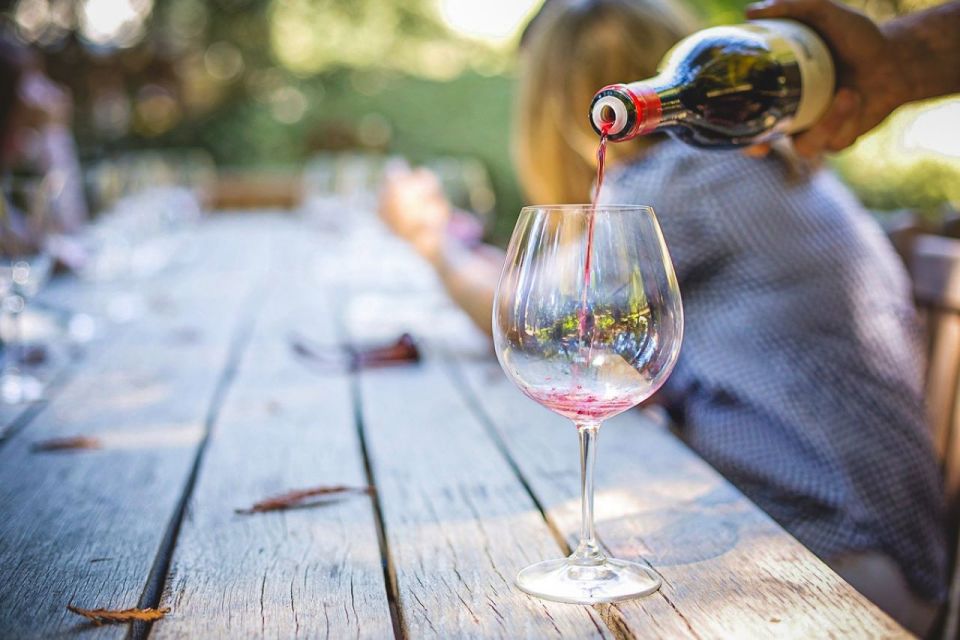
The wine is an important local touch. Zitsa is known for Debina, and the class gives you the chance to taste this regional variety alongside the food. The activity also includes a visit to local wineries, adding context to what you are drinking rather than presenting the wine as an anonymous house pour.
If you are driving, plan carefully. Alcohol is available, but one participant had to limit the wine because of driving. Since transfers are not included, this is a real planning point. Arrange a designated driver or another safe way to return before you start tasting.
The lunch may also suit people who enjoy a relaxed social atmosphere. The hosts have welcomed additional young people to the meal in the past, and the food was plentiful enough to share and pack up. You should expect a warm, communal setting rather than a formal restaurant service.
Old houses, museums, and nearby wineries
The village visit gives the cooking a wider frame. Zitsa’s old houses operate as small museums, so you can see how the village preserves its built character. The information provided does not promise a guided museum tour or a fixed amount of time at each house, so think of this as a village discovery built around the bakery rather than a full museum program.
The wineries are another worthwhile part of the outing. Zitsa’s reputation for sparkling wine and Debina makes wine an important piece of local identity. If you care about regional food traditions, the winery stop helps connect the drink, the village, and the meal.
The exact order of the bakery lesson, village sights, and winery visit may depend on the day. The total duration is four hours, so you have enough time for a substantial class and local tasting, but not necessarily a long independent tour of every nearby attraction.
Zagorahoria is close by and known for its impressive natural scenery. That makes the class a good match for an itinerary focused on Epirus, especially if you are combining food with villages and outdoor sights. It is less suitable if you need a quick activity near a major city or a tightly timed stop between other appointments.
What the four-hour schedule feels like
Four hours is a meaningful block of time. You are not rushing in for a short pastry demonstration, and you are not committing to an entire day of cooking. The schedule gives room for introductions, instruction, hands-on preparation, baking, lunch, and local food and wine.
That length is one of the activity’s strengths. Baking benefits from patience, and a shorter class might leave you with only a recipe card and a sample. Here, you have time to understand the process and eat a proper meal afterward.
The tradeoff is that your day needs some flexibility. Since start times vary according to availability and no transfers are included, build in time to reach Zitsa and find the bakery. The meeting point is outside the bakery in the village.
English and Greek are available for the live instruction. That makes the class accessible to English-speaking visitors who want to follow the recipes closely. The hosts’ ability to explain the steps clearly is especially important in a small bakery setting where the work may move at a steady pace.
Price and practical value at $176
At $176 per person, this is not a bargain cooking class. You are paying for a four-hour private-feeling village activity, instruction from an experienced baker, a substantial meal, wine, local ingredients, and the cultural setting of Zitsa.
The value improves if you would otherwise pay separately for a winery visit, a meal, and a cooking activity. You also receive more than food. The class gives you a reason to visit a smaller Epirus village and a personal introduction to the people who run the bakery.
The price is harder to justify if you only want a quick taste of Greek pastries or if you are already booking several expensive food activities. Since transportation is excluded, add the cost and effort of reaching Zitsa to your calculation.
I would see this as a special-interest outing for food lovers, not a basic sightseeing stop. If you enjoy making what you eat and prefer local hosts to large tour groups, the price can feel fair. If you mainly want scenery and photographs, you may find the commitment too long.
Who will enjoy this most
This class is a strong choice for you if you like:
- Hands-on cooking instead of a demonstration only
- Small-group activities with time for questions
- Traditional food connected to a specific village
- Local wine and a full shared meal
- Meeting the people behind a family bakery
- Adding food culture to a wider Epirus or Zagorahoria itinerary
Families and mixed-age groups may appreciate the friendly, practical format, though the supplied information does not specify a minimum age. I would confirm age requirements before booking if children are part of your plans.
The activity is less suitable if you use a wheelchair, need included transportation, or have only a short window in the area. It also may not suit someone who dislikes group meals or wants a highly formal culinary school with professional kitchen facilities.
Wear comfortable clothing and shoes. Bring sun protection for time outside in the village, and remember that the bakery is a working environment rather than a polished dining room.
Cancellation and booking flexibility
You can cancel up to 24 hours before the activity for a full refund. The reserve-now, pay-later option also lets you hold a place without paying immediately, which is useful when your Epirus schedule is still taking shape.
Starting times depend on availability, so check the date carefully. Because the meeting point is outside the bakery and transfers are not included, confirm your route before booking rather than treating arrival in Zitsa as an afterthought.
Should you book the Zitsa pie-making class?
I would book it if you want an authentic food experience with real participation, a generous meal, and a close look at village life in Epirus. Kostas and Anna bring warmth to the setting, and the combination of savory pies, sweet pies, farm ingredients, local cheese, bread, and Debina gives the four hours plenty of substance.
I would skip it if you need wheelchair access, hotel transfers, or a quick activity that fits into a packed schedule. For everyone else, especially visitors already exploring Zitsa, local wineries, or Zagorahoria, this is a thoughtful way to spend half a day. Come hungry, arrange your transport, and leave room for a takeaway box.
FAQ
Where does the Zitsa pie-making class take place?
The activity meets outside the bakery in Zitsa village, in Epirus, Greece.
How long does the activity last?
The cooking and village experience lasts four hours.
Who teaches the cooking class?
Kostas leads the baking lesson, and he has 31 years of experience as a baker. Anna also helps with the experience and speaks English and Greek.
What will I learn to make?
You will learn how to prepare traditional Greek pies, including both savory and sweet varieties.
Is lunch included?
Yes. Lunch includes the pies and sweets you make, salads, local cheeses, fresh bread, Zitsa wine, and dessert.
Is transportation included?
No. Transfers are not included, and you are responsible for reaching the bakery in Zitsa village.
Can I cancel for a refund?
Yes. You can cancel up to 24 hours in advance for a full refund. You can also reserve now and pay later.