REVIEW · ATHENS
8 Day Group Tour to Ancient Greece, Athens, Poros, Hydra, Aegina
Book on Viator →Operated by Private Tours Greece · Bookable on Viator
Ancient Greece comes in one long, well-packed sweep here, from the Parthenon in Athens to the ruined stadium at Olympia, the cliff-top monasteries of Meteora, and three Saronic Gulf islands. You get the major sights without having to piece together buses, ferries, hotels, and entrance tickets yourself.
I like the mix of famous archaeological sites and smaller local stops, especially Nafplio, the honey farm near Olympia, and the island ports. I also like that airport transfers, seven nights of lodging, six breakfasts, three dinners, site tickets, and an Acropolis guide are built into the price. The main drawback is the pace: several days involve long drives, and some island stops are short.
In This Review
- Key points to know before booking
- A grand tour from Athens to Meteora
- Day 1: A simple arrival in Athens
- Day 2: Corinth, Mycenae, Epidaurus, and Nafplio
- Day 3: The birthplace of the Olympic Games
- Day 4: Delphi and the road to Meteora
- Day 5: Meteora monasteries and Thermopylae
- Day 6: The Acropolis, museum, and modern Athens
- Day 7: Three islands in one cruise
- Day 8: Airport transfer and departure
- Who will get the most from this tour?
- What the $2,406.41 price really covers
- Should you book this Ancient Greece tour?
- FAQ
- How long is the tour?
- Where does the tour begin?
- Is airport transportation included?
- Which major archaeological sites are included?
- Is the Acropolis guided?
- Which Saronic Gulf islands does the cruise visit?
- How much time is available on each island?
- Are meals included?
- What room arrangements are provided?
- How many people can join the group?
- Is the tour suitable for most participants?
- What information is needed for the ferry tickets?
- When will hotel names and pickup times be provided?
- Can I cancel for a full refund?
Key points to know before booking
- Four major UNESCO sites: Visit the Acropolis, Ancient Olympia, Delphi, and Meteora as part of one organized route.
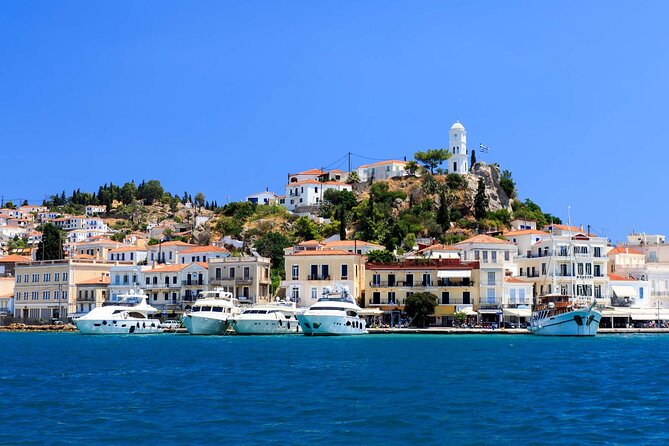
- A full Saronic Gulf cruise: See Poros, Hydra, and Aegina in one day, with roughly 50 minutes to two hours on each island.
- Useful local stops: Nafplio, a honey farm, an olive oil tasting, and the Leonidas statue at Thermopylae add variety to the ancient sites.
- A small maximum group: The tour accepts up to 36 people, a manageable size for a multi-day bus trip.
- Mostly handled for you: Airport transfers, hotels, site tickets, breakfasts, three dinners, and ferry tickets are part of the arrangement.
- A packed schedule: Expect early starts, several three-hour road sections, and limited free time at some stops.
A grand tour from Athens to Meteora
At $2,406.41 per person, this is not a budget bus trip, but it covers a lot of expensive pieces. You receive seven nights of accommodation, airport transfers, six breakfasts, three dinners, admission tickets at the listed archaeological sites, and guided touring at the Acropolis and Acropolis Museum.
The value depends on what you want from Greece. If you prefer choosing your own small hotels, hiring local guides separately, and arranging long-distance transport yourself, you may find the price high. If you want one contact handling a complicated route through the mainland and islands, the package has a practical advantage.
The group maximum is 36 people. That is not an intimate private tour, but it is smaller than many large coach programs. The experience combines bus travel with a full-day cruise, so you should be comfortable with organized departures and fixed schedules.
The company provides updated hotel names and pickup times about one week before departure. Downloading WhatsApp is recommended for communication, and the program is sent digitally unless you request a printed copy.
You can also read our reviews of more tours and experiences in Athens.



Day 1: A simple arrival in Athens
Your trip begins with meet-and-assist service at Athens International Airport, also called El. Venizelos. A transfer takes you to your hotel, giving you a straightforward first day after an international flight.
There is no sightseeing scheduled, which is sensible. Use the day to settle in, adjust to the time difference, and get ready for an early start. Your hotel assignment and pickup details arrive closer to departure, so keep an eye on the updated information.
The accommodation arrangement is worth understanding before you book. Two people share a double room, three people share a triple room, and one person has a private single room. The 3-star or 4-star hotel city tax is not included, so budget for that extra charge.
Day 2: Corinth, Mycenae, Epidaurus, and Nafplio
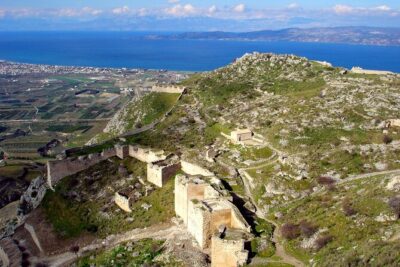
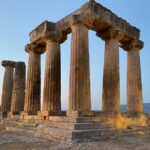
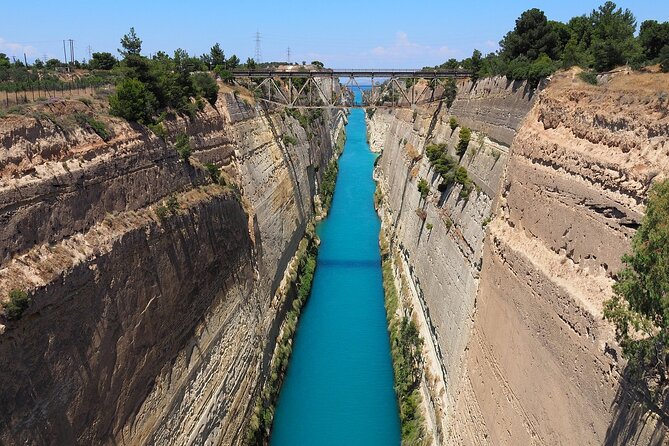
The first touring day packs four strong stops into one route. The Corinth Canal is a quick photo stop, but the engineering is impressive: the waterway cuts through the land for about six kilometers, with sides reaching roughly 80 meters high. Fifteen minutes is enough for a look, not a full visit.
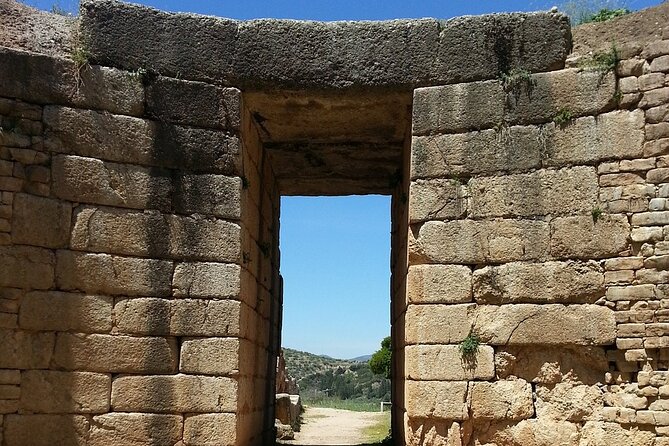
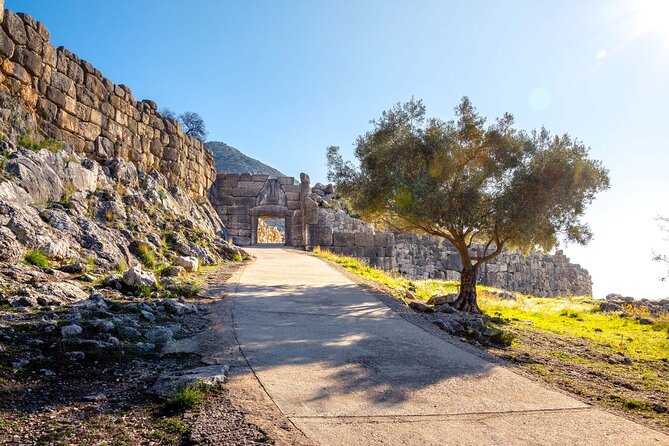
At Mycenae, you get about an hour at one of the key Bronze Age sites in Greece. The Gate of Lions is the famous entrance, while the Tomb of Atreus gives you a sense of the powerful society that built these monumental structures. The visit is short, so listen closely to the guide and wear shoes suitable for uneven ground.
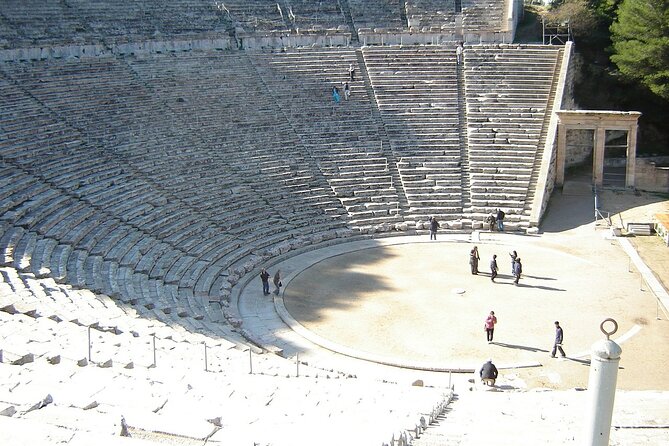
The Ancient Theatre of Epidaurus receives another hour. Its fame rests on its remarkable acoustics, and the setting gives the stop a welcome change from stone walls and burial monuments. You may have a chance to test the theater’s sound, but the schedule does not promise a performance or extended free time.
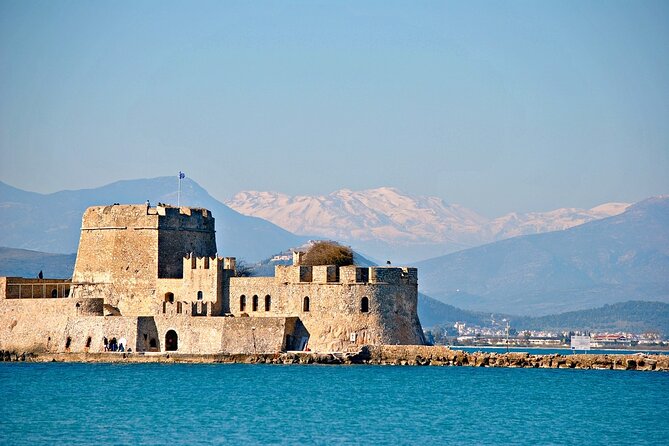
Nafplio is the day’s most relaxing pause. This seaside town served as the first capital of the modern Greek state and offers a chance to eat a traditional Greek lunch. The plan includes a visit to the town castle, reached by 999 steps, with views toward Bourtzi, the small fortress island in the harbor.
The steps are a real consideration. You can enjoy Nafplio’s streets and waterfront without treating the climb as a personal challenge, but confirm with your guide what is included in the castle visit and how much walking is expected. After Nafplio, the route continues toward Olympia, making this a full day on the road.
Day 3: The birthplace of the Olympic Games
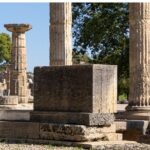
Ancient Olympia deserves an early start. The site hosted the first Olympic Games in 776 BC and was also one of the most important religious centers of ancient Greece. The Temple of Zeus once held a gold and ivory statue by Phidias, counted among the Seven Wonders of the Ancient World.
You have about two hours to see the sanctuary. The route includes the Temple of Hera, the shrine of Pelops, the council house where athletes took their oath, treasury buildings, the gymnasium, and the palestra. The ancient stadium still has its marble starting blocks, which help turn an abstract lesson into a physical place.
The visit is much more than a quick look at a ruined temple. You can picture athletes preparing for weeks in the gymnasium and gathering for competition in the stadium. A guide is especially useful here because many of the buildings are foundations and scattered stones rather than complete structures.
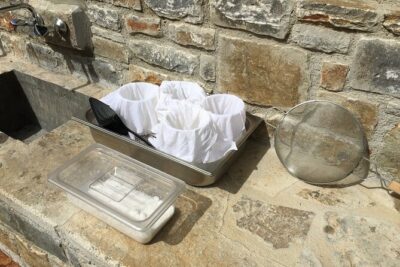
After the archaeological site, the group visits the market area for olive oil and wine tasting. The schedule also includes a stop at Klio’s Honey Farm, where you can have coffee or juice and handmade desserts made with honey produced at the farm over generations. These stops give the day a local food angle, though anyone focused only on archaeology may see them as extra time away from the ruins.
The road then crosses the Rion-Antirion Bridge toward Delphi. This is a long transfer of about three hours, followed by dinner and an overnight stay in Delphi. Keep water and a small snack with you. The driving is part of the route, but it can feel tiring after a morning spent walking outdoors.
Day 4: Delphi and the road to Meteora
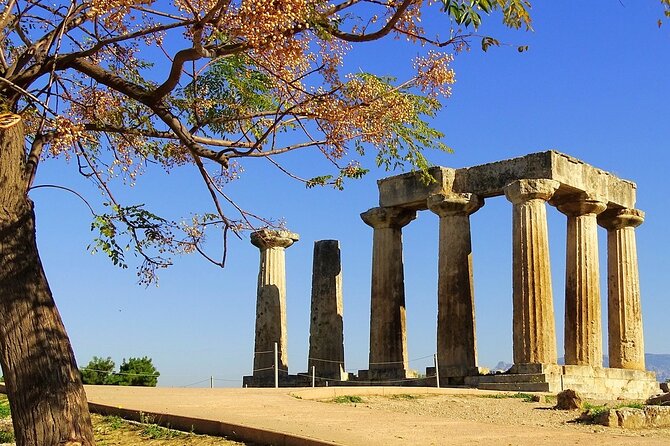
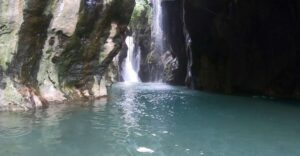
Delphi was considered the center of the world by the ancient Greeks, and its setting gives the sanctuary a strong sense of place. The supplied schedule gives two hours for the Delphi Archaeological Museum, but the description attached to this day refers to the Blue Caves and a famous Shipwreck, which do not match the mainland route to Delphi and Meteora.
That mismatch is the clearest point to confirm before departure. Ask for the updated day-by-day program, including the exact Delphi site, museum visit, pickup time, and hotel. The operator says a revised itinerary with hotel names and timings arrives one week before the trip, so use that document as your working plan.
The route from Delphi to Kalambaka takes about three hours. Meteora is one of Greece’s most striking settings: Byzantine monasteries sit on tall rock pillars above the town. You spend the night in Meteora, which is useful because the next morning begins with the monastery visit rather than a long transfer from Athens.



Day 5: Meteora monasteries and Thermopylae
The Meteora visit includes two monasteries and about two hours of sightseeing. The monasteries date to the Byzantine period and are known for their remarkable buildings, cliff-top positions, and wide views across the surrounding countryside.
Two monasteries provide a good introduction, but you will not see every religious site in the area. Modest clothing may be expected inside the monasteries, and the approach can involve steps. The tour information does not specify the two buildings, so ask which monasteries are planned and what clothing rules apply.
After Meteora, the route turns south toward Athens, passing through Trikala, Lamia, and Thermopylae. The stop at the statue of King Leonidas connects the scenery to the famous battle fought there. It is a short historic pause rather than a full museum visit.
The return drive takes about three hours, followed by an overnight stay in Athens. This is another demanding road day, but the route links several regions that are difficult to combine without a vehicle and careful planning.
Day 6: The Acropolis, museum, and modern Athens
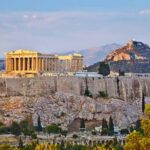
The Acropolis day is the tour’s centerpiece. A private driver takes you from your hotel to the Acropolis, where you meet a licensed guide. The two-hour guided visit includes the Theatre of Dionysus, the Porch of the Caryatids, and the Parthenon.
A guide matters here. The Acropolis is crowded, exposed to the sun, and full of monuments that can blur together without context. You get a clearer sense of how the buildings relate to one another, and the guide can point out details that are easy to miss while you are watching your footing on the ancient stone.
The Acropolis Museum follows for about an hour. Its collection includes sculpture and artifacts from the Erechtheum, Temple of Athena Nike, Propylaea, and later periods of Athens. A transparent floor reveals archaeological remains beneath the museum, adding another layer to the visit.
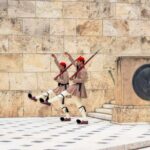
The afternoon city drive includes the Temple of Olympian Zeus, Syntagma Square and the Hellenic Parliament, and the Panathenaic Stadium. The stadium hosted the first modern Olympic Games and gives you a modern counterpart to Ancient Olympia.
At the end, the driver can return you to your hotel or drop you in Plaka. Choose Plaka if you want old mansions, narrow streets, and souvlaki after the formal sightseeing ends. The tour does not include a meal there, so plan to pay for lunch or dinner yourself.
Day 7: Three islands in one cruise
The full-day cruise to Poros, Hydra, and Aegina changes the rhythm after several days of ruins and road travel. You see three different island settings, but the time in port is limited.
Poros offers about 50 minutes. The island is known for pine trees, a waterfront town, a clock tower, a city hall, an archaeological museum, and a cultural center. In less than an hour, you will need to choose between a short walk through town and a quick climb toward the clock tower.
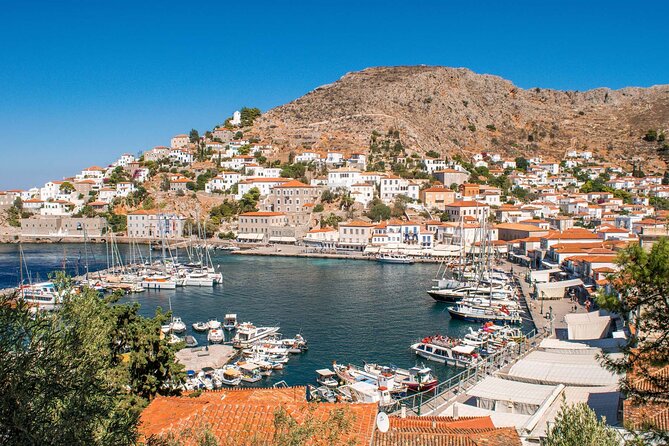
Hydra receives about one hour and 55 minutes. Its cobblestone streets, mansions, forts, and traditional donkey transport give it a distinctive character. You can walk along the harbor and nearby alleys, but there is not enough time for a leisurely island tour.
Aegina is the longest island stop, at about two hours. It is known for pistachios, beaches, and the Temple of Afaia. You can stay near the port for coffee and pistachio sweets, or use the time for a historical tour. The schedule does not state that transport to the Temple of Afaia is included, so ask before counting on that visit.
This cruise suits you if you want a sampler of the Saronic Gulf. It is not the right format for a quiet island holiday. Bring sun protection, comfortable walking shoes, and a watch. Boarding times matter, and the stops are too short for a relaxed, unplanned wander.
Day 8: Airport transfer and departure
The final morning is simple. A driver collects you from the hotel according to your flight details and transfers you to Athens airport.
Since the trip includes airport pickup and departure transfer, you do not have to arrange a taxi at either end. Still, confirm the pickup time once your flight details are submitted. Keep your passport information accurate, since the operator requests names exactly as shown on passports and gender details to issue ferry tickets.
Who will get the most from this tour?
I would choose this trip if you want to see the major mainland sights in one organized journey and do not want to rent a car. It suits first-time visitors who value a clear route, included admission tickets, and hotel-to-hotel transfers.
It also works well for a small group of friends or relatives. One review specifically praised trip planner Fotini for listening carefully and arranging a girls’ trip, while driver Pathos was singled out for showing the group lesser-known details along the way. Those names may not apply to every departure, so confirm your assigned planner and driver rather than assuming they will be part of your trip.
You should think twice if your ideal Greek holiday means sleeping late, lingering over meals, or spending several days on one island. The mainland route has long drives, and the cruise offers only brief introductions to Poros, Hydra, and Aegina.
Most travelers can participate, and service animals are allowed. The tour is near public transportation, but the schedule itself depends mainly on the provided bus, private transfers, and ferry. Ask about walking conditions if uneven surfaces, steps, or monastery access are a concern.
What the $2,406.41 price really covers
The price is easiest to judge as a transport and logistics package. You are paying for seven nights, airport transfers, intercity road travel, a ferry day, admission tickets, a licensed guide at the Acropolis and museum, six breakfasts, and three dinners.
Not every meal is included. Lunch in Nafplio, food in Plaka, and meals or snacks during the island cruise are extra. Hotel city tax is also separate for both 3-star and 4-star accommodation.
The tour offers group discounts and multiple payment options, with mobile ticketing included. Cancellation terms are strict close to departure: a full refund requires cancellation at least six full days before the start time, a 50 percent refund applies two to six full days before, and cancellations less than two full days before departure are nonrefundable.
Should you book this Ancient Greece tour?
Book it if you want a broad first look at Greece with the hard planning already done. The strongest reasons are the four major archaeological sites, the Acropolis guide and museum visit, the island cruise, and the inclusion of hotels, transfers, tickets, breakfasts, and dinners.
Do not book it expecting a slow holiday. You will spend substantial time on the road, and the island day is a sampler rather than a deep visit. Before paying, ask for the current hotel list, clarify the confusing Delphi day description, confirm the monastery stops, and check the room-sharing arrangement.
For an active first trip to Greece, this gives you an unusually wide range of places in eight days. For a relaxed trip, choose a shorter route with more time in Athens or on one island.
FAQ
How long is the tour?
The experience lasts approximately eight days and includes seven nights of accommodation.
Where does the tour begin?
The tour begins with meet-and-assist service at Athens International Airport, El. Venizelos, on Attiki Odos in Spata.
Is airport transportation included?
Yes. Transfers from Athens airport to the hotel and from the hotel back to the airport are included.
Which major archaeological sites are included?
The route includes the Acropolis of Athens, Ancient Olympia, Delphi, and the Meteora monasteries. These are presented as four UNESCO World Heritage Sites.
Is the Acropolis guided?
Yes. A licensed guide leads the Acropolis and Acropolis Museum visit on Day 6, and admission tickets are included.
Which Saronic Gulf islands does the cruise visit?
The cruise visits Poros, Hydra, and Aegina.
How much time is available on each island?
The schedule allows about 50 minutes in Poros, one hour and 55 minutes in Hydra, and two hours in Aegina.
Are meals included?
Six breakfasts and three dinners are included. Other meals, including lunch in Nafplio, are not listed as included.
What room arrangements are provided?
Two people stay in a double-sharing room, three people stay in a triple-sharing room, and one person has a private single room.
How many people can join the group?
The maximum group size is 36 people.
Is the tour suitable for most participants?
The tour information states that most people can participate. Service animals are allowed, and the experience is near public transportation.
What information is needed for the ferry tickets?
After booking, you must provide each person’s name exactly as shown on the passport, along with gender details.
When will hotel names and pickup times be provided?
An updated itinerary with hotel names and pickup times is sent about one week before the trip.
Can I cancel for a full refund?
Yes, if you cancel at least six full days before the experience start time. The refund drops to 50 percent for cancellations made two to six full days before, and cancellations less than two full days before are not refunded.