REVIEW · CHANIA
Explore Shepherd’s Hut and Cheese Making Process
Book on Viator →Operated by "Uncharted Escapes" · Bookable on Viator
The most unusual part of this Crete day tour is the visit to a working shepherd’s hut, or Mitato, where you can watch milk turn into cheese and sample the fresh result. You also get honey tasting, rough mountain roads, village scenery, and a long Cretan lunch in Axos.
I like the hands-on food stops, especially the goat milking and cheese making. I also like the sweeping view from Halepa Monastery and the restaurant near Axos. The main caution is the rough off-road driving, which can be hard on anyone with motion sickness, back trouble, limited mobility, or a dislike of bumpy roads.
Key points
- Fresh cheese at a real Mitato: See how shepherds work in the mountains and taste cheese made during your visit.
- Honey museum near Melidoni: Learn about local honey production and sample honey with raki and cookies.
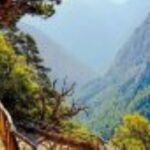
- Halepa Monastery views: A quiet stop with wide views toward Crete’s peaks and valleys.
- Axos village lunch: Eat traditional Cretan platters at a tavern, with coffee and drinks paid separately.
- Small 4×4 groups: Premium seven or nine-seat vehicles carry small groups, with a total tour limit of 24 people.
- A full day from Rethymnon: Allow about six to seven hours, beginning around 8:30 a.m. with hotel pickup.
In This Review
- A Mountain Day Built Around Cheese
- Honey, Cookies, and a Taste of Melidoni
- Halepa Monastery and the Big Mountain View
- The Rough Road to a Cretan Mitato
- Axos Village and a Proper Cretan Lunch
- Guides, Vehicles, and Group Size
- What the $114.70 Price Really Covers
- Who Will Get the Most From This Day
- Timing, Weather, and Cancellation Advice
- Should You Book the Shepherd’s Hut Tour?
- FAQ
- Where does the tour start?
- How long does the experience last?
- Is lunch included?
- What is a Mitato?
- How many people can join the tour?
- Is the tour suitable for people with motion or mobility problems?
A Mountain Day Built Around Cheese
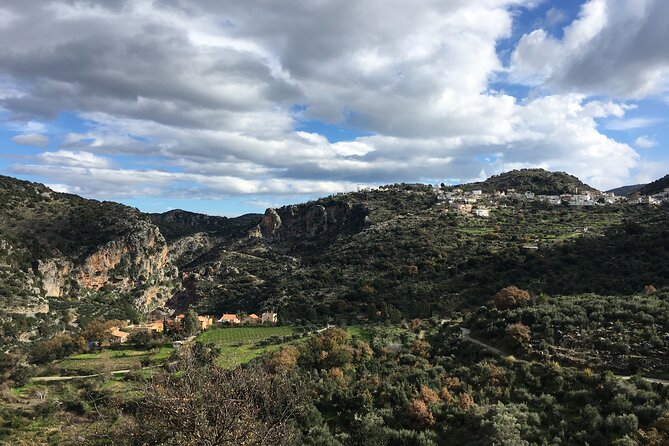
This is not a sightseeing circuit of famous monuments. It is a day in the Cretan countryside, built around how people have traditionally worked, eaten, and lived in the mountains.
You travel from Rethymnon toward the southeast, passing through Mylopotamos and old villages before heading higher into the hills. The route mixes paved roads with off-road tracks. That variety is the point, but it also shapes the day. You spend a fair amount of time in the vehicle, and some of that time can be rough.
The strongest part of the experience is its link between scenery and food. Honey, goat’s milk, cheese, raki, and Cretan lunch are not random tasting stops. They explain something about the island’s rural life. You see where ingredients come from, meet local people, and then sit down to eat the results.
The tour costs $114.70 per person. That is a reasonable price if you want hotel pickup, a vehicle with a multilingual escort-driver, several scenic stops, a hands-on food experience, and lunch in one package. It is less attractive if you mainly want a relaxed drive or a formal history tour. The rough roads and full schedule make this an active day, not a gentle coach excursion.
Honey, Cookies, and a Taste of Melidoni
The first major stop is the Apithano Honey Museum near Melidoni. From the Rethymnon area, the drive to the village takes about 15 minutes, followed by roughly 45 minutes at the honey site.
You get a guided look at honey production and time to taste local honey. This gives the opening part of the tour a clear focus, rather than using the museum as a quick photo stop. Honey is one of those Cretan products that makes more sense after you see the work behind it.
The tasting also includes raki and cookies, according to the tour details. That small pairing helps set the tone for the rest of the day: local food, informal conversation, and a chance to try something you may not order on your own.
I would not expect a large museum visit or a long commercial presentation. The stop lasts about an hour in total, including the drive from the pickup area, so it works best as an introduction to Cretan food culture. If you have already visited several food factories, the museum may feel brief. Still, the tasting and the setting make it a useful first stop.
The route through Mylopotamos and nearby traditional villages adds much of the value. You pass green hills and rural views before the tour moves farther into the mountains. Keep your camera ready, but do not expect every stretch of the drive to have a formal viewpoint.
A few more Chania tours and experiences worth a look
Halepa Monastery and the Big Mountain View
The next leg takes around 40 minutes to Halepa Monastery. The visit itself lasts about 20 minutes, so this is a compact stop rather than a long religious or architectural tour.
The monastery is linked with Cretan resistance and served as a refuge for rebels during periods of civil conflict. That detail gives the site more weight than a simple scenic overlook. Your guide can connect the building and its position to the island’s difficult past, while you take in the peaks and valleys around it.
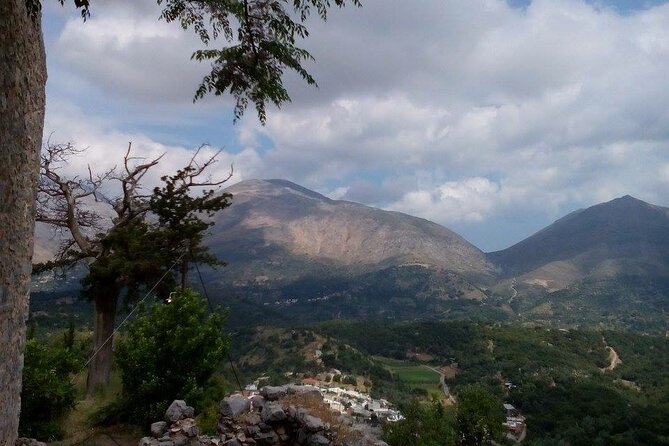
The view is one of the day’s best rewards. After the honey stop, the monastery offers a change of pace and a chance to stretch your legs. The setting is especially useful for photographs because the view opens across the high country rather than stopping at a single village or building.
Twenty minutes is enough for a short visit and pictures, but not for a slow, detailed examination. If monasteries are your main interest, this stop may feel too quick. If you want a scenic pause with a little historical context, the timing works well.
Wear shoes with a firm sole. The tour is not described as a strenuous hike, but rural monastery grounds and later off-road stops are better handled in practical footwear than beach sandals.
The Rough Road to a Cretan Mitato
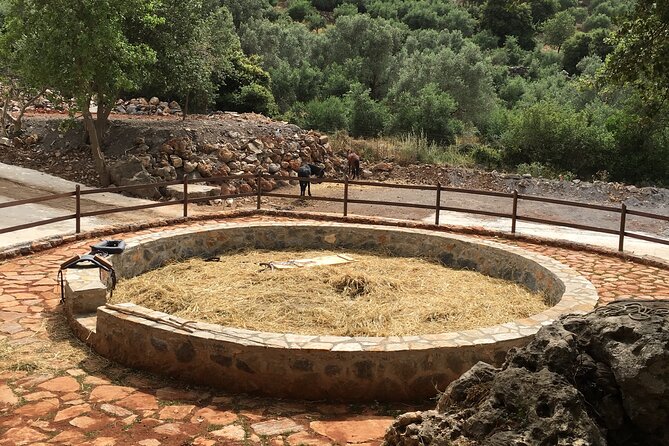
The most distinctive section begins as the vehicle leaves the easier roads and heads toward Axos. You travel off-road to a traditional shepherd’s hut called a Mitato.
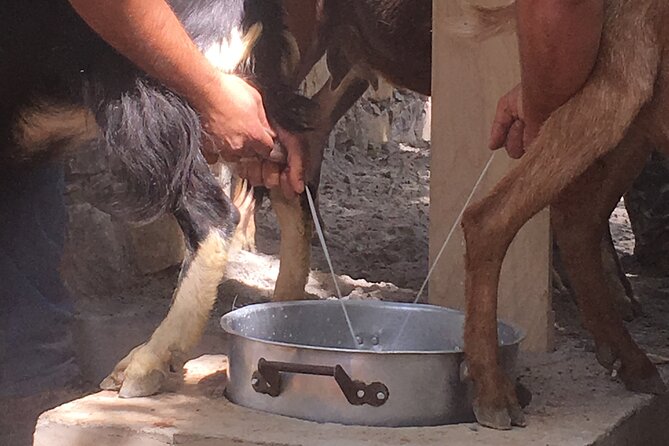
A Mitato is tied to the seasonal work of Cretan shepherds. At this stop, you learn how people used these mountain shelters and how milk became a staple local cheese. The experience is strongest because you are not only hearing about the process. You can watch it happen.
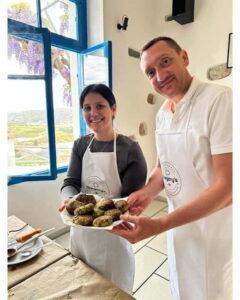
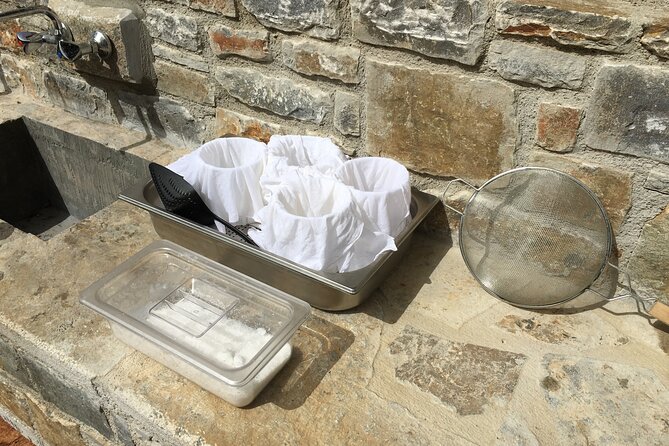
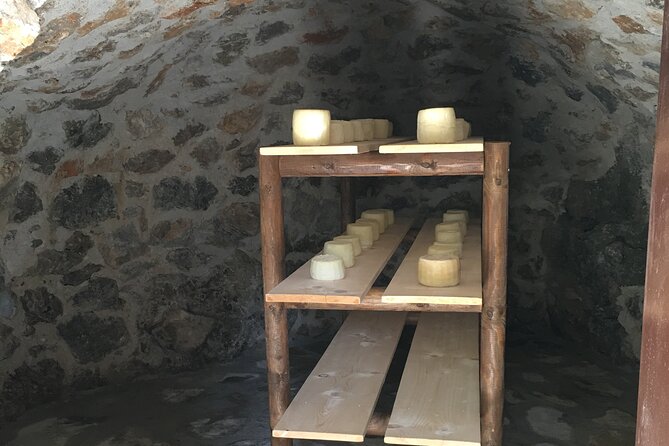
The tour information includes goat milking and fresh cheese making. The milking can be amusing and a little unpredictable, especially if you have never handled a goat. The milk is then processed into cheese, giving you a direct connection between the animal, the shepherd’s work, and the food on your plate later.
You may also see goats and wild eagles in the mountain area. These sightings are not guaranteed, so treat them as a bonus rather than a promise. The main attraction is the working tradition and the chance to taste the cheese.
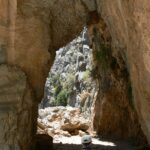
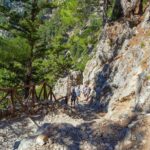
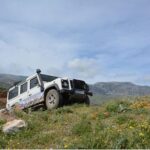
The drive is described as a Land Rover-style safari over rough ground. That matters. You should expect jolts, bends, and uneven tracks rather than a smooth transfer. The route includes a photo stop at Axos Gorge and another near an area associated with vultures. These are short off-road pauses, about 15 minutes and 10 minutes respectively, and they break up the drive with views and wildlife possibilities.
This section will suit you if you enjoy getting away from the main road and do not mind a little dust or motion. It may not suit you if you get carsick easily. The operator specifically advises against the tour for people with car sickness, mobility or kinetic issues, back problems, and pregnant women.
Axos Village and a Proper Cretan Lunch
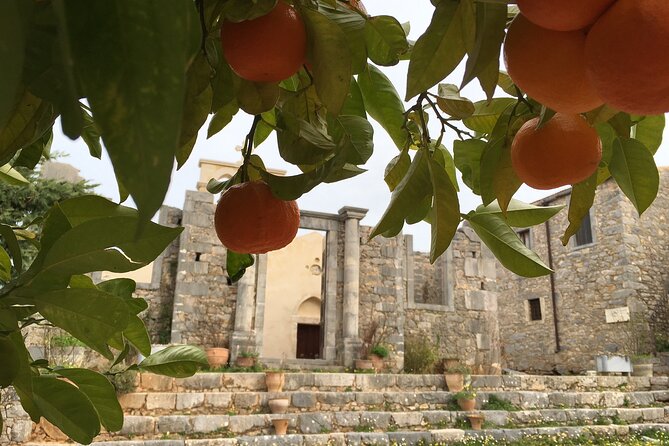
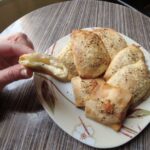
After the mountain stops, the tour continues to Axos village for lunch at a traditional tavern. This is more than a quick meal between attractions. The lunch is built around traditional Cretan platters, so you get a chance to try several local foods instead of choosing a single dish without much context.
The meal is included in the price, which improves the tour’s value. Coffee, beer, and other refreshments are not included, so bring some extra money if you want anything beyond the provided food.
The location is part of the appeal. The restaurant is described as having outstanding views, and the lunch stop gives you time to sit down after the rougher mountain section. A leisurely coffee before the return to Rethymnon is also part of the plan, though the coffee itself is at your expense.
Cretan meals often work best when shared across the table, and a platter-style lunch suits a group tour well. You can sample more than you would at a standard roadside stop. The tradeoff is that you have less control over the exact menu, since the meal is arranged around traditional platters.
Plan for a long middle section of the day. The Axos portion, including the gorge and mountain stops, takes about three hours and 15 minutes according to the schedule. Add the earlier honey and monastery visits, driving, lunch, and return journey, and the total day reaches six to seven hours.
Guides, Vehicles, and Group Size
The tour uses premium off-road vehicles with seven or nine seats. The total maximum is 24 people, with the experience described as semi-private for groups of up to six or eight people per vehicle. This setup gives you a better view of the countryside than a large coach and makes the narrow mountain roads more manageable.
Your driver also acts as an escort-guide and may explain the area in more than one language. Dimitris is specifically identified as a German-speaking guide, so German-speaking visitors should request or confirm the language when booking if that matters to them.
A smaller vehicle also makes the food and farm stops feel more personal. You can ask questions without trying to catch a guide’s voice from the back of a large bus. On the other hand, a small 4×4 has less room to spread out, particularly if you are tall or carrying a lot of gear.
The operator advises that people taller than 195 centimeters or heavier than 130 kilograms may find the vehicle and route uncomfortable. Children under seven are not recommended, and baby seats are not provided. Alcohol is prohibited for anyone under 18, even though raki may be offered during the tasting.
Hotel pickup and drop-off are included. The stated start time is 8:30 a.m. The information places the tour in the Chania area but describes the route as starting from Rethymnon, so you should confirm that your hotel is within the pickup zone before paying. This is the one practical point I would check carefully.
What the $114.70 Price Really Covers
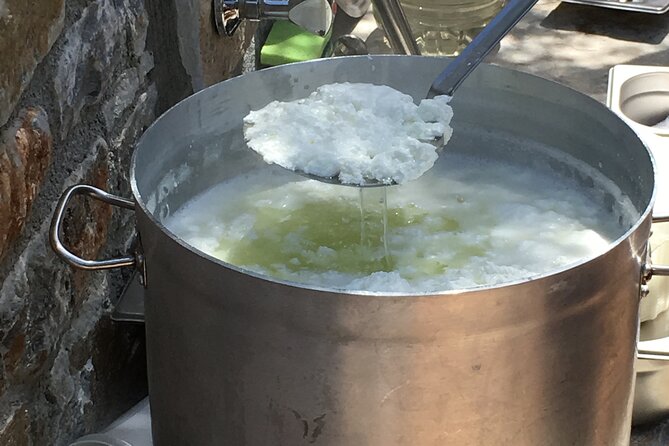
At $114.70, the cost is not simply paying for transport. It covers pickup and return, a multilingual driver-guide, the off-road vehicle, the honey museum visit, the Mitato stop, cheese making, lunch, insurance, and local taxes.
That bundle can represent good value in Crete, particularly if you would otherwise need to rent a vehicle and arrange several rural stops yourself. You also avoid navigating rough tracks, which is useful because mountain roads are not the place to learn the controls of a rented car.
The meal and tastings are important parts of the value. Honey, raki, cookies, fresh cheese, and a traditional lunch give the day a clear food focus. You still need to budget for coffee, beer, or other refreshments at the tavern.
The price is less compelling for someone who dislikes fixed schedules. You cannot linger indefinitely at the monastery, spend a whole afternoon at the gorge, or choose a different restaurant. The tour works because the operator strings together several experiences in one day, but that also means the timing is set.
Who Will Get the Most From This Day
I would choose this tour if you want to see a rural side of Crete without arranging a 4×4 rental. It is especially suitable for adults and older children who enjoy local food, village roads, mountain views, and working traditions.
It is a good fit for you if:
- You want more than beaches and old-town walks.
- You enjoy tasting local products and asking how they are made.
- You are comfortable with a long day and uneven roads.
- You like small-group transport rather than a large coach.
- You want lunch and hotel transfers included.
- You are interested in Cretan shepherd life, not only monuments.
I would choose another outing if you need step-free access, dislike motion, have back problems, or want a calm, polished food tour. The operator does not recommend this activity for people with mobility or kinetic issues, pregnant women, children under seven, or anyone prone to car sickness.
The tour also requires a minimum of four people to operate. The maximum is 24, so the actual feel can vary. Your vehicle may be a small group, but the wider departure could be larger.
Timing, Weather, and Cancellation Advice
The experience requires good weather because much of the appeal lies outside the towns and includes off-road driving. If poor weather forces cancellation, you can receive another date or a full refund.
You can cancel for a full refund up to 24 hours before the local start time. Inside that 24-hour window, the payment is not refunded, and changes are not accepted. The same 24-hour cutoff applies to the cancellation terms, so do not leave changes until the morning of departure.
Confirmation is normally sent when you book. If you book within two days of travel, confirmation can take up to 48 hours and depends on availability. Since the experience needs at least four people to run, last-minute plans carry some risk.
Public transport is nearby, but included hotel pickup makes it the simpler choice. Confirm your pickup location, especially if you are staying outside the Rethymnon area or booking under the Chania location label.
Should You Book the Shepherd’s Hut Tour?
Book it if you want a full Cretan day with real food traditions, rough mountain roads, and broad views rather than a checklist of famous sights. The cheese making at the Mitato is the rare part, and the combination of honey, goat’s milk, fresh cheese, raki, and a tavern lunch gives the day a strong local character.
The best moments are likely to be the ones with a little unpredictability: trying to milk a goat, tasting cheese made on site, spotting wildlife near the gorge, or sharing a long lunch while the mountains open around you. Dimitris and the other multilingual escort-drivers can add useful context, especially if you need explanations in a specific language.
Skip it if comfort and quiet roads matter more than access to rural Crete. For the right person, $114.70 buys a well-filled day and a look at an island tradition that is difficult to find on your own. For the wrong person, the same rough roads can turn the day into a test of endurance.
FAQ
Where does the tour start?
The schedule gives an 8:30 a.m. start and describes pickup from hotels. The route begins from the Rethymnon area, so confirm that your accommodation is covered by the pickup service.
How long does the experience last?
Allow approximately six to seven hours, including transport, the honey museum, Halepa Monastery, off-road mountain stops, lunch, and the return to Rethymnon.
Is lunch included?
Yes. Traditional Cretan platters are included. Coffee, beer, and other refreshments at the tavern are not included.
What is a Mitato?
A Mitato is a traditional Cretan shepherd’s hut. The tour includes a visit to one, along with an explanation of shepherd life, goat milking, cheese making, and a taste of local cheese.
How many people can join the tour?
The total activity maximum is 24 people. The experience uses seven or nine-seat off-road vehicles and is described as semi-private for groups of up to six or eight people per vehicle.
Is the tour suitable for people with motion or mobility problems?
No. The operator does not recommend it for people with car sickness, mobility or kinetic issues, back problems, or pregnant women. Children under seven are also not recommended, and baby seats are not provided.