REVIEW · CHANIA
Wine & Olive Oil tasting one day private tour in Crete
Book on Viator →Operated by Porto Planet · Bookable on Viator
A monastery where monks produce olive oil, wine, honey, vinegar, and soap is the unusual heart of this private Crete tour. You also visit Chania’s old city and finish at a family winery with tastings of local grapes such as Assyrtyko, Romeiko, and Vilana.
I like the private format, which lets you set the pace instead of waiting for a large group. I also like the mix of wine, olive oil, food, church art, village scenery, and city streets. The main drawback is the price, $178.10 per person before lunch, so it makes the most sense for couples or small groups who value a personal vehicle and flexible timing.
In This Review
- Key points to know before booking
- Two sides of Crete in one private outing
- Starting at the Holy Trinity Tzagarolon Monastery
- What the first tasting tells you about Cretan food
- Walking through Chania’s old city and market
- Finishing at a 200-acre family winery
- The private vehicle changes the experience
- Value at $178.10 per person
- Who will enjoy this tour most
- Should you book this Chania wine and olive oil tour?
- FAQ
- Where does the tour start?
- How long does the experience last?
- Is this a private tour?
- Is transportation included?
- Is lunch included in the price?
- How many wines will I taste?
- What happens if the tour is canceled because of weather?
Key points to know before booking
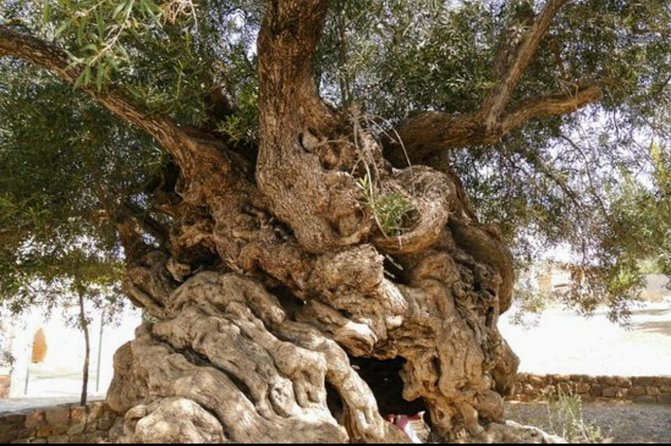
- Five wines at the monastery: Taste wine with rusk, extra virgin olive oil, sea salt, and oregano at the Holy Trinity Tzagarolon Monastery.
- A second wine stop: The family winery pours five more wines, including Cretan and international varieties.
- Chania built in: Walk the old city and browse a market selling honey, herbs, cheese, and olive oil.
- Private transport: Pickup and drop-off are offered from several places, with only your group taking part.
- Lunch costs extra: A local winery lunch at Kissavos Mountain is available but not included in the tour price.
- Named local hosts: Dimitri is associated with the driving service, while Rallou is noted for explaining Cretan culture and olive oil production.
Two sides of Crete in one private outing
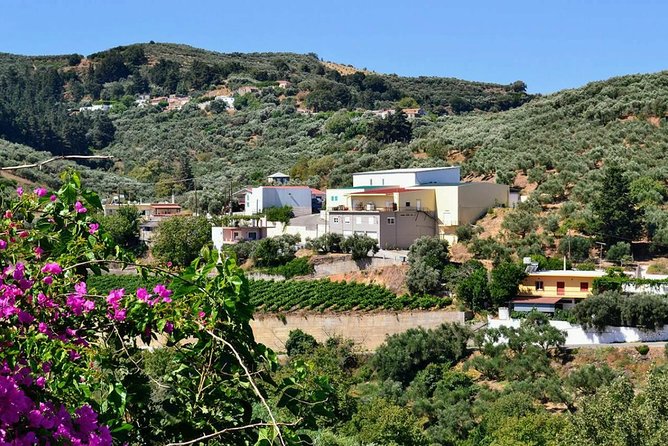
This tour works because it joins two very different parts of the island. You get a taste of Crete’s religious and farming traditions at a monastery, then move into Chania’s narrow streets before ending among vineyards and open countryside.
The food and drink are not simply add-ons. Olive oil, wine, honey, herbs, cheese, and rusks are part of daily Cretan life, and each stop gives you a different way to understand that food culture. You are not just sitting at a tasting counter all day.
The schedule is listed as about five hours, while the description also refers to roughly six hours. Allow a good part of your day for the outing, especially if you add lunch or spend extra time in Chania. Your exact pace can vary because the tour is private.
The $178.10 price is not a bargain in the usual sightseeing sense. It covers private transportation, pickup and drop-off, tastings, snacks, water, and all listed fees. For two people, the cost adds up quickly, but it may compare well with hiring a private car and arranging several visits yourself. Lunch is the extra expense to plan for.
You can also read our reviews of more food & drink experiences in Chania
Starting at the Holy Trinity Tzagarolon Monastery
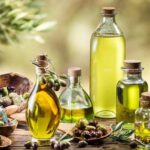
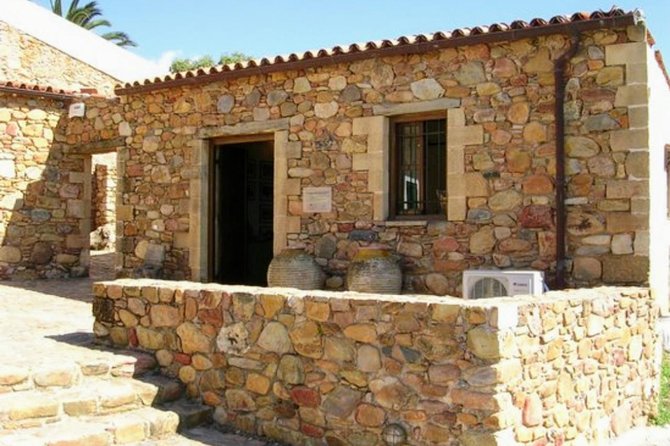
The first major stop is the Monastery of the Holy Trinity Tzagarolon, a Venetian-era religious site with a working food tradition. You will see how the monks produce organic olive oil, wine, honey, vinegar, and soap.
That working element gives the stop more substance than a quick photo visit. You can connect the buildings and religious setting with the products that have long been made from the surrounding land. The monastery visit also adds variety to a tour that could otherwise feel like a series of commercial tastings.
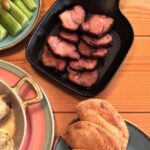
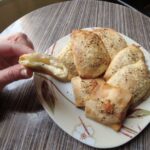
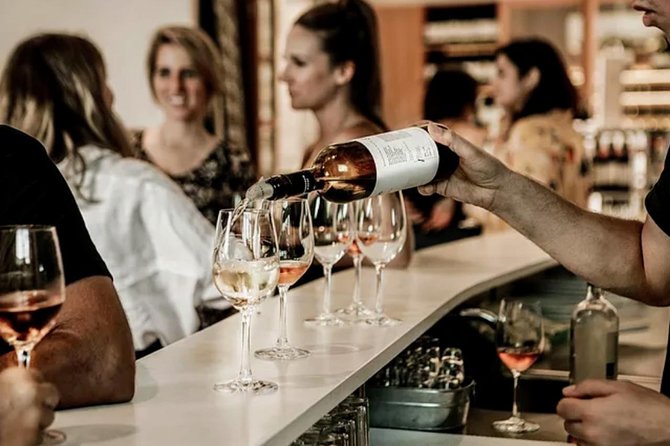
The tasting includes five wines. They are paired with rusk, extra virgin olive oil, sea salt, and oregano, so you can compare wine with simple Cretan ingredients rather than tasting it in isolation.
This is useful if you are new to Greek wine. Rusk is a hard, dry bread that works well with oil and salt, and the combination gives you a straightforward sense of how local food is served. The olive oil is not treated as a background ingredient. It gets its own place at the table.
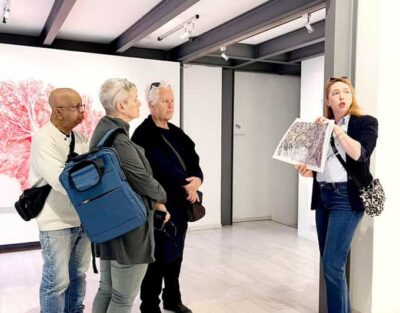
The monastery also contains a museum with church icons and a 12th-century manuscript cover. You will see 16th and 17th-century icons of St. John the Theologian and St. Nicholas.
Do not think of this as only a food stop. If you enjoy religious art, old buildings, and small museums, the monastery gives the morning more depth. If your only goal is to taste wine, the museum portion may feel less important, but the private format lets you avoid rushing through it.
What the first tasting tells you about Cretan food
The first tasting focuses on the close link between olive oil and everyday eating in Crete. Oil, oregano, salt, and rusk are basic foods, but that is precisely their value. You get a sense of how much flavor can come from good ingredients and careful production.
You may also find this tasting easier to appreciate than a technical wine session. The pairings are familiar, and the setting gives you a clear connection between the product and the place where it is made.
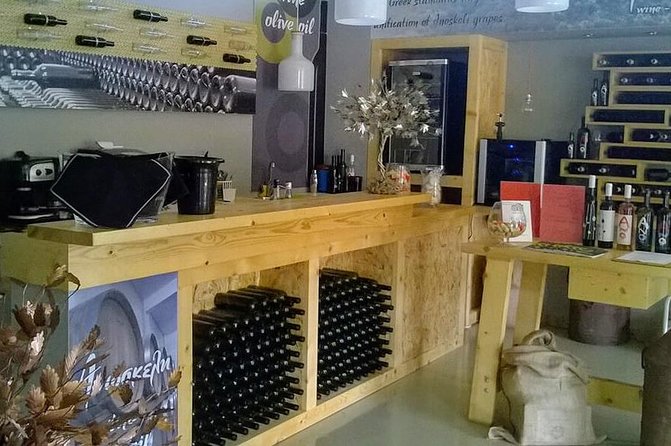
The tour includes snacks and bottled water. It does not include lunch, so do not mistake the tasting food for a full midday meal. If you want a longer meal, the optional winery lunch at Kissavos Mountain costs extra.
The description refers to a local lunch stop at a winery. That can make the day more relaxed, but you should confirm the added cost and arrangements when booking. The tour already includes several tasting portions, so some people may prefer to skip lunch and eat later in Chania.
Walking through Chania’s old city and market
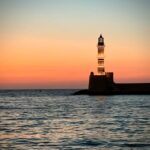
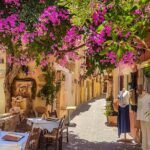
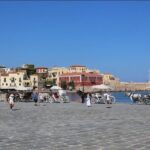
After the monastery, the tour moves into Chania. This is where you leave the countryside and spend time on foot in the old city’s narrow streets.
You can browse shops selling leather goods and ceramics, then visit a lively market with local honey, herbs, cheese, and olive oil. The market is a good counterpoint to the formal tastings because it shows how Cretan products are sold for ordinary use and gifts.
Allow yourself time to look around rather than treating Chania as a quick transfer between wineries. The streets are suited to a slow walk, and the private setup means your group may have more freedom to pause at a shop or market stall.
The trade-off is that time is limited. This is not a full Chania city tour, and the overall outing lasts only about five to six hours. If you want museums, harbor sightseeing, and a long restaurant meal in the city, you would need a separate visit.
Still, the Chania stop gives the day a useful change of pace. You are not confined to rural tasting rooms, and you get a chance to see local goods before reaching the final winery.
Finishing at a 200-acre family winery
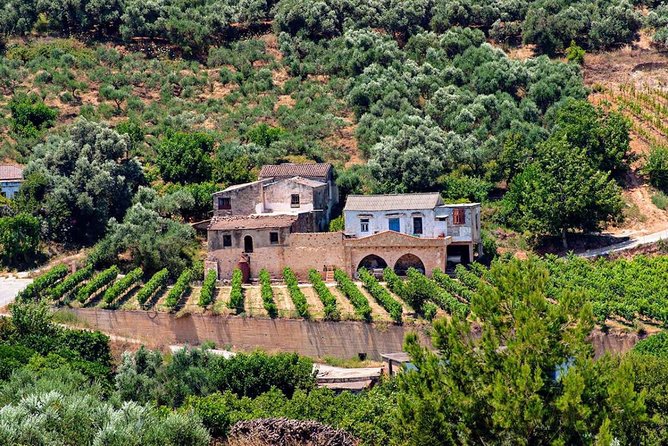
The last stop is a family winery covering more than 200 acres. You can tour the facilities, sample five wines, and visit the winery’s small farm.
The second tasting is particularly helpful for comparing styles. Wines may include Assyrtyko, Romeiko, and Vilana, along with native and international varieties. The information provided spells Assyrtyko this way, though you may also see the grape written as Assyrtiko elsewhere in Greece.
Romeiko and Vilana give the tasting a distinctly Cretan angle, while the international grapes provide a familiar reference point. If you already know Greek wine, this part may be the strongest reason to book. If you do not, the range gives you a wider introduction than a single house pour.
The wine is served with local delicacies. That matters because food can soften or sharpen the taste of wine, and it turns the stop into more than a production tour.
The small farm visit adds another practical touch. You will not only see bottles and equipment. You can also get a sense of the agricultural side of the business, which fits the tour’s wider focus on olive oil, wine, and local food.
The winery setting may appeal most to people who like seeing how food is made. If you prefer a short tasting with no tour or farm stop, this final section could feel longer than needed.
You can also read our reviews of more private tours in Chania
The private vehicle changes the experience
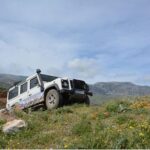
Pickup and drop-off are offered from several places, and private transportation is included. That removes the need to coordinate buses between Chania, the monastery, and the winery.
A private tour is also useful for groups with mixed interests. One person can spend longer looking at icons, another can focus on wine, and the group can set a comfortable walking pace in Chania. You will not be sharing the vehicle or tasting schedule with strangers.
The description does not promise a fixed hotel pickup zone, so check that your accommodation is covered before paying. The meeting time is 10:30 a.m., which gives you a reasonably late start compared with many morning excursions.
The day is not completely open-ended. The main stops and tastings are set, and the total duration is limited. Private means more control within the plan, not a fully custom tour with unlimited detours.
One helpful personal detail comes from the people connected with the experience. Dimitri, a driver from generations of olive farmers, is noted for explaining the places along the route and for making the drive part of the day. Rallou is identified as a friendly host who explains olive oil production and Cretan culture. Staff can change, so treat these names as useful possibilities rather than a guarantee.
Value at $178.10 per person
At $178.10 each, this is a premium half-day experience. Its value depends heavily on group size and your interest in private transport.
For a couple, the cost buys convenience and a day built around your own group. You receive transport, pickup and drop-off, snacks, water, all fees, two tasting stops, a monastery visit, Chania time, and a winery visit. Arranging all of that independently would take planning and a rental car or private driver.
For a larger private group, the price may feel more reasonable because the vehicle and guide costs are shared. For a solo visitor, it is harder to justify unless private touring is a priority.
Lunch is not included. If you choose the winery lunch at Kissavos Mountain, add that expense to your budget. The included tasting foods are useful, but they do not replace a full meal.
The strongest value is the range. You get wine, olive oil, church art, market browsing, countryside views, and a family farm in one compact day. The weakest value is for someone who wants a long, serious wine education or a full guided tour of Chania. This experience gives you a broad introduction rather than one deep specialty.
Who will enjoy this tour most
I would choose this outing for couples, families, and small groups who want local food culture without handling the driving. It suits people who enjoy tasting, light walking, old religious sites, and seeing how regional products are made.
It is also a good fit if you are staying in Chania and want to use one day to explore beyond the city. The pickup service saves time, and the private format keeps the day easier to manage.
Wine drinkers should appreciate the chance to sample ten wines across two settings. Olive oil fans get a stronger focus than they would on a standard winery tour, especially at the monastery.
The tour may be less suitable if you want a full meal included, a late evening, or a tightly focused museum visit. It may also disappoint anyone expecting a very long vineyard tour, since the available description promises a facility tour and small farm visit but does not give a detailed production schedule.
Good weather matters. If poor weather cancels the outing, you can choose another date or receive a full refund. The experience also requires a minimum number of participants, with a different date, another experience, or a full refund offered if that minimum is not met.
Should you book this Chania wine and olive oil tour?
Book it if you want a private, easy way to connect Chania with Crete’s food traditions. The monastery’s organic products, two rounds of wine tasting, old-city market, and family winery make a varied day. You will see more than a tasting room, yet you will not spend the whole day on a formal sightseeing route.
Before booking, confirm your pickup location and decide if you want the extra-cost lunch. If you prefer a slower Chania visit or a dedicated wine course, plan a separate day. If you want a well-rounded introduction to Cretan wine and olive oil with no driving duties, this is a sensible choice.
FAQ
Where does the tour start?
The tour starts at 10:30 a.m. Pickup is offered from several places, so confirm that your accommodation or chosen meeting point is included.
How long does the experience last?
The duration is listed as approximately five hours, while the tour description also refers to around six hours. Plan for roughly half a day and allow extra time if you add lunch.
Is this a private tour?
Yes. Only your group participates, so you do not share the tour with strangers.
Is transportation included?
Yes. Private transportation, pickup, and drop-off are included, along with all fees and taxes.
Is lunch included in the price?
No. Lunch is not included. A local winery lunch at Kissavos Mountain is available for an additional fee.
How many wines will I taste?
You will taste five wines at the Holy Trinity Tzagarolon Monastery and five more at the family winery, for a total of ten listed tasting wines.
What happens if the tour is canceled because of weather?
If poor weather causes cancellation, you will be offered another date or a full refund. If the minimum number of participants is not met, you will be offered another date or experience, or a full refund.