REVIEW · ATHENS
Acropolis & Athens Highlights with Food Tasting
Book on Viator →Operated by Athens Walking Tours · Bookable on Viator
Athens makes more sense on foot. This 4-hour guided walk pairs the Acropolis with a real food tasting, so you get the monuments explained without guidebook homework.
I love that the route is built around the major landmarks and the small details that make them readable, especially the Parthenon and the Caryatid Porch at the Erechtheion. I also like that the food part connects to place and culture, with guides praised for steering people toward classic Athens bites like spanikopita, Greek yogurt, and orange cake.
One thing to consider: it’s a steady, all-on-foot day with uphill sections, and then the tasting keeps the momentum going—so if you need long breaks, plan for it up front.
In This Review
- Key highlights worth your time
- Getting to the Acropolis on time: 8:30 start and security waits
- The Acropolis route that turns ruins into a storyline
- Theatre of Dionysus and the Odeon: where performances were part of civic life
- Propylaea and the Parthenon views: the gateway moment
- Monastiraki and Plaka: food tasting in the neighborhoods you’ll want to revisit
- How guides manage pace, crowds, and photo stops
- Food tasting strategy: what to do so you don’t feel overstuffed
- Price and value: what you’re really paying for
- Who should book this tour (and who might want a different pace)
- Should you book Acropolis & Athens Highlights with Food Tasting?
- FAQ
- How long is the tour?
- Where does the tour start and where does it end?
- What’s included in the price?
- Are drinks or extra meals included besides the tasting?
- Is the tour suitable for kids?
- What happens if I’m late for Acropolis entry?
Key highlights worth your time

- Scheduled Acropolis entry with strict timing plus airport-style security checks (often 30+ minutes in peak season)
- Monuments explained in plain language, including the Parthenon, Temple of Athena Nike, and Erechtheion’s Caryatid Porch
- Performance history you can feel, from the Theatre of Dionysus to the Odeon of Herodes Atticus, still used for performances
- Food tasting in central neighborhoods, usually around Monastiraki and Plaka, with guides who take you to where locals eat
- Small group size (max 24), which helps the tour feel organized instead of a herd
Getting to the Acropolis on time: 8:30 start and security waits
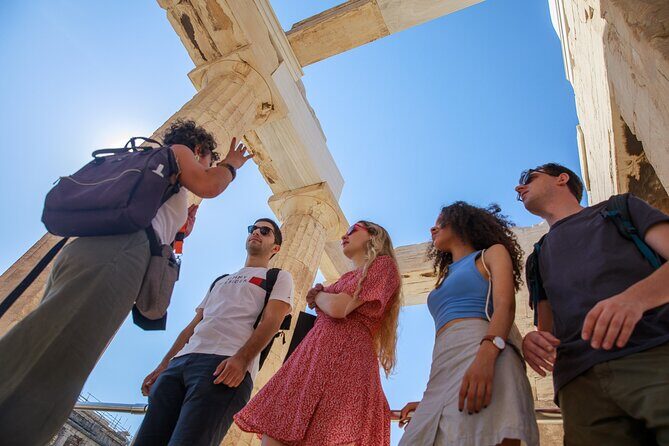
The day starts at 8:30am at Dionysiou Areopagitou 3. It’s a smart time to go, but you need to respect the process: everyone does airport-style security, and in busy seasons that can mean waits of 30+ minutes.
The tour also runs on strict Acropolis entry times. That matters because they can’t hold the group for late arrivals, and latecomers can miss their slot—so I’d rather you show up early with a buffer than hope traffic and lines cooperate.
This is an all-walking tour with moderate fitness requirements. If you’re comfortable with stairs and uphill paths, you’ll be fine; if you’re expecting a relaxed stroll only, you may feel the pace.
You can also read our reviews of more food & drink experiences in Athens



The Acropolis route that turns ruins into a storyline
The Acropolis portion is designed to help you read the site like a map, not a jumble of stones. You start with the big-picture monuments, then you move through the sequence that shows how Athens shaped religion, politics, and ceremony into architecture.
At the center is the Parthenon, visited at a dedicated stop with time to look up and orient yourself. The most useful part isn’t just seeing it—it’s understanding what you’re looking at, and why details like column rhythm and temple layout mattered to the people who built it.
Next comes the Temple of Athena Nike, where you’ll be able to focus on the Ionic-style elegance and the theme of victory. Even if you only remember one thing from this visit, it’s worth knowing that this isn’t random decoration; it’s architecture that communicates ideas.
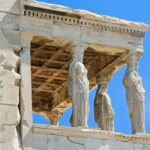
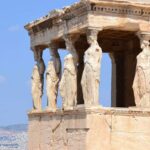
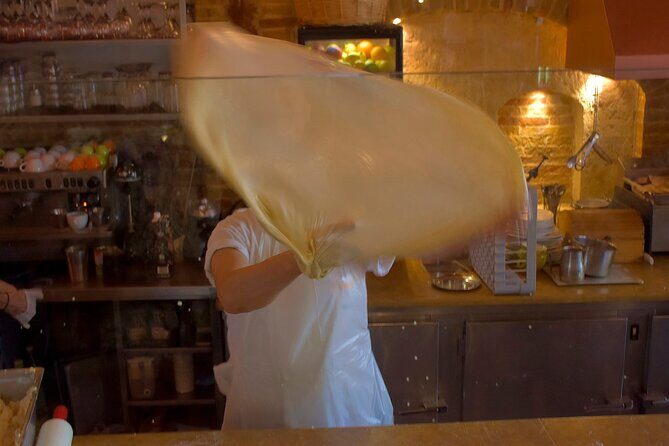
Then you reach the Erechtheion area and, most memorably, the Caryatid Porch. Those sculpted figures do more than look cool in photos—they’re a strong visual explanation of how the site uses form to create presence and meaning.
If you want photo time, build it into your expectations. Some guides are especially good at managing crowds and timing viewpoints so you can get your shots without feeling rushed. One guide was specifically praised for keeping the group moving in shaded areas, which is a big deal in Athens heat.
Theatre of Dionysus and the Odeon: where performances were part of civic life
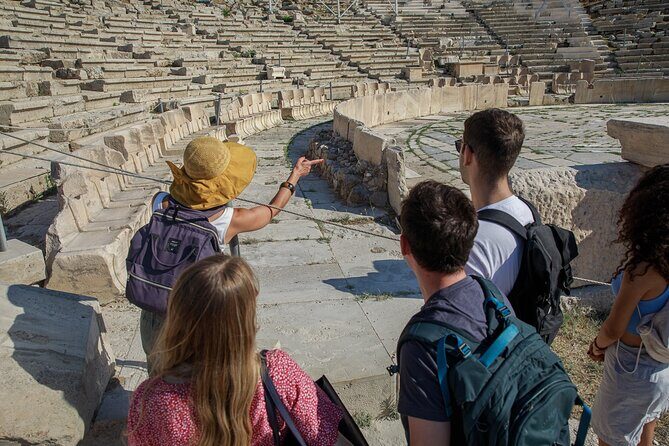
Not all Acropolis understanding comes from temples. This tour also takes you into the Theatre of Dionysus, called the birthplace of Western theater. That label can sound dramatic, but it’s helpful because it gives you a lens: this place wasn’t just for big spectacles; it was part of how Athenians argued, taught, and performed identity in public.
Nearby, you’ll also see the Sanctuary of Dionysus and the Asclepieion area. Even if you don’t know every term, having these linked together helps you grasp that ancient Athens wasn’t one “theme park” zone—it was multiple systems of worship and community.
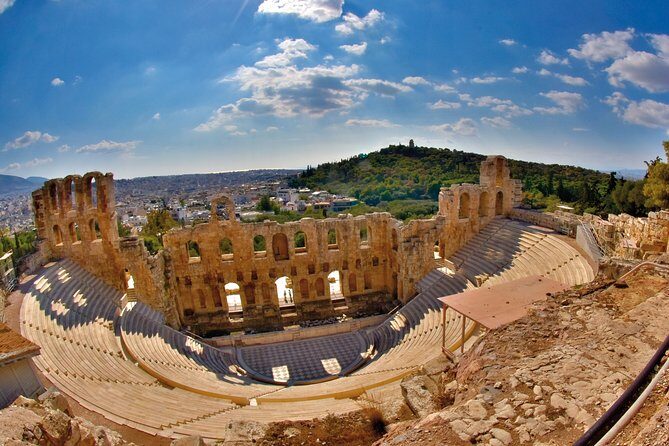
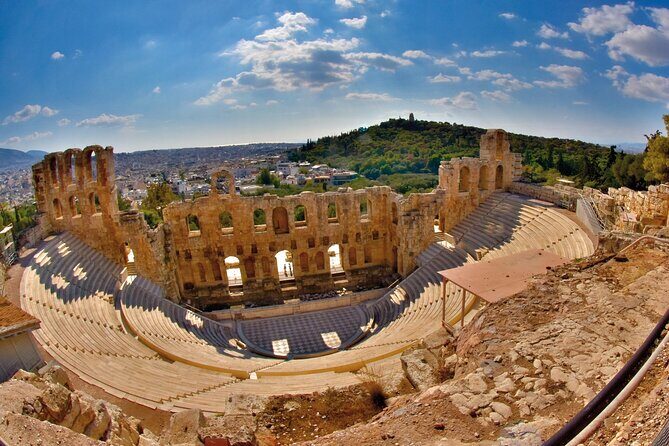
Then you’ll find the Odeon of Herodes Atticus, described as a venue still used for performances today. That’s one of those moments that clicks for first-timers: you’re standing in a structure built for an audience, and you can see how the idea of public performance survived into modern cultural life.
Propylaea and the Parthenon views: the gateway moment
You’ll pass through the Propylaea, the monumental gateway to the Acropolis. This is the kind of stop that’s easy to rush if you’re going solo, because it looks like a “path” rather than a “feature.” With a guide, you get what to notice—how the gate’s form prepares your eye for what comes next.
This section also helps you find your bearings. Once you’ve walked the gateway-to-temple arc, the rest of the monuments stop feeling disconnected, and your photos start looking like they belong to one place rather than a random collection.
There’s also a practical side: arriving at the gateway area with momentum from the guide means you’re less likely to waste time wandering for the best angles on your own.
Monastiraki and Plaka: food tasting in the neighborhoods you’ll want to revisit
After the Acropolis portion, the tour shifts into Monastiraki and then Plaka, with time to roam on foot. Monastiraki is lively and full of shopfront energy, while Plaka is Athens’ older neighborhood—one of those areas where ancient and modern feel close enough to overlap.
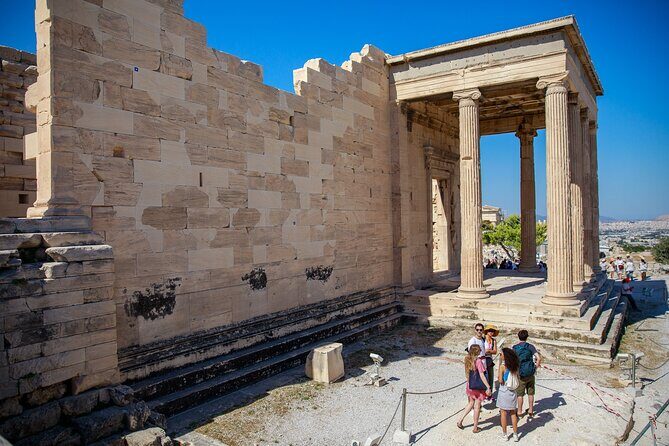
This is where the food tasting earns its keep. You’re not just eating; you’re learning how Athens snacks and small plates work in daily life—what people grab, what pairs well with coffee, and how the flavors balance.
Based on what guides have been praised for, you might expect classics like:
- spanikopita (savory pastry)
- Greek yogurt variations
- orange cake
- and plenty of coffee (one person’s advice was to try everything, especially the coffee)
If you’re vegetarian, this is a key point: one vegetarian traveler confirmed the tasting was vegetarian-friendly. I’d still recommend telling your guide what you eat and what you avoid before you order anything extra (since only the tasting items are included).
A few more Athens tours and experiences worth a look






How guides manage pace, crowds, and photo stops
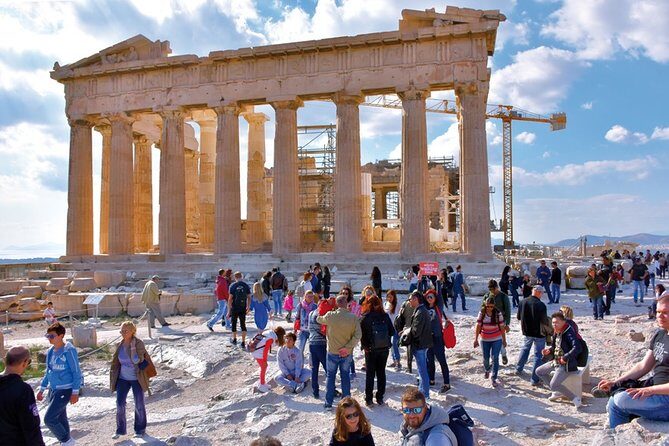
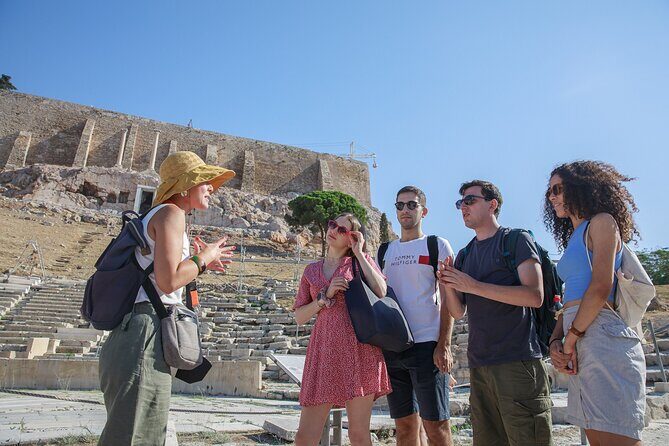
The best part of a guided Acropolis visit is not memorizing facts—it’s getting the site at the right speed. A few guides were praised specifically for pacing the climb in sections, which matters because the terrain can be tiring even on a short route.
That said, pace can vary. One guest noted the walking felt fast and that keeping up was necessary. So if you’re the kind of traveler who likes a slow photo stroll every 3 minutes, you may need to be proactive: ask for a slower moment when you reach viewpoints, and don’t assume the group will stop forever.
Good guides also handle the reality of crowds and shade. One guide was praised for giving enough time for photos and choosing shadier spots. Another traveler mentioned rain ponchos when weather turned—so the day tends to be managed, not abandoned, even when conditions shift.
Tours run rain or shine. That’s Athens for you: one hour of sun can flip into clouds, so dress in layers and bring something light that you’ll actually use.
Food tasting strategy: what to do so you don’t feel overstuffed
Your stomach is part of the itinerary. You’re coming off a climb and temple walking, then you’ll keep moving in the city neighborhoods. For many people, that combination works great—history in the morning, comfort food soon after.
But if you’re easily tired, plan your energy. One traveler felt too worn out after the uphill portion to fully enjoy the tasting section, which is a real possibility on hot days. If you know you run out of steam fast, consider asking your guide where the easiest rest points are, and take small breaks rather than pushing through until you feel done.
Also, pace yourself with included tasting portions. You can always grab extra items afterward in Monastiraki or Plaka, but remember that only the food tasting is included—food and beverages beyond that are not.
Price and value: what you’re really paying for
At $102.12 per person for about 4 hours, this is priced like a combined experience: guided Acropolis time plus a guided food tasting. What makes it feel fair is that entrance fees are included, not tacked on later, and your guide is part of the value the whole way through.
Group size is capped at 24 travelers, which helps the guide keep control of timing. That matters even more here because Acropolis entry is time-locked. If you’ve ever tried to manage that alone—ticketing, security, and route choices—you’ll understand why guided structure saves stress.
Another detail that makes pricing make sense: when Acropolis admission is free, the entrance portion is already accounted for in the tour price. So you’re not paying extra for something you wouldn’t have to buy.
If you care about quality, the stats are strong: this has an average 4.9 rating from 50 reviews, with a 100% recommendation rate. That doesn’t guarantee your exact guide, but it does suggest the format consistently lands well.
Who should book this tour (and who might want a different pace)
You’ll probably love it if you:
- want a first-time-friendly way to see the Acropolis without spending hours trying to decode it on your own
- like your sightseeing with a food payoff in the same morning
- enjoy walking tours and can handle a moderate hill and stairs
You might want a different approach if you:
- need a very slow itinerary or frequent long breaks
- are traveling with very young kids, since it’s not recommended for toddlers (0–5)
- hate being on a schedule, because Acropolis entry timing is strict
If you’re fit and curious, this tour is a strong “Athens starter pack”: monuments, viewpoints, and then the flavors of the city in neighborhoods you’ll likely want to return to.
Should you book Acropolis & Athens Highlights with Food Tasting?
I’d book it if you want one organized morning that covers the big Acropolis landmarks and ends with a food tasting in Monastiraki/Plaka—without you doing the heavy planning. The included entrance fees, local licensed English guide, and tasting are what make the price feel like a true bundle rather than a ticket plus extra add-ons.
Skip it only if you know you’ll struggle with a steady walking pace and a tight schedule. If that’s you, consider splitting your trip into separate chunks—Acropolis first, then food later on a slower day—so you can enjoy both instead of surviving the middle.
FAQ
How long is the tour?
It’s about 4 hours (approx.), including the Acropolis portion and the walking food tasting portion in central Athens.
Where does the tour start and where does it end?
It starts at Dionysiou Areopagitou 3, Athina 117 42, Greece and ends near the Monastiraki area.
What’s included in the price?
Included are a local licensed English-speaking guide, entrance fees, a food tasting, an Athens guide magazine, and an Athens map.
Are drinks or extra meals included besides the tasting?
No. Only the food tasting is included. Food and beverages other than the tasting items aren’t included.
Is the tour suitable for kids?
The tour is conducted entirely on foot and is not recommended for toddlers (0–5 years old). It also notes you should have moderate physical fitness.
What happens if I’m late for Acropolis entry?
Acropolis entry times are strict. They can’t wait for latecomers, and no refunds are given if you miss your entry window due to lateness.