REVIEW · ATHENS
Athens: Classic Cooking Class with Market Visit and Wine
Book on Viator →Operated by The Greek Kitchen · Bookable on Viator
Greek cooking starts with market chatter. You’ll tour Athens Central Market, cook with Greek home cooks, and finish the meal with wine.
I love the practical, hands-on style that teaches techniques you can repeat at home. I also like the variety: you make multiple classics, not just one starter.
One possible drawback: there’s no hotel pickup, and the meeting spot is up two short flights of stairs, so plan for a little walking and sun.
In This Review
- Key highlights and what matters
- The Greek Kitchen setup: why this class works
- Finding the meeting spot on Athinas 36 (and getting your timing right)
- Central Market Athens: what you’re really gaining in 30 minutes
- The cooking flow: bread, olives, and building dishes step by step
- Tzatziki: the garlic-and-yogurt lesson
- Spanakopita: phyllo technique without the scary part
- Dolmades: rolling vine leaves and getting the rhythm
- Imam baidi (roasted eggplant with sauce and feta): learning history through food
- Portokalopita: dessert that’s basically a flavor map
- Wine and the meal: eating as a social finish
- Recipes you can use at home (not just eat there)
- Price and value: what $83.44 buys you in Athens
- Who should book this cooking class
- Should you book The Greek Kitchen in Athens?
- FAQ
- What is the duration of the cooking class?
- Where is the meeting point?
- Is hotel pickup included?
- How long is the Central Market visit?
- What dishes will you cook?
- Is wine included?
- How big is the group?
- Are recipes included?
- Is the tour offered in English?
- Can I get a full refund if I cancel?
Key highlights and what matters
- Central Market first: a focused walk that helps you buy, recognize, and understand key ingredients before you cook.
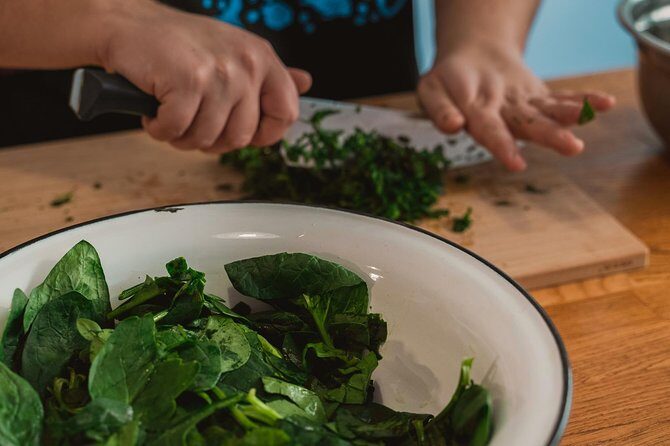
- Hands-on cooking, not watching: you actively prep and cook across several dishes in a time-boxed session.
- A real Greek set menu: tzatziki, spanakopita, dolmades, roasted eggplant with sauce and feta, plus portokalopita.
- Bread, olives, and snacks during prep: fuel for the kitchen stretch, not just at the end.
- Wine with your meal: 250 ml of red or white while you eat what you made.
- Recipes to take home: you’ll leave with instructions for the dishes you cooked.
The Greek Kitchen setup: why this class works
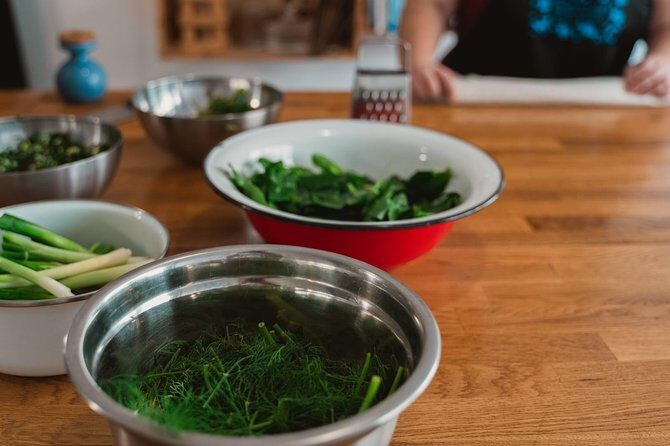
This is the kind of Athens activity that fits well into a normal day. It’s about four hours, it’s small (max 16 people), and it’s built around learning by doing. You’re not stuck listening to long lectures. You’re at the cutting board, rolling, assembling, tasting, and correcting.
The format also makes it easy to remember what you learned. Market visit first gives you ingredient context. Then the kitchen turns that context into muscle memory. By the time dessert hits, you’re not just full—you’re confident.
Also, the vibe tends to feel friendly and slightly chaotic in the best way. In past sessions led by instructors like Vasia or Thanassius/Thanos, the teaching style blends clear instructions with humor, so even complex steps feel manageable.
You can also read our reviews of more shopping tours in Athens
Finding the meeting spot on Athinas 36 (and getting your timing right)
You meet at Athinas 36, Athens 105 51, Greece. The location is up two short flights of stairs. That’s not a dealbreaker, but it does matter. If you’re coming from a hot street, give yourself a few minutes buffer and don’t wear shoes that hate stairs.
There’s also no hotel pickup or drop-off. That means you’ll want to plan your route with public transit (it’s near public transportation) or on foot. If your Athens day is packed with sights, this class is still doable—you just need a firm start time.
One small practical tip: arrive a little early and settle in. When you get to the kitchen, you’ll be moving quickly through prep stages, and you’ll get more out of it if you start calm.
Central Market Athens: what you’re really gaining in 30 minutes
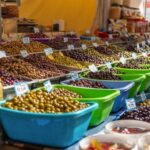
You spend about 30 minutes at Central Market on foot. This isn’t a shopping binge where you buy everything you need. It’s more about learning how Greeks shop and what ingredients are worth caring about.
That matters more than people expect. Once you’ve seen the produce and staples in the market setting, your brain starts building flavor logic. You’ll notice what’s fresh, what looks standard, and what gets used again and again. Then in the kitchen you stop thinking, Wait—what should I buy? You already know.
Expect cultural context too. In classes led by guides like Adoniya (as described by prior guests), the market walk often includes customs and food-linked stories. You might even pick up a few “food facts” that stick—like how ingredients such as honey show up often in Greek cooking and sweets.
Dress for walking and sun. Comfortable shoes help, and basic sun protection helps even more. It’s Athens. The market isn’t inside an air-conditioned bubble.
The cooking flow: bread, olives, and building dishes step by step
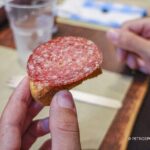
Before you cook proper dishes, you’ll snack as you work—bread and olives show up during class prep, and there are also seasonal market snacks. It’s a small inclusion, but it changes the whole experience. You’re not hungry while your hands are doing fine motor tasks like rolling and shaping.
This class also teaches a sequence, not a pile of random recipes. You start with cooler, fresher flavors and work toward warm, assembled dishes and syrupy dessert. It gives you a sense of how Greek meals are built: balance of tang, dairy, herbs, meat (in some dishes), pastry textures, then sweetness.
The cooking format is hands-on in a structured way. In the past, instructors made sure everyone could participate, even when the group was around a dozen or more. That’s a big deal if you don’t want to spend four hours waiting for your turn.
Tzatziki: the garlic-and-yogurt lesson
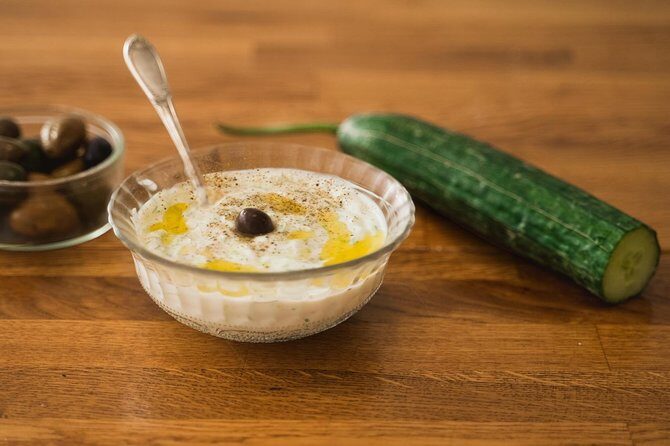
The class starts with tzatziki: thick Greek yoghurt, fresh cucumber, and garlic (as much as you can handle). This dish is a great training ground because it rewards attention. You can’t rush the taste. You have to balance cool dairy with fresh, crisp cucumber and the punch of garlic.
Even if you already love tzatziki, you’ll likely learn how to think about it. Texture matters—thickness, moisture, and how the flavors sit together. The goal isn’t perfection for a restaurant photo. It’s getting a tzatziki you can actually repeat.
Also, this is where the group dynamic sets in. You’ll be tasting and adjusting while learning. That makes the later dishes easier, because your confidence grows with each step.
A few more Athens tours and experiences worth a look

Spanakopita: phyllo technique without the scary part
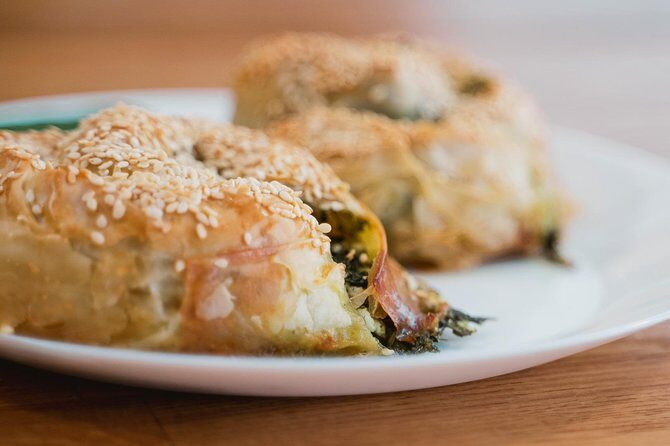
Next up is spanakopita, often described as Greece’s famous pie. Here you’re working with coils of phyllo filled with spinach, feta, and herbs.
Phyllo can sound intimidating, but a well-run class makes it doable. The value isn’t just eating a good pastry. It’s learning how to handle layered dough and assemble filling properly. You get a chance to experience the process instead of just watching someone else do it.
If you’ve ever been frustrated at home because phyllo dries out or tears, you’ll appreciate learning the practical handling and timing in a guided setting.
Dolmades: rolling vine leaves and getting the rhythm
Dolmades are vine leaves rolled around fragrant rice and beef. This is one of those dishes where technique beats luck. Rolling is slow if you’re guessing; it’s much faster when you know what “good” looks like.
Instructors often break down the process into steps you can follow without stress. In one session led by Vasia, guests highlighted how clear and precise the instruction felt, with a relaxed atmosphere that helped everyone stay on track.
If you’re thinking, I’m not a “hands-on person,” dolmades are still a fair try. The class is structured so you can participate without feeling like you’re on your own.
Imam baidi (roasted eggplant with sauce and feta): learning history through food
Then comes Imam baidi, a dish with a historical note: it came to Greece in the early 20th century. You’ll top roasted eggplant with sauce and feta while learning what makes it Greek in local cooking.
This is one of the more interesting parts of the meal, because it shows how food history travels. Instead of treating Greek cuisine like a locked museum, you see how dishes adapt, arrive, and become normal over time.
In a class like this, that kind of context helps you cook with intention. You’ll remember flavors and textures more easily when you understand how they got there.
Portokalopita: dessert that’s basically a flavor map
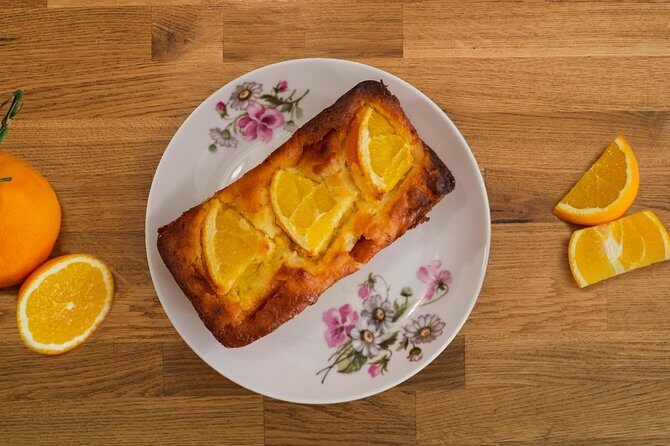
Finally, you’ll make portokalopita, another phyllo-based dessert. It’s often described as a cake: shreds of phyllo soaked in orange and cinnamon syrup.
This is the point where your kitchen skills get rewarded with something fragrant and memorable. Orange and cinnamon together make the syrup feel bold but balanced. It also gives you a dessert you can recreate without needing fancy equipment.
And yes—if you’re a fan of pastry, you’ll love the way everything ties together: phyllo appears again after the savory pies, which reinforces what you learned earlier.
Wine and the meal: eating as a social finish
As you eat your self-made meal, you’ll get 250 ml of locally produced red or white wine (your choice as offered). Drinking water is included too, so you can keep things comfortable.
The eating part is family-style. You’re not just plated and dismissed. You’re sharing tables, sharing conversation, and trying dishes side-by-side. In past sessions, guests mentioned meeting people from different countries and mixing easily at the end of class.
This is where I think the value is partly emotional. Cooking classes can be “food-only” events. This one tends to feel like an afternoon with new friends, centered on real Greek comfort food.
Recipes you can use at home (not just eat there)
You’ll receive recipes for the dishes you made. That’s the difference between a fun afternoon and a skill you can repeat.
A few guests noted that the recipes were helpful and they planned to cook the dishes again. That checks out with the whole structure: you learn technique in the kitchen, then you have the instructions ready later.
Practical advice: when you get the recipes, skim them once before your memory fades. Then choose one dish to cook first at home. Tzatziki or spanakopita are good starters because you get fast feedback and clearer success cues.
Price and value: what $83.44 buys you in Athens
At $83.44 per person for about four hours, this isn’t a budget snack. But it’s also not an over-priced museum ticket. You’re paying for several concrete things:
- A guided market walk so ingredients make sense
- A hands-on cooking session with a Greek home cook
- Multiple dishes of food, plus bread, olives, and snacks
- Wine (250 ml) with your meal
- Recipes to take home
If you’ve ever bought ingredients in Athens to try to recreate Greek classics later, the math can get messy fast. This class compresses planning, shopping, and cooking into one organized afternoon—plus it comes with instruction and a chef’s pacing.
Also, the small group size (up to 16) matters for value. Bigger groups can mean less individual time. A group capped at 16 usually keeps things moving without leaving you behind.
Who should book this cooking class
You’ll likely enjoy it if you:
- Want a hands-on Athens experience that isn’t just sightseeing
- Like structured lessons you can repeat at home
- Enjoy eating together, meeting other people, and sharing stories
- Want classics like spanakopita and dolmades, not just generic “Mediterranean” dishes
It’s also a good fit for solo travelers. Some guests said it was easy to make connections in the group setting. If you’re traveling with friends, it also works well because the kitchen tasks rotate and you can talk between steps.
If you hate group activities or you want complete quiet, this might feel less ideal. It’s designed for shared preparation and shared eating.
One more consideration: the pace can feel quick. A few guests felt it was rushed at times. That doesn’t mean it’s a bad class; it means the session is efficient, so show up ready to work.
Should you book The Greek Kitchen in Athens?
I’d book it if you want your Athens trip to include something you can taste later—literally. This class balances market context with real cooking skills, and the final meal feels like a payoff, not just a checkbox.
The biggest reason to choose it is the “from scratch to table” flow: market ingredients, hands-on prep, then wine and dessert. The biggest reason to think twice is simple logistics: no pickup, a meeting point up stairs, and a market walk in the sun.
If you’re flexible on pace and you’re comfortable cooking with a group, this is one of the more satisfying ways to spend an afternoon in Athens.
FAQ
What is the duration of the cooking class?
It lasts about 4 hours.
Where is the meeting point?
You meet at Athinas 36, Athina 105 51, Greece.
Is hotel pickup included?
No. Hotel pickup and drop-off are not included.
How long is the Central Market visit?
The market visit is about 30 minutes and involves walking.
What dishes will you cook?
The sample menu includes tzatziki, spanakopita, dolmades, imam baidi (roasted eggplant with sauce and feta), and portokalopita for dessert.
Is wine included?
Yes. You’ll receive 250 ml of locally produced red or white wine with your meal.
How big is the group?
The class has a maximum of 16 travelers.
Are recipes included?
Yes. You receive recipes of the dishes you made.
Is the tour offered in English?
Yes, it’s offered in English.
Can I get a full refund if I cancel?
Yes. You can cancel for a full refund up to 24 hours in advance of the experience’s start time.