REVIEW · ATHENS
Apostle Paul’s missionary journys in Athens Private Tour 4Hours
Book on Viator →Operated by Yomadic.Tours & Transfers · Bookable on Viator
Paul’s message in Athens feels close by. This private tour strings together major sites tied to Apostle Paul’s footsteps so you’re not just “seeing ruins,” you’re following a story. I like that you get the big Athens icons plus the Christian angle—so Acts 17 stops being a book chapter and starts sounding like something said right where you stand.
Two things I really liked: the Daphni Monastery mosaics stop is a jaw-dropper for anyone who loves art and early Christian/Byzantine craftsmanship, and it’s paired with the philosophical world Paul ran into when he walked the city. Second, the pacing is made for real touring—private car, hotel-style pickup, and a driver who gives context along the way, not just directions.
One drawback to consider: some of the top attractions (especially Acropolis and Ancient Agora) have separate entrance tickets. If you’re hoping for a mostly outside/photo day, you may feel the value drops because you’ll still be paying for a private vehicle and guiding narration.
In This Review
- Key highlights worth noting
- A Paul-and-Athens “story route” in one private half day
- Pickup that saves your brain (and usually your time)
- Daphni Monastery: UNESCO mosaics outside the city buzz
- Flisvos Marina and the port story behind Acts 17
- Ancient Agora: where ideas, commerce, and idols collided
- Areopagus (Mars Hill): Paul on one of Athens’ best-known stages
- Acropolis route: Parthenon focus without trying to do everything
- St. Dionysius Areopagite Cathedral: a church that ties Paul to a named convert
- Mount Lycabettus: viewpoint payoff and a small Byzantine church
- Price and value: what $154.74 buys you (and what doesn’t)
- Who it suits best (and who should think twice)
- The small things that make or break the day
- Should you book Apostle Paul in Athens, private tour 4Hours?
- FAQ
- How long is the Apostle Paul’s missionary journeys in Athens private tour?
- Is this tour private or shared?
- Do I get hotel or port pickup and drop-off?
- What language is the tour provided in?
- Which stops are included for free versus requiring tickets?
- How much are the entrance fees for the major paid sites?
- Are there optional add-ons?
- Can I customize the tour?
- What’s included in the vehicle?
- What happens if weather is bad?
Key highlights worth noting
- Daphni Monastery (UNESCO) for 6th-century Byzantine mosaics without needing to be an art expert
- Flisvos Marina / Faliro to connect Paul’s arrival with the early port story
- Ancient Agora + philosophical Athens where Stoics and Epicureans would’ve argued back
- Mars Hill (Areopagus) and Paul’s sermon theme of one God and the resurrection
- Acropolis time-efficient route focused on the Parthenon area, with timed-ticket planning in mind
- Mount Lycabettus views and a small church stop for a quieter end to the day
A Paul-and-Athens “story route” in one private half day
This tour works because it builds a line from arrival to sermon to legacy. You’re not just bouncing between landmarks—you’re hearing why each place mattered during Paul’s time, and why Athens was the kind of city where big ideas were argued in public.
It’s also practical: you’re collected from your hotel, Airbnb entrance, or cruise/port area, and returned to the same spot. The car is modern with A/C, WiFi, and bottled water, which matters in Athens heat (and it matters in winter too—wind can still cut).
Finally, the format is private. That means you can ask questions without shouting over a bus full of people, and you can adjust the mix of walking vs. viewing if your group has limits. It’s a good match for cruise shore days, when you want the “greatest hits” without spending your afternoon stuck in city logistics.
You can also read our reviews of more private tours in Athens


Pickup that saves your brain (and usually your time)
You meet your driver at the start point—hotel lobby, your rental entrance, or the port/arrival gate. The signboard-for-your-name approach is meant to remove the usual stress of finding someone in a crowded meeting area.
Once you’re in the car, you’re set for a smooth flow between neighborhoods: the route is designed to cover several major points without forcing you to do everything by foot. This is a real advantage when you’re touring with family, or when your time window is tight.
One small watch-out: your driver provides guidance, but the service notes the driver is not licensed to accompany you inside archaeological sites. Translation: you’ll get the talking and directions, then you handle entrances on site (with your own ticket).
Daphni Monastery: UNESCO mosaics outside the city buzz
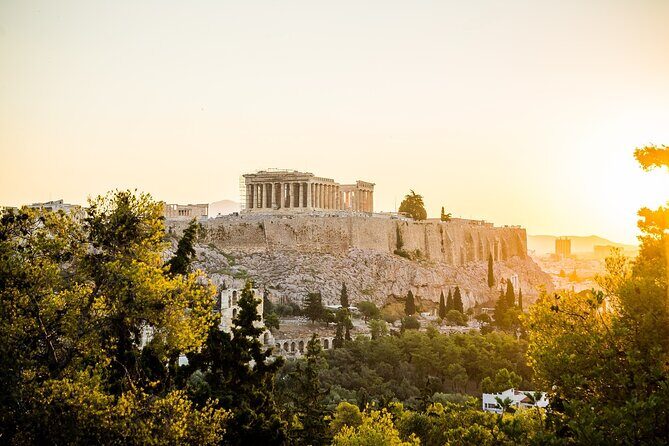
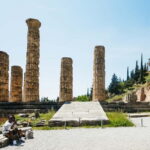
Daphni Monastery is a perfect first “wow” stop because it feels worlds away from street-level Athens. It sits about 11 kilometers northwest of the city, and it’s known as a UNESCO World Heritage site.
What makes it special is the focus on Byzantine art, especially the mosaics. You don’t need a history degree to appreciate them—patterns, faces, and color stay sharp even when you’re just standing there catching photos and trying to understand what you’re looking at. The main church (the katholikon) is described as a cross-in-square style building with a large dome, which helps you see the place not as a random chapel, but as a statement of faith and architecture.
Time-wise, this stop is short (about 30 minutes). That’s good if you’re on a half-day schedule, but it does mean you should set expectations: you’ll view highlights, not do a slow, museum-style study.
Flisvos Marina and the port story behind Acts 17
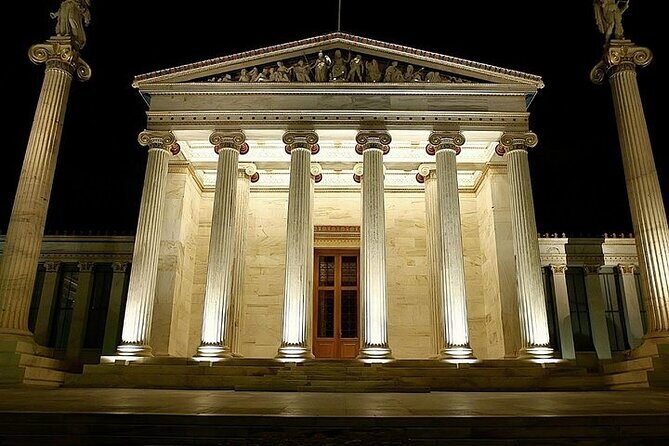
Flisvos Marina (linked with Faliro) is the kind of stop that makes the Bible timeline feel geographic. The program points to the port area where Paul’s ship is believed to have docked in the early Athens era.
The details here matter because they connect a text-driven story to real city geography: the location is described between the mouth of Kifissos and a small church of Agios Georgios, with an ancient wharf story in the background. From there, you get the idea of the route that led inward toward Athens—so “Paul arrived” becomes “Paul arrived right here, then walked in.”
This stop also sets up the tone of the rest of the day. Paul doesn’t just wander quietly—he engages people in synagogue and market settings, and he’s disturbed by the abundance of idols. If you like thinking about historical context, this is where it starts clicking: Athens wasn’t only pretty temples. It was crowded intellectual life.
Ancient Agora: where ideas, commerce, and idols collided
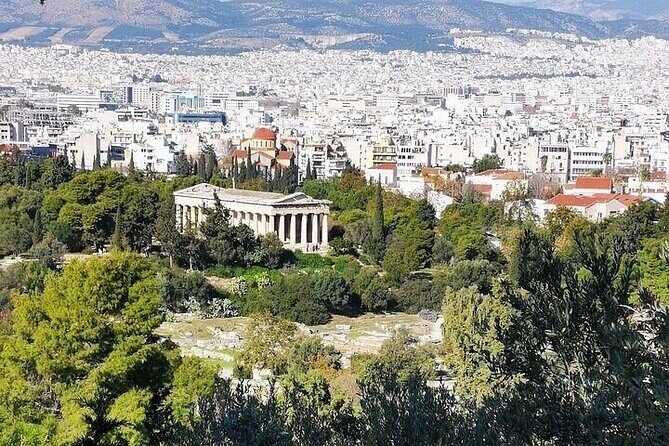
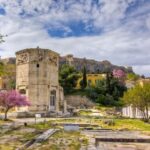
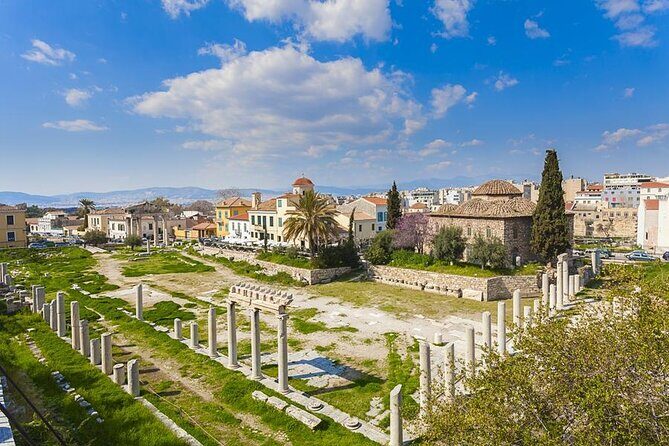
The Ancient Agora of Athens is the city’s old center: marketplace, public debating space, and a setting where religion and philosophy were tangled together. In Paul’s story, it’s where his preaching meets the reality of daily life—people arguing, trading, and living around competing beliefs.
This is also where the philosophical angle turns practical. The program connects the Agora to Paul’s discussions with Stoic and Epicurean thinkers, right in the middle of a world that treated arguments like a sport. Standing in the ruins, you can understand why Paul’s message about Jesus’ death and resurrection would create reactions—some people would hear it as a challenge to the assumptions of their everyday Athens.
You’ll likely spend about 1 hour 10 minutes here. Entrance is not included, and the stated ticket price for the Ancient Agora is €20 per person. If you buy the ticket, you’ll get more from the site’s museum/ruin interpretation; if you skip paid entry, you’ll still see plenty outside, but you’ll lose depth.
Tip: if your group includes people who are less into ruins, you can still use this stop as a “story checkpoint.” Ask your driver to connect what you’re seeing to the debate vibe—then even casual visitors usually get more out of it.


Areopagus (Mars Hill): Paul on one of Athens’ best-known stages
Areopagus—also called Mars Hill—is where Paul delivers his famous sermon (Acts 17). The hill is near the Acropolis, so it gives you a built-in advantage: you’re getting viewpoint energy while also talking content.
The key idea is that Paul addresses the Athenians through a shared cultural reference. The program describes it as connected to an altar to the unknown god, and it explains that Paul uses Greek intellectual references (like Epimenides and Aratus) to make his point land in their language.
The reactions described are also part of what makes this stop feel real: some mock the message, others are intrigued, and some convert. You can feel the mixture of curiosity and skepticism in the setting—this wasn’t a quiet religious lecture hall. It was a public place for ideas.
This stop is about 20–30 minutes, and the admission is listed as free. That makes it a good fit even if you’re trying to protect energy for the Acropolis later.
Acropolis route: Parthenon focus without trying to do everything
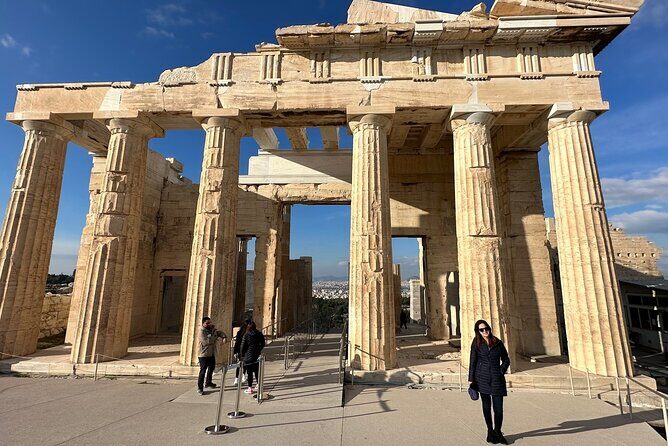
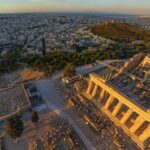
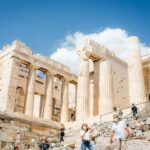
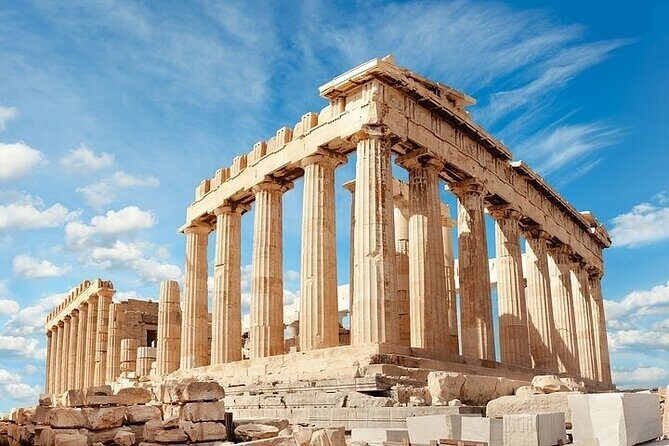
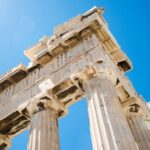
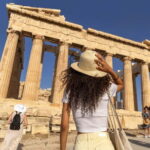
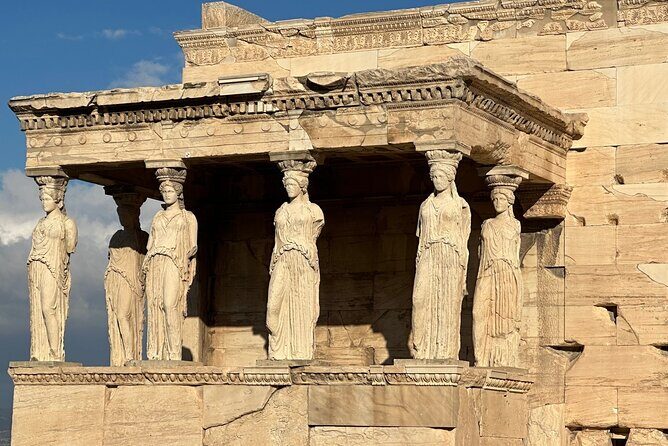
The Acropolis stop is the big ticket moment, literally and figuratively. The program centers on the Acropolis hill and the Parthenon, with mentions of the Parthenon and the Erechtheion area.
Because this is timed and entrance-based, your planning matters. The Acropolis entry is not included in the tour price, and the stated admission is €30 per person. If you don’t already have tickets, you’ll want to grab a slot that matches your day—otherwise you lose precious hours to queues or limited entry times.
Time is tight here (about 1 hour for the Acropolis visit). You’ll get enough to see the scale, frame photos, and absorb the “why this matters” story without trying to sprint through every corner.
Practical advice: wear shoes that can handle uneven stone and steep paths. Bring sunscreen and water. Even if the tour car gets you there smoothly, the Acropolis itself still asks for good footing.
St. Dionysius Areopagite Cathedral: a church that ties Paul to a named convert
Right near the Areopagus area is the Catholic Cathedral of St. Dionysius the Areopagite. This stop adds a “legacy” layer that many Athens tours skip.
The cathedral is described as the seat of the Catholic Archbishop of Athens, built as a three-aisled neo-Renaissance basilica style place with frescoes and stained glass windows. There’s also mention of another Church of St. Dionysius in the area, with cruciform design and a dome.
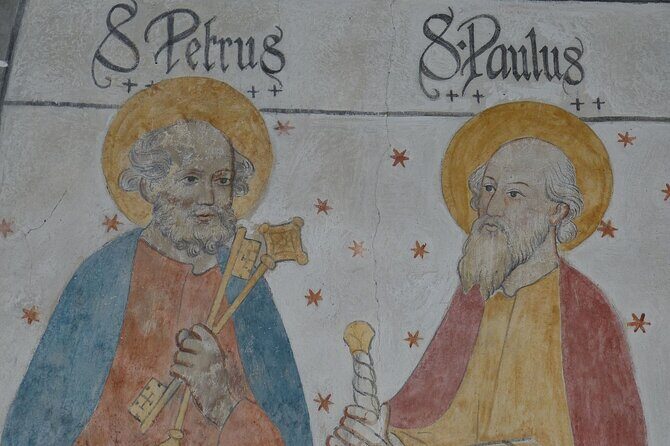
The real hook for this tour is the connection to Paul: Dionysius is described as a convert of Paul mentioned in Acts 17:34. Tradition places him among the Areopagus members, hearing Paul’s sermon on Mars Hill and becoming the first bishop of Athens. That’s why both Eastern Orthodox and Catholic traditions honor him—this isn’t just a random name on a sign.
This stop is short (about 20 minutes) and listed as free entry. It’s a nice way to break up the heavy outdoors walking and also helps you understand how Paul’s story shaped local religious identity over centuries.
Mount Lycabettus: viewpoint payoff and a small Byzantine church
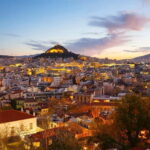
Ending on Mount Lycabettus is smart because it gives your day a “last look” feel. The hill is known for city views, and it’s a chance to step back from the dense historical sites and just take in Athens from above.
The stop centers on the church of Agioi Isidoroi at the southwestern slope. The program highlights that it’s built on top of a cave and dates in the 15th or 16th century range, with a dedication to Saints Isidore of Chios and Isidore of Pelusium.
Even without a religious-tour background, what’s interesting here is the idea of how old sacred spaces can become quiet anchors in a modern city—plus the panoramic photos you usually want at the end of a day.
This is only around 15 minutes, so keep it as a viewpoint and quick church stop rather than a long exploration.
Price and value: what $154.74 buys you (and what doesn’t)
At $154.74 per person, you’re paying for a private car, hotel/port pickup and drop-off, and an English-speaking driver/guide who can explain Greek historical context around Paul’s time in Athens.
That’s solid value if you want structure. Athens is spread out, and getting from place to place efficiently on your own can turn into a hassle—especially on a cruise day when you’re watching the clock.
Where people can feel sticker shock is entrances. The price you pay for the tour does not include several major site tickets. Acropolis Parthenon is stated as €30 per person, and Ancient Agora is stated as €20 per person. Optional fees can add up too:
- Panathenaic Stadium optional visit for €20 per person (otherwise you can just take photos)
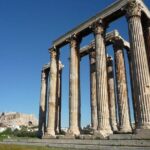
- Temple of Olympian Zeus optional for €20 per person (otherwise just photos)
If your group’s goal is “see everything inside,” then you’ll plan to spend on tickets anyway, and this tour fits well. If your goal is mostly outside viewing, you might still enjoy the story route—but you should know the paid admissions are a core part of the Athens package.
A final value point: the service uses a private vehicle with WiFi, A/C, and bottled water, and that comfort often matters more than people expect when the day is hot or when you’re managing kids.
Who it suits best (and who should think twice)
This experience is best for you if you:
- want a private Athens tour that focuses on Apostle Paul’s Athens moments and the related Christian legacy
- like linking the Bible narrative to real geography like port areas, marketplaces, and Mars Hill
- are pressed for time and want a driver to handle transfers so you can focus on the sites
It’s also a good fit for cruise shore days because the tour is designed to come in, cover highlights, and get you back on schedule.
You might want to think twice if you:
- hate paying extra for site entrances and prefer an outdoor-only, no-ticket approach
- want long museum-style time inside multiple archaeology venues
- have very tight timing and haven’t planned your ticket slots in advance (Acropolis in particular is time-based)
The small things that make or break the day
A few details can help you have a smooth half day:
Wear shoes you trust on slopes and stone paths, especially for the Acropolis and Areopagus/Mars Hill area. The tour keeps walking reasonable, but the terrain around these sites is still steep and uneven.
Bring water and plan for sun. The vehicle has bottled water, but you’ll still spend time outdoors at viewpoints.
If you care about inside visits, set your priorities before the day starts. Because the service is built around several major stops, choosing to skip entrances can reduce the “earn” you’re getting from the day.
And if you’re meeting the driver at a port or airport, treat it like an important meeting: double-check pickup time and keep your phone ready, since the driver is waiting where you can find them with a signboard.
Should you book Apostle Paul in Athens, private tour 4Hours?
I’d recommend booking if you want a Paul-focused Athens experience that mixes key landmarks with “why this place matters” context. The day is built around major sites: Daphni Monastery for Byzantine mosaics, Flisvos Marina for the port-to-city connection, Ancient Agora and Mars Hill for Acts 17, and the Acropolis for the big Athens skyline moment.
I would hesitate only if you’re on a strict budget for entrances or if you expect a mostly outdoor/photo tour for the full price. With the listed ticket costs, you should plan to pay for the sites you actually want to enter—especially the Acropolis and Ancient Agora.
FAQ
How long is the Apostle Paul’s missionary journeys in Athens private tour?
The duration is listed as 4 hours (approx.), with tour time shown as about 5 hours depending on the flow and site time.
Is this tour private or shared?
It’s private. Only your group participates.
Do I get hotel or port pickup and drop-off?
Yes. Pickup is offered from an Athens hotel, Airbnb residence, or the port (and the tour also mentions airport pickup and drop-off as an additional cost).
What language is the tour provided in?
The tour includes an English-speaking driver.
Which stops are included for free versus requiring tickets?
Free stops listed include Daphni Monastery (ticket free), Areopagus/Mars Hill (ticket free), and the St. Dionysius Areopagite Catholic Cathedral (ticket free). Paid entrances are noted for the Ancient Agora and the Acropolis Parthenon (separate ticket costs).
How much are the entrance fees for the major paid sites?
The Ancient Agora entrance is listed as €20 per person, and the Acropolis Parthenon entrance is listed as €30 per person.
Are there optional add-ons?
Yes. Panathenaic Stadium and the Temple of Olympian Zeus are optional, listed as €20 per person if you choose to enter; otherwise you can take photos.
Can I customize the tour?
Yes. This is described as customizable based on your needs.
What’s included in the vehicle?
The vehicle includes WiFi, A/C, and bottled water.
What happens if weather is bad?
The experience requires good weather. If it’s canceled due to poor weather, you’ll be offered a different date or a full refund.