REVIEW · ATHENS
Athens: Greek Ancient & Rare Grape Varieties Wine Tasting
Book on GetYourGuide →Operated by CRU Tasting Room, Wine & Olive Oil Bar · Bookable on GetYourGuide
Greek wine has far more variety than its familiar names suggest. In this short class, you taste four wines made from ancient and rare Greek grapes, while a sommelier explains why Greece’s 340-plus grape varieties can be exciting, hard to identify, and quite different from mass-market wine.
I like the focused format and the freedom to choose a color profile that suits you. I also like the chance to pair the wines with small ancient-inspired nibbles, which gives the tasting a sense of place instead of making it just a row of glasses.
The main consideration is time. Forty-five minutes is enough for a brisk introduction, but not a long wine seminar, and the experience is strictly for people aged 19 and over.
In This Review
- Key points to know before booking
- Why Greek wine is worth your 45 minutes
- Meeting at the CRU Tasting Room
- Four glasses built around your taste
- Ancient grapes, modern Greek wine
- The sommelier class for beginners and wine fans
- Ancient-inspired nibbles with the tasting
- Is $30.49 a fair price?
- Who will enjoy this tasting most
- Practical booking advice
- The strengths and limits at a glance
- Should you book the Greek grape tasting?
- FAQ
- Where does the Greek wine tasting take place?
- How long does the activity last?
- How many wines are included?
- Can the wine selection match my preferences?
- Is the class offered in English?
- Is the tasting suitable for beginners?
- Are food samples included?
- Can people under 19 join?
- Can I cancel for a full refund?
Key points to know before booking
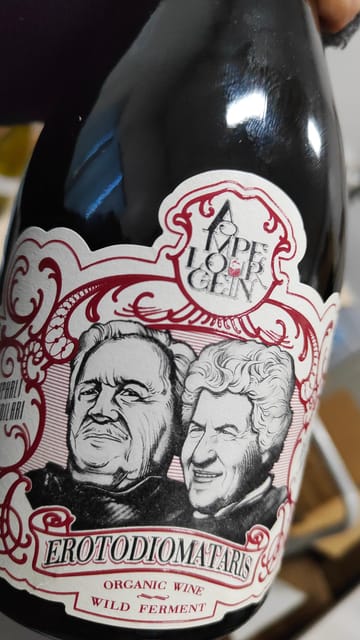
- Four Greek wines in 45 minutes: A compact tasting that keeps the subject manageable.
- Choose your preferred color profile: The wines are selected to fit your tastes.
- More than 340 Greek grape varieties: You get an introduction to a wine culture that is still unfamiliar to many visitors.
- Ancient grapes and small nibbles: The food helps connect the tasting with Greece’s older culinary traditions.
- English-speaking sommelier class: The format suits beginners but still offers useful material for wine lovers.
- Central meeting point: Find the CRU Tasting Room, Wine & Olive Oil Bar, give your name, and step inside.
Why Greek wine is worth your 45 minutes
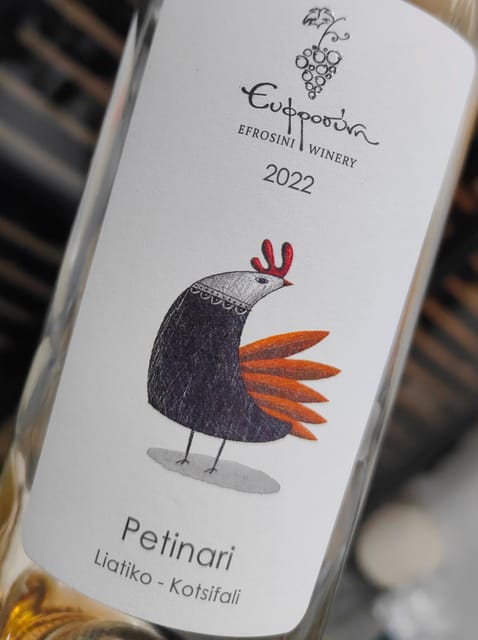
Many visitors arrive in Greece knowing a few famous dishes, islands, and archaeological sites, but Greek wine can be less familiar. That is part of the appeal here. Instead of starting with international grapes you already know, the class points you toward local varieties shaped by Greece’s long wine-making tradition.
The country has more than 340 wine grape varieties today. That figure matters because it explains why Greek wine can feel less straightforward than wine from places where a handful of grapes dominate the shelves. A Greek label may not tell you much at a glance, especially if you do not recognize the grape name or the producer.
The class also places modern Greek wine in context. Greece has around 4,000 vintages, while the industry has changed through new research, updated methods, and modern production. You get a look at a wine culture that connects old grape varieties with a newer push for quality and clarity.
I find that a short tasting works best when it answers a simple question: what makes this wine Greek? This experience aims to answer that through grape varieties rather than through a broad lecture about every wine region in the country.
You can also read our reviews of more food & drink experiences in Athens



Meeting at the CRU Tasting Room
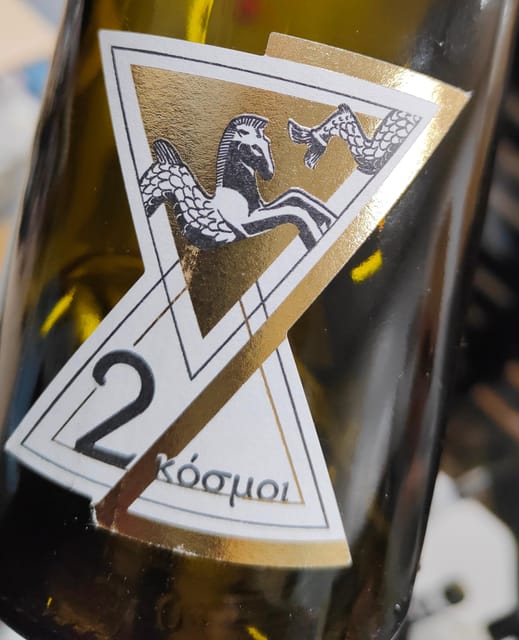
Your meeting point is the CRU Tasting Room, Wine & Olive Oil Bar. The instructions are simple: find the bar, walk in, and give your name. The experience ends at the same place, so you do not need to arrange a return transfer or find a second location afterward.
That easy setup is useful if you are fitting the tasting between sightseeing stops in central Greece. There is no separate ticket queue to manage, and no transport segment takes time away from the wine.
You should still check the starting time before booking. The activity runs for 45 minutes, but available departure times can change. If you are planning a museum visit, meal, or train connection, leave yourself a little breathing room rather than placing the tasting directly against another booking.
The meeting instructions do not describe a vineyard visit or a walking tour. This is a seated or in-room tasting at the bar, focused on the wines and the sommelier’s presentation.
Four glasses built around your taste
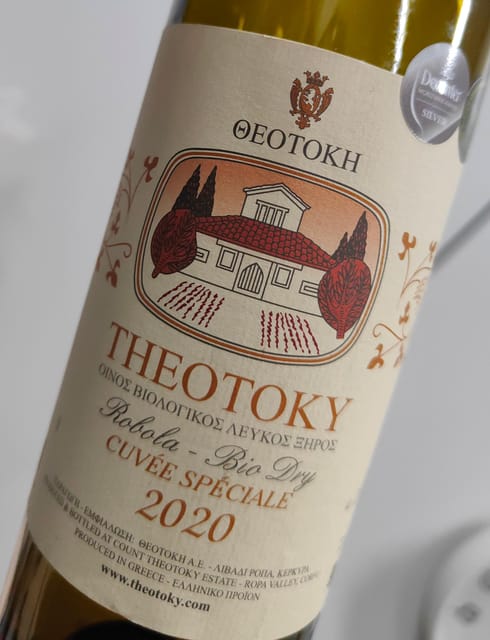
The central part of the class is a flight of four wines from ancient Greek grape varieties. The selection is based on your preferred color profile, and the host can tailor the experience to your tastes.
That choice makes the class more approachable. If you are new to Greek wine, you may not know the grape names, but you probably know whether you usually prefer white, red, or another broad style. Starting with your preferences gives the sommelier a practical way to guide you without making you study a wine list first.
For a wine lover, the selection also adds an element of comparison. Four glasses are enough to notice how different indigenous varieties can be, but not so many that your palate becomes tired during a short session. You can focus on the character of each wine and on the story behind the grape.
The exact wines are not specified in advance. That is worth noting if you are hoping to taste one particular Greek variety. You are booking a guided selection, not a fixed menu of named bottles.
This approach has a useful advantage: the tasting can respond to your preferences. The tradeoff is that the final lineup may not match a wine lover’s personal wish list.
Ancient grapes, modern Greek wine
The phrase ancient grape variety can sound grand, but here it points to the plants and local wine traditions that make Greek wine different from a standard international flight. The value is not simply that the grapes are old. It is that they show how much variety exists beyond the familiar Cabernet Sauvignon, Chardonnay, or other widely known names.
Greek wine is not generally produced as a single, easily recognized brand. Labels and grape names can be difficult for a first-time buyer to read, especially when you are standing in a shop with no context. A short class gives you a starting point for understanding what you are seeing on Greek shelves and restaurant lists.
The industry’s recent modernization and research add another useful layer. You are not being asked to treat Greek wine as an archaeological relic. The point is to see how older varieties are being handled in a changing wine industry.
That balance is important. Ancient does not have to mean old-fashioned, and modern does not have to mean generic. The class works best when you approach it as a look at how Greek producers use local grapes in today’s wine world.
The sommelier class for beginners and wine fans
The class is described as suitable for beginners and for people who already enjoy wine. That usually means you can attend without knowing the difference between every grape variety or production method.
If you are new to wine tasting, the short format should feel manageable. Four wines provide enough material to learn basic comparison, while the sommelier can explain the unfamiliar names and flavors as you go. You do not need to prepare by memorizing Greek wine regions.
If you already know wine, the subject gives you a reason to attend beyond basic sipping. Greece’s large number of native grape varieties creates room for discovery, especially if your usual wine choices come from better-known European regions.
The experience is taught in English. That makes it practical for English-speaking visitors, though the available information does not identify the sommelier by name or provide details about the size of the class.
Because the session lasts less than an hour, you should expect a short masterclass rather than professional certification or an advanced technical course. It is a useful introduction, not a full education in Greek wine.
You can also read our reviews of more wine tours in Athens





Ancient-inspired nibbles with the tasting
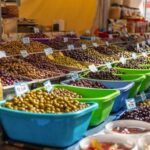
Some ancient nibbles are available alongside the wines. This is a small part of the experience, but it matters. Food changes how wine tastes, and simple pairings can help you understand the wines in a more grounded way.
The information does not specify the exact ingredients or quantity. You should therefore think of the nibbles as a tasting accompaniment, not a meal. If you are hungry, plan a separate lunch or dinner.
The historical angle also adds a little character. You are not only hearing about grape varieties in isolation. You are sampling wine with food that gestures toward older Greek culinary traditions.
I like this kind of pairing because it gives the session a local frame without turning it into a large food tour. Still, the wine is the main event, and anyone seeking a full meal with several courses should choose a different activity.
Is $30.49 a fair price?
At $30.49 per person, this is reasonably priced for a guided tasting built around four wines and a specialist-led explanation. You are paying for more than four pours: the value comes from learning how to place unfamiliar Greek grapes and labels in context.
The price makes the most sense if you want to understand what you are drinking. You could spend less on a single glass of Greek wine, but you would not get the same direct comparison or the sommelier’s structured guidance.
The short duration keeps the cost and time commitment modest. You can add it to an afternoon in Athens without surrendering half a day. That is particularly useful if your schedule includes major sights, since the tasting does not require a transfer to a winery outside the city.
There are limits. The session includes four wines, but no larger meal, transport, or stated take-home bottle. The exact wines are not listed, and the activity does not promise a vineyard setting. If you want a long rural wine excursion, this is not the right product.
For a first encounter with Greek wine, I consider the price good value. For a serious collector who wants rare bottles, detailed producer notes, or extensive regional coverage, the value depends on how much the short format matches your goals.
Who will enjoy this tasting most
This experience fits several types of visitors:
- Wine beginners: You can start with taste preferences rather than technical knowledge.
- Curious food lovers: The small ancient-inspired nibbles connect wine with Greek food culture.
- Experienced wine drinkers: The focus on indigenous grapes offers a break from familiar international varieties.
- Short-stay visitors: Forty-five minutes is easy to fit into a busy Athens schedule.
- Couples and small groups: The shared tasting format gives you something specific to discuss afterward.
It is less suitable if you want a vineyard walk, a full meal, or a long sit-down lesson. It is also not suitable for anyone under 19, and the activity is offered in English only.
Practical booking advice
You can cancel up to 24 hours before the experience for a full refund. The reserve-now, pay-later option is useful if your Athens plans are still moving around, since you can hold a place without paying immediately.
Check the available start times before you commit. The meeting point is simple, but arriving at the correct bar matters because no transport or separate escort is provided.
Tell the sommelier what you normally like if you have a preference. The wine selection can be tailored around your preferred color profile, so this is one occasion when your usual taste is helpful rather than limiting.
If you are completely new to Greek wine, do not worry about recognizing the grape names ahead of time. The point of the class is to give you a clear first set of reference points.
The strengths and limits at a glance
The strongest part is the subject. Greek wine has a wide range of native grapes, and most visitors will encounter only a fraction of them during a normal meal. Four carefully selected wines offer a quick way to broaden your view.
The second strength is the balance between choice and structure. You do not simply order a glass at the bar, but you also are not locked into a rigid tasting list that ignores your preferences.
The main limit is the compact schedule. Forty-five minutes can introduce the topic, but it cannot cover every major Greek grape, region, or production style. You will leave with a beginning, not the final word.
The lack of named wines in advance may also matter to dedicated wine fans. If you have a particular bottle in mind, contact the provider before booking if that option is important to you. The stated format promises four ancient-variety wines selected around your taste, not a guaranteed list of labels.
Should you book the Greek grape tasting?
Book it if you want a short, focused introduction to Greek wine in a central bar setting. The four-wine format, color-based selection, English instruction, and small food accompaniments make it friendly for beginners, while the emphasis on rare indigenous grapes gives experienced wine drinkers a worthwhile subject.
Skip it if you are looking for a winery visit, a full meal, or a long technical seminar. With a 5.0 rating from two submitted ratings and strong praise for its fascinating journey through Greek wines, it appears especially well suited to curious visitors who want an informative break from sightseeing without giving up an entire afternoon.
FAQ
Where does the Greek wine tasting take place?
It takes place at the CRU Tasting Room, Wine & Olive Oil Bar in central Greece.
How long does the activity last?
The tasting lasts 45 minutes.
How many wines are included?
Four wines from ancient Greek grape varieties are included.
Can the wine selection match my preferences?
Yes. The wines are selected based on your preferred color profile, and the experience can be tailored to your tastes.
Is the class offered in English?
Yes. The instructor language is English.
Is the tasting suitable for beginners?
Yes. The class is designed for beginners as well as people who already enjoy wine.
Are food samples included?
Some ancient-inspired nibbles are available to taste with the wines.
Can people under 19 join?
No. The activity is not suitable for people under 19 years old.
Can I cancel for a full refund?
Yes. You can cancel up to 24 hours in advance for a full refund. You can also reserve now and pay later.