REVIEW · ATHENS
Athens: Market Tour with Food Tastings
Book on GetYourGuide →Operated by MTM Experiences · Bookable on GetYourGuide
Athens shows its best hand when food and old stones share the same street. This three-hour market walk starts at Syntagma Square, passes through Varvakeios Agora, and winds into Plaka, with stops for koulouri, Greek pie, and dessert along the way.
I like the way this tour links the everyday life of Athens with the city’s ancient civic center. I also like its tasting lineup: a sesame-covered bread ring, a traditional pie, and sweets such as loukoumades give you small but telling samples rather than one large meal. The main drawback is access: steep, uneven, or narrow streets may be difficult for people with mobility impairments, and the tour is not suitable for wheelchair users.
In This Review
- Key points
- From Syntagma Square to the working heart of Athens
- Inside Varvakeios Agora Market
- A sesame-covered koulouri from a local vendor
- Plaka’s winding streets and the Ancient Agora
- The Roman Agora and Athens under Roman rule
- A traditional Greek pie with a story behind it
- Ending with koulourakia or loukoumades
- What the three-hour length means for you
- The guide’s role and the strongest personal touch
- Is $82 a fair price?
- Who should book this Athens food walk?
- Booking flexibility and useful preparation
- Should you book the Varvakeios Market and Plaka tour?
- FAQ
- Where does the tour meet?
- How long does the tour last?
- What language is the tour offered in?
- What food is included?
- Does the tour include a full meal?
- Which places does the tour visit?
- Is the tour suitable for wheelchair users?
- What should I bring?
- Can I cancel the tour?
- Can I reserve now and pay later?
Key points
- Varvakeios Agora puts you among Athens’ central meat, fish, cheese, herb, and spice stalls.
- Koulouri tasting gives you a classic Greek street snack from a local vendor.
- Ancient and Roman Athens appear alongside modern shops, markets, and neighborhood lanes.
- Greek pie and dessert stops add local flavor without turning the walk into a full meal.
- Guide Nellie can adjust the experience to your interests when she leads the tour.
- Syntagma Square meeting point makes this an easy first or early-day introduction to central Athens.
From Syntagma Square to the working heart of Athens
You meet your English-speaking guide in front of the fountain at Syntagma Square. This is a useful starting point because it gives you a clear central landmark and puts the walk close to several major parts of the city.
The tour begins with the option to grab a coffee before setting off. I like that small touch. Athens is a city best approached at street level, and a coffee in hand helps you get your bearings before the food stalls, old lanes, and archaeological sites begin to compete for your attention.
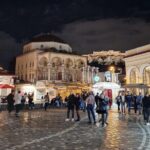
From Syntagma, you walk down Ermou Street. This is one of Athens’ main shopping avenues, lined with modern stores and ordinary city life. It is not the oldest or most picturesque stretch of the walk, but it gives you a useful contrast: modern Athens first, then the traditional food market and older quarters.
That change of scene is part of the tour’s appeal. You do not move from one isolated attraction to another. Instead, you follow a route through the city as Athenians experience it, with commerce, food, monuments, and residential streets all close together.
You can also read our reviews of more food & drink experiences in Athens


Inside Varvakeios Agora Market
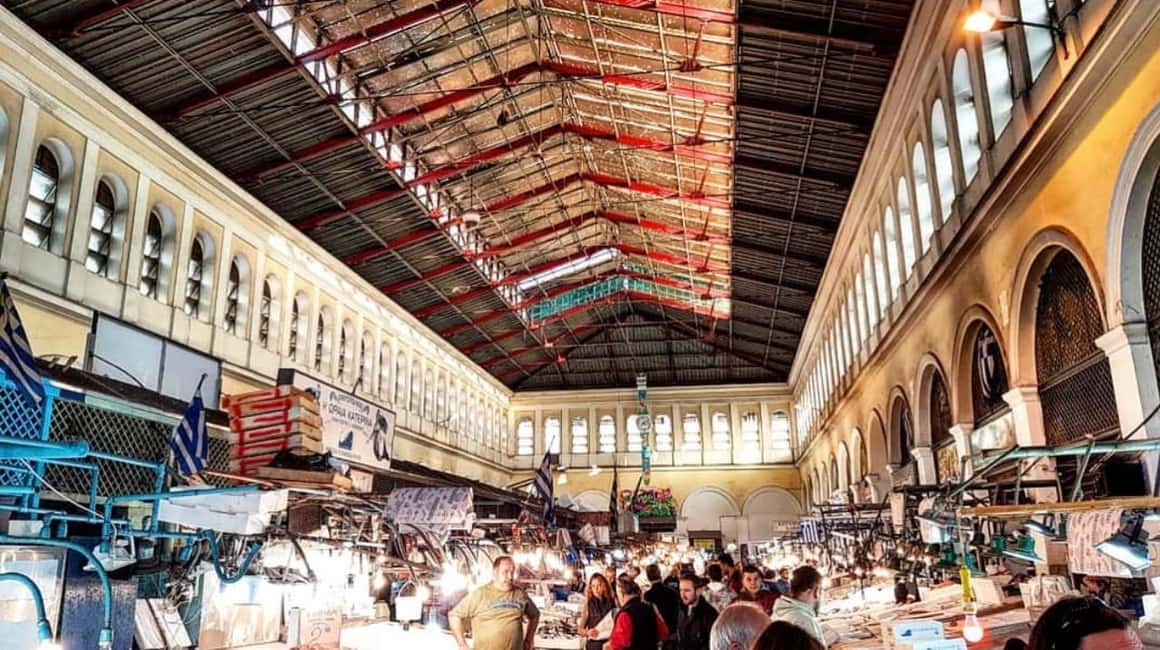
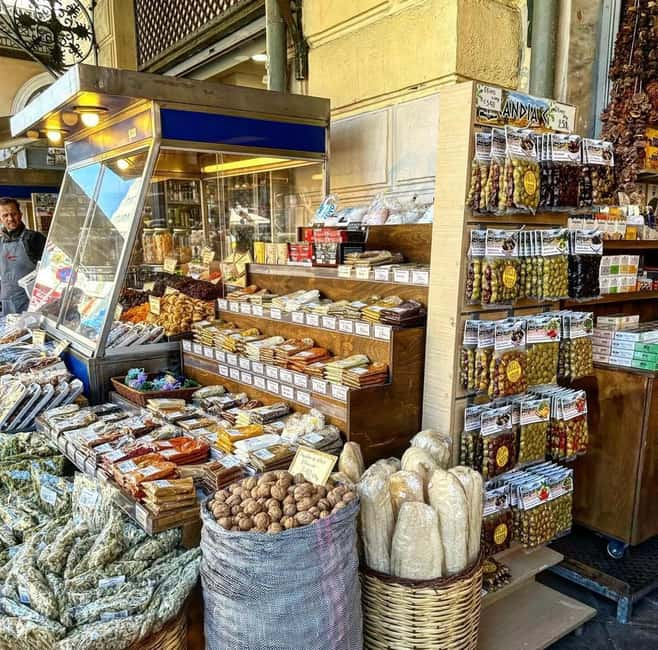
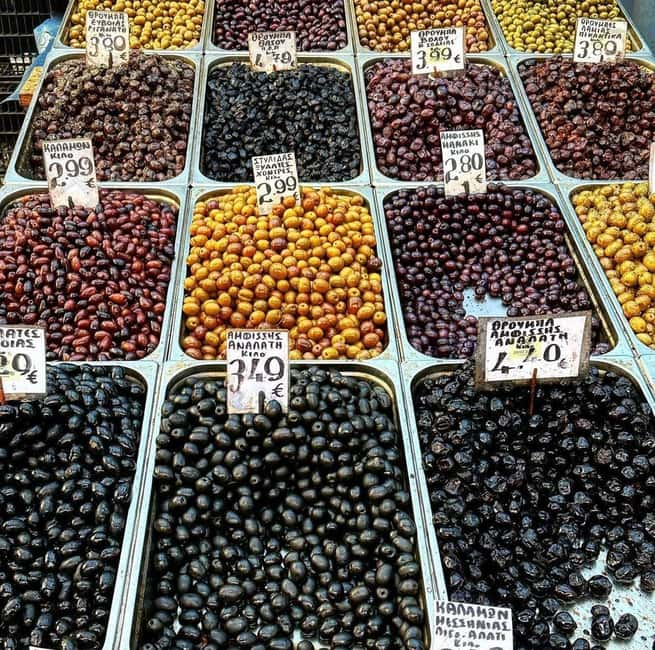
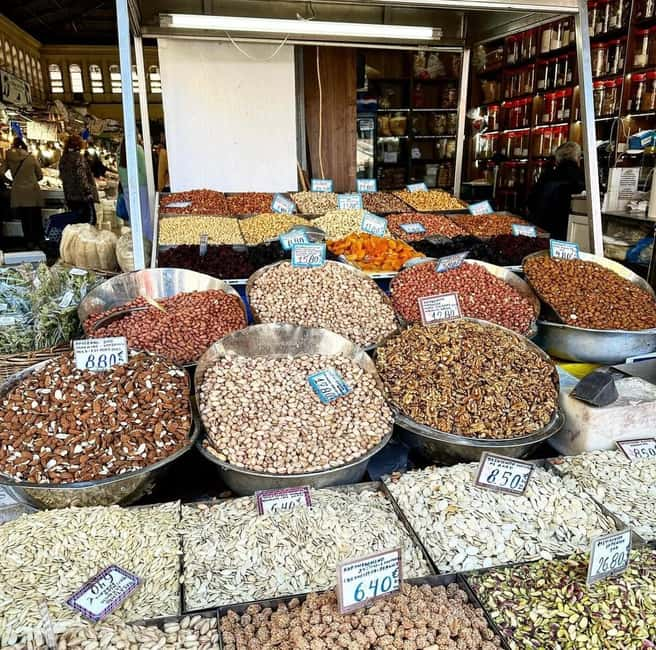
The major food stop is Varvakeios Agora, also called Athens’ Central Food Market. This is the part of the walk I would most anticipate if you enjoy seeing where a city’s cooking begins.
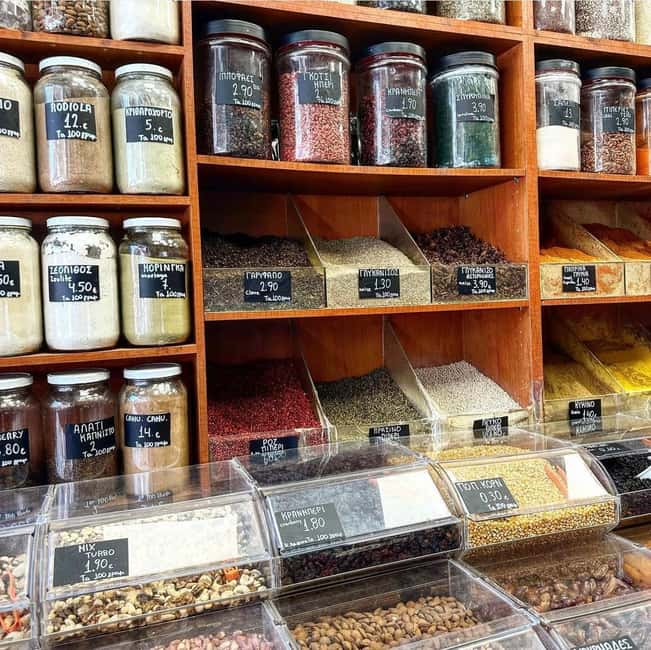
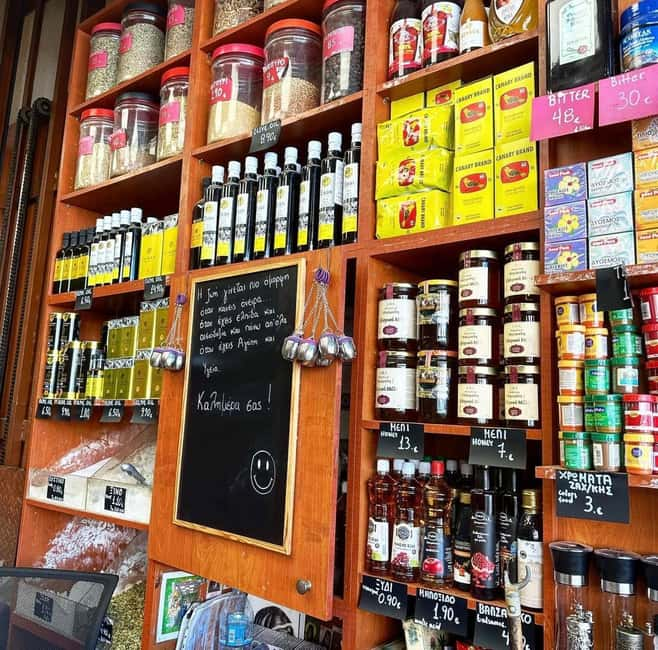
The market centers on fresh food rather than polished displays made for sightseeing. You can expect stalls with meats, fish, cheeses, herbs, spices, and other ingredients used in Greek kitchens. The sights and smells can be strong, especially around the meat and fish areas, so this is a better fit for you if you enjoy working markets and do not need everything arranged for comfort.
Your guide helps explain what you are seeing and how the market connects with Greek food. That context matters. A market visit on your own can be interesting, but it is easy to walk through without understanding which ingredients matter, how the stalls function, or why this place belongs in the daily life of Athens.
The market visit also keeps the tour grounded. You are not only tasting finished dishes in a café. You are seeing the raw materials behind Greek cooking, then sampling simple foods that people eat on the go.
A sesame-covered koulouri from a local vendor
One of the first tastings is koulouri, a round, sesame-covered bread roll. It is a modest snack, but that is precisely why it works well here. You get a taste of an everyday Greek food rather than a special dish prepared only for a tour.
Koulouri is easy to eat while walking, and the sesame coating gives it a pleasant crunch. It also provides a quick break between the market and the next part of the route. Do not think of this as a full breakfast or lunch. The tastings are samples, and you may still want a proper meal later.
I appreciate the balance of the food stops. The tour does not ask you to sit down for a long meal, which would cut into the walking and sightseeing. Instead, you taste several items in small portions and keep moving through the city.
If you have food allergies or dietary restrictions, ask the tour provider before booking. The supplied information does not give a full ingredient list or alternative tasting plan.
Plaka’s winding streets and the Ancient Agora
After the market, the route heads toward Plaka. This neighborhood is known for narrow, winding streets, and the change in pace is immediate. The lanes are more intimate than Ermou Street, with a different feel from the broad modern shopping corridor.
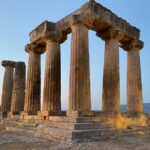
Plaka is a good place to slow down and look around. The streets lead toward the Ancient Agora, once the civic center of Athens. This was where citizens gathered to discuss politics, philosophy, and public matters. The importance of the site is not only in its surviving remains. It also helps you understand how public life shaped the city.
I like this part of the route because it gives the food stops a larger setting. The market shows present-day trade. The Agora shows the older civic world that gave Athens much of its place in European history. You move between both without needing a bus or taxi.
The tour information says the streets of Plaka lead to the Ancient Agora, but it does not clearly state that an entrance ticket to the archaeological site is included. Treat this as a guided look at the area unless the provider confirms site entry for your departure.
The narrow streets also create a practical concern. You should wear comfortable shoes, as requested, and expect a walk that may include uneven surfaces or slopes. The tour is not suitable for wheelchair users or people with mobility impairments.
The Roman Agora and Athens under Roman rule
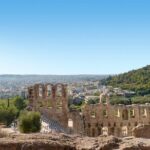
Near the Ancient Agora, you also visit the Roman Agora. It was built during the Roman period as a new marketplace after Athens became part of the Roman Empire.
This stop adds a useful second layer to the city. The Ancient Agora represents the earlier civic center, while the Roman Agora reflects a later Athens shaped by Roman power and urban needs. The two sites sit near one another, yet they point to different chapters in the city’s development.
The Roman Agora is also a good reminder that Athens did not stop changing after its classical age. The city was reused, reorganized, and adapted by later rulers. A short walk through this part of town can show you more than a single famous monument would.
As with the Ancient Agora, the information provided does not confirm admission details. If entering the archaeological sites is important to you, check exactly what the tour includes before you reserve.
A few more Athens tours and experiences worth a look


A traditional Greek pie with a story behind it
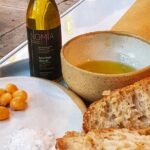
The next food stop is at a local shop, where you taste a traditional Greek pie and learn about its background. The exact type of pie is not specified, so you should not book this expecting a particular filling or pastry.
That uncertainty is not necessarily a problem. Greek pies come in many forms, and the point here is to connect the food with local custom and preparation. A pie can be a simple, practical food, but it also reflects regional habits, family cooking, and the use of pastry, cheese, greens, or other fillings.
This is one of the tour’s stronger ideas. You are not simply handed a bite and moved along. You receive some explanation of why traditional pie matters in Greek food culture. That makes the tasting more memorable and gives you clues about what to order later during your stay.
The tour works best if you arrive ready to sample rather than expecting a restaurant meal. The pie is one stop in a sequence, not the centerpiece of a long lunch.
Ending with koulourakia or loukoumades
The final stop is dessert. You can choose from Greek sweets such as koulourakia or loukoumades.
Koulourakia are small, often ring-shaped or twisted cookies, while loukoumades are small fried dough treats. The exact selection may vary, but both choices give you a sweet finish after the savory market foods and pie.
Loukoumades are especially suited to the end of a walking tour because they feel like a treat rather than a heavy dessert. Koulourakia offer a different texture and are easy to enjoy with coffee. If you prefer a less rich finish, ask what choices are available that day.
Ending with sweets also gives the route a pleasant rhythm: coffee and city streets, market food, archaeology, pie, then dessert. You get enough variety to understand the shape of Greek eating without spending three hours at a table.
What the three-hour length means for you
Three hours is long enough to cover several parts of central Athens, but short enough to fit into a busy sightseeing day. You can use it near the beginning of your stay to get oriented, or later as a food-focused break from museums and major monuments.
I would favor an earlier starting time if you want the market to feel like the main event. The exact departure times depend on availability, so check the schedule before booking. The market portion is likely to be most useful when food stalls are active, though the supplied details do not promise a specific market schedule.
The walk also asks more of you than a seated tasting. Bring water, a sun hat, and a camera, along with sturdy comfortable shoes. Athens can be hot, and the route includes outdoor streets and market areas.
Smoking and pets are not allowed on the activity. The tour is offered in English, so it suits you best if you are comfortable following explanations and asking questions in that language.
The guide’s role and the strongest personal touch
A guide can make or break a market walk. The route has plenty to see, but without explanation it could become a fast march between food samples and old stones.
Guide Nellie is specifically associated with this experience, and her approach includes adjusting the walk to your interests. That matters if you want to spend more time on market foods, ancient Athens, or the customs behind Greek dishes. A flexible guide can also help tie together parts of the route that might otherwise feel unrelated.
The strongest praise connected with the experience centers on the guide’s warmth, clear explanations, and ability to shape the walk around the people in the group. I would treat that as a good sign, while keeping in mind that guide assignments can vary.
Is $82 a fair price?
At $82 per person, this is not the cheapest way to grab Greek snacks in Athens. You could buy koulouri, dessert, and a pie on your own for less.
The value comes from the combination of food, guiding, and route planning. You are paying to connect Varvakeios Agora, Plaka, the Ancient Agora area, and the Roman Agora in a single three-hour walk. You also avoid having to research the market, identify traditional foods, and work out how the historic sites fit together.
For you, the price makes the most sense if this is your first time in Athens, if you want a local food introduction, or if you prefer a guide who can answer questions as you walk. It is less convincing if you already know central Athens well or want a large, filling meal.
Because entrance fees are not clearly listed as included, confirm that point before you book. The stated inclusions cover the guided walk and food tastings, not clearly paid admission to the archaeological sites.
Who should book this Athens food walk?
I would recommend it to you if you enjoy walking, small tastings, market scenes, and historical context in equal measure. It is especially useful for someone who wants more than a list of famous monuments but does not want to spend a full day on a formal food tour.
It also suits a first full day in Athens. Syntagma Square, Ermou Street, Varvakeios Agora, Plaka, and the Agora area give you a helpful mental map of central Athens.
Families with older children may enjoy the mix of sweets, market sights, and ancient stories, though the route’s narrow or uneven streets may be tiring for younger children. Anyone with limited mobility should choose another activity, since the experience is not suitable for wheelchair users or people with mobility impairments.
You should also come with an open mind about the market. Varvakeios Agora is a working food market, not a quiet display of Greek products. The meat and fish sections may not appeal to everyone, but they are part of what makes the stop feel connected to daily life.
Booking flexibility and useful preparation
You can cancel up to 24 hours before the activity for a full refund, and you can reserve now while paying later. Those terms help if your Athens plans are still shifting.
Meet at the fountain in Syntagma Square, not simply somewhere near the square. Wear shoes suitable for three hours of walking, and bring water, a sun hat, and a camera.
I would eat lightly beforehand. The tour includes koulouri, Greek pie, and dessert, but it is not presented as a complete meal. You want enough appetite to enjoy the tastings without expecting them to replace lunch.
Should you book the Varvakeios Market and Plaka tour?
Book this tour if you want Athens explained through both its food and its public spaces. The best feature is the route itself: modern Ermou Street leads to the Central Food Market, then to Plaka and the Agora area, with several small tastings along the way.
Skip it if you need a wheelchair-accessible route, want a sit-down meal, or have already explored Varvakeios Agora and the nearby ancient sites in detail. For first-time visitors who like practical history and everyday food, the $82 cost can be worthwhile, especially if guide Nellie is available to tailor the walk to your interests.
FAQ
Where does the tour meet?
The meeting point is in front of the fountain at Syntagma Square in Athens.
How long does the tour last?
The walking tour lasts three hours.
What language is the tour offered in?
The live tour guide speaks English.
What food is included?
The tastings include koulouri, a traditional Greek pie, and Greek desserts such as koulourakia or loukoumades.
Does the tour include a full meal?
No. The experience includes food samples rather than a full sit-down meal.
Which places does the tour visit?
The route includes Syntagma Square, Ermou Street, Varvakeios Agora Market, Plaka, the Ancient Agora area, and the Roman Agora.
Is the tour suitable for wheelchair users?
No. The activity is not suitable for wheelchair users or people with mobility impairments.
What should I bring?
Bring comfortable shoes, a sun hat, water, and a camera. Pets and smoking are not allowed.
Can I cancel the tour?
Yes. You can cancel up to 24 hours in advance for a full refund.
Can I reserve now and pay later?
Yes. You can reserve your place and pay later, keeping your plans flexible.