REVIEW · ATHENS
Athens: The Classic Food Tasting Tour
Book on GetYourGuide →Operated by Αthens Food on Foot · Bookable on GetYourGuide
Athens tastes like you are let in. On this classic food tasting tour, you follow the flavors through the old center and rack up 18+ Greek bites, starting at Monastiraki. You also get the city context that makes each stop make sense, not just taste good.
I love the hands-on feel of visiting real food counters, especially the mpougatsa stop at the oldest bakery style you will find in the area, with flaky filo and either cheese or cream. I also like the Greek coffee moment, including the sight of it made in a sand-heating setup that people remember long after the last sip.
One consideration: you will walk a fair amount for 3 to 3.5 hours, and you may want to plan your day around the fact that you will leave pretty full. If you have digestive sensitivities, flag them up front.
In This Review
- Key Tour Takeaways
- Where the Tour Starts in Monastiraki, and How It Sets the Tone
- Omonia Beginnings: Yogurt, Pastries, and Greek Coffee the Old Way
- Varvakios Food Market Stroll: Seeing Where Ingredients Actually Come From
- The Cretan Flavor Round: Cheese, Olives, Rusks, Olive Oil, and Raki
- Mpougatsa at an Old Bakery: Filo, Cheese or Cream, and Real Texture
- Goat Milk Ice Cream: A Different Twist on a Classic Ingredient
- Koulouri and the Sweet-Snack Rhythm You’ll Start Craving
- Mezze With Tsipouro: Ending Like a Local, Not Like a Tour Group
- Price and Value: Why $80 Often Feels Like a Deal
- Who This Tour Suits Best (and Who Should Rethink)
- A Few Smart Tips Before You Go
- Should You Book This Athens Classic Food Tasting Tour?
- FAQ
- How long is the Athens Classic Food Tasting Tour?
- What is the meeting point?
- How do I get there by public transport?
- What’s included in the price?
- What is not included?
- Is the tour small group?
- Is it wheelchair accessible?
Key Tour Takeaways
- Small group (up to 10) keeps the pace friendly and the guide’s answers useful.
- 18+ tastings mean you eat like a local across multiple neighborhoods, not just one food street.
- Old-school specialties show up fast: mpougatsa, koulouri, Greek yogurt, and market cheeses.
- Market + deli stops are paired with mini lessons, so you learn what you are tasting and why.
- Cretan tastings add a distinct flavor profile with cheese, olives, rusks, olive oil, and raki.
- Coffee and sweets are not an afterthought, which is great if you love the dessert side of Greek food.
Where the Tour Starts in Monastiraki, and How It Sets the Tone
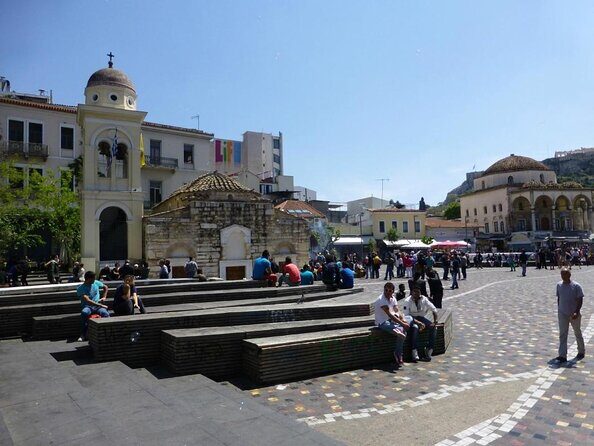
You meet at Monastiraki Square, in front of the little church. It is easy to reach by metro lines green or blue, so you do not have to cross half the city just to begin eating.
This start matters. Monastiraki is one of those places where you can feel Athens without needing a ticket or museum pass. You also get moving right away, which helps on a short tour.
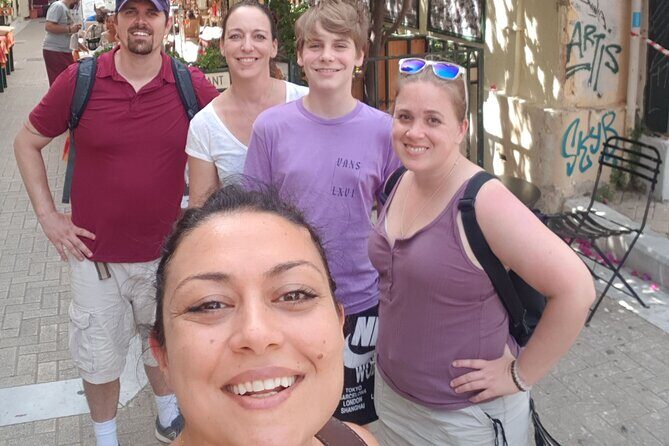
The group stays small (limited to 10 participants), so the guide can adapt if someone needs a slower pace or a quick clarification about what is in front of you. That smaller size also makes the food stops feel more like a local route than a conveyor belt.
You can also read our reviews of more food & drink experiences in Athens


Omonia Beginnings: Yogurt, Pastries, and Greek Coffee the Old Way
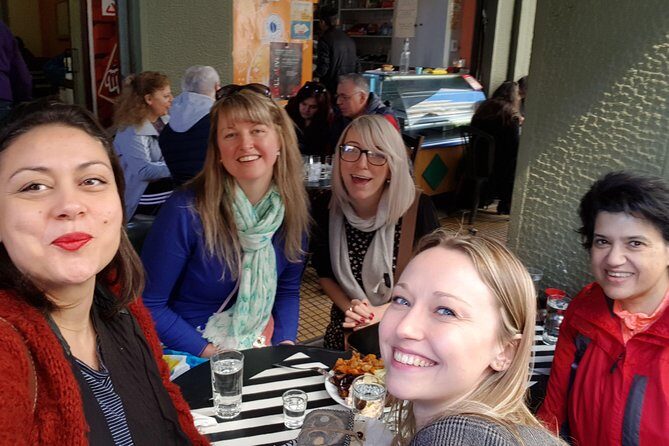
The tour kicks off in the Omonia area with a classic combo: Greek yogurt plus traditional pies and pastries. This is a smart first move. Greece does yogurt extremely well, and it is a clean base flavor before richer cheeses and pastry later on.
Then comes Greek coffee at a local favorite. The coffee part is one of the most memorable moments in the feedback, especially when you see it prepared in a sand-heating bed. Even if you are not a coffee expert, watching the method helps you understand why this drink holds its place in daily life.
Practical note: wear comfortable shoes. Omonia is not the place to be in brand-new sneakers. Also bring sun protection since the tour includes outdoor walking.
Varvakios Food Market Stroll: Seeing Where Ingredients Actually Come From
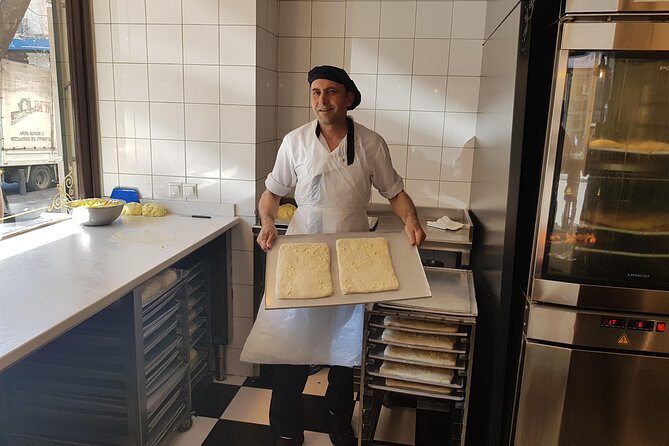
Next you head into the Varvakios food market, a lively commercial hub where you can find everything from meat and fish to vegetables and fruit. The value here is not just shopping. It is learning to recognize Greek pantry staples in context.
While you walk, your guide points out the kinds of things that end up on local tables: cheeses, cured meats, spices and herbs, plus the olive oil and olives that show up again and again in Greek cooking. You can often tell when a food tour is basic by how it treats markets. This one uses the market as a tool, not a photo stop.
If you like to cook or bring food gifts home, this is where your shopping instincts sharpen. By the time you see the deli-style counters and tasting portions, you know what you are looking for and how to describe it.
The Cretan Flavor Round: Cheese, Olives, Rusks, Olive Oil, and Raki
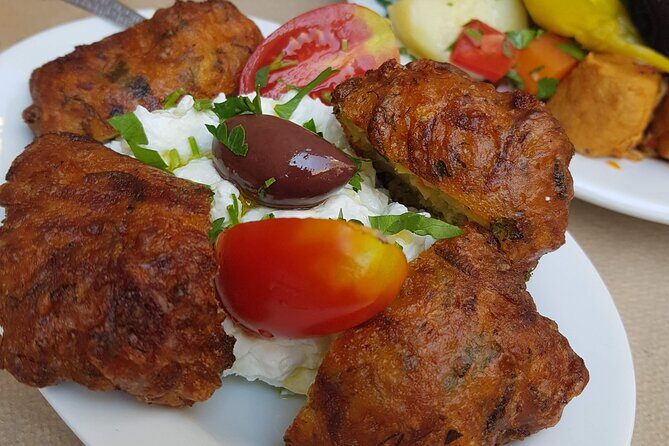
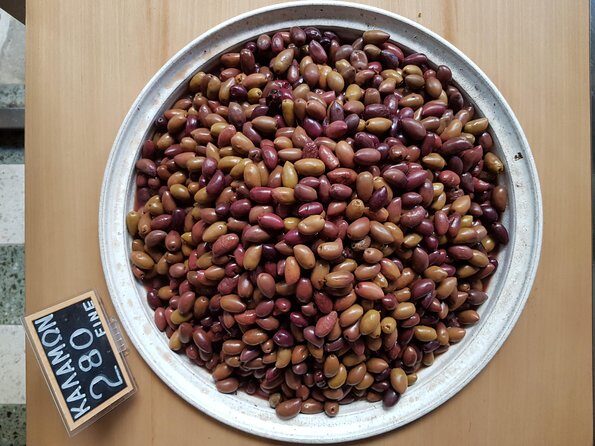
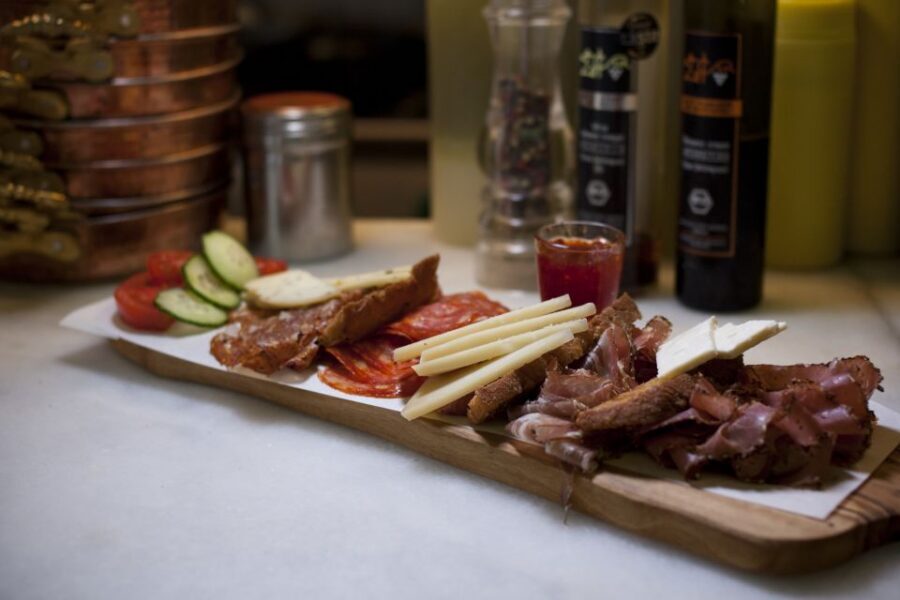
One of the most distinctive parts of the tour is the Cretan set: Cretan cheese, olives, rusks, olive oil, and raki. This matters because it widens the tour beyond Athens-only flavors. Greece is not one culinary identity; it is regional.
Cretan food tends to be bold in a grounded way: olive oil that tastes grassy and real, olives with real bite, and rusks that bring crunch where people often expect bread. The cheese selection helps you taste the range, too.
Then you get raki, which is part of the culture of small plates and late-night social eating. It is not a random alcohol add-on. It is connected to why Greeks snack, share, and stay at the table longer than you might expect elsewhere.
Mpougatsa at an Old Bakery: Filo, Cheese or Cream, and Real Texture
The tour includes a stop at the oldest mpougatsa bakery featured in this route. Mpougatsa is one of those foods that can sound simple until you eat it. It is built on layers—especially filo pastry—and that texture is the point.
You get to taste traditional mpougatsa with either cheese or cream. I like that choice because it shows you two sides of the same style: savory comfort versus sweet richness. Also, mpougatsa is the kind of food that makes sense as breakfast or as a snack when Athens is moving fast but you still want something warm and satisfying.
If you are sensitive to dairy, let your guide know before tastings. The tour is built around classic Greek comfort food, which often includes milk products.
A few more Athens tours and experiences worth a look



Goat Milk Ice Cream: A Different Twist on a Classic Ingredient
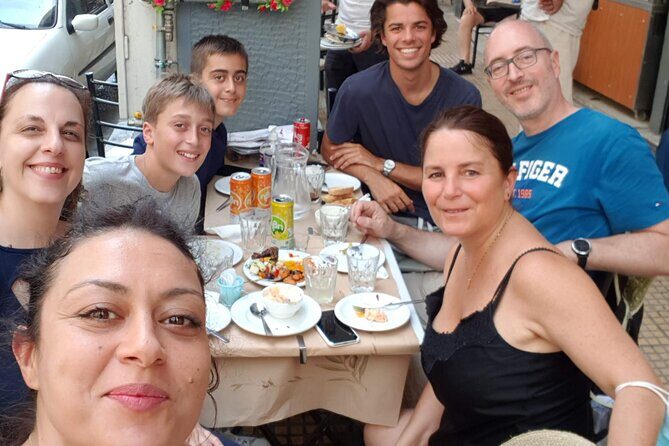
Another standout is goat milk ice cream made with a traditional Greek recipe, described as using an innovative way. The fact that it is goat milk is the real clue to why it feels different. Goat milk brings a sharper, slightly tangy note compared to many supermarket ice creams.
This stop works well as a palate reset in the middle-to-late part of the tour, when you might otherwise feel swamped by pastry, cheese, and richer bites. Ice cream is a crowd-pleaser, and it is also a clever way to show how Greek ingredients can become something light and modern without losing their identity.
Koulouri and the Sweet-Snack Rhythm You’ll Start Craving
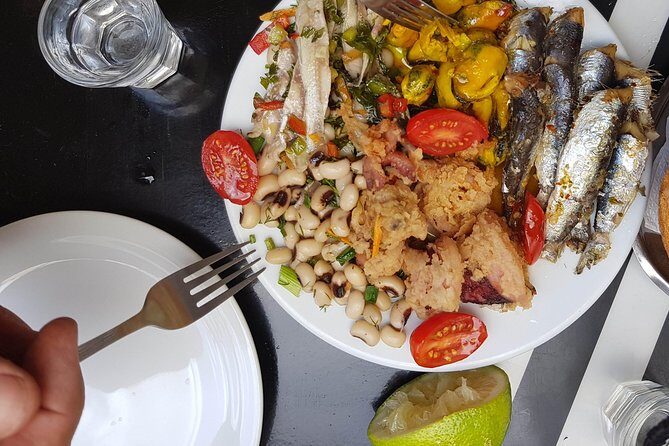
You end up tasting koulouri, the well-known sesame pastry that you see all over Athens. This is one of those foods that is both street-simple and culturally loaded.
A big reason I like this kind of stop is that it gives you a practical souvenir. Once you know what koulouri tastes like fresh, you can spot it when you are walking on your own later and decide whether to grab it again.
Also, it keeps the tour moving toward its finale without turning into only dessert. Koulouri is sweet-ish and savory at once thanks to sesame and the baked dough, so it fits the full Greek snacking rhythm.
Mezze With Tsipouro: Ending Like a Local, Not Like a Tour Group
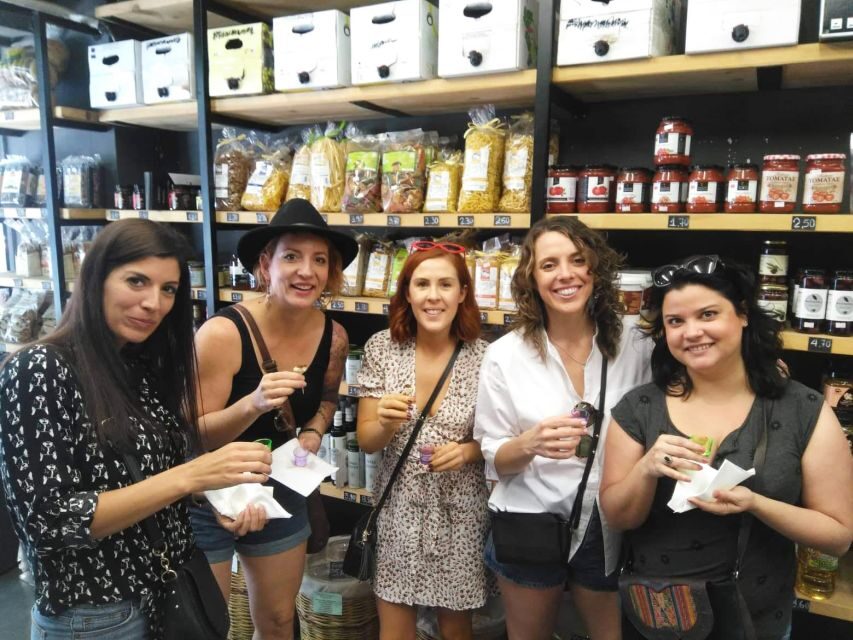
The tour finishes with a very Greek habit: mezze with tsipouro. Mezze is a whole style of eating—small plates, shared tastes, and lingering time. Tsipouro adds the spirit side, and it is part of why this ending feels like a meal rather than a tasting sprint.
This finale is also psychologically smart. After 3 to 3.5 hours of stops, you are ready for something more seated and unified. By the time the mezze arrives, you have enough context to understand why each bite belongs.
One more practical thought: because alcohol is part of the experience, pace yourself with the tastings. If you are the type who gets sleepy after rich food, plan a relaxed rest of the evening.
Price and Value: Why $80 Often Feels Like a Deal
At $80 per person for 3 to 3.5 hours, you might think, okay, it is a lot. Then you look at what you actually get: a licensed expert guide, a bottle of water, and all the food you taste. Plus, the route is built around 18+ delicacies, not a handful of samples.
The reviews reflect that “more than expected” feeling, including reports of people being very full by the end. That is a sign the tour is feeding you like you planned to eat, not like you are receiving tiny bites for marketing photos.
You are also paying for learning, not just calories. Guides like Lef, Elias, Joanna, Maria, and Ioanna are repeatedly praised for mixing food facts with neighborhood context. When a guide can connect what you are tasting to everyday life in Athens, the value climbs fast.
Who This Tour Suits Best (and Who Should Rethink)
This tour is ideal if you:
- want a fast orientation to central Athens food culture
- love trying both savory and sweet classics in one go
- enjoy walking routes through markets and old neighborhoods
- like small-group experiences (max 10)
It may be less ideal if you:
- hate walking for 3 to 3.5 hours
- have major dietary restrictions that reduce what you can safely eat (the tour does encourage you to inform them about allergies and digestive disorders)
- want a quiet, low-intensity outing (this is a tasting walk with multiple stops)
A Few Smart Tips Before You Go
If you want this to feel effortless, do these:
- Wear comfortable shoes because the route is walk-heavy.
- Bring sunscreen and a hat since the tour includes outdoor sections.
- If you have allergies or digestive concerns, tell the team before you start so substitutions or guidance can be handled.
- Consider a compact rain layer. One recent experience included heavy rain, and having your own umbrella or poncho can save the mood.
Also, bring an appetite. Multiple people recommend not eating right before the tour because the portions add up quickly.
Should You Book This Athens Classic Food Tasting Tour?
If you want the easiest way to eat your way through Athens and leave with a better sense of what Greek food is beyond just a few famous dishes, I think this is an excellent booking. The combination of 18+ tastings, a small-group licensed guide, and a route that includes market stops plus old-style pastry and coffee makes the $80 feel reasonable.
Book it early in your trip if you can. It gives you names for foods you will see again, plus a feel for what to look for when you are out on your own.
If you are ready for walking and you do not mind tasting foods that can include cheese and alcohol, this is the kind of Athens experience that turns into real memories fast.
FAQ
How long is the Athens Classic Food Tasting Tour?
It runs for 3 to 3.5 hours.
What is the meeting point?
Meet at Monastiraki Square, in front of the little church.
How do I get there by public transport?
You can reach the meeting point via the green or blue metro line.
What’s included in the price?
You get an expert licensed guide, a bottle of water, and all the food you taste during the tour.
What is not included?
Hotel transfer and entry in sites and museums are not included.
Is the tour small group?
Yes. It is a small group with a limit of 10 participants.
Is it wheelchair accessible?
Yes, the tour is wheelchair accessible.