REVIEW · ATHENS
Athens: Roman Agora E-Ticket and Audio Guide
Book on GetYourGuide →Operated by Clio Muse Tours · Bookable on GetYourGuide
Two millennia of Athens, guided by your phone. The Roman Agora is one of the most rewarding sites in the city once you stop treating it like just another ruin and start reading it as a place where real people shopped, worked, and argued. I like that this experience pairs an entry e-ticket with a self-guided offline audio tour, so you can move at your pace instead of waiting on a group. One caution: the audio experience depends on your phone setup, and if you don’t get oriented early, you may find the walking cues a bit tricky.
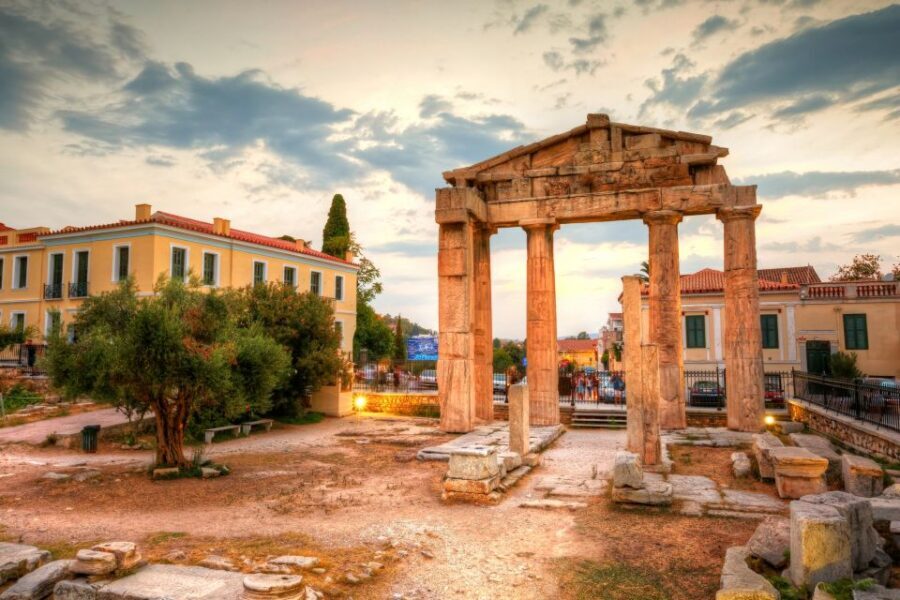
The best part is how the route connects big sights with everyday life. You’ll look for the Gate of Athena Archegetis, the Tower of the Winds, and the Mosque, then keep going to the fountain house, the Vespasianae, and the shops. It’s designed for a tight visit window of about 45 minutes to 1 hour, which is ideal when you want something meaningful without burning your whole morning.
In This Review
- Key Highlights You’ll Actually Feel During This Visit
- Roman Agora E-Ticket and Offline Audio Setup That Controls Your Day
- How the Roman Agora Tells Its Story: From Conquest to Daily Routine
- Gate of Athena Archegetis: The Arrival Point With Roman-Daymeaning
- Tower of the Winds: Timekeeping, Weather, and a Public-Use Landmark
- Mosque of the Conqueror: When One Site Holds Multiple Eras
- Fountain House, Vespasianae, and Shops: Where the Small Stops Shine
- Views of the Acropolis and the Winds Concept
- Timing, Pacing, and Building a Simple Day Plan
- Price and Value: Is $18 Fair for This Much Audio?
- What You Should Bring (And What Trips People Up)
- Who This Self-Guided Roman Agora Tour Is Best For
- Final Call: Should You Book This Roman Agora Audio Tour?
- FAQ
- What’s included with the Athens Roman Agora e-ticket and audio guide?
- How long does the experience take?
- What do I need to access the audio tour?
- What languages are available?
- Can I use the audio guide offline?
- Are headphones included?
- Is it compatible with Windows phones and older Apple devices?
Key Highlights You’ll Actually Feel During This Visit
- Skip-the-line Roman Agora entry so you spend less time stuck at a ticket queue
- Offline audio + maps downloaded in advance to avoid roaming surprises
- Story-first stops, including the Gate of Athena Archegetis, Tower of the Winds, and the Mosque
- Everyday-life focus as you pass the fountain house, Vespasianae, and shop remains
- Repeatable content so you can reuse the tour any time before or after
- Multiple language options (English plus several others) for easier comprehension
Roman Agora E-Ticket and Offline Audio Setup That Controls Your Day

The value here starts before you even reach the stones. You buy a ticket online, get an entry e-ticket, and then handle the real work at home or your hotel: downloading the app and the audio tour so you’re ready when you arrive. That matters in Athens, where walking is easy but time can disappear fast once you add lines, connections, and battery worries.
This is a self-guided experience, not a live tour. That’s a positive if you like freedom, but it also means you should treat your phone like part of the gear. You’ll want a charged smartphone and your own headphones (they’re not included), and you’ll need to save about 100–150 MB of space for the offline content.
Also note the device limits: the audio is compatible with Android (version 5.0+) and iOS, but it’s not compatible with Windows phones and several older iPhone/iPad models. If you’re traveling with an older device, check this early so your tour doesn’t turn into a plan B.
A few more Athens tours and experiences worth a look


How the Roman Agora Tells Its Story: From Conquest to Daily Routine
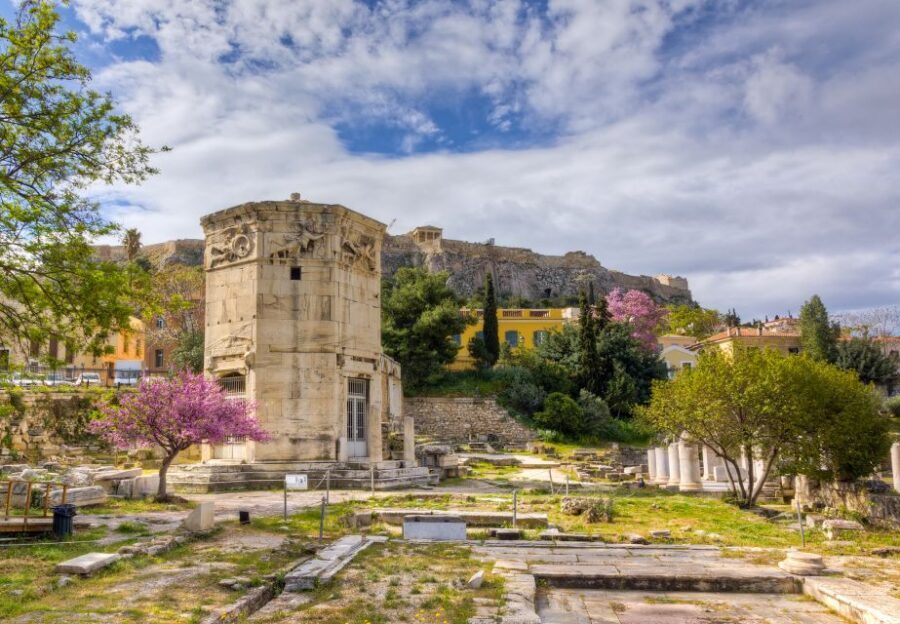
The Roman Agora is basically a compact time machine. The audio tour frames it as a place where you can read daily life across two thousand years, especially during the Roman period. Instead of just naming structures, the guide-style storytelling aims to help you connect what you see to how people lived—walking through spaces that were built for movement, trade, and public life.
You’ll move in a loop that keeps returning to a theme: the layers of power and culture that shaped Athens. The audio emphasizes a sense of “now then,” where you look at one feature and then get prompted to understand what it meant earlier in the city’s history. The tour also mentions a connection to the Acropolis viewpoint and the idea of meeting the Winds, which you’ll feel as you work your way toward the more iconic structures.
You should think of this as history you can pace yourself through. If you like turning on a track, pausing, taking photos, and reading the map prompts without rushing, this format makes sense. If you prefer someone standing next to you answering questions on the spot, you may miss that human interaction—there’s no live guide here.
Gate of Athena Archegetis: The Arrival Point With Roman-Daymeaning
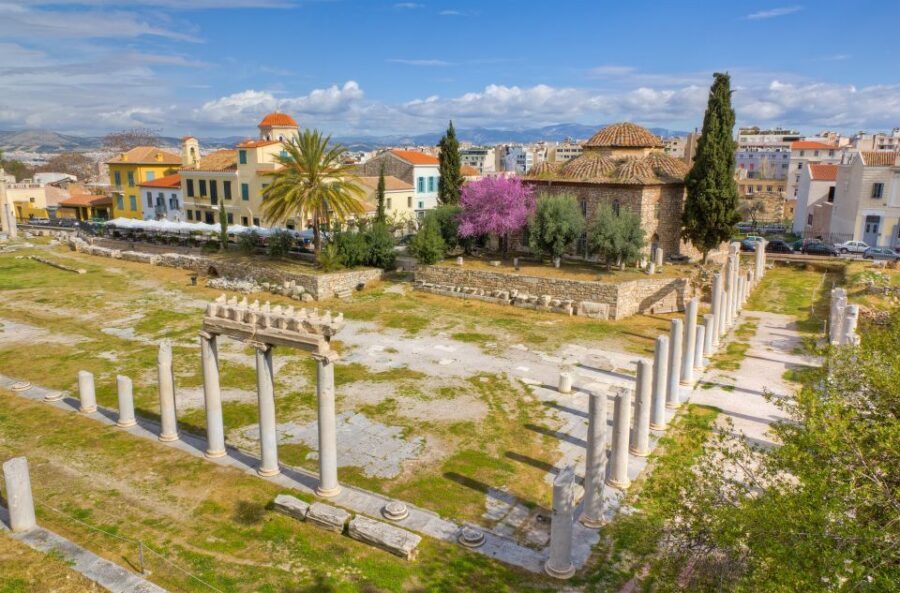
The first major stop highlighted in the experience is the Gate of Athena Archegetis. Gates sound simple, but in a place like the Roman Agora they’re really about movement and identity: who passes through, what message the city sends, and how architecture shapes behavior.
In the audio, expect the storytelling to frame this entrance as more than decoration. You’re not just viewing an opening in stone; you’re starting a narrative about classical Athens meeting Roman-era changes. When the audio cues you here, take a moment to look at how the gate functions as a threshold. It’s an easy place to lose 2 minutes and also one of the best places to catch your bearings for the rest of the walk.
A practical tip: since the audio depends on you following cues, give yourself a short reset at the gate. If you’re not sure where you are, pause the track briefly and check the phone map before continuing. The most common frustration with self-guided audio tours is not the site—it’s the moment you feel “ahead” or “behind” your audio track.
Tower of the Winds: Timekeeping, Weather, and a Public-Use Landmark
Next up is the Tower of the Winds, one of the Roman Agora’s star structures. What makes it special is the mix of functions implied by its reputation: it’s a building tied to time and the sky. The audio tour specifically mentions the chance to meet the Winds, so you’ll likely get explanations that connect the tower to how ancient people tracked and interpreted weather and time.
This is the kind of stop where the audio can do real work for you. Without it, you might simply see a tower and move on. With the narration, you’re pushed to look at the structure as a “public utility” as much as a monument. It’s a better way to read ruins: treat them as tools the city used, not just backdrops for photos.
If you’re the type who likes architecture but also likes stories, this is a good moment to slow down. Even within a 45-minute experience, the tower can anchor your whole visit by giving you a reference point: you’ll remember it, and that helps the rest of the route click.
Mosque of the Conqueror: When One Site Holds Multiple Eras
The tour includes the Mosque, highlighted as the Mosque of the Conqueror. That title matters because it signals what you’re really looking at: the Roman Agora wasn’t frozen. Different periods left their marks, and you’ll see that in how buildings were reused, reinterpreted, or repurposed over time.
In a self-guided format, this is where the audio storytelling becomes a bridge. You can stand near the structure and let the narration explain how conquest and change can reshape a space without erasing everything. You’ll likely come away with a clearer sense that Athens is a living museum, not a single-era postcard.
One consideration: this kind of stop can feel different depending on what you’re expecting. If you want only “purely classical” Greece, you might feel that later layers interrupt the vibe. If you’re open to the full timeline, the Mosque stop turns into one more piece in the puzzle of how the Agora evolved.
You can also read our reviews of more guided tours in Athens






Fountain House, Vespasianae, and Shops: Where the Small Stops Shine
The audio tour doesn’t just chase big names. It also directs you to the fountain house, the Vespasianae, and the shops—perfect examples of why this site is worth the time. These features help you understand how the Agora supported everyday life, including the practical needs that visitors might miss if they only focus on the most famous monuments.
Here’s what I like about this approach: it pushes you to read function. A fountain house tells you about water access and gathering. The Vespasianae—connected with public sanitation—helps you see how civic design affected comfort and routine. Shops remind you that commerce and community weren’t separate from “history”; they were the daily rhythm.
Also, the site being described as pocket-size means you can realistically hit these points without feeling like you’re crossing a battlefield of ruins. You’ll get to do the “look closely” thing instead of the “where do I go next” thing—if your phone is working and your headphones are ready.
Views of the Acropolis and the Winds Concept
One of the tour’s promised perks is the view toward the Acropolis, plus the chance to connect with the theme of meeting the Winds. Even if you don’t treat viewpoints as your main attraction, these cues matter because they give you a larger sense of place. You see how the Agora sits in relation to the rest of Athens, and that helps your brain map the city as a whole.
The Tower of the Winds is the natural anchor for the Winds theme, but the experience frames it as more than just one structure. That’s useful because it turns your walk into a coherent story: you start with a gateway, work toward a “sky/time” landmark, then keep moving through the everyday-life zones.
Timing matters here. If you’re visiting near mid-day, your view moments might feel short and hot. If you can, try to plan this stop when you still have energy for pauses. The tour length is short enough that you can fit it between other sights without rushing the skyline moment.
Timing, Pacing, and Building a Simple Day Plan
The visit runs about 45 minutes to 1 hour, and that’s a sweet spot. You get an in-depth guided-style walk without the fatigue of longer museum experiences. The audio tour can be used repeatedly, so you can also preview your path later that day or revisit when you return to your room.
Because there’s no live guide and no guaranteed meeting point experience, you’ll need to manage the “start time feeling” yourself. You’ll have your ticket, your download link, and your headphones—so you can just begin when you arrive. Just remember: the course of the visit may be modified with special restrictions, and you must follow on-site guidelines. In other words, flexibility is part of the deal at archaeological sites.
If you’re planning the Roman Agora around the Acropolis, build in a buffer for walking time and for the moments you’ll naturally want to pause. This is not a sprint-through. The value is in tying what you see to what you hear.
Price and Value: Is $18 Fair for This Much Audio?
At around $18 per person, the big question is whether you’re paying for speed, for storytelling, or for convenience. You are paying for all three.
You get an adult entry ticket, skip-the-line service, and a self-guided audio tour on your smartphone. That’s not just entry, it’s entry plus a guided experience you can repeat. The offline maps and narration also protect you from roaming charges, which is a real cost saver if your phone plan is pricey or patchy.
Is it expensive compared to buying a ticket on-site? It might feel that way, especially if the crowds are light. But the practical advantage of prebooking is that you can reduce friction. And with a short 45–60 minute time window, reducing friction matters more than it does for longer attractions.
So I’d frame it like this: if you want a guided-feeling visit without hiring a live guide, $18 is reasonable. If you already know the Agora well and plan to read everything yourself, you might not love the markup. For most people, the audio portion is what turns this into a “real experience” rather than a quick walk past ruins.
What You Should Bring (And What Trips People Up)
Bring comfortable shoes. The Agora is described as easy to walk, but you’ll still be moving through uneven archaeological surfaces and spending time pausing.
Bring your own headphones. This tour isn’t providing them, and audio is the core of the experience.
Bring a charged smartphone and plan for storage space. The download requirement is part of the deal, and it’s the main reason people can end up frustrated.
If your phone isn’t compatible, the experience won’t work. The data is very clear about device compatibility, including the fact that the audio tour is incompatible with Windows Phones and certain older Apple models.
Finally, plan to book per device rather than per participant. If you have multiple people going and only one phone, you may need a second device so each person can access the tour properly.
Who This Self-Guided Roman Agora Tour Is Best For
This experience fits best if you like:
- a self-paced history walk
- smartphone audio with offline content
- seeing major landmarks and also practical everyday features like shops and civic structures
- visiting during a time window where you want 45–60 minutes and then to keep moving
It may be less ideal if:
- you strongly prefer live interpretation and real-time questions
- you get easily frustrated with wayfinding on your phone
- you don’t want to manage downloads, storage space, and headphone use
One more reality check: there have been mixed reactions to the audio experience itself. In particular, some people find the audio guidance hard to orient with. If you rely heavily on narration cues to navigate, do a quick map check right when you start and be ready to pause and regroup.
Final Call: Should You Book This Roman Agora Audio Tour?
Book it if you want a structured self-guided visit that turns the Roman Agora into more than “cool ruins.” The combination of a pre-booked e-ticket, skip-the-line entry, and offline audio/maps is exactly the kind of practical value that works well in Athens when you want time efficiency without losing context.
Skip it (or consider a live-guided option) if you dislike phone-based navigation or you’re traveling with an older device that may not meet compatibility requirements. Also think twice if you prefer a guide to constantly point out what to look for.
If you do book, the secret to a smooth visit is simple: download before you go, bring headphones, start with an orientation moment at the Gate area, and treat the 45–60 minutes as a focused story walk rather than a quick stop.
FAQ
What’s included with the Athens Roman Agora e-ticket and audio guide?
You get an adult entry ticket to the Roman Agora with skip-the-line service, plus a self-guided audio tour on your smartphone (Android & iOS). The provider also provides an activation link to access your audio tour and offline content (text, audio narration, and maps).
How long does the experience take?
Plan for about 45 minutes to 1 hour. Starting times depend on availability.
What do I need to access the audio tour?
After booking, you receive an email with instructions and an activation link. You’ll need to download the app and the audio tour on your phone before your visit.
What languages are available?
The audio tour is available in English, Spanish, German, French, Italian, and Greek.
Can I use the audio guide offline?
Yes. The experience includes offline content, including text, audio narration, and maps, to help you avoid roaming charges.
Are headphones included?
No. You’ll need to bring your own smartphone and headphones.
Is it compatible with Windows phones and older Apple devices?
The audio tour is not compatible with Windows Phones, and it doesn’t work with iPhone 5/5C or older, iPod Touch 5th generation or older, iPad 4th generation or older, or iPad Mini 1st generation.