REVIEW · ATHENS
Acropolis of Athens and Acropolis Museum Tour
Book on Viator →Operated by Athens Walking Tours · Bookable on Viator
The Parthenon is easier with a guide. This Acropolis + Museum tour strings the myths to the stones, with earsets so you hear every explanation.
Two things I like a lot: the tight run of key stops, from the Theatre of Dionysus to the Temple of Athena Nike, so you understand what you’re seeing. I also like the museum pairing, because the artifacts in the Acropolis Museum make the sculptures on the hill feel less like random rocks.
One possible drawback: the Acropolis entry time is strict—no waiting for late folks—plus you’ll be climbing uneven stone with some stairs. Bring good shoes and plan to be early.
In This Review
- Key takeaways before you go
- Why this Acropolis tour feels different than wandering alone
- The ticket decision: with or without entry fees
- Meeting point and timing: show up early or you lose the day
- Walking the Acropolis: from Theatre of Dionysus to the Parthenon views
- Stop 1: Theatre of Dionysus
- Stop 3: Odeon of Herodes Atticus
- Stop 4: Temple of Athena Nike
- Stop 5: Erechtheion and the Caryatid maidens
- Stop 6: The Parthenon
- The Acropolis Museum: where the sculptures make sense
- What to wear and pack for the Acropolis (the site doesn’t care)
- When the guide makes the difference most
- Value check: does the $56.84 price make sense?
- Should you book this Acropolis and Museum tour?
- FAQ
- Is the tour offered in English?
- How long is the Acropolis and Acropolis Museum tour?
- Is the price $56.84 per person, and are entry tickets included?
- Where do I meet the guide?
- Is this a small group tour?
- What should I bring for the tour?
- Can I bring a backpack or baby stroller?
- What happens if I’m late for the Acropolis entry time?
Key takeaways before you go

- Earsets help you keep up, even when the group moves fast or crowds get noisy.
- Skip-the-line via a ticket upgrade can cut waiting time, though it doesn’t always remove it.
- You see the Acropolis like a story, hitting the Theatre of Dionysus, Odeon of Herodes Atticus, and the big names around the Parthenon.
- The museum connects the dots, so the statues and fragments make sense right after you see the ruins.
- Small group size (max 24) keeps the pace manageable and the guide easier to follow.
- Sun and slippery marble are real, so hat, sunscreen, and water matter more than you think.
Why this Acropolis tour feels different than wandering alone
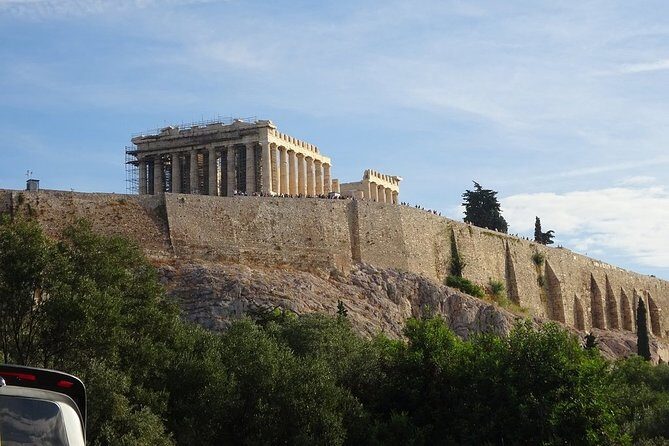
The Acropolis is famous for a reason. The views are jaw-dropping, and the ruins are so iconic that it’s tempting to treat the whole place like a big photo stop.
With a guided walk, the place becomes readable. You’re not just looking at the Parthenon and hoping you get the gist—you’re walking to the exact vantage points where the architecture, religion, and politics of Athens started to make sense. You pause at key features and hear what each one was for, and how Athenians thought about them.
Another smart touch is the earsets. Athens can be loud, and the Acropolis is full of stop-and-go crowd flow. With the headset, you can keep your eyes on the steps and still follow what the guide is saying.
You can also read our reviews of more museum experiences in Athens


The ticket decision: with or without entry fees
The tour price starts at $56.84 per person, but Acropolis and museum entrance fees are not included unless you choose the ticket option.
- Acropolis entry: €30 per person (unless your option includes it)
- Acropolis Museum entry: €20 per person (unless your option includes it)
Here’s why that matters in real life: the Acropolis has airport-style security and peak season waits can reach 30+ minutes. There’s also the “strict entry time” rule. If you’re late, the tour can’t wait, and there are no refunds for latecomers.
If you can swing it, I’d pick the option that includes pre-purchased tickets. The tour says the upgrade helps reduce wait time and offers skip-the-ticket-line service when booked with tickets. It may not erase every line, but it usually takes the edge off a stressful, time-sensitive arrival.
Meeting point and timing: show up early or you lose the day
The meeting point is Dionysiou Areopagitou 3, Athina 117 42, Greece. The tour ends at the Acropolis Museum at Dionysiou Areopagitou 15, Athina 117 42, Greece.
This setup is handy because you don’t waste time going back and forth. You’ll also be near public transportation, which helps when you’re trying to coordinate a day that already includes stairs, heat, and crowds.
The big timing warning is the Acropolis entry system. The tour notes that strict entry times mean they can’t wait for late arrivals. Tours also run rain or shine, and the schedule syncs with Athens local time, so don’t rely on travel-day wiggle room.
My advice: aim to arrive with time to spare, then do the security checks without rushing. The faster you clear entry, the more relaxed you’ll feel once you’re finally on the hill.
Walking the Acropolis: from Theatre of Dionysus to the Parthenon views
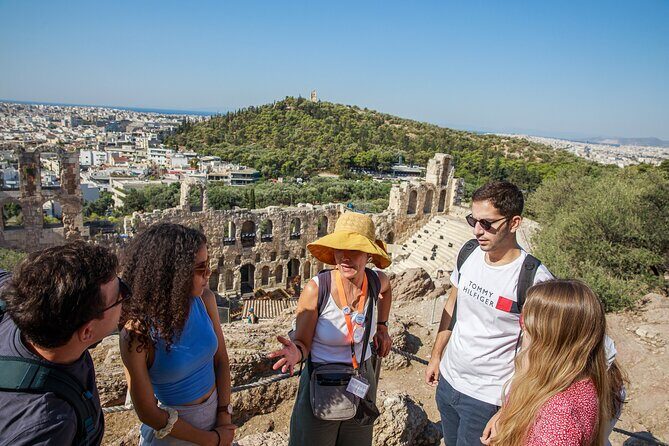
You start at the Acropolis area, clear security, and head into the UNESCO-listed archaeological site with a skip-the-line style entry if you booked tickets. From there, the walking route focuses on major features in a way that helps you picture how the Acropolis worked as a whole.
Stop 1: Theatre of Dionysus
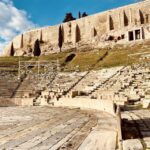
This is where the story begins to sound human. The Theatre of Dionysus is described as the origin of theatre itself, with hillside seating carved into rock. When you stand where the audience sat, you can better understand how tragedies and comedies were experienced by real Athenian crowds, not just read about later.
Why it’s a good early stop: it gives you context before you hit the big monuments. It also helps you learn the site’s “shape,” so later views feel less random.
- All Day Cruise -3 Islands to Agistri,Moni, Aegina with lunch and drinks included
★ 5.0 · 4,958 reviews


Stop 3: Odeon of Herodes Atticus
Next up is the Roman theatre tucked into the Acropolis. Even though it’s Roman, the point is how long this location kept being useful. The venue still hosts music concerts and performances, so you’re standing in a spot that still echoes with sound.
If you’re a “how did they build this” person, this stop is satisfying. If you’re more into myth and storytelling, your guide’s explanations can connect the theatre world back to Athens’ cultural identity.
Stop 4: Temple of Athena Nike
This is the elegant, Ionic one—the kind of building you want to slow down for. The tour calls out its friezes and the panoramic views. Athena Nike translates as a focus on victory, and the whole area feels like a place built for ceremonial meaning.
In practical terms, this stop is great for a quick reset. You get a view over Athens while the guide explains the symbolism, so it doesn’t feel like another sprint through the sun.
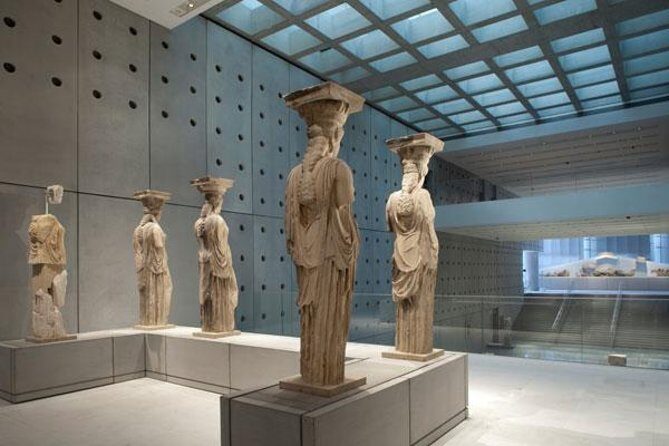
Stop 5: Erechtheion and the Caryatid maidens
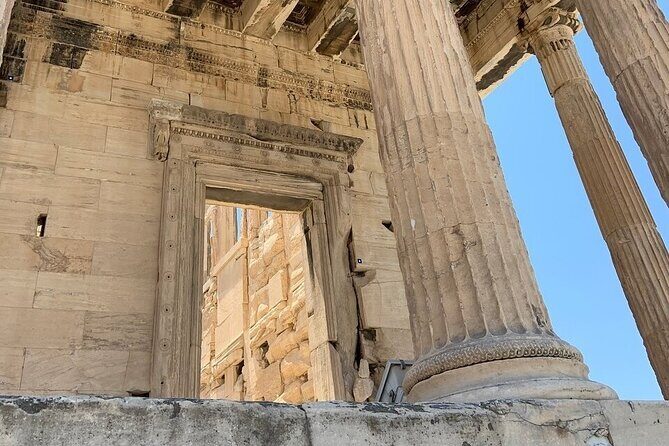
Then you reach the Erechtheion, tied to Athenian legends. The iconic detail here is the Caryatid maidens—sculpted figures that carry the building’s structure.
This is one of those stops where a guide really matters. Up close, you can see craftsmanship decisions that would be hard to interpret on your own, especially when crowds move you along and you’re trying not to trip on uneven ground.
Stop 6: The Parthenon
The Parthenon is the main event, and your time here matters. The tour schedules about 20 minutes for it, with an added break to admire the view over Athens.
What to look for:
- The Doric columns and how they shape the building’s rhythm
- The idea of “friezes everywhere,” not just one famous panel
- The way the hilltop changes your sense of scale—everything feels both huge and tight
One detail I think is crucial: many features were removed for preservation and replaced on site with replicas, while originals are housed in the museum. That is exactly why this tour’s second half is more than a box-checking museum stop.
The Acropolis Museum: where the sculptures make sense
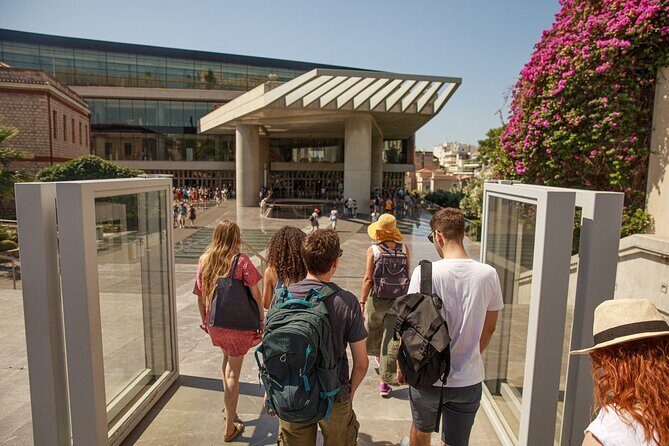
After the hilltop, you head to the Acropolis Museum for about 1 hour 30 minutes. The museum visit is designed as a chronological journey through Athenian history, focused on artifacts from the Acropolis.
This is the payoff for anyone who hates the feeling of seeing a ruin and thinking, So… what am I looking at?
With a guide, you’re not just staring at labels. You’re shown how the museum pieces connect to the buildings you just visited. That makes the statues, fragments, and architectural remnants feel like they belong to a single story, not separate exhibits.
I also like this museum format because you get a guided highlights pass and then have time to linger on your own if you want more. If you’re the type who likes to take your time, you’ll appreciate that you’re not forced to speed through everything under pressure.
What to wear and pack for the Acropolis (the site doesn’t care)
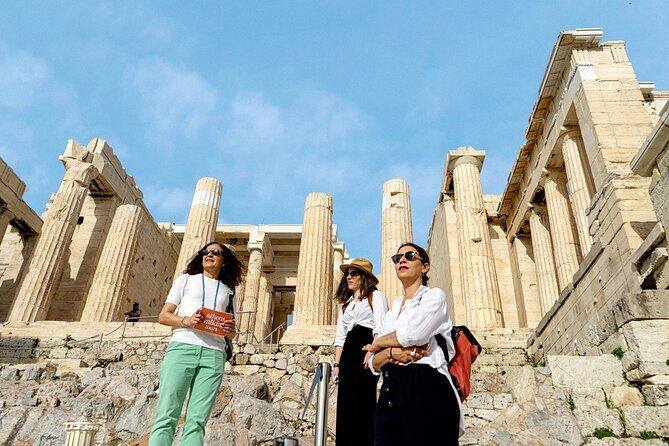
This tour works best if you treat it like a real walking day. The tour notes moderate physical fitness and asks for comfortable shoes and clothes.
Here’s the practical reality:
- The Acropolis involves steep climbs and uneven surfaces, including marble that can feel slick.
- There are lots of steps to reach the summit and to move around the monument areas.
- The weather can turn on you fast, because tours run rain or shine.
Bring:
- A hat and sunscreen (seriously)
- A bottle of water (the tour explicitly asks for it)
- Comfortable, grippy shoes
Also keep in mind:
- Backpacks are not allowed.
- Baby strollers are not allowed on the Acropolis archaeological site, and there’s no cloakroom at the side entrance the tour uses. If you’re traveling with a baby, the tour recommends a baby pouch instead.
If you’re deciding footwear for a day like this, I’d choose sneakers with grip. Your “I’ll be careful” plan doesn’t help much when the ground is uneven and the crowds get dense.
When the guide makes the difference most
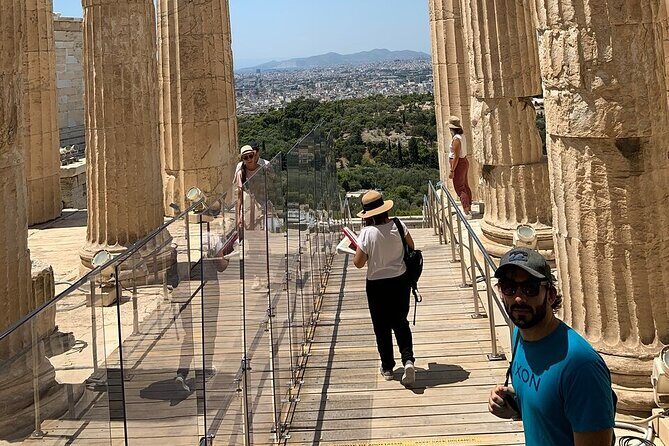
The operator’s team uses English-speaking professional guides, and the tour includes guided visits of the major highlights plus extra context. Earsets help you hear the narration clearly while you move.
What you’re paying for isn’t just facts. It’s how the guide turns a physical layout into a mental map.
That’s why the best-guided groups tend to feel effortless even while climbing. Guides can:
- Pace the climb so you’re not gasping at the wrong moment
- Pause at the right angles so you can understand proportions
- Explain myths tied to the spots, like legend-focused stops around the Erechtheion
- Help you connect what you saw outside to what you see inside the museum
The names that come up with consistent praise include guides like Dimitris, Rina, Yolanda, Maria, Margarita, Niamb, Aigli, Nicoletta, Niobe, and Panyioti. You won’t know your guide ahead of time, but it’s a sign that the operator often selects people who can make the site click.
Value check: does the $56.84 price make sense?
Let’s do the math in the real world. The tour starts at $56.84 per person. If you choose the option that doesn’t include entry fees, you should budget:
- €30 for the Acropolis ticket
- €20 for the Acropolis Museum ticket
That adds up to €50 total for admission, not counting your tour fee.
So the decision becomes about what you want to optimize:
- If you enjoy reading and you can handle long lines, you might still consider booking without the included tickets.
- If you want the day to feel controlled—especially in peak season—pre-purchased tickets and skip-the-line support are often worth the upgrade. The tour says it reduces wait time, though it doesn’t guarantee you’ll walk in instantly.
You’re also getting a small group (max 24), a professional guide, and earsets. For Athens, that combination helps you spend your limited time seeing rather than hunting down explanations.
And because the Acropolis has strict entry times, buying yourself fewer unknowns is a form of value. You’re paying to protect your schedule.
Should you book this Acropolis and Museum tour?
If you want the Acropolis to feel understandable (not just impressive), I’d book it. This is the kind of tour where the guide’s storytelling and the museum connection turn scattered sights into a clear sequence.
You should especially consider it if:
- You’re short on time in Athens and want the big highlights covered
- You’d rather spend energy listening and looking than figuring out where everything fits
- You dislike the idea of guessing how long security lines and entry windows will take
Skip it or think twice if:
- You have serious mobility limits, because the route involves stairs and uneven stone
- You hate group pacing and would rather wander slowly on your own (this tour moves with a plan)
If you’re booking, take the tour’s own advice seriously: plan for sun, bring water, wear grippy shoes, and be early for entry. Do that, and you’ll leave with the kind of understanding that makes the Parthenon—and its museum treasures—stick in your head.
FAQ
Is the tour offered in English?
Yes. The tour is offered in English.
How long is the Acropolis and Acropolis Museum tour?
The duration is approximately 3 hours 30 minutes.
Is the price $56.84 per person, and are entry tickets included?
The price is listed as $56.84 per person, but entrance fees for the Acropolis and Acropolis Museum are not included unless you select the option that includes tickets.
Where do I meet the guide?
The start meeting point is Dionysiou Areopagitou 3, Athina 117 42, Greece. The tour ends at the Acropolis Museum, Dionysiou Areopagitou 15, Athina 117 42, Greece.
Is this a small group tour?
Yes. The tour has a maximum of 24 travelers.
What should I bring for the tour?
Wear comfortable shoes and clothes, and bring a hat, sunscreen lotion, and a bottle of water.
Can I bring a backpack or baby stroller?
Backpacks are not allowed. Baby strollers are not allowed on the Acropolis archaeological site, and the tour recommends using a baby pouch instead.
What happens if I’m late for the Acropolis entry time?
Acropolis entry times are strict, and the tour can’t wait for latecomers. The information provided states there are no refunds for late arrivals.