REVIEW · ATHENS
Athens All Included: Acropolis and Museum Guided Tour with Ticket
Book on Viator →Operated by Walks In Europe · Bookable on Viator
The Acropolis is crowded. This tour keeps it manageable. You meet your guide and small group at the Acropolis metro area, then start with pre-reserved skip-the-line tickets that help you get moving fast instead of burning time in lines. I especially like the headset setup, because it means you can actually hear the stories while you walk and look up at the carvings.
Two things I really value here: you get a carefully paced guided walk through the key monuments on the hill, and the museum visit has built-in context so the statues and temple parts make sense right away. For me, that combo is the difference between seeing the Acropolis and understanding why it matters.
One consideration: the tour is tight on time. If you want lots of wandering and lots of independent photos on the hill, you may feel the guided schedule leaves only limited free moments.
In This Review
- Quick Hits You’ll Care About
- Entering the Acropolis With Timed Tickets That Actually Help
- The Acropolis Walk: What Your Guide Adds (and What It Costs You)
- Parthenon Time: The Monument That Becomes Understandable
- Propylaea, Routes, and the Theatre of Dionysus Views
- North-Side Temples You Might Miss on Your Own
- Acropolis Museum: Where the Stories Take Shape
- Price and Value: Is It Worth $165.67?
- Who This Tour Fits Best (and Who Might Want Something Else)
- A Practical Way to Make the Most of Your 3 Hours
- Should You Book Athens All Included?
- FAQ
- Where does the tour start?
- How long is the tour?
- What’s included in the price?
- What language is the tour offered in?
- Do we skip the lines at the Acropolis?
- Where does the tour end?
- Is transportation provided?
- Is this tour okay for kids or strollers?
- What if I’m late to the timed entry?
- Can I cancel for a full refund?
Quick Hits You’ll Care About

- Meet at the Acropolis metro area and start with timed entry, so you’re not guessing or waiting.
- Headsets included to keep the narration clear while you’re walking on uneven ground.
- A small group (max 20) makes it easier for your guide to watch pacing and answer questions.
- Museum has a guided core (about an hour) plus optional time after to keep exploring.
- Parthenon Gallery includes the Elgin Marbles story, explained in context.
- Good photo stops built into the route, not random rushing.
Entering the Acropolis With Timed Tickets That Actually Help
Start at the Acropolis metro area, where you’ll meet your licensed Greek guide and the small group. This is a big deal on the Acropolis, because the main problem isn’t just crowds. It’s timing. Timed tickets mean you’re entering under a scheduled window rather than joining the slow churn at the busiest entrances.
Your tickets for both the Acropolis and the Acropolis Museum are pre-booked. On-site, that matters because the tour is designed around your reserved entry times. The operator also notes that tickets are timed and expire quickly (within about 5–10 minutes), and the tour departs on schedule. Translation: show up on time, not “almost.”
Plan to arrive at the designated meeting point about 10 minutes early. If you roll in late, you can miss your slot. If you’re coming from the port, metro can save time, since reaching the meeting area might take longer than you expect.
A few more Athens tours and experiences worth a look



The Acropolis Walk: What Your Guide Adds (and What It Costs You)
Once you’re inside, you’ll spend about 1.5 hours on the main highlights with the guide leading a paced route. The idea is simple: walk the big stops while your guide explains what you’re seeing, then connect the myths and history to the architecture around you.
This is where the headsets shine. The Acropolis is loud in the way open-air sites are loud—wind, echo, people shifting around—and a normal voice can get lost. With headsets, you’re not constantly playing catch-up. You can focus on the monuments instead of straining to hear.
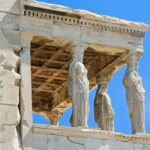
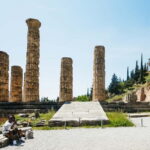
On the hill, your guide covers major structures such as the Erechtheion, the Temple of Athena Nike, the Propylaea, and the Parthenon. You’re not just hearing facts. You’ll also get interpretation—how these spaces fit together in ancient Athenian life, including ceremonial and religious meaning.
What you give up is flexibility. The tour structure is built for efficiency, so independent wandering is limited during the guided portion. One common snag in this kind of format is wanting more time to roam the ancient spaces on your own. If that’s your style, consider that the guided time may feel information-heavy.
Parthenon Time: The Monument That Becomes Understandable
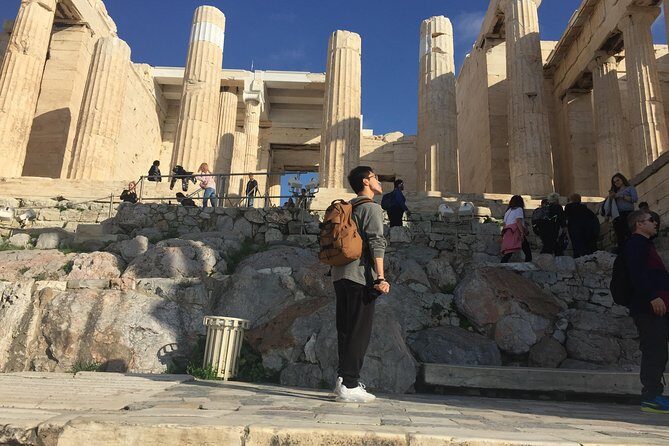
You’ll spend a focused chunk of time at the Parthenon, the star of the Acropolis. The guide explains how it was designed and used, but what tends to stick is the big-picture framing: why this temple was such a statement of civic identity and artistic ambition in Athens’ golden age.
You’ll also get a sense of what the Parthenon represents beyond being a famous ruin. The narration ties it to Athena, Athens’ patron goddess, and to the ideals people connect to it today. That might sound like big history talk, but on-site, it becomes practical. When you know what you’re looking at—columns, gateways, temple layouts—you stop treating it like a photo backdrop and start treating it like a message written in stone.
If you’re hoping for long, quiet time at the Parthenon to sketch, stretch, or linger for the perfect light, keep in mind the tour schedule is designed to keep you moving efficiently. The upside is you’ll avoid the worst crowd bottlenecks because your entry and route planning are timed.
Propylaea, Routes, and the Theatre of Dionysus Views
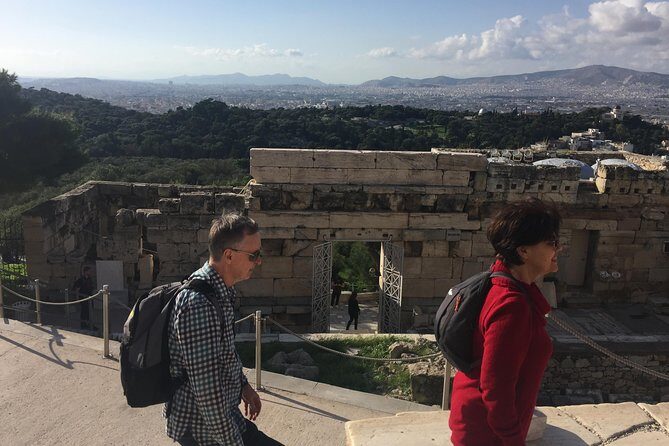
After the Parthenon focus, the walk continues through the Propylaea, the monumental gateway that once marked the ceremonial entrance to the Acropolis. This part is worth paying attention to because it sets the mood for what’s ahead. A gateway isn’t just architecture—it’s a script for how visitors were supposed to move into sacred space.
From there, your route isn’t only the most common tourist line. You’ll go on a route that includes the south exit area, where you can see additional highlights like the Altar of Asclepius and the Theatre of Dionysus, often described as the birthplace of theater and drama. Even if you know the basics, a guide can help you see why that theatrical history connects to the culture that built these religious and civic spaces.
And yes, there are also viewpoints. The tour includes time to enjoy views across Athens, with the Aegean Sea visible on clear days. This is one of those practical additions that makes the whole experience feel less like homework and more like a living city landscape.
If you’re a photo person, the pacing can help. Several guided-experience notes highlight that guides often pause for pictures and point out the better angles, not just the obvious ones.
North-Side Temples You Might Miss on Your Own

A smart part of this tour is that you also get attention on the north side temples, including spaces that many visitors skip because they focus only on the headline buildings. Earlier cult areas and temples tied to older Athenian religious traditions get explained in context, which helps you understand why the Acropolis wasn’t just one monument. It was a whole sacred complex with layered meaning.
You’ll be given a break after walking these areas. That matters more than it sounds. The Acropolis hill includes steps and uneven surfaces, and even on a mild day, you can get tired. A short reset helps you keep the energy for the museum part, which is usually when the day can either feel great—or drag.
If you’re visiting in colder months, remember it can be chilly on top of the hill compared to the city below. Layers help, because you’ll walk and then stop in exposed open-air spaces.
You can also read our reviews of more guided tours in Athens




Acropolis Museum: Where the Stories Take Shape
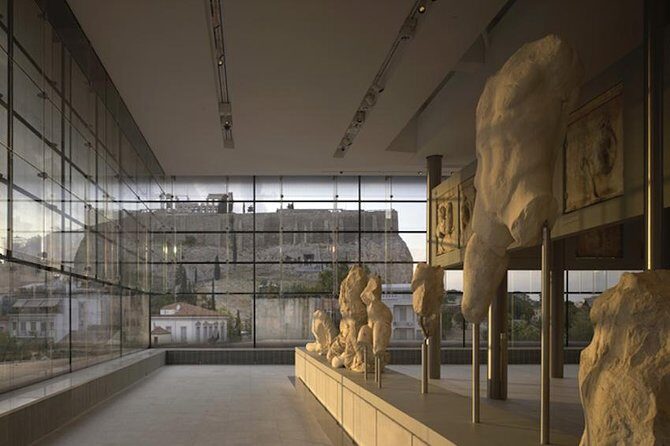
After the hill, you move to the Acropolis Museum for the guided part, about 45 minutes. The museum is designed to complement what you just saw, and it’s one of the best moves you can make after the Acropolis—because you finally get original sculptures and architectural elements explained as parts of real temples.
One of the most striking features here is the layout. You’ll walk across the museum’s glass floors with excavations visible beneath you. It’s one of those moments that makes the archaeology feel physical instead of academic. Your guide points out highlights from ancient Greek art and daily life, and ties objects back to their temple settings.
The guide also covers key areas such as the Parthenon Gallery, including the story of the Elgin Marbles and why they matter. Then the guided visit ends in the Archaic Gallery, with statues that predate the Acropolis monuments. That time sequence is helpful, because you see that Athens’ “greatest hits” didn’t appear out of nowhere. There’s progression.
After the guided portion, you can stay longer on your own. This is a strong feature if you’re the type who wants to slow down and read captions without competing against the group pace.
Price and Value: Is It Worth $165.67?
At about $165.67 per person, this isn’t a bargain deal. But it also isn’t just a “guide talk” price.
What you’re paying for:
- Skip-the-line, pre-reserved tickets for both the Acropolis and the Acropolis Museum
- A licensed local guide who organizes the route and narration
- Headsets, which you only get when the operator expects you to listen while moving
- A small group format (max 20) that helps keep the experience human-sized
If you were to buy timed tickets on your own and then try to self-guide with guidebook explanations, you’d still have the crowds, the scheduling pressure, and the confusion of what you’re seeing. The guide work helps compress the “figuring it out” stage into a few hours.
If you’re confident you can handle the history on your own and you mostly want photos, you might feel this price is high. But if you want your time on the hill to be structured and meaningful, and you value hearing the why behind the what, the value makes more sense.
Also, tours like this often book ahead. Being able to lock in the reserved entry times can be a real advantage when ticket slots are tight.
Who This Tour Fits Best (and Who Might Want Something Else)
This is a great match if you:
- Want a small-group experience rather than a large herd
- Prefer guided explanations using headsets so you’re not constantly asking strangers what something is
- Like seeing the Acropolis and then reinforcing the meaning inside the museum
It may be less ideal if you:
- Want lots of solo roaming and unlimited time at the monuments
- Get overwhelmed by a schedule that moves at a steady pace
- Need step-free, mobility-friendly routing (the tour notes moderate physical fitness and involves walking and climbing)
Also note: strollers aren’t allowed, and children under 6 aren’t permitted on this tour. If you’re traveling with little ones, you’ll need a different option.
A Practical Way to Make the Most of Your 3 Hours
Here’s how you can get the best experience out of the pacing:
- Wear shoes with real traction. The ground is uneven, and the hill is no joke.
- Bring a layer even if the weather looks mild. Wind at the top can change the vibe fast.
- Expect to walk and climb stairs. Even if you’re “fine,” the total effort adds up.
- When your guide offers a photo angle or a quick pause, take it. Those stops often line up with what you’ll want later.
If you’re traveling as a family, it can work well when your guide keeps things engaging and inclusive. In past guided groups, parents highlighted that the storytelling helped teens and kids feel included, not left behind.
Should You Book Athens All Included?
If you want the highest impact for your time in Athens, I’d lean yes. The combination of timed Acropolis entry, a guided route through the key monuments, and a museum visit that puts the pieces together is a smart use of a half day. You also get headsets and a small-group format, which makes the experience feel easier than trying to do everything solo while managing crowds.
Book this tour if you like structure and explanation—especially if you’re not sure what you’re looking at on the Acropolis. Pass or consider alternatives if your priority is long independent wandering on the hill. This itinerary is built to teach, not to let you linger for hours.
FAQ
Where does the tour start?
The meeting point is Makrigianni 7, Athina 117 42, Greece, and the tour description also notes meeting your small group directly at the Acropolis metro station area.
How long is the tour?
It’s approximately 3 hours.
What’s included in the price?
You get pre-reserved tickets for the Acropolis Museum and the Acropolis, a small-group guided tour, an expert local guide, and headsets.
What language is the tour offered in?
The tour is offered in English.
Do we skip the lines at the Acropolis?
Yes. The tour includes pre-reserved skip-the-line admission tickets for the Acropolis.
Where does the tour end?
It ends at the Acropolis Museum, located at Dionysiou Areopagitou 15, Athina 117 42, Greece.
Is transportation provided?
No. Transportation to and from the attractions is not included.
Is this tour okay for kids or strollers?
Strollers are not allowed, and kids under 6 are not permitted on the tour.
What if I’m late to the timed entry?
Tickets are timed and expire within 5 to 10 minutes. You can’t join after the tour has started, and no refunds apply if you’re late.
Can I cancel for a full refund?
Yes, you can cancel up to 24 hours in advance for a full refund. If you cancel less than 24 hours before the start time, it won’t be refunded.