REVIEW · ATHENS
Breakfast in the markets with olive oil and honey tasting
Book on GetYourGuide →Operated by Around Athens · Bookable on GetYourGuide
The best part of this Athens food tour is that breakfast unfolds in the working markets around Athinas Street, not in a polished tourist café. You’ll taste pies, sheep’s-milk yoghurt, cheese, sausage, beans, honey and olive oil while watching local traders buy and sell the food that fills Greek kitchens.
I like the small group of up to 10 people, which gives you room to ask questions and keep up in the narrow market streets. I also like the personal contact with an olive farmer and a beekeeper family, since the tastings connect the food on your plate with the people who produce it. The main drawback is clear: this is not a good fit for vegans or anyone with lactose intolerance.
In This Review
- Key points at a glance
- Why this breakfast tour feels different
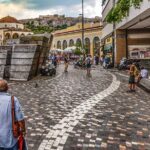
- Starting near Monastiraki and moving into the market streets
- Evripidou: spices, deli foods and the working food market
- Athinas Street: a close look at daily Greek shopping
- Greek coffee, pies and the idea of breakfast
- Meeting the producers behind olive oil and honey
- What the price includes at $58
- Who should book this morning?
- Should you book Breakfast in the Markets?
- FAQ
- Where does the tour meet?
- Where does the tour finish?
- How long does the experience last?
- What language is the tour in?
- How large is the group?
- Is hotel pickup included?
- What foods and drinks are included?
- Can people with dietary requirements join?
- What should I bring?
Key points at a glance
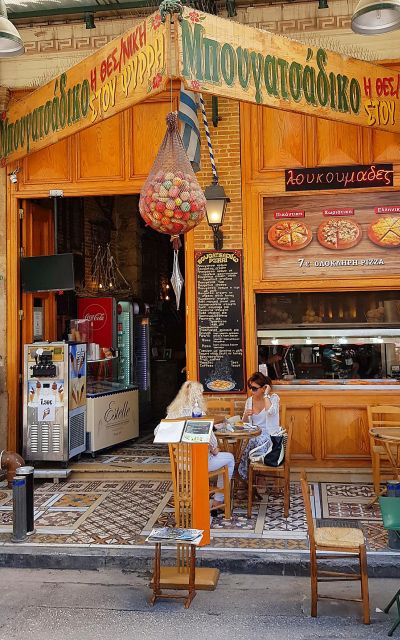
- Breakfast in the Athinas Street markets: Eat where market workers and local residents shop, with meat, fish, fruit, vegetables, spices and olives all around you.
- Olive oil and honey with a story: Meet an olive farmer and a beekeeper family, then compare flavors and learn how these staples fit into Greek daily life.
- Traditional Greek coffee: Watch coffee prepared in the old way and hear how this strong, small-cup drink became part of Greek café culture.
- Family-run food stops: Visit a side-street deli, an olive shop and a meze taverna tied to local families and long-running businesses.
- A useful first morning in Athens: The tour ends back near Monastiraki, leaving the rest of your day open for sightseeing.
- A guide-led experience: Mike and Rachel have both led this tour, with clear explanations, friendly conversation and help adapting to some dietary needs.
Why this breakfast tour feels different
Athens has no shortage of food walks, but this one uses breakfast as a way to explain the city. You are not simply handed a plate of Greek dishes. You move through the market district, stop at small businesses, see how food is bought, and learn why olive oil, honey, yoghurt, coffee and pies matter at home.
The setting is central Athens, beginning near Monastiraki and moving through Evripidou, Athinas and Omonoia before returning to Monastiraki. This is a useful route for your first or second morning because you get an introduction to the city’s food culture and finish in a place well suited to continued sightseeing.
I would book this for the start of your stay if you want practical food advice. Your guide points out places to buy spices, olives and other Greek products at local prices, and also recommends tavernas for later meals. That advice can save you from spending the rest of your visit guessing at menus.
The tour has earned a 4.8 rating from eight reviews, with particular praise for the guides’ warmth, food knowledge and ability to explain Greek customs. Mike is described as personable and good at connecting the food to the people and culture. Rachel is also praised for her engaging approach and for helping with a parent’s dietary restriction.
You can also read our reviews of more food & drink experiences in Athens

Starting near Monastiraki and moving into the market streets
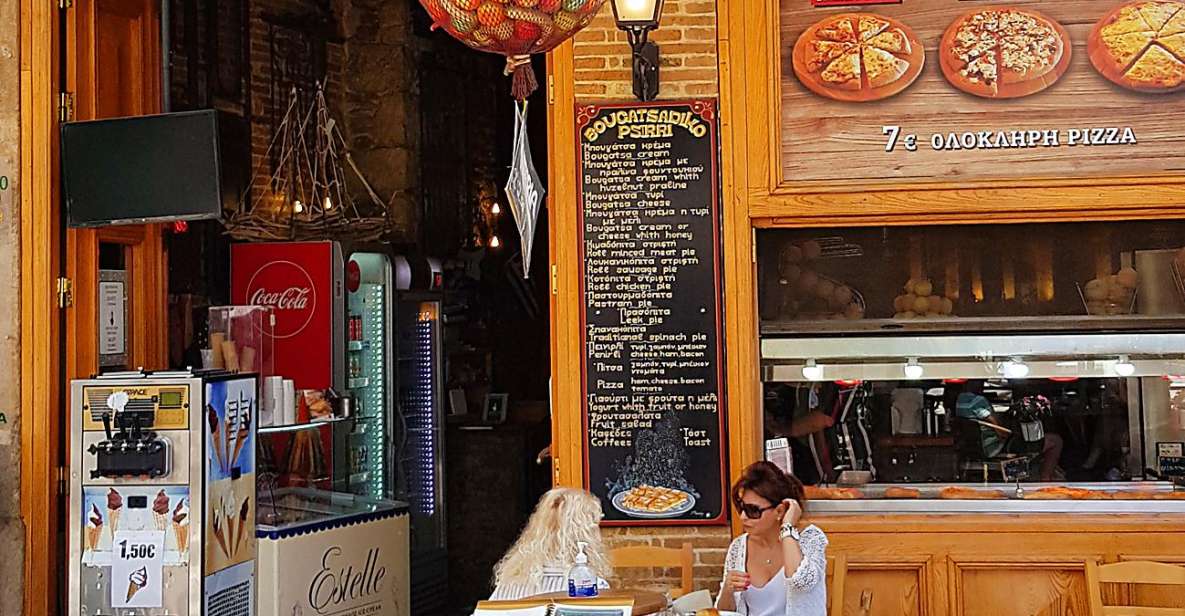
The meeting point is outside En Athinas, a small pie shop beside Cecil Hotel and a large Cosmote shop. This is a practical landmark, but look carefully for the pie shop rather than relying only on the general Monastiraki name.
From there, the walk takes about five minutes to Evripidou. The short transfer gives your guide time to explain the plan before the food stops begin. Wear comfortable shoes and bring water. You will be walking and standing, and the market streets are better handled at an easy pace than in stiff footwear.
The tour is in English, with a live guide. A group capped at 10 people is small enough for conversation without making the experience feel private or expensive. You can ask about ingredients, preparation and shopping tips as you go.
Hotel pickup and drop-off are not included. You make your own way to the meeting point and finish back near Monastiraki, so include the walk to and from your hotel when planning the morning.
Evripidou: spices, deli foods and the working food market
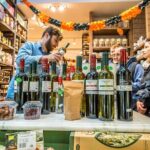
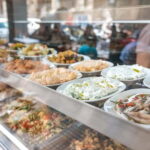
The first substantial market section is Evripidou, where you spend about 30 minutes visiting food stalls and tasting local products. This part is less about sitting down and more about getting your senses working: cured meats, cheeses, spices and other market goods appear alongside the sounds and smells of daily trade.
A side-street deli is one of the stops. Here you eat deli meats and cheese rather than simply looking at them behind a counter. It is a small detail, but it helps you understand how Greek breakfast can be broader than the familiar hotel buffet of bread, jam and coffee.
The guide also points out places to shop for spices and Greek delicacies. Pay attention here if you want to take food home. The value is not only in the tasting. You are learning which types of shop serve everyday shoppers and where you might return later with a shopping list.
You should expect a market setting, not a quiet dining room. The area is active, and your attention will shift between food, people, displays and the guide’s explanation. If you prefer a long seated meal with a fixed menu, this section may feel too busy.
Athinas Street: a close look at daily Greek shopping
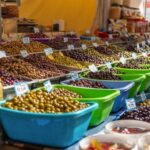
The walk continues along Athinas Street for another 30 minutes of guided market visits and tastings. This is the heart of the experience, with meat, fish, fruit, vegetables, olives and spices creating a picture of how fresh food moves through central Athens.
Your guide shows you how people shop for produce and introduces you to local traders. The point is not simply to photograph colorful stalls. You learn how the market works and how family-owned businesses remain part of the neighborhood’s food life.
The experience also gives useful context about Greek cooking. Olive oil is discussed as an everyday ingredient, not a special finishing product reserved for restaurants. You hear about its role in daily meals and taste oil from a shop run by an olive farmer. That direct connection makes the tasting more useful than a generic oil sample.
You also taste honey and learn why it matters in the Greek diet. The beekeeper family adds another personal link between producer and plate. Honey can vary in flavor, and the guide explains the different tastes rather than treating it as one standard sweetener.
I particularly like this combination of market observation and focused tasting. You get both the broad scene and enough detail to understand what you are eating. The pace also keeps the experience from becoming a series of unrelated snacks.
Greek coffee, pies and the idea of breakfast
The tour then reaches Athens and Omonoia, where the food portion expands into a longer 70-minute stop. This is where you drink Greek coffee, eat breakfast, try dessert and sample local snacks.
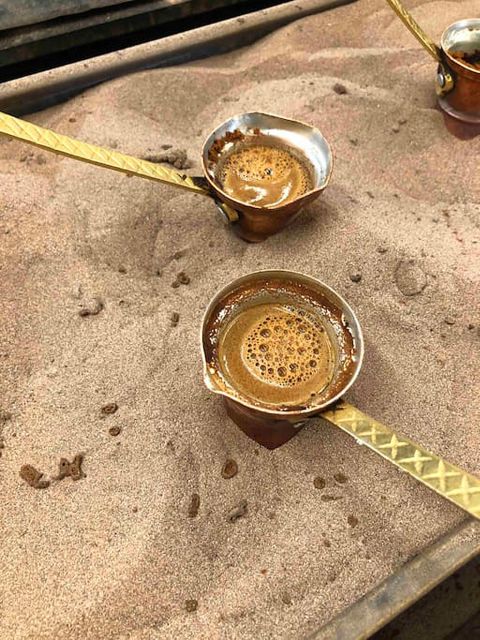
Greek coffee is prepared in the traditional way, and you get to see how it is made. The guide also explains how Greek coffee was invented and how the drink fits into local life. This is a useful cultural stop because coffee is not just a caffeine break in Greece. The method, serving style and social setting all matter.
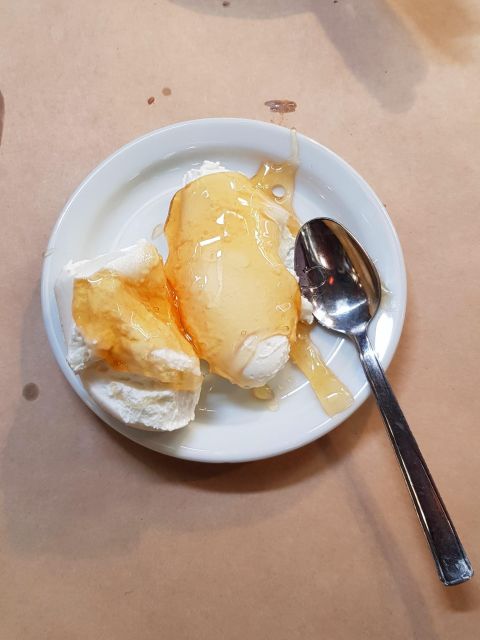
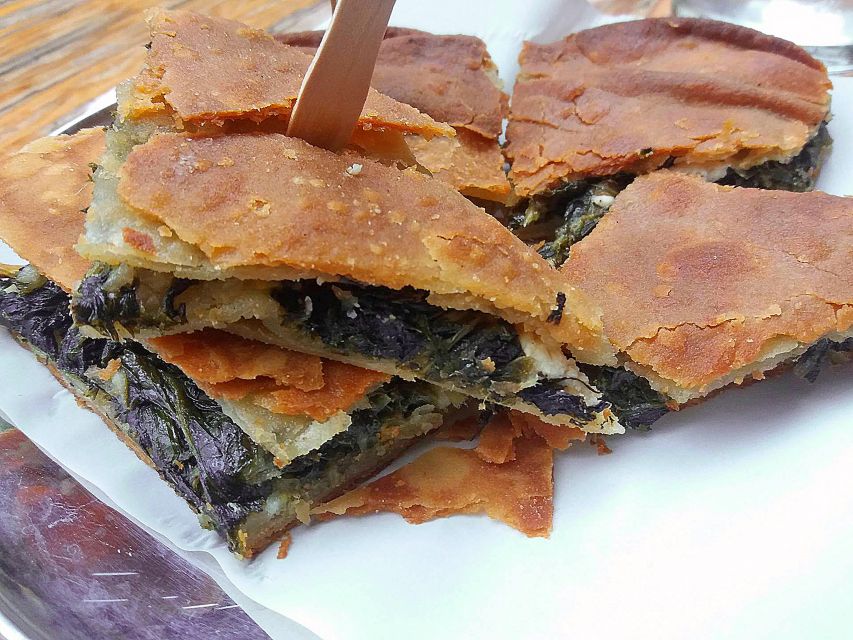
The breakfast spread includes Greek yoghurt, Greek sheep’s-milk yoghurt with local honey, spanakopita, sausage, cheeses, beans and other typical foods. Greek pies are especially helpful for first-time visitors because they are common breakfast choices and easy to find around the country.
The sheep’s-milk yoghurt is a notable tasting. It has a different character from the plain cow’s-milk yoghurt served in many international hotels, and the honey gives you a chance to compare two familiar Greek ingredients together. If you have a sensitive stomach or a strict diet, check the ingredients before accepting each sample.
A Greek spirit is also included. The details of the spirit are not specified, so do not book this expecting a particular named drink. Think of it as a small taste that rounds out the food lesson.
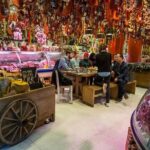
The longer stop may include a meze taverna known to market workers, where you eat breakfast in the sort of place locals use during the market day. One review described the seated meal as exceeding expectations and becoming an unplanned vegetarian lunch. That possibility is worth noting: the meal may be more substantial than you expect from the word breakfast.
At the same time, the food is not designed for every diet. Vegans are specifically excluded, and lactose intolerance is listed as a reason not to take the tour. You must report dietary requirements when booking. Rachel was able to help with one guest’s restriction, but that does not mean every allergy or diet can be accommodated.



Meeting the producers behind olive oil and honey
The producer visits are the most personal part of the morning. At the olive shop, you meet an olive farmer and taste the oil with someone who understands its production. You can ask about flavor and everyday use instead of treating olive oil as a vague symbol of Greek cuisine.
The honey tasting works in a similar way. Meeting the beekeeper family gives the product a human connection, and the guide explains honey’s place in the diet. You may also learn which flavors you prefer, useful knowledge if you plan to buy jars during your stay.
I like that the tour does not isolate these tastings from the market. You see the larger food system first, then spend time with two family businesses. That balance gives you a better sense of Athens than a tasting room alone would.
The emphasis is on family-owned, multigenerational businesses. You are visiting places tied to the local community rather than a large commercial attraction. Still, the tour cannot promise a private meeting with every producer at length, since the market is a working environment and the exact flow depends on the morning.
What the price includes at $58
At $58 per person, this is not the cheapest way to eat breakfast in Athens. You could buy a pie, coffee and yoghurt for much less. The value comes from the number of tastings, the guided market walk and the access to people who produce or sell the food.
You are paying for a 2.5-hour English-language experience with several food stops, a seated breakfast, a Greek spirit, coffee, olive oil, honey, pies, dairy, deli foods and local snacks. You also receive orientation to shops and tavernas that may help you spend money more wisely for the rest of your stay.
The small group improves the value. With no more than 10 people, the guide can answer questions and keep the conversation personal. Mike’s clear explanations and Rachel’s willingness to help with a dietary issue are useful examples of what good guiding adds here.
I would consider the price fair if you care about food and want more than a list of Athens restaurants. It is less appealing if you mainly want a large meal or if you already know the markets well. Because hotel transport is not included, factor in your own route to Monastiraki.
The free cancellation option up to 24 hours before the start also reduces the risk of booking early. You can reserve and pay later, which helps if your Athens schedule is still moving around.
Who should book this morning?
This tour suits you if you enjoy tasting many foods in small portions and asking questions as you walk. It is also a strong choice for first-time visitors who want to understand where locals shop and how everyday Greek meals differ from restaurant versions made for tourists.
Food-focused couples, small groups of friends and curious families should find the format easy to enjoy. The short walking segments are broken up by tastings and sitting, though you should still wear comfortable shoes.
Book it early in your Athens stay if you want advice for the rest of your visit. The guide can point you toward tavernas, produce shops, spice sellers, olive stores and other food stops while those recommendations are still useful.
You should skip it if you want a vegan experience, cannot eat dairy, dislike market settings or prefer a quiet, formal breakfast. The tour includes yoghurt, cheese, deli meats, sausage and other animal products, so vegetarians may need to discuss their needs before booking. One guest received help with a restriction, but the published guidance asks everyone to report dietary requirements in advance.
Should you book Breakfast in the Markets?
Book this tour if you want your first taste of Athens to come through its markets, family businesses and everyday breakfast foods. The strongest reasons are the small group, the producer tastings and the chance to eat where market workers go, with guides such as Mike and Rachel adding useful context.
The best booking strategy is an early start at the beginning of your stay. You will return to Monastiraki with the rest of the day free, a better idea of what Greek food tastes like and several practical suggestions for where to eat and shop next.
Skip it only if the diet restrictions rule it out or if you want a simple café meal rather than a walking food lesson. For everyone else, $58 buys a well-filled morning and a useful introduction to central Athens.
FAQ
Where does the tour meet?
The meeting point is outside En Athinas, a small pie shop next to Cecil Hotel and a large Cosmote shop in the Monastiraki area.
Where does the tour finish?
The tour returns to Monastiraki after visiting Evripidou, Athinas, Athens and Omonoia.
How long does the experience last?
The tour lasts 2.5 hours. Starting times vary, so you should check availability when booking.
What language is the tour in?
The live guided tour is conducted in English.
How large is the group?
The tour is limited to 10 participants.
Is hotel pickup included?
No. Hotel pickup and drop-off are not included, so you need to reach the Monastiraki meeting point yourself.
What foods and drinks are included?
The experience includes Greek coffee, typical Greek breakfast pies, Greek sheep’s-milk yoghurt with local honey, deli meats, cheese, sausage, beans, local snacks, dessert and a Greek spirit. Olive oil and honey tastings are also included.
Can people with dietary requirements join?
You should report dietary requirements when booking. The experience is not suitable for vegans or people with lactose intolerance.
What should I bring?
Bring comfortable shoes and water. You may also want room in your day for the shopping and taverna suggestions given by the guide.