REVIEW · METEORA
Golden Sunrise Meteora Private Photo Tour
Book on Viator →Operated by METEORA PHOTO TOUR · Bookable on Viator
Meteora is at its most powerful when the light is low and the roads are quiet. This private tour takes you to several viewpoints for monastery, rock, village, and sunset photographs, with local photographer Christos helping you make better use of whatever camera you carry. The one-to-one instruction is the real draw: past guests have relearned manual DSLR settings, improved iPhone shots, and borrowed a tripod when needed.
I especially like the small private format, which lets Christos adjust the pace for beginners and experienced photographers. I also like the local touch, with Christos and Konstantina sharing practical details about Meteora, its villages, and local traditions rather than simply driving from one famous lookout to another. The main point to clarify before booking is the timing: the experience is called Golden Sunrise, while the written schedule describes a tour beginning about four hours before sunset.
In This Review
- Key points to know before you book
- Why the quiet hours make Meteora easier to photograph
- Christos turns a scenic drive into a photography lesson
- A route built around changing views
- Local stories add more than a better picture
- What the private price buys you
- Pickup, breakfast, and the practical details
- Sunrise or sunset: choosing the right version
- Who will get the most from this Meteora tour
- Should you book Golden Sunrise Meteora?
- FAQ
- How long does the Golden Sunrise Meteora Private Photo Tour last?
- What is the price of the tour?
- Is the tour private?
- Where can pickup and drop-off take place?
- Is breakfast included?
- Will I visit a monastery?
- Is the tour suitable for beginners using an iPhone?
- What is the cancellation policy?
Key points to know before you book
- Private access to the morning or late-day experience: Only your group joins the tour, so you can ask for camera help and spend more time at a useful viewpoint.
- Christos teaches real camera technique: Expect help with ISO, aperture, shutter speed, bracketing, panoramas, and tripod use.
- Several photo stops around Meteora: You will photograph monasteries, villages, ancient churches, rock formations, and changing light from outside.
- A possible monastery visit: Depending on the season, the route may include entry to one monastery.
- Pickup is included: Collection and return are available from hotels near Kalambaka, Kastraki, the train station, or the bus station.
- Breakfast and drinks are provided: Coffee or tea, bottled water, and breakfast are included, while lunch is not.
Why the quiet hours make Meteora easier to photograph
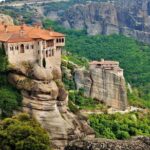
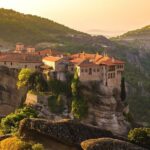
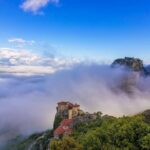
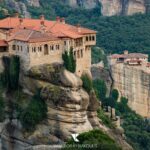
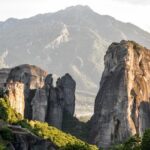
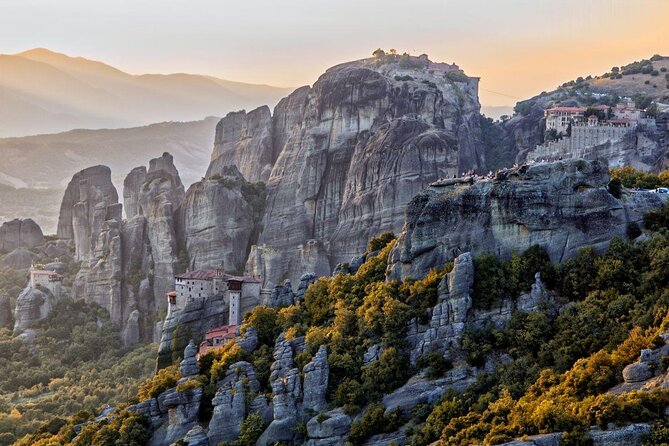
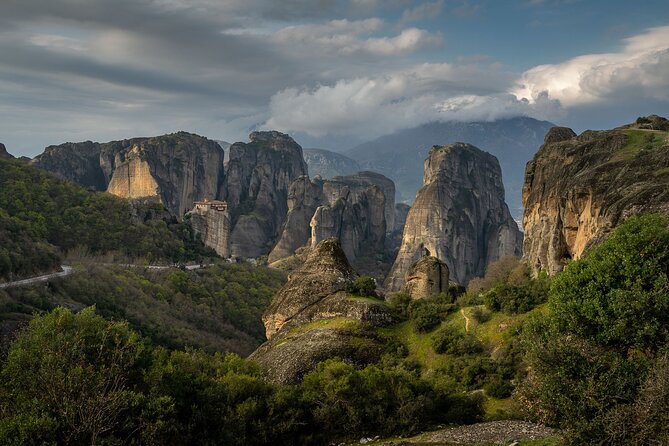
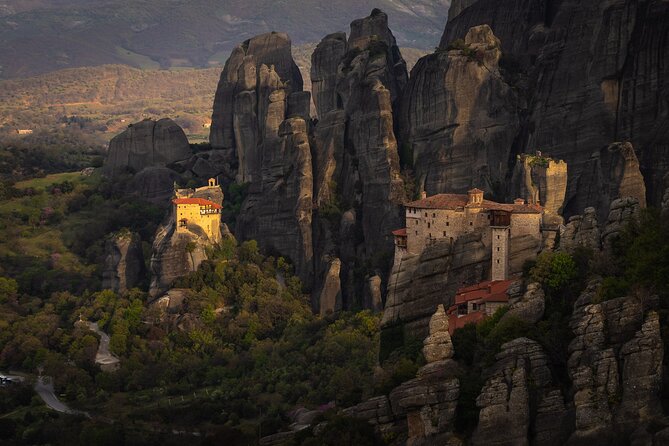
Meteora is famous for monasteries perched on tall stone pillars. In the middle of the day, strong sun can flatten those forms and make the pale rock look harsh. Early or late light gives you more shape, softer shadows, and a better chance to photograph the monasteries without a crowd filling every viewpoint.
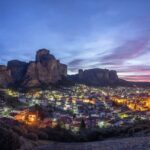
This tour is built around that change in light. The supplied timing describes a late-day route beginning roughly four hours before sunset, moving through afternoon light and golden hour before finishing on the rocks for sunset. Several people who took the sunrise version were collected around 5:30 a.m. and reached viewpoints before the tourist rush.
That difference matters. If you want sunrise, confirm the exact start time when you book. If you want sunset, ask how the seasonal schedule will be handled. The name and description are not perfectly consistent, and the local operator is the best source for the date-specific plan.
I like the idea of beginning near the ancient churches at the foot of Meteora. These smaller, older structures give you a different subject from the famous hilltop monasteries and help establish the setting before you climb toward the main viewpoints. The soft afternoon light should also be easier for casual photographers than the high contrast of midday.
You can also read our reviews of more private tours in Meteora
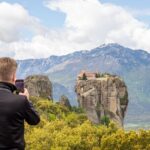

Christos turns a scenic drive into a photography lesson
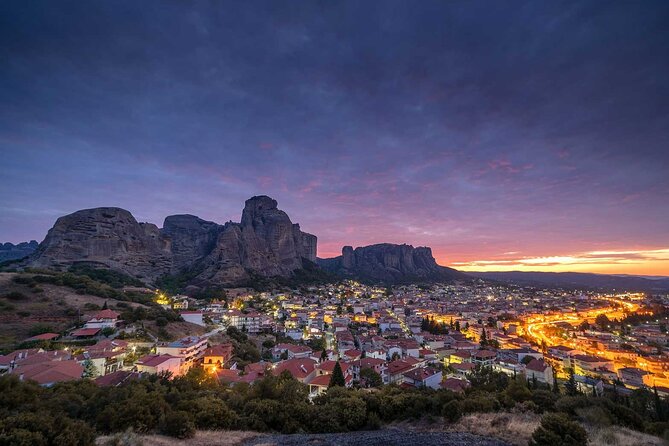
You do not need a professional camera to get value from this tour. Christos has helped people with DSLRs they had not used for years, but he has also worked with visitors carrying only an iPhone. That range is important. You are not expected to arrive with advanced skills or a bag full of lenses.
For a DSLR or mirrorless camera, expect practical guidance on the three basic exposure controls: ISO, aperture, and shutter speed. Christos can also help you return to manual mode if the settings have become unfamiliar. For a phone, his help focuses on angles, framing, exposure, and finding the best position for the rock formations and monasteries.
The instruction is useful because Meteora photographs can be tricky. The bright sky, dark rock, and distant buildings may fool automatic settings. A little help with exposure or composition can turn a flat snapshot into a more balanced image.
People who already know their cameras can still make good use of the time. Specific techniques mentioned during the experience include bracketing and combining it with a panorama while using a tripod. That is more advanced than basic phone advice, so the tour can stretch from first lessons to more ambitious scenic work.
You should not expect a formal classroom. The teaching happens at the viewpoints, while you are preparing a shot. That keeps the lesson tied to the place in front of you, and it means you can ask about a setting when you actually need it.
A route built around changing views
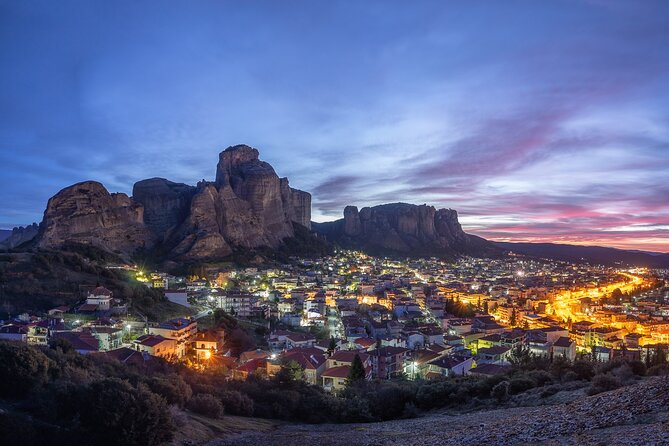
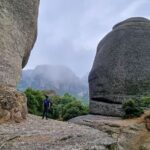
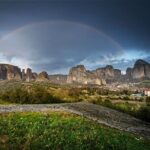
The four-hour outing covers more than one lookout. You will photograph the monasteries from outside at several positions, along with the stone pillars and nearby villages. The purpose is not to hurry through a checklist. It is to show how the same group of buildings changes when seen from different angles and in different light.
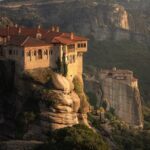
One particularly useful feature is access to a monastery that may not be visible from the main road. The exact stop depends on the route and season, but this kind of viewpoint can give you a stronger composition than the standard roadside scene. It also helps explain why a private vehicle and a local guide can be worth more than simply following a map to the best-known parking areas.
The route may include one monastery from inside, depending on the season. That caveat is worth taking seriously. You should not book this experience expecting a guaranteed interior visit. The core product is the photography route, with monastery entry as a possible addition.
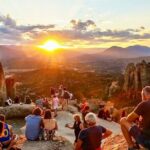
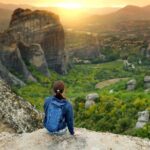
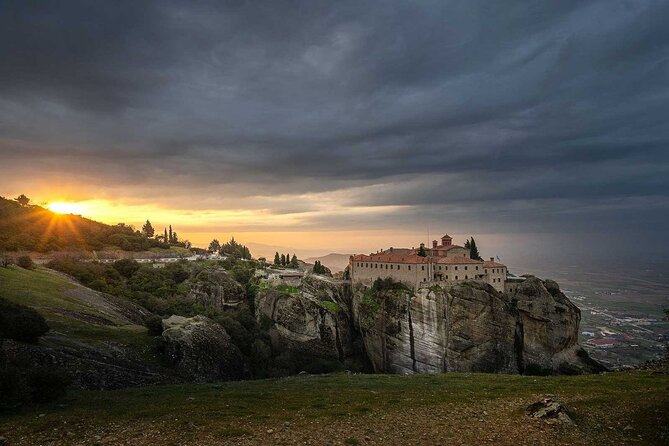
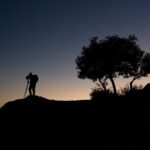
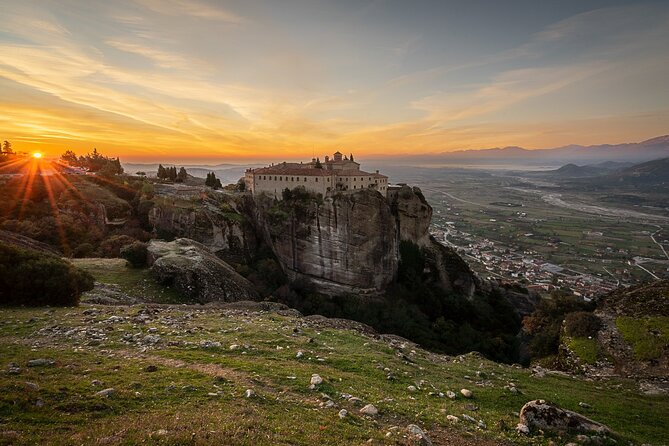
The final sunset shoot takes place on the Meteora rocks. This is likely to be the most dramatic part of the outing, but it also requires patience. The best color may appear after the sun has dropped, so do not assume the exact sunset moment is the end of the photographic opportunity. Christos can help you work through the changing light and decide when to stop.
Local stories add more than a better picture
Christos grew up in the area, and the tour includes information about Meteora and the villages around it. Konstantina has also joined the experience to provide historical and local context. That combination gives you more to take away than a collection of attractive files on your phone.
I value this kind of local explanation because Meteora can easily become a series of dramatic viewpoints with little sense of place. Questions about traditions, village life, and the monasteries are easier to answer when your guide has a personal connection to the region.
The tone also seems informal rather than scripted. You can ask questions while moving between stops, and the private setup gives you room to slow down or focus on a particular type of photograph. If you are traveling with a partner, one person can work on camera settings while the other simply enjoys the view.
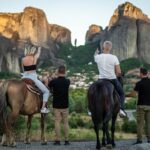
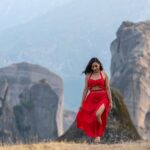
Christos has also taken photographs of people during the tour. If you want portraits against the monasteries or rocks, ask him directly. It is a small but useful benefit, especially for couples who usually have to rely on a timer or ask another visitor to take a picture.
What the private price buys you
The listed price is $162.21 per person. That is not the cheapest way to see Meteora, especially if you are comparing it with a regular sightseeing group. But the comparison is not quite even.
You are paying for about four hours of a private activity, hotel or station pickup and return, a local photography guide, breakfast, coffee or tea, bottled water, and a route designed around the light. If you are two people, the cost buys direct camera help and the freedom to stop without waiting for a bus group. For a serious photographer, that personal instruction may be more valuable than another standard monument visit.
The price is easier to justify if you want to improve your technique. One participant arrived having forgotten how to use a DSLR and left comfortable with manual settings. Another used only an iPhone and still received advice on angles and framing. Those are practical results, not just pleasant commentary during a scenic drive.
The value is weaker if you only want transportation between the main monasteries. This is not primarily a standard history tour, and lunch is not included. You also need to confirm the sunrise or sunset schedule so you know exactly what you are buying.
Group discounts are available, which may help if your private party is larger. Since only your own group participates, the price may work best for couples, families with adult children, or a small circle of friends who want to share photography instruction.
You can also read our reviews of more photography tours in Meteora
Pickup, breakfast, and the practical details
Pickup and drop-off are available from a hotel near Kalambaka or Kastraki, as well as the train or bus station. This is especially helpful for a short Meteora stay, since you do not need to arrange a separate taxi before an early start or after a late sunset finish.
The experience includes breakfast, coffee or tea, and bottled water. A small food bag has also been prepared for some early departures. Lunch is not included, so plan a separate meal before or after the tour depending on the departure time.
A mobile ticket is offered, and confirmation arrives when you book. The operator has also used WhatsApp to confirm very early pickups the night before, which is reassuring when the start time falls around dawn. Still, confirm the exact pickup hour, particularly because the published material refers to both sunrise and sunset.
The minimum age is 18. Service animals are allowed, and the activity is near public transportation. Most people can participate, though the route takes place around rocky viewpoints, so you should choose sensible footwear and tell the operator about any concern that could affect your comfort. The supplied information does not give a detailed accessibility assessment.
Free cancellation is available when you cancel at least 24 hours before the scheduled start. Changes or cancellations inside that window are not accepted for a refund.
Sunrise or sunset: choosing the right version
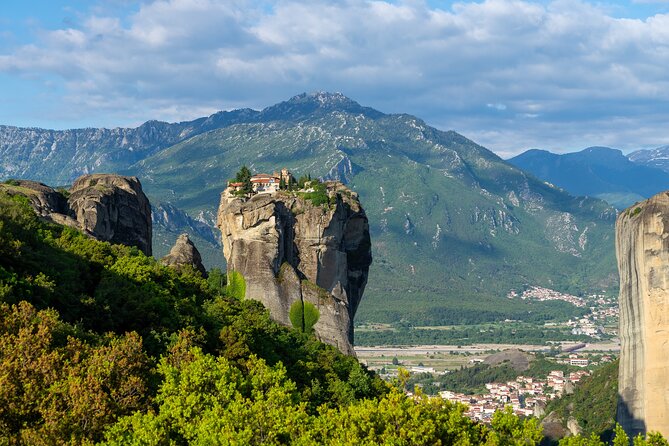
Sunrise has clear advantages. The roads and viewpoints can feel quieter, the first light can spread across the monasteries, and you have most of the day left afterward. The tradeoff is an extremely early pickup. One version of the tour began at 5:30 a.m., so you need to be comfortable starting before normal breakfast hours.
Sunset is easier on your sleep and gives you several hours of afternoon photography before the final golden light. You can begin with the churches and villages, then watch the scenery change as the sun drops behind the rocks. The drawback is that the tour finishes late in the day, and you may want to arrange dinner afterward.
The supplied material clearly supports both sunrise experiences and a sunset-style schedule. Because the product is named Golden Sunrise but the detailed timing describes sunset, ask Christos or Konstantina which version is operating on your date. This is the one piece of planning I would not leave vague.
Who will get the most from this Meteora tour
I would recommend this experience to anyone who wants better photographs without committing to a technical workshop. Beginners get direct help, and experienced photographers can ask about panoramas, bracketing, and tripod technique. Phone photographers are welcome in practice, even though the activity is built around photography rather than a particular camera type.
It is also a good fit for couples. You can share the vehicle and the viewpoints without being separated from one another, and Christos can help make photographs of both of you. The same applies to a small family group or a few friends who want their own schedule.
You may prefer a standard sightseeing outing if your main aim is to spend a long time inside several monasteries. This tour includes a possible visit to one monastery, depending on the season, but its main focus is exterior views and photography.
I would also avoid treating it as a quick transfer service. Four hours gives you time for multiple stops, instruction, local stories, and the final sunset or sunrise shoot. The point is to work with the place, not simply tick Meteora off your list.
Should you book Golden Sunrise Meteora?
Book it if you want a private, local-led way to see Meteora at its most photogenic. The strongest reasons are Christos’s patient camera instruction, the chance to use viewpoints beyond the obvious roadside stops, and the ability to shape the pace around your own group.
The price is fair for visitors who will use the photography guidance. It is less compelling for someone who wants only basic transport or a guaranteed monastery interior visit. Before paying, confirm whether your date is scheduled for sunrise or sunset and ask which monastery, if any, can be visited inside.
If you bring a camera, pack a charged battery and any tripod you have. If you do not have one, ask in advance, since a tripod has been provided when equipment went missing. Bring a phone even if you carry a larger camera, because Christos can help you get strong results from either.
FAQ
How long does the Golden Sunrise Meteora Private Photo Tour last?
The experience lasts approximately four hours.
What is the price of the tour?
The listed price is $162.21 per person. Group discounts are available.
Is the tour private?
Yes. Only your own group participates in this private activity.
Where can pickup and drop-off take place?
Pickup and return are available from hotels near Kalambaka city and Kastraki village, as well as the train station or bus station.
Is breakfast included?
Yes. Breakfast, coffee or tea, and bottled water are included. Lunch is not included.
Will I visit a monastery?
You will photograph the monasteries from outside, and depending on the season, the route may include a visit inside one monastery.
Is the tour suitable for beginners using an iPhone?
Yes. The photography guidance can be adapted to beginners and includes help with iPhone photography as well as DSLR camera settings.
What is the cancellation policy?
You can cancel at least 24 hours before the start time for a full refund. Cancellations or changes made less than 24 hours before the start are not accepted for a refund.