REVIEW · METEORA
Meteora Food And Wine Private Tour
Book on Viator →Operated by Visit Meteora · Bookable on Viator
Meteora is famous for its monasteries and cliffs, but this tour shows you what people in Thessaly actually eat. You’ll walk through Kalambaka for yogurt, spinach pie, herbs, and other local bites, then ride into the villages for a family-run winery, a proper meal, and a mushroom tasting.
I like the mix of small-town food stops and countryside driving, which gives the half-day a good rhythm. I also like that the wine tasting includes five local labels rather than one quick sample. The main consideration is the price, $284.03 per person, which is high for six hours, though transport, guide, lunch, tastings, and private service are included.
In This Review
- Key points at a glance
- Seeing Meteora through Thessaly’s food
- Kalambaka’s first bites
- The road through Meteora’s villages
- Mushrooms, truffles, and the natural world
- Five wines at Domaine Liakou
- A Greek lunch with local produce
- What the private format changes
- How the experience fits into a Meteora visit
- What to know before paying $284.03
- Who should book this Meteora food tour
- Should you book it?
- FAQ
- Where does the Meteora food and wine tour begin?
- How long does the experience last?
- Is the tour private?
- What language is the tour offered in?
- Is transportation included?
- How many wines will I taste?
- Is lunch included?
- What foods are included during the day?
- Does the tour include mushrooms and truffles?
- Is the Hermit Cave of Agios Theodosios included?
- Can children join the tour?
- What is the cancellation policy?
Key points at a glance
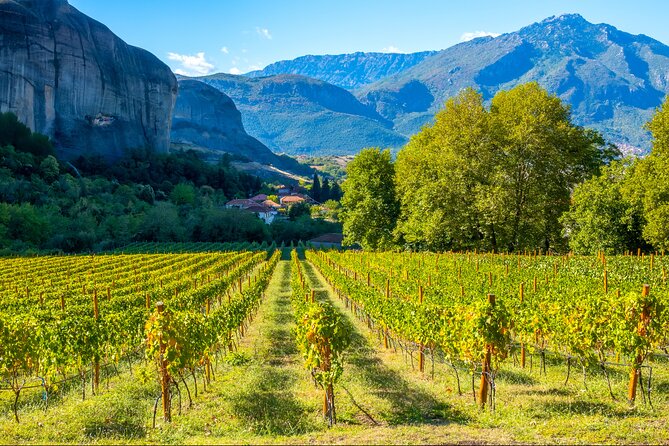
- Five regional wines at Domaine Liakou: Taste local varietals while learning about Meteora’s wine traditions from a family-run producer.
- Kalambaka on foot: Short walks lead to local shops and food stops, including yogurt and spinach pie.
- Mushrooms and truffles: Visit the Natural History Museum of Meteora and Mushroom Museum for displays, tastings, pickled mushrooms, and truffle products.
- A full Greek meal: Expect grilled meat, organic salads, fresh cheese, desserts, sausages, yogurt, honey, and seasonal produce.
- More than a food crawl: The day includes a scenic drive through villages, local fruit stands, and the Hermit Cave of Agios Theodosios.
- Private group, up to eight people: Pickup and drop-off are offered at hotels and Airbnbs in Kalambaka and Kastraki.
Seeing Meteora through Thessaly’s food
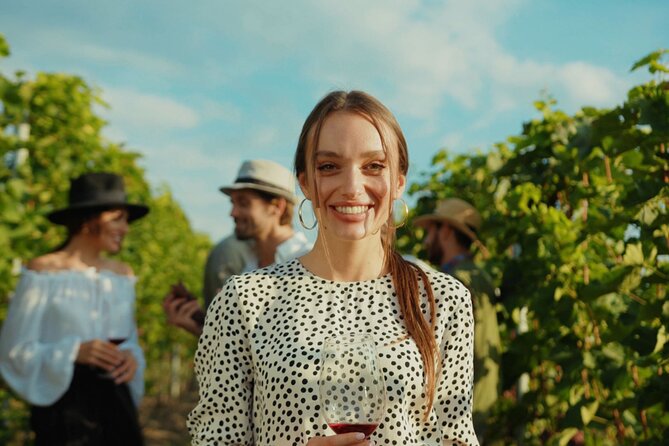
This is a useful choice if you want more from Meteora than a quick monastery visit. Food gives you a clear way into the region’s daily life. Instead of simply looking at the cliffs, you taste the herbs, dairy, fruit, meat, wine, and fungi that help define the area.
The tour begins at 10:00 a.m. with your English-speaking guide. Pickup is available from hotels and Airbnbs in Kalambaka and Kastraki, so you do not need to arrange a separate taxi to a meeting point if you are staying in either village.
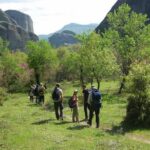
The first part is on foot in central Kalambaka. The walking is broken into short stops rather than one long hike. That matters because the point is not exercise. You are moving from shop to shop, learning how local products fit into Greek cooking and tasting as you go.
Your guide also explains the wider Mediterranean food tradition, including the use of olive oil, nuts, legumes, fresh produce, herbs, and spices. The tour connects those broad ideas to what you see in front of you, such as yogurt, cheese, sausage, fruit, and pastry.
You can also read our reviews of more tours and experiences in Meteora.

Kalambaka’s first bites
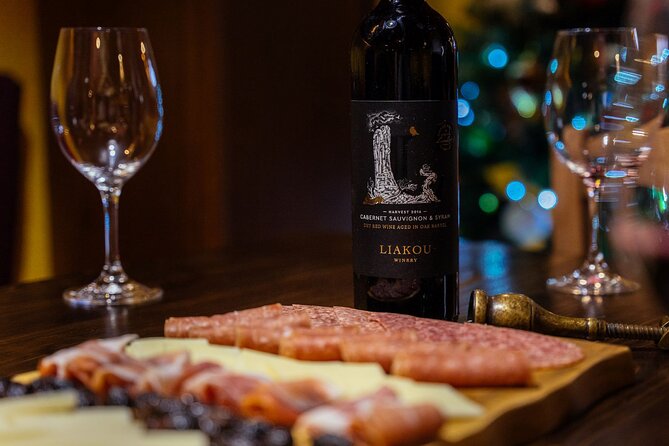
The Kalambaka walk gives the tour a grounded start. You begin with food shops and local specialties rather than a formal tasting room, so you can see how regional products are sold and enjoyed in town.
Expect samples such as fresh yogurt and spinach pie. The pie is a classic Greek combination of pastry, greens, and cheese, while the yogurt offers a simpler taste of the area’s dairy tradition. You may also try fresh herbs, spices, local cheeses, and other items connected to Thessaly’s cooking.
Bougatsa is another possible treat. This custard-filled phyllo pastry brings a sweet note to a day that otherwise leans toward savory food. Soutzouki, made with unfermented grape juice and nuts, is another local specialty included in the experience. It is a chewy, concentrated taste of grape and nut, and it gives you something quite different from standard Greek desserts.
I like this opening because it lets you sample several small portions before lunch. You get a sense of the region without filling up too early. Still, anyone with a very restricted diet should ask about the menu before booking, since the food includes dairy, meat, pastry, nuts, and other varied ingredients.
The road through Meteora’s villages
After the town walk, you board a car or air-conditioned minivan with Wi-Fi. The drive takes you through villages around Meteora, where open-air fruit stands are often found along the road.
This road section adds welcome variety. You have been walking and tasting in Kalambaka, and now you get a broader look at the area around the rock formations. Seasonal fruit may be included, depending on what is available at the time of your visit.
The vehicle is especially useful during warm weather. Meteora can feel hot in the middle of the day, and an air-conditioned ride gives you a break between stops. Wi-Fi is included, though the bigger benefit is the comfort and the chance to cover several places without arranging your own transport.
The drive is not presented as a major sightseeing circuit, so you should not book this as a substitute for a dedicated Meteora monastery tour. Its purpose is to connect food producers, the museum, villages, and other local stops. You may see impressive scenery along the way, but the food remains the main subject.
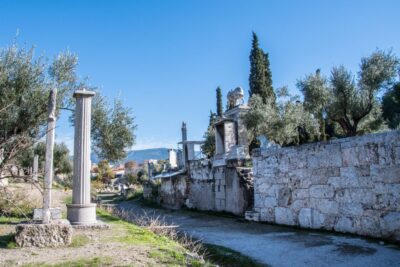
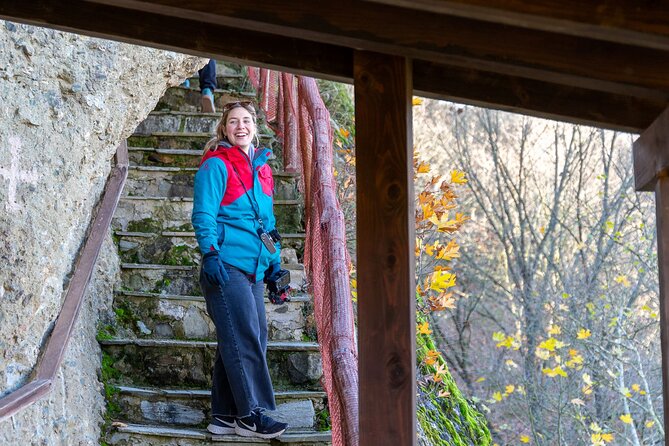
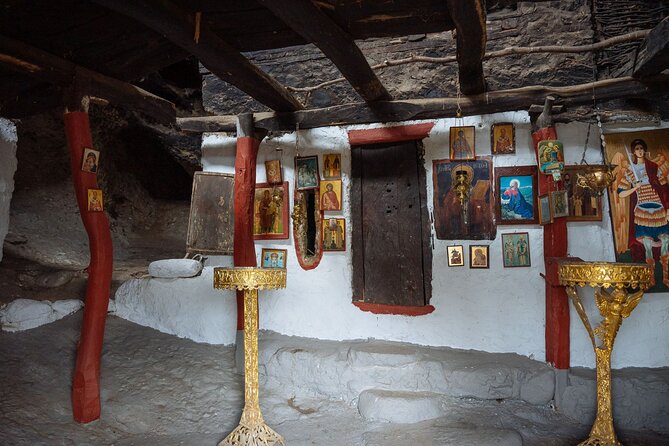
The day also includes a visit to the Hermit Cave of Agios Theodosios. The supplied details do not specify how long you stay there or the exact walking conditions, so ask your guide about the stop if this is important to you.
Mushrooms, truffles, and the natural world
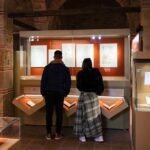
The Natural History Museum of Meteora and Mushroom Museum gives the tour its most unusual stop. Here you learn about mushroom lifecycles and see displays devoted to the fungi found in the area.
The visit includes a mushroom tasting, with local mushrooms and truffles. The tasting can include pickled mushrooms and olive oils flavored with truffles. A small jar of truffle olive oil could make a practical souvenir for your kitchen, especially if you like adding a strong mushroom aroma to salads or cooked food.
This is not just another plate of Greek snacks. The museum explains how fungi grow and develop, which gives context to the food in front of you. You are not only tasting a product. You are also learning why mushrooms and truffles matter to the local food culture.
The stop is short in the formal schedule, but the tasting may be the part that stays with you. If you are not fond of mushrooms, this section could be less appealing. If you enjoy unusual regional ingredients, it is one of the tour’s best reasons to book.
Five wines at Domaine Liakou
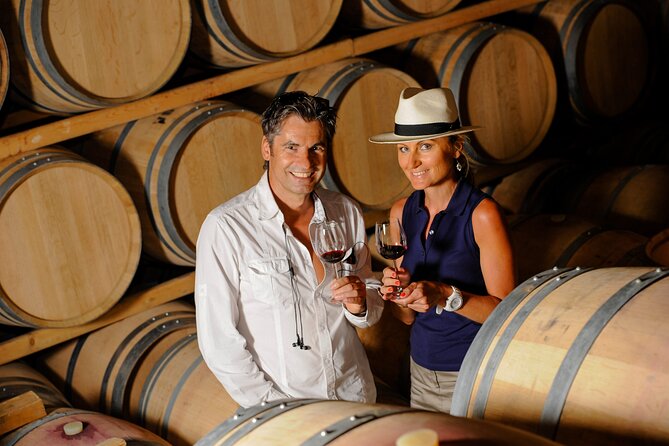
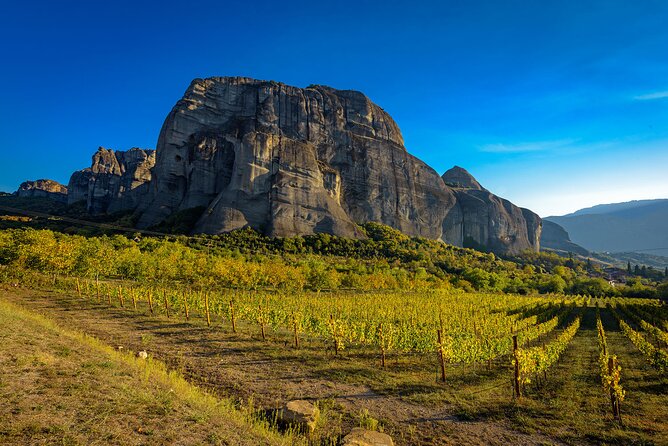
The winery visit takes place at Domaine Liakou, a family-run producer where you taste five local wine labels. This is the tour’s main drink stop, and it gives you time to compare regional varietals rather than rushing through a single glass.
You will learn about Meteora’s winemaking traditions as you taste. The setting also provides a look at the people behind the products, which is often more useful than a generic tasting room presentation. The family-run character makes this part feel tied to the area rather than added as a standard stop.
The winery also serves local foods. Depending on the tasting spread, you may try homemade sausages, top-quality meat, local cheese, yogurt, honey, fruit preserves, homemade sweets, and soutzouki. Tsipouro may also be available as part of the local drink selection.
Pace matters here. Five wines plus food can add up quickly, especially if you are not used to tasting alcohol in the late morning. Eat the snacks provided, drink water when available, and tell your guide if you prefer smaller pours. The experience is about comparing flavors, not proving how much you can drink.
The wine stop works well for couples and small private groups who want conversation and a slower meal-based outing. It may not suit you if you want a serious technical wine course, since the main focus is the regional experience and the food served alongside it.
A Greek lunch with local produce
Lunch is included and is described as a traditional Greek meal with grilled meat, organic salads, fresh cheese, and desserts. Other local foods in the day may include sausages, yogurt, honey, herbs, seasonal fruit, and homemade sweets made from fruit.
This is more substantial than a standard tasting menu. By the end of the tour, you should have sampled enough to understand how a meal in Thessaly balances meat, dairy, vegetables, herbs, pastry, fruit, and sweets.
The meal also helps you judge the price fairly. At $284.03 per person, the tour is not a budget food walk. You are paying for a private experience with a guide, transport, wine tasting, lunch, museum entry and tasting, seasonal organic fruit, and several food stops. The value improves if you would otherwise hire separate transport and book a winery visit on your own.
The value is less convincing if you only want a few food samples or already have a full day of restaurant plans. A six-hour experience uses a large part of your day, and the cost is best justified by treating it as a main activity rather than a small add-on.
What the private format changes
The activity is private, with only your group participating, and the group size is limited to eight people. That gives you more room to ask questions and adjust the pace than you would get on a large coach tour.
A small group also matters at the winery and food shops. Tastings are easier to follow when you can hear the guide and speak directly with the people serving the food. If your group has different interests, you can ask for more explanation about wine, mushrooms, Greek cooking, or local products.
The private format does not mean the schedule is fully custom. The advertised stops and included tastings shape the day, and the total duration is about six hours. Still, it is a better setup for families, couples, and friends who prefer a relaxed shared outing over a fixed large-group route.
The tour is offered in English. Children under 12 must be accompanied by a parent or guardian. Most people can participate, and service animals are allowed, but you should ask about the walking and cave stop if anyone in your group has mobility concerns.
How the experience fits into a Meteora visit
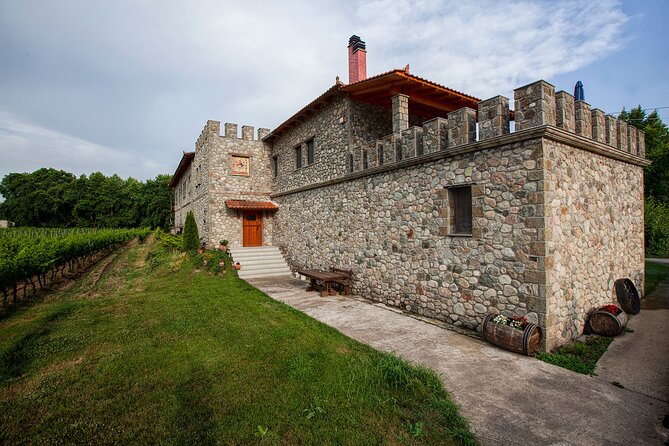
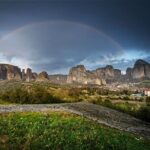
Meteora is often planned around monasteries, viewpoints, and photography. This food tour fills a different role. It gives you a closer look at Kalambaka and the villages around the rock formations, with local products providing the thread that connects each stop.
I would place it on a day when you want a break from formal sightseeing. The 10:00 a.m. start leaves the morning open for an early walk or another activity, but the tour then occupies most of the day. Since the experience includes wine, food, and a countryside drive, it makes sense to avoid scheduling another major attraction immediately afterward.
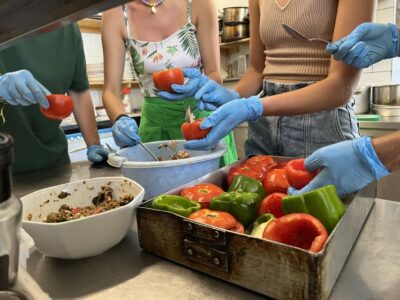
You should also remember that this is not an intensive cooking class. You will taste and learn, but the supplied details do not include hands-on preparation. If you want to cook Greek dishes yourself, ask the guide for local ingredient suggestions and recipes during the walk.
The food focus is broad rather than narrow. You sample savory dishes, dairy, pastry, sweets, fruit, wine, tsipouro, mushrooms, truffles, herbs, and meat. That variety is useful if you have only a short stay in Meteora and want a single experience that introduces many local flavors.
What to know before paying $284.03
The price needs a close look. Six hours at $284.03 per person is a premium rate, especially for a food tour in a smaller Greek destination. The private format and included transport explain part of the cost, but you should still compare what you would spend arranging separate meals, wine tasting, museum admission, and taxis.
The tour offers several cost-saving conveniences. Pickup and drop-off are available in Kalambaka and Kastraki. You do not need to rent a car for the winery or museum, and you do not have to coordinate transport between the village, countryside, and food stops.
The included lunch is also important. This is not a tour where you pay a high fee and then buy the main meal separately. Wine tasting, mushroom tasting, fruit, and the Greek lunch are part of the package.
I see the strongest value for a group that wants private service and would enjoy a full food-focused day. For a solo visitor or a couple watching costs closely, the price may feel steep. Free cancellation is available if you cancel at least 24 hours before the start time. Poor weather can also lead to a different date or a full refund.
Who should book this Meteora food tour
I would recommend it to you if you want to:
- Taste local products instead of eating only standard tourist fare.
- Combine Kalambaka, village roads, a winery, and a museum in one day.
- Enjoy wine, mushrooms, truffles, meat, cheese, yogurt, and Greek pastries.
- Travel in a small private group with pickup from Kalambaka or Kastraki.
- Learn about food traditions while hearing historical information and local stories from an English-speaking guide.
I would think twice if you want a low-cost activity, a long monastery visit, or a hands-on cooking lesson. You should also check the food details ahead of time if you have allergies or avoid meat, dairy, nuts, or alcohol.
Should you book it?
Book this tour if you want Meteora to be more than a scenic stop. The best parts are the local yogurt and spinach pie in Kalambaka, the unusual mushroom and truffle tasting, and the relaxed visit to Domaine Liakou with five wines and a substantial Greek meal.
The price is the deciding point. It is expensive, but the private vehicle, guide, lunch, winery, museum, fruit, and several tastings make it a complete six-hour outing. I would choose it for a special day, a small family group, or anyone who puts local food near the top of a Greece itinerary.
FAQ
Where does the Meteora food and wine tour begin?
The tour starts at 10:00 a.m. Pickup is offered from hotels and Airbnbs in Kalambaka and Kastraki village.
How long does the experience last?
The tour lasts approximately six hours.
Is the tour private?
Yes. Only your group participates, and the small group is limited to eight people.
What language is the tour offered in?
The tour is offered in English and includes a local English-speaking guide.
Is transportation included?
Yes. Transport is provided by car or an air-conditioned minivan with Wi-Fi.
How many wines will I taste?
The wine tasting includes five local labels at Domaine Liakou.
Is lunch included?
Yes. The included traditional Greek lunch features grilled meat, organic salads, fresh cheese, and desserts.
What foods are included during the day?
Food may include spinach pie, yogurt, sausages, bougatsa, local cheeses, herbs, honey, seasonal organic fruit, homemade sweets, and soutzouki made with unfermented grape juice and nuts.
Does the tour include mushrooms and truffles?
Yes. You visit the Natural History Museum of Meteora and Mushroom Museum and taste local mushrooms and truffles.
Is the Hermit Cave of Agios Theodosios included?
Yes. A visit to the Hermit Cave of Agios Theodosios is included.
Can children join the tour?
Yes, but children under 12 must be accompanied by a parent or guardian.
What is the cancellation policy?
You can cancel at least 24 hours before the start time for a full refund. Changes or cancellations made less than 24 hours before the start time are not accepted for a refund. Poor weather may result in a different date or a full refund.