REVIEW · CRETE
Research diving with a Marine Biologist in Crete
Book on Viator →Operated by Dive2gether Crete · Bookable on Viator
Crete’s best lesson may be waiting below the surface. This small-group program turns two scuba sessions into a hands-on marine science workshop, with a trained biologist explaining what you see and helping you collect useful data. You are not just looking at fish. You are learning how field research works.
I like the tiny group, capped at four certified divers, and the chance to examine samples under a microscope after returning to the school. I also like the way the program adjusts to your experience and interests. The main drawback is clear: you must already be a certified diver, fit for scuba, and ready for a full day that is more educational than purely recreational.
In This Review
- Key points to know before booking
- A marine science day, not a standard scuba outing
- Starting at Plakias at 8:30 a.m.
- Souda Beach: your first field setting
- Plakias: a second look at Mediterranean habitats
- What happens between and after the sessions
- How much learning is involved?
- The value of the $308.58 price
- What you should expect physically
- Who will enjoy this most?
- Practical details that affect your decision
- Should you book the marine biology program?
- FAQ
- Where does the activity start and finish?
- What time does the program begin?
- How many scuba sessions are included?
- Do I need to be certified to participate?
- How large is the group?
- What equipment is provided?
- Is lunch included?
- Can I buy photographs from the day?
Key points to know before booking
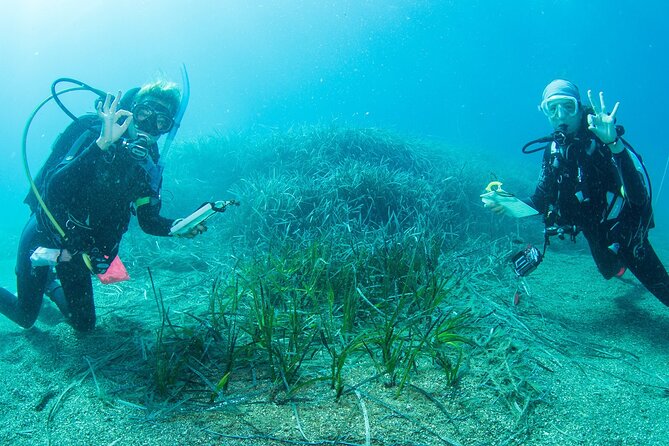
- Two underwater sessions: The day includes two scuba outings, with the sites and subject matter shaped around your level and interests.
- A four-person maximum: This private activity gives you close contact with the marine biologist and avoids the feel of a large class.
- Citizen science in practice: You collect observations and samples that support marine research and public education.
- Souda Beach and Plakias: The program uses two Cretan coastal areas, offering different underwater settings to study.
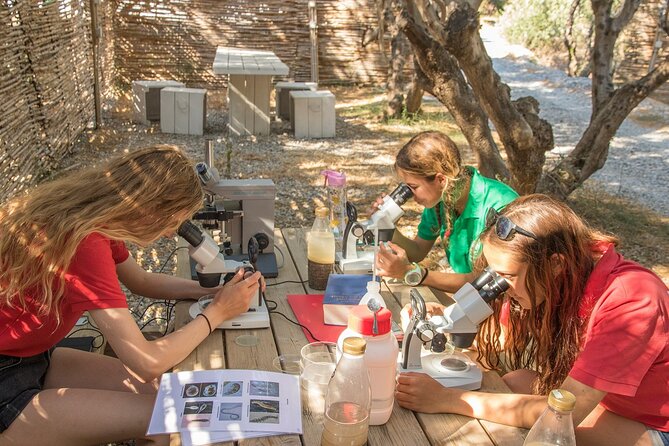
- Open-air laboratory session: Afterward, you use specialist equipment and microscopes to inspect Mediterranean marine life.
- Plan for extra costs: Lunch at a beach taverna and optional underwater photographs are not included.
A marine science day, not a standard scuba outing
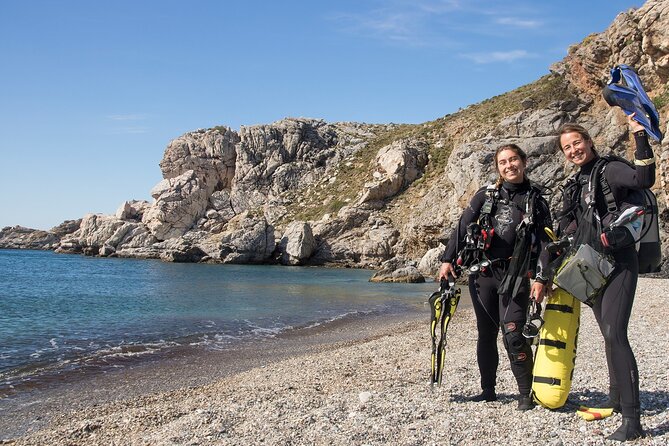
Many scuba trips give you a short briefing, a look at the water, and a ride back to shore. This program asks you to pay attention. You learn what lives in a particular habitat, record what you find, and then return to the field station to examine samples more closely.
That change in focus matters. You may already know how to control your buoyancy and use your equipment, but identifying sea life underwater is a separate skill. The briefings connect the names and habits of Mediterranean species with what you will later see in the water.
The program is tailor-made to your certification level, experience, and interests. That makes it a better fit for a family group with different comfort levels or for certified friends who want a particular subject, such as seagrass. It also means the day is not simply a fixed route repeated without thought.
The scientific work is pitched as citizen science. In plain terms, you take part in useful observation and sampling rather than watching a lecture from the sidelines. The data can help educate others and support efforts to protect the marine environment.
You can also read our reviews of more scuba diving tours in Crete
Starting at Plakias at 8:30 a.m.
You meet at Dive2gether Crete, a 5-star PADI diving school and center on Eleftheriou Venizelou in Myrthianos, Plakias. The activity begins at 8:30 a.m. and finishes back at the same meeting point.
That early start gives the program time for two underwater sessions, briefings, lunch, and the laboratory work. You should arrive ready for a full day rather than treating this as a quick morning activity.
The provider supplies bottled water, scuba equipment, and specialist marine biology equipment. That is useful because the program involves more than standard recreational gear. You will use tools for recording observations and looking at material collected from the sea.
Bring your own practical plan for lunch. The group enjoys eating at a beach taverna, but the meal costs extra. Since the day includes two sessions and a return to the field station, budget for food rather than assuming the advertised price covers everything.
Souda Beach: your first field setting
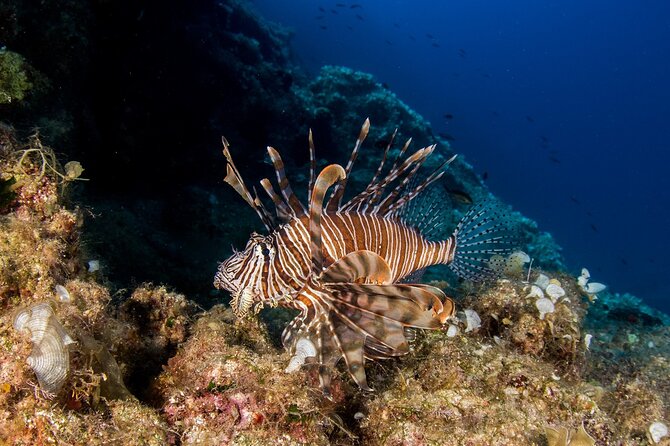
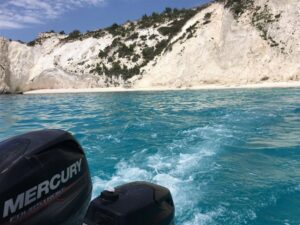
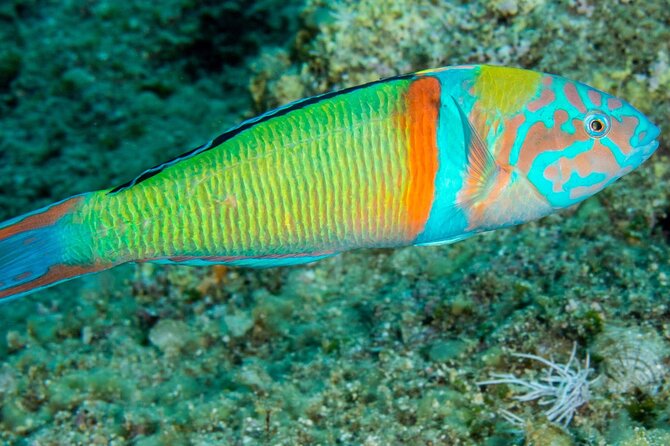
The first listed stop is Souda Beach. Here, the marine biologist introduces the setting and explains the flora and fauna you may encounter. The exact underwater subject depends on your group’s chosen habitat, ability, and interests.
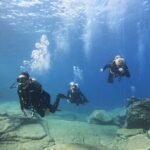
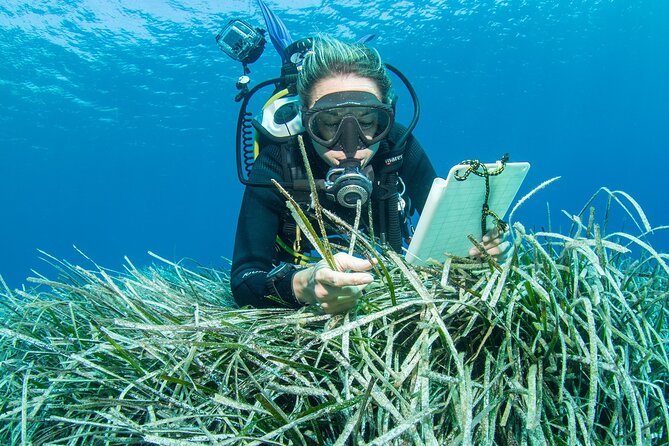
This first session is a chance to put the briefing into practice. You may be asked to watch for particular species, make underwater notes, or gather information linked to a marine biology project. The value is in learning to observe carefully instead of simply swimming past whatever catches your eye.
The shore-based format can suit people who prefer a calmer, more direct start. You are not relying on a boat ride to reach the water, and the program can focus on the site itself. Still, beach access and time in scuba equipment require moderate fitness, and you need to be healthy and fit for the activity.
Do not expect every session to produce a dramatic animal sighting. Marine research often depends on small details: plants, sediment, tiny organisms, and signs of habitat health. That is part of the appeal, but it may disappoint anyone who wants a fast-moving wildlife show.
Plakias: a second look at Mediterranean habitats
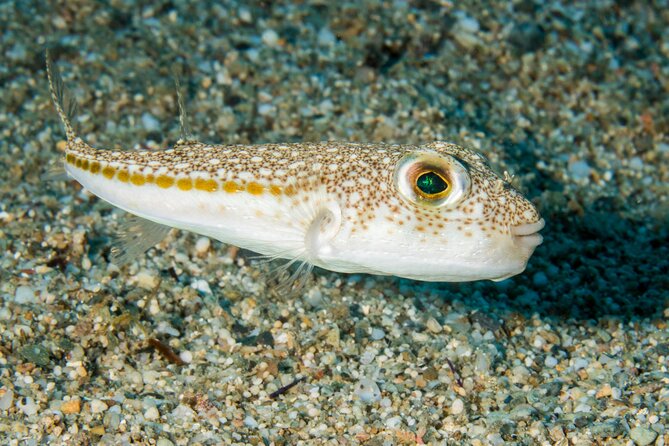
The second stop is Plakias, also the base for the school and marine field station. By this point, you have the chance to apply what you learned earlier and compare another setting or research task.
The program’s flexibility is important here. One group might focus on general species recognition, while another could work with seagrass or sediment. The supplied examples include underwater note-taking, recognition games, and sediment samples that are later inspected in the field lab.
A seagrass-focused session can be especially rewarding. Seagrass beds may look quiet at first, yet they contain a small ecosystem that becomes easier to appreciate when you study samples under magnification. You may find that the most interesting part of the day is not a large animal but the tiny life living among the plants and sediment.
The two locations also keep the day from feeling like a single repeated circuit. You get a first chance to learn the method and a second chance to use it with more confidence. Exact site conditions and activities can vary, so you should be comfortable with a program built around observation rather than guaranteed sightings.
What happens between and after the sessions
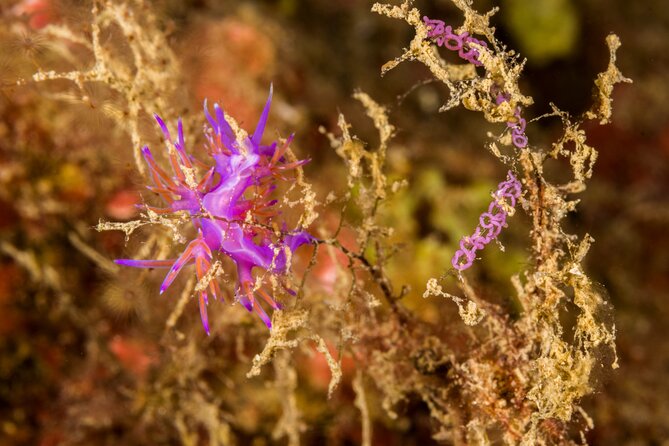
The briefings are a major part of the experience. A marine biologist explains research methods, local species, and the details that matter for the chosen habitat. You then carry that information into the water, where the task is to spot, record, or collect what you have been studying.
This approach works well for certified divers who enjoy learning through action. You are not expected to become a professional scientist in one day, but you do get a practical look at how marine fieldwork is organized.
After the underwater work, you return to the open-air marine biology lab at the school. There, you debrief what happened, discuss what you observed, and use microscopes to examine samples. This final stage gives the day a clear arc: briefing, fieldwork, analysis, and discussion.
The microscope session is a particularly good reason to choose this program instead of an ordinary recreational outing. It lets you see the Mediterranean at a scale that your mask cannot provide. Sediment and seagrass can reveal a busy microscopic world that is easy to miss from above.
The staff team includes marine biologists such as Vanessa, Martina, Marie-Clarie, Kirsten, and Katy. Their work includes teaching, organizing research activities, and helping participants connect practical observations with wider marine protection efforts.
How much learning is involved?
The tone is educational but not formal in the classroom sense. You get presentations and briefings, then use the information immediately. A recognition game, for example, can make species identification more active and memorable than simply reading a list.
The format also leaves room for questions. With no more than four participants, you have a better chance to ask about an animal, plant, sample, or research method while the subject is still in front of you.
That small group is one of the strongest features. A larger class could make it harder for the biologist to tailor tasks to each person’s level. Here, your group can work at a pace that matches its certification and comfort in the water.
The private format does not mean the activity is easy. You need a moderate level of physical fitness, good health for scuba, and current certification. The description does not specify a particular certification level beyond being certified, so ask the operator if you are unsure whether your qualification and recent experience are suitable.
The value of the $308.58 price
At $308.58 per person, this is not a low-cost recreational scuba day. The price makes more sense if you use the program fully: two underwater sessions, equipment, a marine biologist guide, specialist research tools, and microscope work at the field station.
You are paying for interpretation and participation, not just time in the water. If you already have equipment and only want a simple swim over a familiar site, this will probably feel expensive. If you want to understand Mediterranean habitats and take part in structured research tasks, the added instruction gives the cost a clearer purpose.
Lunch is extra, as are underwater photographs. The guide will take photos that you can purchase for 19 euros. That is useful if you want a visual record, but you should treat it as optional rather than part of the basic package.
The experience also has value for families with certified members, small groups of friends, and serious beginners who want to build confidence after certification. One family group used the program to study species on one day and work with sediment samples on another. The adjustable format makes it suitable for people who want more than a standard sightseeing route.
What you should expect physically
This is a full day around the water, equipment, beach access, and two scuba sessions. You need to be healthy and fit for scuba and should have a moderate physical fitness level.
The supplied information does not give exact distances, water temperatures, maximum depths, or surface intervals. Do not assume those details. Ask the provider before booking if any of them matter to you.
You should also be ready for a practical day. Handling equipment, taking notes, collecting samples, and paying attention during briefings all require more involvement than simply following a guide underwater. That is a benefit for curious participants, but less appealing if you want a relaxed outing with no assignments.
Who will enjoy this most?
I would choose this for a certified diver who wants a closer look at the Mediterranean rather than another routine underwater excursion. It is especially well suited to people interested in marine conservation, seagrass, species identification, or the methods scientists use to study coastal habitats.
It also works for a private family group if every participant is certified and fit for scuba. The small maximum group size allows the staff to adjust the program to different experience levels and interests.
You may want to choose another activity if you are not certified, if you are looking for a beginner lesson, or if your main goal is dramatic wildlife photography. The program can include underwater photographs, but those cost extra, and there is no promise of particular animals or conditions.
The educational focus is its strength. You will likely remember the lab work, sample analysis, and recognition tasks as much as the time underwater.
Practical details that affect your decision
Confirmation arrives when you book, and the activity begins at the Dive2gether Crete center at 8:30 a.m. It ends back at that meeting point, so plan your day around a start and finish in Plakias.
The experience is offered in English. It is a private activity for your group only, with a maximum of four divers. Scuba equipment, bottled water, specialist marine biology equipment, and microscope use are included.
You pay separately for lunch at the beach taverna and for optional photos at 19 euros. Cancellation is free if you cancel at least 24 hours before the local start time. Changes or cancellations inside that window are not accepted for a refund.
Should you book the marine biology program?
Book it if you are a certified diver who wants to learn, record observations, and examine the sea’s smaller life under a microscope. The two locations, small group, trained marine biology staff, and citizen science work give the day more substance than a standard recreational outing.
Skip it if you are not certified, need a gentle introduction to scuba, or want a simple half-day trip with no research component. For the right participant, the $308.58 cost buys equipment, guidance, two sessions, and a rare chance to see how marine fieldwork happens from the water to the laboratory.
FAQ
Where does the activity start and finish?
It starts and finishes at Dive2gether Crete, a 5-star PADI diving school and center at Eleftheriou Venizelou, Myrthianos, Plakias 740 60, Greece.
What time does the program begin?
The start time is 8:30 a.m.
How many scuba sessions are included?
The program includes two scuba sessions during the day.
Do I need to be certified to participate?
Yes. You need to be a certified diver, healthy and fit for scuba, and able to meet the stated moderate physical fitness requirement.
How large is the group?
The activity is private for your group, with a maximum of four divers.
What equipment is provided?
Scuba equipment, bottled water, specialist marine biology equipment, and use of microscopes in the open-air marine biology lab are included.
Is lunch included?
No. The group eats at a beach taverna, but lunch must be paid for separately.
Can I buy photographs from the day?
Yes. The guide takes underwater photographs, which can be purchased separately for 19 euros.