REVIEW · CRETE
Heraklion: Scuba Diving Experience for Beginners _Beach
Book on GetYourGuide →Operated by AQUADIVE · Bookable on GetYourGuide
Your first underwater breath starts on the beach. Off Mononaftis in Agia Pelagia, Aquadive runs a beginner-friendly scuba course with a certified instructor and a clear, confidence-building sequence from theory to a supervised water session. The setting helps too: you’re off a real beach, with sun rays lighting up the bottom and a short, easy path into the water.
I really like two things about this experience. First, the training is built around a 30-minute digital theory lesson, so you get the basics without sitting through a long lecture. Second, you’re personally supported by a certified instructor while you learn the basic commands and manage your gear—people specifically mention guides like George and Alex staying close and keeping beginners calm.
One consideration: plan for photo and video costs on top of the course price, and also for some waiting time around hotel return (even when the water time ends earlier). If you want a smooth day, pack a towel, snacks, and a little patience for the schedule.
In This Review
- Key Highlights to Know Before You Go
- Why Mononaftis Beach in Agia Pelagia Works for First-Timers
- The 3–6 Hour Flow: Theory, Equipment, and a Supervised Underwater Session
- Shore-Based Training That Feels Personal (Not Like a Factory Line)
- What You’ll See Underwater: Fish, Seabed Sun Rays, and Nearby Rock Formations
- Gear, Gear Rules, and What to Pack (So You’re Not Rushing)
- Price and Value: What $81 Really Buys (And What Costs Extra)
- Logistics Around Heraklion: Pickup Zones, Group Times, and Email Timing
- Who This Beginner Course Suits Best (And Who Should Skip It)
- Should You Book Aquadive at Mononaftis Beach?
- FAQ
- Where do I meet if I choose no transfer?
- How long is the experience, and how much time is underwater?
- What’s included in the price?
- Is pickup available, and from where?
- Do I need to complete a medical questionnaire before going in the water?
- Can I cancel for a full refund?
Key Highlights to Know Before You Go
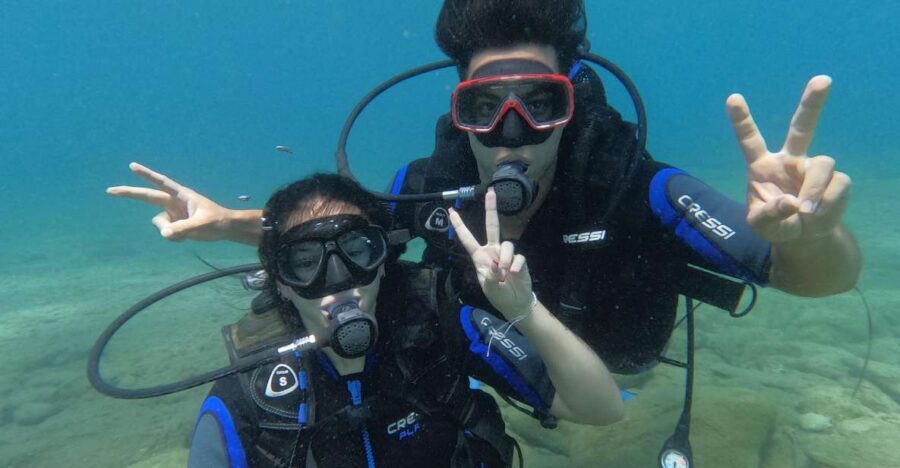
- Mononaftis Bay shore entry: you start from the beach and keep things shallow and beginner-friendly
- 30-minute digital theory lesson in your chosen language (English, German, French, Greek, Russian, Spanish)
- Small groups (max 10) with a certified instructor who stays attentive throughout
- 45-minute underwater session under supervision, with basic commands and safety checks
- Included water + digital experience diploma plus insurance coverage
- Optional hotel pickup in a white minibus with Aquadive dive stickers
Why Mononaftis Beach in Agia Pelagia Works for First-Timers
Mononaftis is the kind of place that makes learning feel doable. You’re not dealing with stairs, boats, or anything complicated—you enter from the beach, and the whole experience is paced for people who are new to breathing underwater.
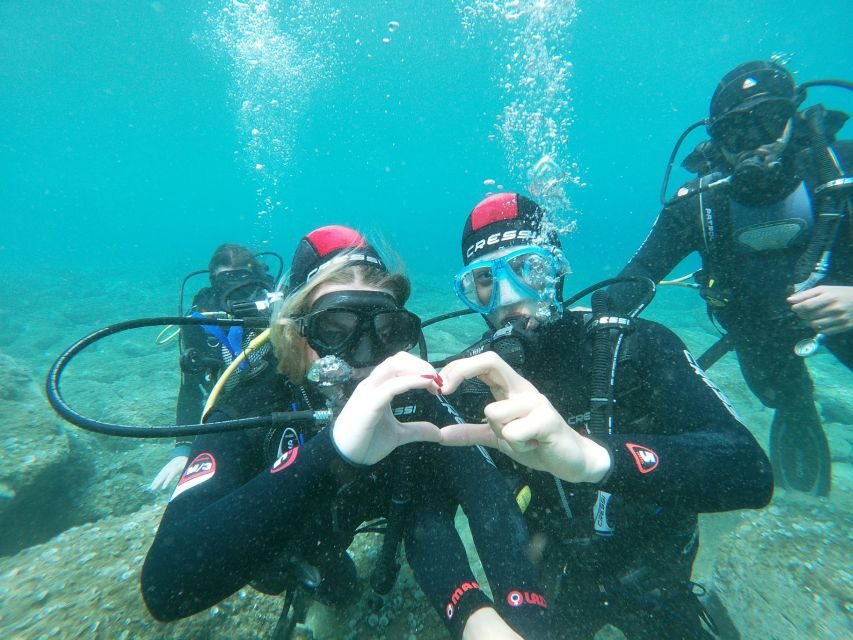
The water conditions here also matter for your comfort. Multiple first-timers describe water that’s warm and clear, with good visibility close to shore. That’s a big deal because your brain can focus on skills—breathing, equalizing, and staying calm—rather than fighting the environment.
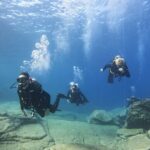
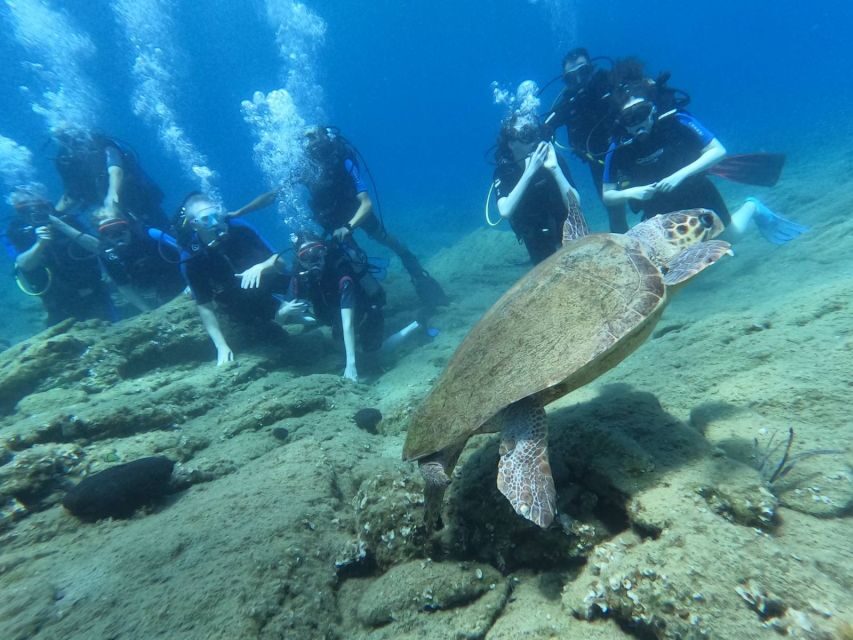
And then there’s the scenery. You’ll see the seabed lit by the sun, plus fish and small sea creatures near the bottom. One of the nicest moments, according to people who did it, is watching how quickly your fear turns into curiosity once you’re actually underwater.
You can also read our reviews of more scuba diving tours in Crete
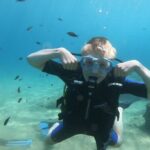
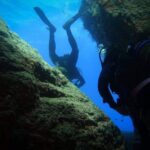
The 3–6 Hour Flow: Theory, Equipment, and a Supervised Underwater Session
This isn’t a quick “try it and run” stunt. The course is scheduled for 3–6 hours total, depending on pickup and which group you’re placed into.
Your day starts either at the base or with pickup. If you choose no transfer, you meet at 09:15am or 11:30am at the dive base. If you use the optional transfer, pickup typically begins around 08:30am, and drop-off is around 14:30pm—so you’ll likely be planning lunch later than you expect.
A key part is the 30-minute digital theory lesson. Even though it’s digital, it’s still instruction on what you need to know: safety basics, how the gear works for your body, and the core skills you’ll practice right after. People mention that the pace is not overwhelming, and the staff focuses on what matters most for day-one success.
After that, you get your equipment and you head into a short, guided preparation period right before the water. Once you’re in, the scheduled underwater portion is 45 minutes. In practice, first-timers sometimes describe it as closer to 30–40 minutes feeling-wise, but the structure is the same: you learn the basics, you’re checked frequently, and you don’t get left on your own.
Shore-Based Training That Feels Personal (Not Like a Factory Line)
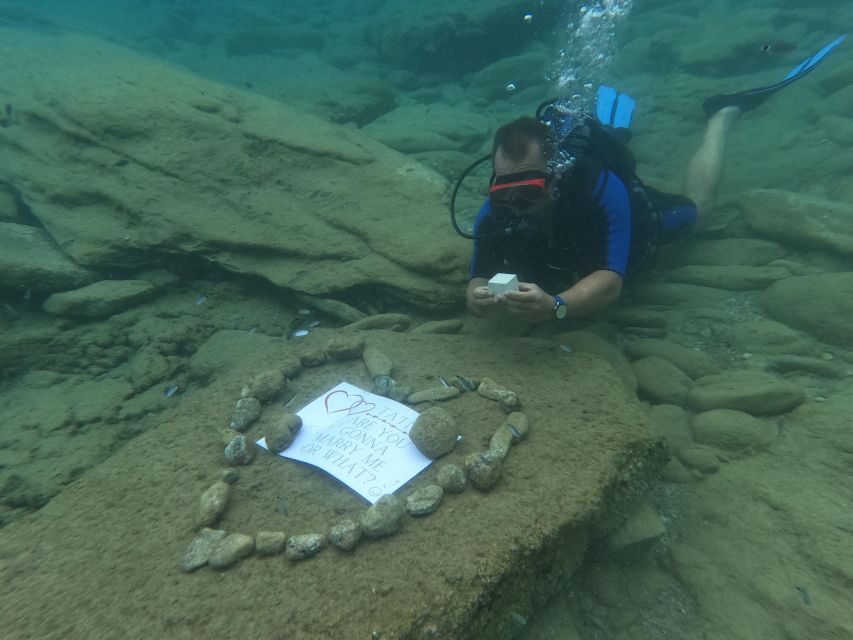
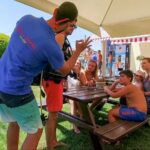
This is one of the best beginner-course formats because the team takes safety and attention seriously. The course includes a certified instructor, and the way the guidance is described is consistent: clear instructions, patient coaching, and close supervision in the water.
Small groups help a lot here. It’s limited to 10 participants, and some reviews mention staffing that feels extra-supportive—like two instructors for a small group. That matters when you’re trying something new with nerves, because you’ll want quick feedback on things like buoyancy and hand signals.
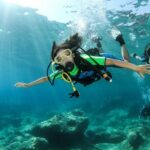
People also call out the emotional side, not just the technical part. Several first-timers say they were terrified at the start, and guides helped them settle. Reviews specifically mention guides like George staying with nervous participants and keeping the experience calm and reassuring.
You also learn by doing, not watching. You’ll practice the basics and pick up the simple commands you need while you’re still near the surface. One review notes the pace is slow enough for beginners: you enter, go out only a short distance, and keep the surface close—around 6 feet away—so the mental load stays manageable.
What You’ll See Underwater: Fish, Seabed Sun Rays, and Nearby Rock Formations
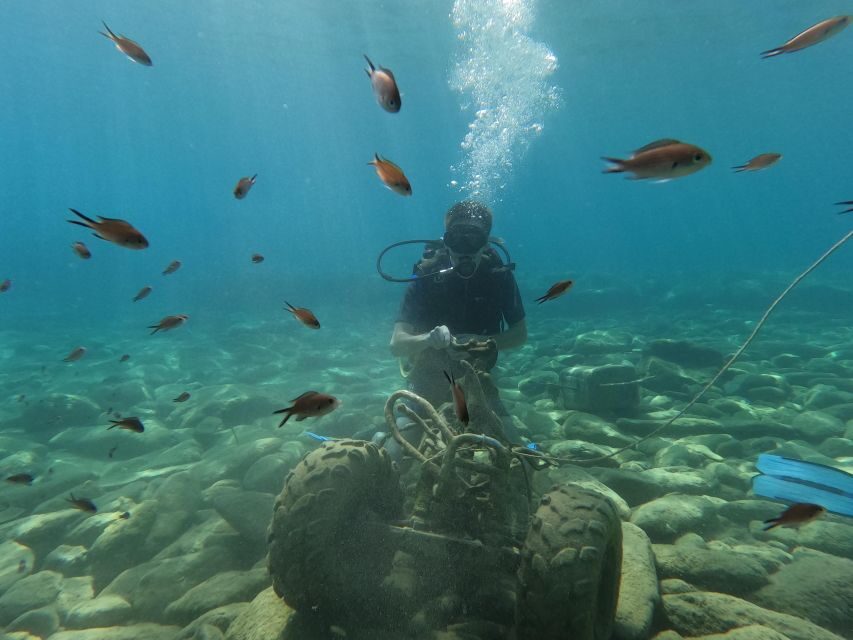
Let’s talk about the “what’s it like down there?” part, because that’s what you’re really paying for. The underwater session focuses on seabed life close to shore, not deep-water exploration.
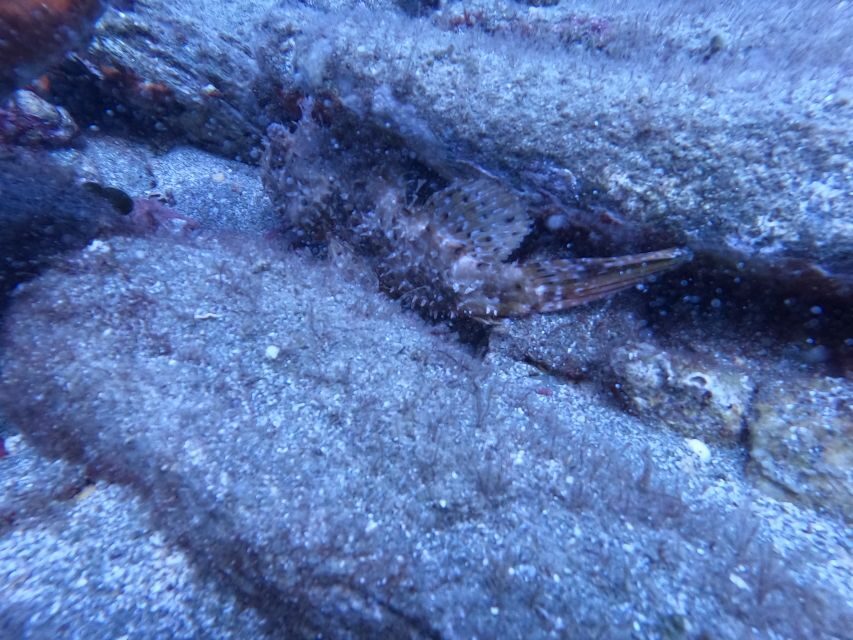
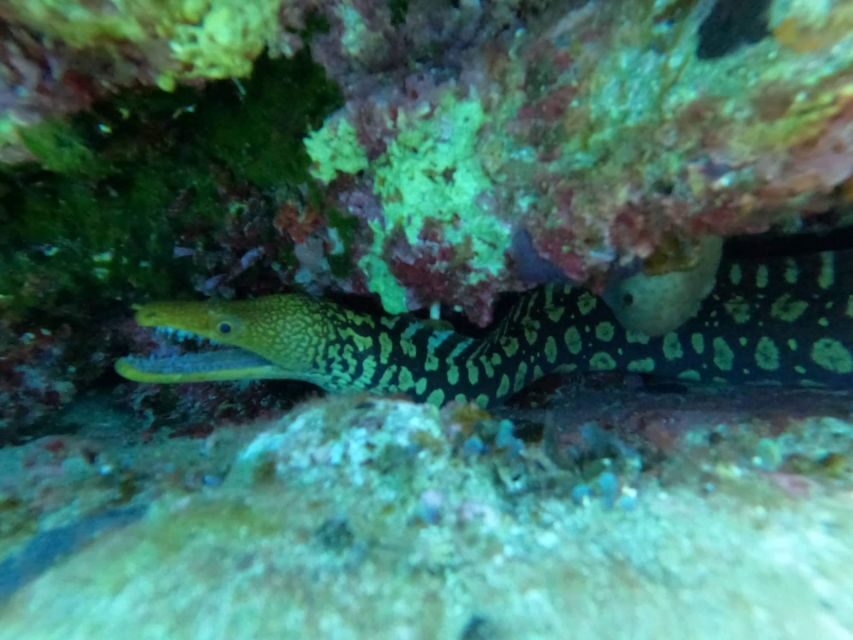
Many participants describe seeing fish and small sea creatures near the bottom. You might also spot things like sea urchins (mentioned in reviews), plus the kind of underwater texture that makes beginners smile—rock and natural features straight off the beach.
The seabed lighting is a real highlight. The course description emphasizes sun rays cutting into the water and illuminating the colorful bottom, and that matches what people report: once you’re stable and breathing normally, you can actually enjoy the view rather than just executing skills.
One honest note: marine life can vary. A review mentions animals being less visible due to fishing activity nearby, and another person notes the underwater life wasn’t nonstop. So if you’re hoping for a constant parade of fish, know that it’s a shore-based, beginner-friendly course where visibility and wildlife can be “some” rather than guaranteed.
Gear, Gear Rules, and What to Pack (So You’re Not Rushing)
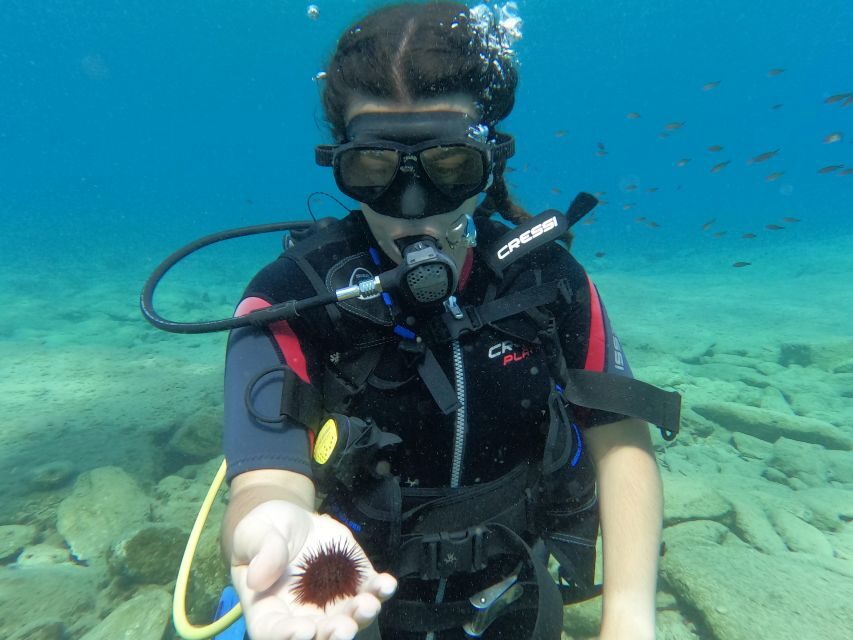
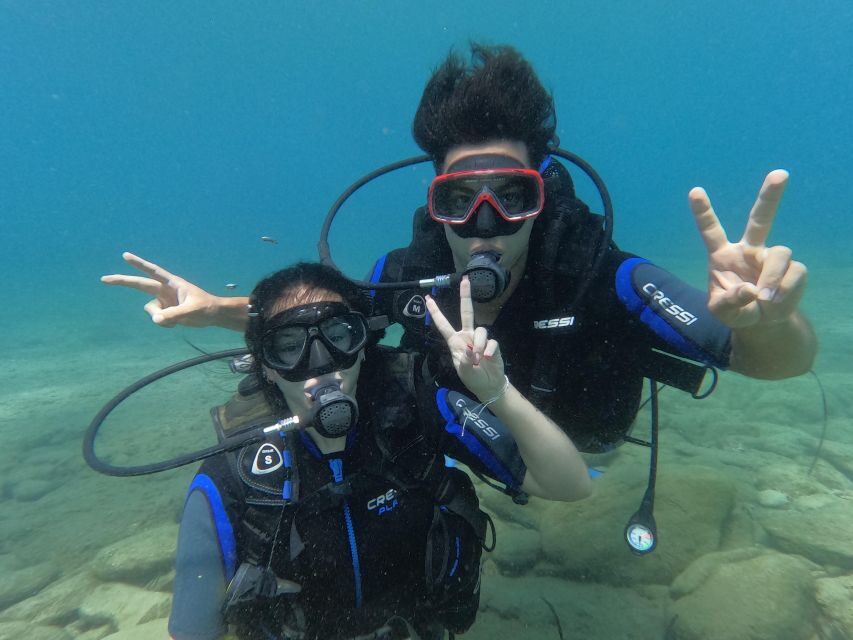
The course includes full diving equipment, plus water during the day. That’s excellent because you don’t need to buy or haul your own gear for a first try. Reviews also mention wetsuits being provided, which is a common part of beginner setups in this region.
What you should bring is mostly simple. Plan for:
- swimwear
- a towel
- snacks
- flip-flops
Also think about the “small practicals” that become big later. One review mentions forgetting contact lenses, and a guide was caring and attentive in helping out. So if you wear contacts or glasses, double-check you’ve got what you need before you leave your hotel.
There’s also a rule about cameras. One review states you’re not allowed to take your own camera for security reasons, which is worth knowing before you arrive. The operators provide photography and you can purchase it, so don’t show up expecting to film everything on your own.
Finally, a quick but important requirement: you’ll complete a medical questionnaire before diving. You’ll want to do this carefully and honestly, especially if you have any of the listed conditions that make you unsuitable for the experience.




Price and Value: What $81 Really Buys (And What Costs Extra)
The published price is $81 per person. For a beginner course, that’s often a fair deal because your payment covers more than just “gear and a minute underwater.”
Here’s what’s included:
- certified instructor support
- 30-minute digital theory
- full equipment
- 45-minute underwater session
- water
- digital experience diploma
- insurance
- pickup/drop-off from selected areas (if you choose the transfer option)
Photos and videos are not included. And that’s where you should plan ahead. Reviews mention underwater photos and packages with prices that land around 15€ per person for photos in cash, and higher prices by card (one review mentions 20€ by card). Other reviews say photo costs can run around 30–40€ depending on what’s offered, so your best move is to decide early if you want the memory package.
My value take: you’re not really paying for the photos. You’re paying for safe instruction, gear, and a guided first underwater experience in a real, controlled setup. If you’re the type who loves keepsakes, budget extra. If you’d rather save money, just be sure you don’t show up surprised that you’ll need to buy media to get the underwater shots.
Also plan your timing. One review notes the experience ended later than expected for return to the hotel, which can throw off lunch plans. If you hate that feeling, pack snacks and use the beach time well.
Logistics Around Heraklion: Pickup Zones, Group Times, and Email Timing
This is a shore-based course with a structured schedule, and logistics matter because the day can stretch.
Each day runs in 2 or 3 diving groups, and you’ll get the exact group timing by email the day before. They specifically note to check spam folders. That’s not a minor detail; it’s the difference between arriving on time and standing around wondering if you missed your group.
If you’re using pickup, the route covers a set of areas around the Heraklion coast, including Agia Pelagia, Chersonisos, Stalida, Kokkini Hani, Gournes, Gouves, Malia, Ligaria, Heraklion, Ammoudara–Gazi, Anissaras, and Fodele.
Transport is described as highly rated, with many people saying the drive from the Heraklion area is comfortable. The pickup vehicle is a white minibus with Aquadive diving stickers, so you shouldn’t have trouble spotting it once you’re at the right spot.
And then there’s the reality check: return can feel long. A few reviews mention waiting until around 2pm even if the underwater session finished earlier. That said, the beach and town area are described as pleasant for killing time, so you can use that gap instead of feeling stuck.
Who This Beginner Course Suits Best (And Who Should Skip It)
This experience is designed for first-timers, but not for everyone. It’s not suitable for:
- children under 8
- pregnant women
- people with heart problems
- people with respiratory issues
- people with epilepsy
- people with diabetes
- people over 65
- people with pre-existing medical conditions
- people with high blood pressure
- people with recent surgeries
So if you’re on the edge health-wise, don’t just guess. Use the medical questionnaire and follow guidance. It’s there for a reason.
Timing matters too. You should allow at least 12 hours between flying and the scuba session. That’s important for safety, and it’s also practical—try not to schedule this on the same day you land from or depart for a flight.
If you’re anxious but healthy, this course is built for that. Reviews repeatedly mention patient instruction, calm guidance, and an instructor staying near you. That combination is exactly what you want when your first instinct is panic.
Should You Book Aquadive at Mononaftis Beach?
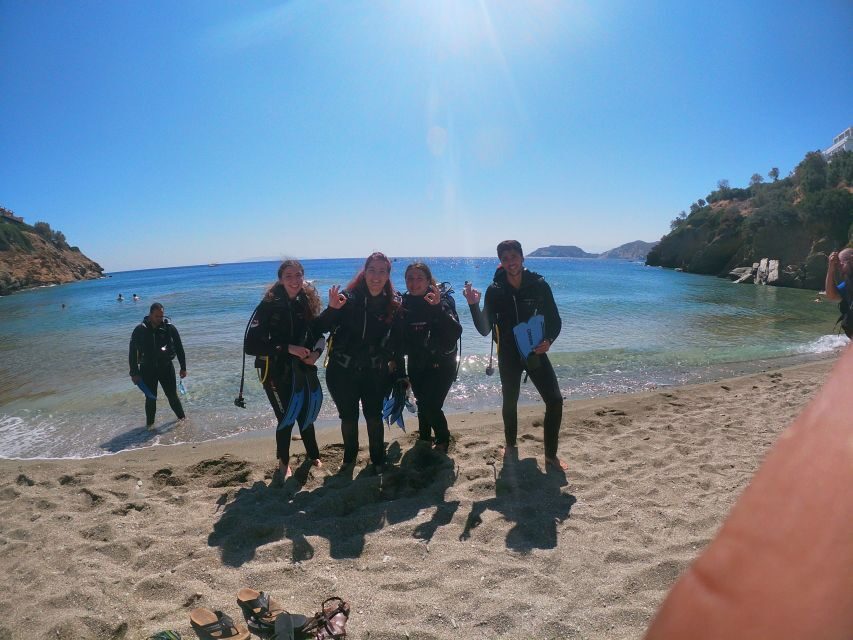
I’d book this if you want a beginner-friendly underwater experience with short, structured training, full gear provided, and a team that takes safety seriously. The beach entry and shallow start style make it a good first step, especially if you’re worried you’ll freeze when you’re new to breathing underwater.
You might skip it (or pick a different option) if you’re sensitive to added wait times, because the overall day can run long due to group scheduling and hotel drop-off timing. And if you’re very photo-focused, plan extra budget upfront so the media add-on doesn’t surprise you later.
If you can do those two things—go in with realistic timing, and decide in advance about photos—you’ll likely come away with the one thing this course is really selling: a confident first underwater breath in Crete’s Mononaftis Bay.
FAQ
Where do I meet if I choose no transfer?
If you book without transfer, you meet at the base at 09:15am or 11:30am. You’ll be told the exact time for your group by email the day before (check spam too).
How long is the experience, and how much time is underwater?
The total duration is listed as 3–6 hours. The underwater portion is scheduled for 45 minutes under a certified instructor.
What’s included in the price?
The price includes a certified instructor, a 30-minute digital theory lesson, full diving equipment, water, a digital experience diploma, and diving insurance. Pickup and drop-off from selected areas is also included when you choose the transfer option.
Is pickup available, and from where?
Pickup is optional and is available from selected areas such as Agia Pelagia, Chersonisos, Stalida, Kokkini Hani, Heraklion, and several other nearby towns along the coast. Pickup begins around 08:30am (depending on availability).
Do I need to complete a medical questionnaire before going in the water?
Yes. You must complete a medical questionnaire before you can dive.
Can I cancel for a full refund?
Yes. Free cancellation is available up to 24 hours in advance for a full refund.