REVIEW · CHANIA
Chania Private Olive Oil Tour: Oil Tasting & Villages Tour
Book on GetYourGuide →Operated by Proper Cretan Guide · Bookable on GetYourGuide
The star of this Chania day trip is not just the olive oil tasting. It is the way the tour connects the bottle on your kitchen shelf with the trees, farmers, mills, villages, and old stone machinery behind it. You’ll visit a private grove, see how olives were processed centuries ago, and finish at a modern factory with a tasting beside the working equipment.
I like the private format, since your guide can adjust the pace and spend more time on farming, village life, or history. I also like the mix of hands-on agriculture and scenery, especially the chance to see a huge olive tree estimated at about 3,000 years old. The main consideration is the long seven-and-a-half-hour day, with lunch and drinks at some stops not covered in the price.
In This Review
- Key points
- What this olive oil day is really about
- Looking over Chania’s farming valleys
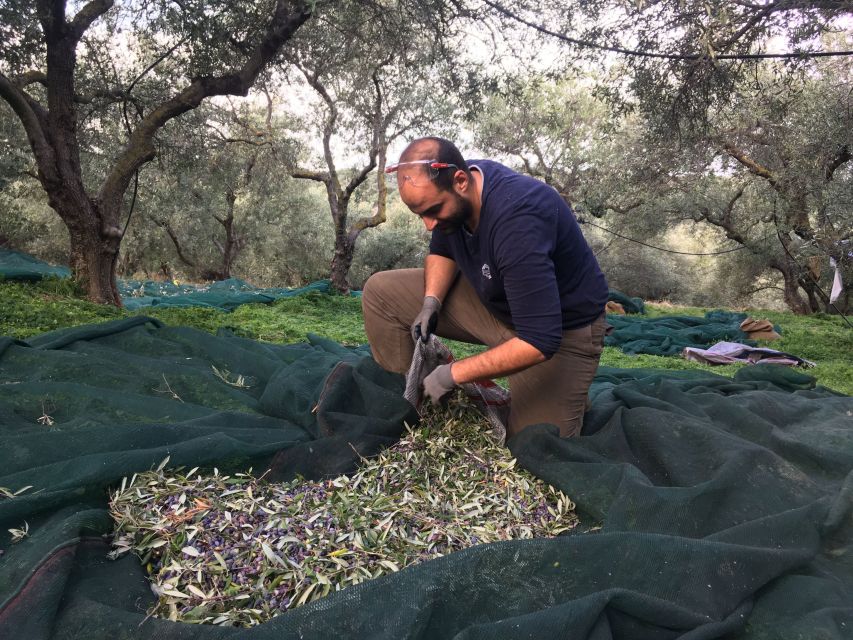
- Inside a private olive grove with a local producer
- Comparing the medieval mill with modern production
- Coffee, rivers, and the villages of Apokoronas
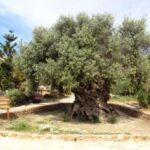
- Meeting the ancient olive tree
- Finishing at a working modern olive oil factory
- Guide quality, transport, and the private format
- Is $176 per person good value?
- Who should book this day?
- Booking details worth knowing
- Should you book the Chania Olive Oil Tour?
- FAQ
- How long does the Chania Olive Oil Tour last?
- Is hotel pickup included?
- Is this a private tour?
- Which languages are available?
- Is olive oil included?
- Is lunch included in the price?
- Can I cancel the booking?
Key points
- A private olive grove visit: Learn about Cretan olive varieties, irrigation, grafting, harvesting, and farming methods directly from a local producer.
- Two very different mills: Compare old olive processing methods with modern extraction, refinement, and bottling equipment.
- A possible 3,000-year-old olive tree: See a living tree with a massive trunk in a quiet rural setting.
- Mountain villages and Apokoronas scenery: Look across farming valleys, rivers, orchards, and village country outside Chania.
- Food and olive oil included in practical ways: A box lunch with water, fruit, and chocolate is included, along with organic extra virgin olive oil to take home.
- A guide who can shape the day: Apostolis has been praised for his strong historical knowledge and for responding to individual interests.
What this olive oil day is really about
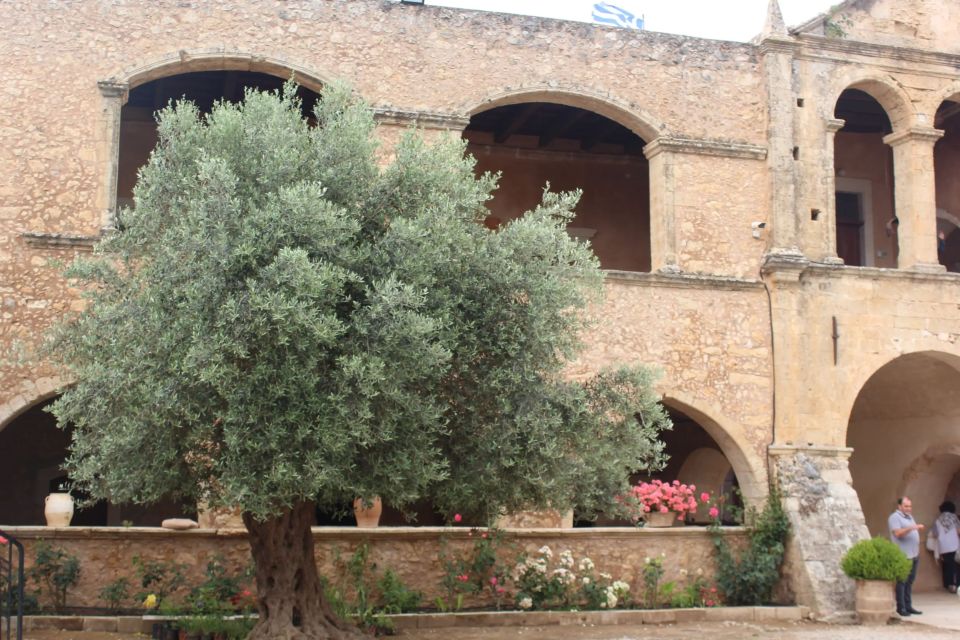
This is a countryside tour built around a single Cretan staple. Olive oil is the subject, but the day also gives you a useful look at rural Crete, where agriculture, family farming, village life, and local food remain closely linked.
You begin with pickup in central Chania and travel into the Chania Regional Unit, particularly the Apokoronas area. The setting changes quickly from the city to cultivated valleys and small villages. An early walk through olive and farming country helps you see the scale of local production before the tour turns to the technical side of oil.
I would choose this experience if you want more than a quick tasting counter. You get explanations from both a licensed historian guide and a professional farmer or olive oil producer. That combination matters. One person can place the mills, villages, and customs in context, while the other can explain what happens to the olives in the field.
The day is private, so the group is not mixed with a large busload of people. That can make a real difference during the grove visit and tasting, when you may want to ask about varieties, grades, irrigation, or how the crop is collected.
You can also read our reviews of more food & drink experiences in Chania
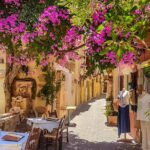
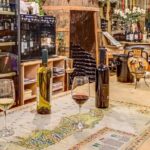
Looking over Chania’s farming valleys
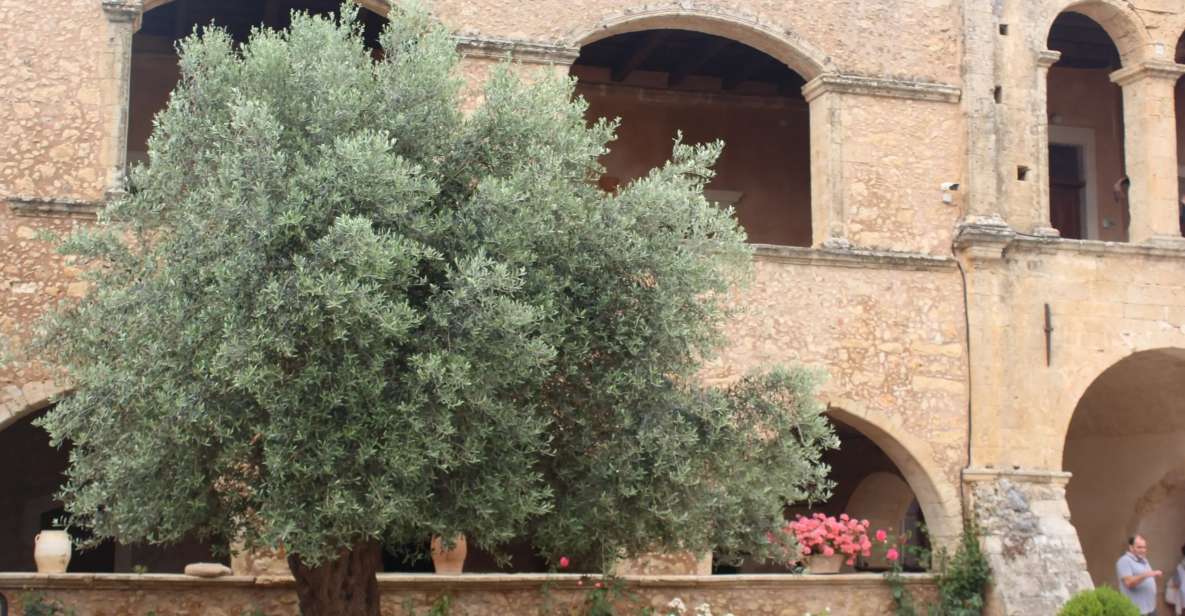
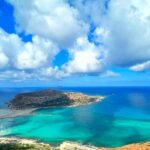
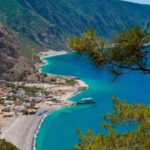
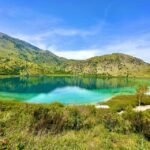
The first portion of the day is a guided visit through the countryside, lasting about 30 minutes, followed by a longer guided segment of roughly an hour and a half. The route includes a stop at a high point with broad views over the mainland villages and agricultural valleys.
This is a useful opening because olive farming can otherwise feel abstract. From the viewpoint, you can see how much of the countryside is given to trees and cultivation. Bring your camera, but also listen to the explanation of how the area’s vegetation and farming patterns fit together.
The scenery is not a grand national park spectacle. Its appeal is quieter: working fields, olive trees, villages, and the changing shape of the land around Chania. If you want a full day of dramatic coastal views, this is not the right choice. If you like seeing how people use the countryside, the stop gives the tour a solid start.
Inside a private olive grove with a local producer
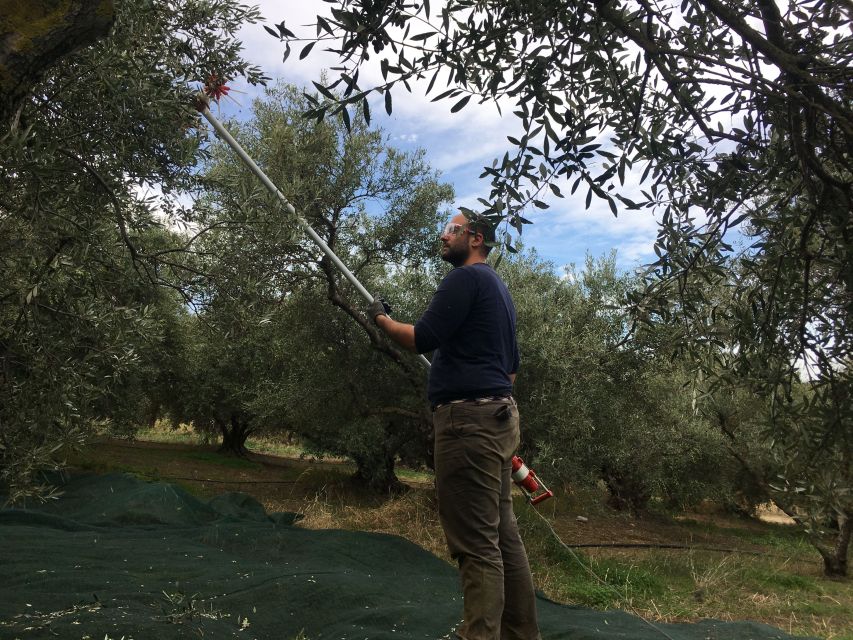
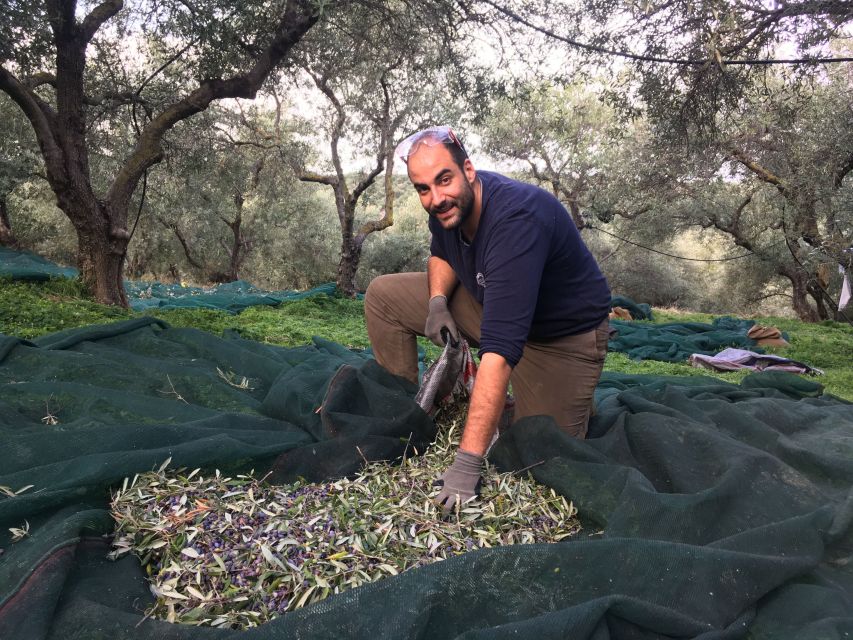
The private grove is one of the most useful parts of the experience. You learn about the olive varieties found in Crete, the grades of oil produced in the Chania area, and the effect of farming methods on the final product.
A local farmer explains irrigation, grafting, crop care, and the way olives are collected. These details help you understand why two bottles labeled extra virgin olive oil can taste different. The tour also makes clear that quality begins well before the olives reach a machine.
You receive fresh organic extra virgin olive oil from the grove to take home. This is a nice practical touch, especially if you want a taste comparison after returning to your hotel or home. It also gives the tasting a stronger connection to the place where the olives grew.
The grove visit is not presented as a polished food show. It is closer to a field lesson. You should expect conversation about farming methods and production rather than a formal cooking class or a long list of gourmet pairings.
Comparing the medieval mill with modern production
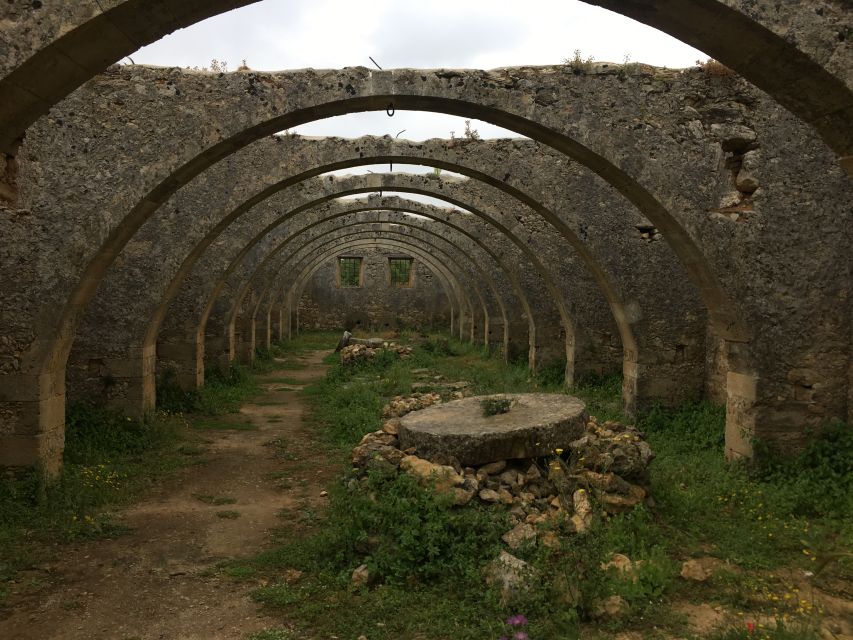
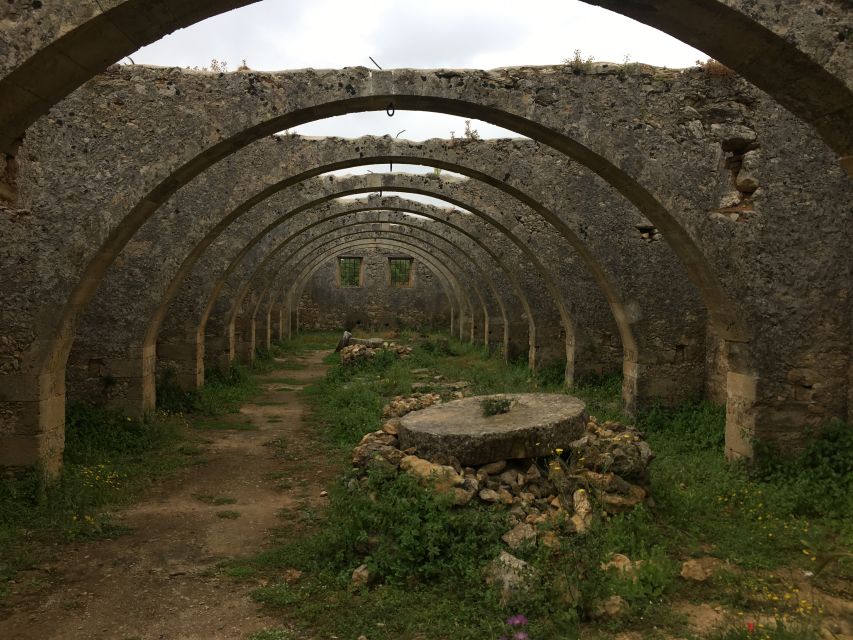
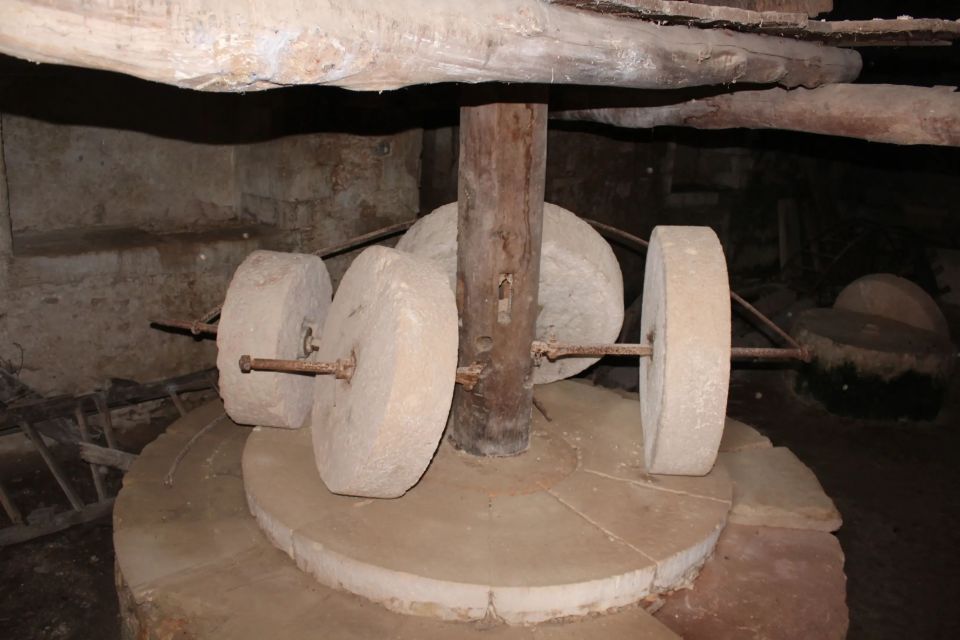
The old olive oil mill offers the day’s clearest look at the past. You walk through the facility and see how Cretan farmers processed olives centuries ago, using methods that required much more manual work than today’s systems.
This stop is valuable because it puts modern machinery into perspective. Once you later see the equipment at the current factory, you can understand what has changed: speed, extraction, processing, and control. The old mill is not just an atmospheric ruin or a photo stop. It helps explain the stages of production before modern technology took over.
The exact nature of the old facility may make more sense to people interested in tools, rural customs, and local history than to someone who only wants to taste oil. The guide’s background matters here. Apostolis was singled out for his historical knowledge, and the tour includes plenty of explanation about how olive oil was made in earlier periods.
The schedule also includes a visit to a small monastery with two monks, according to the experience details shared about the day. This stop adds a religious and historical note to an itinerary otherwise focused on farming. A tasting of raki may also be part of that visit. Since the tour allows flexible stops and changes, confirm the exact route when booking if the monastery is important to you.
Coffee, rivers, and the villages of Apokoronas
A coffee stop lasts about 50 minutes, followed by lunch time of about an hour. The break takes place in a green rural setting with rivers nearby, giving you time to slow down after the mill visits.
The area around Vryses is especially appealing for a local pause. It has a small valley, trees, a river, and geese, with a village setting that feels far removed from central Chania. This is the kind of stop I value on a long day because it gives you a chance to talk about the Apokoronas villages and the daily life of local farmers.
A box lunch is included, with water, a banana, an apple, and chocolate. However, the tour information also says lunch and drinks at private stops are not included. Treat the box as a provided basic meal, but carry some extra money for coffee, a restaurant meal, or other drinks if you want more than the included provisions.
That distinction is worth noting when you compare the $176 per person price with other Chania excursions. The cost covers private transport, a licensed guide and driver, the farmer’s time, hotel pickup and drop-off in central Chania, and the olive oil to take home. You still need to budget for optional food and drinks.
You can also read our reviews of more private tours in Chania
Meeting the ancient olive tree
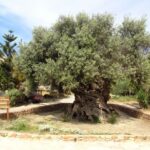
The visit to the ancient olive tree is the most memorable visual stop. The tree is estimated to be more than 3,000 years old and may be among the oldest fruit-bearing trees in the world. The wording matters: its exact age is an estimate, and different places in Crete may make similar claims.
Still, the experience does not depend entirely on proving a precise number. The tree’s enormous circumference and age, even as an estimate, offer a direct link to the people who cultivated olives across many centuries. You get time for photographs and a chance to appreciate the tree as a living part of the countryside, not just an object behind a museum barrier.
The location is described as being away from the usual visitor gaze. That makes the stop feel more personal, though it also means you should not expect a large visitor center, extensive signage, or a fully developed attraction. The guide supplies the story and context.
If ancient sites are your main reason for visiting Crete, this tree will not replace Knossos or a major archaeological site. If you like unusual, place-specific stops, it is one of the strongest reasons to choose this tour over a standard food outing.
Finishing at a working modern olive oil factory
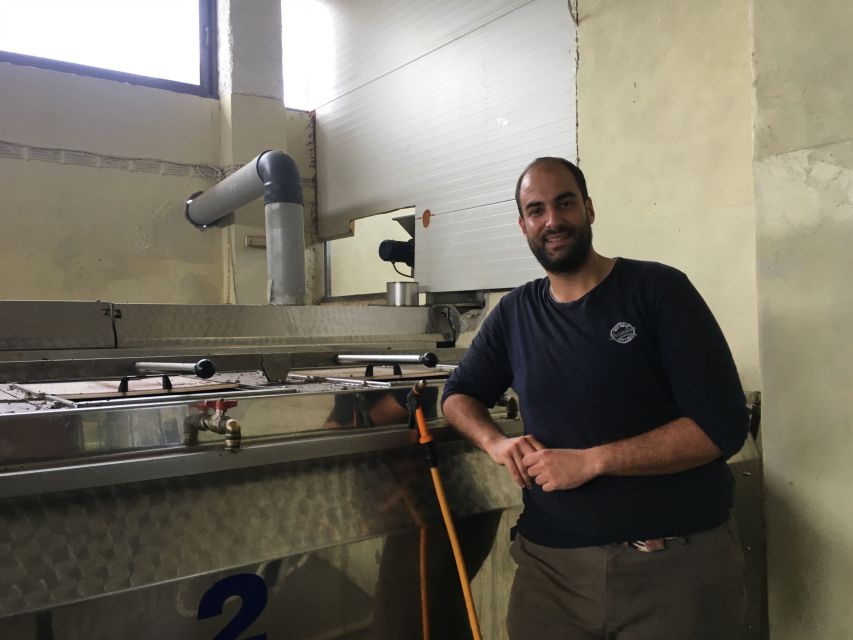
The final factory visit brings the subject back to the present. Your guide explains modern production, including extraction, refinement, and processing. You see the machinery used to handle the olives and make the oil suitable for use and sale.
The free tasting takes place inside the factory beside the equipment. That setting is more informative than tasting oil in a generic shop because you can connect the flavor with the machinery and process you have just seen. By this point, you have already learned about varieties, collection, farming, and old methods, so the modern explanation completes the chain from tree to bottle.
Do not expect a large commercial food market or a long shopping session to be the focus. The experience is built around understanding production and sampling extra virgin olive oil. You may purchase products separately, but the supplied information only confirms the included tasting and the free organic oil you receive.
The full route includes about 70 minutes for a photo stop, visit, and guided sightseeing, plus another hour of countryside sightseeing before returning to Chania. The timing gives the tour room to breathe, but it also makes this a full-day commitment rather than a short morning activity.
Guide quality, transport, and the private format
The experience includes a professional licensed historian tour guide and driver certified by the Greek Ministry of Tourism, as well as a professional farmer or olive oil producer. English and Greek are available.
Apostolis is the guide named in the available experience details. His historical background was especially valued, along with his ability to respond to individual interests. That is useful on a private tour, where you can ask for more detail about farming, religious sites, village life, or production instead of following a fixed script.
Private transport and hotel pickup and drop-off are included for central Chania areas. The tour can also work as a shore excursion from Chania or Souda cruise port. You should wait in your hotel lobby about 10 minutes before pickup.
Flexible stops and possible route changes are included according to your needs. That does not mean every requested detour is guaranteed, but it does give the day more give than a rigid group excursion. Tell the operator in advance if you care most about the ancient tree, the monastery, the old mill, or the oil tasting.
Is $176 per person good value?
At $176 per person, this is not a budget countryside outing. The price makes more sense if you are traveling as a couple, family, or small private group and want transport, guiding, agriculture, history, and food-related stops in one day.
You are paying for a seven-and-a-half-hour private experience rather than simply buying admission to a factory. The licensed guide, private vehicle, farmer’s involvement, included oil, basic box lunch, and pickup add real value. The ability to adjust the pace is another advantage, especially for people who dislike large scheduled groups.
The value is weaker if you only want to taste olive oil. You could likely find a shorter tasting elsewhere, but you would miss the old mill, the grove, the ancient tree, the rural scenery, and the explanation of how farming works.
I would also compare the price with your plans for the rest of the trip. If you already have several village drives, monastery visits, and food tours booked, some parts may feel familiar. If this is your main chance to see inland Chania and learn about the island’s most important crop, the full day earns its keep.
Who should book this day?
I recommend it most for people who enjoy local food when it comes with a story. It suits couples, families, private groups, cruise passengers, and anyone who wants a slower look at the Chania countryside.
It is also a good fit if you prefer conversation to entertainment. Much of the pleasure comes from asking questions and following the guide’s explanations. People who enjoy farming, old machinery, village customs, trees, and regional history will have plenty to hold their interest.
You may want a different excursion if you dislike long drives, rural stops, or a day with several separate visits. The schedule is full, and lunch or coffee may involve additional spending. The ancient tree and old mill are meaningful because of their age and setting, not because they are large visitor attractions with extensive facilities.
Booking details worth knowing
The tour lasts 7.5 hours and runs as a private group. Pickup is included from central Chania areas, and the tour can also be arranged as a shore excursion covering Chania and Souda cruise port.
You can reserve now and pay later, and cancellation is free up to 24 hours in advance for a full refund. Starting times depend on availability, so check the date carefully before booking.
The overall rating is 4.4 from nine verified bookings, with especially strong praise for the guide’s historical knowledge, the choice of sights, the olive production explanations, and the private feel. That pattern fits the structure of the day: this is strongest when you want context and personal attention, not a quick tasting alone.
Should you book the Chania Olive Oil Tour?
Book it if you want to understand Crete through its olive trees. The combination of a private grove, an old mill, a modern factory, village scenery, a possible 3,000-year-old tree, and a guide such as Apostolis gives you more substance than a standard tasting.
Skip it if your priority is a short, inexpensive food stop or if you want a tightly focused archaeological tour. For everyone else, especially those who enjoy rural places and thoughtful local guides, this is a well-filled day with a clear sense of place. Bring room in your luggage for the oil, a camera for the ancient tree, and extra money for optional lunch drinks or coffee.
FAQ
How long does the Chania Olive Oil Tour last?
The tour lasts 7.5 hours, including transportation, guided visits, sightseeing, coffee time, lunch time, and the return to Chania.
Is hotel pickup included?
Yes. Free pickup and drop-off are included from all central Chania areas. You should wait in the hotel lobby 10 minutes before the scheduled pickup time.
Is this a private tour?
Yes. The experience is arranged for a private group, with private transport and flexible stops or route changes according to your needs.
Which languages are available?
The live guide service is available in English and Greek.
Is olive oil included?
Yes. You receive free organic extra virgin olive oil at the end of the tour, and the modern factory visit includes an extra virgin olive oil tasting.
Is lunch included in the price?
A box lunch with water, a banana, an apple, and chocolate is included. Lunch and drinks at private tour stops may cost extra, so bring money for optional food, coffee, or other drinks.
Can I cancel the booking?
Yes. You can cancel up to 24 hours in advance for a full refund. The tour also offers a reserve now and pay later option.