REVIEW · CHANIA
Chania Sourdough Bread Class – Olive Oil Tasting
Book on GetYourGuide →Operated by Chania Cooking Class · Bookable on GetYourGuide
The best part of this Chania cooking class is that the bread is only the beginning. You mix sourdough, shape a loaf with your own choice of olives, sun-dried tomatoes, or seeds, then bake it in a wood-fired oven while exploring the olive grove and preparing a full Cretan meal.
I like the personal scale of the experience and the way Uncle Nicos and Alex combine cooking with stories, humor, and local tradition. I also like that the $106 price includes lunch, ingredients, generous local wine, olive oil tasting, and dessert. The main drawback is the location: Nerokourou is 10 to 15 minutes from central Chania, and transportation is not included unless you pay extra for a transfer.
In This Review
- Key points to know before booking
- Bread, olive oil, and a Cretan table
- Starting with coffee and the sourdough basics
- Mixing dough and shaping your own loaf
- Under the olive trees with extra-virgin oil
- Picking vegetables and making a Cretan lunch
- The wood-fired oven and the final feast
- What the hosts add to the experience
- Getting there from Chania
- Who will enjoy this class most
- Booking, cancellation, and practical value
- Should you book the Chania sourdough class?
- FAQ
- How long does the Chania sourdough class last?
- How much does the experience cost?
- Is transportation from Chania included?
- What food is included?
- What languages are spoken?
- Can I cancel or pay later?
Key points to know before booking
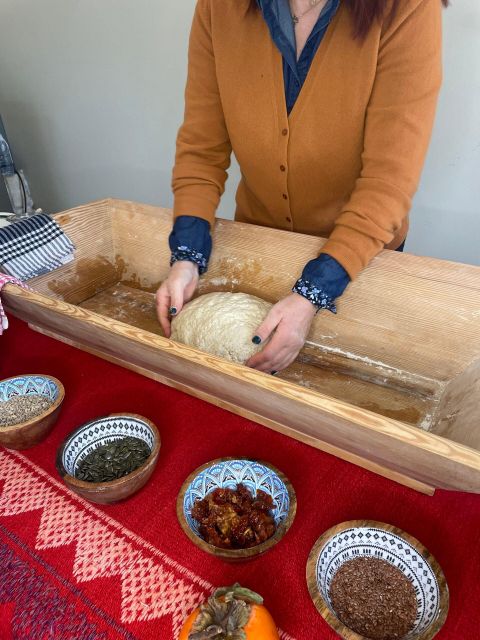
- Your own wood-fired loaf: Shape an individual sourdough bread and add olives, seeds, or sun-dried tomatoes.
- A full Cretan meal: The class includes Greek salad, fava beans, seasonal side dishes, local wine, and dessert.
- Olive grove visit: Learn about harvesting and how herbs are mixed with extra-virgin olive oil.
- Family-style teaching: Nikos, Alex, and their team bring cooking, conversation, local stories, and humor together.
- A half-day commitment: Allow 4.5 hours, plus extra time if you arrange paid transportation from Chania.
- Small-group feel: Class size can be especially intimate outside the main summer season.
Bread, olive oil, and a Cretan table
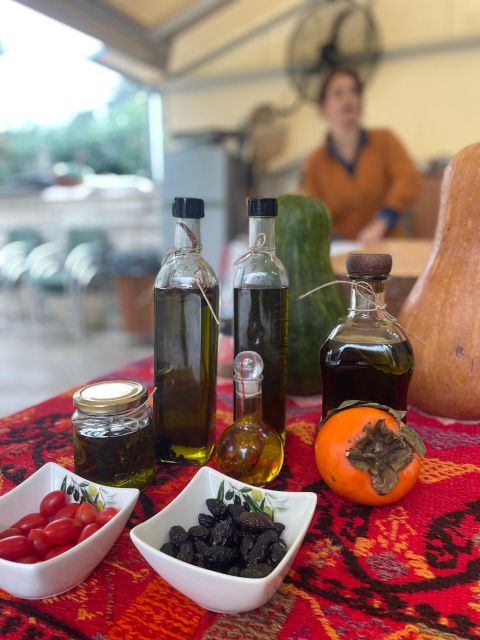
This is a cooking class with the pace of a long Cretan lunch. You do not simply watch someone bake bread, take a few photos, and leave. You work with the dough, wait for it to rise, walk through the olive grove, collect vegetables, prepare side dishes, and finally sit down to eat what you helped make.
The setting in Nerokourou gives the experience a rural feel without taking you far from Chania. The class is about 10 to 15 minutes from the city center, in a neighborhood where you can park along the fence if you drive. That short distance matters. You get a taste of the countryside without giving up most of your day to transport.
At $106 per person, this is not a cheap cooking demonstration. It is a substantial half-day experience with food, drinks, instruction, and several activities included. I see the price as fair for anyone who values a relaxed meal and personal contact more than a quick lesson. If your only goal is to learn a basic bread recipe, you can find less expensive options. If you want bread, olive oil, a farm visit, and lunch in one outing, the cost makes more sense.
You can also read our reviews of more food & drink experiences in Chania
Starting with coffee and the sourdough basics
The class begins with a homemade refreshment or Greek coffee from the hostess. Cookies accompany the drink, giving you time to settle in before the practical work starts.
Nikos introduces the sourdough process while you enjoy the welcome drink. The value here is the chance to understand what you are doing before your hands get messy. Sourdough can seem mysterious when you only see the finished loaf. A proper introduction helps explain the stages, the role of the ingredients, and why the dough needs time to rest.
The teaching is in English or Greek. Nikos is known for turning bread making into a story, mixing tradition and technique with humor. Alex helps keep the session moving and offers practical tips as you work. This pairing should suit you if you enjoy a class that feels social and informal rather than highly polished or strictly timed.
The class may feel different depending on the date. A December session had a very small group because it was the off-season, allowing extra time for conversation and local history. Summer and busier dates may have more people, so you should not assume every class will feel as private. Still, the family-run approach is central to the experience.
Mixing dough and shaping your own loaf
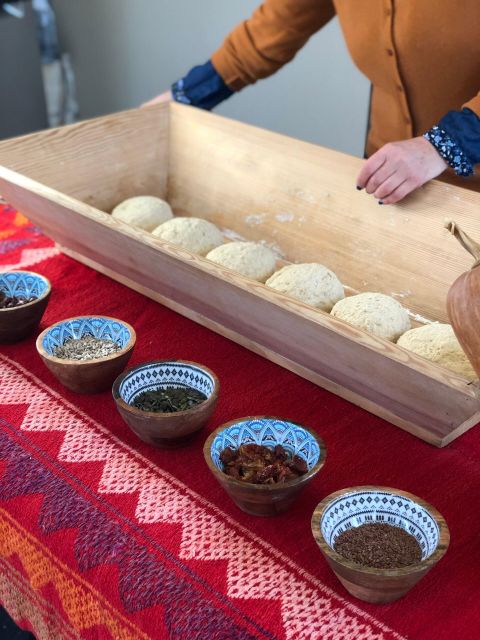
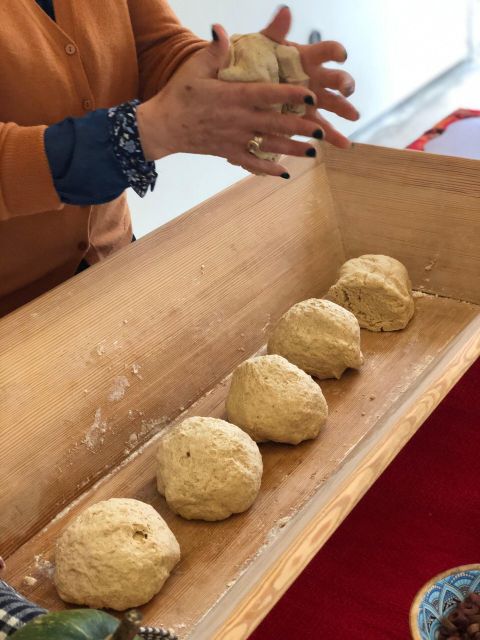
Next, you mix the ingredients to prepare the dough. This is the most hands-on part of the bread lesson, and you should expect to spend time working rather than simply taking notes.
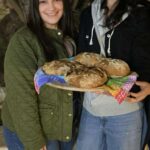
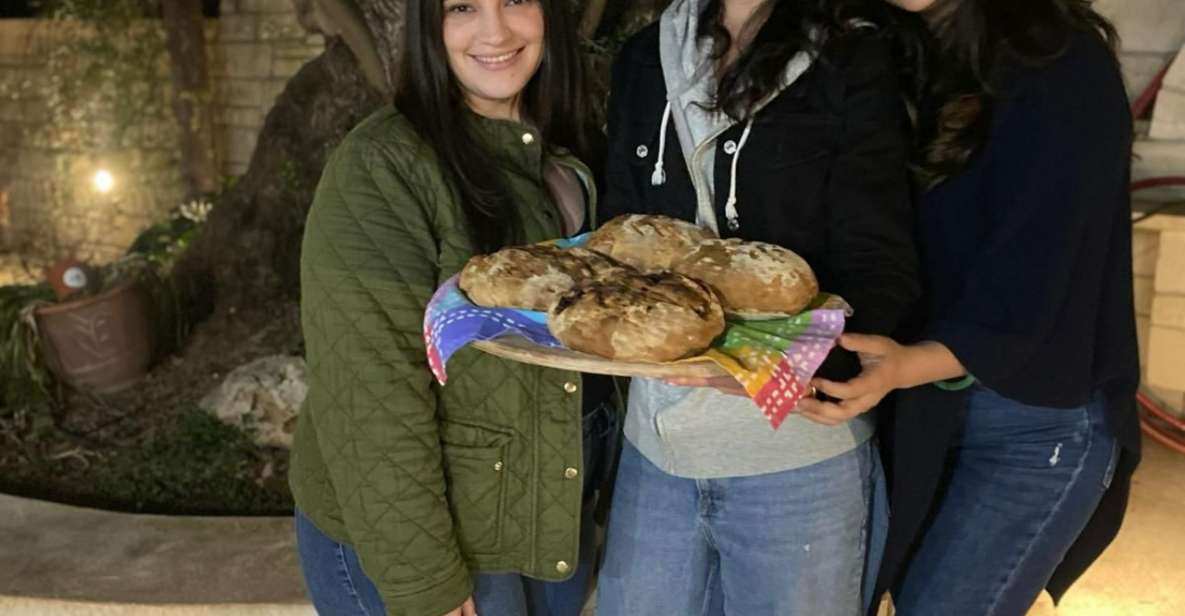
Once the dough is ready, each person shapes a loaf. You can add extras such as olives, sun-dried tomatoes, or seeds, creating a bread that is yours rather than a standard loaf prepared for the whole group. This small choice gives the class a personal touch and makes the final meal more satisfying.
The bread then needs time to rest. That pause is not wasted time. It allows the class to move naturally into the olive oil and farm activities while the dough develops before baking.
If you want to reproduce the bread at home, pay close attention during this stage. The class teaches the process, but sourdough is affected by timing and conditions. You will learn useful methods, though the result in your own kitchen may not match the loaf from a traditional wood-fired oven.
Under the olive trees with extra-virgin oil
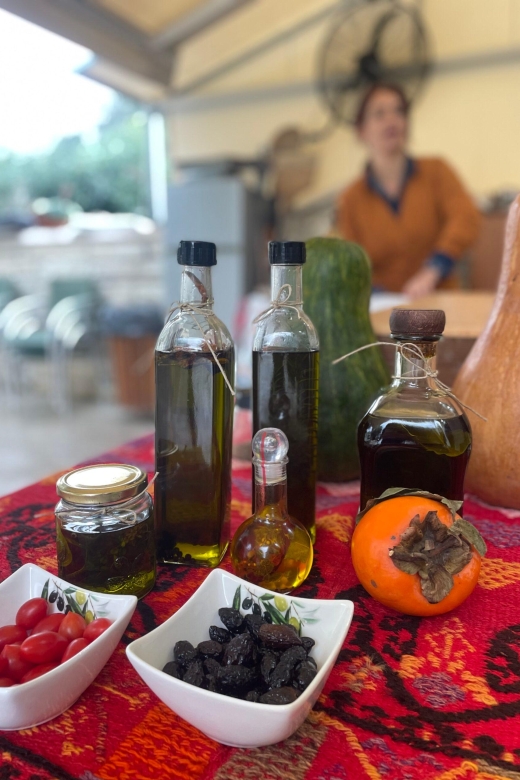
While the loaves rest, you visit the olive grove. This part adds a useful sense of place to the class. Olive oil is not presented as a bottle on a tasting table with no context. You learn about the harvesting process and how herbs can be mixed with extra-virgin olive oil.
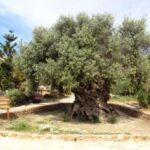
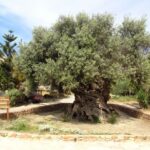
The setting also gives you a break from the kitchen. One class took place under the shade of olive trees, and the property includes a 500-year-old olive tree. That detail helps explain why this is more than a standard urban cooking lesson. The olive grove connects the food on your plate with the plants and work behind it.
You should think of this as an informal introduction rather than a technical olive-oil certification course. The useful takeaway is how central olives are to Cretan food and how herb-flavored oil can change a simple piece of bread. When the loaf comes out of the oven, you will use that oil in a way that makes the tasting feel practical.
The farm setting also adds a relaxed country atmosphere. Puppies are part of the surroundings, according to one class experience, so this may appeal to families and anyone who enjoys a little life around the meal. It is not a formal restaurant setting, and that is part of the charm, though visitors who prefer a quiet, highly structured tasting should keep this in mind.
Picking vegetables and making a Cretan lunch
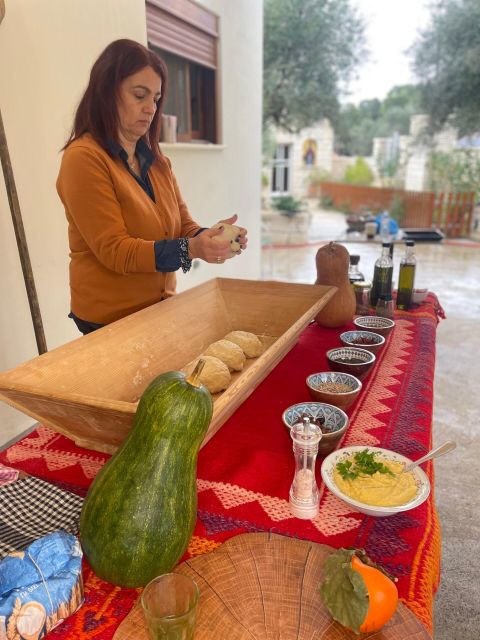
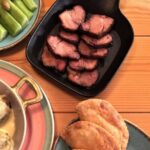
The class then moves to the farm, where you harvest vegetables for the meal. You help prepare a Cretan salad and additional side dishes, including Greek fava beans and other seasonal appetizers.
This is one of the strongest parts of the experience because the bread does not arrive alone. You build a meal around it. Fresh salad, fava, vegetables, and seasonal dishes show how Cretan food often relies on simple ingredients handled with care rather than complicated recipes.
The menu can vary with the season. Herbed potatoes have been served with the bread, along with salad and olive oil. You should expect the exact side dishes to depend on what is available, not a fixed restaurant menu. That is a benefit if you want local and seasonal food, but it means you should not book with a particular dish guaranteed in mind.
Fava is worth trying if it is new to you. It is a smooth bean dish with a mild, comforting character, and the class gives you an easy setting in which to taste something unfamiliar. The meal is also a good chance to ask about how Cretan households use olive oil, herbs, vegetables, and bread together.
A few more Chania tours and experiences worth a look


The wood-fired oven and the final feast
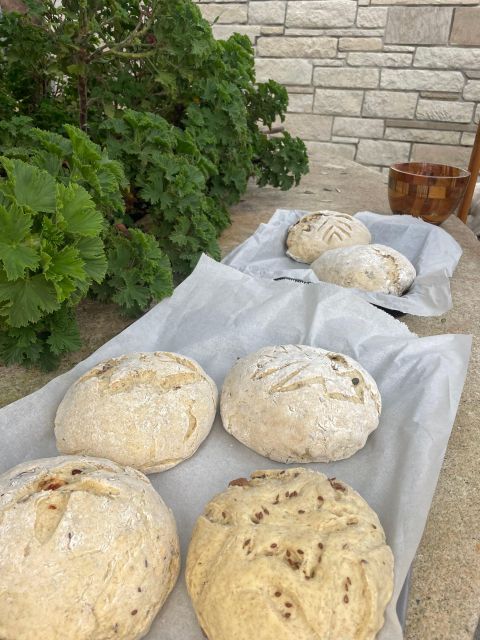
When the dough has rested, the loaves go into the wood-fired oven. The oven is the physical centerpiece of the class. It adds heat, aroma, and a traditional method that you cannot fully recreate with a modern kitchen oven.
The final stage is simple but rewarding: you take the loaves out and eat them with herb-flavored extra-virgin olive oil. The smell of fresh bread is a major part of the experience, and the personal loaf gives everyone a reason to pay attention to the result.
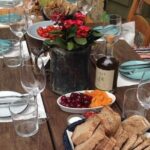
The meal includes the bread, the salad and side dishes you prepared, and generous amounts of local wine. Dessert is also offered at the end. I would plan this as your main meal for the day rather than fitting it between lunch and dinner. Four and a half hours of cooking, tasting, and conversation adds up to a substantial amount of food.
The wine makes the class feel more like a shared Cretan table than a lesson that ends as soon as the oven is opened. If you do not drink, confirm your needs when booking, since the included package specifically highlights local wine. The food remains the main attraction, but the wine is part of the social rhythm.
What the hosts add to the experience
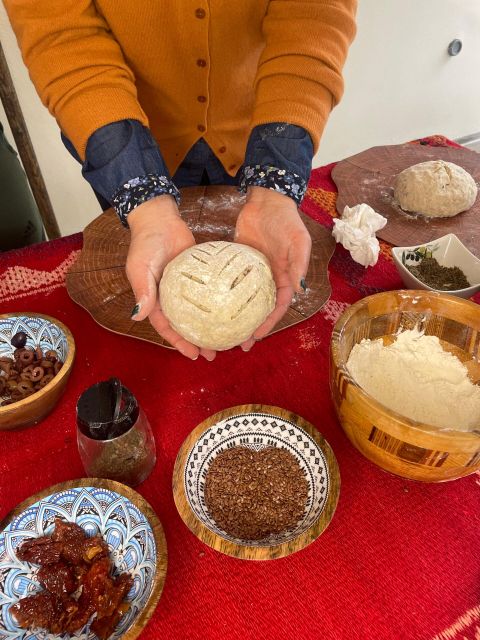
Nikos and Alex are important to the character of this class. Nikos, often called Uncle Nicos, brings stories, jokes, and a sense of tradition to the bread lesson. Alex keeps the practical side organized and helps you with the cooking.
Veerna may join near the end to help finish the dishes and add more energy to the gathering. The result is a family-style experience, not a formal school with a chef standing at the front of a silent room.
That atmosphere is a major reason to book. You get time for conversation and, depending on the group size, local history as well as cooking instruction. The class can feel especially personal in the quieter season. In high season, the group may be larger, so the amount of one-to-one attention can vary.
I would choose this class if you like meeting people through food. I would not choose it if you want a fast, technical workshop with exact measurements, a fixed schedule, and little conversation.
Getting there from Chania
Transportation is not included in the $106 price. You can reach the cooking class by car or taxi, and the drive from central Chania takes roughly 10 to 15 minutes. If you drive, parking is available along the fence.
A paid transfer service is available on request, with the extra cost based on your location. The transfer is semi-private and uses a nine-seat van or an electric vehicle. You may share the vehicle with other people attending the class.
This arrangement gives you options. A rental car or taxi keeps the logistics simple, while the paid transfer can help if you do not want to navigate or arrange a ride after wine. Ask for the transfer in the booking form rather than assuming it is part of the listed price.
The location is close enough for a half-day outing but not central enough to walk from Chania’s old town. Check the starting time and allow enough time for the drive, particularly if you are relying on a taxi.
Who will enjoy this class most
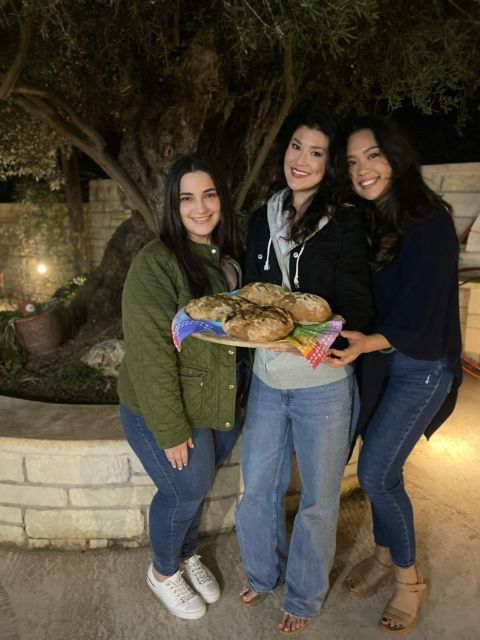
I recommend this experience for couples, families, and small groups who want a meal with a story behind it. It suits you if you like practical activities, rural settings, homemade food, and long conversations around a table.
It is also a good choice for anyone curious about Cretan food beyond the usual restaurant order. You will see how bread, olive oil, herbs, vegetables, beans, salad, wine, and dessert come together in one meal.
The class is wheelchair accessible, which is useful information for anyone planning around mobility needs. Still, because the experience includes a kitchen, olive grove, farm, and outdoor areas, ask the provider about the exact arrangements for your needs before booking.
Children may enjoy shaping their own bread, picking vegetables, and seeing the oven. The puppies and outdoor setting can add to the appeal. The long duration and meal-centered pace may be less suitable for anyone who wants a short activity or who does not enjoy sitting down for an extended lunch.
Booking, cancellation, and practical value
The activity lasts 4.5 hours, and available starting times should be checked for your chosen date. English and Greek are spoken.
You can cancel up to 24 hours in advance for a full refund. A reserve-now-and-pay-later option is also available, which helps if your plans around Chania are not settled yet.
The included package covers the ingredients, everything needed for the cooking session, lunch, and generous local wine. Dessert is also offered. Transportation is the key extra cost, so factor in a taxi or the paid transfer when comparing the total price with other cooking classes.
The current rating is 5 out of 5 from six ratings. The strongest praise focuses on the hosts, the warm family atmosphere, the full meal, the olive grove, and the freshness of the food. Those are the qualities I would use to judge the class, rather than expecting a formal culinary qualification.
Should you book the Chania sourdough class?
Book it if you want to spend half a day cooking, eating, and talking in a Cretan home-style setting. The combination of a personal sourdough loaf, wood-fired baking, olive-oil tasting, farm vegetables, local wine, and dessert gives the $106 price solid value for a full food experience.
Think twice if you only want a short bread lesson, if you need central Chania pickup included, or if you prefer a tightly timed professional kitchen. For most people who want food tied to family, farmland, and local hospitality, this is one of the more memorable ways to spend a day near Chania.
FAQ
How long does the Chania sourdough class last?
The experience lasts 4.5 hours. Check the available starting times for your preferred date.
How much does the experience cost?
The listed price is $106 per person. Ingredients, lunch, and generous amounts of local wine are included.
Is transportation from Chania included?
No. The class is located in Nerokourou, about 10 to 15 minutes from central Chania. You can arrive by car or taxi, or request a paid semi-private transfer.
What food is included?
You prepare and eat your own sourdough loaf, Cretan salad, Greek fava beans, and seasonal side dishes or appetizers. Herb-flavored extra-virgin olive oil, local wine, and dessert are also included.
What languages are spoken?
The instructors speak English and Greek.
Can I cancel or pay later?
You can cancel up to 24 hours in advance for a full refund. A reserve-now-and-pay-later option is also available.