REVIEW · CHANIA
Chania: Authentic Cooking Class
Book on GetYourGuide →Operated by Chania Cooking Class · Bookable on GetYourGuide
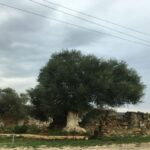
Cooking in an olive orchard beats tourist food tours. This Chania class turns a family kitchen into your hands-on lesson, with Veerna guiding a full Mediterranean menu under avocado and olive trees.
I love two things here: the fresh garden sourcing, where herbs and vegetables are picked on-site (and you also get ingredients from local farmers), and the wood-fired pace—especially the oven-roasted lamb that needs more than two hours in a stone oven.
One thing to plan for: Nerokourou is about 10–15 minutes outside the center of Chania, and transport isn’t baked into the price. You’ll want to line up your ride (pickup is offered), or drive and park along the fence.
In This Review
- Key Highlights That Matter (Beyond the Usual Pitch)
- A Cretan Home Base Just Outside Central Chania
- Your Welcome: Greek Coffee, Homemade Nibbles, Then the Game Plan
- Oven-Roasted Lamb and the Real Meaning of Thieves Dinner
- Dolmades and Stuffed Vegetables: Rolling Skills in Real Time
- Kalitsounia Dough and Wild Greens: The Part Where You Get to Feel Skilled
- Tzatziki and Dakos: Simple Appetizers Made First in Your Stomach
- The Dinner Seat: Wine, Raki, Dessert, and a Table That Feels Like Family
- Price and Value: What $129 Buys You in a 4-Hour Food Lesson
- Who This Cooking Class Fits Best
- Should You Book Chania Authentic Cooking Class?
- FAQ
- Where is the Chania cooking class located?
- How long is the experience?
- Is transportation included?
- What language is the class taught in?
- What dishes do you cook?
- Is the venue wheelchair accessible?
Key Highlights That Matter (Beyond the Usual Pitch)
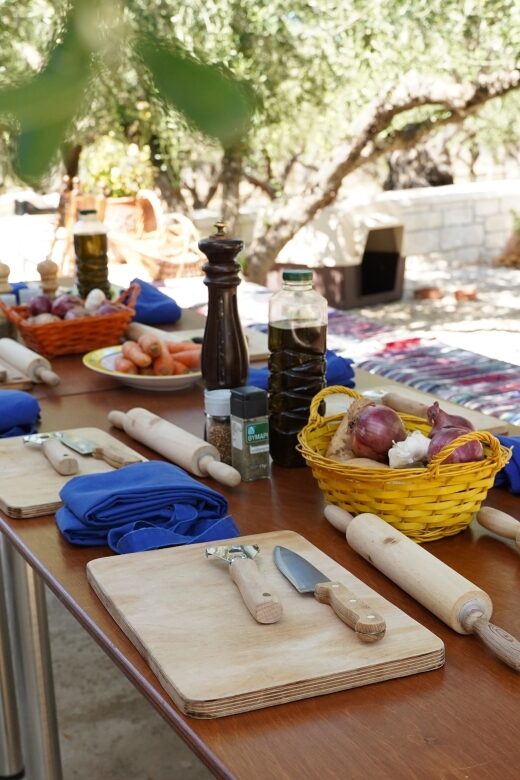
- Veerna’s Cretan cooking credibility: her kalitsounia have been selling for years, and that comes through in both technique and confidence.
- Wood-fired timing that actually makes a difference: lamb cooks slowly in a stone oven while you work on other dishes.
- Garden-to-table details: you gather herbs and vegetables for stuffing, not just work from a pre-portioned kit.
- Hands-on mastery for classic dishes: dolmades and kalitsounia are taught as real skills, not just assembly.
- Appetizers that set the tone: you make tzatziki and dakos, then eat them right away even though they’re prepared later.
- You leave fed, not just informed: dinner includes local wine and raki, dessert at the end, and recipes shared for use back home.
A Cretan Home Base Just Outside Central Chania
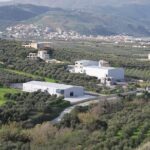
Chania’s “center” is easy. This class isn’t trying to be easy. It’s in Nerokourou, about a 15-minute drive from the city center, in a neighborhood setting that feels like it belongs to the island rather than a tour circuit.
You’ll be taken care of in a family-run setup: a purpose-built kitchen plus outdoor areas in the olive orchard space. Reviews repeatedly point to the warm, lived-in feeling—people are greeted like family, and the setting includes an herb garden and olive-farm atmosphere with animals and even playful puppies.
If you’re staying in the old town or near the waterfront, do yourself a favor and plan the timing of your ride early. Parking is along the fence, and pickup/transfer options depend on where you are starting from.
You can also read our reviews of more cooking classes in Chania

Your Welcome: Greek Coffee, Homemade Nibbles, Then the Game Plan

Before you touch a rolling pin, you get the slow, friendly start that defines the whole experience. You’re welcomed with a homemade refreshment or Greek coffee, plus cookies.
While you sip and snack, the menu gets explained: it’s Mediterranean-based, and the dishes are spread out so you’re not stuck standing around. You also get the “why” behind what you’re cooking—especially as the first course hits the wood-fired oven and buys you time for the hands-on parts.
The class runs in English, and the teaching style stays practical. Even if you don’t cook much, you get direction in the moment—what to do next, what to watch for, and how to shape the foods so they come out right.
Oven-Roasted Lamb and the Real Meaning of Thieves Dinner
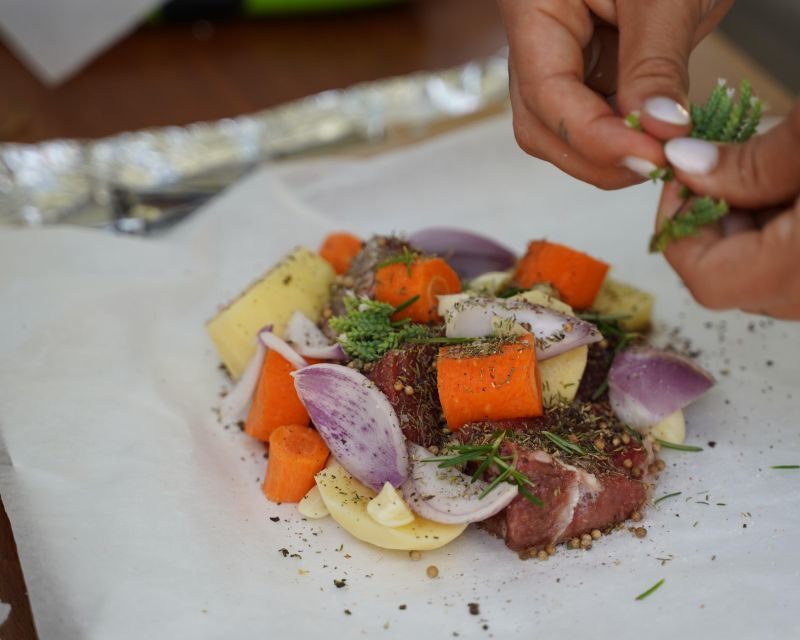
The first big dish goes into the oven early: oven-roasted lamb. The point isn’t speed. The lamb cooks for over two hours in a wood-fired stone oven, which is the kind of slow heat that builds flavor without needing a complicated technique.
Here’s where the class becomes more than cooking. You learn about why this lamb dish is called “the thieves dinner,” along with its historic significance. It’s the sort of local story that makes the meal feel tied to place and time, not just a recipe you copy.
While the lamb works its magic, you’re actively cooking other things. That pacing matters. You get momentum, not waiting. The food comes together when it should, and you’re not exhausted before dinner even starts.
Dolmades and Stuffed Vegetables: Rolling Skills in Real Time
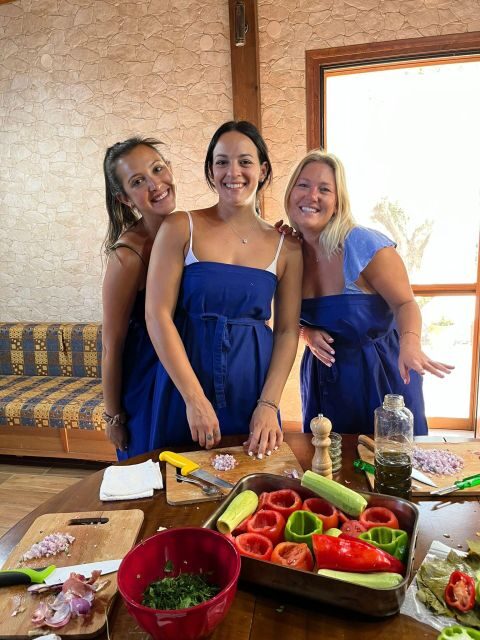
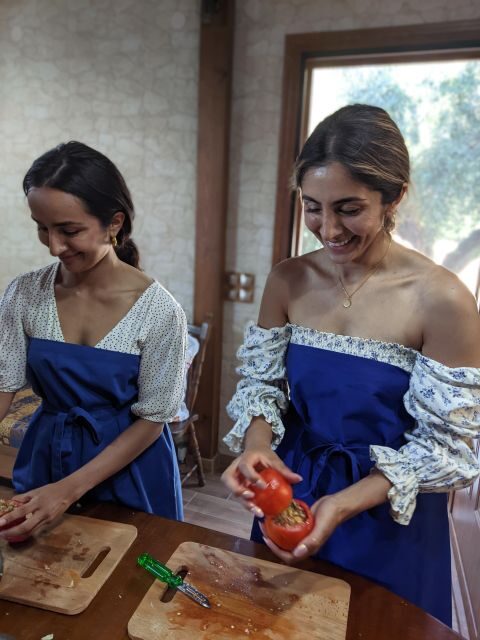
Once the oven is going, you switch to stuffed vegetables and stuffed grape leaves—dolmades. This is one of the true technique sections of the class, because rolling grape leaves is delicate work.
You don’t just get a tray of prepped filling. You gather herbs and vegetables from the garden for the stuffing. That turns the dish into something you can recreate later, because you understand what goes inside and where the flavors are coming from.
You’ll learn how to roll dolmades without panic. It’s slow at first, then it clicks—especially once you see the structure and how tight (but not crushed) each roll needs to be. And yes, you put them into the oven so you can watch the transformation from raw roll to finished bite.
Kalitsounia Dough and Wild Greens: The Part Where You Get to Feel Skilled
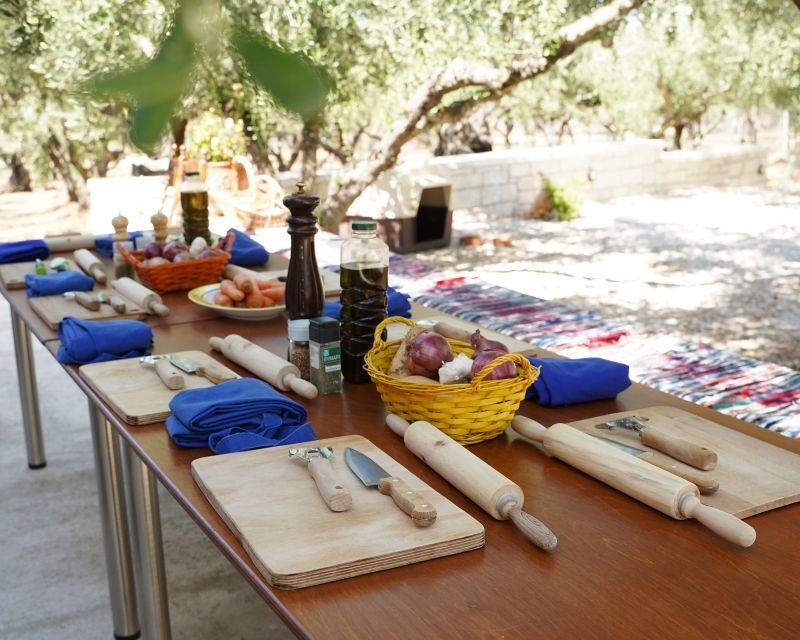
Then it’s time for kalitsounia, traditional Cretan pies. Expect dough work: you’ll roll out the dough using rolling pins, then fill it with cheese and wild greens.
This is where the class gets hands-on in a very satisfying way. A recurring theme in the feedback is how approachable the steps are—people often expect phyllo-style dough work to be impossible, then realize it’s learnable with good guidance and the right pace.
If you like recipes you can actually repeat at home, this is your section. You learn the shape-and-fill logic so you’re not only memorizing an ingredient list.
The ingredient quality also helps. Between garden herbs and local supplies, the pies taste like they belong to Crete, not like they were engineered for tourists.
A few more Chania tours and experiences worth a look

Tzatziki and Dakos: Simple Appetizers Made First in Your Stomach
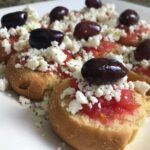
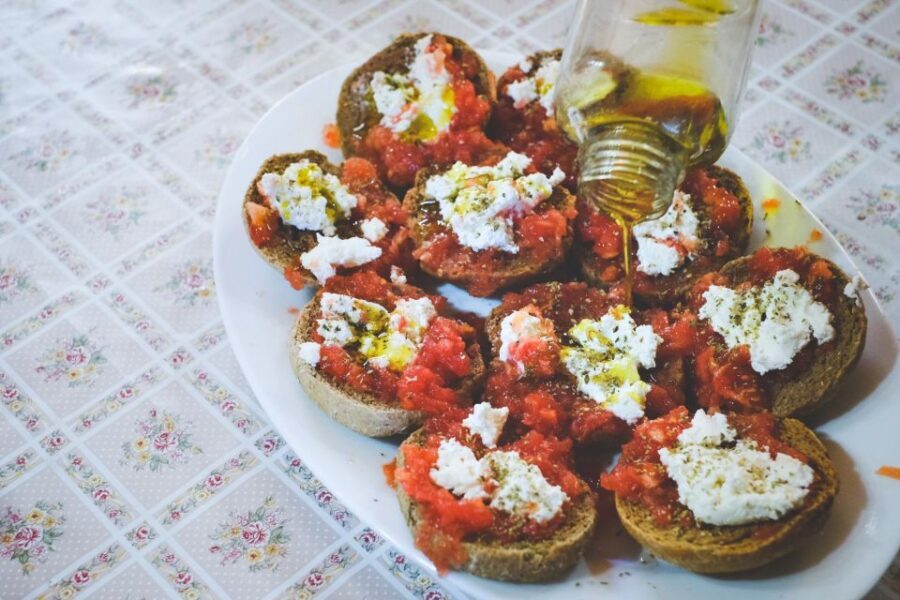
One clever part of the flow: appetizers are prepared last but enjoyed first. You’ll make tzatziki and dakos, then you eat them while other items finish.
That choice makes sense. You get the relief of an immediate payoff—cool, creamy, crunchy flavors—while the cooking continues behind the scenes. It’s also a nice reset between dough work and oven work, so the whole 4-hour session stays lively instead of tiring.
Dakos is a classic Cretan snack base, and pairing it with tzatziki hits the Mediterranean sweet spot: tangy, fresh, and satisfying without being heavy. Even if you’re not a “snack person,” you’ll likely appreciate these more than you expected.
The Dinner Seat: Wine, Raki, Dessert, and a Table That Feels Like Family
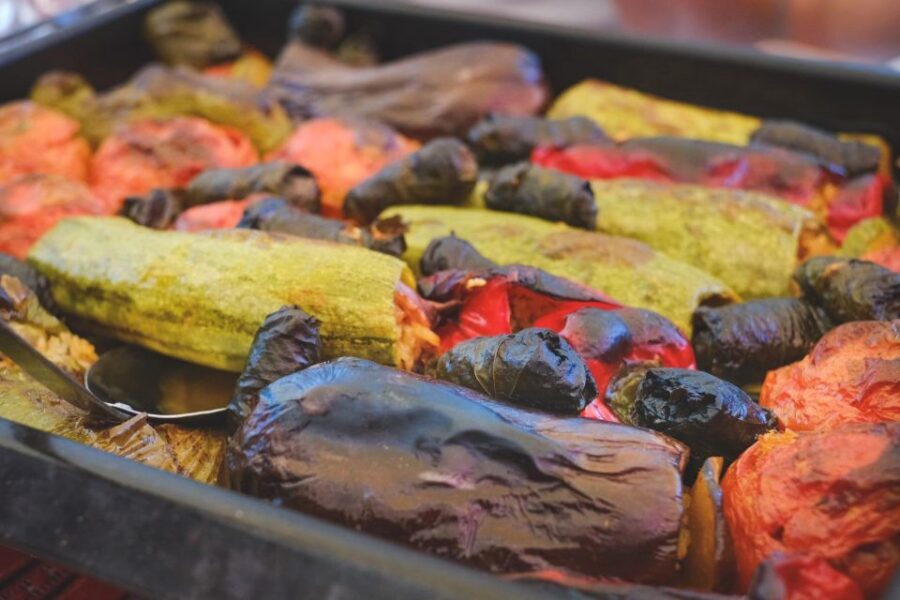
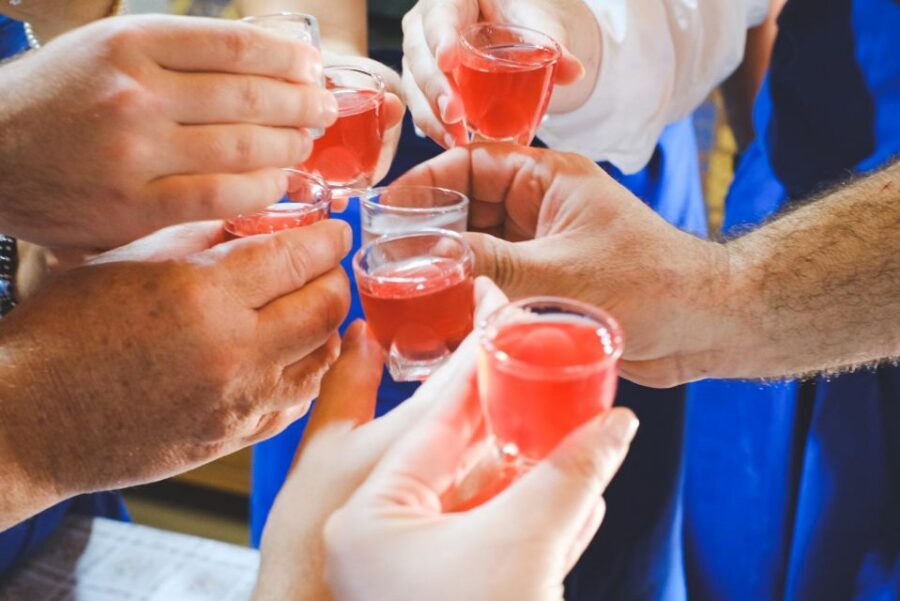
Finally, you eat. You’ll enjoy the traditional Cretan dishes you helped create, along with generous amounts of local wine and raki. Dessert is always part of the end of the meal, so plan your portions with that in mind.
This is also where the family atmosphere really shows. People describe the experience as welcoming and well organized, with hosts who keep it fun and human. There are stories about birthday surprises too, including a cake brought for a guest—small moment, big heart.
If you like leaving with practical takeaways, watch for this detail: recipes for what you make are shared so you can try again at home. Some participants also mention leftovers packed for later, which is an easy win if you want another dinner without hunting for food.
Price and Value: What $129 Buys You in a 4-Hour Food Lesson
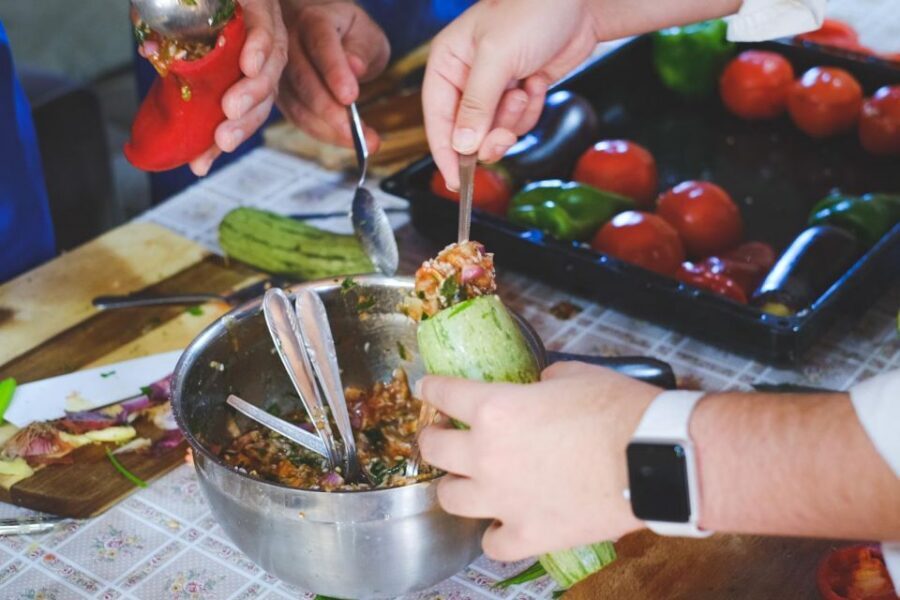
At $129 per person for a 4-hour class, the cost isn’t “cheap,” but it’s also not just a demo. You’re paying for multiple things that add up fast if you tried to do them on your own: ingredients, instruction, cooking tools and space, and the slow-cook structure of a wood-fired stone oven plan.
You also get real meal value. Lunch or dinner is included, along with generous local wine and raki. And you’re not only eating one dish—you’re making several components of a full Mediterranean plate: lamb, dolmades and stuffed vegetables, kalitsounia, plus tzatziki and dakos, and dessert.
The setting adds value too. You’re cooking in an olive orchard environment, not in a sterile room. When the ingredients are fresh and the pace is efficient, the experience feels worth paying for.
If you’re the type who wants to learn recipes and actually cook them later, this is a strong match. If you’re purely after a quick food taste, you might decide it’s more time than you need—but for serious eaters, it’s a bargain compared to how expensive “one-and-done” meals can be during a trip.
Who This Cooking Class Fits Best
This class is a great fit for people who enjoy hands-on work and want context, not just steps. You’ll learn delicate rolling for dolmades, dough handling for kalitsounia, and how the timing of oven dishes drives the whole menu.
It’s also family-friendly. One review specifically called out teens who surprised themselves by eating the vegetables, and another mentioned the experience being enjoyable for everyone in the group. If your group includes mixed ages, the practical teaching and communal meal format can work well.
You might want to choose something else if you’re hoping for a mostly passive experience. This is a do-it-with-your-hands kind of class, and you’ll spend real time preparing dishes (with soiled hands, as one participant noted).
Group logistics are semi-private, and you may share transport with other guests. Once you arrive, the vibe shifts back to “family home,” not big-tour group energy.
Should You Book Chania Authentic Cooking Class?
I think you should book it if you want a Cretan cooking class that’s built around real ingredients, real technique, and real stories. The combo of Veerna’s teaching, the wood-fired lamb setup, garden-based stuffing prep, and a full sit-down meal with wine and raki makes it more like learning a local tradition than copying recipes from a brochure.
You might pass if you dislike planning transport out of central Chania, or if you don’t want a hands-on session where you’re rolling, stuffing, and cooking alongside others. In that case, a shorter tasting tour might fit better.
If you can get there and you’re hungry to learn, this one earns its reputation.
FAQ
Where is the Chania cooking class located?
It’s in Nerokourou, about 10–15 minutes from the center of Chania. You’ll park along the fence, and an exact pickup point is provided via the map link.
How long is the experience?
The duration is 4 hours, and starting times depend on availability.
Is transportation included?
Pickup is included, but transfer service (from other locations) has an extra fee. The class is located outside central Chania, so you’ll want to plan your ride.
What language is the class taught in?
The instructor teaches in English.
What dishes do you cook?
You learn and prepare multiple Mediterranean staples, including oven-roasted lamb (thieves dinner), stuffed vegetables, dolmades (stuffed grape leaves), kalitsounia, plus tzatziki and dakos. Dessert is also included.
Is the venue wheelchair accessible?
Yes, the experience is wheelchair accessible.