REVIEW · CHANIA
Chania Monasteries Private Tour: A Greek Orthodoxy Tribute
Book on GetYourGuide →Operated by Proper Cretan Guide · Bookable on GetYourGuide
Chania’s Christian story is not confined to grand city churches. This private tour leads you into forgotten Byzantine ruins, cave churches, working monasteries, and mountain chapels where the setting often matters as much as the building. Historian Apostolis guides the day, explaining Orthodox worship, monastic life, ancient beliefs, and the links between Crete and the wider Byzantine world.
I like the private format, since you can spend more time at the places that catch your attention and make small detours to suit your interests. I also like the mix of archaeology and living tradition, from an old olive-oil mill to monks going about their daily work. The main consideration is the pace: 7.5 hours, mountain roads, ruins, and several religious sites make this a full day rather than a light sightseeing outing.
In This Review
- Key points at a glance
- Why this tour is different from a standard Chania outing
- The first church ruins and the beginnings of Orthodox worship
- A monastery from around 1600 and the meaning of the altar
- The old olive mill and the working side of church life
- Coffee in a Cretan village
- Akrotiri’s mountain monasteries and monastic tradition
- The underground Church of St. Spyridon
- A secluded monastery complex above the Aegean
- The final whitewashed chapel and the best photo stop
- What the private format adds
- Who should book this Chania monastery tour
- Should you book it?
- FAQ
- How long does the Chania Monasteries Private Tour last?
- Where does pickup take place?
- Is this a private tour?
- Who guides the tour?
- What religious sites will I visit?
- Is lunch included?
- Are entrance fees included?
- What should I wear?
- Can I cancel or pay later?
Key points at a glance
- Apostolis leads from a historian’s point of view: His background in History and Byzantine Archaeology gives the churches, rituals, and ruins a clear setting.
- The underground Church of St. Spyridon is unusual: You visit one of the few Greek Orthodox churches built below ground.
- An old olive mill shows the church’s practical role: You learn how olive oil was made and how church property helped poor rural communities.
- Akrotiri brings the strongest monastery scenery: Mountain passages lead to active monasteries, cultivated land, relics, and wide views.
- The private vehicle keeps the day flexible: Stops and diversions can be adjusted around your interests, including a preference for monasteries near the water.
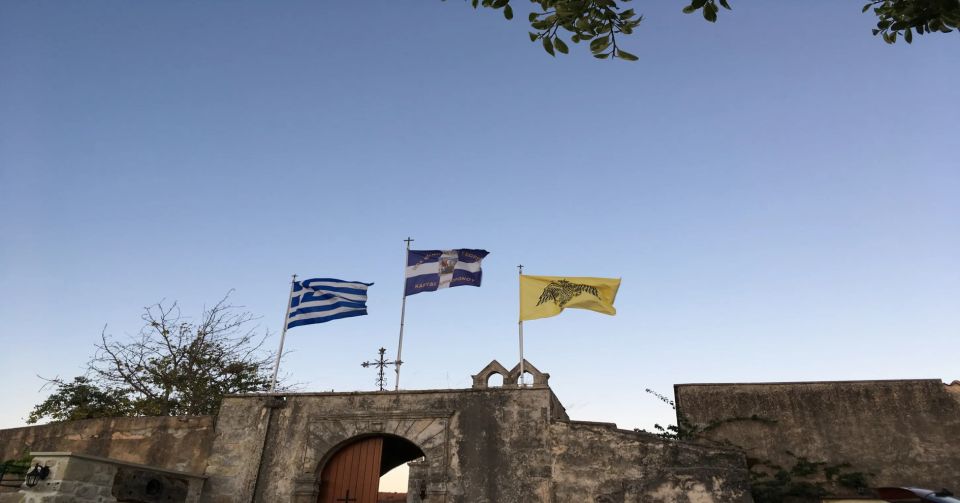
- The final chapel delivers the big view: An abandoned monastery complex and whitewashed chapel devoted to the Virgin Mary provide a quiet finish.
Why this tour is different from a standard Chania outing
Many Crete day trips focus on beaches, archaeological sites, or food. This one takes a narrower route through Greek Orthodox tradition in western Crete. You are not simply checking churches off a list. You are looking at how people worshipped, how monks lived, how monasteries managed land, and how older belief systems shaped rural life.
The tour also reaches places that are not part of the usual Chania circuit. Some stops are abandoned, some remain active, and some are described as being in undisclosed locations. That secrecy adds a sense of discovery, though it also means you should not expect a fixed list of famous monuments with large signs and polished visitor facilities.
Apostolis is an important part of the experience. His job is not just to drive between sites. He explains ancient Orthodox doctrines, the divine liturgy, the role of the altar, and the ceremonies held in Cretan monasteries. He also discusses the 12 gods of Mount Olympus and their connection to prosperity and farming, giving you a useful bridge between ancient Greek beliefs and later Christian practice.
You can also read our reviews of more private tours in Chania

The first church ruins and the beginnings of Orthodox worship
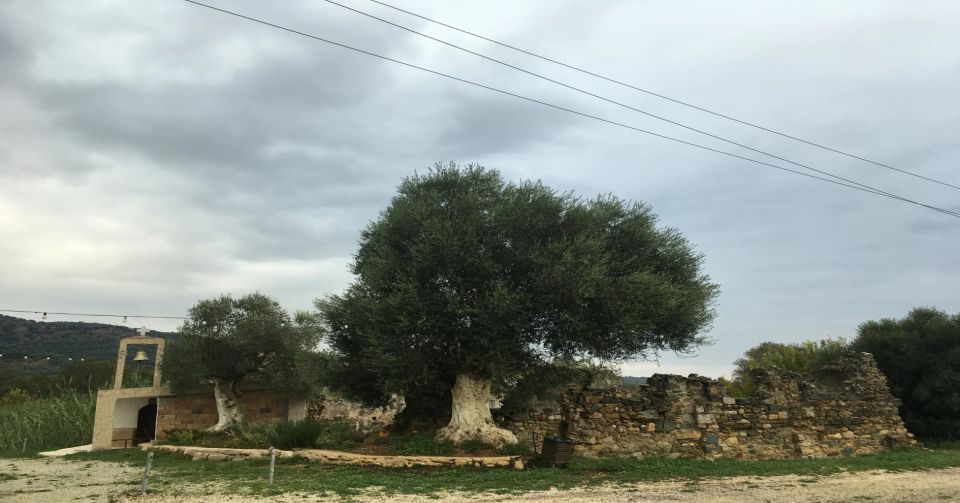
After pickup in central Chania, you spend about 30 minutes in the van before reaching the first area. The opening stop is the ruin of an unknown church complex linked to the Byzantine era. You wander among ancient remains while Apostolis explains how early Orthodox worship was organized and how the divine liturgy was carried out.
This is a good way to begin because the site gives the day an archaeological base. You are not starting with a grand, intact church where the details can blur together. Instead, you must look at fragments and remains, then use the guide’s explanation to picture how the complex once functioned.
Allow yourself time to look closely. The value here comes from interpretation, not from a long list of preserved objects. If you prefer complete monuments, this first stop may feel modest. If you like old sites with questions still attached to them, it sets the right tone.
The surrounding Chania Regional Unit also gives the guide room to explain how religion changed across the centuries. Ancient deities, Christian worship, rural work, and local survival all appear in the conversation. That wider context is one of the strongest reasons to choose a historian-led tour rather than visit the churches alone.
A monastery from around 1600 and the meaning of the altar
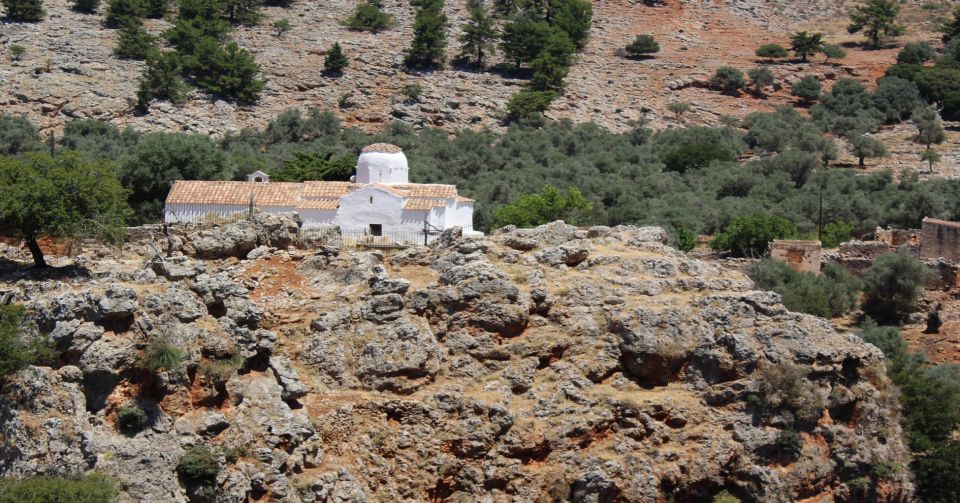
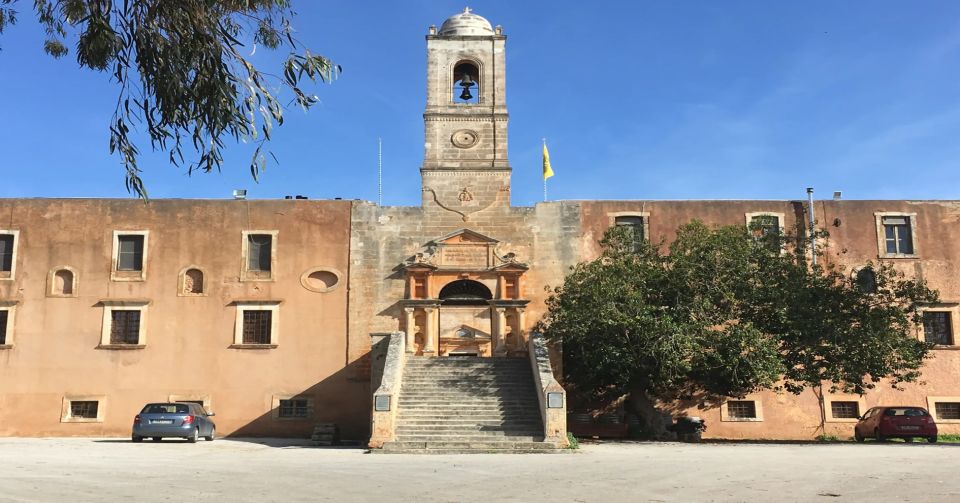
The next major stop is a monastery dating to about 1600. Here, you get a closer look at Byzantine archaeology and Crete’s connection with the Byzantine Empire. Apostolis explains the altar and the rituals and celebrations that take place inside Cretan monasteries.
This section should appeal to you if you want to understand what you are seeing inside an Orthodox church. The altar is not just a decorative focal point. Its meaning, position, and use connect the building to the services held there. A guide with a Byzantine Archaeology background can help you notice details that are easy to miss when you enter quietly on your own.
The visit is also a chance to see how a monastery combines spiritual purpose with practical land use. The church’s religious role is central, but the wider property and its work shaped life in the countryside. That theme becomes clearer at the next stop.
The old olive mill and the working side of church life
A nearby abandoned olive mill offers one of the tour’s most unusual stops. You learn about the demanding process of making olive oil and about the large assets Orthodox churches accumulated through centuries of tradition and donations.
This is useful context for understanding why monasteries could survive in remote areas. Land, olive production, and donations were not abstract financial matters. They helped support religious communities and, in the tour’s presentation, contributed to the survival of poor Cretan countryside people.
The mill also keeps the day from becoming a procession of icons and church interiors. You see the economic side of rural life, with olive oil production acting as a link between farming, church property, and community support. The building is abandoned, so do not expect an operating mill or a hands-on demonstration. Its value is in the story of the place and the work once done there.
You may also have a talk with the superior of the monastery. This can broaden the day beyond the guide’s historical explanation and give you a direct sense of present-day spiritual life. The schedule allows time for questions, which is especially helpful if you are unfamiliar with Orthodox customs.
Coffee in a Cretan village
A roughly one-hour break in a traditional Cretan village gives you time to rest and ask Apostolis questions. It is a practical pause after the first group of sites, especially since the tour continues into the mountainous Akrotiri area.
Lunch and drinks at private tour stops are not included, but the tour does provide a box with water, a banana, an apple, and chocolate. Plan on using the village break for coffee or additional food if you need a more substantial meal. Since the exact café arrangements are not specified, it is wise to clarify what you want before the day begins.
I like this pause because the private format allows conversation to continue rather than forcing you onto the next scheduled photo stop. The guide can revisit a ritual, explain a term, or adjust the next part of the day to your interests.

Akrotiri’s mountain monasteries and monastic tradition
The route then turns toward Akrotiri, the mountainous area northeast of Chania. Akrotiri is known for monasteries, hermits, ascetics, and secluded religious sites. The drive itself forms part of the experience, with tiny mountain passages and cultivated monastery lands replacing the busier parts of the city.
You visit two active monasteries described as desolate and exceptionally beautiful. Their remote settings are a major part of the appeal. You see cultivated land, Christian relics, and religious objects connected to Orthodox tradition, while monks carry out their daily duties nearby.
This is where respectful behavior matters most. You are entering active religious communities, not just historical monuments. Wear proper clothing that covers shoulders and knees, and choose comfortable shoes and weather-appropriate clothes. Athletic clothing and sturdy footwear are advised, but clothing should still meet monastery standards.
Apostolis explains the hardships of monastic life and the high spiritual demands placed on monks. You are not promised a staged presentation. The point is to observe a living tradition at a respectful distance and to understand how isolated communities function.
The tour also discusses the close links between Cretan monasteries and Mount Athos. That connection gives the sites a wider Greek Orthodox frame. You can place what you see in Crete within a broader monastic tradition rather than treating each monastery as an isolated local curiosity.
The underground Church of St. Spyridon
One included stop is an old underground church devoted to St. Spyridon. Churches below ground are rare within Greek Orthodox tradition, so this is likely to be one of the most memorable parts of the day.
The setting changes how you experience the space. An underground church naturally feels more enclosed and private than a large monastery church, and Apostolis can explain why such places mattered to hermits and religious communities. The tour also refers to caves where hermits once resided, tying the church to Akrotiri’s wider monastic past.
Because the route includes old and abandoned places, conditions may feel less polished than at a major visitor site. Wear shoes that can handle uneven ground and follow the guide’s instructions. The experience is about atmosphere and religious history, not comfort or elaborate visitor services.
A secluded monastery complex above the Aegean
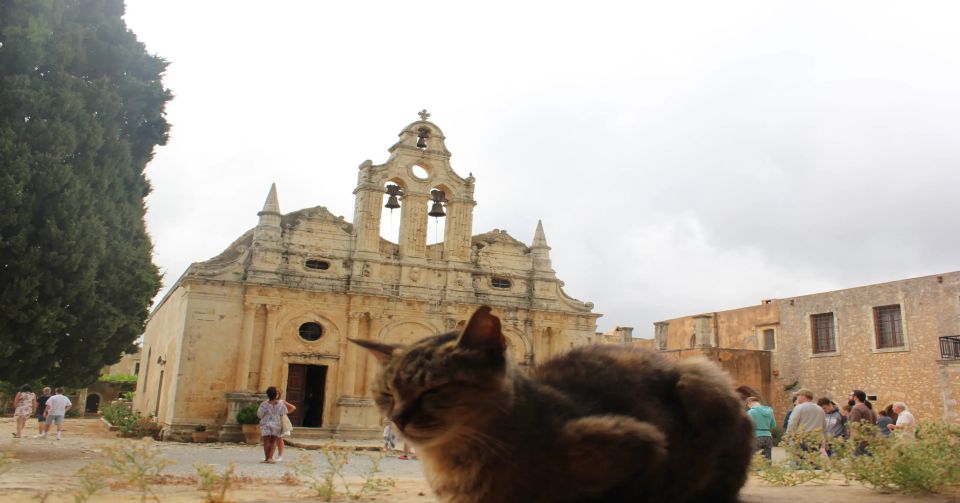
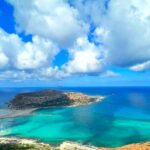
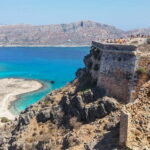
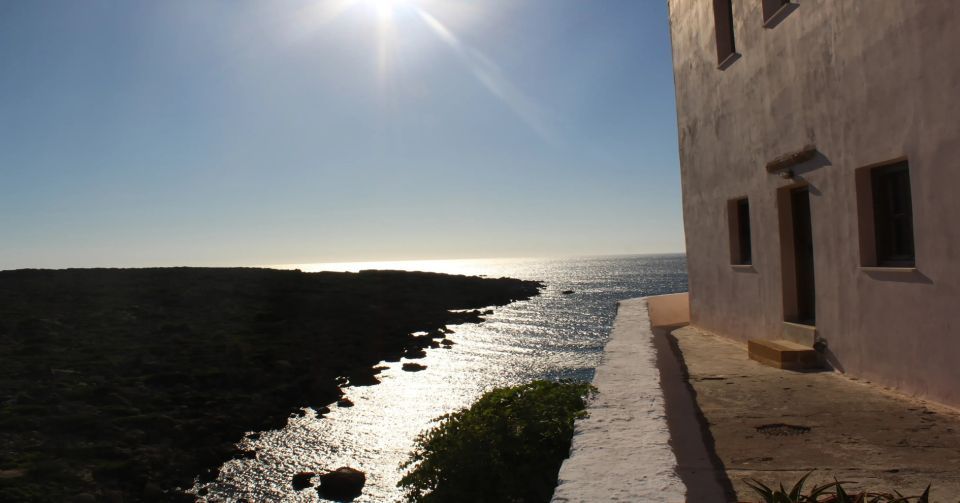
Later, you visit an abandoned monastery complex in an undisclosed location. The secrecy keeps the site away from the normal sightseeing path, while the setting provides broad views over the Aegean Sea.
This stop works best if you enjoy quiet places and photography. You can explore the remains, learn about the site’s role, and take time for pictures without the feel of a crowded attraction. The views also give you a chance to see why hermits and monks chose remote parts of the island.
Keep your expectations practical. An abandoned complex may lack restored interiors, signs, railings, and other features found at popular monuments. The guide’s presence is particularly important here, since the story and safe movement through the site are part of what makes the visit worthwhile.
The final whitewashed chapel and the best photo stop
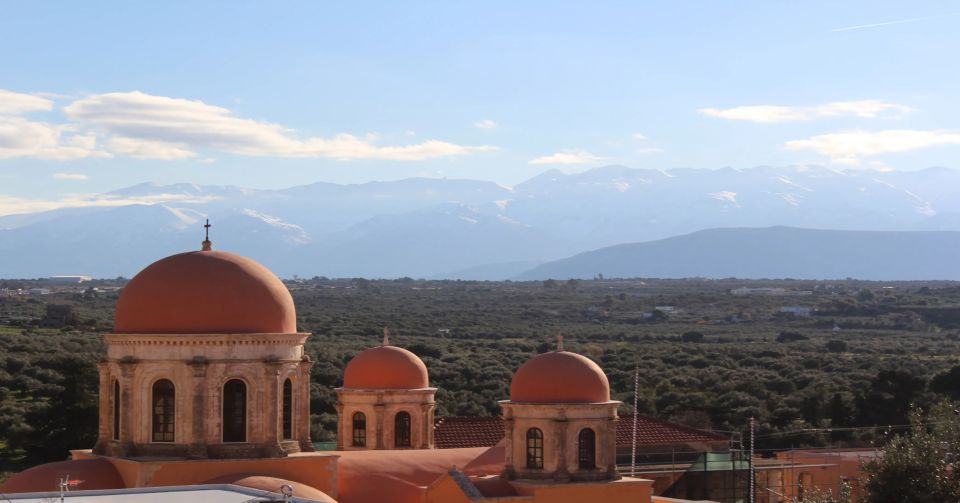
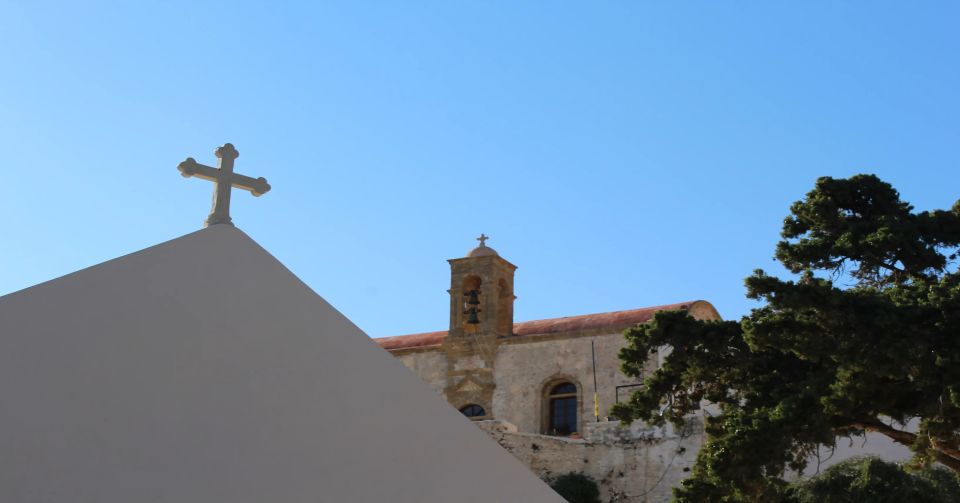
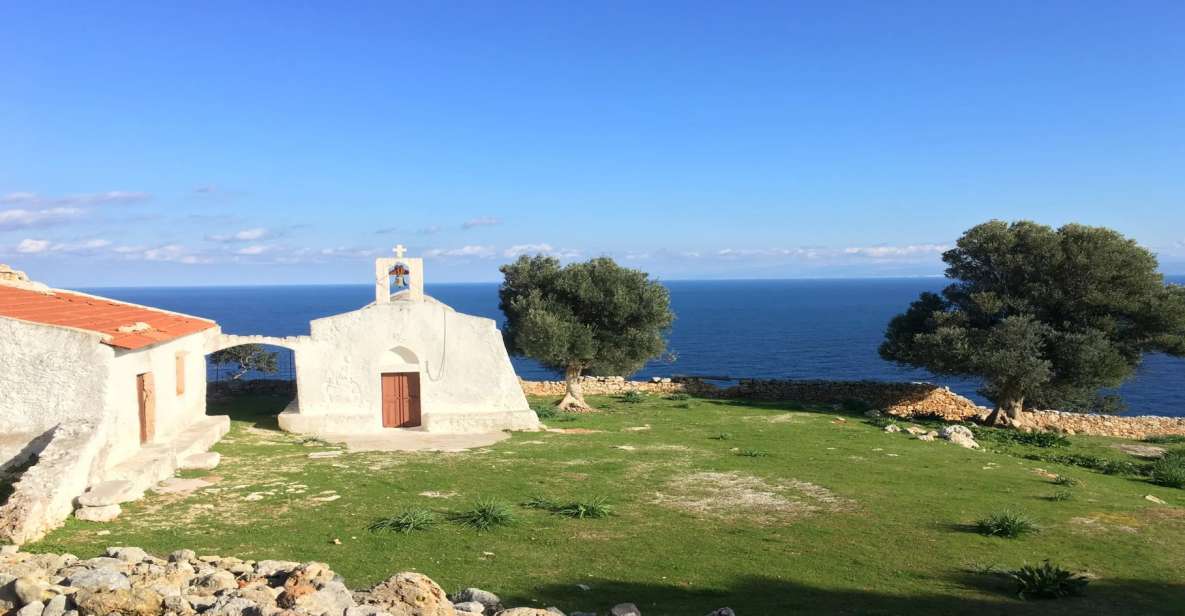
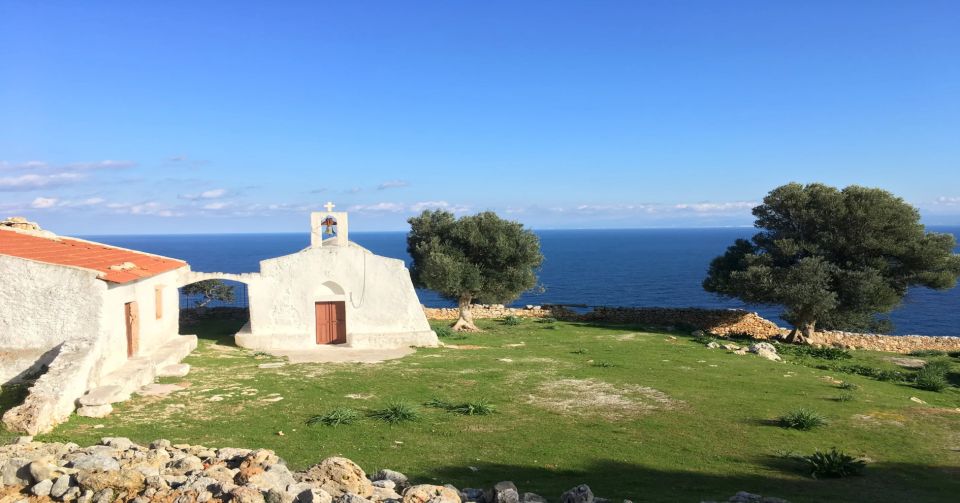
The tour ends near an old monastery complex and a whitewashed chapel devoted to the Virgin Mary. The views are described as among the most striking of the day, making this a natural place to pause, pay your respects, and take photographs.
The chapel provides a gentle ending after the archaeology, monastery visits, and long conversations. It is small, simple, and tied to the landscape around it rather than designed as a grand architectural showpiece. You get a final reminder that Cretan religious life often appears in modest buildings set far from town.
The return to Chania completes a day of about 7.5 hours. You should expect a full excursion, not a quick half-day loop. The schedule includes several guided visits, photo stops, a break, and driving through mountain areas.
What the private format adds
At $176 per person, the price needs to be judged against what is included. You receive a private group, hotel pickup and drop-off from central Chania areas, modern air-conditioned transport, a professional guide certified by the Greek Ministry of Tourism, and a guide specializing in History and Byzantine Archaeology.
You also receive the snack box, flexible stops, possible diversions, and small surprise gifts at the end. Entrance fees and meals or drinks at private stops are extra, so keep some money aside for those costs.
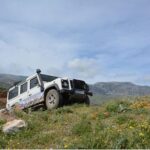
The private setup is most valuable for people who want to ask questions or adjust the day. Apostolis has changed detours to suit interests, including a preference for monasteries by the water, and he does not need to rush your group from one stop to the next. That flexibility is harder to achieve on a large coach tour.
The price makes less sense if you only want to see one famous monastery or prefer a short, self-guided outing. You are paying for a specialist guide, transport, access to lesser-known religious sites, and a full day of interpretation. If those are your priorities, the cost is easier to justify.
Who should book this Chania monastery tour
I would choose this experience if you have a serious interest in Orthodox Christianity, Byzantine archaeology, rural Crete, or religious architecture. It also suits repeat visitors who have already seen central Chania and want a different side of the region.
It is a good fit for couples and small family groups who value a relaxed conversation with a guide. The private vehicle means you can discuss your interests openly and ask for flexible stops where possible. The guide speaks English and Greek, and the specialized tour information also lists German availability.
You should be comfortable with a long day, van travel, mountain passages, ruins, and active religious sites. Wear respectful clothing and good walking shoes. The activity is listed as wheelchair accessible, but because the route includes abandoned complexes, underground spaces, and ancient remains, ask the provider about the specific stops before booking if you need step-free access throughout.
Free cancellation is available up to 24 hours before the start, and you can reserve now and pay later. Pickup is included from central Chania areas, with hotel lobby pickup requested 10 minutes before departure. The tour can also operate as a shore excursion covering Chania and Souda Cruise Port.
Should you book it?
Book this tour if you want Chania explained through monks, archaeology, farming, ritual, and remote mountain sites, not just photographed from the roadside. Apostolis is the key reason the day works: he brings specialist training, humor, patience, and the flexibility to shape the outing around your interests.
Skip it if you want a short sightseeing trip, a large selection of famous monuments, or a guaranteed full meal included in the price. For the right audience, though, this is a thoughtful and unusual way to understand Crete’s Orthodox tradition, with the underground church, old olive mill, active monasteries, and final sea views providing plenty of variety.
FAQ
How long does the Chania Monasteries Private Tour last?
The tour lasts 7.5 hours, including transportation, guided visits, photo stops, and a one-hour break in a traditional Cretan village.
Where does pickup take place?
Pickup and drop-off are included from central Chania areas. You should wait in your hotel lobby 10 minutes before the scheduled pickup time.
Is this a private tour?
Yes. The experience is offered for a private group, with private transport in a modern air-conditioned vehicle.
Who guides the tour?
The guide is Apostolis, a historian with a degree in History and Byzantine Archaeology. The guide is certified by the Greek Ministry of Tourism and provides the tour in English or Greek. German availability is also listed for the specialized guide service.
What religious sites will I visit?
The tour includes an abandoned Byzantine-era church complex, a monastery dating to around 1600, a church with an old olive-oil mill, an underground church devoted to St. Spyridon, two active monasteries in the Akrotiri area, an abandoned monastery complex, and a whitewashed chapel devoted to the Virgin Mary.
Is lunch included?
A snack box with water, a banana, an apple, and chocolate is included. Lunch and drinks at private tour stops are not included.
Are entrance fees included?
No. Entrance fees are not included in the tour price.
What should I wear?
Wear weather-appropriate clothing, comfortable shoes, and athletic clothing suitable for walking. Proper clothing is required when entering the monasteries.
Can I cancel or pay later?
You can cancel up to 24 hours in advance for a full refund. Reserve now and pay later is available, so you do not need to pay at the time of booking.