REVIEW · SYROS
Cooking class, traditional Greek cuisine, on a Greek island
Book on Viator →Operated by Villa Maria’s Kitchen · Bookable on Viator
Seven Greek dishes, one sunny villa kitchen. This small-group class at Villa Maria in Ermoupoli is a practical way to learn traditional Greek home cooking, not just watch it. I especially love the hands-on step-by-step teaching and the fact you sit down afterward for the meal you made. The main drawback to plan for is that the experience is about 4 hours, so you need a solid late-morning block.
You start with a glass of wild-herb herbal tea while you get real context on Greek culinary traditions. Then you cook in the villa’s gourmet kitchen and end in the garden shaded by a fig tree (or indoors with bay views if the weather asks for it). One more thing to consider: the menu is seasonal, so while you can see examples, what you cook may vary.
In This Review
- Key highlights worth planning around
- Villa Maria Kitchen and Why Ermoupoli Makes Sense
- Start at 11:00 with herbal tea and Greek food context
- The hands-on cooking class: how you make seven Greek dishes
- What the class might look like with real dish examples
- Starters, pie, salad, mains, dessert: the menu logic you’ll actually use later
- Starters that teach the flavor base
- A pie that teaches dough and filling thinking
- Salad as a palate reset, not a side thought
- Mains that show technique plus restraint
- Dessert that lands softly and feels old-school
- Dining in the shaded courtyard: what the shared feast adds
- Optional wine and cheese pairing: worth it if you love tastings
- Price and value: what you’re really buying for $157.28
- Vegan and vegetarian options, and why answering preferences helps
- Logistics that matter: group size, location shifts, and timing
- Who should book this class
- Should you book Villa Maria’s Greek cooking class?
- FAQ
- Where is the meeting point?
- What time does the class start?
- How long does the experience last?
- How many dishes will I learn to make?
- Can I request a vegan or vegetarian option?
- Is lunch included?
- Is wine and cheese included in the price?
- What happens if fewer than 4 people book?
- Are service animals allowed?
- Can I cancel for a full refund?
Key highlights worth planning around
- Seven dishes, not a demo: you’ll actually cook a full menu, built around real Greek home recipes.
- Villa Maria’s kitchen + courtyard meal: cooking and eating happen in the same charming setting.
- Elisa’s history-and-technique instruction: ingredient recognition and practical steps, not just storytelling.
- Optional wine-and-cheese pairing: add tasting of Greek wines and artisanal cheeses for an extra cost.
- Small groups, up to 12: enough hands-on attention without feeling lost in a crowd.
Villa Maria Kitchen and Why Ermoupoli Makes Sense
Ermoupoli is one of those Cyclades hubs that feels livable, not just postcard-perfect. Villa Maria is in the middle of that vibe: a historical guesthouse setup where the cooking feels personal.
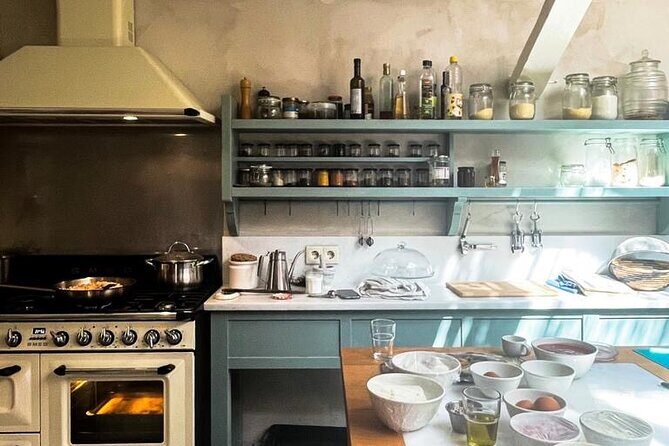
What I like most is that the class isn’t trying to be a show. You’re working in a kitchen built for teaching, then eating in a shaded courtyard or in a dining room with bay views. That flow matters. It turns the class from a stand-alone activity into a real afternoon.
You can also read our reviews of more cooking classes in Syros
Start at 11:00 with herbal tea and Greek food context
The class begins at 11:00 am at Villa Maria (Villa Maria-SyrosIdras 42, Ermoupoli 841 00, Greece). You’ll meet in front of the guesthouse and head into the gourmet kitchen for the lesson.
Before the chopping and stirring starts, you’ll get a glass of herbal tea made with island wild herbs. Along with it, you’ll receive an intro to Greek culinary tradition—enough background to understand why ingredients are treated the way they are. It’s a smart warm-up, especially if you’re not a confident cook.
The hands-on cooking class: how you make seven Greek dishes
This is a 4-hour session built around hands-on cooking. You’ll learn recipes step by step, with the group cooking a full menu that totals seven local dishes.
You can expect a menu structure that includes starters, a pie, a salad, a main dish, and a dessert. The exact dishes shift by season, but you can get a feel for the kinds of flavors you’ll be working with.
And yes, you’re meant to participate. The kitchen layout is designed for learning, so you aren’t just watching someone else do the work. You’ll also learn practical technique—how to chop, grade, and prep ingredients in a way that makes the final dish come together.
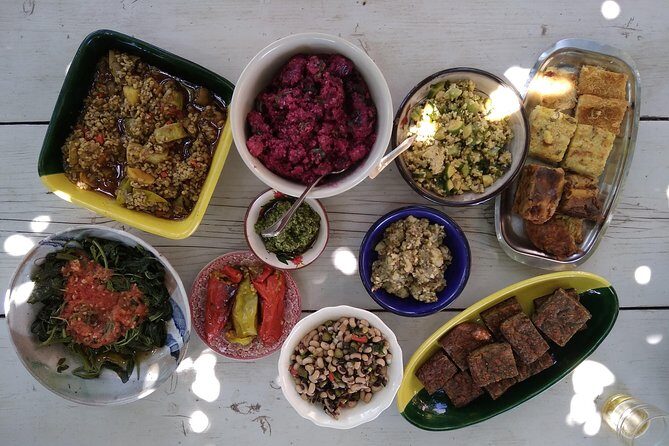
What the class might look like with real dish examples
Here are some examples of what may appear on your menu:
- Split peas puree with caramelised onions, capers, and sun dried tomatoes
- Courgette pie with mint and goat cheese
- Vine leaf pies with yogurt and herbs
- Smoked aubergine spread with walnuts
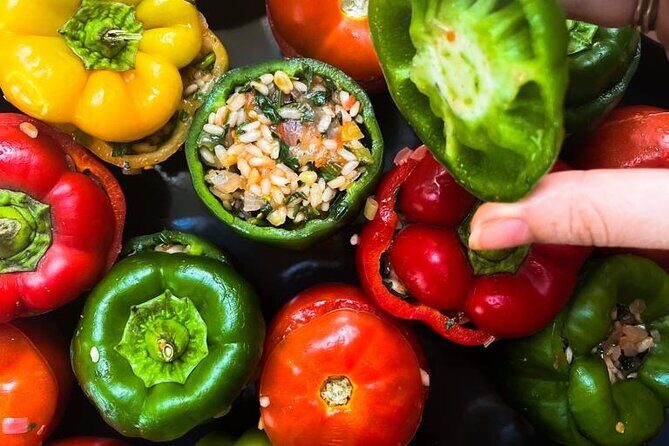
- Stuffed tomatoes or peppers with rice, herbs, currants, and pine nuts
- Sardines stuffed with fennel, lemon, garlic, wrapped in vine leaves
- Semolina halva flavored with orange and cinnamon
- Vanilla and lemon milk pie
Don’t get hung up on the exact selection. The value here is learning how the dishes are assembled and seasoned, using Greek pantry logic: herbs, citrus, olive oil, dairy, and the “few ingredients, big flavor” approach.
Starters, pie, salad, mains, dessert: the menu logic you’ll actually use later
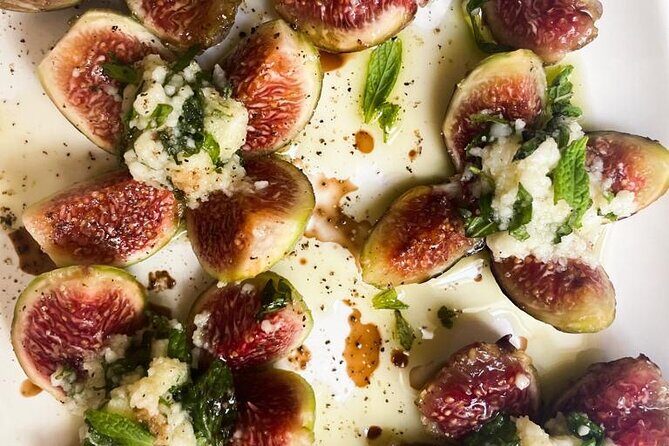
Greek cooking works best when you understand how components work together. This class nudges you toward that.

Starters that teach the flavor base
If you make things like smoked aubergine spread with walnuts, you’ll learn how to balance smoky depth with crunch and freshness. For vine leaf pies with yogurt and herbs, you get a lesson in sourness and herby lift. Split peas puree with caramelised onions shows how sweetness can live next to briny capers and sun-dried tomatoes.
These are not “fancy restaurant” starters. They’re the kind of flavors you’ll recognize from home cooking and island tables. That’s why this works as more than a one-time experience.
A pie that teaches dough and filling thinking
A pie shows up as part of the menu, with options like courgette pie with mint and goat cheese. Even if your pie style is different from what you’re used to, you’ll leave with a workable method: prepare, assemble, and bake in a way that keeps the filling flavorful and not watery.
Salad as a palate reset, not a side thought
You’ll also include a salad as part of the menu. Expect it to function like it does in Greek meals: balancing richness from pies and mains with acid, herbs, and freshness.
Mains that show technique plus restraint
The main dish examples cover both vegetarian and seafood directions:
- stuffed tomatoes/peppers with rice, herbs, currants, and pine nuts
- sardines stuffed with fennel, lemon, garlic in vine leaves
These dishes teach restraint. Greek flavors often come from how you season and assemble, not from heavy complexity. If you pay attention during the cooking, you’ll be able to recreate the idea with what you can buy back home.
Dessert that lands softly and feels old-school
Desserts rotate seasonally too. Options include orange-cinnamon semolina halva and vanilla-lemon milk pie. This category matters because it rounds out the meal. You’re not leaving hungry, and you’re not just learning savory technique.
Dining in the shaded courtyard: what the shared feast adds
After cooking, the meal becomes the payoff. You’ll share what you made in the villa’s shaded courtyard—often under a fig tree—or in the dining room that overlooks the bay.
This is where the class turns social in a good way. It’s not a quick plate-and-go lunch. It’s a sit-down feast with conversation, which makes the recipes stick. When you talk through what you cooked and why it tasted the way it did, you remember.
If you want to bring home more than recipes, this part helps. You get a feel for how Greek meals are paced: starters lead, mains follow, dessert finishes, and the table stays open for questions.
Optional wine and cheese pairing: worth it if you love tastings
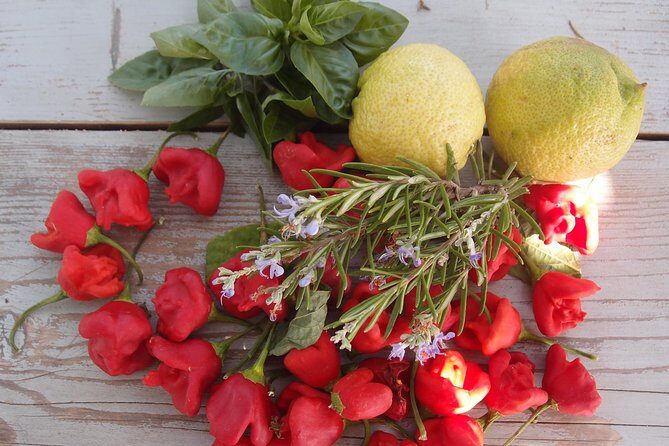
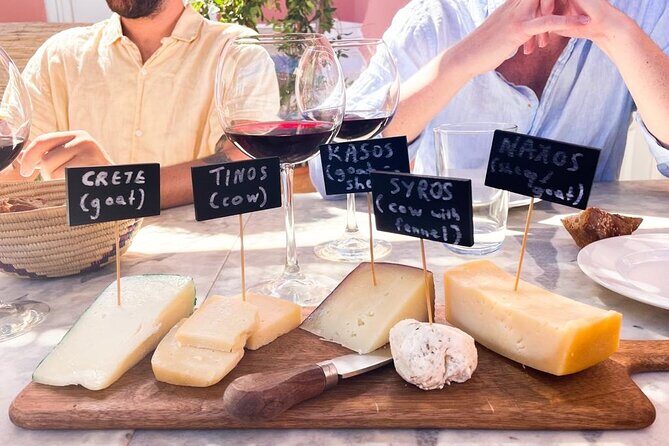
You can add a wine and cheese tasting for 45€ per person (about 47$). It’s not included in the base price.
The tasting includes excellent Greek wines: a white, a pink, a red, and a dessert wine made from Greek grape varieties. You’ll also sample artisanal cheeses from various Greek islands.
Is it worth paying extra? For me, the decision comes down to your travel style. If you already like Greek wines and cheeses, this pairing turns your meal into something more “study-able.” If you’re not into wine tastings, skip it and put that money toward another island experience.
Price and value: what you’re really buying for $157.28
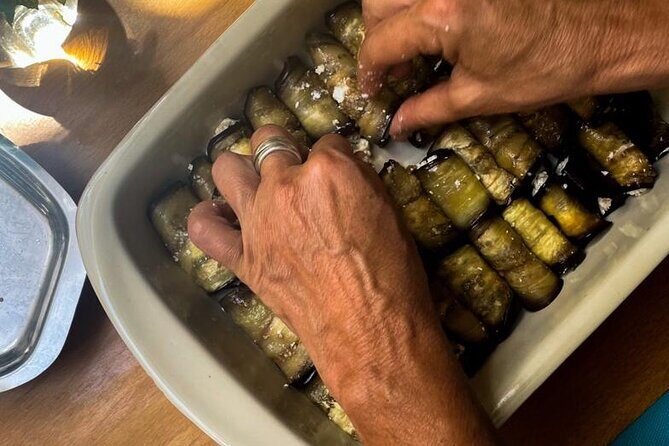
At $157.28 per person, you’re paying for more than a cooking lesson. You’re paying for:
- a 4-hour guided class
- hands-on instruction in a real gourmet kitchen
- preparation of a full menu of seven dishes
- the meal that follows (the lunch/feast part)
That’s the hidden value: ingredients, teaching, and a full eating experience are bundled together. Compared to paying for a class plus separate lunch elsewhere, this tends to feel like a cleaner deal.
The optional wine-and-cheese pairing is extra, but it’s clearly separated. You can choose based on taste, not pressure.
Vegan and vegetarian options, and why answering preferences helps
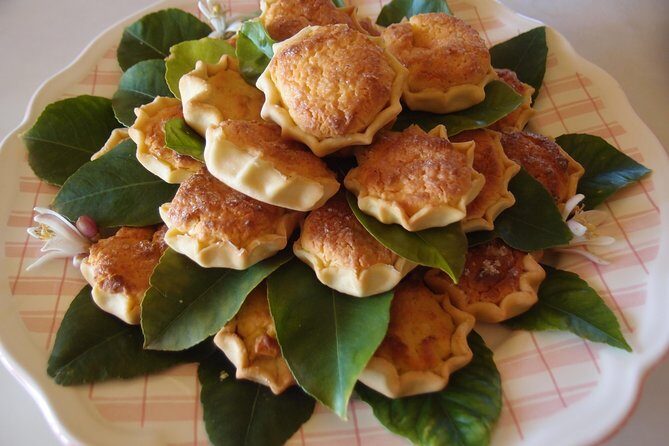
You can opt for a vegan/vegetarian menu. Menus vary by season, so the kitchen isn’t locked into one set list year-round.
One more practical tip: the host asks about likes and dislikes ahead of time. If you want the best chance of a menu that fits your palate, answer those questions instead of leaving them blank. It’s one of those small steps that quietly improves your whole afternoon.
Logistics that matter: group size, location shifts, and timing
The group maximum is 12 travelers, which is ideal for hands-on cooking. Smaller groups also tend to make it easier to ask questions while you’re in the middle of chopping.
You do not include private transportation. Still, the location is near public transportation, so you’re not stuck with only one option for getting there.
One important note: if fewer than 4 participants book, the class may move to a country home kitchen in Finikas, about 10 km from Ermoupoli. In that case, transport is arranged. If you’re planning a tight schedule, it’s smart to keep an eye on any message you receive after booking so you know where the day will unfold.
Who should book this class
This is a great pick if you:
- want real cooking skills you can use later
- enjoy meals that feel like someone’s home, not a theme park
- like learning the story behind ingredients and technique, not just the recipe card
It’s also a solid choice for non-experts. You don’t need to be a confident cook to enjoy it. The teaching is step by step, and the dishes are built around familiar Greek flavor patterns.
If you’re the type who hates getting your hands dirty, you might feel the class is too active. But if you enjoy learning by doing, this is exactly the kind of afternoon that makes you feel like you took something useful from Greece.
Should you book Villa Maria’s Greek cooking class?
Yes, if you want a high-value day in Syros that mixes practical cooking with a proper sit-down meal. The format makes it easy to enjoy yourself even if you’re not a “food person,” because the food is approachable and the setting is genuinely pleasant.
I’d also book it if you care about Greek home flavors—pies, herbs, citrus notes, and dishes that rely on smart combinations rather than complicated tricks. It’s not just about eating well. It’s about learning what to do next time you see those ingredients.
Skip it only if you need a more passive activity, or if your schedule is too tight for a 4-hour block at 11:00 am. Otherwise, this is the kind of experience that turns one afternoon into a repeatable memory.
FAQ
Where is the meeting point?
You’ll meet at Villa Maria-SyrosIdras 42, Ermoupoli 841 00, Greece.
What time does the class start?
The experience starts at 11:00 am.
How long does the experience last?
It runs about 4 hours.
How many dishes will I learn to make?
You’ll learn to make seven local dishes as part of the menu.
Can I request a vegan or vegetarian option?
Yes. You can opt for a vegan/vegetarian menu, and menus vary according to season.
Is lunch included?
Yes. The meal that follows the class is included in the experience.
Is wine and cheese included in the price?
No. Wine and cheese tasting is an optional add-on for an extra 45€ per person.
What happens if fewer than 4 people book?
If there are fewer than 4 participants, the class may take place in the kitchen of a country home in Finikas (10 km from Ermoupoli), and transport will be arranged.
Are service animals allowed?
Yes. Service animals are welcome.
Can I cancel for a full refund?
You can cancel for a full refund if you cancel at least 24 hours before the start time. If you cancel less than 24 hours before, the amount paid is not refunded.