REVIEW · CORFU
Corfu: Greek Cooking Class & Olive Oil Tasting
Book on GetYourGuide →Operated by Corfu Outdoor & Leisure Activities · Bookable on GetYourGuide
Corfu food has a way of making you slow down. This small-group class turns a morning market stroll into a wood-oven cooking day, ending with lunch made like a Greek family meal. You even get to walk through the olive groves and old press ruins, then taste the island’s oil with guidance.
I especially like two things here: the day is hands-on (with an option to watch too), and you’re not just eating Greek dishes, you’re learning how to pick ingredients first. The other big win is the olive oil portion, which isn’t a quick sip-and-go moment.
One thing to consider: the schedule includes walking through Corfu Town and later countryside areas, and getting to the villa may require using the transfer option or arranging your own ride from the shopping area.
In This Review
- Key highlights that make this day work
- Meeting at the Old Port and getting the day’s rhythm right
- Corfu Central Market shopping: the “what to buy” lesson
- The Venetian Fortress and the Jewish Synagogue area: history with practical payoff
- The family villa cooking class: wood oven, warm hospitality, and you in the mix
- Olive press ruins and the olive grove walk: before the big meal
- The 5-course meal: Greek classics with Corfiot details
- Olive oil tasting: how to use what you learn later
- Price and logistics: is $117 worth it for a 6-hour day?
- Who should book this cooking and olive oil day
- Should you book Corfu Greek Cooking Class & Olive Oil Tasting?
- FAQ
- Where is the meeting point for the cooking class?
- How long is the experience?
- How big is the group?
- Is pickup available from hotels?
- What’s included in the price?
- What food and drinks are served?
- Do they handle dietary restrictions?
- What languages are spoken during the tour?
Key highlights that make this day work
- Corfu Town start with a real guide at the Old Port outside the Konstantinoupolis hotel
- Market shopping with your host, including stops like cheese tasting and fresh bread
- Hands-on cooking choices, from chopping and mixing to watching if you prefer
- Olive grove + ruins of an old family olive press before lunch
- Olive oil tasting that explains what to look for in the taste and quality
- A full 5-course meal with local wine or beer
Meeting at the Old Port and getting the day’s rhythm right
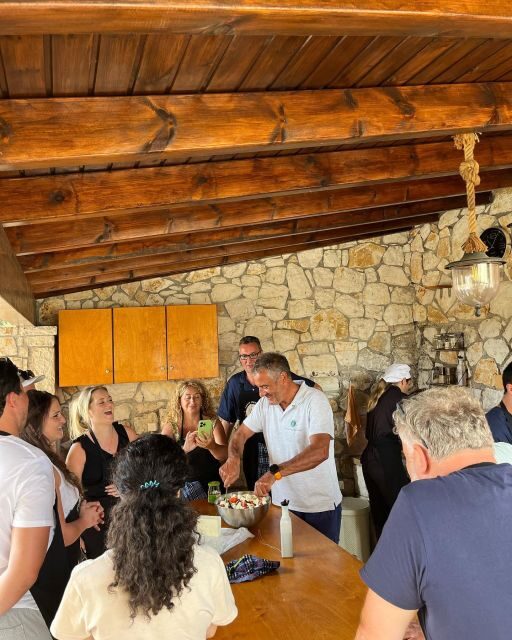
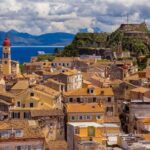
The day begins where most people want to be anyway: Corfu Town’s Old Port. You meet outside the Konstantinoupolis hotel, then you head into narrow alleys and key streets with your host guiding you through what matters and what to skip. It’s a smart way to start because you get context fast, before you start shopping and cooking.
This isn’t a giant bus tour. It’s built around conversation and small moments, like learning what to buy and why certain ingredients work together on Corfu. In the group size ranges shared, you’ll feel involved, not lost.
Expect a quick sightseeing flow early on, with photo stops and walking time that help you understand the town’s mix of influences. There’s also a stop connected to the Jewish community of Corfu, including time around the Jewish Synagogue of Corfu area, where you can do light shopping and sightseeing.
If you don’t like walking, you can still make this work by pacing yourself. But comfortable shoes matter because you’ll be on your feet through Corfu Town and later on in the countryside.
You can also read our reviews of more food & drink experiences in Corfu
Corfu Central Market shopping: the “what to buy” lesson
The core of this experience is not just cooking. It starts with choosing. After the initial Corfu Town stroll, the group heads to the Corfu Central Market area for a guided food market visit and shopping time. This is where the day becomes useful for your own future cooking, because you learn how locals think about ingredients.
You’ll also stop at a deli type shop for feta tasting, which is a big deal in a Greek class. Feta can vary wildly by quality and flavor, and this kind of stop trains your palate before you sit down to eat what you make later.
Your host also steers you toward products sourced from the island fields and gathered close to the time of your class. That matters because fresh ingredients taste like themselves, not like a substitute. And when you’re buying produce and staples with an expert in front of you, you don’t waste time guessing.
A nice bonus from the way the day is structured: you’re doing food shopping in small steps, not one chaotic free-for-all. You’ll get enough direction to enjoy the market, without feeling rushed.
The Venetian Fortress and the Jewish Synagogue area: history with practical payoff
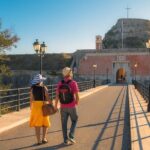
Between the market stops and the meal, you’ll get a couple of quick “walk and look” pieces around Corfu Town. There’s a photo stop at the New Venetian Fortress, which helps you connect the geography of the city to its long European trading and military story. You’re not stuck reading panels all day. You’re just getting the shape of the place while the guide tells you what to pay attention to.
Then you spend time around the Jewish Synagogue of Corfu area, with time for shopping and sightseeing. It’s one of those stops that gives you more than a postcard view. You start to see Corfu as layered, not single-note.
Why this fits a cooking day: it’s not history for history’s sake. It puts you in the right mindset for local food. Greek cuisine on Corfu developed with outside influences over centuries, and your tour-time context makes the flavors feel less random on the plate later.
The only “watch out” here is pacing. These are short sightseeing blocks, but they add up. If you’re traveling with tight timing, build in a little buffer for walking.
The family villa cooking class: wood oven, warm hospitality, and you in the mix
Once your Corfu Town shopping is done, you head out toward your host’s country home. Some options include hotel pickup and drop-off in several areas, and you may also have a minivan transfer depending on what you select. If you choose not to use a transfer, you may need to drive to the cooking location yourself. Either way, the day’s setup is designed to keep you from doing complicated logistics once it starts.
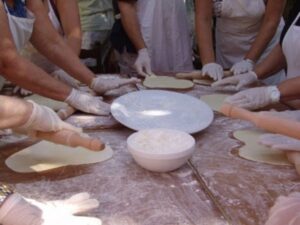
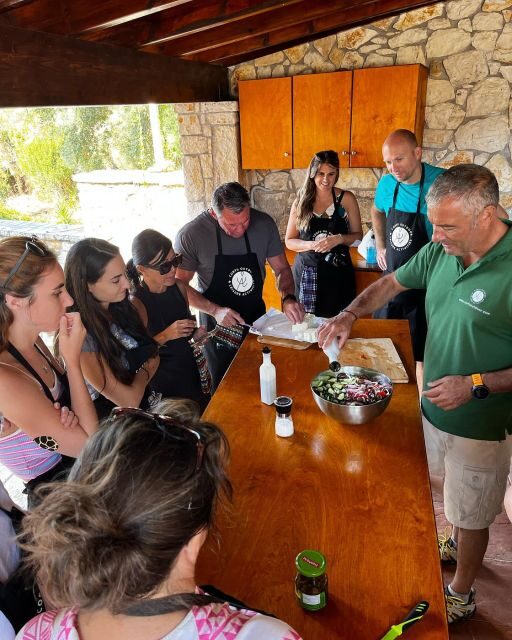
At the villa, the cooking switches from sightseeing mode to kitchen mode. You can participate in the cooking hands-on, or choose to watch if you want a slower pace. Either way, the plan keeps moving so everyone gets fed and nobody gets stuck waiting.
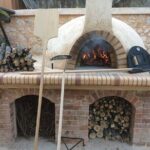
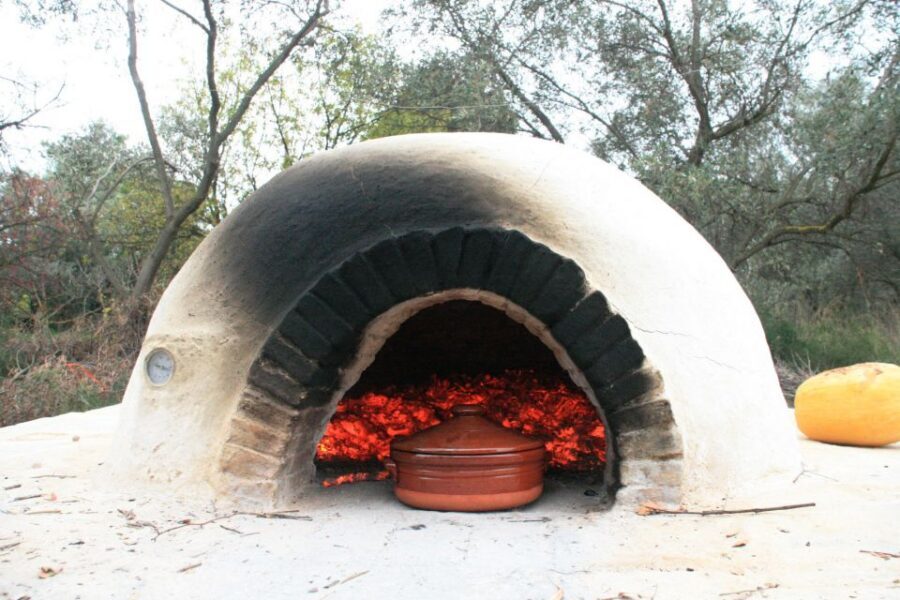
The cooking is done with a wood oven, and that shows up in the way the food is described and prepared. Expect traditional recipes using ingredients you helped choose earlier. That connection is the point: you’re learning technique and flavor combinations, not just following steps.
Your chef and host guide you through prep and cooking, and the group setup tends to balance instruction with group participation. In past experiences with this type of class, some dishes may be partially prepared ahead so the group can eat together at the right time, but you’ll still get meaningful tasks during the session.
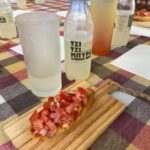
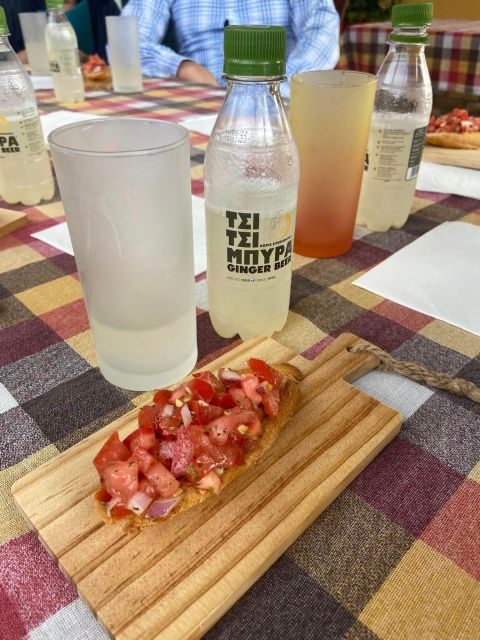
Also, you’ll get a welcome treat: corfiot ginger beer plus bruschetta with tomato, garlic, and olive oil. It’s a small start, but it sets the tone.
Practical note: this is a working lunch. Come ready to smell herbs, handle ingredients, and possibly stir or assemble items if you go hands-on.
Olive press ruins and the olive grove walk: before the big meal
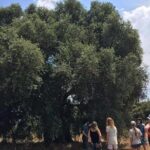
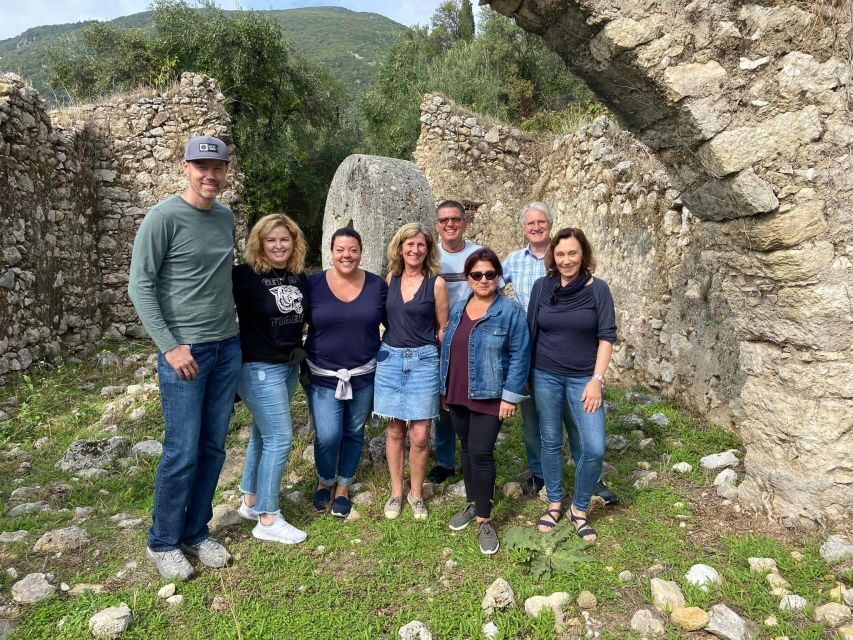
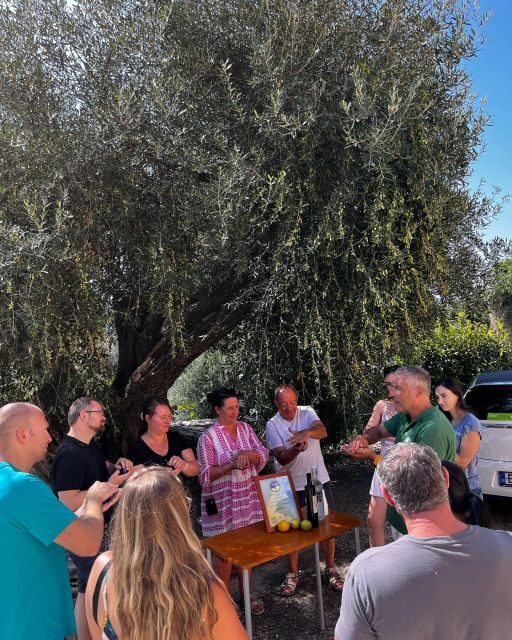
Right before lunch, you’ll slow down for something memorable: a walk through a family olive press area and an olive grove. The olive press ruins are described as being around 200 years old, which adds a real sense of continuity. This isn’t a set photo stop. You’re walking through the place itself.
Then comes the olive oil tasting. The experience is framed around olive oil as liquid yellow gold, with guidance on what makes a good oil taste the way it should. That kind of explanation changes how you eat afterward. Suddenly you’re not just tasting. You’re comparing and thinking about quality.
This is also where the day becomes emotionally satisfying. You’re not only learning recipes. You’re learning a food system: where the olive oil comes from, why it’s prized, and how it fits into Corfiot cooking.
One consideration: this part is outdoors. If you’re sensitive to heat or sun, plan to take the tasting and grove walk at an easy pace.
You can also read our reviews of more cooking classes in Corfu
The 5-course meal: Greek classics with Corfiot details
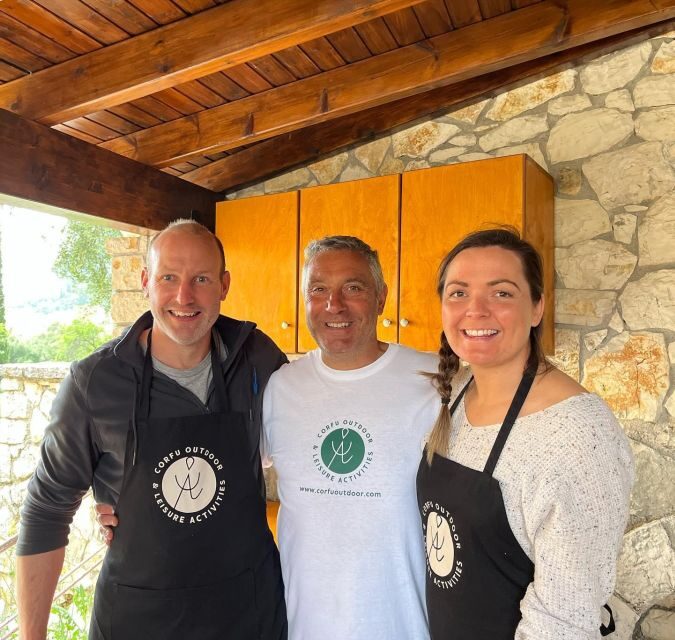
Lunch isn’t a light snack. It’s a true 5-course meal, paired with local wine or beer. This matters for value because you’re paying for the full experience, not just the cooking class.
The menu includes a mix of fresh and hearty dishes, starting with:
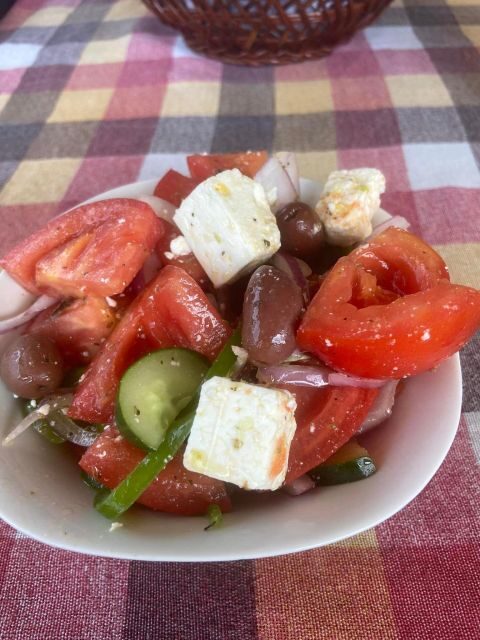
- Greek salad with fresh organic vegetables, feta, and olives
- Tzatziki, made with yogurt, garlic, and cucumber
- A homemade cheese pie with phyllo pastry, feta, olive oil, and herbs
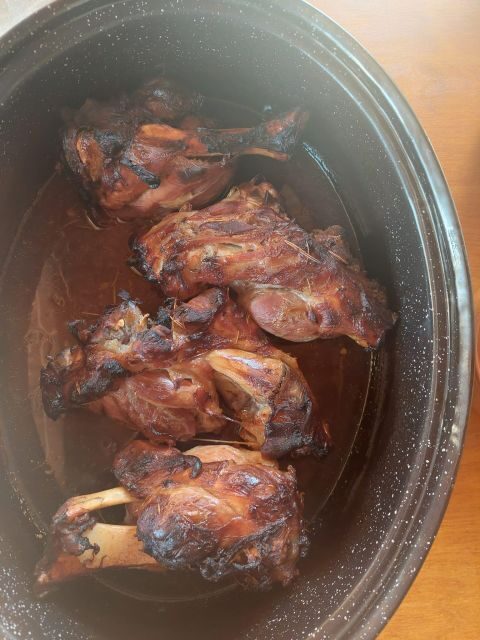
- Then the main: pork marinated in Corfiot beer, honey, mustard, lemon juice, and rosemary, slowly cooked in the wood fire oven. It’s served with potatoes boiled in an aromatic herb broth, drizzled with virgin olive oil, lemon juice, and parsley
- Dessert: homemade baklava in a Corfiot style, with kumquat syrup and walnuts
You’ll also drink Corfiot bottled wine or beer, with soft drinks and water.
What I like about this lineup is the balance. You get cold fresh starters, a savory pastry, a wood-oven main, and then a sweet with citrus notes from kumquat. It’s not random Greek food. It’s a coherent Corfiot meal.
If you have dietary restrictions, tell the team ahead of time. The day’s format includes clear menu items, and you’ll want to confirm what can be adapted for your situation.
Olive oil tasting: how to use what you learn later
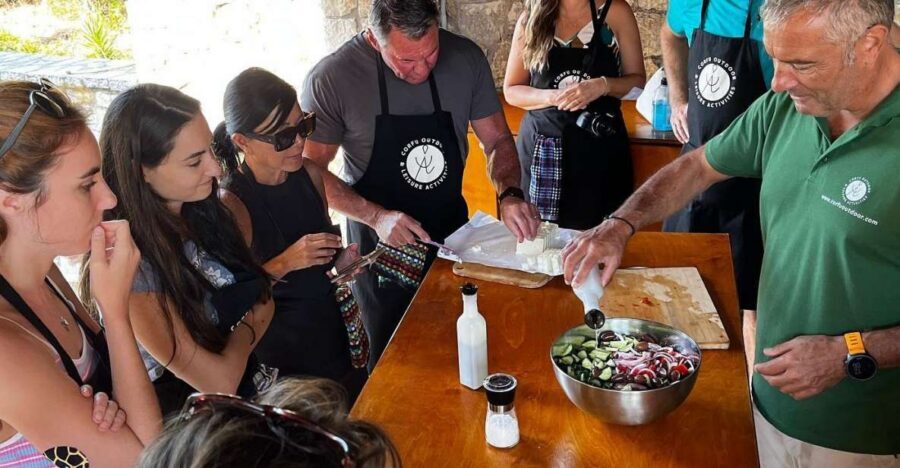
The olive oil tasting is one of the best parts because it gives you a framework. You’ll learn what to look for when tasting olive oil, and you’ll connect those ideas to the dishes you’re about to eat and the ones you can cook at home later.
A good tasting session changes your shopping behavior. Instead of buying olive oil only by brand or price, you learn to taste for fruitiness, balance, and overall quality. That matters if you like cooking and want to bring home a real ingredient upgrade.
And because your day includes olive grove and press ruins first, the tasting doesn’t feel abstract. It feels like the final step of a process you just walked through.
Price and logistics: is $117 worth it for a 6-hour day?
At $117 per person for a 6-hour experience, the value comes from the whole bundle:
- Guided market shopping with tasting stops
- Cooking class and equipment/ingredients for the recipes
- Olive grove walk and historic olive press ruins
- Olive oil tasting
- A 5-course meal with wine or beer
If you compare this to doing the market yourself, then separately booking a cooking class, and then paying for an olive oil tasting or tour, you’re basically stacking multiple paid experiences into one day. The small-group size also matters here. Limited participant numbers usually mean more attention in the kitchen and more time with the guide outside.
Logistics are the one place you can feel friction. Transportation from the shopping area to the home used for the cooking class is not included, though it can be arranged. If you’re not selecting hotel pickup, you should plan how you’ll get from Corfu Town to the countryside.
The good news: the transfer options are described as highly rated, with many reviewers giving perfect scores for transport.
Who should book this cooking and olive oil day
This is a strong fit if you:
- Want a hands-on Greek cooking experience, not a sit-and-watch show
- Enjoy markets and want real guidance on what to buy
- Care about olive oil beyond supermarket basics
- Like small groups and conversation during food
It’s also a smart choice for couples or solo travelers because the structure includes guided city time, then a shared meal in a family environment, plus conversation with other participants.
If you want a fully hands-free day, this might not be ideal because the class format supports active participation. You can choose to watch, but you’ll still be part of a kitchen workflow.
Should you book Corfu Greek Cooking Class & Olive Oil Tasting?
Yes, if you want a Corfu day that’s equal parts food education and family-style hospitality. This class gives you the ingredient story (market shopping and olive grove context), then turns it into a meal you actually taste and eat together.
I’d book it early in your trip if possible, because the guide’s Corfu food perspective helps you eat better for the rest of your stay. And if you care about olive oil, this one adds more than flavor—it adds understanding.
Skip it only if you strongly dislike walking or you know you’ll be unhappy with a countryside transfer setup unless you’re using the pickup option.
FAQ
Where is the meeting point for the cooking class?
You meet outside the Konstantinoupolis hotel at the old harbor in Corfu Town.
How long is the experience?
It lasts about 6 hours.
How big is the group?
It’s a small group, limited to 8 participants, with up to 10 mentioned for the experience.
Is pickup available from hotels?
Pickup is optional, and the areas listed include Dassia, Gouvia, Ypsos, Kontokali, Barbati, Nissaki, Alepou, Corfu Town, Paleokastritsa, and Liapades.
What’s included in the price?
Included items cover market shopping experience, a local host, olive oil tasting, an olive grove walk, ruins of the olive press visit, ingredients and equipment for the class, the chef, the cooking class, and a 5-course meal with local wine or beer.
What food and drinks are served?
You’ll receive a welcome treat (corfiot ginger beer and bruschetta), plus Greek salad, tzatziki, homemade cheese pie, wood-fire oven pork with herb potatoes, and Corfiot baklava with kumquat syrup. Drinks include Corfiot bottled wine or beer, soft drinks, and water.
Do they handle dietary restrictions?
Yes, you’re asked to inform them about dietary restrictions.
What languages are spoken during the tour?
The live guide speaks English and Greek.