REVIEW · CORFU TOWN
Corfu: Old Town Guided Walking Tour Small Group
Book on GetYourGuide →Operated by Local Tales · Bookable on GetYourGuide
Old Town Corfu feels like a living history lesson. This small-group walking tour strings together the places that explain how Corfu became a crossroads, from Venetian influence to British-era traces, with a licensed local guide who keeps the facts moving. Guides such as Katerina, Maria, Athina, Stefanos, and Angela bring the streets to life with stories you can actually use while you explore on your own.
What I like most is the way the route is built around clear landmarks you can point to afterward, like Liston Street and St. Spyridon Church, not just random alleys. The second win: you get time for questions, and some groups even feel like a friendly chat while still staying on schedule.
One consideration: this is a walking tour with an expected 1.5–2.5 hour pace, and it’s not suitable for people over 80, so it may not be a good fit if you need a slower, sit-down-heavy experience.
In This Review
- Key highlights worth your attention
- Entering Corfu Old Town from the Old Fortress area
- Spianada: why this square is more than a photo stop
- Dimarchiou Square and Corfu Town streets: learning to read the city
- Liston Street and the civic story: the Venetian-to-British thread
- St. Spyridon Church: your guided stop with payoff
- Faliraki and the Corfu Museum of Asian Art: a smart change of pace
- The long Corfu Town walk segment: making it stick
- Price and value: what $88 buys you in Corfu
- Guides who keep the pace human: questions, maps, and local tips
- Who should book this Corfu Old Town walk
- Should you book this tour?
- FAQ
- Where does the tour start?
- How long is the Corfu Old Town guided walking tour?
- Is the Old Fortress entrance fee included?
- What landmarks are part of the route?
- Do I need to know the language before I go?
- What group size is it?
- Can I cancel for a refund?
- What’s the cancellation or refund cutoff?
- Is this tour suitable for older adults?
Key highlights worth your attention
- Old Fortress start: your walk begins near the Old Fortress entrance, which sets the stage for what you’ll see next.
- Spianada and Dimarchiou Square stops: public spaces that help you understand how Corfu Town functions day to day.
- Big-name landmarks: Liston Street, Town Hall area, and the Palace of Saint Michael and Saint George.
- St. Spyridon Church guided time: a focused stop where the guide explains what you’re looking at.
- Guide-led context: Venetian and British-era influences get tied to visible buildings and street corners.
- Real local value: guides share follow-up suggestions, including other sights and food ideas.
Entering Corfu Old Town from the Old Fortress area
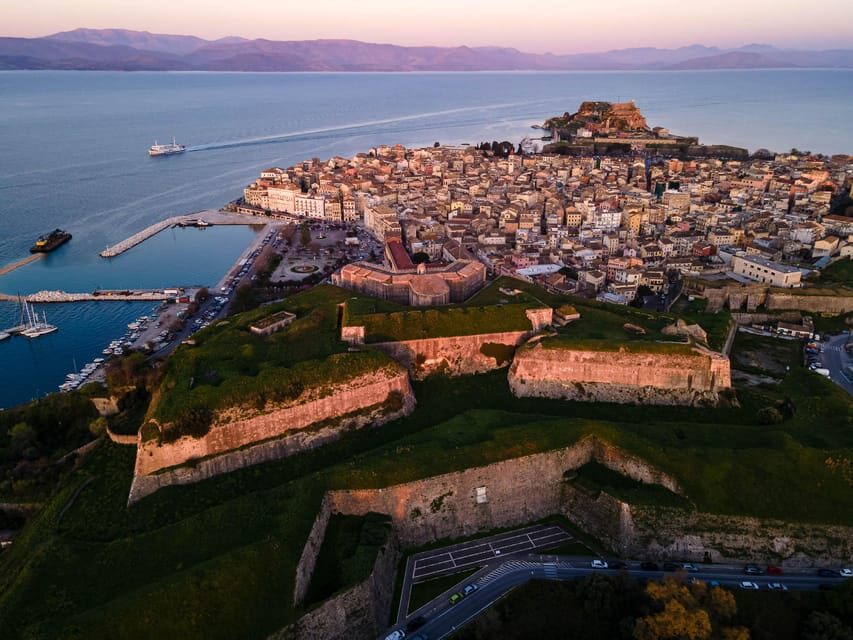
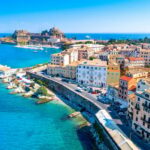
The tour’s rhythm makes sense right away: you start at the entrance of the Old Fortress, then head into Corfu Town’s Old Town lanes. That first step is more than a location marker. It helps you read the town like a map instead of a postcard collection, because you’re moving from the defensive/strategic side of the city into the civic and religious parts.
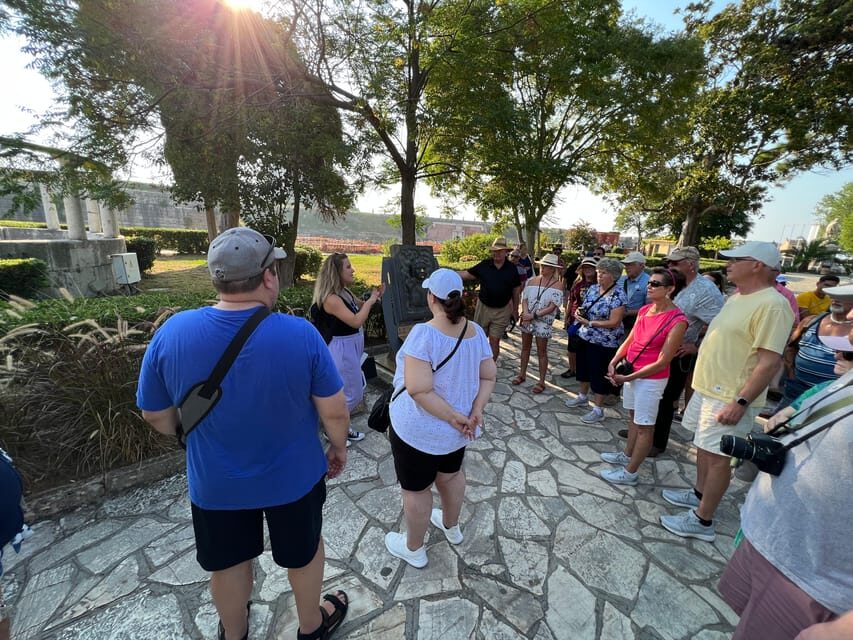
You’ll be with a licensed tourist guide in a small group, and the schedule is built for a walk that lasts about 1.5 to 2.5 hours (depending on the start option and timing). The focus stays on your “see it, understand it” goal, with planned stops and photo moments instead of wandering without a plan.
In the guide picks, I see a consistent pattern from the experience: guides like Katerina and Maria are described as very engaging, with enough room to ask questions. Katerina even used supporting material like historical maps on an iPad in at least one documented tour, which is a great trick for making architecture and street layout click quickly.
Practical note: the tour does not include an entrance fee to the Old Fortress, so if you’re planning to go in, budget for it separately.
You can also read our reviews of more walking tours in Corfu Town

Spianada: why this square is more than a photo stop
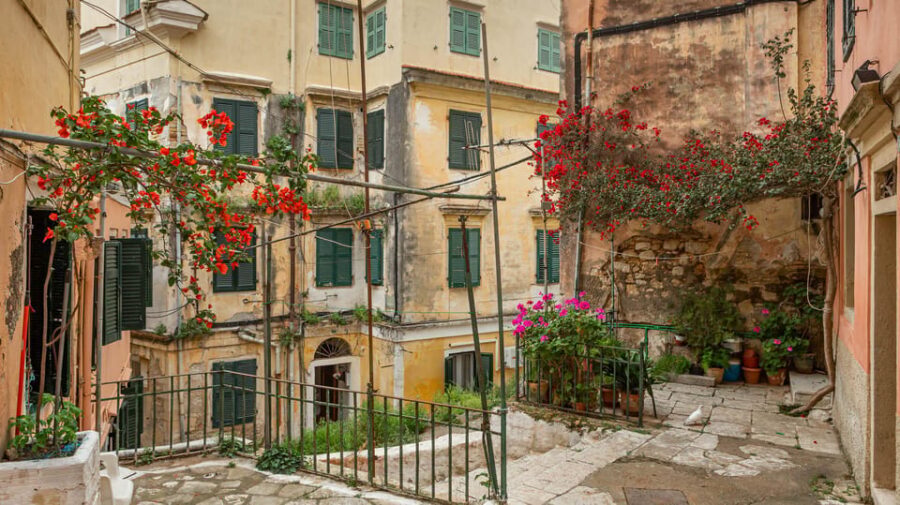
One of the first named highlights after you get going is Spianada—a spot that shows up in many first-time Corfu itineraries for good reason. Here you get a photo stop and a short walk, which is exactly the right amount of time for a square like this: long enough to orient yourself, not so long that you lose the momentum of the day.
Spianada also matters because squares are where the island’s layers become visible. On Corfu, you don’t just see buildings. You see how people use space—where they meet, where the day spills out into public life, and where you can learn the town’s pace without needing any special access.
If you want to understand Old Town beyond monuments, this kind of stop helps. It puts you in the flow of the city, and that makes the later church and civic buildings feel connected instead of separate stops.
Dimarchiou Square and Corfu Town streets: learning to read the city
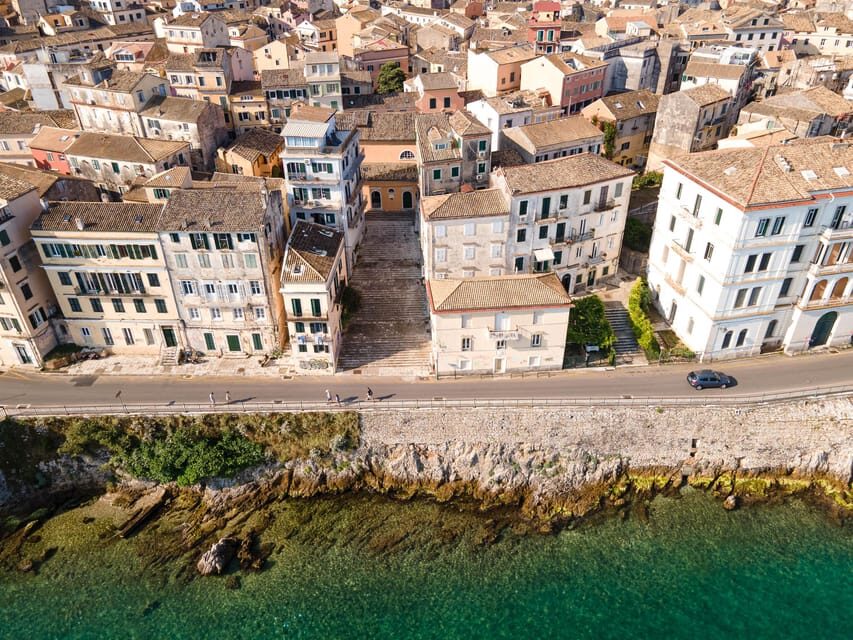
Next comes Dimarchiou Square, again with a guided segment and sightseeing time. This is the kind of stop that can make a big difference: squares like this act like checkpoints. When your guide explains what you’re looking at, you start to notice details you would otherwise miss—how streets connect, where authority and religion show up in the architecture, and how the city’s layout supports daily movement.
Then you move into Corfu Town with another set of photo stop + walk moments. At this stage, the tour starts doing something valuable: it connects the famous landmarks (the stuff you’ve probably seen in photos) to the smaller, everyday streets that actually make the town feel lived-in.
That “lived-in” part shows up repeatedly in how the experience is described. The goal is not just standing in front of a building and reading it like a textbook. You also get chances to understand daily rhythms—watching what’s happening in squares and neighborhoods, and even chatting with residents if the moment lines up.
For you, that means you’re likely to leave with a better instinct for where to wander next on your own. You’ll know what’s central, what’s quieter, and what kind of street scenes are worth slowing down for.
Liston Street and the civic story: the Venetian-to-British thread
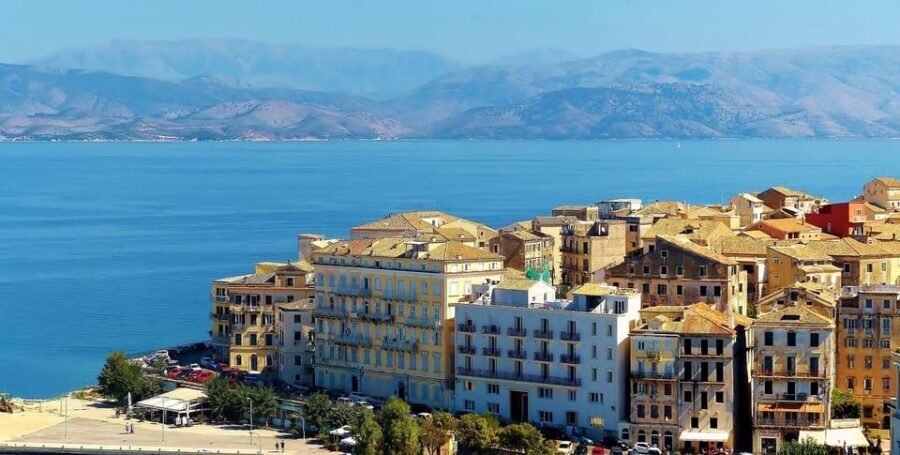
The route doesn’t just hit one architectural style. It’s built around the idea that Corfu Town has been shaped by rulers and regimes, and that shows up in how the streets and buildings look today.
Two of the best anchors for this are:
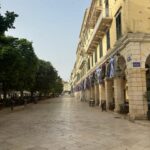
- Liston Street, where the city’s European influences show strongly in the streetscape and the way the area feels designed for promenading.
- The Palace of Saint Michael and Saint George, which helps connect the visual grandeur you see with the political eras that produced it.
The tour also includes stops connected to local civic power, like the Town Hall area. That’s a helpful balance because it keeps the walking tour from being only about churches and façades. You’re getting a town-wide story, where government, architecture, and public life all play a role.
One of the standout promises here is the guide’s ability to connect what you see to why it exists. The experience specifically calls out Venetian influences and British legacies, and that’s not just trivia. When you understand the influence, you start seeing patterns immediately: window styles, building proportions, and the overall feel of certain corridors.
And because the group stays small, this kind of explanation doesn’t feel like a one-way lecture. In well-run sessions, you can ask questions and steer the moment a bit. That’s part of why multiple people highlighted the guide’s friendliness and flexibility in Q&A.
St. Spyridon Church: your guided stop with payoff
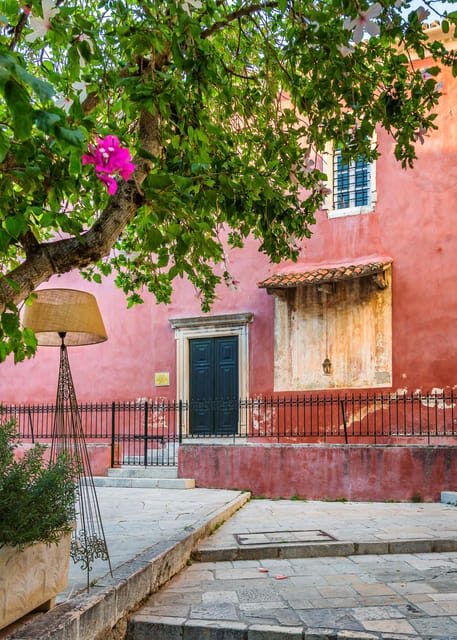
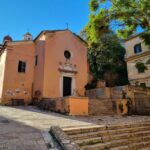
If you like church stops that actually explain what you’re looking at, this is one of the tour’s key moments: St. Spyridon Church.
You’ll have a photo stop, then a guided tour inside the church area. That inside time matters. Exterior views are nice, but they don’t tell the whole story—especially in a place like Corfu where the layers of belief, art, and town identity all overlap.
This is also a place where the guide’s personality shows up. In the experiences shared, guides are described as eloquent and story-driven. For example, Athina is noted as eloquent and very good at history, while Angela is praised for bringing the town’s past together in a memorable way. Even the guides who focus more on pacing and conversation (like Stefanos, who adjusted pace based on the group) still deliver the core purpose: you understand why this church matters in Corfu’s story, not just that it exists.
The practical result for you: after the church stop, you’re less likely to treat the Old Town as a set of random highlights. You’ll start grouping monuments by theme—religious identity, civic power, and foreign-era architectural influence.
You can also read our reviews of more guided tours in Corfu Town

Faliraki and the Corfu Museum of Asian Art: a smart change of pace
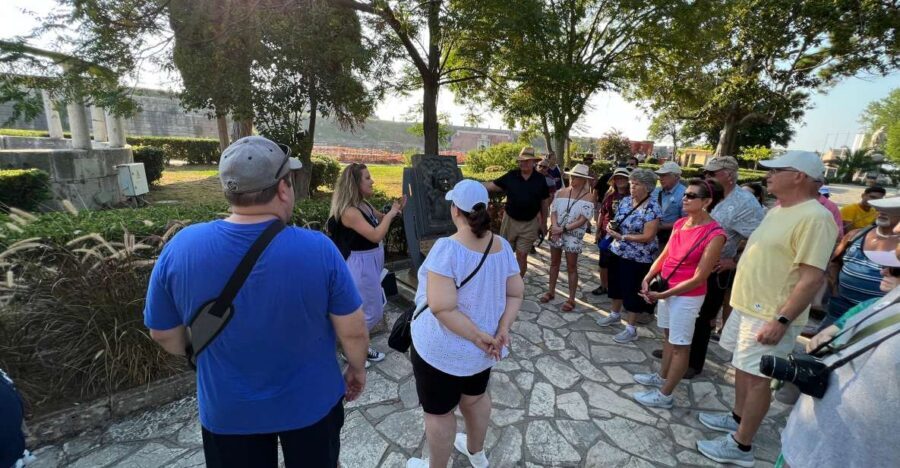
Not every Old Town walk stays stuck in the same lane of history. This experience includes a couple of stops that can broaden your perspective beyond the classic postcard core.
One is a photo and sightseeing stop at Faliraki (Corfu). The name suggests a specific local area rather than another monument, and that can be useful because it slows your brain down from “tour mode.” You’re reminded that Old Town is also a place where people live, shop, and move around.
Then there’s Corfu Museum of Asian Art, included as a photo stop with sightseeing time. This is a genuinely interesting addition for two reasons:
- It gives you a chance to see Corfu’s cultural curiosity beyond only what happened on the island.
- It offers a different type of context than the architecture-based stops.
If your goal is to leave with more than just cathedral-and-palace memories, this part of the route helps. It also gives you something to talk about with your guide during the walk: what you’re seeing, what it connects to, and what you might want to do later in your trip.
The long Corfu Town walk segment: making it stick
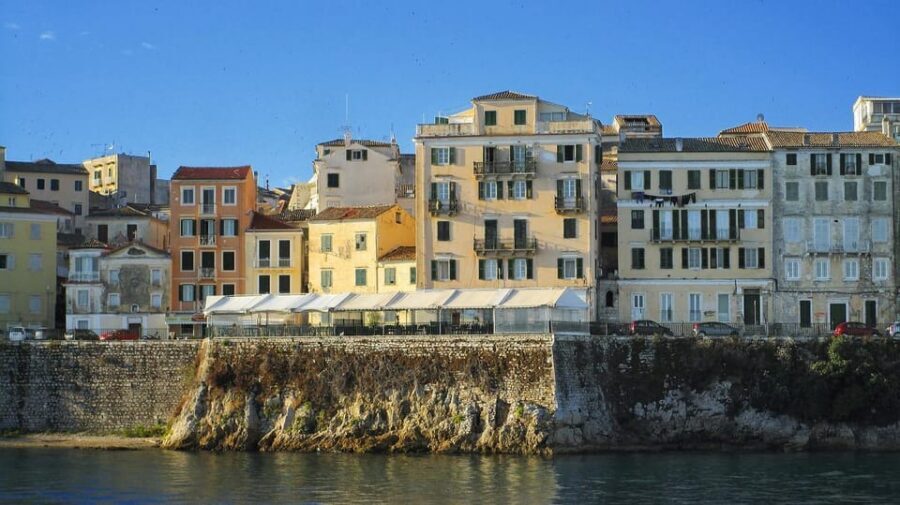
Toward the end, the itinerary includes Corfu Town again with a longer sightseeing + walk segment (55 minutes). This is where the tour earns its value. Early stops give you orientation; the later walk helps you apply what you learned while you move.
I like a longer final segment for one simple reason: it helps you remember details. When your guide ties street scenes to historical eras earlier on, that final stretch becomes your “put it together” time. You start noticing how the city changes block by block, and you get a feel for where the atmosphere shifts.
Also, this is where the small-group dynamic can matter most. If you’ve asked a few questions earlier, this final walk is often when you’ll spot the answers right in front of you. And if you haven’t asked anything yet, this is a good window to ask about what you should see next.
More than one person described getting useful follow-up recommendations from guides, including additional Corfu highlights and food ideas. That kind of end-of-tour direction can be the difference between seeing more sights and actually seeing the right ones.
Price and value: what $88 buys you in Corfu
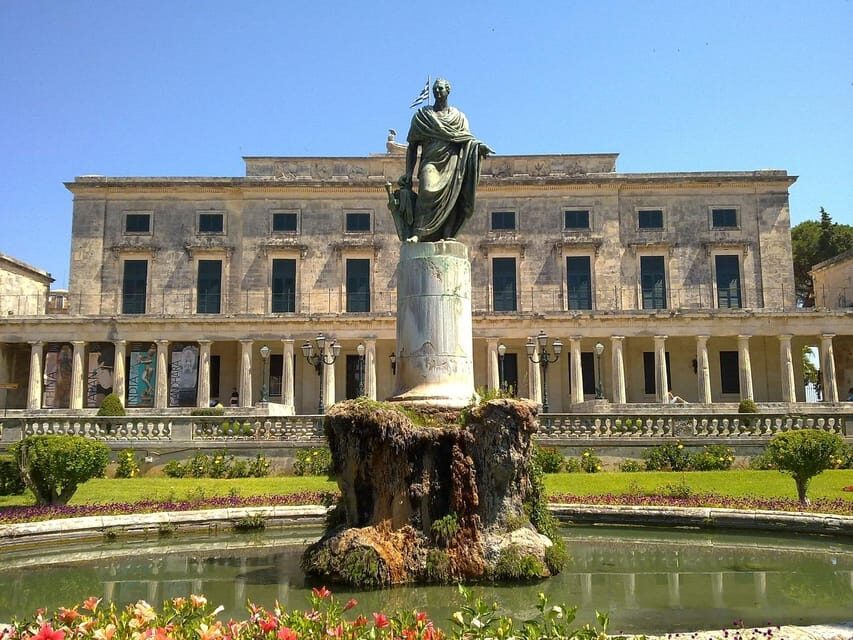
At $88 per person for roughly 1.5–2.5 hours, you’re paying for three things: a licensed guide, a tight route built around major landmarks, and the chance to connect architecture and street scenes to the island’s past.
If you tried to do this solo, you could certainly walk the streets and point at buildings. But the value here is in the linking: Venetian influence and British legacies explained in relation to specific places like Liston Street and the Palace of Saint Michael and Saint George. It’s also in the guide’s delivery style. Multiple documented experiences highlight guides who pace well, keep things engaging, and answer questions without rushing.
There’s also a practical element: the tour gives you a framework. You don’t have to invent your own route or guess which streets connect to which story. For your time on Corfu, that can be a real win—especially if you’re only in town for a day or two.
Just remember the one extra cost that can affect value: the Old Fortress entrance fee is not included.
Guides who keep the pace human: questions, maps, and local tips

The most consistently praised aspect is not just what’s seen. It’s how it’s taught.
Guides such as Katerina and Maria are repeatedly described as engaging and able to share history and culture in a way that feels like walking with someone who cares. There’s also a clear emphasis on interaction. When the group stays small, the tour doesn’t feel like a lecture line. People describe having ample opportunity to ask questions, including when the group was very small (even down to two people in one account).
A standout detail: Katerina is described as using supporting materials like historical maps on an iPad. That matters because Corfu’s Old Town can feel visually consistent if you’re not sure what you’re looking for. Maps help you understand street layout changes and what certain buildings meant in their time.
And then there’s the practical payoff: several guides offer recommendations for other highlights and eateries afterward. That’s not just extra talk. It helps you plan your remaining hours efficiently, instead of leaving the tour with only memories.
Finally, pacing gets a lot of praise. Stefanos is described as adjusting pacing to the group and being willing to answer questions. That’s a quality marker. A walking tour can feel either brisk or forced, and in good versions like this, the pace feels matched to real people.
Who should book this Corfu Old Town walk
This tour fits best if you want:
- A first-time orientation to Corfu Town and Old Town streets
- A guided explanation of the island’s Venetian and British layers
- A plan that hits major anchors like Liston Street and St. Spyridon Church
- Time for conversation and questions in a small group
- A mix of monument stops and everyday street atmosphere
It may not be ideal if you:
- Need lots of seated breaks (the format is still a walking tour)
- Fall into the stated limitation of people over 80
If you like history but also want it tied directly to what you can see on the street, this is a strong match.
Should you book this tour?
I’d book it if you’re spending limited time in Corfu Town and want a guided route that makes the Old Town readable fast. At $88, the price feels fair when you factor in a licensed guide, small-group pacing, and the chance to get both landmark context and useful recommendations afterward.
I’d skip it if you already know Corfu’s major sites well and you prefer total independence, or if you’re concerned about walking for up to 2.5 hours. Also, if you’re hoping for the Old Fortress included, you’ll want to remember the entrance fee is not included.
If you’re on the fence, think about your main goal: facts you can use while walking the streets, plus a route that prevents aimless wandering. This tour is designed for that.
FAQ
Where does the tour start?
The starting point can vary depending on the option booked, but one listed starting location is the Statue of Count Von Der Schulenburg. The guide also meets you at the Old Fortress entrance area to begin the walk.
How long is the Corfu Old Town guided walking tour?
It lasts about 1.5 to 2.5 hours, depending on the starting time and tour flow.
Is the Old Fortress entrance fee included?
No. The entrance fee to the Old Fortress is not included.
What landmarks are part of the route?
You’ll visit or stop for photos around places such as Liston Street, the Palace of Saint Michael and Saint George, the Town Hall, and you’ll include St. Spyridon Church with a guided visit.
Do I need to know the language before I go?
The live guide is available in Spanish, French, and English, so you can choose one of those languages.
What group size is it?
It’s a small group experience.
Can I cancel for a refund?
Yes. Free cancellation is available up to 24 hours in advance for a full refund.
What’s the cancellation or refund cutoff?
The tour offers full refund if you cancel at least 24 hours before the activity.
Is this tour suitable for older adults?
It is not suitable for people over 80.