REVIEW · CORFU TOWN
Untold Historical Stories: Corfu Town Walking Tour
Book on GetYourGuide →Operated by Corfu Perspectives Guided Tours · Bookable on GetYourGuide
Corfu Town’s pretty Venetian streets hide a far rougher story. This 2.5-hour walk moves beyond postcard views to discuss wars, riots, executions, and the destruction that shaped the city from the 16th through the 20th century. Your guide brings photographs and other visual material, then points out where key events took place.
I like the small group of up to eight, which gives the guide room to explain difficult subjects without turning the walk into a public lecture. I also like the focus on real locations, including World War II-damaged districts, rebuilt sites, and ruins that many people pass without noticing. The main drawback is that this is not a light sightseeing stroll. It deals with grim subjects, requires walking, and is limited to adults.
In This Review
- Key points
- Starting at the Old Fortress Gate
- A different way to read Corfu Old Town
- Wars, riots, and executions from the 16th to 20th centuries
- World War II damage and the work of rebuilding
- Why the small group matters
- What the walking pace and heat are like
- The guide’s storytelling is the main attraction
- Is $70 a fair price?
- Who should book this Corfu history walk?
- Practical details before you reserve
- Should you book this tour?
- FAQ
- Where does the Corfu Town walking tour meet?
- How long does the tour last?
- What language is the tour offered in?
- How many people can join the group?
- Is the tour suitable for children?
- Can I cancel for a refund?
Key points
- A darker look at Corfu Town: Focus on wars, riots, executions, and other painful chapters.
- Meeting point at the Old Fortress Gate: Look for the guide holding a lollipop sign with the local agency logo.
- English-speaking guide: Guides such as Efi use stories, facts, and photographs to explain what happened.
- Small group format: The tour is limited to eight people, making questions easier.
- World War II sites and forgotten ruins: See places linked to destruction, rebuilding, and neglect.
- Best for adults interested in serious history: The tour is not suitable for children under 18 or people with several health and mobility concerns.
Starting at the Old Fortress Gate
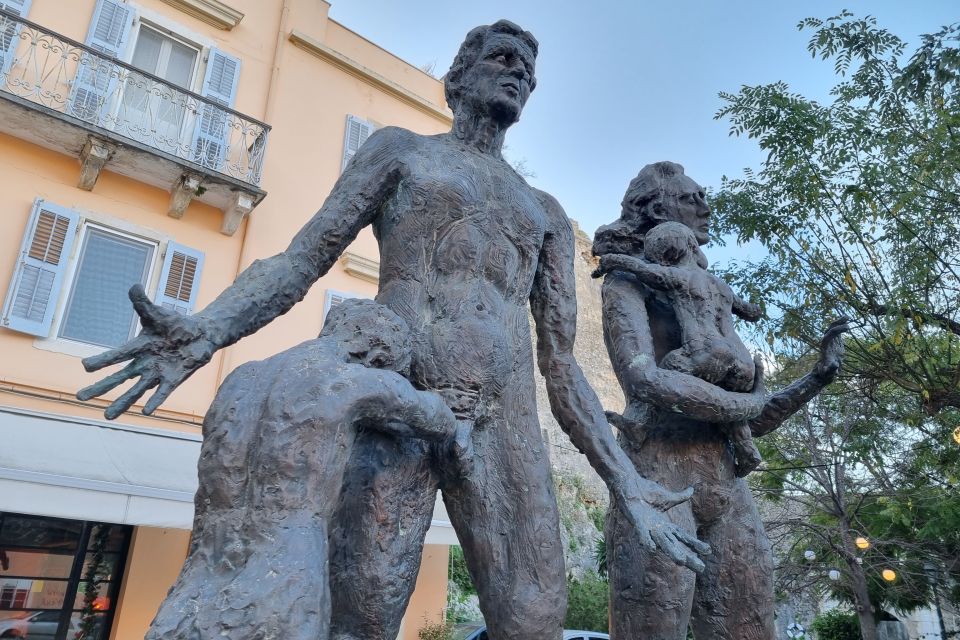
The walk begins at the Old Fortress Gate, in front of the statue of Count von der Schulenburg. That gives you a clear, central meeting point, but allow time to find the exact spot in Corfu Town. Your guide will carry a lollipop sign with the local tour company’s logo, so you should not need to guess which person is leading the group.
This starting point also sets the tone. Corfu Town can look graceful and calm at first glance, with its old streets and formal buildings, but the tour asks you to read the city as a record of conflict. The guide connects places you can see now with events that are easier to forget than the town’s more polished stories.
The meeting point is especially useful if you are already exploring the Old Town. There is no hotel pickup or drop-off, so you need to make your own way there. That is normal for a walking tour in a compact historic center, but it matters if you are staying outside town or arriving by transport shortly before the start.
You can also read our reviews of more walking tours in Corfu Town


A different way to read Corfu Old Town
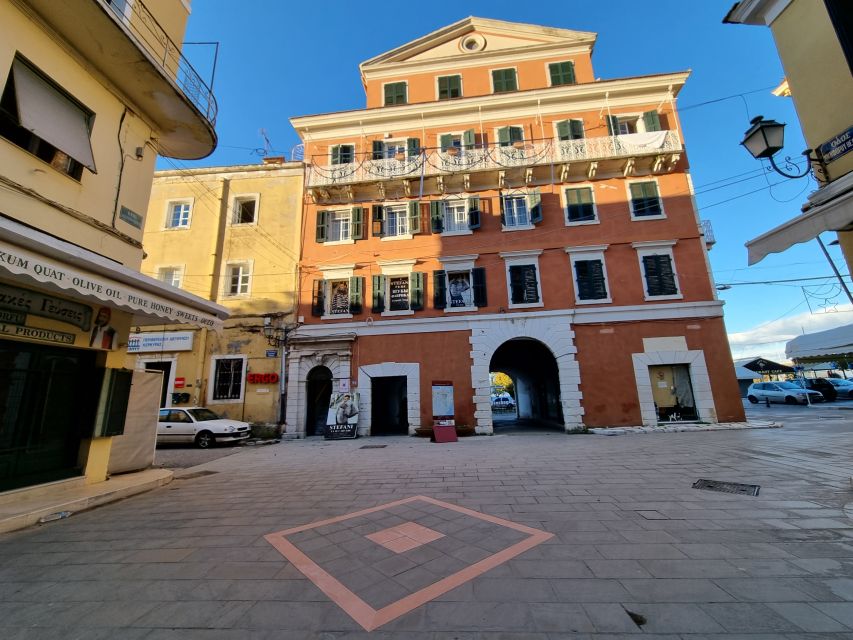
The central idea is simple: look at familiar streets through the people and events that shaped them. Instead of offering only architecture and pleasant views, the guide explains how Corfu and its residents endured major wars, civil unrest, executions, and periods of severe damage.
The time span is unusually broad. You hear about events from the 16th century through the 20th century, so the tour is not built around one battle or one famous figure. It gives you a longer view of how power struggles and violence affected daily life across several centuries.
I find this kind of walk useful because it changes what you notice later. A building may no longer show much damage, yet the guide can explain what happened there or nearby. A patch of ruins may seem unimportant until you learn why it was left behind. The tour turns overlooked details into part of Corfu’s story.
That approach also means you should not expect a long list of famous monuments. The value comes from the connections between places, events, and surviving evidence. If you want only scenic streets and grand landmarks, this may feel too serious. If you want context for the town you are already seeing, it offers much more.
Wars, riots, and executions from the 16th to 20th centuries
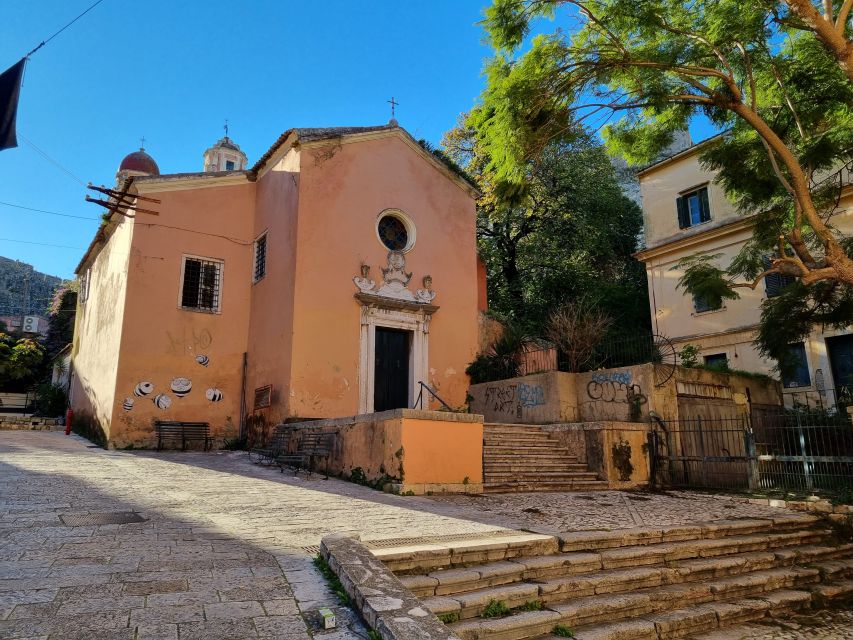
The walk covers fierce events that affected Corfu over several hundred years. The exact balance of subjects can depend on the guide and the pace of the group, but the central themes include major wars, riots, and executions.
These topics are not treated as distant dates alone. The guide explains the troubled periods and places them within the town itself. You walk through districts and past buildings connected with events, rather than hearing the material in a room removed from the city.
That physical link is important. A date in a book can remain abstract. Standing near a reconstructed site or an old ruin gives the story a stronger sense of place, even when little survives. The guide’s job is to bridge the gap between what you see and what once happened there.
The subject matter may be upsetting. Executions and riots are not easy entertainment, and this tour clearly aims to preserve difficult memories rather than soften them. The tone is factual and serious, with vivid narration designed to make the past understandable. You should book it because you want that kind of historical discussion, not because you expect a relaxed evening walk.
World War II damage and the work of rebuilding
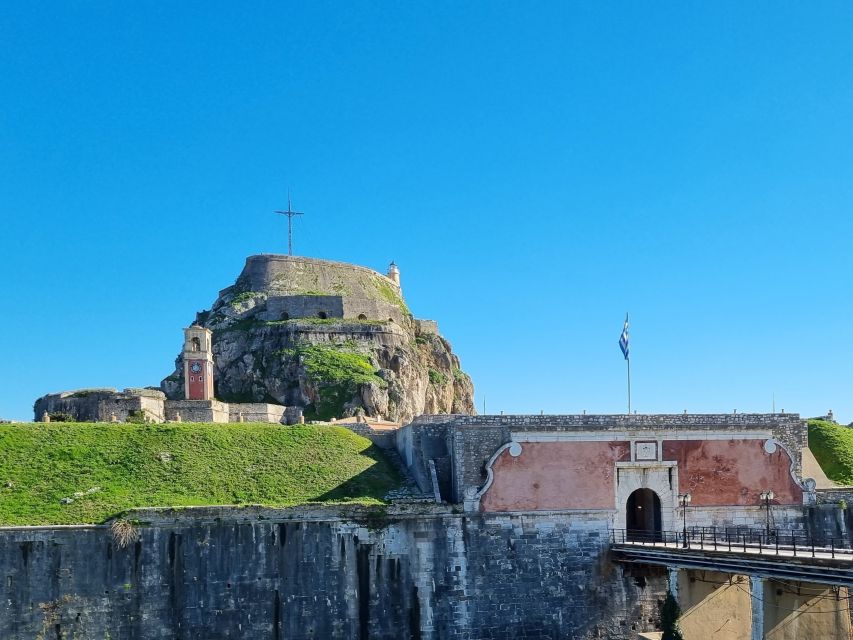
World War II receives particular attention. You visit districts that were badly affected by the war, see places that were reconstructed after destruction, and pass ruins that have been left out of the usual sightseeing route.
Reconstruction can hide as much as it restores. A rebuilt spot may look ordinary today, but the guide helps you understand the scale of what changed. This is one of the strongest reasons to take the walk early in your stay: once you know which areas were damaged and rebuilt, you can notice the contrast during later wanderings.
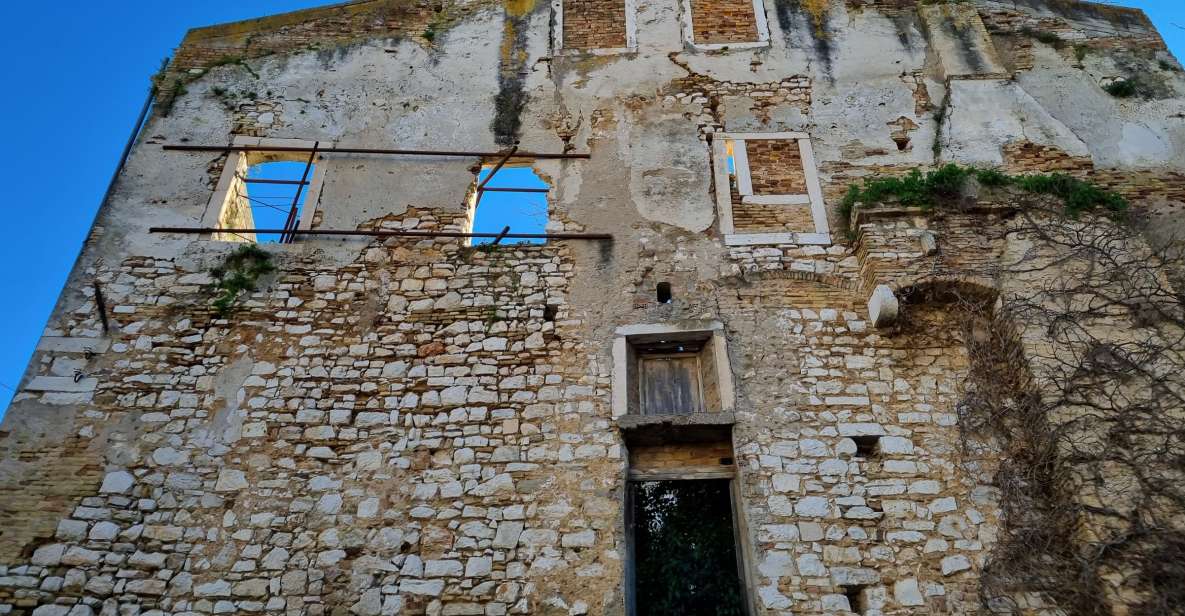
The tour also includes places that have fallen into neglect. These ruins may not be arranged like a formal attraction, and you should not expect extensive signs or polished exhibits. Their appeal lies in the story attached to them and in the chance to see parts of Corfu Town that are easy to overlook.
The guide uses photographs and visual material to support the narration. That is helpful when a building has changed or when the original scene is no longer obvious. Efi, one guide named in the tour feedback, was praised for showing where events happened and pointing out buildings connected with them. Another description specifically noted well-prepared visual material, which suits a walk based on change over time.
Why the small group matters
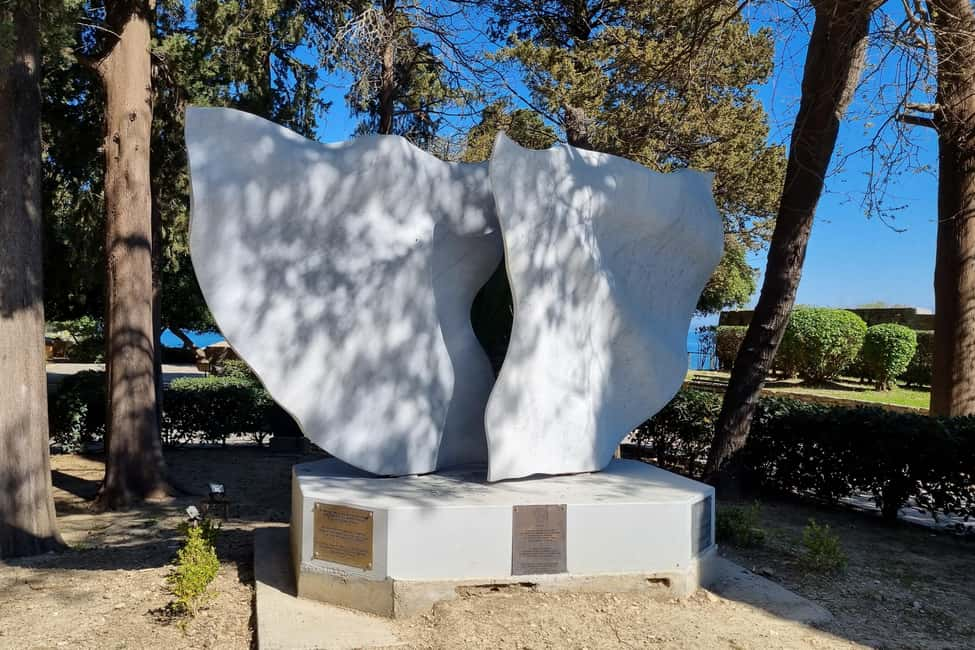
With a maximum of eight participants, the walk has a more personal scale than a large city tour. The guide can keep the group together in narrow streets and answer questions without competing with a crowd.
The subject also benefits from a small group. Stories about executions, riots, and wartime destruction need room for explanation. In a large group, a guide may have to rush or repeat every point several times. Here, you have a better chance to ask how a place relates to an event or why a site was reconstructed.
The group size does not guarantee a private tour. You may still walk with people who have different interests and different walking speeds. Still, eight is a sensible limit for an Old Town route, especially when the guide needs to show photographs and keep everyone near the relevant buildings.
The English-language format is another practical point. The tour is offered in English, and the narration appears to be the main part of the experience. If you prefer reading quietly or taking your own audio notes, you need to know that audio and video recording are not permitted.
You can also read our reviews of more historical tours in Corfu Town


What the walking pace and heat are like
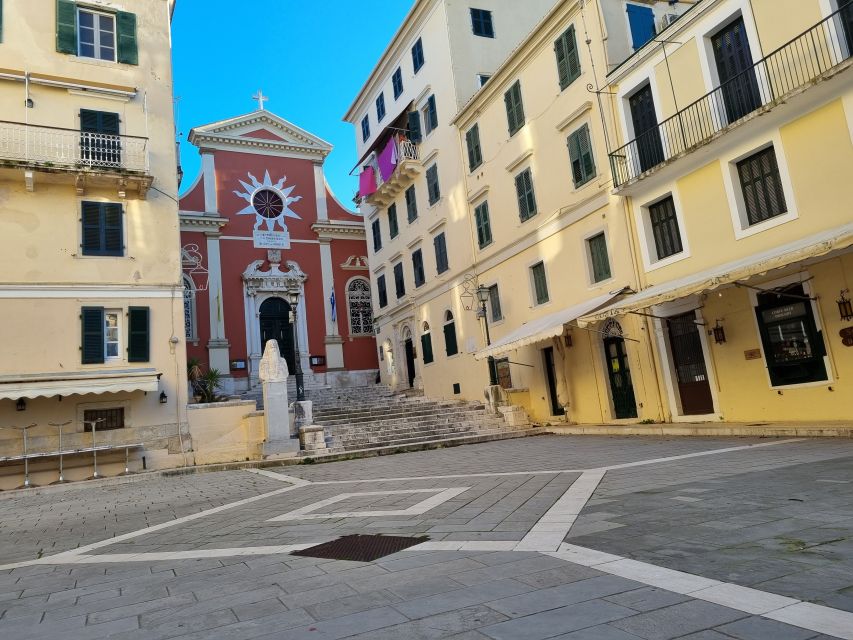
The tour lasts 2.5 hours, long enough to develop a theme but short enough to fit around other Corfu Town plans. It is a substantial walk rather than a quick introduction, so wear comfortable shoes and bring water.
One useful detail is the guide’s attitude toward hot weather. During a very warm walk, the pace was adjusted so participants could buy and drink water rather than being hurried along. That does not remove the heat, but it suggests the route can allow sensible breaks when conditions demand them.
You should still plan carefully. The activity is not suitable for people with mobility impairments, heart problems, respiratory issues, or pregnancy. The information also lists children under 18 as unsuitable, and the minimum age is 18. These restrictions make sense given the walking, heat, and serious subject matter, but you should consider them before paying.
There is no stated promise of extensive seating or shade, so do not treat the water break detail as a substitute for preparation. Bring what you need for a warm afternoon or evening, and arrive ready to stay on foot for most of the 2.5 hours.
The guide’s storytelling is the main attraction
This tour depends heavily on the person leading it. The guide must do more than name dates. They need to explain the setting, show the connection between the place and the event, and keep a difficult subject clear without making it sensational.
The strongest descriptions of the experience point to factual stories, careful preparation, and visual aids. Efi was singled out for guiding a mother and daughter around Corfu Town while showing the sites and buildings connected with the darker episodes. That kind of location-based explanation is exactly what makes the walk worthwhile.
The guide also needs to judge the group. Some people will want more detail about a war, while others may be most interested in the town’s rebuilt streets or forgotten ruins. A group of eight gives the guide a fair chance to respond to those differences.
I would not book this expecting a scripted performance with the same rhythm every time. A live guide brings personality and interpretation, and the experience may feel more vivid when the guide is strong. The available feedback points to guides who are prepared, clear, and willing to adjust for heat, which are all good signs.
Is $70 a fair price?
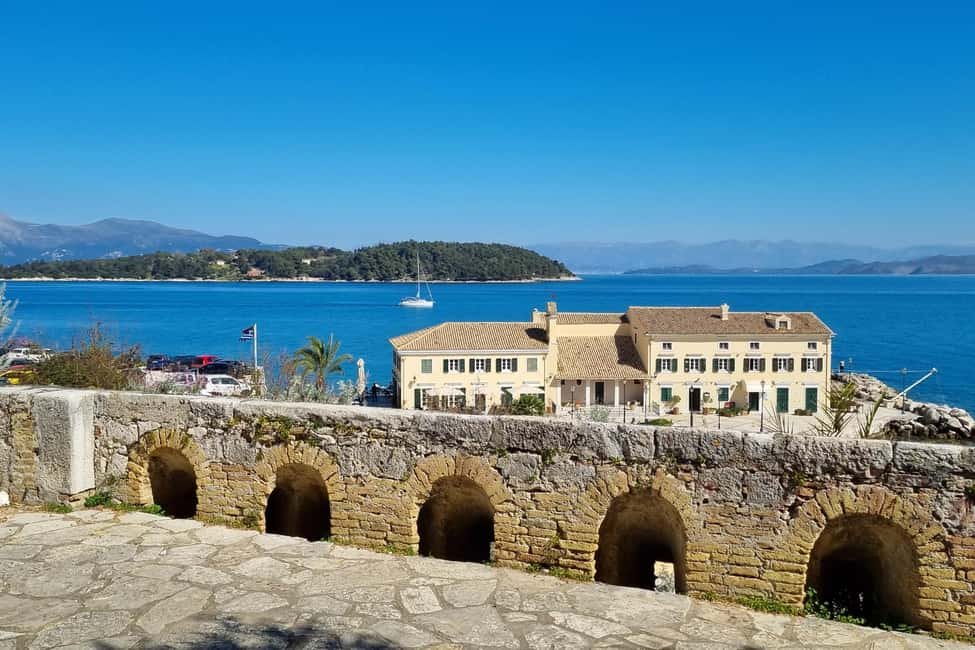
At $70 per person, this is not the cheapest way to walk around Corfu Town. You are paying for a 2.5-hour guided experience, an English-speaking licensed guide, preparation, visual material, and a group capped at eight. Taxes and fees are included.
The price makes the most sense if you value interpretation. You can walk the streets for free, but you will not automatically know which districts suffered during World War II, which sites were reconstructed, or how older conflicts shaped the town. The guide supplies the missing context.
The value is also stronger for people who enjoy focused tours instead of broad orientation walks. This is not designed to cover every major attraction in Corfu Town. It concentrates on a neglected and sometimes painful side of the city, so you are paying for a clear theme rather than maximum monument coverage.
For two or three people, the cost can add up quickly. Still, the eight-person limit is meaningful. If the group were much larger, the photographs, questions, and location-based explanations would be harder to handle. I would call the price reasonable for visitors who care about history and want a more personal walk, but less appealing if you mainly want introductions to cafés, shopping streets, or famous buildings.
Who should book this Corfu history walk?
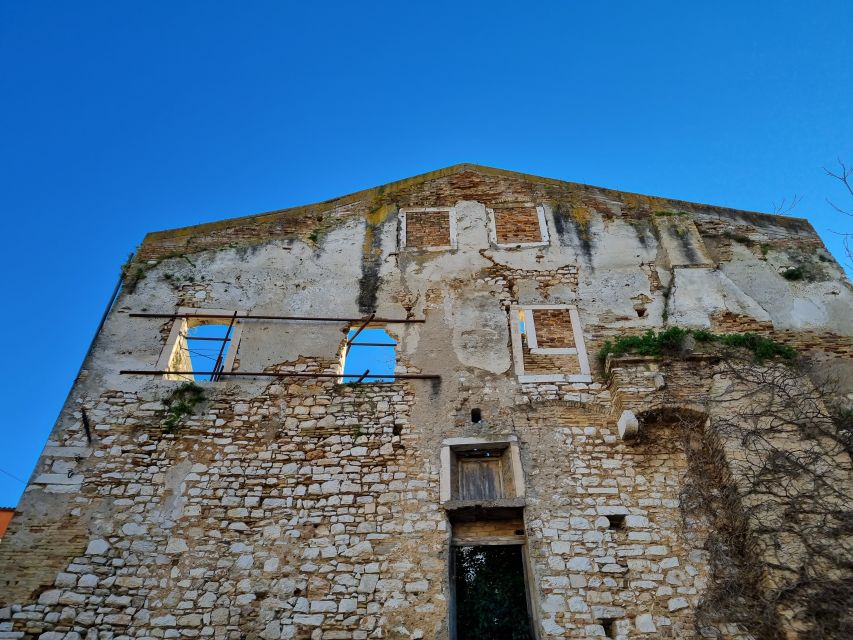
I would recommend it to adults who like serious local history, guided storytelling, and places that sit outside the standard sightseeing route. It is especially useful if you have already seen the main sights and want to understand the forces that damaged, changed, or rebuilt the town.
It also suits you if you prefer learning through physical places. The walk does not leave the past in a textbook. You see districts, reconstructed sites, buildings, and ruins while the guide explains their connection to Corfu’s troubled periods.
You may want to skip it if you dislike stories about executions or civil violence. It is also a poor match if you want a gentle, family-friendly activity, since the minimum age is 18 and the material is explicitly dark.
If you have mobility, heart, respiratory, or pregnancy concerns, do not assume that a small group makes the tour easy. The stated restrictions are clear. Choose a different way to explore Corfu Town or ask a medical professional about your plans before booking.
Practical details before you reserve
The tour is offered in English and includes a licensed guide, taxes, and a small group of no more than eight people. Food and drinks are not included, so bring water or plan to buy it during the walk.
You cannot record audio or video. That may disappoint anyone who likes to save lectures for later, but it also keeps the guide’s attention on the group and the places being discussed. Take written notes only if you wish, and listen closely while you are there.
You can cancel up to 24 hours before the activity for a full refund. A reserve-now, pay-later option is also available, which gives you some flexibility when your Corfu schedule is still changing.
The walk leaves from the Old Fortress Gate, not from your hotel. Look for the guide with the agency’s lollipop sign in front of Count von der Schulenburg’s statue. Check the available starting times when booking, since the tour does not run on one fixed schedule stated here.
Should you book this tour?
Book it if you want Corfu Town to feel less like a collection of attractive streets and more like a place shaped by conflict, loss, and rebuilding. The combination of a small group, location-based storytelling, photographs, and a wide time span gives the walk a clear purpose.
Skip it if your ideal Corfu outing is light, scenic, or suitable for children. At $70, the tour needs to match your interests, and its value comes from serious interpretation rather than from the number of sights checked off.
For an adult who wants the stories behind the streets, I would put this high on the Corfu Town list. Schedule it when you have enough energy for 2.5 hours on foot, carry water, and arrive ready to listen to the city’s less comfortable memories.
FAQ
Where does the Corfu Town walking tour meet?
The tour meets at the Old Fortress Gate, in front of the statue of Count von der Schulenburg in Corfu Town. The guide will hold a lollipop sign showing the local partner agency’s logo.
How long does the tour last?
The walking tour lasts 2.5 hours. Starting times vary, so check availability when you book.
What language is the tour offered in?
The live tour is offered in English.
How many people can join the group?
The group is limited to a maximum of eight participants.
Is the tour suitable for children?
No. The minimum age is 18, and children under 18 are not considered suitable for this activity.
Can I cancel for a refund?
Yes. You can cancel up to 24 hours in advance for a full refund. A reserve-now, pay-later option is also available.