REVIEW · CRETE
Cretan Wines & Olive oil tour – The treasures of Crete
Book on Viator →Operated by Cretan Vioma · Bookable on Viator
A single day on Crete, built for your taste buds. This Cretan Wines & Olive Oil tour strings together olive oil production, a family winery, and a raki distillery, with plenty of sampling and time to sit in the shade. I especially liked the hands-on feel of the stops, from seeing olives handled with care to sipping through a proper tasting lineup under George’s watch.
The second thing I really liked was how it stays relaxed despite the schedule: you’re not rushing through a checklist of sights, you’re learning how local products get made, then eating and drinking along the way. The only real drawback to consider is that the day is weather-dependent and the pottery stop is optional and not available on Sundays, so your exact mix can shift.
In This Review
- Key highlights at a glance
- A Small-Group Day Focused on Real Cretan Products
- Skalani Olive Mill: From Olive Groves to Breakfast Pairings
- Meleses Winery: Organic Farming, Cretan Grapes, and a Wine Flight
- Stironas Raki Distillery: The Methods, the Cellar, and Lunch
- Thrapsano Pottery Lab: A Hands-On Stop in a Minoan-Era Craft
- Price and Value: Why $145.18 Can Make Sense
- Timing and Comfort: A 9:30 Start That Moves
- What You’ll Take Home: Taste, Technique, and Confidence
- Who This Tour Fits Best (and Who Might Skip It)
- Should You Book Cretan Wines & Olive Oil Tour?
- FAQ
- How long is the Cretan Wines & Olive Oil tour?
- What time does the tour start?
- How much does it cost?
- Is pickup included?
- Is the tour in English?
- What’s the group size?
- What’s included in the price?
- What alcohol is included and is there an age limit?
- Is the pottery stop always included?
- What’s the cancellation policy?
Key highlights at a glance

- Small-group flow (max 8) keeps the day personal and questions welcome
- Skalani olive mill shows the full olive-to-oil process, plus an olive-oil breakfast pairing
- Meleses winery focuses on organic cultivation and Cretan grape varieties, with a 5-wine tasting
- Stironas raki distillery includes a guided look at distilling methods and a traditional distillery lunch
- Thrapsano pottery lab is a hands-on craft option (not on Sundays)
A Small-Group Day Focused on Real Cretan Products
This is a classic “food first, culture second” Crete tour, and I mean that in a good way. You start in the morning and spend the day with people who actually produce olive oil, wine, and raki—then you get to taste what they make.
With a maximum of 8 people, it doesn’t feel like you’re being herded. My experience hinged on the guide—George was friendly, switched easily between explanations and humor, and kept things running on time without making it feel rushed.
If you like tours where you can ask questions and actually talk to the makers, this kind of pacing works. If you want a strict museum style itinerary, you may find it more lively and practical than you expected.
You can also read our reviews of more wine tours in Crete


Skalani Olive Mill: From Olive Groves to Breakfast Pairings
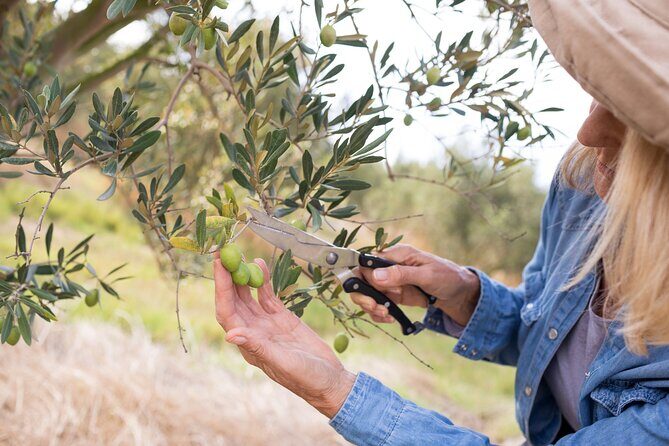
Skalani is where the day earns its title. You go to an olive mill plus an olive grove, and the guide shows how olive oil is produced—not just the final bottle. This is one of those stops where you start noticing details, like how olives are handled and how production avoids waste.
One of the best parts for me was the tasting paired with breakfast. Olive oil tastes different depending on freshness and style, so having it alongside food helps you understand what to look for. I also appreciated how the process gets explained in a way that feels practical, including the idea that they use as much of the olive as possible, not just the obvious parts.
What to watch for: This stop is about learning and sampling, so don’t plan a big snack run right after. You’ll likely be eating already, and the olive-oil flavors are meant to land as part of the meal, not as a separate event.
Good shoes help. You’ll be walking around the grove and facilities, and the ground can be uneven.
Meleses Winery: Organic Farming, Cretan Grapes, and a Wine Flight

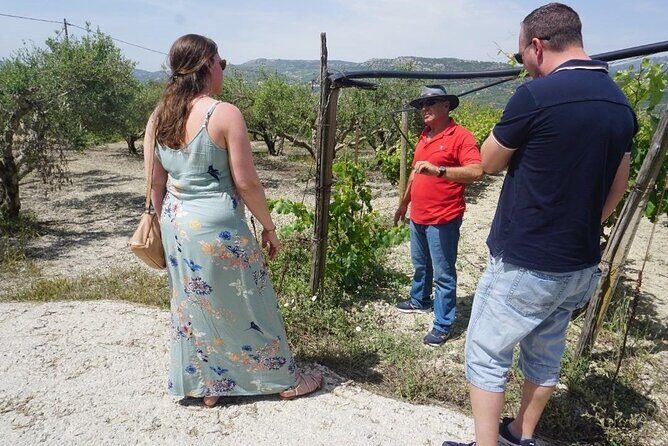
After the olive start, the tour shifts to wine at Meleses, a family business. I liked that the focus isn’t generic wine talk. The cultivation is described as organic, and the emphasis is on solely Cretan grape varieties, so you get a sense of what these growers consider their core identity.
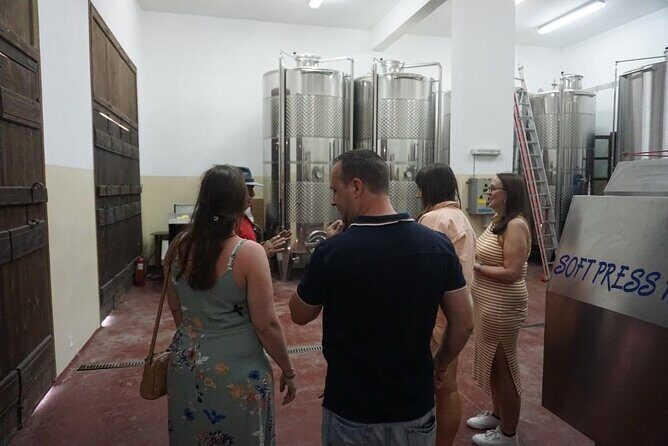
You tour the vineyard where the wine is produced and then move on to the cellar. That sequence matters. Seeing the grapes first helps the tasting make sense, and you’re not just memorizing names—you’re connecting flavor to growing choices and winemaking steps.
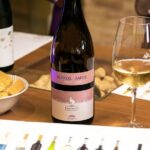
Then comes the best practical part: a tasting of 5 wines. This is enough variety to compare styles, but not so much that your brain turns to mush. One review detail that stuck with me is that people even had the chance to fill and cork their own bottle, which turns the tasting into something you can take home and remember.
You also get downtime under shade, looking over vineyards and olive groves. That break is more than comfort; it gives your palate time to reset between pours.
Tip: If you’re a slow sipper, pace yourself during the flight. There’s more tasting later in the day, and the distillery lunch is part of the experience.
Stironas Raki Distillery: The Methods, the Cellar, and Lunch
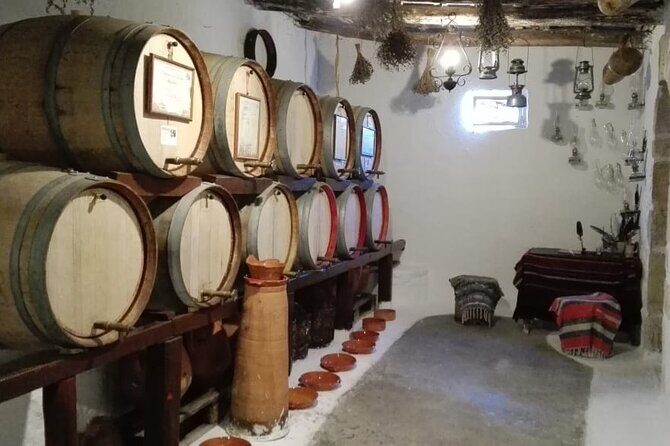
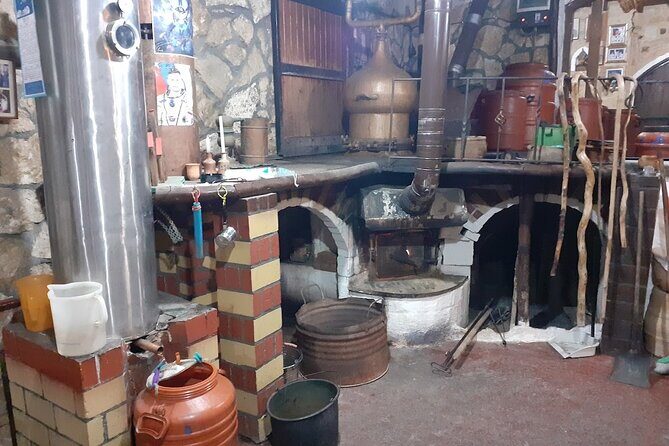
Stironas is where the tour gets energetic. You start with a guided look around the raki distillery area, then go inside to see how distilling methods work. There’s a display tied to the distillation process, which is what makes this stop different from just watching equipment.
Then you visit the cellar and the tour moves into tasting: you get wine and raki tasting, with lunch served at a traditional raki distillery. For me, the lunch was a highlight because it felt connected to the distillery, not like an afterthought. It also breaks up the day in a way that makes the next tastings more enjoyable rather than exhausting.
Raki has a personality—some people love it, some people learn to like it here because it’s explained alongside food and context. Even if you’re not a spirits person, the method tour helps you understand what you’re tasting.
One consideration: Alcohol is included for adults only (+18). If you’re not drinking, you’ll still enjoy the tours and the meals, but the timing is built around tastings.
Thrapsano Pottery Lab: A Hands-On Stop in a Minoan-Era Craft
Thrapsano is an optional pottery lab stop, and timing can matter. It’s not available on Sundays, so if you’re booking for a Sunday, assume you may miss this part or have a different mix that day.
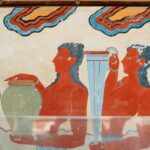
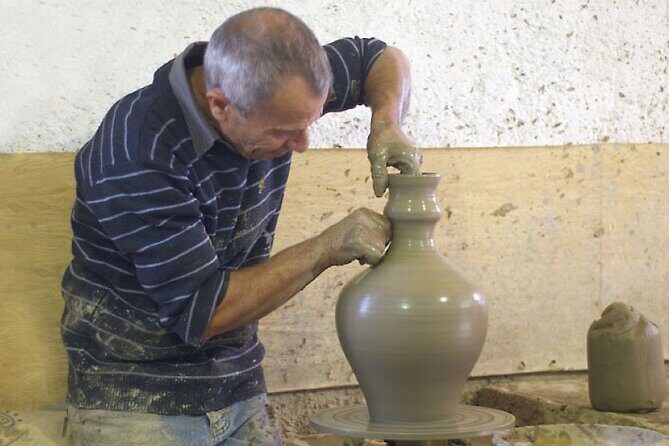
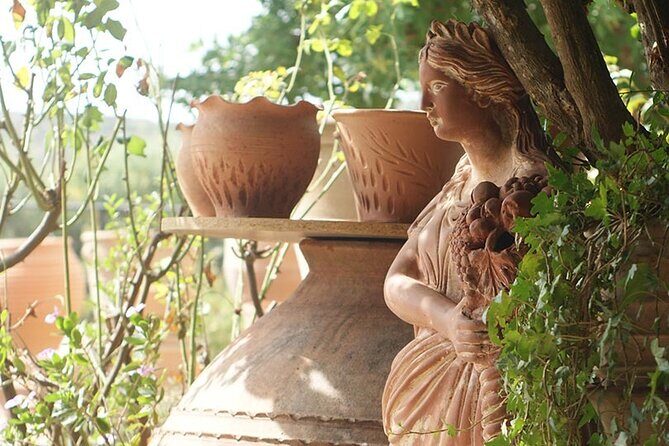
When it is available, you head to a traditional village known for pottery. The craft is described as tracing back to the Minoan era, which helps explain why it’s treated as more than a souvenir workshop. You get a display of how pottery is made, and you have a chance to try making pottery yourself.
That hands-on moment is the kind of activity that turns a tasting day into a story you can talk about later. Watching is nice; trying is better.
Tip for photos: If you care about photos, bring your phone in a way that’s easy to take out—this is one of the few stops where you might want a quick shot while you’re hands-on.


Price and Value: Why $145.18 Can Make Sense
At $145.18 per person, this tour isn’t a “grab-and-go” bargain. It’s priced like a full day with guided access and multiple food-and-drink components.
Here’s why it can still feel like good value:
- Guided visits at each stop (olive mill + winery + distillery)
- Tastings included: olive oil pairing, a 5-wine tasting, plus wine and raki tastings
- Lunch included at the distillery
- Air-conditioned vehicle and bottled water
- Alcoholic beverages included for adults (+18)
If you tried to DIY this, you’d likely pay for transport, then pay separately for tastings and lunches, and you’d spend extra time figuring out who offers what. The cost reflects a day built around guided access plus meals rather than just transportation.
Where you might feel the price more: If you’re the type who doesn’t drink wine or raki, the value drops slightly, since a big part of the included experience is tastings. If you do enjoy wine, olive oil, or spirits, it usually feels right.
Timing and Comfort: A 9:30 Start That Moves
The day starts at 9:30 am, and the full tour runs about 6 to 7 hours. That’s a sweet spot: long enough to cover a lot, short enough that you still have room in your evening.
Pickup is offered, and the group rides in an air-conditioned vehicle with bottled water. For Crete’s summer heat, that matters more than it sounds. You’ll also appreciate the timing if you’re doing this from a central base and want a full day handled for you.
This is also a good choice if you like not thinking too much. You get a mobile ticket and you show up when the plan says.
What You’ll Take Home: Taste, Technique, and Confidence
By the end of the day, you don’t just have a list of places. You have a better mental model of what you’re eating and drinking.
You’ll understand:
- how olive oil production works beyond the bottle
- why a winery can focus on Cretan grape varieties instead of chasing international brands
- what goes into distilling raki, shown in context with the distillery experience
Even the shared pace helps. The day alternates learning with tasting and with meals. That makes the information stick, and it keeps the group from turning into a silent bus tour.
Who This Tour Fits Best (and Who Might Skip It)
This works really well for:
- people who want a food-and-drink day that still teaches something real
- couples and small groups who like a more personal experience
- first-time visitors who want to understand Crete through what locals produce
You might consider another option if:
- you’re sensitive to alcohol-heavy days (the itinerary includes multiple tastings)
- you’re visiting on a Sunday and pottery is a must-have for you (it isn’t available that day)
Should You Book Cretan Wines & Olive Oil Tour?
I’d book it if you want a single day that blends olive oil, wine, raki, and craft without feeling like you’re sprinting between random stops. The combination of guided production tours, a solid tasting lineup, lunch at the distillery, and the small group size makes it a good value for the experience you’re getting.
If you’re on the fence, think about your priorities:
- If you love tasting and learning how food is made, this is a strong yes.
- If you don’t drink much and you want a lighter itinerary, you may feel the cost more than the payoff.
FAQ
How long is the Cretan Wines & Olive Oil tour?
It runs about 6 to 7 hours.
What time does the tour start?
The start time is 9:30 am.
How much does it cost?
The price is $145.18 per person.
Is pickup included?
Pickup is offered.
Is the tour in English?
Yes, the tour is offered in English.
What’s the group size?
The tour has a maximum of 8 travelers.
What’s included in the price?
Lunch, air-conditioned vehicle, bottled water, olive mill guided tour and tasting, winery guided tour and tasting, distillery entrance and tasting, and alcoholic beverages (wine and raki) for adults +18, plus brunch pairing with olive oil tasting.
What alcohol is included and is there an age limit?
Wine and raki tastings are included, but only for adults age +18.
Is the pottery stop always included?
The pottery lab stop is optional, and it’s not available on Sundays.
What’s the cancellation policy?
Free cancellation is available up to 24 hours in advance of the experience’s start time for a full refund. If you cancel less than 24 hours before, it isn’t refunded.