REVIEW · PLAKIAS
Crete Horse Riding: Plakias Beach Ride
Book on GetYourGuide →Operated by Crete Horse Riding · Bookable on GetYourGuide
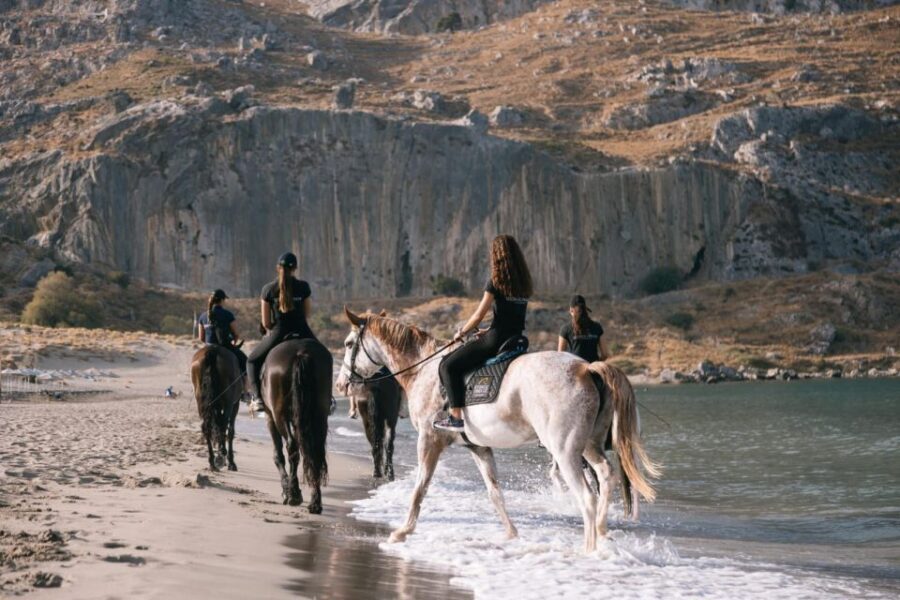
A sandy shoreline run on horseback is hard to beat. This Plakias Beach ride takes you from the Horse Riding Center through olive groves, then onto the 1.4 km stretch of beach for a canter beside the Libyan Sea.
What I really like is the combo of smooth logistics and honest animal handling. You get well-trained, behaved horses, plus mandatory helmets and other safety gear, so beginners can focus on learning instead of guessing.
One thing to think about: the beach time may feel short compared with the total 2-hour slot, because you also spend time riding to and from the coast. If you want maximum minutes on sand, plan your expectations.
In This Review
- Key things to know before you go
- What you’re really paying for in this Plakias Beach ride
- Start at the Plakias Horse Riding Center, then roll through olive groves
- The coast: your 1.4 km shoreline canter moment
- How the guide, horses, and safety gear actually work
- Terrain, timing, and what the 2 hours really feels like
- What to wear (and what to skip) so the ride feels easy
- Riding levels: “all” sounds simple, but your comfort matters
- Small group size: up to 6 riders changes everything
- Photos: what to expect and how to get the shots you want
- Weather and sea breeze: plan for the real conditions
- So… is it worth booking at $153?
- Should you book the Plakias Beach horse ride?
- FAQ
- How long is the Plakias Beach horse ride?
- Where do I meet for the ride?
- What happens on the ride from the center to the beach?
- Is this ride for beginners?
- Are helmets and safety gear provided?
- What should I wear for the tour?
- Is food or water included?
- Are transfers to and from the riding center included?
- What is the cancellation policy?
Key things to know before you go
- Early morning only: better for you and the horses, away from peak heat.
- Small group (up to 6): easier for the guide to manage pace and comfort level.
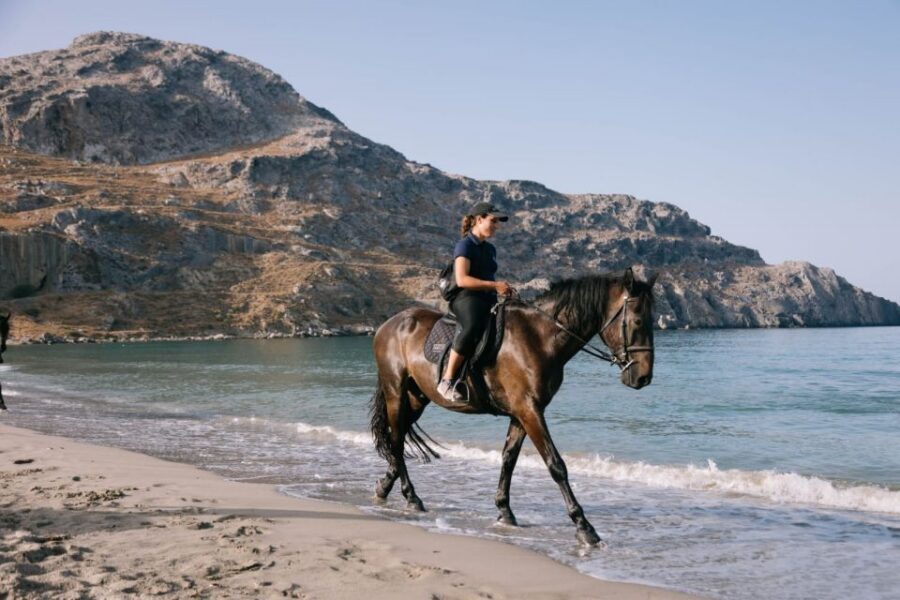
- Canter along a 1.4 km shoreline: the main event, not just a slow walk.
- Group may split by comfort: some riders move faster while others take photos along the waterline.
- A rocky approach can happen: the route to the beach includes uneven sections, so secure footing matters.
- Safety gear is provided: helmets are mandatory, plus a safety vest option for children.
What you’re really paying for in this Plakias Beach ride
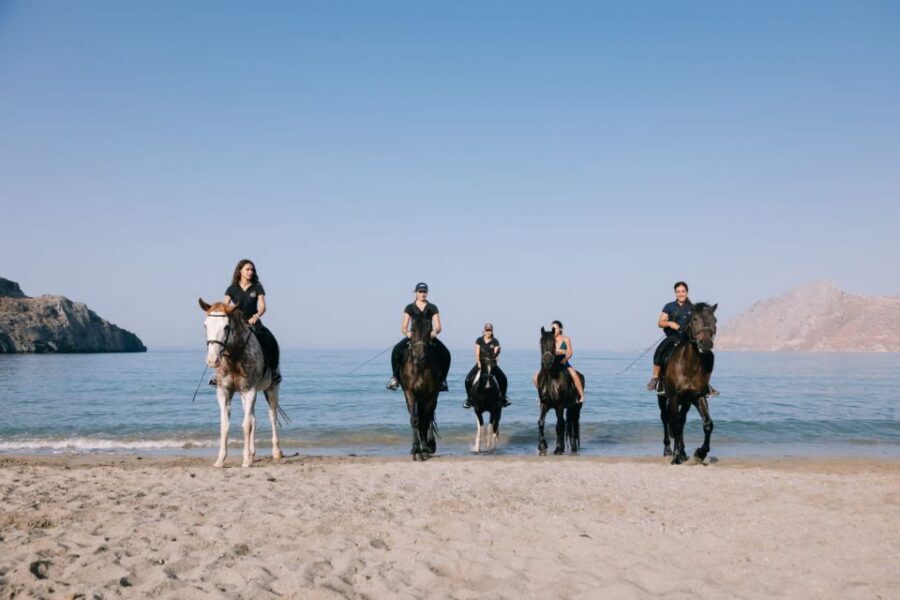
This is a 2-hour Crete horse riding experience built around one big idea: get to the water, then go fast enough to feel it. The value isn’t just the view. It’s the structure that gets you there safely, in a small group, with horses that are already trained for riders of different comfort levels.
At $153 per person, it sits in the mid-to-higher range. Why? Because you’re not only buying access to a beach. You’re paying for horse preparation, an experienced guide, and the safety setup that lets most riders enjoy a canter without it turning into a stress test.
Still, price comes with expectation management. Some riders feel the beach segment is more of a highlight moment than a long stretch of action. If your dream is 90 minutes of pure shoreline gallop, this may not match that fantasy.
A few more Plakias tours and experiences worth a look
Start at the Plakias Horse Riding Center, then roll through olive groves
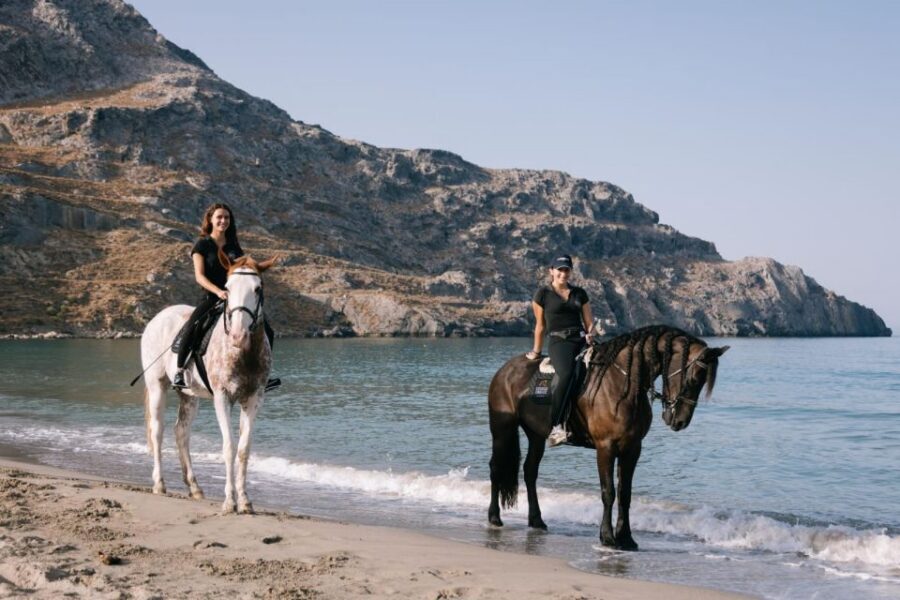
You meet at the Plakias Horse Riding Center in Damnoni (Damnoni, Plakias 740 60, Greece). From there, the ride heads west through the olive groves toward the coast, before you reach the long sandy beach along Plakias.
This approach matters more than it sounds. Olive groves give you that real South Crete feel before you hit the busy part of the day. And it’s also where guides can check comfort and get everyone synced before the pace picks up.
Plan on some time where you’re riding steadily, not only “doing the beach part.” In one experience, early riders reported needing roughly 20–30 minutes to reach the beach, and the path along the way included rocky sections. That’s not unusual in rough countryside terrain, so wear the right shoes.
The coast: your 1.4 km shoreline canter moment
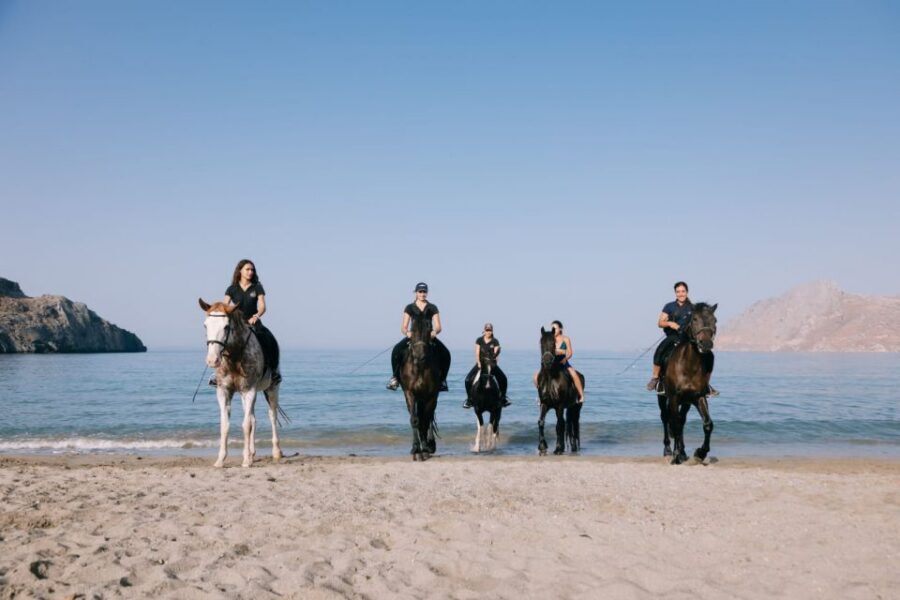
The main event begins when you reach the sandy coast. Then you can canter along the shoreline for a 1.4 km stretch, with sea breeze hitting your face and the Libyan Sea in front of you.
What makes this ride special is how the guide manages pace depending on riding skill or preference. In practice, that can mean a first group check before the faster part on the waterline. Some groups stay together for the early phases, then split once you’re out on the beach so riders can match speed and confidence.
This is also where the photos happen. One rider described the setup where a portion of the group stayed in the water area for photos while the others rode in a faster section along the waterline. So if photos are a priority for you, bring the mindset that this is a shared schedule, not a private photo shoot.
How the guide, horses, and safety gear actually work
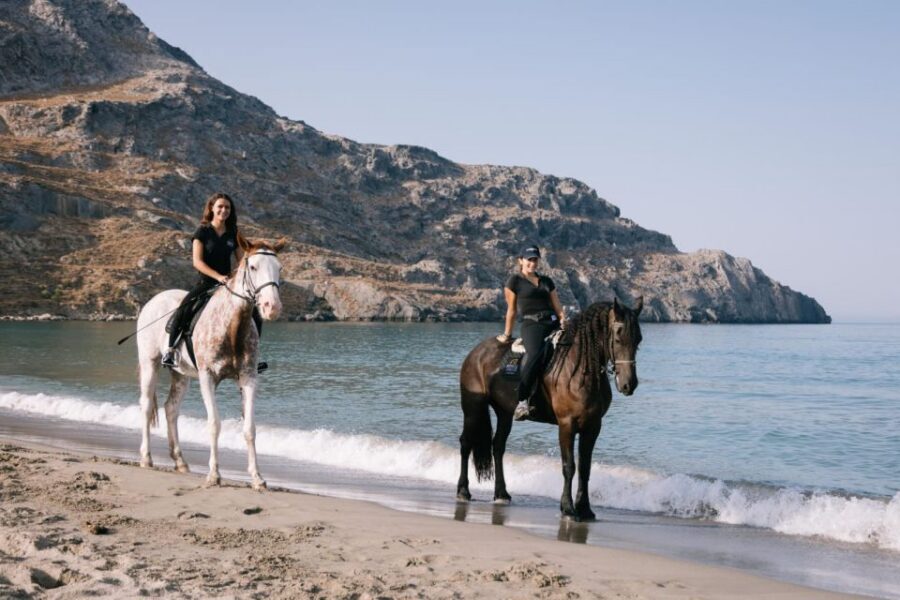
Safety is not an afterthought here. All horses are described as well trained and behaved, and they come equipped with necessary gear for rider and horse safety.
You’ll also get mandatory safety equipment like helmets for riders. If you’re traveling with kids, there’s a safety vest option for children. The tour runs with highly experienced guides or escorts (the exact role is described as depending on riding level), and the pace is set based on comfort and preference.
One detail that stands out from reviews: the best outcomes often come from clear early instruction. In one positive experience, the instructor was praised for friendly, patient coaching and fast reassurance. Another review noted a smoother experience for riders who got better direction at the start. So if you’re nervous, say so immediately at the beginning. Guides typically adjust best when they know where you sit on the confidence scale.
In a review, Ahmed was named as the instructor and received standout praise. If you’re in a group with Ahmed, that’s a solid sign you’ll get calm guidance and practical support.
Terrain, timing, and what the 2 hours really feels like
This is listed as a 2-hour experience, but the feel of those 2 hours depends on how quickly your group reaches the beach and how the guide structures the canter segment.
Because it’s early morning only, you avoid the worst heat for both people and horses. Reviews also echoed that this timing choice makes the whole ride more comfortable.
On the other hand, you may not get endless beach time. One rider felt they only spent about 15 minutes on the beach before heading back, with the rest of the time on the route. Another rider described a longer, more fully enjoyed beach canter with time for photos and a more varied feel. That difference usually comes down to group mix and guide decisions in real time.
If you want the best odds of enjoying the full experience, choose early morning, wear proper shoes, and don’t over-plan what you’ll do with your phone during the fastest part. A canter is not a tripod-friendly activity.
What to wear (and what to skip) so the ride feels easy
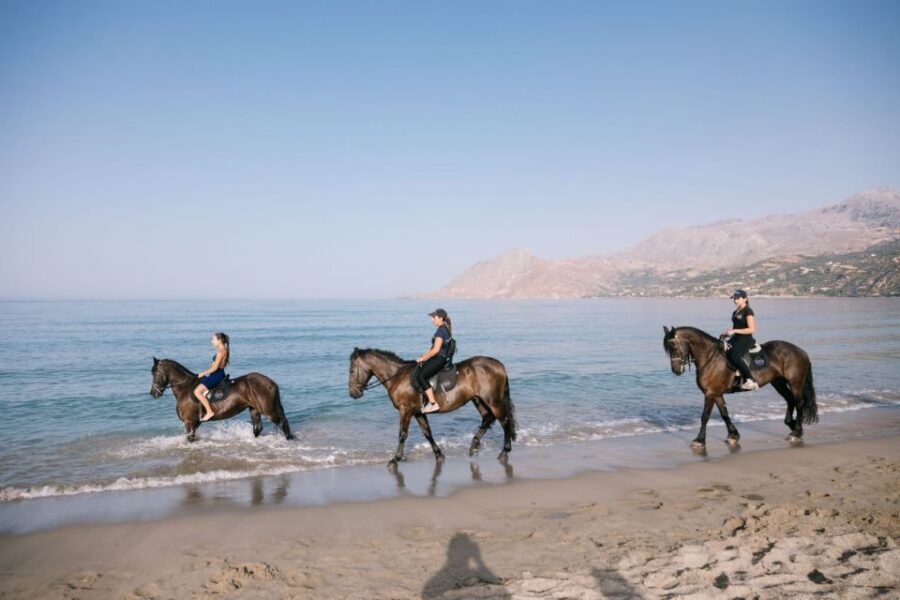
The tour is picky about footwear and clothing, and that’s for a reason: you’ll be mounted and moving on natural surfaces.
Bring and wear
- Long, comfortable trousers
- Closed-toe shoes (secure on your foot)
- Comfortable weather-appropriate clothing
Skip
- Sandals or flip-flops
- Shorts, skirts, or anything that can rub while riding
- Backpacks and bags
- High-heeled shoes, open-toed shoes, slippers, or bare feet
This part is worth taking seriously. One review pointed out discomfort when the horse was difficult, and having proper riding-ready footwear and clothing helps you keep control with your body even when the horse isn’t perfectly in your preferred rhythm.
Chaps are listed as optional equipment. If you already own riding chaps, they can make the experience smoother, especially for longer seat time.
Riding levels: “all” sounds simple, but your comfort matters
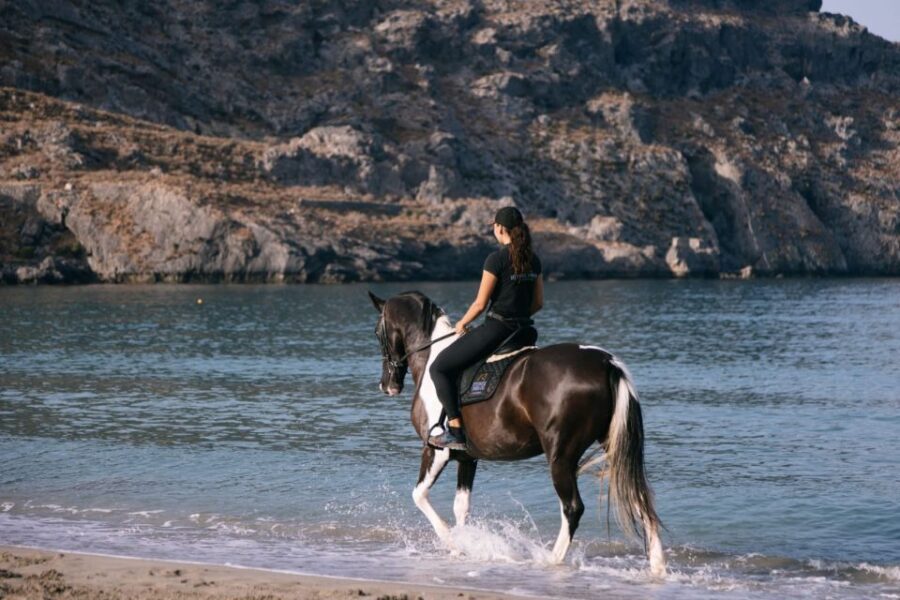
Riding level is listed as all, which sounds welcoming. And it is—because horses are trained and guides are present for all abilities.
Still, beginners should prepare for a learning curve. One review from absolute beginners described mixed feelings, mainly because the group wasn’t clearly informed about difficulty ahead of time and instructions at the start felt lacking. They also mentioned the rocky path to the beach felt scary before the beach ride began.
So here’s my practical take: if you’re new to horseback riding, you’ll enjoy this most when you:
- Pay attention in the beginning to how to hold the reins
- Tell the guide you’re a beginner right away
- Expect that the canter happens after a comfort check
If you’re already comfortable at a trot and can handle a fast transition, you’ll likely feel like the beach canter is exactly what you booked.
Small group size: up to 6 riders changes everything
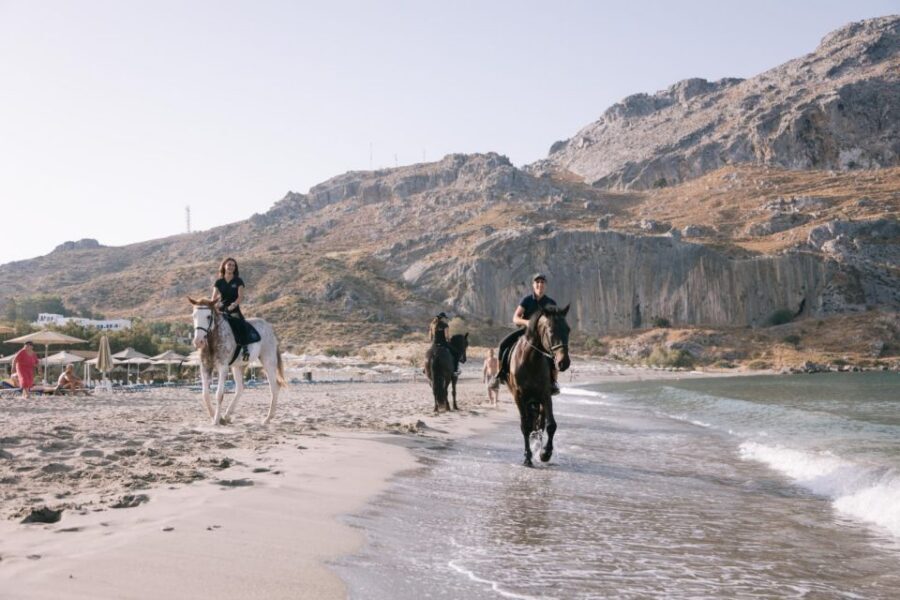
This ride caps at 6 participants. That’s not just a number. It changes the vibe.
With a small group, the guide can manage speed, instruction, and safety more easily. It also means you can actually hear directions and get help if you look unsure at the start.
One review praised a modern, clean, generous riding facility and described plenty of space in shaded areas for horses. That kind of setup usually translates into better horse care and less chaotic staging, which can only help your experience.
Photos: what to expect and how to get the shots you want
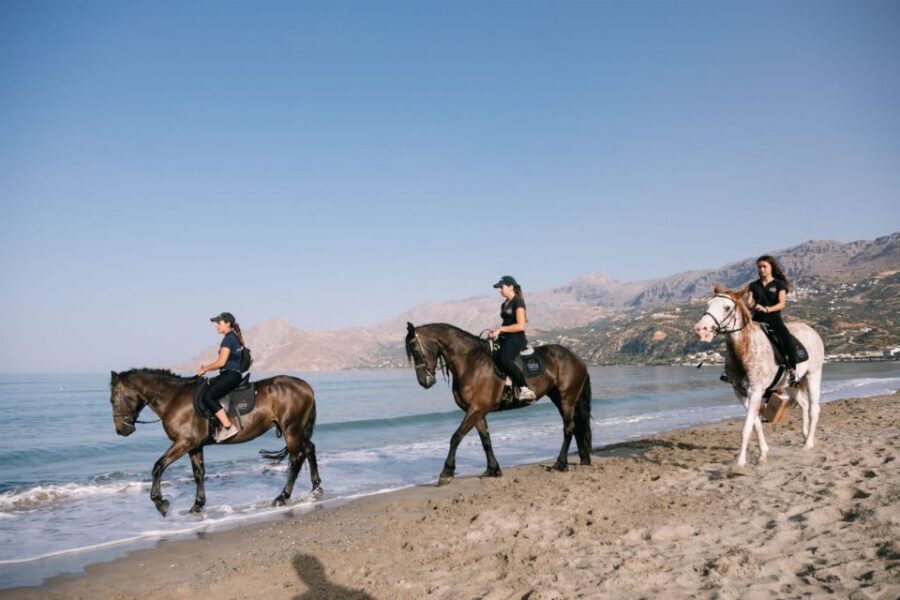
You’ll want photos on the beach. It’s the whole reason a lot of people book this ride.
But the tour format can affect who gets the best moments. Some groups appear to do things like split the ride so one part can take water photos while another rides the canter section. That means not everyone will be perfectly positioned for every picture.
Also, while guides may take photos in some cases (one rider praised the guide for taking photos), it’s not guaranteed for every group in the same way. If you care deeply about photos, bring your own camera plan:
- Have your phone ready before you reach the shoreline
- Keep it away during the noisiest transitions
- Know you might not get long pauses for posing
Weather and sea breeze: plan for the real conditions
The ride is weather-dependent. It’s early morning, which usually helps, but wind and conditions can still change how the supplier runs the activity.
On the coast, you’ll feel the sea breeze, and in general that can make the experience more pleasant. But if it’s windy or conditions shift, expect updates by email or text messages.
Bring clothing that handles mild morning cool and then warm-up once you’re moving. You don’t want to arrive overpacked, but you also don’t want to be underdressed for an early start.
So… is it worth booking at $153?
For the money, you’re buying:
- A 1.4 km shoreline canter on a real beach, not a short lap
- Well-trained horses and mandatory helmets
- An experienced guide with a small-group setup
- A South Crete feel: olive groves, coast air, and an early-morning rhythm
The downside is the time trade-off. You’re not only on the sand. You’re riding there and back, and some groups may spend less time on the beach than you hope.
If your main goal is a one-time, high-feeling horse ride with the freedom of moving along the sea, this can be a great value. If your main goal is long duration on sand with constant gallop and lots of photo stops, you might find it too structured.
Should you book the Plakias Beach horse ride?
Book it if you want a small-group, safety-supported horse ride that includes a true beach canter along Plakias’s shoreline. Choose it especially if you’re happy with early mornings and you want the thrill of speed mixed with guided coaching.
Skip it (or at least adjust expectations) if you’re an absolute beginner who needs very detailed instruction from the start. In that case, message your concerns to the supplier before you go, and arrive ready to listen during the first briefing.
If you’re comfortable on horseback and you dream of sea-breeze cantering, this is the kind of experience that tends to land as a memorable morning, not a checkbox activity.
FAQ
How long is the Plakias Beach horse ride?
The experience is listed as 2 hours. Start times vary, so check availability for the morning sessions.
Where do I meet for the ride?
You meet at the Plakias Horse Riding Center in Damnoni, Plakias (740 60), Greece.
What happens on the ride from the center to the beach?
You ride west through the olive groves toward Plakias beach. Once you reach the coast, you can canter along the shoreline for about 1.4 km.
Is this ride for beginners?
Yes. Riding level is listed as all, and guides/escorts accompany every trip. Pace depends on riding skills or your preference.
Are helmets and safety gear provided?
Yes. Helmets are mandatory, and safety gear is provided. Horses are also described as equipped with necessary gear for safety.
What should I wear for the tour?
Wear long, comfortable trousers and closed-toe shoes. You should also dress for the weather, since conditions may affect the activity.
Is food or water included?
No. Food and drinks are not included.
Are transfers to and from the riding center included?
No. Transfers from and to the Horse Riding Center are not included.
What is the cancellation policy?
You can cancel up to 24 hours in advance for a full refund.