REVIEW · PLAKIAS
Kourtaliotiko Gorge: Guided River Trekking with Lunch
Book on GetYourGuide →Operated by Cretan Explorer · Bookable on GetYourGuide
Cold water and big caves in Crete. This guided Kourtaliotiko Gorge trek is one of the most physical ways to see inland Crete, with hidden forests, nonstop river splashes, and a dramatic waterfall swim. I love that the route is built to keep you on a special path away from crowds, so the gorge feels wild and yours for the day.
My other favorite part is the way the tour handles the hard bits: you get neoprene suits, helmets, and waterproof phone gear, plus hiking poles to keep footing steady. Guides like Manolis and Alkis are not just there to count steps—they make the day feel safe, fun, and well-timed for swimming and photos.
One thing to plan for: the 5€ entrance fee per person is not included and is paid in cash on the day. It’s easy to forget, and you don’t want to be scrambling at the start.
In This Review
- Key highlights worth marking on your map
- Why Kourtaliotiko Gorge feels wilder than most Crete hikes
- Getting set up: neoprene suit, helmet, and waterproof phone gear
- The river trekking flow: waterfalls, natural pools, and steady pacing
- That first big moment: the waterfall cave swim and the quick, safe cool-off
- Staying off the main crowd route inside the gorge
- The olive grove exit and the short walk back to the car
- Banana Garden lunch: real food, a calm reset after the swim
- Price and value: what $112 really covers (and what doesn’t)
- What to bring: shoes, towel, cash, and water comfort
- Who this tour suits best—and who should skip it
- Booking decision: should you book Kourtaliotiko Gorge?
- FAQ
- How long is the Kourtaliotiko Gorge guided trek?
- Is the 5€ entrance fee included in the price?
- What gear is provided during the tour?
- Do I need my own lunch or drinks?
- Is hotel pickup available?
- What should I bring for this activity?
- What languages are the guides available in?
Key highlights worth marking on your map
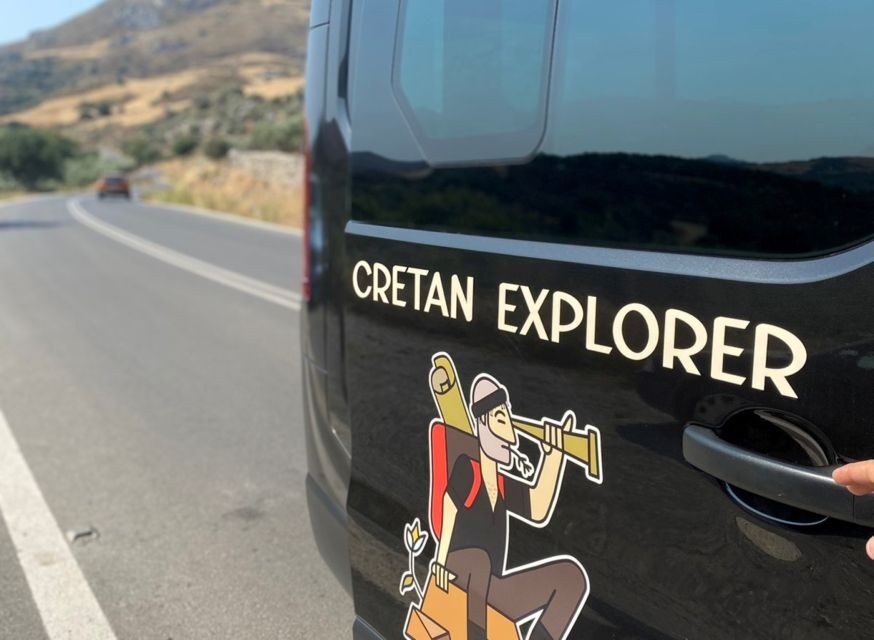
- Waterfall cave swim in the big cave of Kourtaliotis Gorge, with a cool-down moment that’s unforgettable
- Off-crowd route through shady river sections and scenery framed by plane trees
- Natural pools along the way for breaks, dips, and that satisfying “river playground” feeling
- A safe, short jump near the waterfall viewpoint—built for cooling off and photos
- Banana Garden stop after the exit for refreshments and a light lunch in a farm-like setting
Why Kourtaliotiko Gorge feels wilder than most Crete hikes
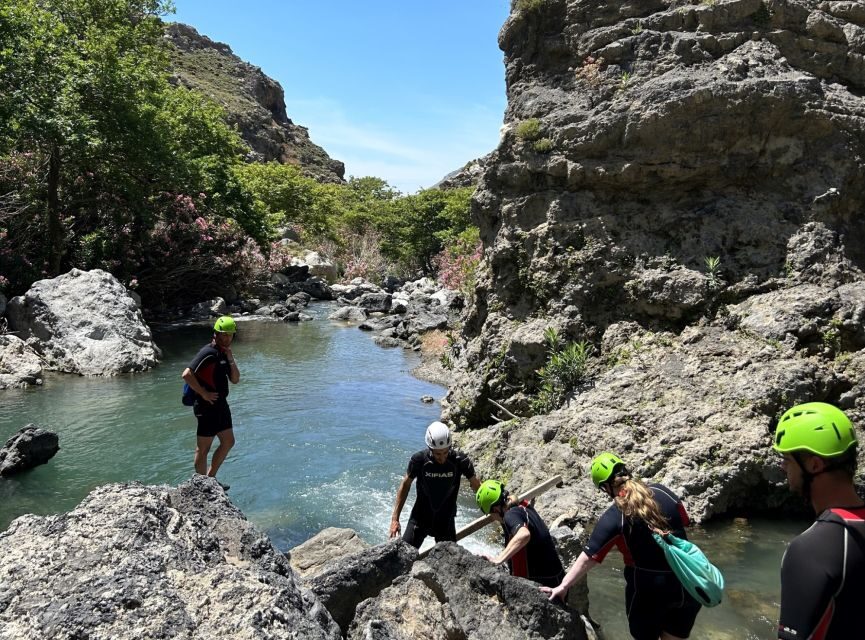
Kourtaliotiko Gorge sits in the Rethymnon area, right in central Crete, and the whole experience is about moving with the river. Instead of a dry trail that you walk past, you spend your time in and around the water—by stepping, splashing, and swimming when the route opens up.
That water access changes the vibe. The gorge has natural pools, small falls, and a big waterfall that drops into the canyon. You also get forest pockets, plus views from above before you head in, so the day doesn’t feel like one long repetitive descent.
The “away from crowds” approach matters here. If you’re used to Cretan summer crowds, the difference is real. You still see plenty of other hikers at the general area sometimes, but the guide-led path helps keep the gorge feeling more personal.
You can also read our reviews of more tours and experiences in Plakias.
Getting set up: neoprene suit, helmet, and waterproof phone gear
The day starts with gear, and that’s a big part of why this trek feels approachable. Once you’re above the gorge, you’re provided neoprene short-sleeve suits, helmets, waterproof cases for mobile phones, waterproof backpacks, and hiking poles.
You’ll also get a short route briefing before you begin. That’s not just ceremony. River trekking has its own rhythm—where the footing changes, where you pause, and when you switch from walking to swimming. Having poles and a plan helps you stay relaxed instead of tense.
One practical note: you’re asked for your height and weight so they can fit the neoprene suit better. That small step can make a big difference in comfort, especially if you’re tall or compact and want the suit to feel secure without being overly restrictive.
The river trekking flow: waterfalls, natural pools, and steady pacing
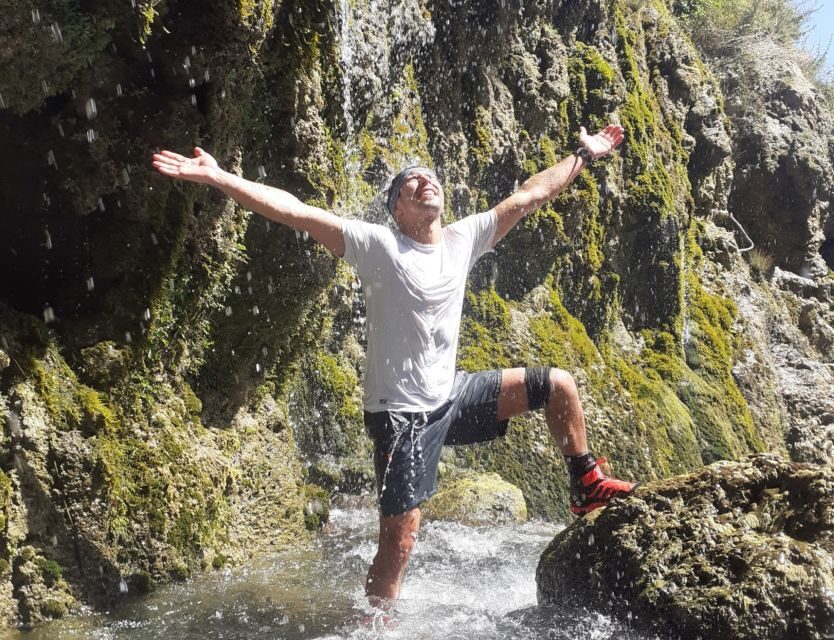
The trek follows the river’s shore through a special path designed to keep you away from the biggest crowds. From there, you’re moving through a mix of shallow wading and walking sections, with splash breaks built into the route.
Expect the water to be moving constantly. The river flow from the mountains never stops, so even when you’re not actively swimming, you’re surrounded by that sound and motion. It’s one of those places where your brain stops thinking about time and starts paying attention to what’s in front of you.
As you continue, the gorge opens into natural pools where you can cool off. You’ll also pass plane trees, and their shade plus the narrow canyon walls create a “quiet pocket” feel—like the gorge is still working its magic even on a hot day.
The pacing has a rhythm: you walk, you splash, you take short breaks, and you keep moving forward. The route is described as a moderate hike suitable for most fitness levels, but it’s still physical. Your legs do work, and your balance needs attention, because river bottoms can be slick or uneven.
That first big moment: the waterfall cave swim and the quick, safe cool-off
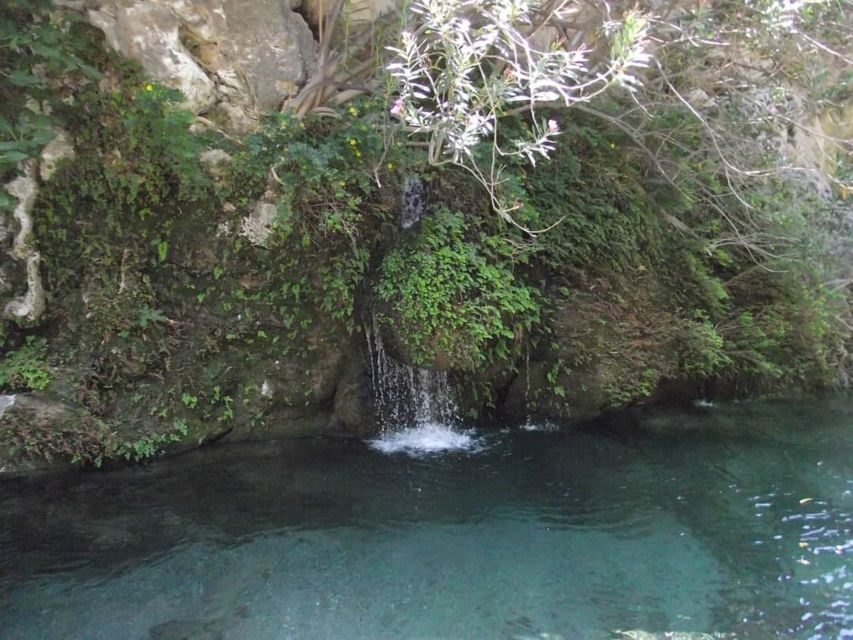
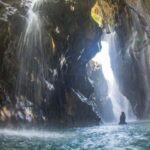
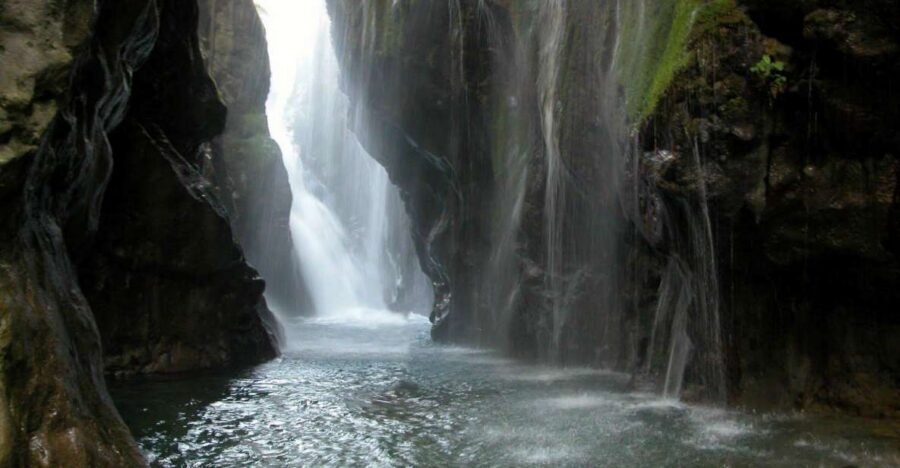
A major highlight is the first waterfall section—where you get an amazing view and then the chance to swim into the big waterfall area in a cave. The tour is set up so you can experience the cold shock in a controlled way, with staff-provided safety gear and guidance.
There’s also a small and safe jump mentioned for cooling off at a spot that’s described as good for photos. You’re not being thrown into the deep end without support. Instead, it’s more like: step into the moment, get the cool-down, and take advantage of the angle for pictures while staying safe.
For photography, this is where your phone and waterproof case earn their keep. The cave-and-water angle gives dramatic light, and the gorge walls frame the waterfall in a way you don’t get from the riverbank. Bring your phone case, keep it sealed, and try to be ready a few minutes before the moment arrives—water changes fast.
Staying off the main crowd route inside the gorge
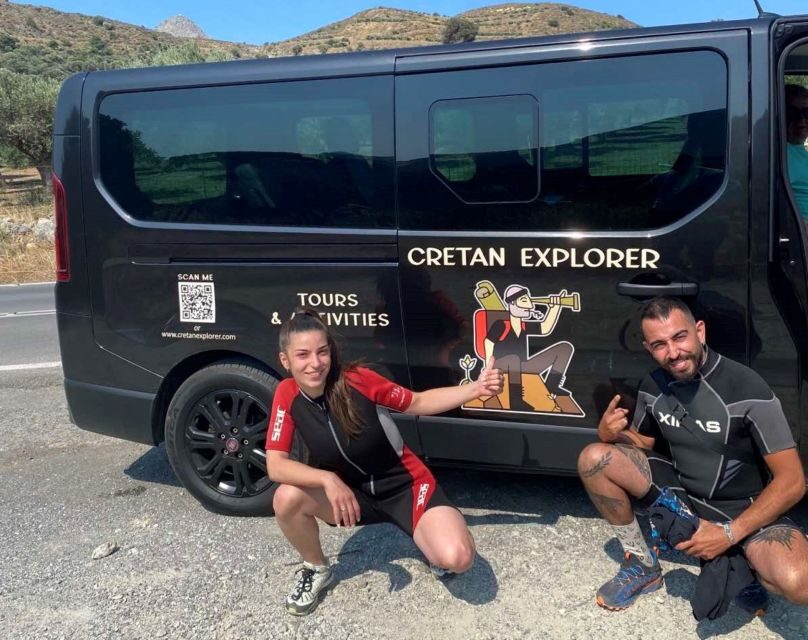
One reason this trip feels different is the deliberate choice to guide you along paths away from the busiest areas. The gorge has areas where you can get stuck in a “wait your turn” travel mode, but the route here is designed to reduce that.
You’ll spend time in sections that feel more like a hidden forest than a tourist attraction. The tour route includes exploring forest areas and seeing the canyon from inside the river corridor, not just from one viewing platform.
Also, the exit timing helps. After about two more hours walking deeper into the gorge, you reach an old olive grove where you exit. That olive grove acts like a natural “checkpoint,” and it breaks up the day so it doesn’t feel like endless scrambling in the water.
The olive grove exit and the short walk back to the car
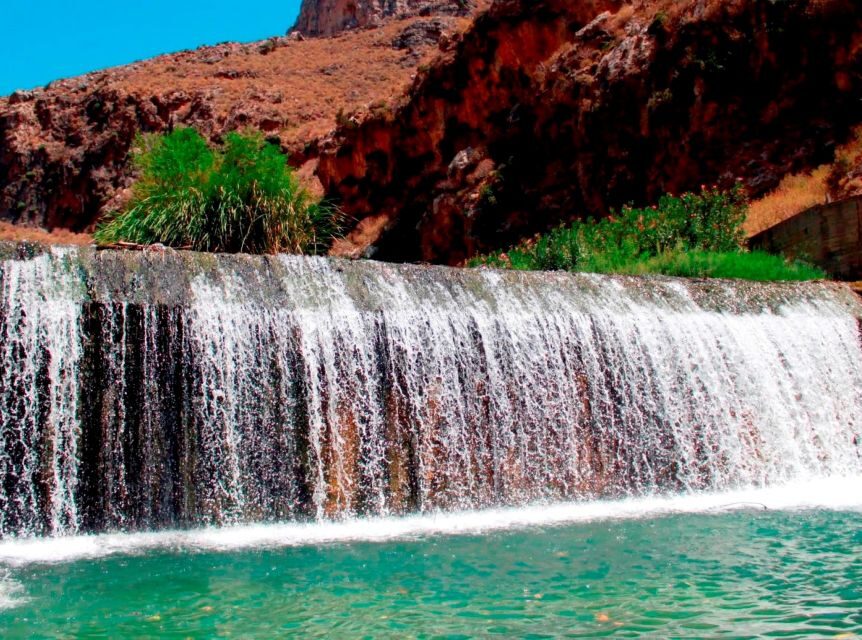
Once you hit the old olive grove exit point, the river trekking portion is over. From there, you move to a nearby refreshment area tied to the Banana Garden experience.
The return walk is described as short and mild compared to the gorge descent. The idea is that you’re not punished with another long uphill hike after soaking wet trekking. You’ll still be walking on ground, and you’ll want comfortable footwear, but the heavy climbing isn’t the vibe here.
If you’re worried about the walk back, keep in mind that the tour includes transfers between the exit and entrance points. That makes sense for gorge trekking, where the start and end don’t connect like a loop trail.
Banana Garden lunch: real food, a calm reset after the swim
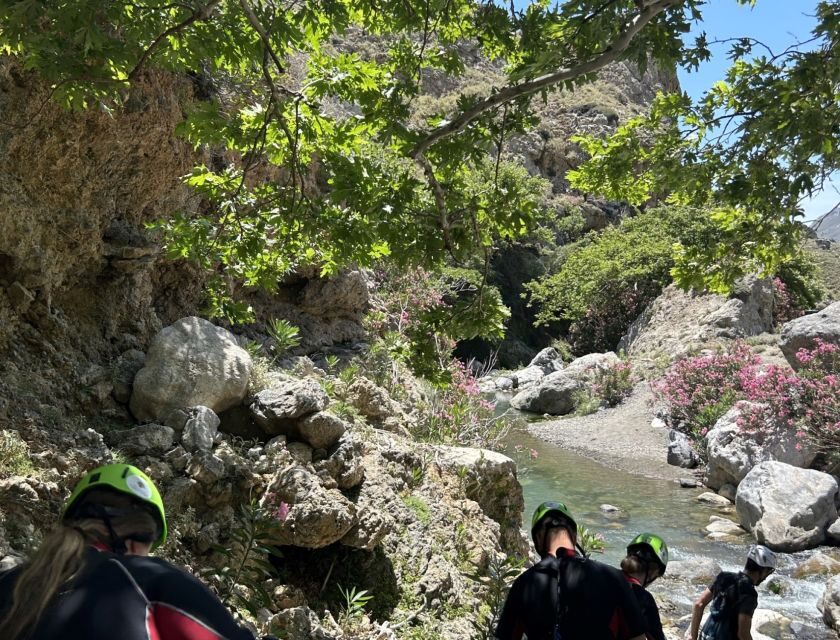
After you leave the gorge, you get to enjoy the “hidden paradise” feeling of Banana Garden. This is where the day’s pace slows down and you get a light lunch after the trek.
The food isn’t presented as a fancy restaurant meal, which is exactly why it works. After hours of water and movement, simple Greek-style refueling hits the spot. There are also mentions of cold drinks, watermelon, Greek salad, smoothies, and snacks as part of the refreshment experience after trekking.
I like that this stop feels tied to local agriculture rather than a tourist-factory lunch. It’s a good place to compare notes with your guide and group, catch your breath, and get dry enough to feel human again.
Price and value: what $112 really covers (and what doesn’t)
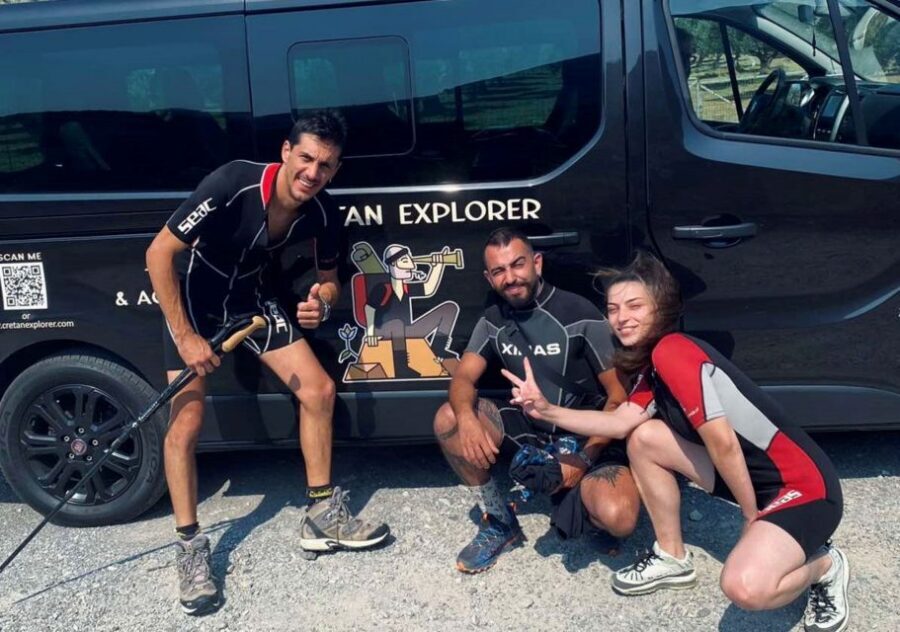
At about $112 per person for a 5-hour guided river trek, this is priced like an activity where safety gear and a guide are essential. You’re not just paying for a walk—you’re paying for equipment, guided route management inside the gorge, and the transport needed to make the start and exit work.
Here’s what’s included that adds real value:
- Experienced guide
- Neoprene short-sleeve suits, helmets, hiking poles
- Waterproof phone cases and waterproof backpacks
- Light lunch after the trek
- Transfers between the exit point and entrance of the gorge
- Skip-the-line entry ticket
What’s not included:
- 5€ entrance fee per person, paid in cash
- Drinks during lunch
So the “true” total is usually a bit higher than $112 once you add the 5€ entrance fee. Still, once you consider gear, guide, and lunch, this tends to feel fair—especially if you’d otherwise have to rent equipment or find a standalone guide.
What to bring: shoes, towel, cash, and water comfort
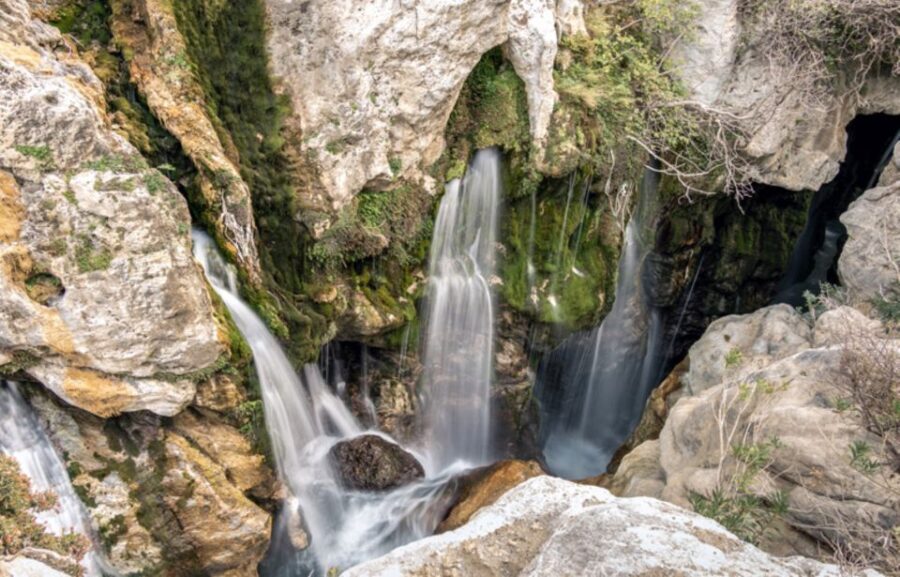
This trek is a water-and-rock experience, so your packing matters more than you’d think. Bring swimwear, a towel, sports shoes, flip-flops, water, and snacks if you want extra energy.
Cash is important. You’ll need 5€ per person for the entrance ticket, paid in cash. There’s no point in arriving without it and hoping for a workaround.
Footwear is the other big one. Watershoes with soft soles are not suitable. You want footwear that can grip on river stones and handle wet footing without sliding around. The tour also asks you for your height and weight to help them size the neoprene suit, so if you’re booking, make sure you provide that information.
If you’re carrying a towel or extra layers, use the waterproof backpack they provide when possible. The gorge day is wet by design, and staying organized makes the experience smoother.
Who this tour suits best—and who should skip it
This is best for people who like physical days and don’t mind being wet. It’s described as a moderate hike suitable for most fitness levels, but it’s not for everyone because the route includes water time, swimming opportunities, and uneven river trekking.
It’s not suitable for:
- pregnant women
- people with back problems
- people with mobility impairments
- people with heart problems
- visually impaired people
- people with recent surgeries
- people over 70 years
If you have any concerns, it’s worth asking before you book. River treks can look simple on a map, but on the ground they involve balance, water, and quick route changes.
If you do fit the recommended profile, you’ll likely love it: the waterfall cave swim, the pools, the guided “away from crowds” route, and the lunch stop together make a full half-day of Crete that feels active and grounded in nature.
Booking decision: should you book Kourtaliotiko Gorge?
Yes, if you want a Crete experience that’s not just scenic but actively hands-on. The waterfall cave swim, natural pool time, and off-crowd pacing are the kind of combination you won’t get from a standard sightseeing stop.
I’d also recommend booking if you appreciate safety structure. The neoprene suit, helmets, waterproof phone gear, and hiking poles make the day feel supported, not risky.
Skip it or think twice if you know you can’t handle cold water, wet footing, or a river-rock environment. And be ready for the extra 5€ cash entrance fee, because that’s the one cost detail you should not ignore.
FAQ
How long is the Kourtaliotiko Gorge guided trek?
The tour duration is 5 hours.
Is the 5€ entrance fee included in the price?
No. The 5€ per person entrance fee is not included and is paid in cash.
What gear is provided during the tour?
You get an experienced guide, neoprene short-sleeve suits, waterproof cases for mobile phones, waterproof backpacks, helmets, and hiking poles.
Do I need my own lunch or drinks?
Lunch is included as a light meal after the trek. Drinks during lunch are not included.
Is hotel pickup available?
Hotel pickup is optional. Pickup is offered from around Rethymno and also from the Plakias area (Sellia, Mirthios, Lefkogia, and Mariou villages). You’ll get exact pickup details the day before.
What should I bring for this activity?
Bring swimwear, snacks, water, sports shoes, cash, a towel, flip-flops, and comfortable shoes. Watershoes with soft soles are not suitable.
What languages are the guides available in?
The live tour guide is available in English, German, Italian, Spanish, and Greek.