REVIEW · GREECE
Extra Virgin Olive Oil Experience with Wine & Herbs
Book on GetYourGuide →Operated by CRU BEE-HAVING Wine & Olive OIl Tastings · Bookable on GetYourGuide
Olive oil is not one taste. In this Central Greece class, I learned to read the aromas, spot regional flavor differences, and connect every pour to extra virgin olive oil quality.
At the start you taste, evaluate, and then taste again with herbs, spices, cheese, bread, and a glass of wine. It’s a fast, hands-on way to turn a pantry bottle into something you actually understand.
Two things I really liked: the calm, warm teaching from Anton, and the practical way he explains how to judge quality before you buy anything. You also get a clear path from oil to food, including herb and spice pairings you can copy at home.
One drawback: it’s only 40 minutes, so if you want deep technical detail on every olive-growing region, you may wish you had more time.
In This Review
- Key takeaways before you go
- 40 Minutes in Central Greece: What This Olive Oil Class Covers
- Meet Anton at the Wine and Olive Oil Bar with the Black Cat Poster
- How to Taste Extra Virgin Olive Oil Like You Mean It
- Four Extra Virgin Olive Oils: How Differences Show Up in Your Glass
- Herbs, Spices, Cheese, Bread, and Wine Pairings That Actually Make Sense
- The Quality Checklist: What to Look For When You Buy a Bottle
- Health and Cosmetic Benefits: What the Class Covers (and What It Doesn’t)
- Why the $23 Price Works for the Time You Spend
- Who This Tasting Best Fits (and Who Might Skip)
- Should You Book This Extra Virgin Olive Oil and Wine Tasting?
- FAQ
- How long is the extra virgin olive oil experience?
- What’s the group size for this olive oil tasting?
- Is the instructor available in English?
- What’s included in the tasting?
- Where do I meet for the experience?
- Who is this experience not suitable for?
- Can I cancel and get a full refund?
Key takeaways before you go
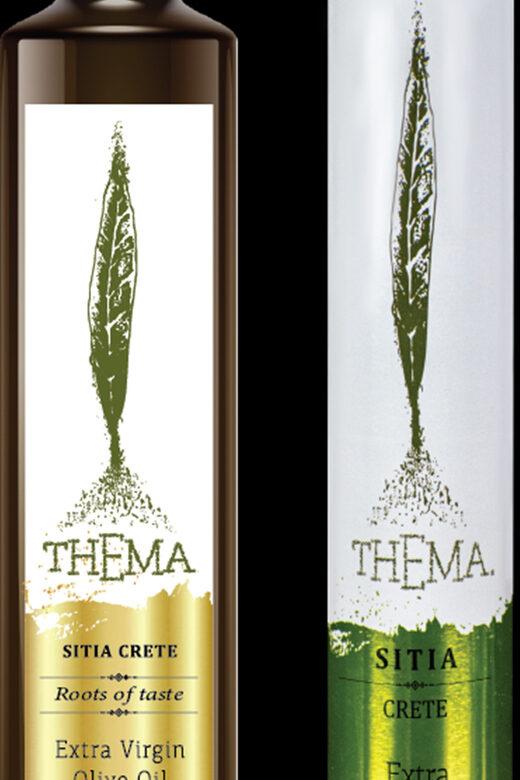
- Four extra virgin olive oils to taste and compare side by side, not just sip one and move on.
- How to taste and evaluate EV olive oil using quality criteria you can repeat later.
- Greek olive oil types, styles, and regions explained in plain language.
- Pairings with herbs, spices, cheese, bread, and wine that make flavor logic click.
- A small group (up to 10), so you can ask questions and actually get answers.
40 Minutes in Central Greece: What This Olive Oil Class Covers
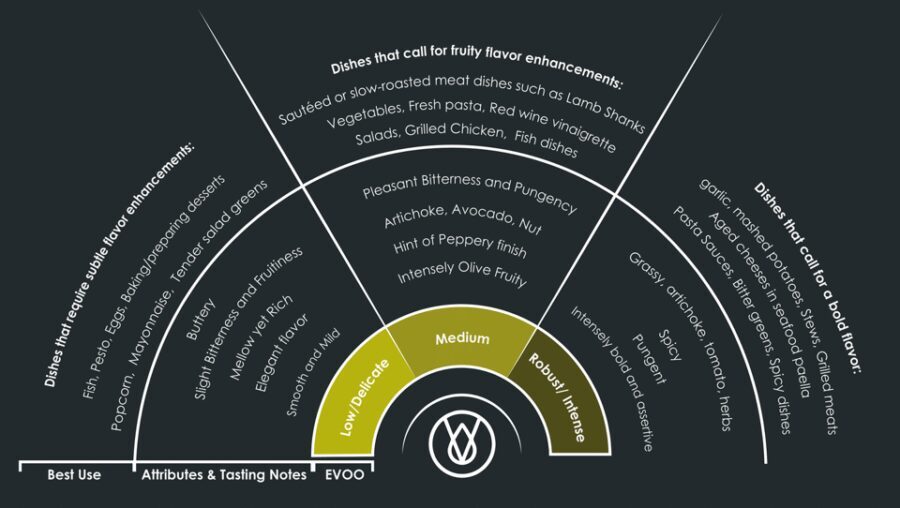
This is a short tasting class that treats olive oil like food, not like a background condiment. You’ll explore how it tastes, how it’s produced in Greece, and how to evaluate what you’re pouring into your pan or salad.
The format is built around comparisons. You start by learning what to look for in extra virgin olive oil, then you taste multiple samples. After that, you test the oils against flavors like mountain herbs and common spices, plus bread and a glass of wine.
Because the time is tight, you should come with a goal. If your goal is learning what makes a bottle genuinely good, you’ll love the structure. If your goal is spending an hour or two wandering slowly through olive trivia, this will feel efficient.
You can also read our reviews of more wine tours in Greece



Meet Anton at the Wine and Olive Oil Bar with the Black Cat Poster
Your meeting point is a Wine & Olive Oil Bar marked with a Black Cat poster. When you arrive, you’ll head into the tasting setup run by CRU BEE-HAVING Wine & Olive OIl Tastings.
This isn’t one of those huge, impersonal tours. The group stays small—limited to 10 participants—so Anton can teach in a more personal way. In the room, the vibe is relaxed and real, like you’re learning in someone’s working studio, not standing in a mall booth.
I also appreciated how Anton mixes professionalism with warmth. He explains without talking down, and he’s happy to answer questions as they come up. That matters, because olive oil isn’t intuitive at first—taste and smell are learnable skills, and you want a guide who stays patient.
How to Taste Extra Virgin Olive Oil Like You Mean It
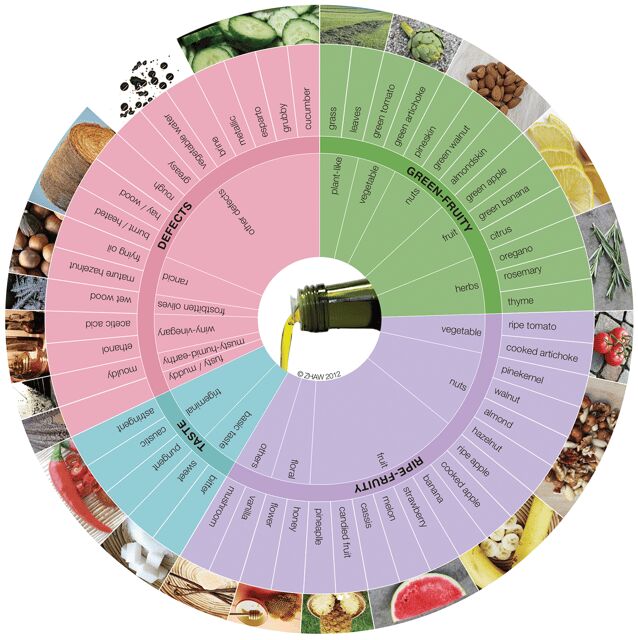
The tasting part is the heart of the class. You’ll practice how to taste extra virgin olive oil using quality criteria that go beyond vague impressions like it tastes peppery.
First, you’ll learn what to pay attention to when you smell and taste. Then you’ll apply it while tasting the different samples. The class also covers how to evaluate olive oil in general, so you’re not stuck thinking only about extra virgin.
Here’s what you’ll walk away with: a mental checklist. You’ll know what signals higher-quality oil versus what can be a sign of lower quality. And you’ll learn why the same oil can feel different depending on temperature, the food you pair it with, and your own expectations after earlier samples.
You’ll also see that tasting isn’t just about one sip. The experience is designed around repeated comparisons. That helps you stop guessing and start noticing.
Four Extra Virgin Olive Oils: How Differences Show Up in Your Glass
A big selling point here is the number of oils. You taste four extra virgin olive oils, not three crumbs and a polite nod.
Anton guides you through what each oil represents—types and styles, plus olive regions in Greece. The point isn’t to memorize labels. The point is to recognize flavor patterns that connect to geography and production choices.
As you taste, you’ll pick up how different oils can show up as more herbal, more fruity, more pungent, or more mellow. It can feel subtle at first, but side-by-side tasting trains your palate faster than tasting one bottle at home.
You’ll also learn the categories and how they tie back to what’s in the bottle. That matters because many visitors see olive oil as a single product. In reality, extra virgin olive oil can taste very different depending on the olives, timing, and handling.
Herbs, Spices, Cheese, Bread, and Wine Pairings That Actually Make Sense
A lot of tastings tell you olive oil goes with salad. This one goes further by showing you how flavor chemistry works in the real world.
You’ll explore unique pairings with mountain organic herbs and common spices. Then you’ll taste alongside bread, cheese, and a glass of wine. The oils aren’t treated like decorations; they’re treated like active ingredients that change the way other flavors behave.
This is where the class becomes genuinely useful for your next meal in Greece. If you know the oil’s flavor direction—herbal versus fruity, more intense versus smoother—you can make smarter choices when you’re eating at tavernas or buying picnic supplies.
One practical advantage: the pairing includes everyday foods you’ll actually encounter while traveling. Bread and cheese show up constantly, and wine is already part of the local rhythm. So instead of learning pairings that only work in a classroom, you learn pairings you can use immediately.





The Quality Checklist: What to Look For When You Buy a Bottle
The class doesn’t just teach taste; it teaches evaluation. You learn quality criteria and how to evaluate olive oil, so you’re not relying on marketing alone.
Think of it like learning a new camera setting. At first, it’s confusing. Then once you know what to check, you can get the shot you wanted. The same idea applies here: you’ll understand what makes extra virgin truly better, and you’ll recognize it before you pour a whole salad worth of disappointment.
You’ll also learn how to think about olive oil as a product of the land. Anton connects the flavors to where they come from and how people handle the olives. That gives you a reason to pay a bit more without turning it into snobbery.
One more tip I picked up is to take your time once you’ve learned the baseline. Don’t rush to decide after the first taste. The class trains you to re-check your impression and compare again, which is exactly how you should shop at a store.
Health and Cosmetic Benefits: What the Class Covers (and What It Doesn’t)
The experience includes discussion of olive oil’s health and even cosmetic benefits. You’ll hear how olive oil is used in those contexts and why people value it.
Just keep expectations realistic. This is still a tasting class in 40 minutes. So you’re not getting medical instruction or a lab lecture. What you are getting is a broader understanding of how extra virgin olive oil fits into everyday Greek life beyond cooking.
You’ll connect benefits to the idea of quality—because when people talk about olive oil for wellness and skin care, they’re usually pointing back to fresh, high-quality extra virgin oil. That’s the practical thread running through the class: not just flavor, but the reason people care.
Why the $23 Price Works for the Time You Spend
The price is $23 per person for about 40 minutes. On paper, it can sound like a quick stop. In practice, it’s good value because you’re paying for guided tasting and interpretation, not just drinking oil in silence.
You get:
- Four extra virgin olive oils (enough samples to notice real differences)
- herbs and spices for pairing
- bread
- a glass of wine
- an English-speaking instructor who answers questions
Also, the group size is limited to 10. That usually means more attention than a bigger tour. In a short class, that attention is the difference between learning and just tasting.
If you enjoy food education that you can use the next day—at markets, at restaurants, and in your own cooking—this price makes sense. If you only want a casual sip with no tasting skills, you might decide you’d rather spend your time and money on a longer meal.
Who This Tasting Best Fits (and Who Might Skip)
This experience is best for adults who want to understand what they’re drinking and eating. It’s especially good if you’re the type who likes to buy better ingredients and then use them at home.
It’s not suitable for children under 16, and it’s not for people over 95. If you fit the age range, you’ll probably appreciate the structured tasting and the Q&A pace.
I’d also point it out to solo travelers who like learning from a person, not from a crowd. The small group helps you get explanations that match what you’re tasting. And if you’re going to be in Athens or Central Greece for a short time, this is a compact activity with a lasting payoff.
Should You Book This Extra Virgin Olive Oil and Wine Tasting?
I’d book it if you want a fast path from confused olive oil buyer to confident taster. The combination of four oils, guided evaluation, and practical pairings is the big win. You’ll leave with a clearer sense of what makes extra virgin olive oil worth your money.
Skip it only if you hate short classes or you’re expecting a long market-style crawl. This is designed to teach taste skills and flavor logic in 40 minutes. If that sounds like your kind of souvenir, it’s a smart use of time.
If you can, show up with a few questions ready—like what to look for when buying in Greece, or how to pair olive oil with the kind of meals you actually eat. Anton’s teaching style makes it easy to ask, and you’ll get more value from the time.
FAQ
How long is the extra virgin olive oil experience?
It lasts about 40 minutes.
What’s the group size for this olive oil tasting?
It’s a small group limited to 10 participants.
Is the instructor available in English?
Yes, the instructor teaches in English.
What’s included in the tasting?
You’ll sample four extra virgin olive oils, with mountain organic herbs and common spices, plus bread and a glass of wine.
Where do I meet for the experience?
Meet at the Wine & Olive Oil Bar with the Black Cat poster.
Who is this experience not suitable for?
It’s not suitable for children under 16, and it’s not suitable for people over 95.
Can I cancel and get a full refund?
Yes. You can cancel up to 24 hours in advance for a full refund.