REVIEW · ATHENS
From Athens: Private Anc. Corinth, Temple of Hera, Blue Lake
Book on GetYourGuide →Operated by Ancient Greece Tours and Transfers · Bookable on GetYourGuide
The most striking part of this day is the contrast: you move from Acrocorinth’s massive hilltop fortress to a quiet seaside cove where you can swim beside the Ancient Heraion. In between, the Corinth Canal cuts a dramatic line through the land, while Ancient Corinth brings you close to the world of Saint Paul and the early Christian church.
I like the private format, especially for a long day with several stops. You can set the pace with your driver instead of waiting for a large group, and the included hotel, Airbnb, or port pickup keeps the morning simple. I also like the mix of ruins and sea time. This is not only a history outing.
The main drawback is that your driver is not a licensed guide who can enter the archaeological sites and explain everything inside. Entrance to Ancient Corinth costs an extra €15 per person, and a licensed guide costs more. The steep, uneven ground at Acrocorinth and the coastal walk also make this a poor fit for people with mobility limitations.
In This Review
- Key points to know before booking
- Why this private Corinth day works
- Crossing the Corinth Canal
- Entering Acrocorinth’s hilltop fortress
- Walking through Ancient Corinth and Saint Paul’s world
- From ruins to a swim at Ancient Heraion
- Walking up to Malagavi Lighthouse
- What the private vehicle adds
- Who should book this Corinth experience
- Booking details and practical planning
- Should you book it?
- FAQ
- How long does the private Corinth experience last?
- Where can I be picked up?
- Is the tour private?
- Is a licensed guide included?
- What is the entrance fee for Ancient Corinth?
- What should I bring for the day?
Key points to know before booking
- Three very different Corinth stops: See the canal, climb through Acrocorinth castle, and walk among the ruins of Ancient Corinth before heading to the sea.
- Saint Paul’s Corinth: Ancient Corinth is tied to the two years Paul lived and preached here, with the Agora and Temple of Apollo at the center of the visit.
- A private day with room to breathe: The nine-hour schedule allows time at each main stop without the usual large-group shuffle.
- Swimming at Ancient Heraion: Bring swimwear and a towel for the sanctuary’s clear, deep cove, with cliff-jumping possible from nearby rocks.
- A working lighthouse with Gulf views: A short uphill path leads to the 1897 Malagavi Lighthouse and views toward the Corinthian Gulf and canal.
- Driver-led rather than guide-led sightseeing: English- or Greek-speaking drivers provide historical background, but a licensed site guide is an extra cost.
Why this private Corinth day works
At $281 per person, this is not a bargain bus outing. It is priced as a private, full-day experience with transport from Athens, vehicle Wi-Fi, air-conditioning, bottled water, and pickup and return service. The value depends on how much you care about flexibility.
For two or more people, the private setup becomes easier to justify. You are paying for a dedicated vehicle, not only a seat, and you can spend more time at the places that interest you most. That matters at Acrocorinth, where some people want to linger over the views and fortifications, while others would rather keep the climb short and move on.
The schedule covers about nine hours, so expect a full day rather than a quick side trip. You will spend several hours around the ruins, then have time for lunch or a break before swimming at Ancient Heraion. Food and drinks are not included, so plan to buy or bring what you need.
The experience suits you best if you want a private outing and prefer a broad look at Corinth rather than a single archaeological site. It is also useful for couples, families, or small groups who want door-to-door service from Athens without arranging a rental car.
You can also read our reviews of more private tours in Athens


Crossing the Corinth Canal
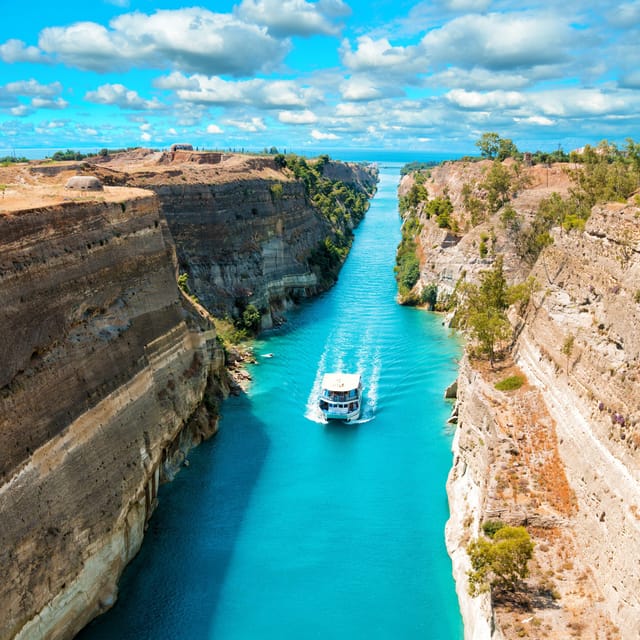
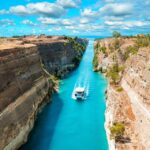
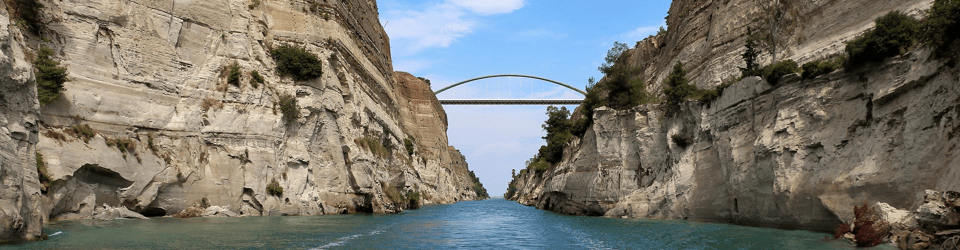
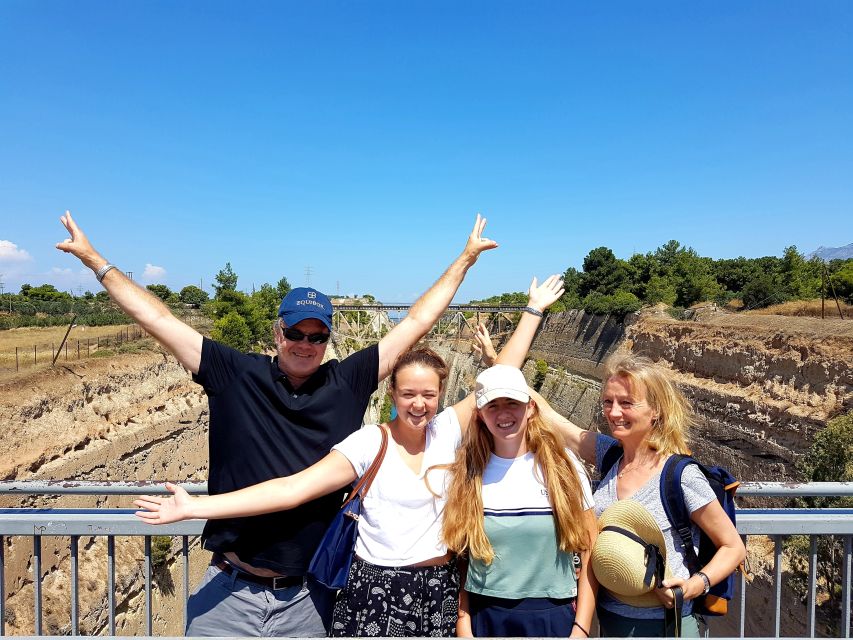
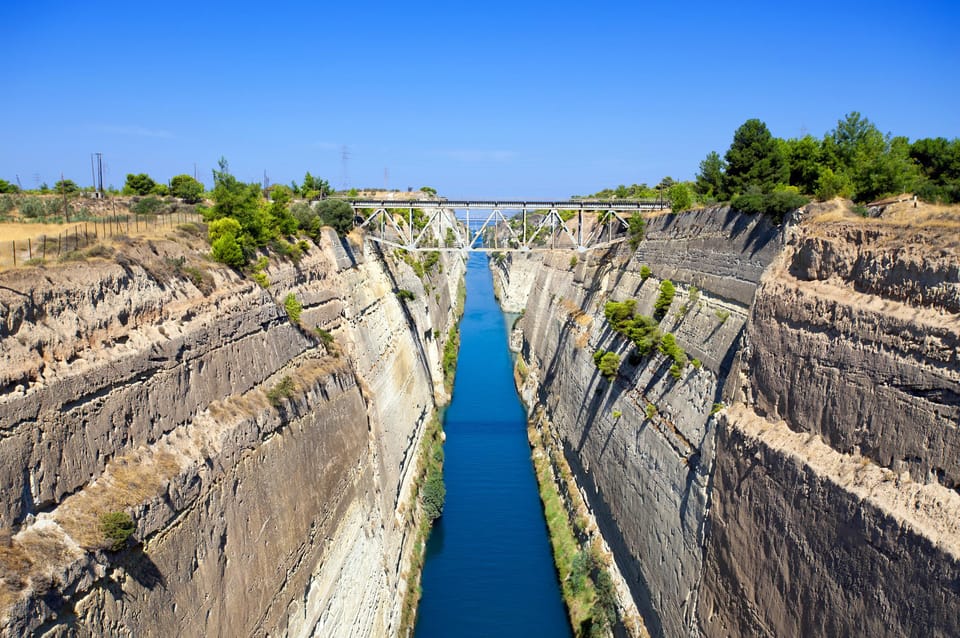
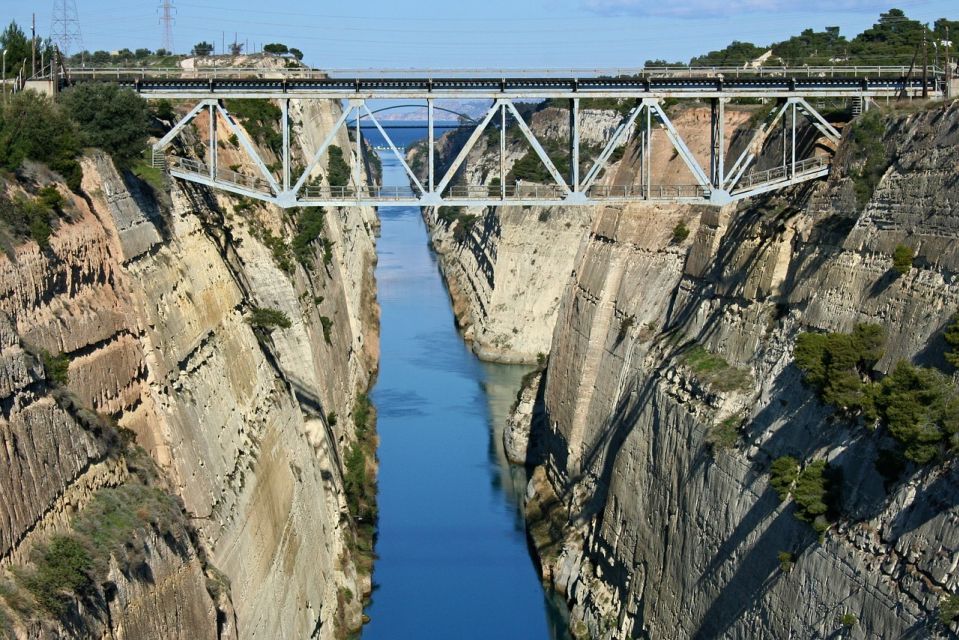
The Corinth Canal is an easy first taste of the region. It connects the Ionian Sea with the Aegean Sea, cutting through the narrow Isthmus of Corinth. The sides drop sharply to the water, creating the kind of view that makes a short photo stop worthwhile.
You get roughly 45 minutes in the Corinth area for sightseeing, photographs, and a break. The canal stop is not the main historical visit, but it gives you a clear sense of why Corinth mattered. This narrow land bridge linked mainland Greece with the Peloponnese and helped shape the area’s commercial and military importance.
I would use this stop to take photographs and get oriented, not to expect a long guided visit. The canal itself is the attraction. If you are hoping for a boat ride, that is not part of this experience.
Entering Acrocorinth’s hilltop fortress
Acrocorinth is the first major historical stop, and its position does much of the explaining. The citadel rises above Ancient Corinth, with broad views across the surrounding country and toward the Gulf. Its walls and gates show how many powers wanted control of this high point.
Romans and Byzantines successively used and strengthened the fortress. The site’s importance continued under later conquerors, and the entrance gives you a strong first impression of its defensive role. Walking through the imposing gates, you can picture Acrocorinth as a protected stronghold rather than simply a scenic ruin.
You have about an hour here. That is enough for a focused visit, but not enough to inspect every corner at a slow pace. The ground can be steep, rocky, and uneven, so wear shoes with a firm sole. This is one of the places where a private vehicle helps, since you do not need to spend the whole day matching a group’s pace.
Your driver can provide historical context, but remember the important distinction: the included driver is not licensed to enter the archaeological sites as an official guide. If you want detailed explanations at each ruin, ask about adding a licensed guide before you book.
Walking through Ancient Corinth and Saint Paul’s world
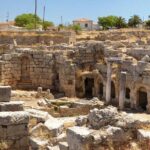
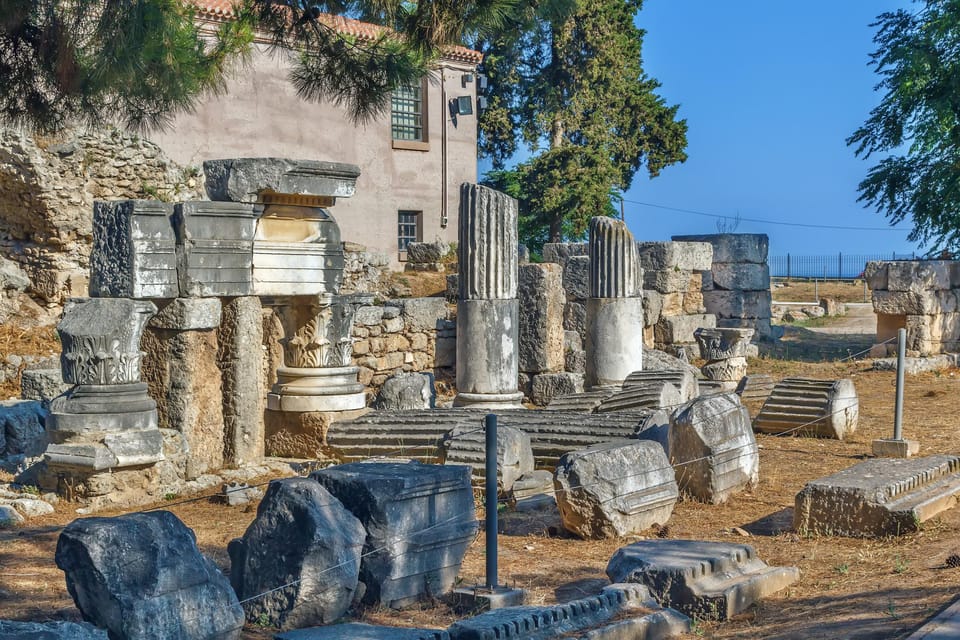
Ancient Corinth is the heart of the historical portion of the day. Corinth was one of the wealthiest and most important cities in Ancient Greece, and its location helped it grow into a major center of trade and power.
The site is closely linked with Saint Paul, who lived and preached in Corinth for two years. That connection gives the visit a different feel from a standard Greek ruins tour. You are not only looking at columns and broken walls. You are also walking through a city tied to the early Christian story and to Paul’s work among the people of the ancient Mediterranean.
Allow up to two hours for the main visit, followed by another hour and a half for free time and a break in the Ancient Corinth area. That extra time is useful. You can see the ruins without rushing, then pause for food or a drink before the coastal part of the day.
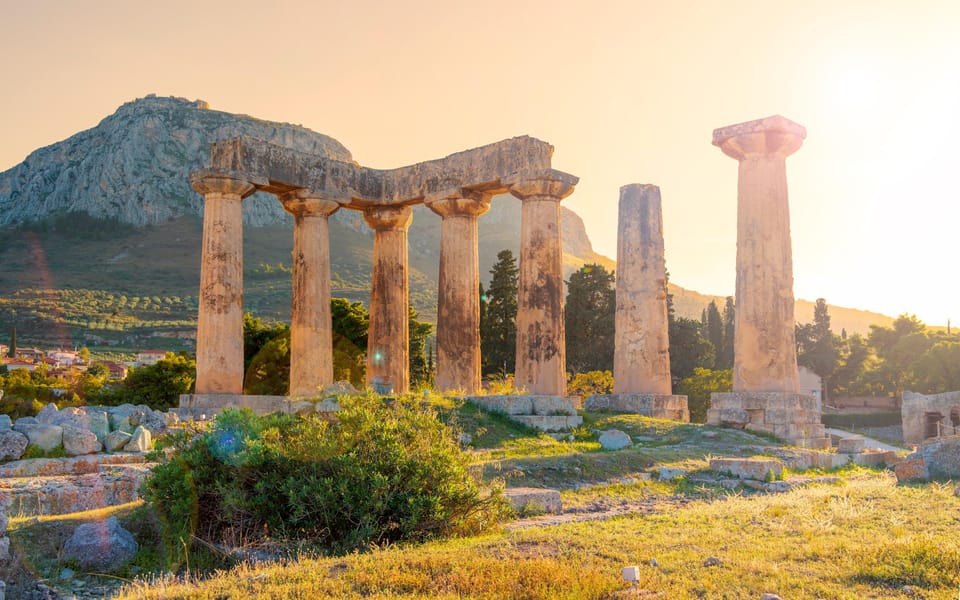
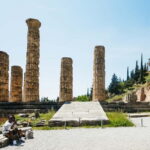
The Agora, or marketplace, helps you understand the scale and civic life of the city. The Temple of Apollo is the main architectural highlight. It is one of the notable monuments from the pre-Roman period, and its remaining columns give the site a strong visual focus.
I like that this stop is not reduced to a quick photograph. Two hours lets you look around properly, although your experience will depend on how much explanation you want. If archaeology is your main reason for booking, paying extra for a licensed guide may be worthwhile. Without one, your driver can set the scene and point out the major features, but the official site visit will be more self-directed.
The skip-the-line ticket service can make entry easier, but entrance is still an extra €15 per person for Ancient Corinth. Check the final arrangements before setting out so you know exactly what is covered.
From ruins to a swim at Ancient Heraion
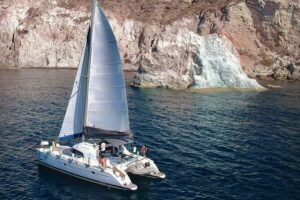
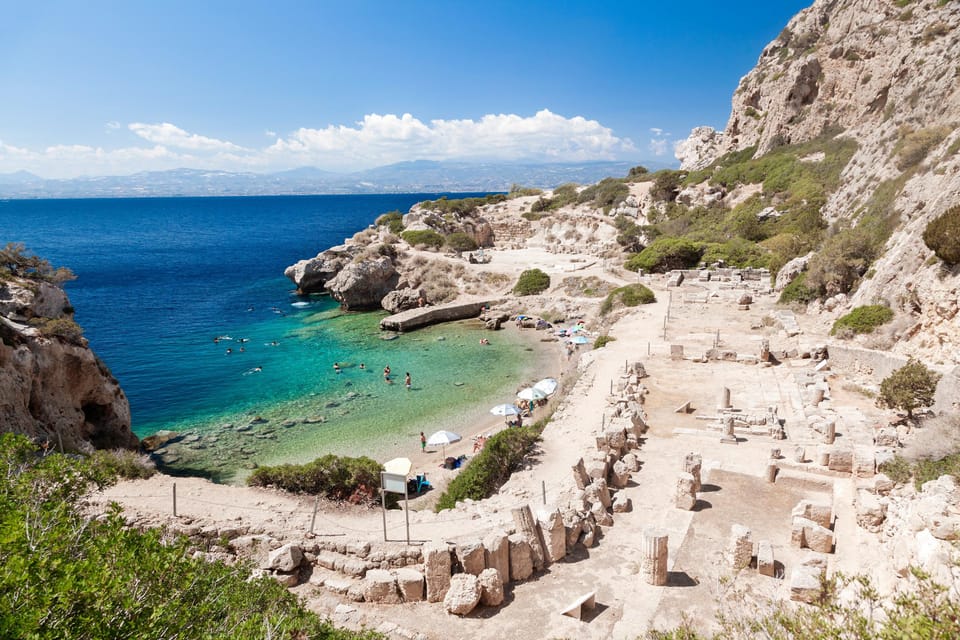
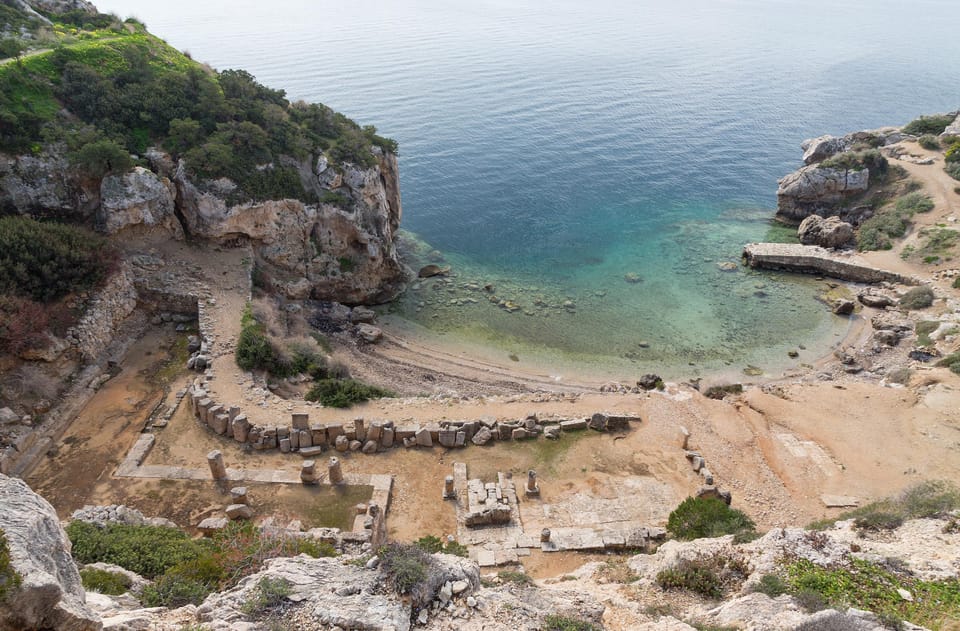
Ancient Heraion changes the mood completely. After the hilltop fortress and city ruins, you head to the sanctuary of Hera on the coast. Here the reward is not just another archaeological stop. It is the chance to swim at the sanctuary’s beach in a cove described as clear and deep.
You have about an hour and a half for the Temple of Hera area, including photographs, free time, and swimming. Bring swimwear, a towel, and comfortable shoes. The shore is not presented as a polished resort beach, so you should be ready for natural footing and a more rugged setting.
For adventurous swimmers, cliff-jumping from the surrounding rocks is possible because the water in the cove is deep. Treat this as an optional activity, not a required part of the tour. The provided information does not describe supervision or safety equipment, so use your own judgment and stay within your comfort level.
This stop is one of the best reasons to choose this particular Corinth outing. Many ancient-site excursions keep you on dry ground all day. Here, you can cool off after walking among ruins, making the day feel less like a sequence of monuments and more like a varied trip through the region.
The tradeoff is time. A long swim means less time for photographs or the lighthouse path, while a short visit gives you more room for the final viewpoint. Your private format should make it easier to discuss the timing with the driver.



Walking up to Malagavi Lighthouse
Above Ancient Heraion, on the western tip of Cape Malagavi, you can walk up a small path to the Malagavi Lighthouse. Built in 1897, it is one of Greece’s oldest stone lighthouses still in operation.
The walk is short but uphill. Once there, you can look across the Corinthian Gulf, along the rugged coast, and back toward the Isthmus Canal. This viewpoint ties the whole day together. You have seen the canal from below, the fortress from above, and the coast from the sanctuary. At the lighthouse, those parts of Corinth make sense as one geographic story.
I would not treat the lighthouse as a separate major attraction requiring a long stop. Its value is the view and the connection to the Heraion visit. If the weather is hot, the sea stop may feel more appealing than the path. If the air is clear, the lighthouse can be the most memorable final photograph of the day.
Because the tour includes both swimming and a walk, pack lightly but practically. A change of clothes will make the return drive more comfortable, even though only swimwear and a towel are specifically required.
What the private vehicle adds
Pickup is available from an Athens hotel, Airbnb, or port. For an apartment, the driver contacts you on arrival so you can meet at the building entrance. At the airport or port, the driver waits in the arrivals area with a sign showing your name.
That kind of pickup is valuable for a day trip leaving Athens. You do not need to find a meeting point or work out a regional bus connection. The private vehicle is modern, air-conditioned, and fitted with Wi-Fi, with bottled water provided.
The drive itself is part of the day, so the quality of the vehicle matters. One guest described the trip as enjoyable and praised the light humor and conversation with the driver. That fits the private format: a good driver can make a long transfer feel relaxed, while a poor match would be harder to escape in a small vehicle. The experience provider uses English- and Greek-speaking drivers, and specific drivers praised by name include Iannis and Tas. Driver assignment is not guaranteed, but you can ask when booking.
The driver’s role is important to understand. This is not the same as having a licensed archaeologist beside you inside every site. The driver is well versed in Greek history and can explain the area, but official site guiding is an additional service. That difference affects the tour’s value most for people who want detailed interpretation of inscriptions, architecture, and excavation findings.
Who should book this Corinth experience
I would recommend this day to you if you want:
- A private alternative to a large sightseeing group
- Door-to-door transport from Athens
- A mix of Ancient Greek, Roman, Byzantine, Christian, and coastal sights
- Time for swimming as well as ruins
- A flexible pace for a couple, family, or small private group
- A strong connection to Saint Paul’s time in Corinth
It is especially appealing if you have already seen Athens and want a full day outside the capital. The route gives you more than one famous stop, and the sea break keeps the history from feeling repetitive.
I would think twice if your main aim is a formal archaeological lecture. The included driver can provide historical information, but a licensed guide costs extra. I would also avoid it if you have difficulty walking on uneven ground or managing an uphill path. Acrocorinth and the lighthouse both require more than a flat stroll.
The day may also feel too packed if you prefer slow travel. You visit several locations in nine hours, and the beach stop competes with the lighthouse and ruins for your attention. The private format helps, but it does not remove the distance between Athens and Corinth.
Booking details and practical planning
The price is $281 per person, with entrance to Ancient Corinth listed separately at €15 per person. Food and drinks are also extra, and airport pickup and drop-off require an additional charge.
You can cancel up to 24 hours ahead for a full refund, and the reserve-now, pay-later option keeps your plans open. The activity is offered as a private group, not a shared departure. Wheelchair access is listed, but the tour is also marked as unsuitable for people with mobility impairments, so contact the provider before booking if that point matters to you.
Wear comfortable shoes even if you plan to swim. Ancient sites and coastal paths call for practical footwear, and you will want something secure at Acrocorinth. Pack swimwear and a towel, plus food or money for a meal and drinks.
The most praised part of this experience is the human side of the day. Iannis is described as kind, friendly, and remarkably well informed, while Tas is remembered for his history knowledge, humor, and care with a private proposal at the Temple of Athena. Those details do not guarantee a particular driver, but they show what to look for: a driver who treats the day as more than a transfer between attractions.
Should you book it?
Book this tour if you want Corinth in broad strokes, with a private vehicle, Saint Paul’s story, a major fortress, Ancient Greek ruins, a coastal sanctuary, and time in the water. The combination is unusual and gives you a fuller day than a ruins-only excursion.
Skip it, or add a licensed guide, if detailed archaeology is your top priority. Also skip it if you need a gentle, flat route. For everyone else, the $281 price can make sense when shared by a small party that values comfort, privacy, and a flexible pace. The best version of the day is simple: take your time at Ancient Corinth, bring proper swim gear, and leave enough energy for the lighthouse view.
FAQ
How long does the private Corinth experience last?
The experience lasts nine hours, including pickup and return to Athens.
Where can I be picked up?
Pickup and drop-off are available from an Athens hotel, Airbnb, or port. Airport pickup and drop-off are available for an additional cost.
Is the tour private?
Yes. This is a private group experience with a personal driver and private vehicle.
Is a licensed guide included?
No. The professional driver speaks English or Greek and provides historical information, but is not licensed to enter the archaeological sites as an official guide. A licensed guide can be arranged for an additional cost.
What is the entrance fee for Ancient Corinth?
Entrance to Ancient Corinth costs €15 per person and is not included in the tour price.
What should I bring for the day?
Bring comfortable shoes, swimwear, and a towel. Food and drinks are not included.