REVIEW · CHANIA
Gastronomy tour and wine tasting in traditional villages
Book on Viator →Bookable on Viator
Five stops, two big meals, and real Crete taste. This Chania gastronomy tour strings together traditional village visits, from Armeni coffee in hot sand to Lake Kournas wine with lunch and dinner. Two things I love most are the sheep-milk ice cream with carob flavors and the olive oil experience with the producer Antonis.
Go in with expectations: this is a full day of food. If you’re sensitive to small seating, you might find the vehicle a bit tight, and you’ll want to arrive hungry because there’s a lot to try.
In This Review
- Key things to know before you go
- Why this Chania food-and-wine route feels more local than a normal tour
- Price and what $216.25 buys you in real value
- How the day is paced: travel time plus long, food-focused stops
- Stop 1: Armeni and sand-cooked Greek coffee in a shady traditional coffeehouse
- Stop 2: Fres for sheep-milk ice cream, carob, graviera, and raki
- Stop 3: Apokoronas’ 500-year-old church and the garden full of fruit trees
- Stop 4: a village break where the river runs through the scene
- Stop 5: Georgioupolis olive oil mill with Antonis—how it’s made and what to taste
- Lake Kournas lunch: sea, lake, and mountains plus four local wines
- Apokoronas dinner near Crete’s biggest lake: grape-juice chicken, smoky pork, and mushrooms
- Food options, alcohol rules, and how to pace yourself without ruining the fun
- Where this tour fits best (and who might prefer something else)
- Should you book this gastronomy and wine tasting tour near Chania?
Key things to know before you go
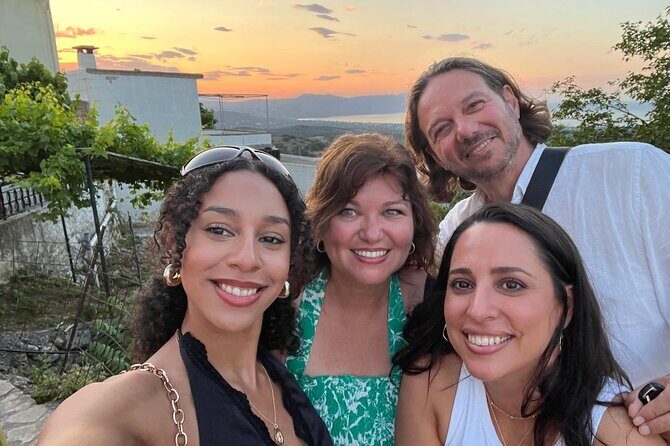
- Sand-cooked Greek coffee in Armeni: slow, old-school brewing with a deep, toasted flavor
- Carob, sheep-milk ice cream, and graviera stops: sweet, savory, and then raki if you want the kick
- An old church visit in Apokoronas: 500+ years old, plus a garden with apricot, fig, banana, and more
- Olive oil mill guidance by Antonis: how oil is made, what virgin oil tastes like, and olive-souvenir shopping
- Lake Kournas meals + four local wines: sea, lake, and mountain views during your tastings
Why this Chania food-and-wine route feels more local than a normal tour
This isn’t a quick “see a village, take a photo, leave” day. It’s built around eating and small moments that show how people actually live in the countryside. You’ll move through traditional neighborhoods near Chania, hit a coffeehouse, sample local dairy and sweets, visit an old church, tour an olive oil mill, then eat lunch and dinner by the water.
I like that the day balances food with context. You’re not just tasting blindly—you get why things matter, like olive oil production or the idea of certain dishes cooked slowly. And since the group is capped at 12 travelers, it stays friendly and relaxed rather than chaotic.
You can also read our reviews of more food & drink experiences in Chania
Price and what $216.25 buys you in real value
At $216.25 per person, this tour can look pricey on paper—until you total what’s included.
You’re paying for:
- A full 5 to 6 hour day with an air-conditioned vehicle
- Pickup and drop-off from your designated spot
- Several tasting stops (coffee, ice cream, cheese and drinks)
- Lunch and dinner at family restaurants
- Guided olive oil mill time and church time
- Snacks throughout the day
- Alcoholic beverages are included for age 18+
If you’d otherwise rent a car and pay for meals and tastings separately, the math gets easier. Also, having guides handle the “where exactly do we go?” part is worth something when you’re trying to reach places outside the main tourist lanes.
How the day is paced: travel time plus long, food-focused stops
You’re looking at a 5 to 6 hour experience, and the schedule is mostly built around time at each place plus driving between them. That means you’re not rushing in every stop, but you also won’t have long wandering breaks.
The tour runs with an air-conditioned vehicle and English support, and you’ll get a mobile ticket. Most travelers can join, but this day is clearly designed for people who can comfortably sit and travel between rural villages.
One practical tip: bring a “slow eater” mindset. Even if you’re curious about everything, the best experience is tasting, then moving on before you hit full-speed food fatigue.
Stop 1: Armeni and sand-cooked Greek coffee in a shady traditional coffeehouse
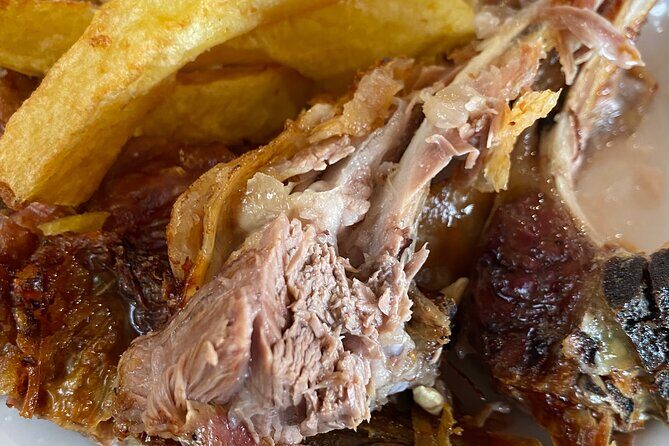
In Armeni, you’ll step into a traditional coffeehouse setting surrounded by trees, streams, and quiet shade. The big moment here is the Greek coffee made the traditional way—slow cooked in hot sand. That method isn’t just a gimmick. It changes the flavor into something deeper and more rounded than quick-brew coffee.
This stop is about 30 minutes, so it works even if you’re not a coffee obsessive. It’s also a good “warm-up” moment: you settle in, sip, and get oriented before the dairy and wine starts rolling later.
Stop 2: Fres for sheep-milk ice cream, carob, graviera, and raki
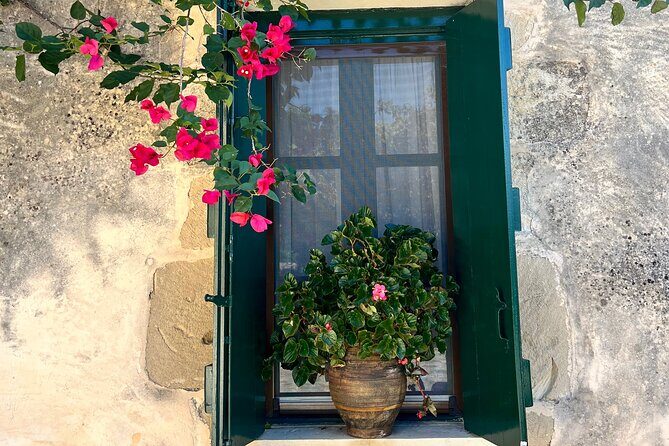
This is one of those stops that feels like Crete is handing you a greatest-hits playlist.
You’ll try:
- Traditional ice cream from sheep milk, a distinctly Cretan ingredient
- A carob flavor that’s treated like something special and local to Chania
- Cretan cheese graviera, including its link to saganaki (a classic cheese dish)
Then the cheese shop owner offers raki. Raki is often strong, and here you get to choose whether to try it. I like this setup because it lets you match your courage level. If you do take a sip, it helps you taste the rest of the flavors with a little extra warmth.
Another smart detail: this stop is also around 30 minutes, so you get variety without spending the whole day in one store.
You can also read our reviews of more wine tours in Chania
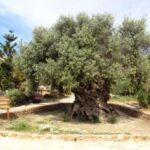
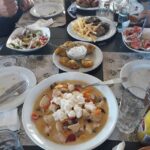
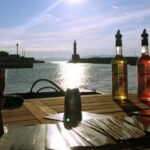
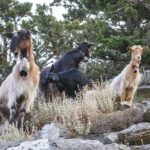
Stop 3: Apokoronas’ 500-year-old church and the garden full of fruit trees
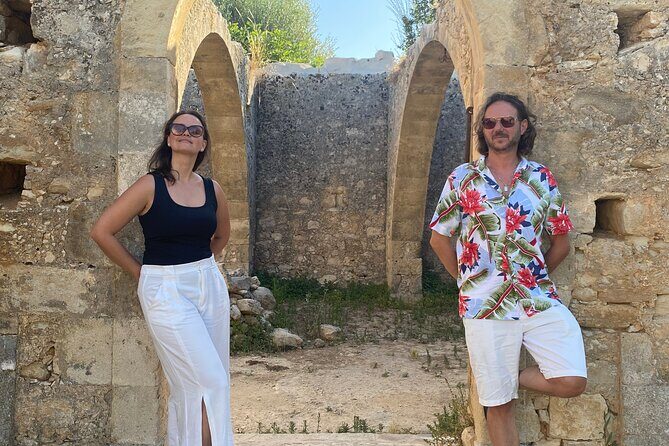
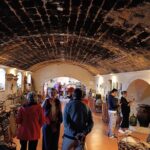
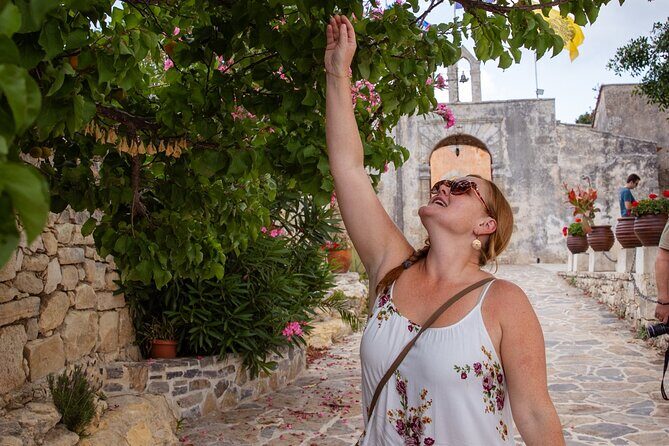
Next comes a slower, quieter stop in Apokoronas. You’ll visit an old church—at least 500 years old—with both a beautiful interior and exterior. This is one of the better places on the itinerary for a pause where you can actually look around instead of tasting.
Outside, there’s a garden with flowers, trees, and herbs. The tree list is a fun way to picture what grows locally:
apricot, fig, banana, carob, walnut, and quince, plus more.
The time here is about 45 minutes. That’s enough time to see the church details, then stroll without feeling rushed. If you like plants and the way rural communities keep herbs close at hand, this is a high-value stop.
Stop 4: a village break where the river runs through the scene
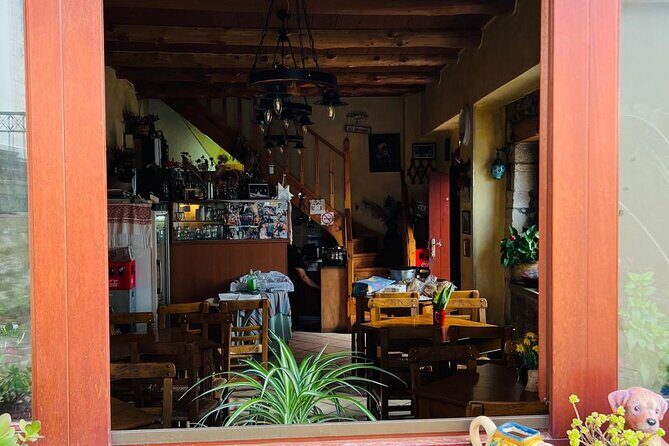
There’s also a simple “between stops” moment: a beautiful village where a river passes through. No big sales pitch here—just a change of pace and scenery as you head toward Georgioupolis and the olive oil portion.
Think of this as your visual reset. By this point you’ve already had coffee and dairy sweetness. A river-view break helps you breathe before the heavier meal and wine phase later.
Stop 5: Georgioupolis olive oil mill with Antonis—how it’s made and what to taste
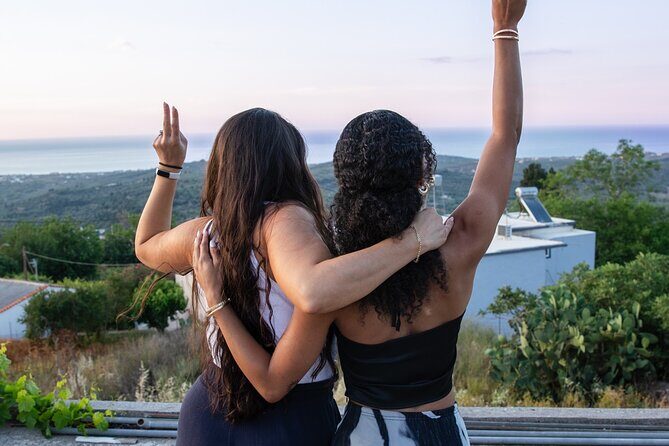
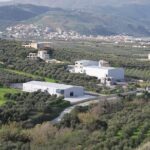
In Georgioupolis, you’ll visit a modern olive oil mill. This is a guided section, and the producer and friend Antonis walks you through the process of olive oil making.
That guide-led walkthrough matters. Olive oil is one of those products people talk about like it’s all the same. Here, you get the chance to ask questions and connect the production steps to what you later taste.
You’ll also try:
- Virgin olive oil
- Olives
And there’s time to buy souvenirs and traditional products—things like olive oil, olives, and handmade cooking pots—available in the exhibition area. This stop runs about 45 minutes, so it’s enough time to learn, taste, and shop without dragging.
Lake Kournas lunch: sea, lake, and mountains plus four local wines
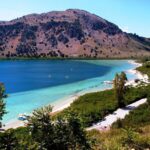
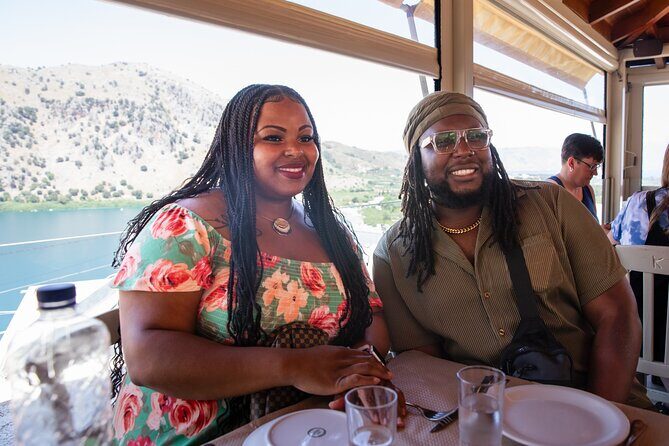
Now you reach the big showpiece setting: Lake Kournas. Lunch is held in a stunning location with views that mix the lake and the sea, plus mountains in the distance. Meals here aren’t just “food stops.” The scenery becomes part of the taste memory.
Lunch time is about 1 hour 15 minutes, and it’s built around traditional dishes. Expect plates like:
- tsigariasto arni (lamb cooked with oil and wine)
- anitchristo arni (lamb slow cooked in fire)
- ntolmadakia (grape leaves stuffed with rice)
- kolokithoanthous (zucchini flowers stuffed with rice)
- imam baildi (eggplant with garlic, onion, tomato sauce, cream cheese, and olive oil)
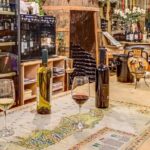
You’ll also taste 4 local wines. Since alcoholic beverages are included (for age 18+), this is where the tour shifts into proper wine-tasting mode.
A practical move: pace your wine tastings. With lunch dishes coming fast, you’ll enjoy the flavors more if you sip and pause rather than rush.
Apokoronas dinner near Crete’s biggest lake: grape-juice chicken, smoky pork, and mushrooms
Dinner is the second major meal, and it comes with a completely different set of dishes. It’s still about time spent eating together, not just sampling one bite and moving on.
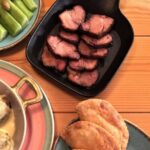
Dinner time is about 1 hour 15 minutes, and the included dishes include items like:
- Chicken cooked with grape juice
- Pork with tomato sauce and peppers
- Smoked pork with oregano and sage
- Mushrooms marinated with beer
- Plus various other traditional choices
This is the part of the day where you’ll feel the “gastronomy” in the title. If you go in thinking you’ll be selective, you’ll end up frustrated. If you go in thinking you’ll taste slowly and accept you’ll eat a lot, you’ll have a much better day.
Also, since this is dinner at a family restaurant next to Crete’s biggest lake, you get a strong sense of place. The meal feels tied to the landscape because it’s literally next to the water.
Food options, alcohol rules, and how to pace yourself without ruining the fun
The tour includes vegetarian, vegan, and gluten-free options for both lunch and snacks (and it notes multiple dietary options). That’s important because some food tours can quietly assume you’ll just skip. Here, you’re not forced into a boring plate.
For alcohol, the rule is clear: 18+ only for alcoholic beverages. The tasting portions are there for the experience, not to turn it into a night out. Still, you’ll probably want water nearby and to keep your pace steady, especially if you plan to try raki earlier and then wine later.
And yes—there’s a real chance you’ll eat more than you planned. Multiple meal courses plus tastings means the best strategy is arriving with light breakfast or skipping a big early meal.
Where this tour fits best (and who might prefer something else)
This works especially well if you:
- Don’t want to rent a car but still want to see villages beyond Chania
- Love food that tastes regional, not “Mediterranean generic”
- Want a day with guided learning tied directly to what you eat
It might feel like too much if you:
- Prefer short, low-food sightseeing days
- Hate being in a vehicle for extended travel
- Struggle with heavy meals close together
The group size of up to 12 helps keep the vibe human, but the day itself is still packed. Think of it like a long, well-fed cultural dinner party—just spread across villages.
Should you book this gastronomy and wine tasting tour near Chania?
Yes, if you want a traditional food day that’s actually organized around tastings and local kitchens, not just photo stops. The value is strong because you get both lunch and dinner plus multiple guided experiences, and the setting at Lake Kournas turns meals into a memory.
Book it sooner rather than later. It’s scheduled often enough that people tend to reserve in advance, so waiting can cost you availability.
Bring comfy shoes, a light breakfast, and a calm attitude about eating a lot. If you do that, this kind of day is exactly why food tours exist.