REVIEW · KATAKOLO
Half-Day Private Tour from Katakolon to Olympia & Beach
Book on Viator →Operated by Katakolo2Olympia Tours · Bookable on Viator
Olympia in five hours feels almost unfair. This private shore excursion from Katakolon pairs Ancient Olympia (with room to wander) with a museum visit and a final beach break, all driven by one of the local operators who know how to keep cruise days calm and on time.
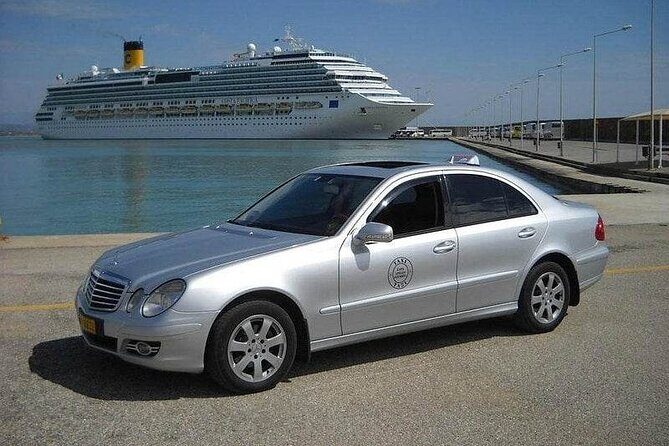
What I love most is the ease of the start—pickup right at the port with a name sign, plus Wi‑Fi and bottled water in a clean, air-conditioned Mercedes—and the fact that you control the pace once you’re there. The one drawback to plan for: you must budget extra for the site and museum admissions (and if you want a fully licensed guide inside the ruins and museum, that’s an optional add-on).
In This Review
- Key things worth knowing before you go
- Katakolon port pickup: the quiet win that makes cruise days work
- Ancient Olympia: the ruins you’ll want to see twice
- Olympia Museum: where the details finally click
- Olympia town stop: lunch, shopping, and getting the local pace
- Agios Andreas Beach: the payoff stop after the ruins
- Private group value: why the pricing can be fair for up to four
- Do you really need a licensed guide inside the ruins?
- Timing and pacing: fitting Olympia into a cruise day without rushing
- What to bring and how to plan your day
- Should you book this Katakolon to Olympia private tour?
Key things worth knowing before you go
- Port pickup that actually matches the ship schedule: they meet you right at Katakolon Port with a sign and transfer you in about 30 minutes.
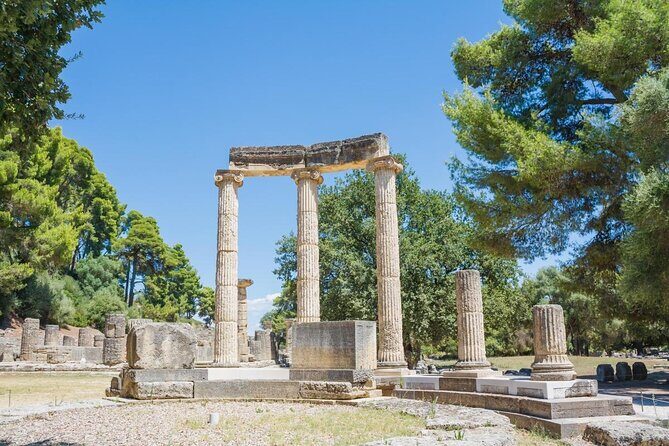
- Free time where you choose your style: you get several hours to explore Ancient Olympia at your own pace.
- Museum time is built in: the Archaeological Museum visit is scheduled (but admission is separate).
- Beach stop for a breather: Agios Andreas Beach is a scenic payoff after the ruins.
- Small-group private format: up to 4 people per group keeps it personal and flexible.
- Licensed guide is optional, not automatic: you can add one if you want deeper storytelling.
Katakolon port pickup: the quiet win that makes cruise days work
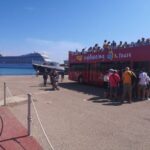
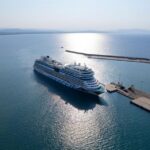
Cruise excursions live or die by the first 15 minutes. Here, that part is handled well. You’re picked up at Katakolon Port outside the main building of the Hellenic Coast Guard, and the driver/operators arrive holding a sign with your name. That simple detail saves time, stops confusion, and helps you get moving without sprinting across the dock.
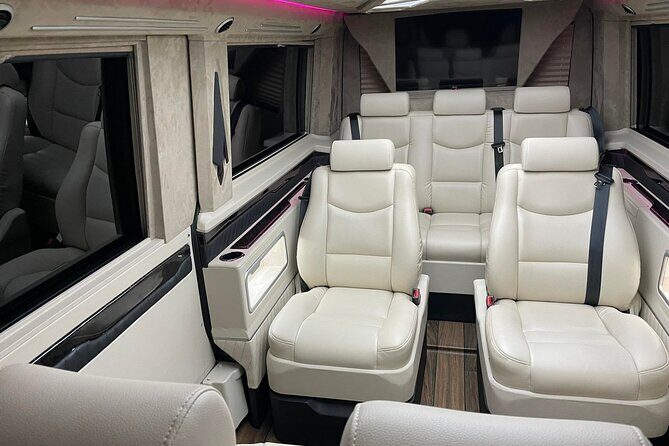
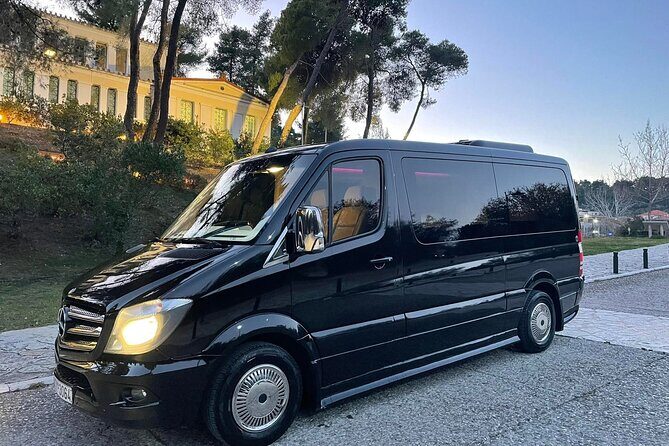
The ride is in a clean, air-conditioned Mercedes, and you get Wi‑Fi on board plus a bottle of water per person during transport. It’s the kind of small comfort that matters when you’re stepping off a ship where everyone else is scrambling for buses.
You’re also given a local guide book along the way. I like this because it lets you start reading before you hit the ruins, so you’re not spending your best time at Ancient Olympia trying to figure out what you’re looking at.
You can also read our reviews of more private tours in Katakolo
Ancient Olympia: the ruins you’ll want to see twice
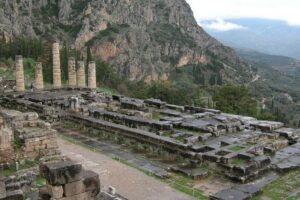
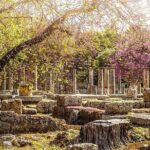
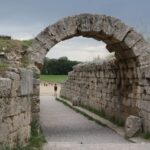
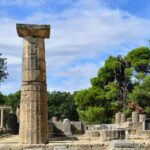
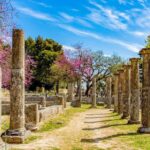
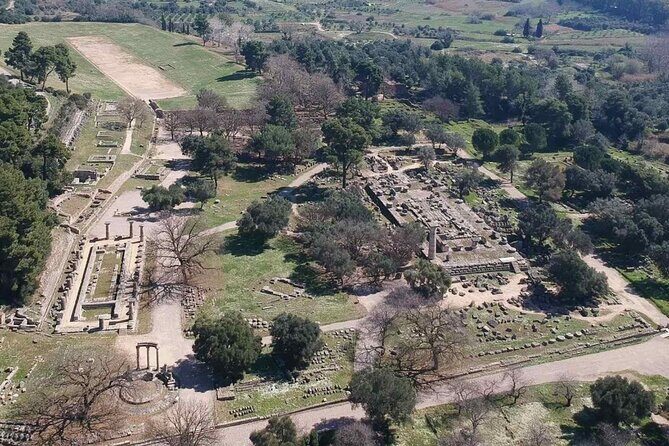
Ancient Olympia is the Olympic story in stone. This is where the athletic world’s origin gets very real: you walk through the gymnasium and palaestra, then into the area of competition where athletes once honored the Olympic ideal.
Your scheduled time here includes several hours of free time. The tour drops you just outside the main archaeological area, so you can choose your route. I recommend deciding early whether you want a slower walk with photos and stops, or a tighter loop that prioritizes the headline monuments.
Here are the highlights you’ll be seeing on your own:
- The stadium area: even without a guide, standing where competitors once strived gives you that odd feeling that time is compressing.
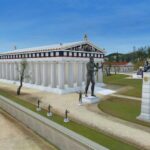
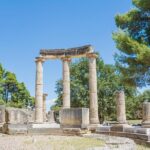
- Temple of Zeus: this is tied to the famous golden statue, one of the Seven Wonders of the Ancient World.
- The Leonidaion: a guest-house/hotel built in 330 BC for distinguished visitors connected to the games.
Admission to the archaeological site is not included, so you’ll pay separately once you’re there. Plan that into your budget and your arrival rhythm. The museum is later, but if you’re short on time, I’d rather have you pay attention to the site first—Olympia works best when you’re there with your feet on the ground.
One more practical note: the tour can arrange a professional licensed guide for an extra charge, but the default experience is more DIY. That affects how much meaning you’ll get from the layout and what you can learn quickly without reading every sign.
Olympia Museum: where the details finally click
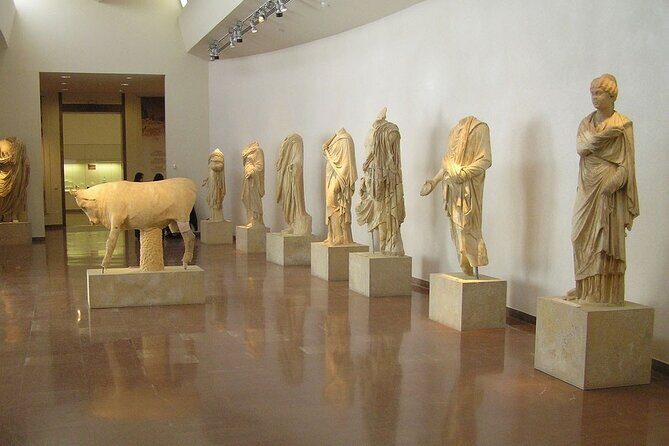
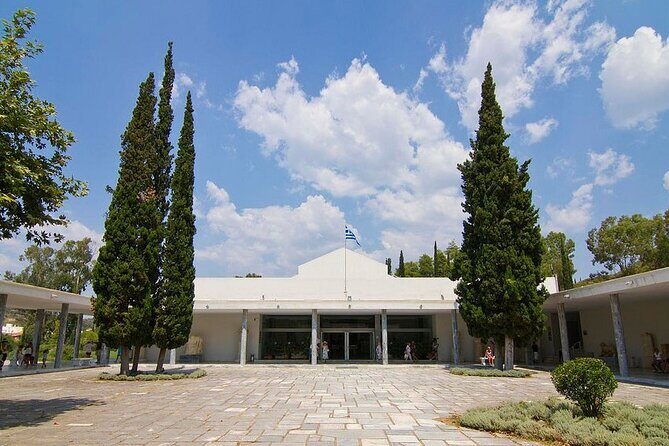
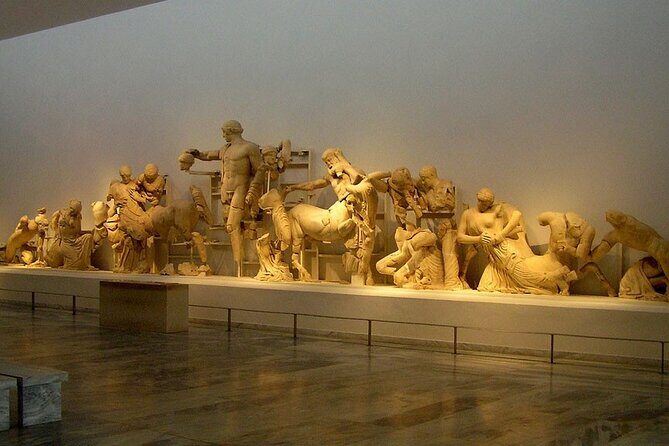
After walking the ruins, the Archaeological Museum of Olympia is where the story gets grounded. You’re scheduled for about 45 minutes, and that’s enough time if you focus on what matches what you just saw outside.
The museum’s permanent exhibition covers finds from the sanctuary precinct of Altis, stretching from prehistoric times to the Early Christian period. In other words, you’re not just looking at “Olympic stuff.” You’re seeing what life and worship looked like across a long timeline at the site where the games began.
Because museum admission is also separate, the best value comes from pairing your museum time with your site wandering. If you took a minute to notice key features in the ruins, you’ll recognize more when you’re inside. If you skipped the details outside and treated it like generic ruins, the museum can feel less targeted—still worth it, just not as satisfying.
Olympia town stop: lunch, shopping, and getting the local pace
You’ll have almost 1 hour in modern Olympia (town). This is not where you go to “see the ancient world,” but it’s a smart part of the day because your brain needs a reset after walking stone paths for hours.
The streets around the market area are often called the agora, and it’s a good place to handle practical stuff:
- souvenir shopping (including items like leather goods and ceramics)
- quick browsing for fashion
- jewelry shops if you want something small and Greece-specific
Then there’s the fun part: food. I like that this tour leaves you free time to choose a local taverna or café instead of locking everyone into a single preselected restaurant. In practice, some guides also steer you toward specific places they trust. For example, guides like Nassos and Christos have recommended family restaurants in the area, and people have praised the quality of the meals and the value.
If you want a sit-down lunch that actually tastes like Olympia (not just tourist fuel), use your hour to choose carefully: look for a menu with simple, local options and go for something you can’t easily copy at home.
Agios Andreas Beach: the payoff stop after the ruins
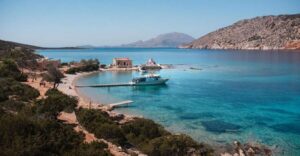
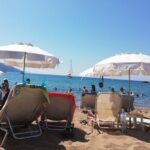
After Olympia, you’ll head to Agios Andreas Beach, about a 30-minute drive from the site area. You get around 1 hour here, which is plenty time to cool off, grab a coffee or lunch if you didn’t eat earlier, take photos, or swim.
What I like about Agios Andreas is that it’s not just a generic beach stop. It’s described as a rocky beach with outstanding natural beauty, and it was once an ancient harbour of Ileia. That small historical tag makes the stop feel connected to the region instead of tacked on for “one more photo.”
In some cases, guides have also worked with the group on alternative beach timing or nearby spots. For example, some experiences have included time at Vrinoitis Beach/Vrinoitis Resort when that fit the group. That’s not guaranteed as the standard plan, but it tells you the operators are willing to adjust when they can.
A few more Katakolo tours and experiences worth a look

Private group value: why the pricing can be fair for up to four
The tour is priced at $238.85 per group for up to 4 people, lasting about 5 hours. On paper, it can look pricey compared with public buses. In real terms, it often lands in the fair zone because you’re buying three things most cruise visitors end up chasing separately:
1) private transport that keeps you from waiting around
2) door-to-port convenience with name-sign pickup
3) time flexibility once you’re in Olympia
Add to that the included perks—Wi‑Fi in the car, bottled water, and a local guide book—and you start to feel what you’re paying for: less stress, less logistics friction, and a smoother day.
The big value adjustment is the extra cost you’ll pay for admissions. Archaeological site and museum entry are €20 per person and are not included. Also, if you want an in-ruins licensed guide, you can add it for about €150 per booking (and sometimes it’s quoted around €160 extra, paid to the guide on the day).
So the math becomes clearer:
- For a family or a small friends group of 2–4, private format can be a strong deal.
- For a solo traveler, the same price usually feels harder to justify once you add entrance fees and potential licensed guide costs.
Do you really need a licensed guide inside the ruins?
This is the part where I’d make a decision based on your style, not your budget.
If you’re the type who reads signs slowly and likes to connect names, dates, and purpose, then a licensed guide can be worth it. One experience included a note that inside the archaeological site and museum, certified guides are required to provide guided tours. That’s why the default version is built around free time with a guide book, not a full narration in the museum and ruins.
On the other hand, if you enjoy exploring independently and you’re comfortable picking up context from the guide book and your own curiosity, the standard setup can be very satisfying. Many people leave Ancient Olympia feeling like they got exactly the pacing they wanted: see the stadium, Temple of Zeus, Leonidaion, then spend museum time when they’re ready.
I’ve also seen how much difference a pro can make when they’re present. Named guides have added huge value—people have mentioned guides like Domi (Dominica) for a tour that felt detailed and story-driven, and Takis for making the day feel personal and memorable. If you want that level of explanation, ask early about adding a licensed guide and plan for the extra fee.
Timing and pacing: fitting Olympia into a cruise day without rushing
This is built as a half-day excursion, roughly 5 hours total. The route is straightforward: port pickup, drive to Olympia, museum and town time, beach stop, then back to port.
Two timing realities to keep in mind:
- You’ll lose a little time to the site and museum admission line and ticket process, since entry fees aren’t bundled in.
- You’ll be walking. Even though you can move at your own pace, the ruins are outdoors and uneven in places.
A nice outcome from the way this tour is structured is that some people have reported finishing with spare time at the end of the day. That’s a comfort when you’re matching a cruise ship schedule. The goal is to let you explore without feeling like you’re being herded every 15 minutes.
What to bring and how to plan your day
Since this is a private tour with stops that include walking ruins and time at a rocky beach, I’d show up prepared.
Bring:
- comfortable walking shoes (you’ll thank yourself at the stadium and around the site)
- sun protection (even in mild weather, you’ll be outside)
- swimwear if you want to actually use the beach hour
Wear for flexibility: plan for layers if the weather turns changeable. This part of Greece can switch conditions during the day, and the tour depends on good weather for the itinerary to run as planned.
Also, decide in advance how you’ll handle the licensed guide option. If you think you want one, confirm it early so you’re not stuck choosing on the fly.
Should you book this Katakolon to Olympia private tour?
I’d book this if:
- you’re traveling as a couple or small group (up to four) and want private transport instead of a bus
- you want free time at Ancient Olympia and don’t want to feel trapped in a nonstop lecture
- you like the idea of mixing ruins with a museum and ending with a beach stop
I’d think twice if:
- you’re the kind of visitor who needs a full guided narrative inside the museum and ruins to feel satisfied (in that case, budget for the licensed guide add-on)
- you’re very price-sensitive once you add admissions (€20 per person) and possibly the licensed guide fee
If you get the balance right—DIY exploring plus smart add-ons where you want deeper context—this is a strong way to experience Olympia without burning your cruise day in transit or confusion.