REVIEW · KATAKOLO
Katakolo Port: Transfer to Ancient Olympia and VR Audio Tour
Book on GetYourGuide →Operated by SIGHTS OF ATHENS-GRAY LINE · Bookable on GetYourGuide
Ancient Olympia is one of Greece’s great shore excursions, and this trip keeps the main job simple: get you from Katakolo cruise port to the archaeological site without the cost of a large cruise-ship tour. The roughly 30 to 40-minute bus ride leads to the birthplace of the Olympic Games, where you have about three hours to explore on your own.
I like the short walk from the port to check-in, plus the clean, modern, air-conditioned bus. I also like the freedom to choose your pace rather than follow a guide from monument to monument. The main catch is the VR audio tour. It runs on your own Android or Apple phone or tablet, and the map can be hard to follow. If you want a clear explanation of every ruin, a live guide may suit you better.
In This Review
- Key points to know before booking
- From Katakolo port to the Olympia meeting point
- Entering Ancient Olympia, the birthplace of the Games
- How the phone-based VR audio tour works
- Making the most of your three hours
- The modern village of Olympia
- What the $13.55 price really buys you
- Who should book this Katakolo excursion?
- Practical details that make the day easier
- Should you book it?
- FAQ
- How long does the Katakolo to Ancient Olympia tour last?
- How long is the bus ride to Olympia?
- Is transportation included?
- Are entrance tickets to Olympia included?
- Do I need a smartphone for the VR audio tour?
- Are headphones provided?
- In which languages is the audio guide available?
Key points to know before booking
- The port transfer is the star of the show: You go directly from Katakolo to Olympia and back, with timing built around the cruise-port visit.
- The VR guide uses your phone: You do not receive special goggles. Bring a charged device and, ideally, personal headphones.
- You get around three hours in Olympia: That is enough for the ruins, the Archaeological Museum, and a short stop in the modern village.
- Entry tickets depend on your booking choice: Select the option with tickets if you want to avoid buying admission at the site.
- The bus escort helps with the practical details: Staff assist with the app, meeting instructions, and return timing, but this is not a full guided tour inside the monuments.
- The price is unusually low for a cruise excursion: At $13.55 per person, the transfer alone offers strong value, especially compared with many ship-arranged tours.
From Katakolo port to the Olympia meeting point
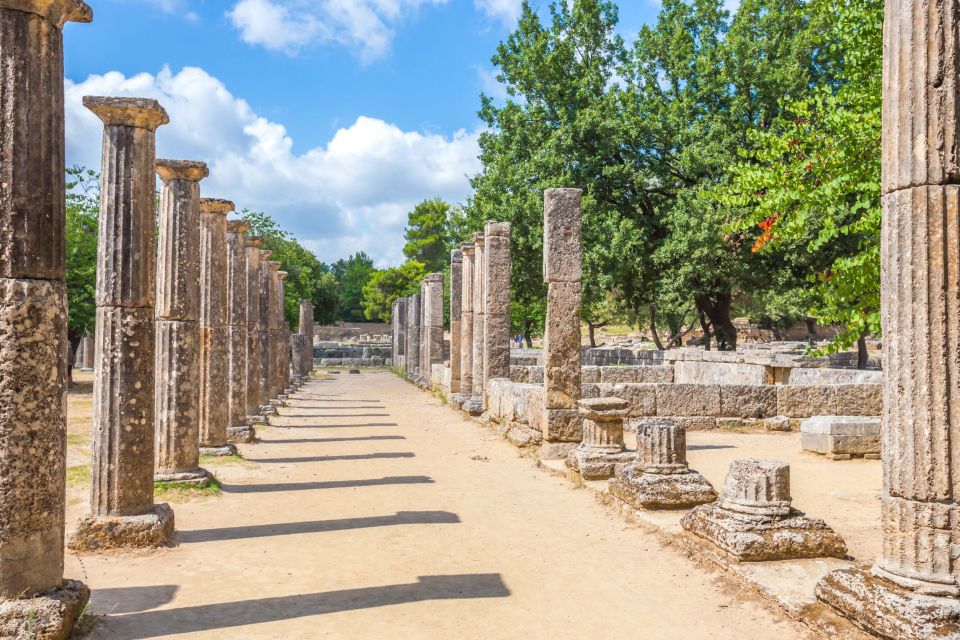
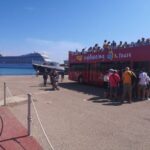
The meeting point is near the cruise terminal, with the exact location depending on the option you book. One useful detail is the short walk. A departure shop has been described as only about 150 meters from the ship, and check-in takes place there shortly before departure.
That makes this a good choice if you want to avoid a long search through Katakolo. Still, check your voucher carefully for the exact meeting point, since several starting and drop-off locations are listed in the port area.
You meet an English-speaking driver and escort, then board an air-conditioned coach. The bus ride takes roughly 30 to 40 minutes through the Peloponnese countryside. The exact time may vary, but the journey is short enough that most of your excursion day remains available for Olympia.
The drive is also when the escort may explain the plan and help install the audio application. Guides and escorts named in the experience include Chrisy, George, Mehmet, Ethmet, and Tanya, though the person assigned to your departure can vary. Their job is mainly to keep the transfer organized, answer questions, and get you to the site and back on time.
That distinction matters. You are not joining a traditional guided walking tour with a historian leading you through each temple. You are using the bus ride and app for orientation, then exploring independently.
A few more Katakolo tours and experiences worth a look

Entering Ancient Olympia, the birthplace of the Games
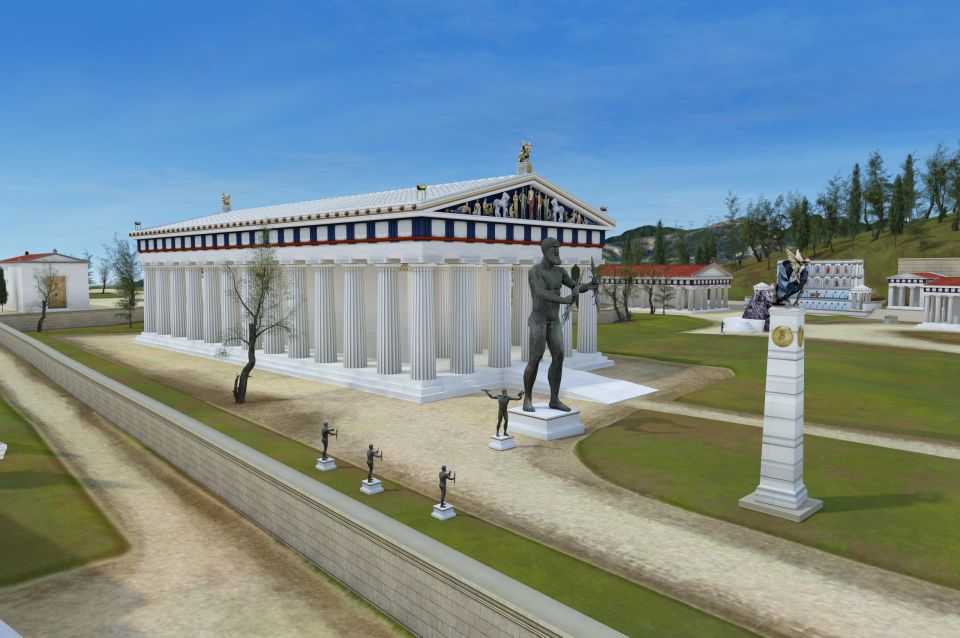
Olympia was the home of the ancient Olympic Games from 776 BC to AD 393. The Games honored Zeus and drew competitors to a sanctuary that combined religious buildings, athletic facilities, and civic spaces.
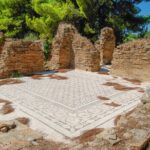
The archaeological site gives you a strong sense of how large and varied the complex was. You are not looking at one isolated temple. You move among the remains of the sanctuary, training and competition areas, and civic buildings connected with the Games.
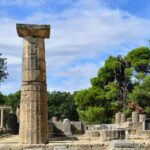
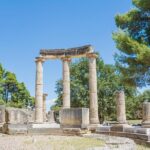
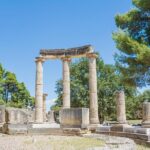
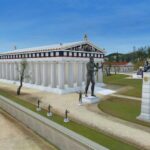
The Temple of Hera is one of the first major sights to look for. In modern times, the Olympic flame is lit in front of it before traveling to the host city of the Games. That link between the ancient sanctuary and the modern Olympics gives this partly ruined structure unusual meaning.
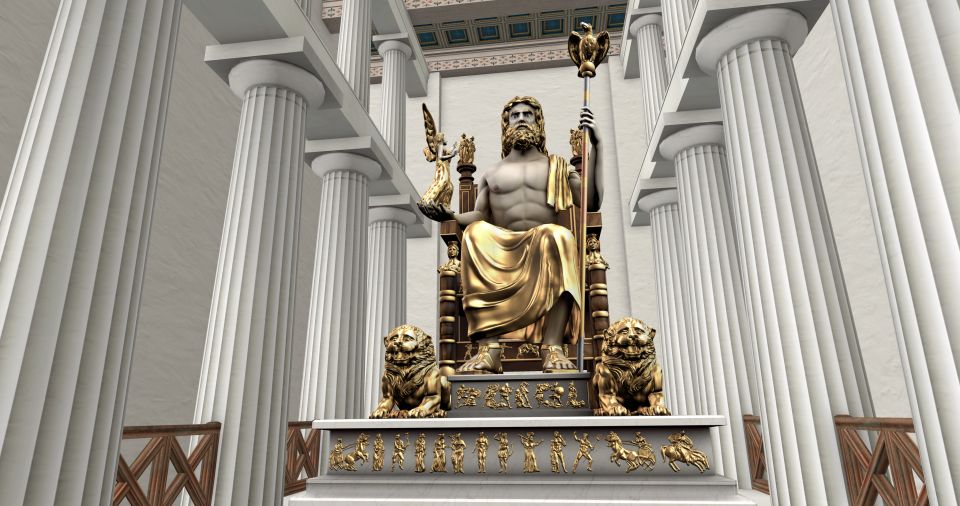
The Temple of Zeus is another key stop. The original building once held a gold-and-ivory statue of Zeus, counted among the Seven Wonders of the Ancient World. The statue is gone, but the scale and importance of the temple remain clear from the surviving columns and foundations.
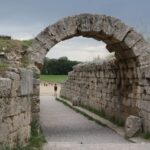
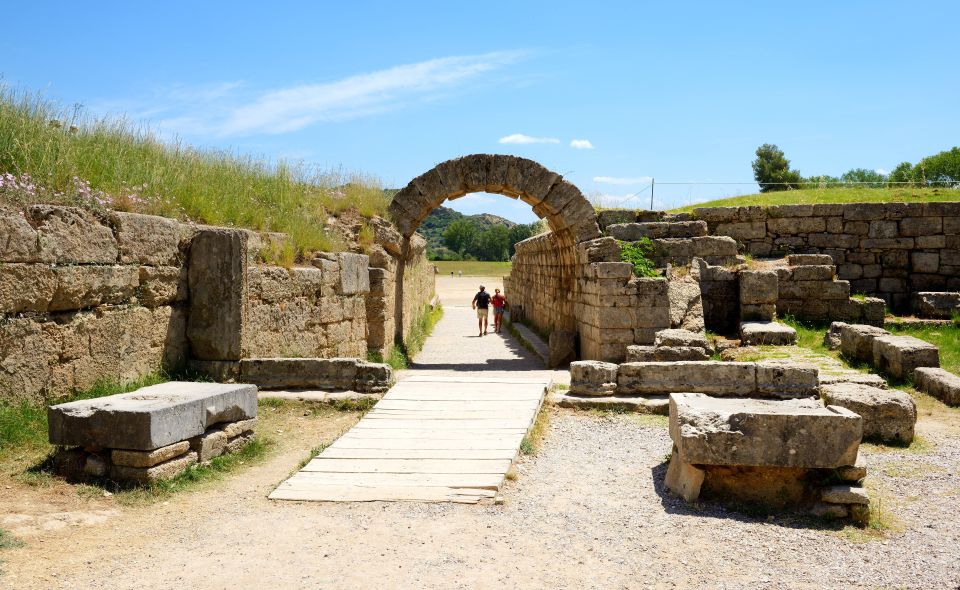
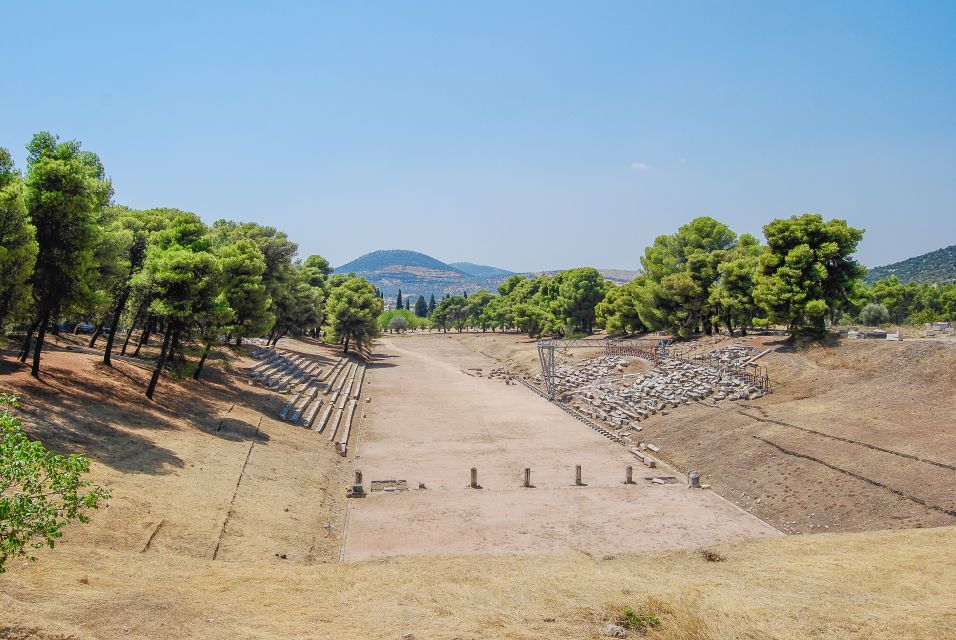
You will also see the original stadium and the Bouleuterion. The stadium is the most direct connection to the athletic contests, while the Bouleuterion was associated with the organization and oaths of the competitors. Look for the plaques around the site, since they identify many of the important remains.
The grounds are open and exposed. Wear comfortable shoes, carry water, and bring a hat or other sun protection if needed. One experience took place on a very hot day, and the heat can make a three-hour visit tiring even when the site is rewarding.
How the phone-based VR audio tour works
The virtual reality feature is better understood as a phone-based visual and audio guide, not a headset experience. You download or activate the application on your own Android or Apple phone or tablet, then use it as you walk around the archaeological site.
The app offers audio in 10 languages: English, German, Spanish, Italian, Portuguese, Russian, Polish, French, Chinese, and Japanese. Greek is also listed as an optional audio language. The host and escort language list includes English, French, German, Spanish, Italian, Polish, Russian, Japanese, Chinese, and Portuguese.
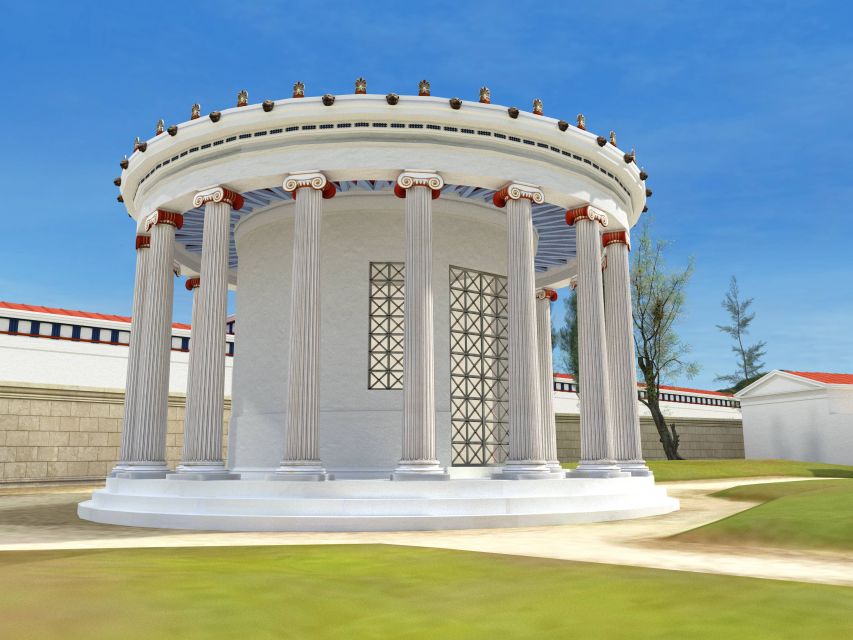
The best part is the chance to see reconstructions of what the monuments may have looked like. Audio can also give you context while you explore alone, without having to stay beside a group guide.
The weak point is navigation. The map does not always make it obvious which ruin you are standing beside or which stop to visit next. Some people find the audio useful once they get their bearings, while others switch it off and rely on the site signs.
The tour covers about 10 main locations, but Olympia contains more remains than the app covers. That means the application works best as an extra layer, not as the only source of information.
Bring your own headphones if you want to listen privately. Headphones are not provided, and holding a phone to your ear in the sun is not a pleasant way to spend an hour. Most important, arrive with a charged phone or tablet. You need a device to activate the application, and the app may be difficult to use if the battery is low or the phone is not working properly.
The experience does not state that a separate device is supplied, so do not expect one. Mobile service can also be unreliable at the site. Downloading and setting up the app before you leave the port may save time, although staff can help you install it at the meeting point.
Making the most of your three hours
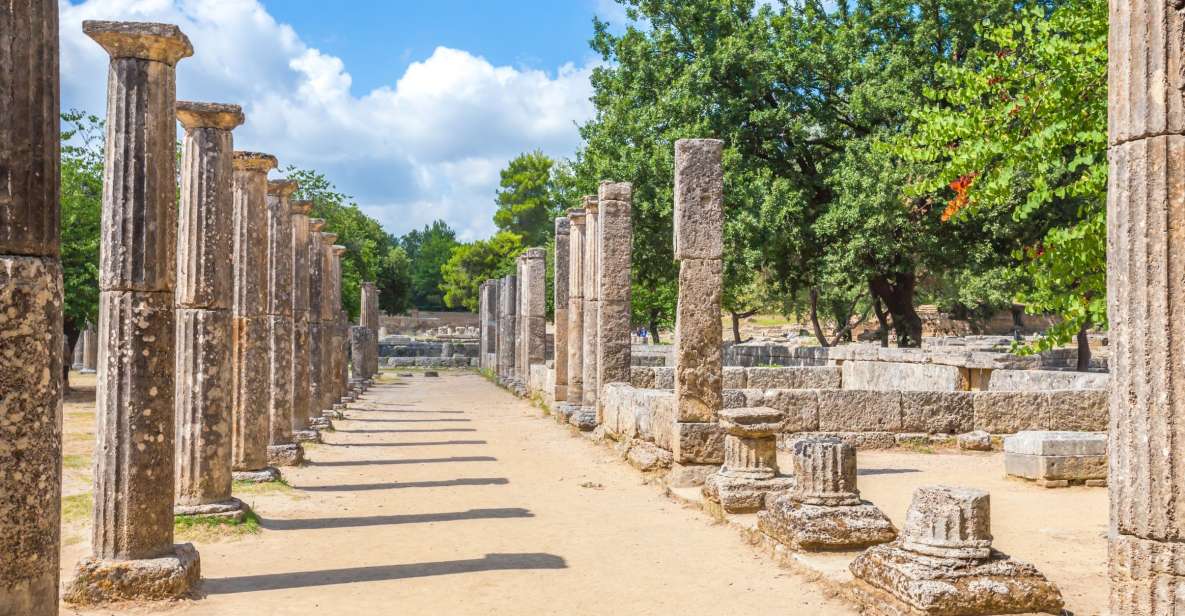
You have about three hours at Olympia, which is a sensible amount of time for a self-guided visit. I would divide it into three parts.
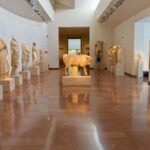
Start with the Archaeological Museum. It contains important sculptures and objects from the sanctuary, including pieces that help you understand what the ruined buildings once held. A museum visit is especially useful before walking the grounds because it gives you a clearer picture of the art and religious life connected with the site.
Next, walk through the archaeological area. Use the printed or posted information at the major monuments, then add the app where it helps. The plaques can be more dependable than trying to make the app’s map work at every stop.
Finish with the Museum of the Olympic Games if it is part of your chosen admission arrangement and opening conditions allow. It is a shorter visit with fewer objects, but it gives you a focused account of the contests and how the ancient Games developed.
Some guests prefer to visit the ruins first, then use the museum to fill in the gaps. That is also a good plan. The important point is to leave enough time to return to the agreed meeting place. Your escort gives clear instructions about when and where to meet, and the bus must leave on schedule for the return to Katakolo.
The modern village of Olympia
The village of Olympia is close to the archaeological site and offers a change of pace after the exposed ruins. You can walk into town for lunch, coffee, snacks, souvenirs, or a little shopping.
This is not a separate sightseeing tour. You are simply given the time and freedom to use the village as you wish. That flexibility is valuable on a hot day, especially if you need a cool drink or a break from the stones and sun.
Do keep an eye on the clock. A relaxed lunch can easily become a rushed return to the bus. If the ruins and museums are your main reason for coming, visit them first and treat the village as extra time rather than the center of the excursion.
After Olympia, the air-conditioned coach returns you to Katakolo village and port. You can go straight back to the ship or spend a little more time by the sea, depending on your ship schedule and the departure arrangements.

What the $13.55 price really buys you
At $13.55 per person, this is primarily a low-cost round-trip transfer with an audio tool, not a private archaeological tour. The price includes the air-conditioned vehicle, return transportation, the VR application and audio guide, and an English-speaking driver and bus escort.
That is excellent value if your main concern is reaching Olympia safely and on time. You also avoid arranging a taxi or independent transport from the port, and the cruise-friendly schedule reduces the worry of getting back to Katakolo.
The ticket arrangement requires care. One booking option includes entrance tickets, while another does not. The general inclusions also state that monument entry is not included, so read the exact option name and voucher before paying. If you choose the no-ticket option, you may need to buy admission at the archaeological site and museums. One practical drawback is the possibility of waiting in line at the entrance.
Food, drinks, and a professional guide inside the monuments are not included. That keeps the price down, but it also explains why the experience cannot replace a full private or small-group guided visit.
Compared with a cruise-line excursion, the savings can be substantial. You give up the convenience of a dedicated expert guide, but you gain more control over your time and still receive organized transport.
Who should book this Katakolo excursion?
I would choose this trip if you want the simplest way to see Olympia from a cruise ship. It suits independent visitors who enjoy wandering, reading signs, and deciding how long to spend at each temple.
It also works well for families and mixed-age groups. One person can focus on the ruins, another can spend more time in the museum, and everyone can meet back at the bus. The village offers an easy place for a snack or short break.
This is a good fit if you are comfortable with smartphone apps and do not need a guide beside you. It is also useful if you want an affordable alternative to a cruise excursion.
I would think twice if your main goal is detailed archaeological explanation. The VR guide can be confusing, the map may not line up naturally with the route, and the application covers only some of the site. A live guide would give you a clearer sequence and let you ask questions at the exact monument in front of you.
The tour received an overall rating of 4.1 from 403 ratings, which fits the experience well: transportation and organization are its strongest points, while the app is more uneven.
Practical details that make the day easier
Book the option with admission included if you want to avoid buying tickets after arrival. If you select transport without tickets, allow time for the entrance process.
Wear supportive shoes. The archaeological grounds require walking, and the surface can be uneven. Bring a camera, water, and a charged smartphone or tablet.
Arrive at the meeting point a few minutes early. The port location is convenient, but the exact start point can vary by booking. Keep the return time visible on your phone or printed voucher.
The tour offers free cancellation up to 24 hours before departure for a full refund, and you can reserve now and pay later. Starting times depend on availability, so match the departure carefully with your ship’s time in port.
Should you book it?
Book this excursion if you want reliable port-to-site transportation, several hours of independent sightseeing, and a very low price. The comfortable bus, helpful escorts, and direct return make it a practical choice for a cruise stop.
Choose the ticket-included option when available, bring headphones, and treat the VR app as a useful bonus rather than the main reason to go. If you want a structured explanation of every ruin, spend more on a live guided tour. For everyone else, this is a sensible, flexible way to reach one of Greece’s most important ancient sites.
FAQ
How long does the Katakolo to Ancient Olympia tour last?
The activity lasts four hours, including the bus ride from Katakolo to Olympia, time at the archaeological site, and the return journey.
How long is the bus ride to Olympia?
The drive is described as roughly 30 minutes, while the detailed schedule allows about 40 minutes each way. Actual travel time can vary.
Is transportation included?
Yes. The experience includes round-trip transportation in an air-conditioned vehicle and an English-speaking driver and escort on the bus.
Are entrance tickets to Olympia included?
That depends on the option you select. One choice includes entry tickets, while another is offered without them. Check the exact booking option before reserving.
Do I need a smartphone for the VR audio tour?
Yes. You need a charged Android or Apple phone or tablet to activate the Virtual Reality Audiotour application.
Are headphones provided?
No. Bring your own headphones if you want to listen privately.
In which languages is the audio guide available?
The audio guide is available in English, German, Spanish, Italian, Portuguese, Russian, Polish, French, Chinese, Japanese, and Greek.