REVIEW · KATAKOLO
Private Sea Kayak over sunk city of ancient Feia
Book on GetYourGuide →Operated by Olympia Adventure Club · Bookable on GetYourGuide
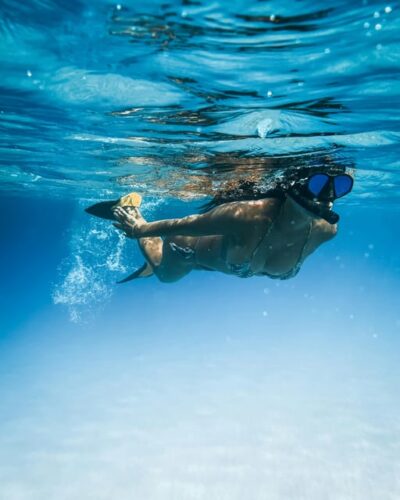
The most unusual part of this Peloponnese outing is simple to picture: you paddle over the remains of ancient Feia, a city now resting beneath the sea at St. Andrew Bay. The clear water lets you look down toward the ruins, then get closer with a mask and fins.
I like the combination of kayaking and snorkeling, since you see the coast from above and the underwater remains from below. I also like the pause for a fresh Greek picnic, which gives the trip a local, human touch. The main drawback is the sea itself: rough weather can cancel the snorkeling portion, as happened on one outing, even though the kayak trip and picnic still went ahead.
In This Review
- Key points at a glance
- Why ancient Feia makes this kayak trip different
- Starting at St. Andrew Bay
- Paddling across the sunken city
- Snorkeling above Feia
- A traditional Greek picnic by the water
- How the private format affects the experience
- Who will enjoy this most
- Weather is the main variable
- A closer look at the guides
- Is $347 a fair price?
- Should you book the Feia kayak tour?
- FAQ
- How long does the sea kayak experience last?
- How many people can join the private group?
- What equipment is provided?
- Is snorkeling guaranteed?
- What should I bring?
- Who cannot take part?
Key points at a glance
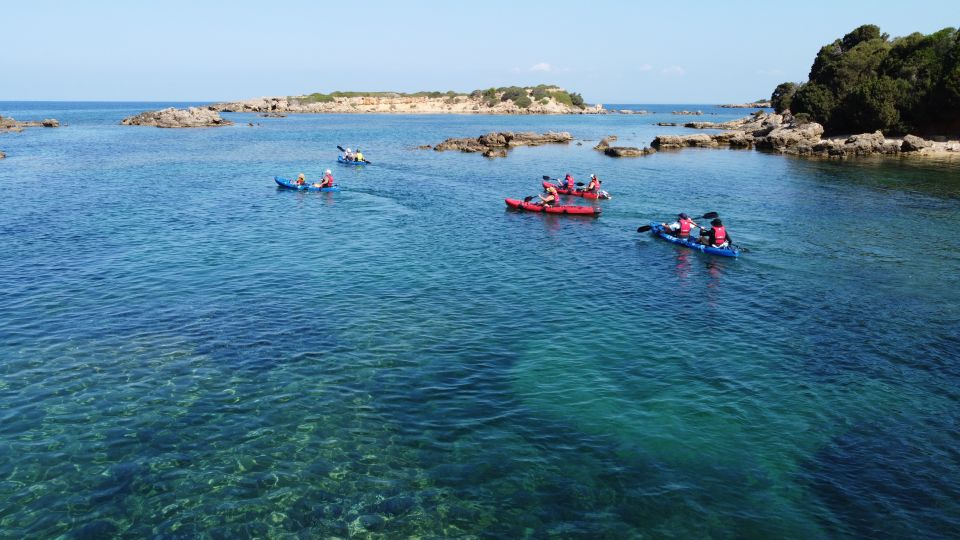
- Paddle over a sunken city: Ancient Feia gives this trip a clear sense of place and purpose.
- Snorkel above submerged ruins: Clear water may reveal stone remains and marine life beneath your kayak.
- Private group of up to five: The guides can adjust the pace and breaks for your party.
- Greek picnic in a quiet cove: Expect organic traditional products, fruit, water, and an alcoholic drink.
- Family-friendly for swimmers age six and up: Two guides have handled groups with children and teenagers.
- Three and a half hours on the water: Long enough for kayaking, snorkeling, stories, and lunch without taking your whole day.
Why ancient Feia makes this kayak trip different
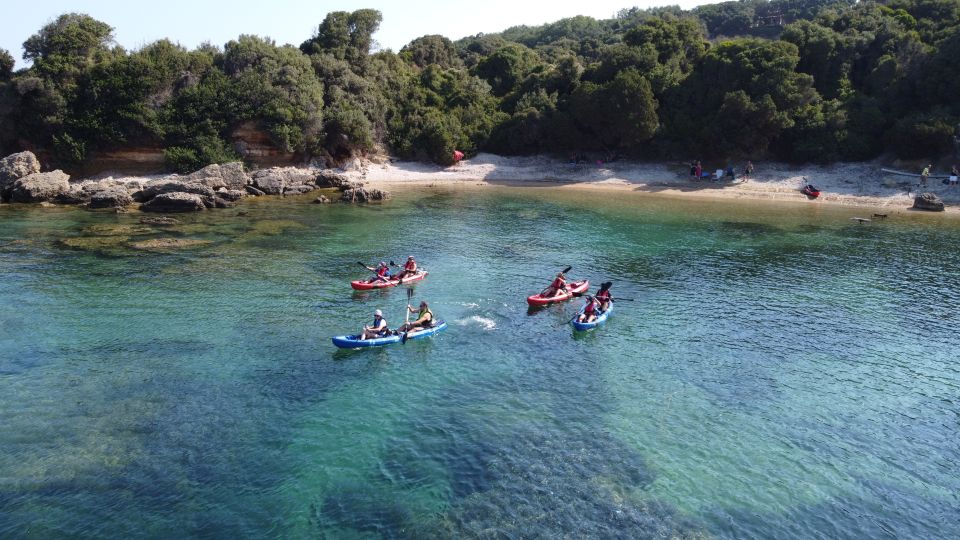
Many Greek kayak tours sell the sea, the sun, and a pretty shoreline. This one gives you something more specific to look for. Beneath the waters of St. Andrew Bay lie the remains of Feia, an ancient settlement lost to the sea.
You do not simply paddle along the coast and hear that ruins are somewhere nearby. The route takes you over the submerged city, so the water becomes part of the historical experience. From the kayak, you can look down into the clear sea. With the snorkeling mask and flippers, you can inspect the area from water level.
That change in viewpoint matters. A guide can point out what you are seeing and explain the local past, while you are still surrounded by open water and coastal scenery. It feels less like a standard history lesson and more like finding traces of an old community in its original setting.
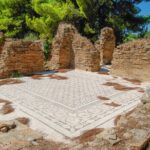
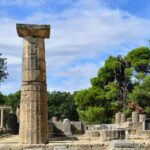
Keep your expectations sensible. This is not a large archaeological site with marked streets, standing temples, or a museum-style presentation. The remains are underwater, and visibility depends on the weather and sea conditions. The appeal comes from the setting, the stories, and the act of reaching the ruins by kayak.
You can also read our reviews of more tours and experiences in Katakolo.

Starting at St. Andrew Bay
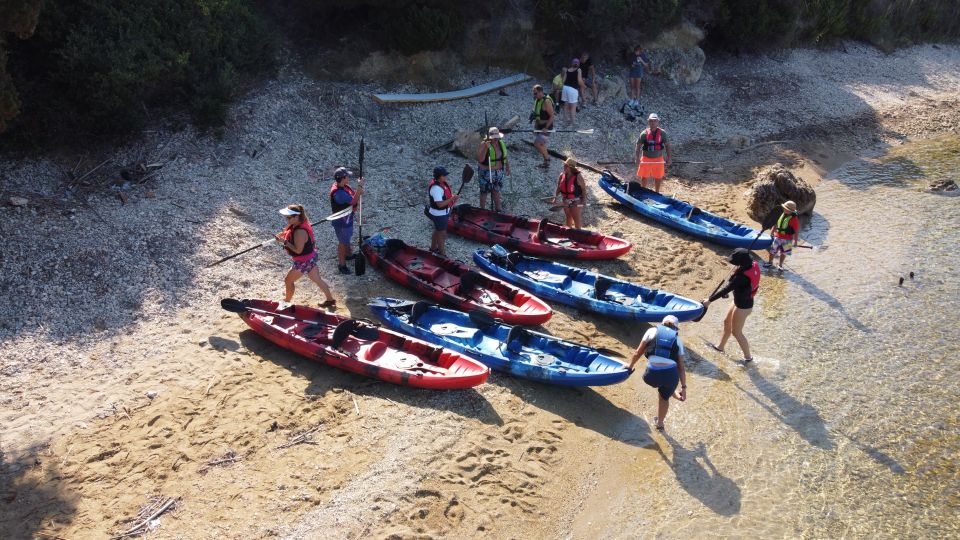
The activity takes place at the majestic bay of St. Andrew in the Peloponnese. The advertised duration is 3.5 hours, which allows time for instruction, paddling, breaks, snorkeling, and the picnic.
You receive a kayak, paddle, and personal flotation device. Certified sea kayak guides lead the outing in English, and the group is private, with a maximum of five people. That small size is one of the strongest practical advantages here. You are not trying to keep up with a large line of boats, and the guides can respond to the needs of your own party.
Two guides, Giannis and Roula, have led family groups and port-arriving parties. Their approach has included adjusting the outing for children, changing plans when a group arrived late at Katakolon, and keeping the mood light. Pickup near the port was arranged for one party, but you should confirm transport details when booking rather than assume a transfer is included.
At the shore, expect to get set up with your equipment before heading onto the water. Wear clothing that can handle splashes. Your swimsuit, hat, sunscreen, sunglasses, towel, and sea shoes are not supplied. Shoes that can get wet are especially useful around the shore and in the water.
Paddling across the sunken city
The kayak portion is the heart of the outing. You move across the bay under your own power, with the guides setting the route and pointing out details along the way. The scenery is coastal and open, but the main attraction is below the surface.
For a first-time kayaker, the private format should make the experience less stressful. You can ask for help with paddling technique and take breaks when needed. For a family, the guides can adjust the pace and choose pauses that suit both adults and older children.
The activity is not suitable for non-swimmers, and children must be at least six years old. Pregnant women and people with a cold should not join. These rules make sense for an open-water activity where balance, swimming ability, and comfort in the sea all matter.
The historic remains can be hard to see from a distance, so listen closely when the guide indicates where to look. Light, surface movement, and water conditions affect visibility. The best experience comes from treating the ruins as part of a larger underwater setting, not expecting a perfectly preserved city laid out like an open-air monument.
I like that the history is built into the paddling route rather than added as a short speech at the end. You get context while standing above the site itself. The guides also share local stories and background about the area, giving the ruined settlement a human connection.
Snorkeling above Feia
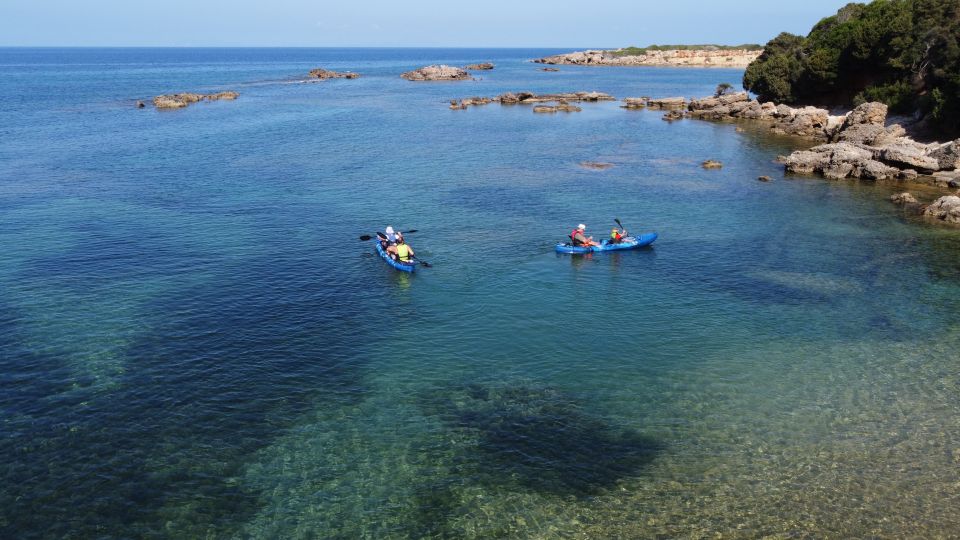
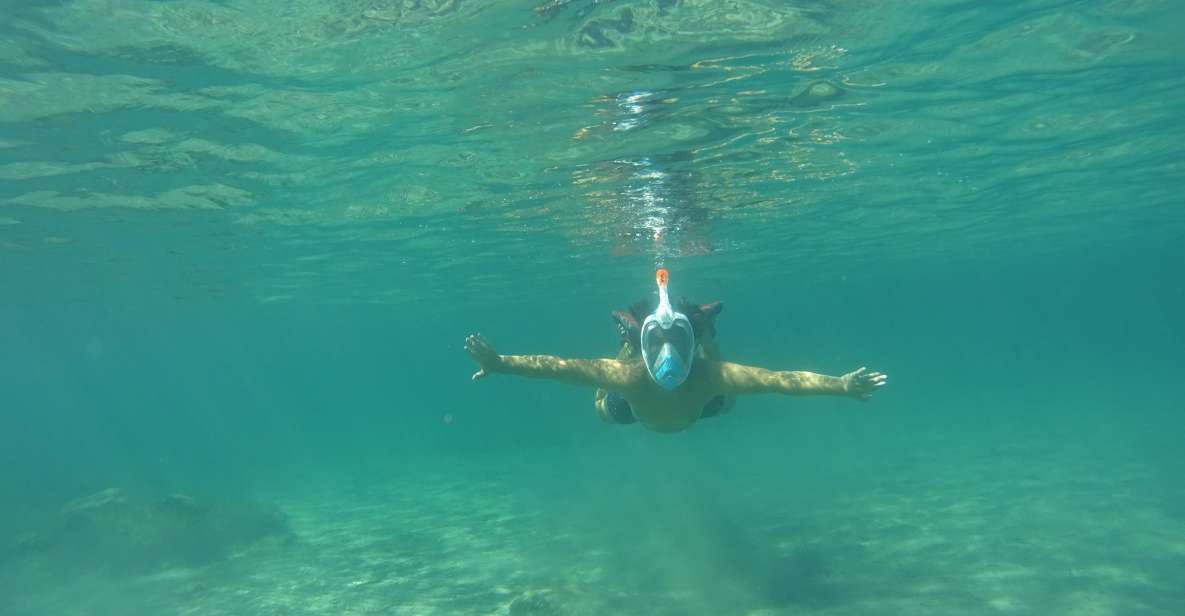
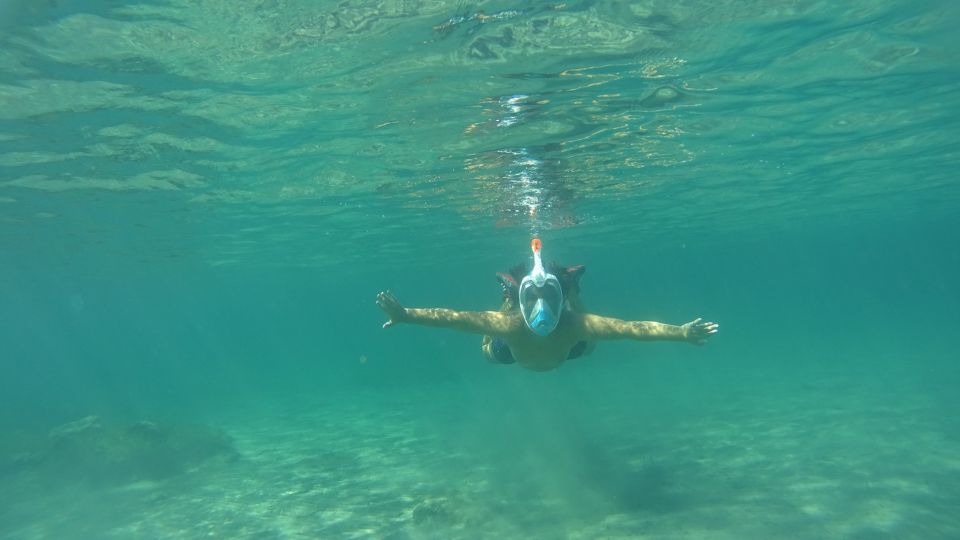
After kayaking, you use the provided mask and flippers to explore the water. Snorkeling gives you a closer view of the ruins and lets you look for marine life around the submerged site.
The water is described as crystal-clear, but do not confuse that with a guarantee of perfect visibility on every departure. One outing took place in rough seas, and snorkeling was not possible. The group still enjoyed the kayaking and picnic, but anyone booking mainly for underwater viewing should keep this limitation in mind.
The guides can show you where to look and explain what you are seeing. That help is important, since ancient stones underwater can blend into the seabed. You may notice artifacts or sections of the sunken settlement, depending on conditions and the route chosen that day.
Bring your own sea shoes or footwear that can get wet. You also need to supply your own towel, sunscreen, sunglasses, and personal medication. The operator provides a first aid kit, but that does not replace any medication you normally carry.
For families, snorkeling adds a sense of discovery. An 11-year-old and a 14-year-old managed the activity comfortably with their family, while another outing included children aged eight and 11. The minimum age is six, but the real question is confidence in the water and comfort with a mask and fins.
A traditional Greek picnic by the water
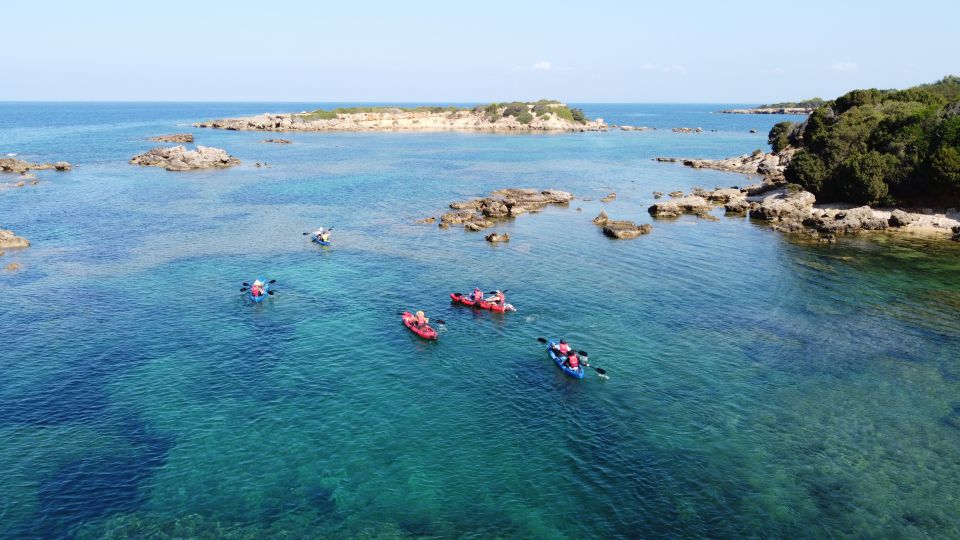
The picnic is more than a convenient lunch break. It gives the outing a cultural finish, with organic traditional Greek products, fruit, water, and an alcoholic drink included.
The exact menu can vary, but the point is freshness and familiar local flavors rather than a formal restaurant meal. The guides explain aspects of Greek food and its heritage as you eat. That makes the picnic useful for anyone who wants more than an athletic activity.
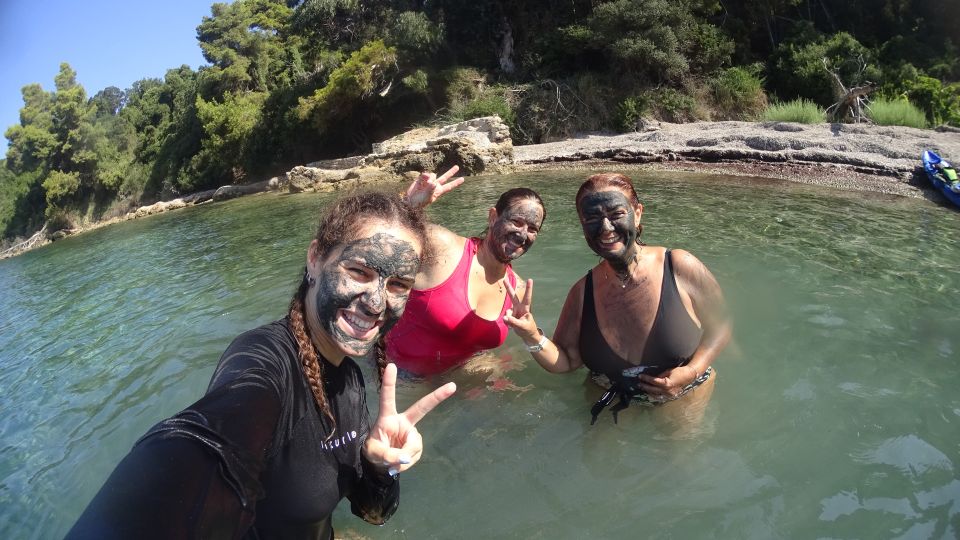
The setting also changes the rhythm of the day. After paddling and snorkeling, sitting in a secluded cove gives you time to dry off, eat, and enjoy the bay without rushing straight back to town. Several families especially valued this quiet pause away from the crowds.
One important detail: the picnic is part of the kayak program, but a separate lunch in Katakolon has also been arranged for an outing. Do not assume a restaurant meal is included in the standard price. The included food is the traditional picnic described above.
You should bring a towel and sun protection, since the break may be your longest chance to sit in the sun. The tour includes water and an alcoholic drink, but anyone with dietary needs should ask about the picnic before confirming.
You can also read our reviews of more private tours in Katakolo


How the private format affects the experience
The price is $347 per group of up to five people, not $347 per person. For a full group, that works out to about $69.40 per person before any separate transport or personal costs. For two people, it is a much higher per-person price, but you are paying for a private outing rather than a shared group trip.
That distinction makes this most attractive for families or a small group of friends. Five people can share the cost while keeping the guides focused on their own pace. For parents, the ability to stop, ask questions, and adjust the route is worth more than a cheaper large-group departure.
You also receive photos and videos of the trip. This is a useful extra because it lets you enjoy the paddling and snorkeling without having to keep your phone out around salt water. Ask how and when the images will be delivered if that matters to you.
The guides provide all core kayaking equipment, snorkeling mask, flippers, and first aid supplies. You still need to pack the personal items that make a water day comfortable. A small dry bag would be sensible for anything you bring, though one is not listed as included.
Who will enjoy this most
I would choose this outing if you want a half-day activity that combines nature, archaeology, and food. It suits families with children aged six or older, provided everyone can swim and manage time in the sea.
It is also a strong choice for cruise passengers spending time around Katakolon. The total length leaves room for other plans, but you should confirm the meeting point and transport before booking. One late-arriving group was accommodated, which suggests some flexibility, but schedules and sea conditions can change.
You do not need to be an expert kayaker. The guides provide the equipment and lead the route. Still, you should be comfortable in open water and ready for physical effort. Paddling, getting in and out of the kayak, swimming, and snorkeling all require basic ability.
I would hesitate to book it for someone who dislikes getting wet, wants a guaranteed underwater view, or prefers a formal archaeological tour. The history is experienced outdoors, and the sea has the final say.
Weather is the main variable
The biggest uncertainty is not the guide or the food. It is the weather. Calm conditions make the ruins easier to see and snorkeling more pleasant. Rough water can prevent snorkeling altogether.
The operator may still offer kayaking and the picnic when conditions allow, but you should view the underwater portion as weather-dependent. If snorkeling is the one thing you care about most, leave some flexibility in your schedule and avoid treating this as a guaranteed archaeological inspection.
Sun protection is essential. The tour does not include sunscreen, sunglasses, a hat, or a towel. You should also bring any personal medication you need. Sea shoes are useful, and a swimsuit is the obvious base layer for a day built around water.
Free cancellation is available up to 24 hours before the activity for a full refund. You can also reserve and pay later, which helps if you are coordinating the outing with a cruise schedule or several family members.
A closer look at the guides
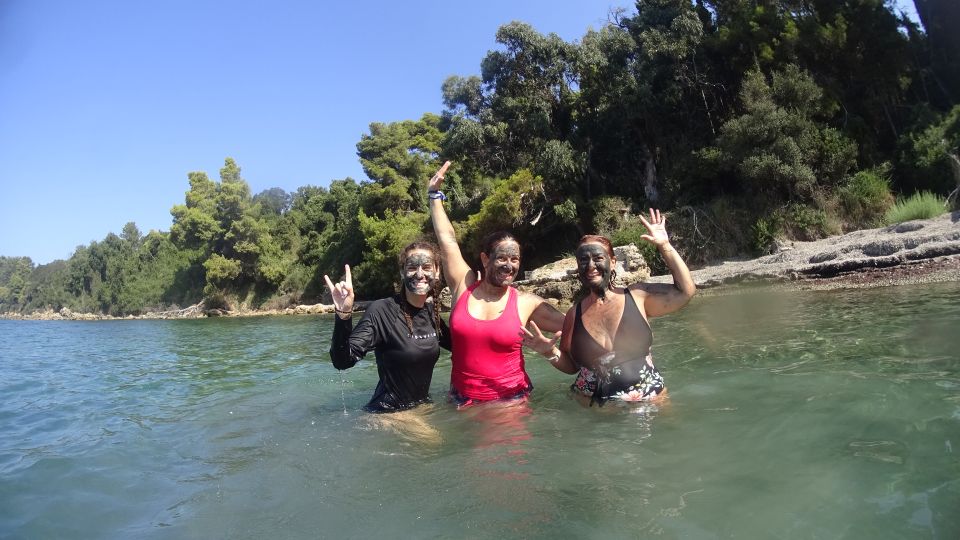
The guides are central to the experience. Giannis and Roula have worked with families, older children, and groups dealing with changing arrival times. Their role is not limited to steering the kayaks. They explain the local history, show you the underwater remains, help with snorkeling, and talk about Greek food during the picnic.
That mix gives the trip a personal feel. You are not just following a route with equipment handed to you at the beach. You have English-speaking guides available throughout the outing, which is especially helpful when trying to identify underwater stones or understand the significance of the site.
Their flexibility is another practical benefit. A family of five received two guides, with the activity adjusted around the family’s needs. That does not mean every request can be met, but the private setup creates room for sensible changes in pace and breaks.
Is $347 a fair price?
For one or two people, $347 may feel expensive for 3.5 hours. For a private group of five, the calculation improves considerably. You get certified guides, all kayak equipment, snorkeling gear, food, drinks, photos, and videos in one package.
The value also comes from the setting. This is not simply a beach kayak rental. The route has a specific archaeological focus, and the picnic adds time with the guides and a taste of local food. If you would otherwise pay separately for equipment, a guided water activity, and lunch, the combined price is easier to justify.
The price is less appealing if rough seas prevent snorkeling and your main goal was seeing the ruins underwater. That is the risk built into any sea-based program. I would book it for the complete mix of paddling, history, swimming, and food, not for snorkeling alone.
Should you book the Feia kayak tour?
Book it if you want a private, active outing with a real sense of place. Ancient Feia gives the kayaking a purpose, the snorkeling adds a closer look at the ruins, and the picnic keeps the day connected to Greek food and local culture.
Families and small groups get the best value, especially when five people share the $347 rate. Swimmers who enjoy being outdoors should find the pace manageable, while non-swimmers, pregnant women, children under six, and anyone with a cold should choose another activity.
My main advice is to pack for the water and accept that weather may change the plan. If you can do that, this is a memorable way to experience the Peloponnese from the surface, below it, and around a picnic table by the sea.
FAQ
How long does the sea kayak experience last?
The activity lasts 3.5 hours. This includes kayaking, snorkeling when sea conditions allow, historical explanations, and the traditional picnic.
How many people can join the private group?
The private group can include up to five people. The price is $347 per group.
What equipment is provided?
The activity includes a kayak, personal flotation device, paddle, snorkeling mask, and flippers. Certified sea kayak guides and a first aid kit are also provided.
Is snorkeling guaranteed?
No. Snorkeling depends on sea conditions. Rough water can prevent snorkeling, although kayaking and the picnic may still be possible.
What should I bring?
Bring a swimsuit, hat, sunscreen, sunglasses, towel, sea shoes or other footwear that can get wet, and any personal medication you need.
Who cannot take part?
The activity is not suitable for children under six, pregnant women, non-swimmers, or people with a cold.