REVIEW · SANTORINI
Historical Santorini Half Day Tour
Book on GetYourGuide →Operated by Santorinimagicaltravel · Bookable on GetYourGuide
Santorini’s most famous views are only half the story. This private tour takes you beyond the blue-domed postcard scene to Akrotiri, an ancient settlement buried by the massive Theran eruption around 1628 BC, and to the red volcanic shore nearby. You’ll also visit Megalochori, a traditional village where local customs and family stories give the island a more personal face.
I like the private group format, since you can focus on the questions that interest you instead of following a large crowd. I also like the mix of archaeology, village life, volcanic geology, and myth. The main consideration is cost: at $176 per person, this makes the most sense if you value a personal guide and convenient pickup. Entrance tickets and lunch are not included.
In This Review
- Key points to know before booking
- Why this tour makes sense for Santorini
- Starting from the port, airport, or cable car
- Megalochori and the older Santorini way of life
- Red Beach and Santorini’s volcanic colors
- Akrotiri, Santorini’s buried Bronze Age city
- The volcanic story behind the island
- What the $176 price buys you
- The guide can shape the whole experience
- Who should book this four-hour tour?
- Should you book the Historical Santorini Half Day Tour?
- FAQ
- How long is the Historical Santorini Half Day Tour?
- Where can I be picked up?
- Which language is the tour conducted in?
- Is this a private tour?
- Are entrance tickets included?
- Is lunch included?
Key points to know before booking
- Akrotiri is the main historical stop: The ancient settlement is older than Pompeii and was buried by volcanic ash.
- Megalochori adds local character: This traditional village offers a look at old Santorini customs and habits.
- Red Beach is a photo stop, not a full beach day: Its striking red volcanic setting is the point.
- Private touring keeps the pace personal: You travel with an English-speaking guide rather than a large shared group.
- Pickup covers the island’s main arrival points: Choose the bus station, cable car, Santorini Airport, or Athinios Port.
- Markis is the named guide associated with the experience: Ask if he will lead your tour when you book.
Why this tour makes sense for Santorini
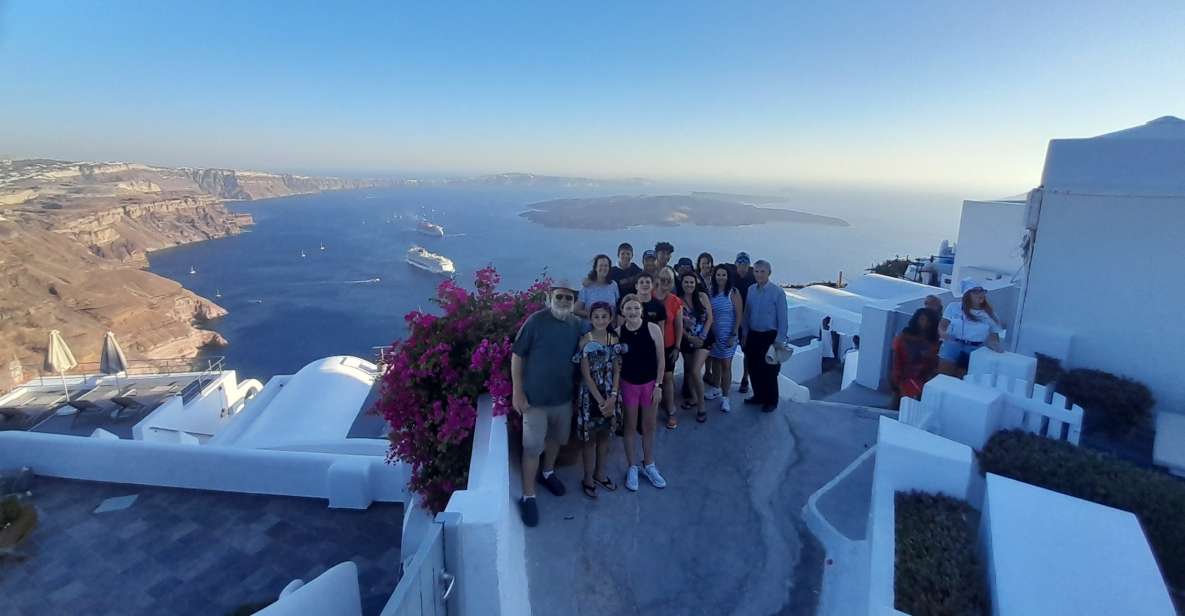
Many short Santorini excursions chase the same famous viewpoints. This one takes a different route, focusing on the island’s origins and the people who lived here before the volcano changed everything.
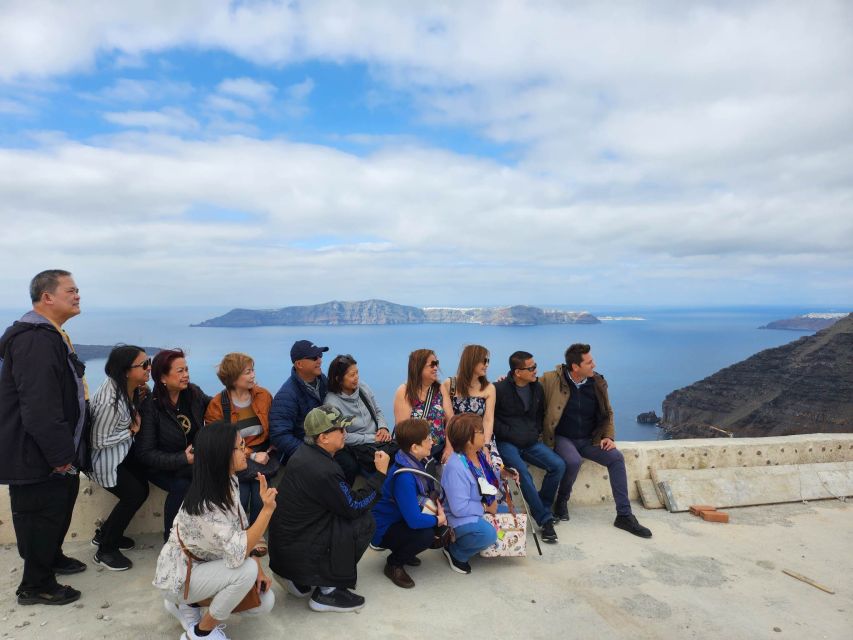
You’ll spend about four hours with a local English-speaking guide in a private group. The guide is not simply there to point out a church or scenic bend. The stated aim is to connect Santorini’s volcanic past with its myths, villages, and family traditions. Stories about old habits, local customs, and the guide’s grandfather can make the visit feel less like a museum visit and more like a conversation about a place that has changed dramatically over time.
The tour is especially useful if you have already seen the main caldera view or if you want a break from Santorini’s busiest postcard stops. You will still get scenic driving and photo opportunities, but the focus is on the southern part of the island and its archaeological importance.
One small point needs clarification. The activity is priced and scheduled as a four-hour tour, while the overview describes it as five hours. Treat four hours as the working duration and confirm the exact timing before you pay, especially if you have a cruise departure, flight, or dinner reservation.
You can also read our reviews of more historical tours in Santorini


Starting from the port, airport, or cable car
Pickup is available from four practical locations:
- Athinios Port
- Santorini Airport
- The cable car area
- Santorini Bus Station
Hotel pickup and drop-off are included, though the supplied details list the four locations above rather than naming individual hotels. If you are staying elsewhere, confirm the meeting point clearly.
The pickup choices make this tour useful on arrival day or during a cruise stop, but timing matters. Athinios Port can involve traffic and busy arrival periods. A four-hour excursion followed by a tight ship departure leaves little room for delay, so you should allow a generous buffer. The same advice applies at the airport.
The cable car and bus station options suit people already in central Fira. If you are coming down from a cruise ship, remember that the cable car area is not the same as Athinios Port. Confirm which location applies to your transfer.
Because the group is private, you have a better chance of keeping the day focused. You can ask for more explanation at Akrotiri, spend less time at a photo stop, or request a slower pace in Megalochori. The exact flexibility is something to settle with the guide at the start.
Megalochori and the older Santorini way of life
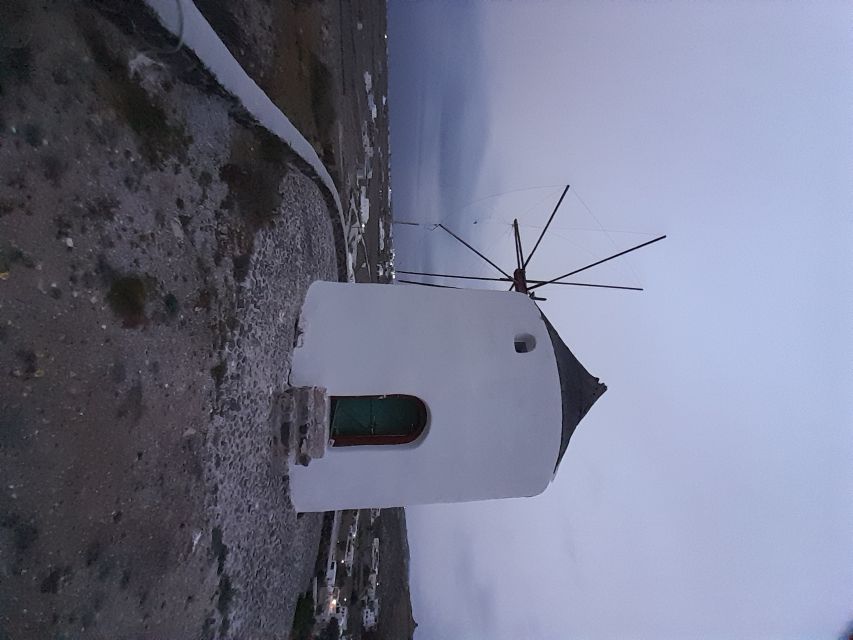
Megalochori is introduced as one of Santorini’s most traditional villages. That makes it an important counterpoint to the island’s polished resort areas.
The appeal here is not one single monument. It is the chance to see a village connected to older Santorini, with customs and habits that existed before tourism became the island’s main business. Your guide can explain how local life was shaped by the dry climate, volcanic ground, family ties, and long-standing traditions.
The guide’s personal stories are one of the more distinctive parts of this stop. The experience is designed to include memories and stories passed down from his grandfather, giving you a local voice rather than only a standard account of dates and ruins.
You should keep your expectations sensible. The supplied details do not promise a formal cooking demonstration, winery visit, or extended village walk. Megalochori is part of a compact sightseeing tour, so the amount of time there will be limited. Its value comes from context and atmosphere, not from a long list of scheduled activities.
I would pay attention to this stop if you want to understand how Santorini feels away from the caldera hotels. It helps balance the grand stories of Atlantis and volcanic eruptions with the ordinary traditions of island life.
Red Beach and Santorini’s volcanic colors
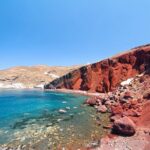
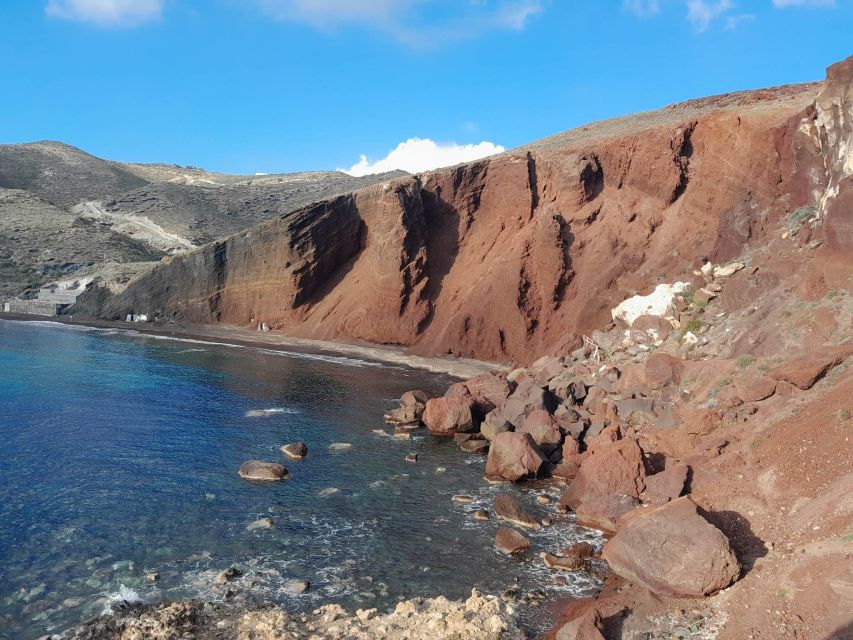
The Red Beach is one of the tour’s two major visual stops. Its red cliffs and dark volcanic setting make it one of Santorini’s most recognizable shorelines.
The tour describes this as a photo stop and sightseeing visit. That wording matters. You should expect time to see the setting and take pictures, not a long swimming session or a full beach afternoon. No beach equipment, water activity, or extended stay is included in the details provided.
Red Beach also helps explain Santorini’s unusual appearance. The color is tied to the island’s volcanic material, making this more than a pretty backdrop. The stop connects directly with the larger story of eruptions, ash, and the forces that shaped the island over thousands of years.
You might find the area busy or the viewing time brief, since this is a four-hour tour with several important stops. Still, it is a worthwhile pause because the red rock gives you a visual clue to the island’s geology that can be hard to grasp from a guidebook.
Bring the bottle of water provided, and consider carrying additional water if you need it. Lunch is not included, and the schedule does not mention a meal break. The tour is best approached as a compact history and sightseeing outing rather than a relaxed beach day.
Akrotiri, Santorini’s buried Bronze Age city
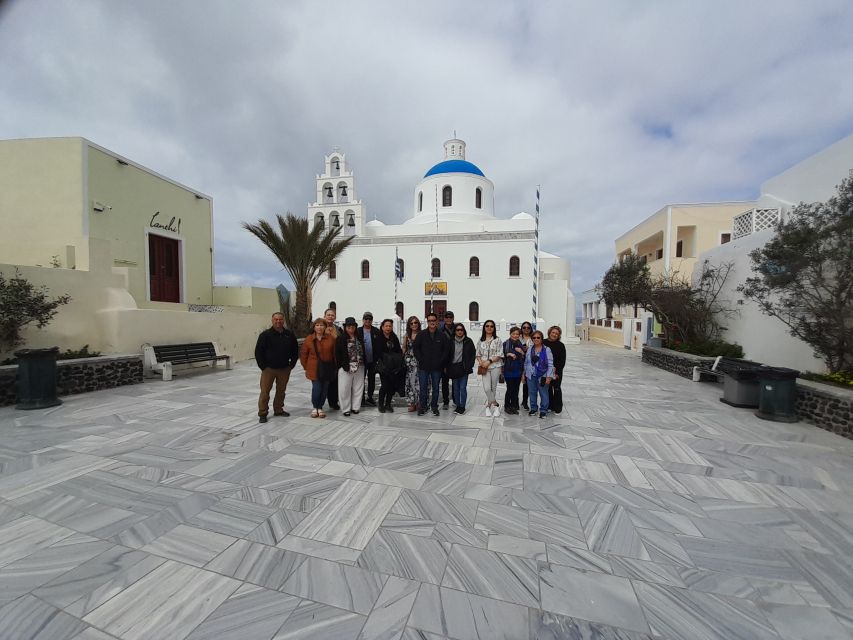
Akrotiri is the intellectual center of the tour. The settlement is older than Pompeii and was destroyed by the Theran eruption around 1628 BC. Volcanic material buried the city, preserving an important record of an ancient Minoan colony.
That comparison with Pompeii gives you a useful frame of reference, but Akrotiri has its own story. It is tied to the Bronze Age world of the Aegean and to the eruption that helped shape Santorini as you see it today.
The tour description connects archaeological discoveries near Akrotiri and Red Beach with the existence of an ancient Minoan colony. Your guide can help connect the ruins and the surrounding volcanic setting, so you understand why this site matters instead of simply walking past old walls.
The ancient settlement also feeds Santorini’s most famous myth. Some theories suggest that Thira may have been the location of Atlantis, the lost civilization described by Plato. That idea is not presented as proven fact, and you should treat it as a theory rather than a historical conclusion. Still, it adds a memorable layer to the visit, especially when you are standing near the remains of a sophisticated settlement destroyed by a huge eruption.
An entrance ticket to the archaeological site is not included. That extra cost should be part of your budget. The details also list an entrance ticket for Lost Atlantis as not included, although the main highlights focus on Akrotiri and Red Beach. Ask the provider exactly which attractions are planned and which admission fees apply before departure.
If you enjoy archaeology, Akrotiri alone may justify choosing this tour. If you prefer shopping, food, or long scenic stops, the archaeological focus may feel too serious for a short island outing.






The volcanic story behind the island
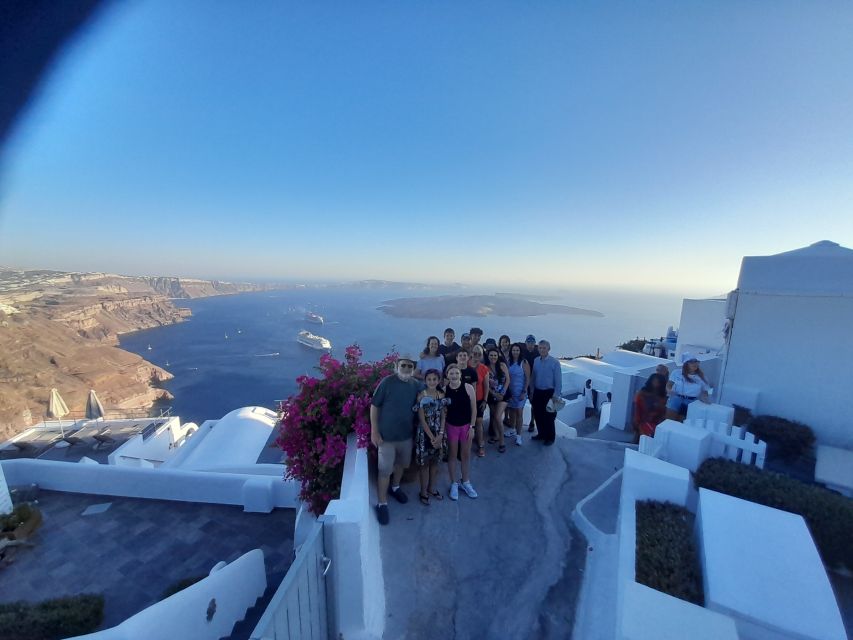
Santorini did not appear in its present form overnight. The experience presents the island as the result of thousands of volcanic eruptions, which is a useful way to read everything you see during the drive.
The cliffs, beaches, soil colors, and archaeological remains all make more sense when you keep that story in mind. At Red Beach, volcanic material is visible in the color of the shore. At Akrotiri, the eruption explains why an ancient city was buried and preserved. In the villages, the guide’s stories show how people built traditions around this demanding island environment.
This combination gives the tour a clear thread. You are not simply visiting three unrelated places. You are following the effect of volcanic activity on nature, archaeology, mythology, and daily life.
The Atlantis story should remain in its proper place. It is an intriguing theory, not a confirmed discovery. The stronger historical evidence on this tour comes from Akrotiri and the ancient Minoan presence connected with the site.
I appreciate that balance. Santorini’s myths are fun, but the archaeological evidence is what gives the visit weight. A good guide can enjoy the legend without allowing it to replace what researchers actually know.
What the $176 price buys you
At $176 per person, this is not a budget sightseeing bus. The value depends on how much you want a private experience.
Your price includes hotel pickup and drop-off, a bottle of water, an English-speaking live guide, and a private group. You are also paying for the guide’s time, transportation between several southern Santorini stops, and the chance to ask questions along the way.
That can be good value for a couple, family, or small group that wants a focused introduction to Santorini’s ancient past. Splitting a private vehicle among several people may make the price easier to accept. It is less attractive if you are traveling alone, have already arranged transportation, or mainly want a quick photo at Red Beach.
Remember the extras. Archaeological admission is not included. The Lost Atlantis attraction, if part of your selected plan, also requires its own ticket. Lunch and souvenirs are extra as well.
I would compare the total cost with a shared excursion only if price is your main concern. The private format is the key difference here. You are not paying simply for entry to Akrotiri. You are paying for transport, interpretation, and a more personal pace.
The guide can shape the whole experience
The experience is led in English, and the host emphasizes local knowledge, family stories, and a personal connection to Santorini. Markis is the named guide associated with the tour. If you have a preference, ask in advance whether he will be leading your departure.
One verified booking singled out Markis out for being very capable and knowing what he was doing. That is a short endorsement, but it points to something important on a tour like this: the quality of the explanation matters as much as the route.
At Akrotiri, you want a guide who can explain the eruption and Minoan connection clearly. At Megalochori, you want more than a quick drive-by. At Red Beach, you want the volcanic story tied to what you are seeing. The stated approach of sharing family stories and old Santorini traditions gives the guide room to make those connections.
Because the group is private, you should use the opportunity. Ask about the Atlantis theory, the eruption date, village customs, or the way Santorini formed. The tour will be more rewarding if you treat it as a conversation rather than a series of photo stops.
Who should book this four-hour tour?
I would recommend this experience to you if you want:
- A compact introduction to Santorini’s archaeology
- A private group rather than a large shared excursion
- A local guide who can add family stories and traditions
- A route that includes Akrotiri, Red Beach, and Megalochori
- Pickup from the port, airport, cable car, or bus station
- A tour that mixes ancient sites with scenic driving
It suits first-time visitors who want more than the caldera view, and it can work well for families or couples who prefer a guide to independent planning.
I would hesitate if you want a full beach day, a long meal, extensive shopping, or a relaxed schedule with no admission costs. The four-hour format is fairly tight, and the main purpose is history, local culture, and volcanic scenery.
You should also check the timing if you are visiting from a cruise ship. Pickup and drop-off at Athinios Port are offered, but a short port visit leaves little room for delays. Give yourself enough time to return to the ship.
Should you book the Historical Santorini Half Day Tour?
Book it if Akrotiri is high on your list and you like the idea of seeing Santorini through both archaeology and local stories. The private format, convenient pickup choices, and focus on southern Santorini give you a useful alternative to a standard caldera sightseeing trip.
The $176 price is reasonable for a small private group that values a guide, but less compelling for solo visitors or anyone counting every euro. Budget separately for entrance tickets and lunch, and confirm the four-hour timing and exact stops before booking.
For a compact, history-focused introduction to Santorini, I would choose this tour over a generic island drive. Just make sure the archaeology and local storytelling match what you want from your day.
FAQ
How long is the Historical Santorini Half Day Tour?
The activity is listed as lasting four hours. The overview also refers to five hours, so confirm the exact duration and start time with the provider before booking.
Where can I be picked up?
Pickup is available at Athinios Port, Santorini Airport, the cable car area, or the Santorini Bus Station. Hotel pickup and drop-off are also included in the activity details.
Which language is the tour conducted in?
The live tour guide speaks English, and English is the listed tour language.
Is this a private tour?
Yes. The group type is listed as a private group.
Are entrance tickets included?
No. Entrance tickets for the archaeological site and Lost Atlantis are not included. Confirm which admissions apply to your chosen route.
Is lunch included?
No. Lunch is not included. Souvenirs are also excluded, while a bottle of water is provided.