REVIEW · ATHENS
Private Athens Food Tour
Book on Viator →Operated by Truevoyagers · Bookable on Viator
Athens reveals itself quickly through food, especially around Monastiraki, where ancient ruins, shops, and street vendors crowd into the same lively center. This private tour takes you from small savory bites to a seated spread of Greek meze, with the guide choosing places you could easily miss on your own.
I like the private format, since Clare or Ana can shape the pace around your group and explain the food without a large crowd slowing things down. I also like the mix of street food, market-style tastes, wine, tsipouro, and a full meal, rather than a tour built around one famous dish.
The main catch is the limited fit for strict gluten-free, vegan, lactose-free, or low-carb diets. Stops and menu choices can also change on weekends, Sundays, and during evening hours when some central venues may be closed.
In This Review
- Key points at a glance
- Starting with Athens on a plate in Monastiraki
- Cured meats, cheese, and the Greek drinking table
- Olives and dakos from Crete
- Choosing between pie, souvlaki, and gyros
- A seated meal of meze and regional dishes
- Finishing with loukoumades or baklava
- Is $151.26 per person fair?
- Timing, meeting point, and daily variations
- Who will enjoy this Athens food tour?
- Should you book the Private Athens Food Tour?
- FAQ
- How long does the Private Athens Food Tour last?
- Where does the tour start?
- Where does the tour end?
- Is this a private tour?
- What food and drinks are included?
- Can I cancel for a full refund?
Key points at a glance
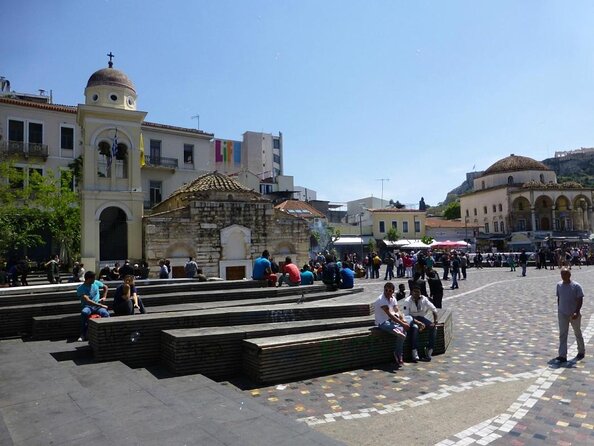
- Monastiraki starting point: Meet at Makaron Lonis on Athinas 7, in the heart of central Athens.
- Private attention: Only your group takes part, with guides including Clare and Ana.
- Broad Greek tasting: Expect cured meats, local cheeses, olives, dakos, pie or souvlaki, meze, and dessert.
- Drinks included: A glass of red or white wine and tsipouro accompany the charcuterie tasting, while the seated meal includes wine or beer.
- Three-hour format: The tour gives you a useful food-and-culture introduction without taking over your whole day.
- Flexible but not fully customizable: Vegetarian choices are available, but strict dietary needs may be difficult.
Starting with Athens on a plate in Monastiraki
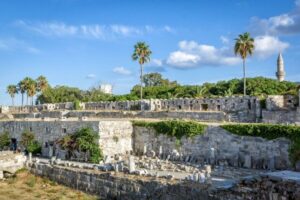
The tour begins at Makaron Lonis, a pastry shop at Athinas 7. That puts you in Monastiraki, one of the most useful areas in Athens for getting your bearings. Ancient remains, small shops, food stalls, and busy streets all meet here, so the setting quickly connects modern Greek life with the city’s older layers.
Your guide is the key to the experience. Clare and Ana are named as possible guides, and the private setup means you can ask why a food matters, how it is served, or where it fits in Greek daily life. That personal exchange is more useful than simply being handed a plate and told its name.
I would arrive ready to eat, but not stuffed. The tour is planned as a sequence of tastings followed by a generous seated meal, so a large breakfast could make the second half feel like work.
Because this is a private activity, your group does not have to match the pace of strangers. That is helpful if one person wants more explanation, another prefers to linger over a bite, or your group needs a slower walk between stops.
You can also read our reviews of more food & drink experiences in Athens


Cured meats, cheese, and the Greek drinking table
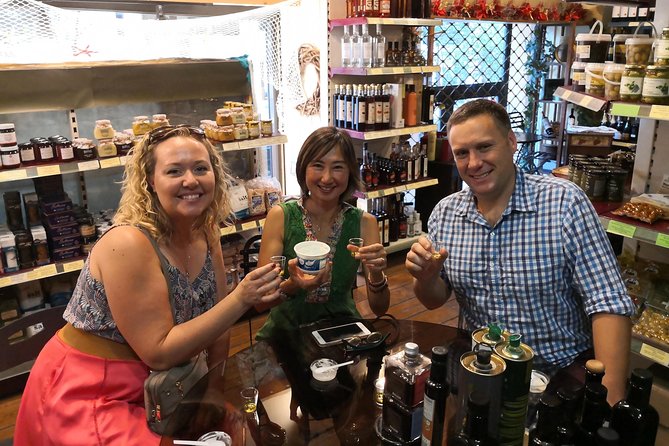
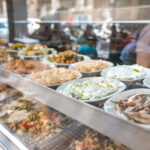
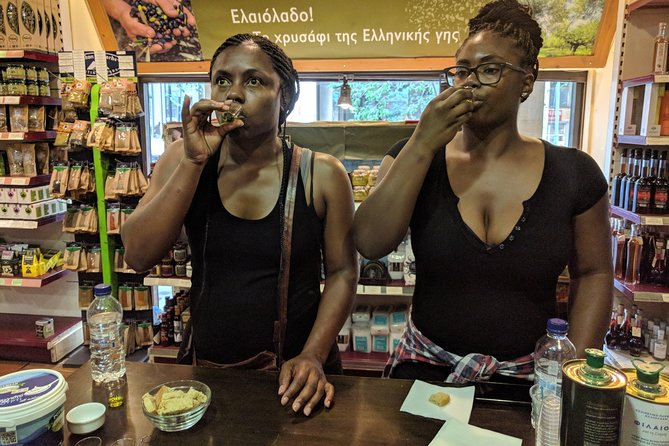
One early tasting includes a selection of Greek cured meats and local artisanal cheeses. This is a good place to notice that Greek food is not limited to the familiar trio of salad, souvlaki, and baklava. Curing, aging, and pairing are part of the country’s everyday food culture, and these small portions give you a taste of that wider range.
The charcuterie tasting comes with a glass of red or white wine and tsipouro, a traditional Greek spirit. The pairing adds useful context. Wine is familiar to many people, but tsipouro gives the tasting a stronger local character and shows how Greek meals often move between food and drink rather than treating them as separate events.
You should expect sampling rather than a full plate at this stage. That is a strength, since it leaves room for the dishes that follow. It also means the value depends on how much explanation and variety your guide brings to the table, not simply on the quantity of meat and cheese.
If you do not drink alcohol, the supplied details do not specify replacement drinks. Ask about this before booking if it matters to you.
Olives and dakos from Crete
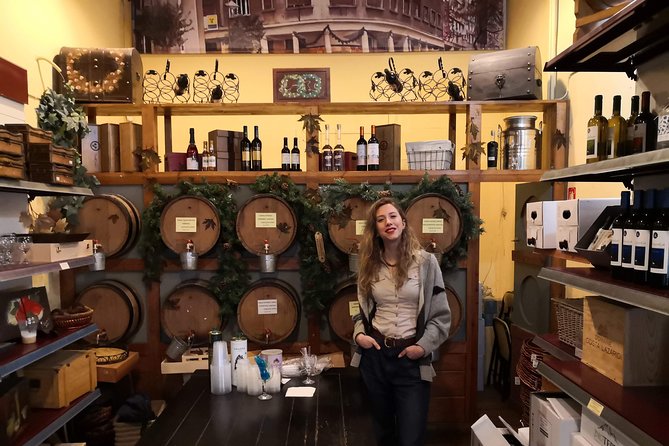
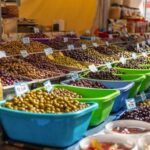
The next taste combines Greek olives with dakos, traditional Cretan barley rusks. Dakos is firm and dry at first, made to hold toppings and soak up moisture. It offers a different texture from soft bread and gives you a direct link to Cretan cooking.
This small course is one of the more useful parts of the tour because it moves beyond foods you may already know from Greek restaurants outside Greece. Olives are familiar, but the pairing with dakos shows how simple ingredients can become a complete bite when matched well.
I like this sort of stop because it gives the guide something concrete to discuss. You can ask about regional food traditions, how the rusk is eaten, and why a Cretan item appears on an Athens food walk. The tour is not only about finding something tasty. It is about learning how Greek foods travel between regions and cities.
The exact venue may change by day. Weekday and weekend menus are not identical, and some central market stops may not operate on Sundays or during evening hours. If the central market is important to you, check the schedule before you reserve.
Choosing between pie, souvlaki, and gyros
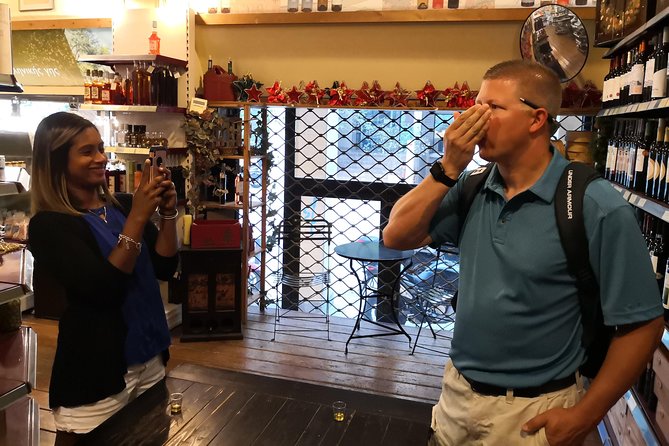
A later tasting offers a savory puff pastry pie or a familiar street food choice such as souvlaki or gyros. This gives the tour a practical middle ground. You may try something less obvious, or you may use the opportunity to compare a Greek street food staple with versions you have eaten elsewhere.
A savory pie is a strong choice if you want to sample Greek pastry and filling in one bite. Souvlaki and gyros are better for seeing how Athens handles quick food: seasoned meat, bread, and simple additions assembled for an easy meal on the move.
The choice matters for appetite as well. If you are already feeling full from the earlier tastings, a smaller pastry may be easier than a substantial street food serving. If you skipped breakfast, souvlaki or gyros may help carry you comfortably to the seated meal.
Do not expect every group to receive exactly the same dish. The menu and stops can vary, particularly between weekdays and weekends. That flexibility is useful for the operator, but it means you should book this as a broad Greek tasting rather than a fixed checklist.
A seated meal of meze and regional dishes
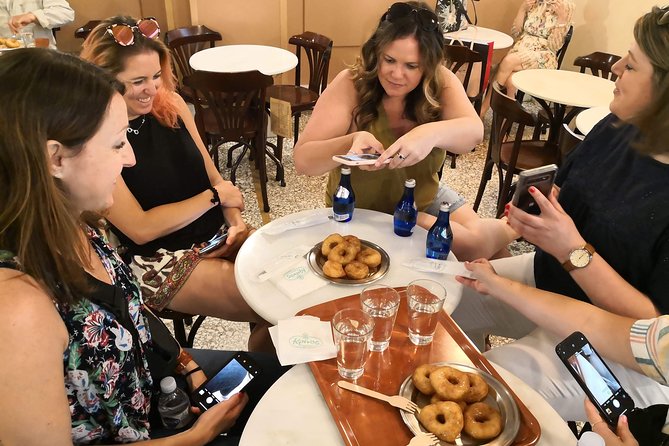
The main meal is seated and includes a generous spread of authentic Greek meze and regional specialties. This is where the tour shifts from small samples to the shared-table style that shapes much of Greek dining.
Meze can bring several flavors and textures to the table at once. Instead of one large main course, you get a chance to taste several dishes and see how they work together. The supplied details do not name every dish, so you should not reserve expecting a fixed restaurant menu. Think of it as a guided Greek meal whose exact contents depend on the day and available venues.
Vegetarian-friendly options are available, which makes the meal more workable for people who avoid meat. Still, vegetarian-friendly does not mean every dietary restriction is covered. Gluten-free, vegan, lactose-free, and low-carb choices are limited, so contact the provider before booking if your diet is strict.
The seated portion also gives you time to talk. A quick street-food stop can show you what people eat, but a shared meal lets you ask broader questions about food customs, regional differences, and daily life in Greece. That conversation is one reason the private format earns its keep.
The meal includes a glass of wine or beer. If you want extra drinks or food beyond the stated inclusions, plan to pay separately, since anything not listed is excluded.
A few more Athens tours and experiences worth a look




Finishing with loukoumades or baklava
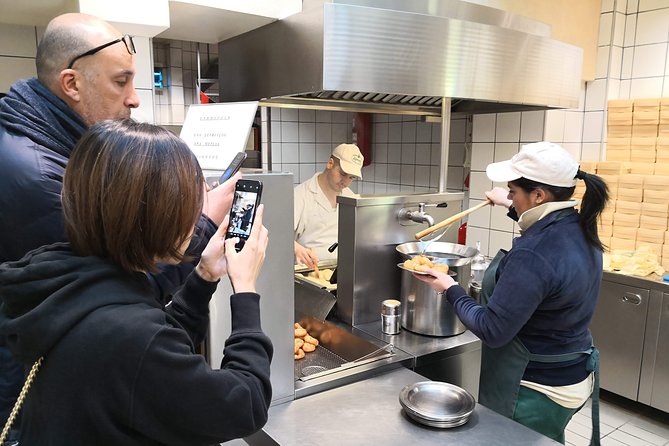
The sweet course may be loukoumades or baklava. Loukoumades are small fried dough bites soaked with honey, while baklava offers flaky pastry, nuts, and syrup. Both are classic endings, but they give you very different impressions of Greek dessert.
Loukoumades are soft, sticky, and easy to share. Baklava is denser and more layered, so it can be a serious finish after a three-hour tasting. If your group has a preference, ask the guide what is available that day rather than assuming both will be served.
Ending with dessert makes practical sense. It completes the progression from preserved foods and cheese to street food, shared dishes, and sweets. You finish with a clear sense of how Greek meals can move from salty and savory to honeyed and rich.
As with the other courses, the dessert is not guaranteed to be one specific item. Venue schedules and available menus can affect the final selection.
Is $151.26 per person fair?
At $151.26 per person, this is not a budget food crawl. The price needs to cover more than snacks, since it includes a private guide, a selection of tastings, alcoholic drinks, and a seated lunch or dinner with several Greek dishes.
I see the value in the private attention. If you are a couple, family, or small group that wants to ask questions and keep its own pace, you are paying for access and conversation as much as for food. That is a better fit than joining a large group simply to lower the cost.
The included meal also matters. A few bites and a drink would not justify this price on their own, but the combination of cured meats, cheeses, olives, dakos, a pastry or street food, dessert, wine, tsipouro, and a full meze meal makes the package more substantial.
Group discounts are listed, which could improve the per-person value for a larger private party. The exact discount is not specified, so check the booking details rather than assuming a particular saving.
I would compare the price with what you value most. If you mainly want a cheap plate of souvlaki, this is too costly. If you want a compact introduction to Greek food with a local guide and no strangers in your group, it is easier to justify.
Timing, meeting point, and daily variations
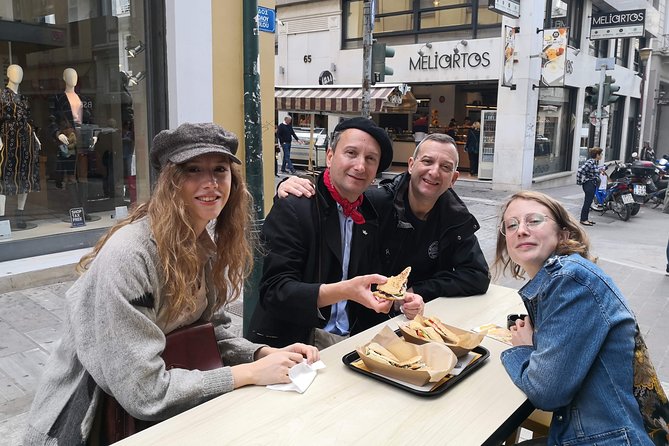
The experience lasts about three hours and ends back at the meeting point. That makes it easy to fit into a day of sightseeing, especially if you are staying near central Athens or already planning to visit Monastiraki.
The start point is near public transportation, but transfers are not included. You need to make your own way to Makaron Lonis at Athinas 7. Since the tour returns to the same area, you can continue exploring central Athens afterward without arranging a separate ride.
The day and start time affect the food program. Some venues and the central market may be closed on Sundays and during evening hours, and weekday and weekend stops can differ. I would choose a weekday daytime slot if seeing market activity is a priority, though the available details do not promise a market visit on every departure.
Confirmation is provided at booking, and the activity uses a mobile ticket. Most people can participate, but the information does not describe a fully accessible route or specific mobility arrangements, so ask ahead if you need those details.
Free cancellation applies when you cancel at least 24 hours before the local start time. Cancellations or changes inside that window are not refunded or accepted.
Who will enjoy this Athens food tour?
This is a strong choice for first-time visitors who want food to explain the city. Monastiraki gives you a central starting point, while the tastings introduce ingredients and dishes from several parts of Greece.
It also suits couples and families who prefer a private outing. The pace can feel more natural when you are not waiting for a large group, and the guide can respond to your questions rather than giving only a set speech.
Food-curious visitors will get the most from it. You should be happy trying small portions, unfamiliar pairings, and a meal whose exact dishes may change. The experience is less suited to someone who wants a fixed menu or a purely restaurant-based dinner.
People with strict diets need to take care. Vegetarian choices are available, but limited options for gluten-free, vegan, lactose-free, and low-carb diets may make the tour a poor match. Ask before paying if avoiding cross-contamination or specific ingredients is essential.
Should you book the Private Athens Food Tour?
Book it if you want a private, food-centered introduction to Athens that combines local guidance with a real seated meal. The strongest reasons are the range of tastings, the chance to try dakos and tsipouro alongside better-known souvlaki or gyros, and the personal attention offered by guides such as Clare or Ana.
Think twice if you need a strict diet, dislike alcohol-focused tastings, or want a low-cost way to grab Greek street food. Also check the day and time carefully, since Sunday and evening schedules can reduce the number of open food stops.
For the right group, the $151.26 price buys a useful first look at Greek food culture, not just a series of snacks. I would choose a weekday daytime departure, arrive hungry but not famished, and confirm dietary needs before booking.
FAQ
How long does the Private Athens Food Tour last?
The tour lasts approximately three hours.
Where does the tour start?
It starts at Makaron Lonis, located at Athinas 7 in Athens, near Monastiraki.
Where does the tour end?
The activity ends back at the meeting point.
Is this a private tour?
Yes. Only your group participates in the activity.
What food and drinks are included?
The experience includes Greek cured meats, local cheeses, olives with dakos, a savory pie or street food such as souvlaki or gyros, a Greek dessert, and a seated meal with Greek meze and regional specialties. The charcuterie tasting includes wine and tsipouro, while the seated meal includes wine or beer.
Can I cancel for a full refund?
Yes, if you cancel at least 24 hours before the experience start time. Cancellations or changes made less than 24 hours before the start are not refunded or accepted.