REVIEW · ATHENS
Open Water Course in Nea Makri, Athens
Book on Viator →Operated by Kanelakis Diving Experiences · Bookable on Viator
The most useful thing about this PADI course in Nea Makri is its compact format. In two or three days, you can work through theory, practice with equipment in shallow water, and complete open-water training near Athens. Instructor Dimitris keeps the group small, with personal attention that matters when you are learning unfamiliar skills.
I like the flexible theory work, since you can study from a book or laptop before the course or fit it in during the training. I also like the location: Nea Makri is close enough to Athens to make this a practical choice for a city stay, yet the training moves into the waters of the south Evoikos Gulf.
The main thing to check is the exact certification option. The regular course allows a maximum depth of 12 meters and takes about two to three days, while the more intensive option takes four to seven days and permits greater depth. Ask which course the $488.70 price covers before booking.
In This Review
- Key points to know
- Starting at Kanelakis Diving Experiences in Nea Makri
- Five theory sections you can fit around your schedule
- Confined-water practice before the sea
- Open-water training in the south Evoikos Gulf
- Choosing between two and seven days
- Dimitris and the advantage of patient instruction
- Timing, health, and flight planning
- Who will get the most from this course?
- Should you book the Nea Makri course?
- FAQ
- Where does the course begin and end?
- What time does the course start?
- How long does the regular certification take?
- How deep can I go with the regular certification?
- Is there a longer course option?
- How is the theory completed?
- Is there practical training before the open-water sessions?
- What is the minimum age?
- Can I cancel for a full refund?
Key points to know
- Small-group instruction: The course is designed for personal attention, with groups described as limited to four, though the overall activity maximum is eight people.
- Two certification paths: Choose the shorter 12-meter option or a longer course with greater depth.
- Five theory sections: Study independently by book or laptop, with Dimitris available for questions.
- Practice before open water: Confined-water sessions let you learn equipment use and safety skills in shallow water first.
- Convenient Athens access: The meeting point is in Nea Makri, about 30 minutes from Athens by car according to the course information.
- Good planning matters: Avoid flying within 12 hours after scuba activity, and complete the required health questionnaire before training.
Starting at Kanelakis Diving Experiences in Nea Makri
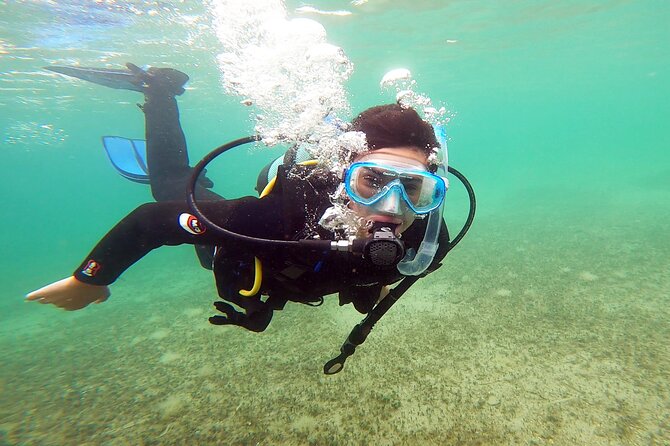
Your day begins at 10:00 am at Kanelakis Diving Experiences, Frinis 20, Nea Makri 190 05. The activity also ends here, which keeps the arrangement simple. You are not left figuring out a second meeting place after a long day in the water.
Nea Makri makes sense for this kind of course. It is close to Athens, near public transportation, and far more practical than building a separate island trip around a certification. If you are staying in central Athens, allow time for the journey and confirm the best way to reach the meeting point before the first morning.
The location is especially useful if you want to combine city sightseeing with a new outdoor skill. You can stay in Athens, visit museums and neighborhoods on your free time, then spend part of your trip learning in the waters nearby. That said, this is still a real certification course, not a quick tourist swim. You need to protect enough time for study, practice, and rest.
You can also read our reviews of more tours and experiences in Athens.



Five theory sections you can fit around your schedule
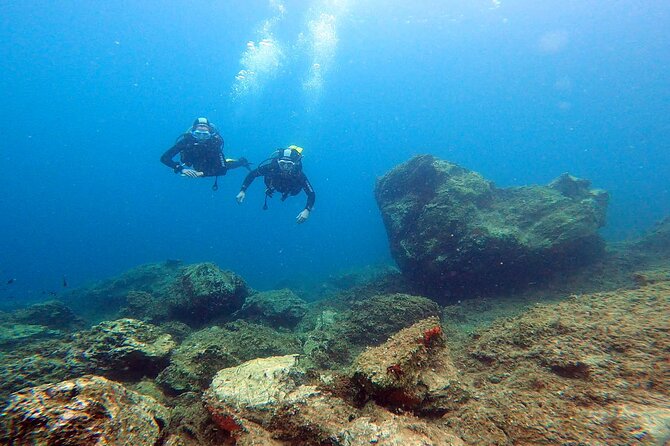
The academic side includes five theory sections. You can work through them independently using a book or laptop, either before the practical sessions begin or during the course itself.
I like this arrangement because it gives you some control over your timetable. If you prefer to understand the safety rules before handling equipment, study first. If you learn better by connecting each topic with practical work, complete the material as the course progresses.
You are not left entirely alone with the reading. Dimitris is available to answer questions throughout the course, which is important for new scuba students. Equipment, pressure, breathing, communication, and safety procedures can be confusing at first. Being able to ask about a point while it is fresh is more useful than simply ticking off online lessons.
The flexible theory schedule does require self-discipline. You should not treat the reading as optional background material. The practical sessions depend on you understanding the basics, so set aside quiet study time rather than trying to squeeze everything in at the last minute.
Confined-water practice before the sea
The first practical work takes place in confined water. This is where you learn how the equipment feels and practice the skills needed for safe, comfortable underwater sessions.
That order is sensible. You begin in shallow water, where the setting is less demanding, before moving to open water. For a first-time student, this helps separate the challenge of learning the equipment from the challenge of dealing with a larger natural setting.
You will practice using the scuba gear and repeat the necessary skills. Repetition is one of the strongest parts of the course design. A single demonstration may seem clear on land, but you need to perform each step calmly and correctly in the water. The training gives you a chance to build that routine.
Dimitris is described as patient and responsible, and one course participant completed four underwater sessions over two days while practicing techniques multiple times. That detail matters more than a packed schedule. You want enough time to repeat a skill, ask questions, and correct mistakes before moving on.
The confined-water stage may feel less exciting than the open-water sessions, but it is the part that gives the rest of the course structure. If you are nervous, tell the instructor early. A small group makes it easier to get individual help, although you should confirm the actual group size because the information gives both a four-person small-group limit and an eight-person overall maximum.
Open-water training in the south Evoikos Gulf
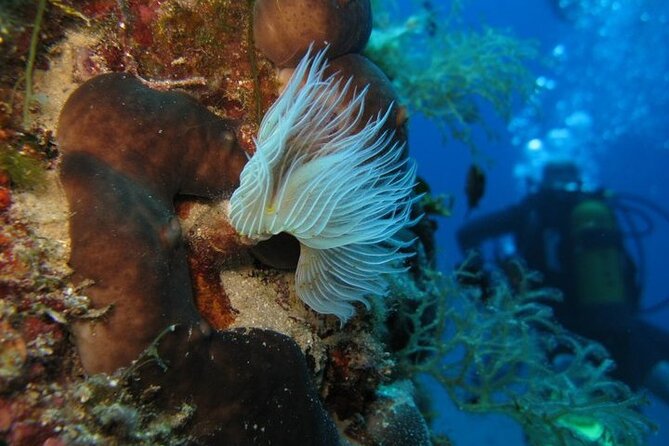
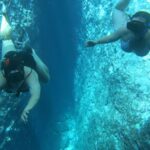
Once you have completed the shallow-water skills, you move into open water in the south Evoikos Gulf. Here, you review what you have learned and add new skills in a natural setting.
The appeal is clear: you can earn your certification in Greek waters without traveling far from Athens. The course is not only classroom work followed by a formal test. The open-water sessions let you apply the skills in the environment where you will eventually use them.
The available information does not name each site or promise particular marine life, visibility, or underwater features. That is worth keeping in mind. Conditions can affect the feel of the day, and you should ask Dimitris what sites are planned for your dates if the setting is a major part of your decision.
The course information describes the sites as interesting and safe, while the training itself focuses on reviewing skills and learning new ones. That balance is right for beginners. You are there to qualify safely, not simply to collect underwater photographs.
The shorter course reaches a maximum depth of 12 meters. This is enough for an entry-level certification option, but it is not the same as a more advanced qualification. If you plan to continue with scuba after Athens, ask what the longer course includes and how its depth privileges differ.
Choosing between two and seven days
The regular certification takes approximately two to three days and allows a maximum depth of 12 meters. The more intensive option takes four to seven days and allows you to go deeper.
This choice should depend on your travel plans and your long-term goals. The shorter format suits someone with limited time who wants an entry-level qualification near Athens. It also works well if you want to leave room in your Greek itinerary for other activities.
The longer course needs a larger time commitment, but it may suit you if scuba is becoming a serious hobby. Greater depth can give you more flexibility later, though the course takes more days and may require a slower pace.
The listed price is $488.70 per person. That is a meaningful expense, but the value depends on what is included in your selected course. You are paying for instruction, theory, shallow-water practice, and open-water training rather than a single introductory outing. The personal attention is another part of the value, especially if the group stays near four people.
Before paying, confirm the course length, certification level, maximum depth, equipment arrangements, and whether the quoted price applies to the regular or intensive option. Those details affect the price far more than the headline number alone.



Dimitris and the advantage of patient instruction
Dimitris is the named instructor, and his approach is central to the course. The available feedback describes him as experienced, patient, responsible, and thorough with technique practice.
Those qualities matter in scuba training. A good instructor must explain a skill clearly, watch how you perform it, and give you time to repeat it. Patience is not just pleasant here. It can help a beginner stay calm and make safer decisions.
The course also appears to have a friendly support team around Dimitris. You should still ask who will teach each session if more than one instructor is involved, especially if you want continuity throughout the three days.
The small-group format is another practical advantage. With fewer students, you have more opportunities to ask questions and receive corrections. The stated maximum of eight people is still reasonable, but the promise of a group limited to four is more appealing for a first certification. Confirm the group size for your date, since the two figures are not identical.
Timing, health, and flight planning
The start time is 10:00 am, which is manageable for most visitors. Because this is a multi-day course, keep the mornings and afternoons flexible rather than scheduling important appointments immediately afterward.
You must complete a health questionnaire before participating. Certain medical conditions, including asthma and heart conditions, may prevent you from scuba training. If you have a relevant medical history, consult your doctor before booking rather than waiting until the first morning.
Flight timing also needs attention. Scuba activity within 12 hours of flying is not recommended. For a course ending close to your departure, leave a proper buffer and confirm the final session time before booking your flight.
The minimum age is 10. Children must be accompanied by an adult. The course is near public transportation, and most people can participate, but the health screening still applies to everyone.
Cancellation is free up to 24 hours before the local start time. Canceling or changing the booking within 24 hours means no refund, so keep your schedule firm once the deadline passes.
Who will get the most from this course?
This course suits a first-time student who wants formal training rather than a brief tryout. It also works for someone based in Athens who does not want to spend extra time and money traveling to an island for certification.
You will probably appreciate it if you like structured learning, repeated practice, and direct access to an instructor. The flexible theory sections help, but you still need to study and take the safety work seriously.
The course may be less suitable if you have only one free afternoon, dislike self-study, or want a sightseeing trip with a little water time added. Even the regular option needs two to three days, and the open-water portion depends on completing the earlier work.
Families can consider it for children aged 10 and older, provided an adult accompanies them and the health requirements are met. Ask about the group arrangement if you are booking for several family members.
Should you book the Nea Makri course?
Book this course if you want a genuine PADI certification close to Athens, value patient instruction, and can commit at least two or three days. Dimitris, the repeated technique practice, and the move from shallow water to open water give the training a reassuring structure.
Before booking, confirm which of the two course paths is included in the $488.70 price. Also check the group size, course dates, equipment details, and the final schedule if you are flying soon after.
For a quick holiday activity, choose something shorter. For a real qualification with hands-on practice in Greek waters, this Nea Makri course is a sensible option, especially if personal instruction matters more to you than a resort setting.
FAQ
Where does the course begin and end?
It begins and ends at Kanelakis Diving Experiences, Frinis 20, Nea Makri 190 05, Greece.
What time does the course start?
The stated start time is 10:00 am.
How long does the regular certification take?
The regular certification takes approximately two to three days.
How deep can I go with the regular certification?
The regular course allows a maximum depth of 12 meters, or 39 feet.
Is there a longer course option?
Yes. A more intensive option takes approximately four to seven days and allows greater depth.
How is the theory completed?
The five theory sections can be studied independently from a book or on a laptop. You can complete them at the beginning of the course or during it.
Is there practical training before the open-water sessions?
Yes. You first practice using the equipment and develop the required skills in confined, shallow water. You then take part in open-water training in the south Evoikos Gulf.
What is the minimum age?
The minimum age is 10. Children must be accompanied by an adult.
Can I cancel for a full refund?
Yes, if you cancel at least 24 hours before the local start time. Cancellations or changes made less than 24 hours before the start are not refunded.