REVIEW · NORTHEAST AEGEAN ISLANDS
Join the winemaker for a unique culinary and wine tasting journey
Book on Viator →Operated by Afianes Wines · Bookable on Viator
Ikaria’s wine story is best understood where the wine is made: among old vines, local granite, clay amphorae, and family objects that connect winemaking to daily life on the island. At Afianes Wines, Nikos or Konstantinos guides you from the cellar to the vineyard, then sits you down for a six-course homemade meal with wine.
I like the small group of up to 12 people, which should leave room for questions and conversation. I also like the unusual mix of wine tasting, local history, a short vineyard hike, and a proper Ikarian meal. The main thing to consider is the price, $319.39 per person, and the difficult drive mentioned by one visitor. This is a special-occasion outing, not a quick tasting stop.
In This Review
- Key points to know before booking
- Why this is more than a standard wine tasting
- Starting in the cellar with granite and clay
- The vineyard walk to grandfather Nikos’ vines
- Five rare wines and a closer look at the cellar
- Maria’s six-course Ikarian dinner
- A warm welcome, led by the Afianes family
- Is $319.39 a fair price?
- Timing, meeting point, and practical planning
- Who will get the most from this experience?
- FAQ
- Where does the experience take place?
- What time does the tour start?
- How long does the experience last?
- Who leads the experience?
- How many wines are included?
- Is dinner included?
- What can I see at the winery?
- Is the experience offered in English?
- Can I cancel for a full refund?
- Should you book the Afianes Wines experience?
Key points to know before booking
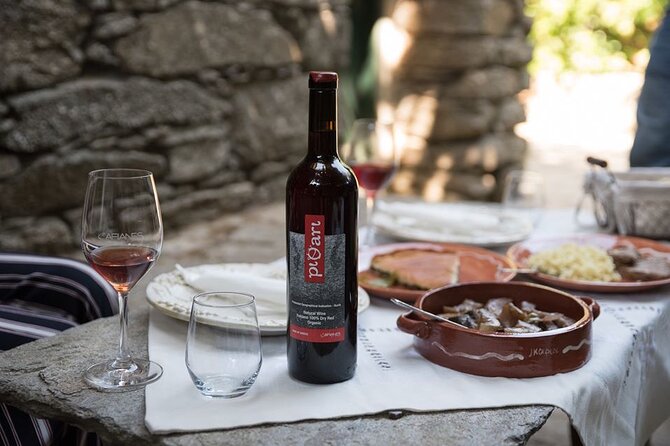
- Five rare cellar wines are tasted before dinner, with the winemaker explaining each wine’s character and place in the cellar.
- Nikos or Konstantinos leads the visit, connecting local wine to Ikarian history, mythology, family traditions, and farming.
- The tour includes a vineyard walk, including the vineyard of grandfather Nikos and lessons about soil, biodiversity, and the surrounding ecosystem.
- A traditional six-course meal follows, prepared by Maria and paired with two wines chosen by you.
- The setting and old methods are central, including a granite press, clay amphorae, and a museum of Ikarian life.
- Plan for about four hours, starting at 5:00 pm and ending back at the meeting point near Raches.
Why this is more than a standard wine tasting
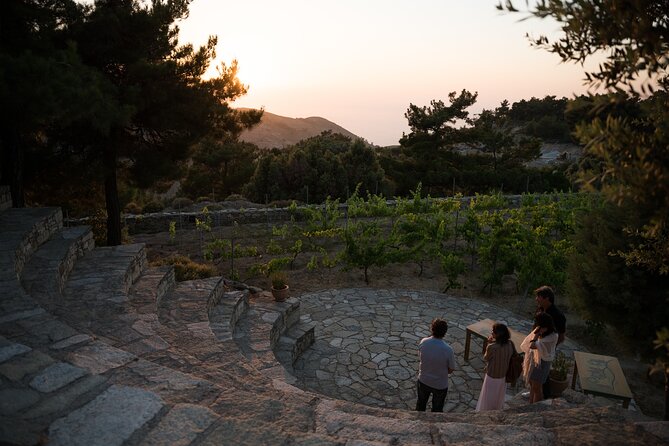
Many winery visits follow a familiar pattern: walk past the tanks, hear a short explanation, taste three or four wines, and leave with a bottle. This experience takes a different route. Wine is the thread connecting the cellar, the soil, the family, the island’s customs, and the food on your plate.
That matters on Ikaria, where wine is not simply a drink made for visitors. The tour presents it as part of local life. You learn about grape varieties that suit the island, the role of granite in the winemaking process, and the use of clay vessels. You also see how older methods remain part of a working winery rather than being displayed only as museum pieces.
The cultural side adds real value. Afianes Wines includes a museum with objects from Ikarian life and winemaking traditions. The visit also touches on the island’s story from mythology to the present, with references to figures such as Dionysus, Circe, and Hippocrates. I would not expect a formal history lecture, but the wine gives the conversation a clear focus.
The result is a more personal introduction to Ikaria. You are not just tasting a local product. You are learning why the island’s grapes, soil, weather, tools, and food have produced a distinct wine culture.
You can also read our reviews of more food & drink experiences in Northeast Aegean Islands
Starting in the cellar with granite and clay
The visit begins at 5:00 pm at the Afianes Wines meeting point near Raches. From there, the winemaker takes you through the winery and explains how the cellar works.
One of the most memorable features is the traditional granite press. Local granite is not just an attractive old building material here. It has a practical role in the story of Ikarian wine, and the tour explains how the stone affects the winemaking process and the final character of the wine.
You also see the clay amphorae used for fermentation. Amphora winemaking has become fashionable in some modern wine circles, but in Ikaria it is tied to older local practice. The useful part of this visit is the connection between the vessel and the wine. You learn why clay is used, how it differs from more familiar modern equipment, and how traditional methods can shape aroma, texture, and freshness.
This section should suit anyone who enjoys seeing the physical side of production. You are not limited to tasting notes. You can look at the tools and materials, then connect them to what appears in your glass.
The winery’s museum adds another layer. Artifacts from Ikarian life and old winemaking customs help explain how closely farming, family, and wine have been linked. If you are interested in rural traditions, this may be as important as the tasting itself.
The vineyard walk to grandfather Nikos’ vines
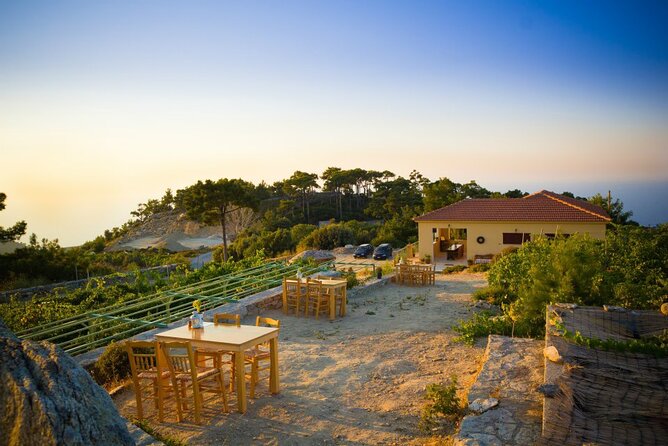
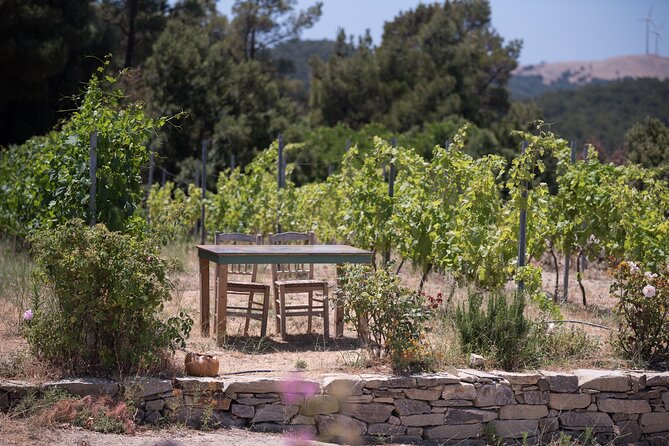
After the winery tour, you walk to the vineyard associated with grandfather Nikos. The route brings you out of the cellar and into the growing environment, where the winemaker explains the island’s soils and local biodiversity.
The walk is not presented as a strenuous mountain trek, but you should still be comfortable walking outdoors. The tour includes a hike, and the setting is part of its appeal. You see the vines in the place where they grow, rather than discussing them only from a tasting room table.
The explanation focuses on how the ecosystem works in and around the garden. That is useful because wine quality begins well before harvest. Soil, plant life, insects, weather, and cultivation choices all affect what reaches the winery.
This is also where the family story feels most grounded. Grandfather Nikos’ vineyard gives the tour a sense of continuity. You are seeing a working connection between earlier generations and the current winery, not just hearing a general claim about tradition.
One practical point deserves attention: the route to the winery has been described as difficult. Since the experience also includes a vineyard walk, ask yourself how comfortable you are with uneven outdoor terrain and local roads before booking. The supplied information does not give a precise distance or accessibility rating, so you should not assume a flat, easy stroll.
Five rare wines and a closer look at the cellar
The tasting includes five rare and notable wines from the cellar. This is more than a quick introduction to one house label. You sample across vintages and hear the story behind each wine from the winemaker.
Nikos or Konstantinos explains the aromas, flavors, and differences between the bottles. The advantage of having the winemaker lead this part is that the tasting can move beyond generic descriptions. You can ask about grapes, fermentation, amphorae, local conditions, and why one vintage tastes different from another.
I would take your time here. Five wines can be a lot if you treat the session as a race, especially with dinner still ahead. The point is to notice how the wines change from glass to glass and how the earlier cellar and vineyard visits affect your understanding of them.
The wines are linked to Ikaria’s own traditions and grape varieties. One particularly important detail is the use of natural-style winemaking and grape types connected to the island. If you usually drink wines from better-known Greek regions, this tasting offers something less familiar.
The five wines are served as the starter to the meal. That means the first tasting is not an isolated activity. It sets up the dinner, where two further wines are paired with the food.
Maria’s six-course Ikarian dinner
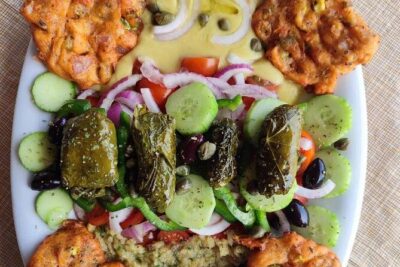
The meal is homemade by Maria and served as a traditional Ikarian-style lunch or dinner. The exact dishes are not listed, so you should not book expecting a particular menu. What is clear is the structure: six courses in the middle of the experience, accompanied by two glasses of wine chosen by you.
This is one of the strongest reasons to consider the outing. A wine tasting can tell you about production, but a meal shows how wine fits into local life. Food gives the wine context. It also slows the evening down and makes the experience feel more like a family welcome than a commercial tasting appointment.
The meal is described as genuine Ikarian hospitality. That does not mean you should expect a restaurant with a wide printed menu or several dining choices. You are coming for a set homemade meal shaped by local tradition.
You should mention dietary needs when arranging the visit if you have them, although the available details do not promise specific substitutions. The information also does not state whether children’s meals, nonalcoholic pairings, or extra courses are available.
The two wine pairings are separate from the five cellar wines tasted earlier. You can choose the pairings, which gives you some control over the meal. Since the dinner follows the five-wine tasting, pace yourself and drink water if it is available.


A warm welcome, led by the Afianes family
The strongest personal quality of this visit is the welcome. Konstantinos is described as an engaging host and a strong source of information about Ikarian winemaking. Another account describes the Afianes team as making people feel as though they had arrived at a family home.
That family feeling fits the format. You hear about the family’s earlier generations, visit a vineyard tied to grandfather Nikos, meet the people behind the wines, and eat food prepared by Maria. The experience is built around people rather than equipment alone.
This is especially helpful for anyone who does not already know Greek wine. You can ask simple questions without feeling that you need to arrive with technical knowledge. The best moments are likely to come from the conversation: why certain grapes thrive, how clay vessels are used, and how Ikarian traditions have survived.
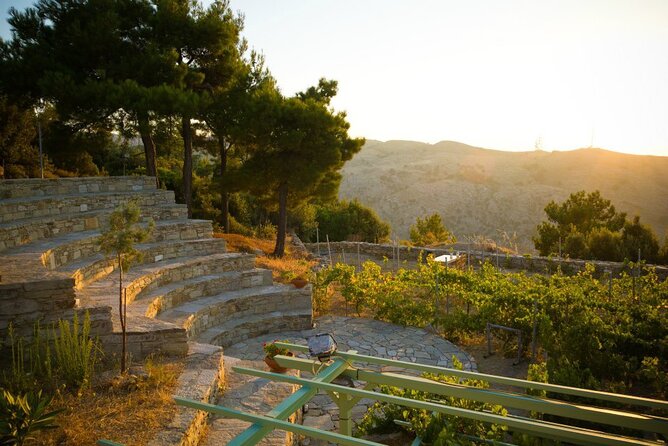
The setting is another major strength. The winery and nearby countryside provide the backdrop for the entire visit. The old press, amphorae, museum, vines, and dinner table all belong to the same story.
Is $319.39 a fair price?
At $319.39 per person, this is expensive for a four-hour activity. You should compare it with the kind of evening you want, not with the price of a basic wine flight.
The fee covers a guided winery tour, a vineyard walk, five rare cellar wines, a cultural museum visit, and a six-course homemade dinner with two wine pairings. You are also paying for a small group, a family-led experience, and access to older winemaking methods that are not part of a standard tasting.
The value is strongest if you care about context. If all you want is a few glasses of Greek wine, this is likely more than you need. You could find a simpler tasting for less. If you want a focused introduction to Ikaria that combines wine, food, family history, and the countryside, the price becomes easier to understand.
The group limit of 12 helps. A large bus group would change the mood and make it harder to talk with the winemaker. Here, the smaller size should make the cellar explanations and dinner more personal, though the experience will still depend on the final group mix.
The price may also make sense for a special evening during a stay on Ikaria. It is not a budget activity, but it combines several separate experiences into one appointment.
Timing, meeting point, and practical planning
The activity lasts about four hours and begins at 5:00 pm. Since it ends back at the same meeting point, you do not need to arrange a separate end location.
The meeting point is listed near Raches at the plus code 8G98H3RC+VV2H3RC+VV2. Use the exact location details when planning your route, particularly because one account describes the journey as difficult. The supplied information does not include hotel pickup or transportation, so do not assume either is provided.
The tour is offered in English. That makes it suitable for English-speaking visitors who want detailed explanations of local wine and history. The guides named for the experience are Nikos or Konstantinos, although you may not know which one will lead your visit until the day.
Bring clothing and shoes suitable for a vineyard walk. The experience depends on good weather, and poor conditions can lead to a new date or a full refund. The tour also requires a minimum number of participants, so a cancellation for that reason may result in a different date, another experience, or a full refund.
Mobile tickets are accepted. Confirmation is sent within 48 hours of booking, subject to availability. Service animals are allowed.
Free cancellation is available up to 24 hours before the 5:00 pm start time for a full refund. Changes or cancellations inside that window are not accepted for a refund.
Who will get the most from this experience?
I would recommend this to wine drinkers who want to understand where a bottle comes from, not just decide if they like it. It also suits people interested in food traditions, family-run businesses, rural life, and the older side of Greek culture.
Couples and small groups looking for a long evening meal should find the format appealing. The four-hour length gives you time to settle in rather than rush from one stop to the next.
It is also a good choice for repeat visitors to Greece who have already seen major archaeological sites and want a more local activity. The references to mythology and island history add context, but the focus remains on Ikaria itself.
I would hesitate to recommend it to anyone seeking a short, inexpensive tasting, a highly flexible menu, or a fully accessible indoor activity. The vineyard walk, uncertain road conditions, four-hour commitment, and high price all matter.
FAQ
Where does the experience take place?
It takes place at Afianes Wines in the Northeast Aegean Islands of Greece, near Raches. The listed meeting point is 8G98H3RC+VV2H3RC+VV2 Raches, Greece.
What time does the tour start?
The experience starts at 5:00 pm.
How long does the experience last?
It lasts approximately four hours.
Who leads the experience?
The tour is guided by the winemaker Nikos or Konstantinos.
How many wines are included?
You taste five rare and notable cellar wines during the winery portion. Dinner includes two additional wine pairings, with two glasses selected by your choice.
Is dinner included?
Yes. The experience includes a traditional six-course Ikarian-style meal homemade by Maria.
What can I see at the winery?
You visit the winery, a traditional granite press, clay amphorae used for fermentation, and a cultural museum containing artifacts from Ikarian life and winemaking traditions.
Is the experience offered in English?
Yes. English is the listed language for the experience.
Can I cancel for a full refund?
Yes, if you cancel at least 24 hours before the local start time. Poor weather or failure to meet the minimum number of participants can also lead to a rescheduled date or a full refund.
Should you book the Afianes Wines experience?
Book it if you want an evening built around Ikarian wine, family hospitality, and homemade food, and if the price fits your budget. The combination of five rare wines, a vineyard walk, clay amphorae, a museum, and six courses gives you a much fuller picture of the island than a standard tasting.
Skip it if you want a quick stop, a low-cost activity, or a precise restaurant menu. Also think carefully about the difficult route and outdoor walking.
For the right person, this is one of those outings where the setting, the people, and the old methods matter as much as what is in the glass.