REVIEW · KALAMATA
Kalamata : Historical Gossip Tour
Book on GetYourGuide →Operated by Dusty Files Unlocked · Bookable on GetYourGuide
A walk through Kalamata turns into a dark story fast. This Historical Gossip Tour is a guided stroll in the Peloponnese that mixes crusaders, pirates, cursed royals, and scheming rulers—served with real-world context and a guide who keeps the pace lively. You follow the city’s landmarks like plot points, and the whole thing feels like you’re reading between the lines of official records.
I love how the tour focuses on Kalamata-specific stories, from its long Ottoman-era past to the people who made European history matter from this corner of Greece. I also like that you get more than names and dates: you hear why the scandals and alleged cover-ups stuck, including connections that link the city to bigger European events.
One consideration: it’s a walking tour in the historic center and it’s not suitable for wheelchair users or anyone with mobility impairments, so plan on solid, comfortable shoes and steady walking.
In This Review
- Key highlights you should care about
- Walking out of boring history in Kalamata’s old center
- Tina’s story style: fast pace, strong English, and jokes that land
- The itinerary in plain terms: what happens in those 2 hours
- The turning point: liberation after 400 years
- Then the jump to modern-era intrigue
- Catherine the Great, secret murder files, and other rumors with edges
- Access to famous buildings: what you get besides street views
- Practical tips: shoes, heat, and who this tour fits best
- Price and value: is $41 worth 2 hours of street storytelling?
- Should you book this Kalamata Historical Gossip Tour?
- FAQ
- Where does the tour start in Kalamata?
- How long is the Kalamata historical gossip tour?
- Is the tour guided in English?
- What is included in the price?
- What should I bring to the tour?
- Is it accessible for wheelchair users?
Key highlights you should care about

- Heroes and spies made human with story-led explanations, not just timelines
- Curses, scandals, and brutal crimes framed through official documents and personal diaries
- Liberation after 400 years of Ottoman rule as a turning point you’ll actually understand
- WWII-style intrigue: allied spies and a secret mission tied to the German Reich victory
- Big European-name rumor links, including Catherine the Great and her alleged connection
- Live English-guided storytelling with a high-energy approach that keeps moving
Walking out of boring history in Kalamata’s old center
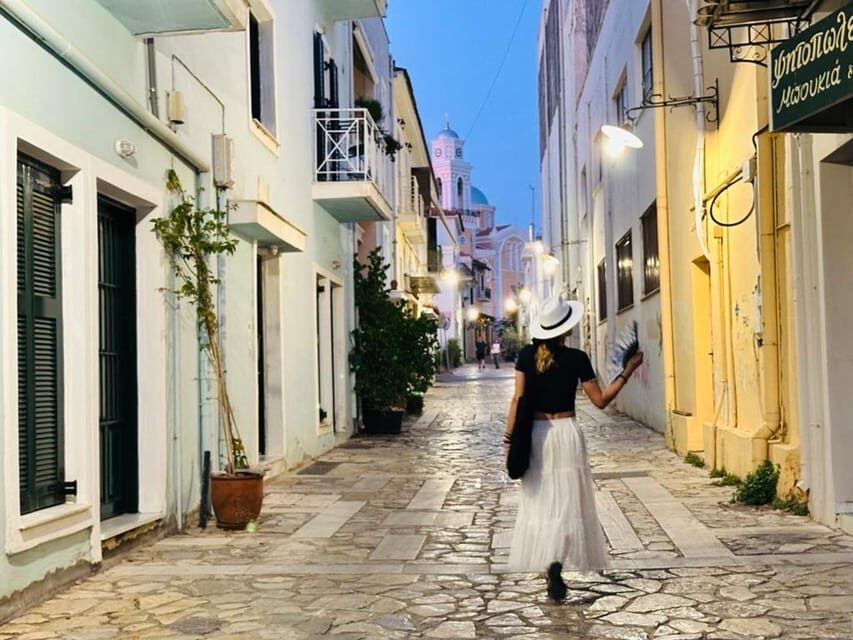
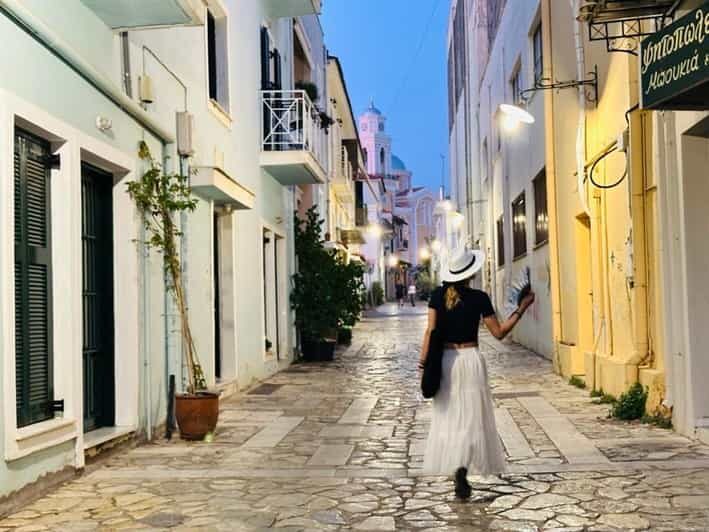
Kalamata’s historic center is a great stage for stories like these. On this tour, you don’t just look at old buildings and move on. You walk, pause, and connect what you see to the kinds of people who would have lived behind those walls—crusaders, pirates, scheming leaders, and lovers who made choices with consequences.
The big value here is the tour’s tone. It’s not dark for shock value. It’s dark because the city has layers, and the guide turns those layers into explanations you can carry home. You’ll hear about myths and battles, then get the background that makes the rumors sound less like fantasy and more like a trail of documents, letters, and buried claims.
If you like history that reads like a thriller but still respects the record, this format works well. The guide’s approach is practical too: you’re outdoors most of the time, so you’ll feel the city rather than disappearing into a museum hall.
You can also read our reviews of more historical tours in Kalamata

Tina’s story style: fast pace, strong English, and jokes that land
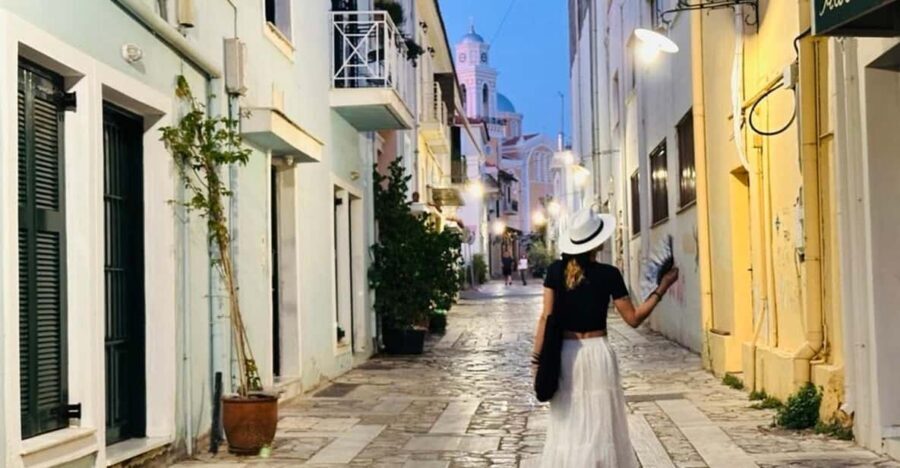
The standout ingredient is the guide. Tina (sometimes spelled as Photina in listings) brings a high-energy, humorous storytelling style that keeps the tour from dragging. You’ll likely find that the time moves faster than you expect, because the stories come in waves—setup, tension, then a payoff that explains why it mattered.
This matters for you if you’ve ever tried to learn history on your own and felt lost. With a good guide, you’re not memorizing facts. You’re building a picture: who had power, how information moved, and where personal motives collided with politics.
Tina is also working toward an advanced history degree, which shows in the balance of narrative and context. The goal isn’t to overwhelm you with details. It’s to make you stop, look again at the street you’re standing on, and realize that the setting shaped the story as much as the characters did.
The itinerary in plain terms: what happens in those 2 hours

This is a 2-hour walking tour centered on Kalamata’s historic core. It starts at the statues in the middle of the square, which is a smart move: you get your bearings, then you move outward into the lanes and building-lined streets where the stories can unfold.
From there, expect the route to follow a theme of shadows and motives. You’ll hear about crusaders and pirates as forces that didn’t just raid—they changed power structures and created new risks. Then the tour pivots toward cursed royals and violent rulers, where love, loyalty, and betrayal aren’t separate topics. They’re part of the same machine.
At multiple points, the guide ties myth-like battles and dramatic scandals back to what survives in written sources. You’ll hear how restless dead and buried accounts appear in documents, articles, and diaries, and why some details were kept quiet. The effect is that the city starts to feel like a case file, not a postcard.
The turning point: liberation after 400 years
One of the most discussed angles in the tour is Kalamata as the first town liberated after 400 years of Ottoman rule. The guide treats that as more than a date on a map. You’ll understand what liberation meant in daily life—shifts in authority, fear and hope, and the way new rule brought new stories and new enemies.
If you’ve ever wondered why history feels messy, this is where it clicks. Liberation doesn’t erase existing grudges. It rearranges them. And that’s exactly the kind of tension this tour is built to show.
Then the jump to modern-era intrigue
The tour doesn’t stop at earlier centuries. It also leans into spycraft and wartime networks. You’ll learn why Kalamata supposedly had a high concentration of allied forces spies, and you’ll hear about a secret mission linked to victory against the German Reich.
Even if you’re not a WWII person, the point here is storytelling logic: spies live in places where they can move, hide, and blend in. The city’s streets become part of the explanation, which makes the wartime layer feel more grounded than you’d expect.





Catherine the Great, secret murder files, and other rumors with edges

One reason this tour is fun is that it asks questions historians love to argue about: who benefits, who lies, and what got buried. You’ll hear about the relationship between Catherine the Great and Kalamata, presented as a scandal connection that ties a Russian empress to this Greek setting.
The tour also references a famous murder case that’s still filed as classified in the British Foreign Office and remains unopened. That’s the kind of detail that makes the story feel alive—like you’re standing near the edge of an unresolved chapter. Just keep your expectations realistic: it’s still a tour story, so treat the claims as narrative leads and context, not a courtroom verdict.
Then there are the personal scandals—lovers and traitors, courtly intrigue, and rumors that spread because someone wanted them to. The guide’s method is to connect these love affairs and betrayals to bigger power struggles so it doesn’t become pure gossip. You get the human reason behind the politics.
And yes, the tour leans into the unsettling idea that these stories weren’t invented for drama. You’ll hear the line of reasoning that says the darkest parts have echoes in official records and quiet accounts that were never meant for the public.
Access to famous buildings: what you get besides street views
The tour includes access to famous buildings and sites, but it doesn’t include museum or attraction entrance fees. That distinction matters, because it changes how to plan your expectations at each stop.
In practice, this usually means you’ll either get to see places as part of the guided route, or you’ll get access that doesn’t require you to pay extra entry tickets on the spot. If a stop does require a paid ticket, you’ll be responsible for that. So if you’re the type who hates surprise costs, it’s smart to keep a little flexibility in your budget.
Even when you’re not inside a museum, the value of access is perspective. When the guide connects a building’s role to a story—religious power, political authority, or wartime movement—you’ll see the architecture as more than scenery. It becomes part of the plot.
You’ll also learn why certain streets and landmarks matter for the themes the tour uses: crusaders, pirates, cursed royalty, and violent rulers. The city stops being a grid of streets and starts behaving like a map of motives.
Practical tips: shoes, heat, and who this tour fits best
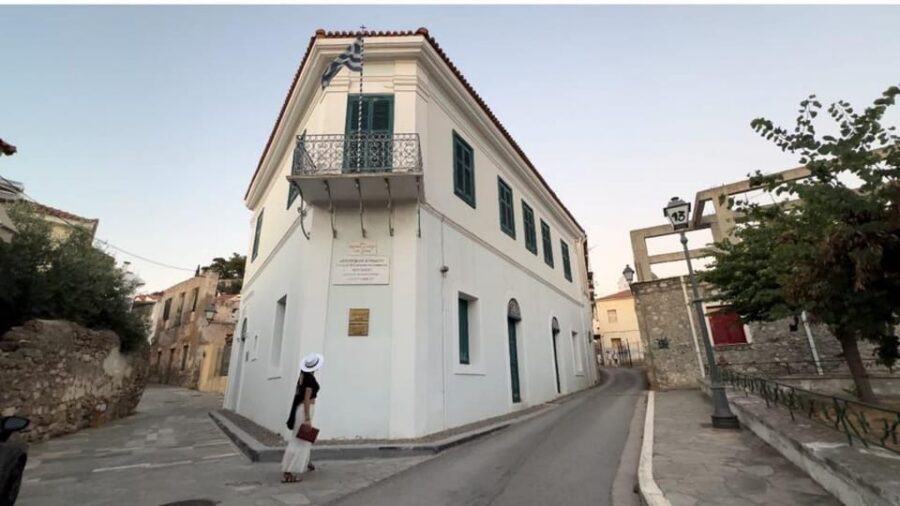
You’ll be walking in Kalamata’s historic center, so your comfort choices matter. Bring comfortable shoes, water, a sun hat, and sunscreen. Photography is allowed, which is useful because a lot of the story logic depends on what you can see around you.
The tour is not suitable for wheelchair users or people with mobility impairments. That’s not a minor caveat. If walking long stretches hurts, you’ll likely feel it here. If you’re able to move at a steady pace for an urban walking route, you’ll be fine.
This tour fits best if you want:
- History that feels like a story with momentum
- Kalamata-focused context, not just general Greece facts
- A guide who uses humor and energy to make details stick
- A mix of earlier centuries and wartime intrigue
It may be less ideal if you prefer very quiet tours or if you’re expecting a museum-style lecture with minimal walking.
Price and value: is $41 worth 2 hours of street storytelling?
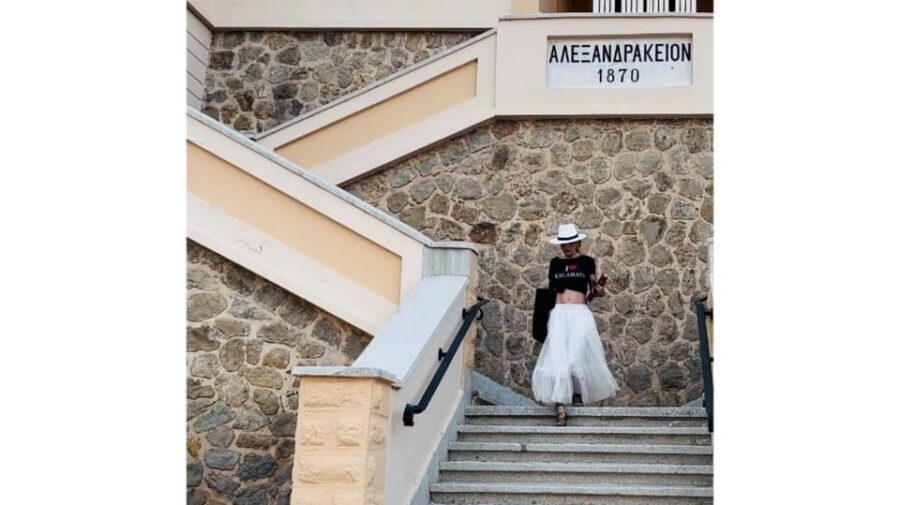
At $41 per person for 2 hours, the cost isn’t just for the route. You’re paying for a guided story structure, live interpretation in English and Greek, and the added element of access to famous buildings and sites.
For value, think of it like this: you’re buying time savings and meaning. Kalamata’s old center can be hard to interpret on your own because you won’t naturally connect crusaders, pirates, local rulers, and spy networks to the same handful of streets. Tina’s job is to connect those dots, fast, with a tone that keeps you listening.
So yes, it’s reasonably priced for a specialized theme tour. The only time it might not feel worth it is if you dislike narrative-heavy guides or you struggle with walking.
Should you book this Kalamata Historical Gossip Tour?
Book it if you want Kalamata to feel like a living puzzle. The tour has a strong match for people who enjoy human motives—love, ambition, betrayal—wired into real places. Tina’s energy and story style are exactly the kind of thing that makes a city tour memorable.
Skip it if you need fully accessible routes, or if you want history presented only as dates and neutral summaries. Also, if you’re the type who gets easily overwhelmed by dark themes, this one is intentionally intense.
If you’re flexible, bring your comfort gear, set aside phone scrolling time, and let the streets do the talking. Kalamata will look different after two hours.
FAQ
Where does the tour start in Kalamata?
The meeting point is at the statues in the middle of the square.
How long is the Kalamata historical gossip tour?
The duration is 2 hours.
Is the tour guided in English?
Yes. It’s a live tour with a guide speaking Greek and English.
What is included in the price?
You get a guided walking tour of Kalamata’s historic center, stories about historical figures and events, and access to famous buildings and sites.
What should I bring to the tour?
Bring comfortable shoes, a sun hat, sunscreen, water, and a camera (photography is allowed).
Is it accessible for wheelchair users?
No. The tour is not suitable for wheelchair users or people with mobility impairments.