REVIEW · KALAMATA
Village cooking class in an Agritourism Unit in Arcadia, Greece!
Book on Viator →Operated by Mama's flavours · Bookable on Viator
The best part of this six-hour outing is that it gets you out of Kalamata and into mountainous Arcadia, where cooking starts in the garden. You can pick fresh vegetables, work with local women on dishes such as kolokythopita or embroidered bread, then eat what you helped prepare with Greek wine and village products.
I like the private format, since your group gets the experience to itself, and I like the unusual cookware museum and library, with more than 650 cookbooks. The main catch is the price, $382.01 per person, which does not include transport from Kalamata unless you drive yourself.
In This Review
- Key points to know
- From Kalamata to the Arcadian hills
- Picking vegetables in the garden
- Cooking with local village cooks
- The stone workshop, cookware museum, and library
- A long Arcadian lunch at the restaurant
- What makes this private format useful
- Best seasons, weather, and practical planning
- Who should book this Arcadian food day?
- Should you book the village cooking class?
- FAQ
- Where does the experience start?
- Where does the cooking class take place?
- How long does the experience last?
- Is transportation from Kalamata included?
- What food might I learn to prepare?
- Is lunch included?
- Can dietary needs and allergies be accommodated?
- What happens if bad weather cancels the tour?
Key points to know
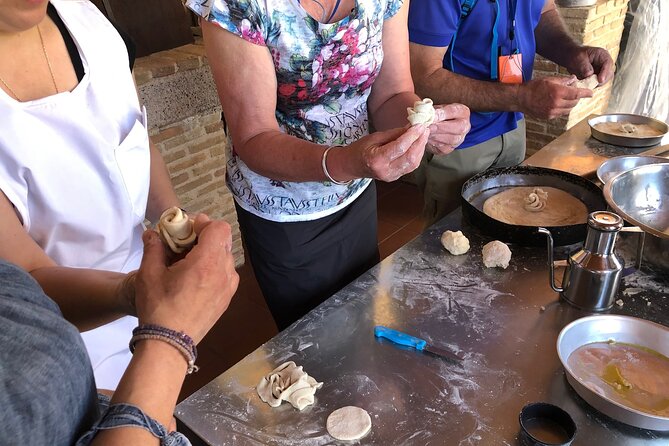
- Garden work comes first: From March through October, you can tour the fields and pick seasonal vegetables. June may include wheat harvesting.
- Maria leads the day: She explains Greek food traditions and Arcadian customs, while local women guide the hands-on cooking.
- Your lunch uses your own work: Expect homemade dishes, local cheeses, appetizers, vegetables, wine, coffee or tea, and ouzo.
- The museum is a real highlight: Old village cookware and cookbooks, including books dating to the 19th century, give the food useful context.
- The setting is special: The workshop sits on 2.5 acres with views toward Mount Lykaio and Karytaina.
- Plan transport early: The workshop is about 70 kilometers from Kalamata, roughly one hour away, and a paid transfer can be arranged if you do not have a car.
From Kalamata to the Arcadian hills
Your day begins at 9:00 a.m. at the Kalamata Port Authority on Mpoumpoulinas 4. From there, you need to reach the Arcadian workshop in a small village about 70 kilometers, or 45 miles, from Kalamata.
The drive matters. This is not a quick cooking stop near the city. You are giving up most of a day for a mountain village, a farm, a food museum, and a long meal. That makes the experience a better fit for you if you want rural Greece and local food traditions, not simply a short lesson in making one dish.
If you have your own vehicle, tell the operator when booking. If not, transport can be arranged with local partners for an extra charge. Since the listed price does not include that transfer, ask for the full cost before you commit. The activity ends back at the meeting point in Kalamata.
The schedule may also need some flexibility. The cooking experience is arranged on request and depends on availability. Confirmation is promised within 48 hours, but the booking and full payment must be completed at least three days before the date you want.
You can also read our reviews of more cooking classes in Kalamata
Picking vegetables in the garden
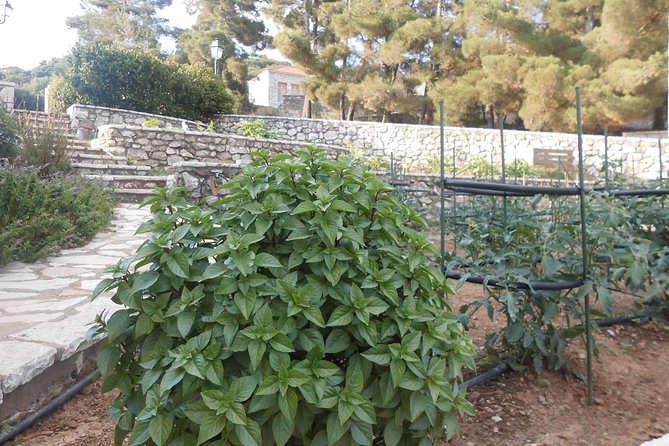
The day begins with a look at the fields and gardens around the agrotourism unit. From March to October, you can pick fresh vegetables and see where part of the meal begins. This is a small but important detail: the food does not arrive as an abstract regional menu. You handle some of the ingredients before they reach the kitchen.
June brings a seasonal bonus. If the timing is right, you may take part in wheat harvesting in the wheat fields. That is not guaranteed as a daily feature, but it gives June visitors a particularly useful connection to the grain behind Greek breads, pies, and other traditional foods.
You should wear comfortable shoes and a hat. You will spend a fair amount of time outdoors, and the experience may also expose you to bees, so mention any bee allergies as well as food allergies when booking. The setting is family-friendly, but younger children may find a six-hour food and farm day long.
Cooking with local village cooks
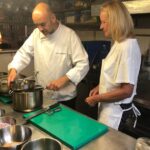
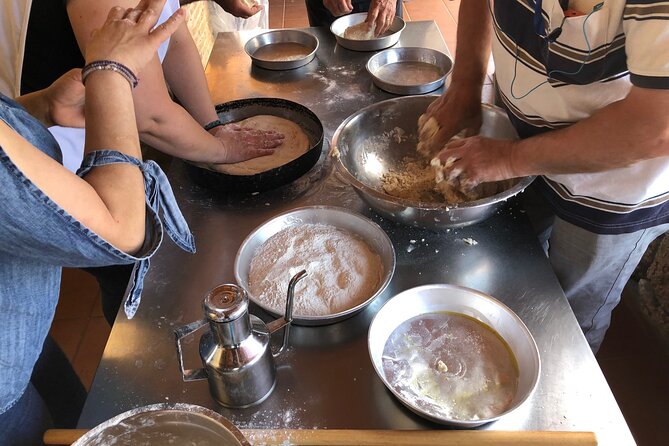
The hands-on cooking class is led by local Greek women, with a local chef or certified tour leader with you throughout the experience. Maria is the named guide associated with the day, and she explains Greek gastronomy, local customs, and the food traditions of Arcadia.
The exact recipe depends on the season and the arrangement for your date. You might learn to make embroidered bread from scratch, kolokythopita using courgette or pumpkin, trachanokeftedes made from fermented milk pasta, or another local dish.
That changing menu is a strength. You are not being pushed through a fixed tourist recipe that ignores the calendar. At the same time, it means you should ask what you will prepare before booking if one particular dish is your main reason for going.
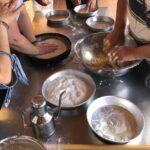
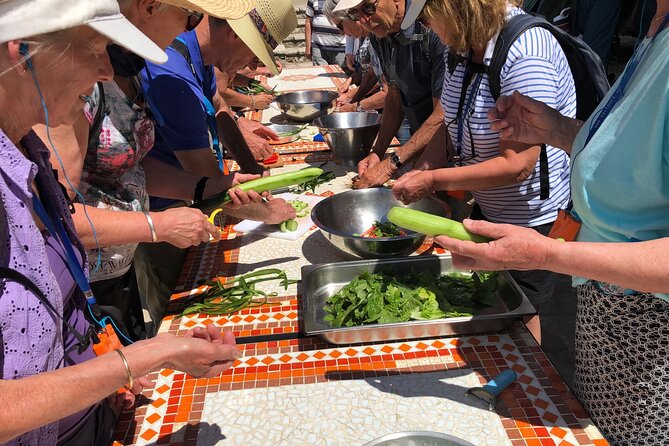
The class is meant to be practical. You work with the ingredients, follow the local cooks, and then eat the results at lunch. The tone is likely more personal than a large demonstration class because no other group is added after your booking. You can ask questions, request help, and spend time with the people who actually prepare these foods in the area.
One useful cooking tip came from the team: a small amount of organic turmeric can give trahana soup a golden color and add a nutritious touch. It is a minor detail, but it shows the kind of home-kitchen advice that can make this class more worthwhile than simply watching someone cook.
The stone workshop, cookware museum, and library
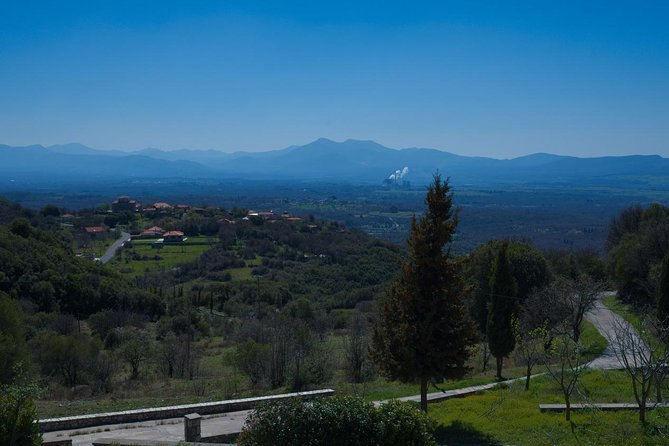
The Arcadian workshop occupies a two-storey stone building on 2.5 acres of land. It looks toward Mount Lykaio and the village of Karytaina, giving the visit a strong sense of place before lunch even begins.
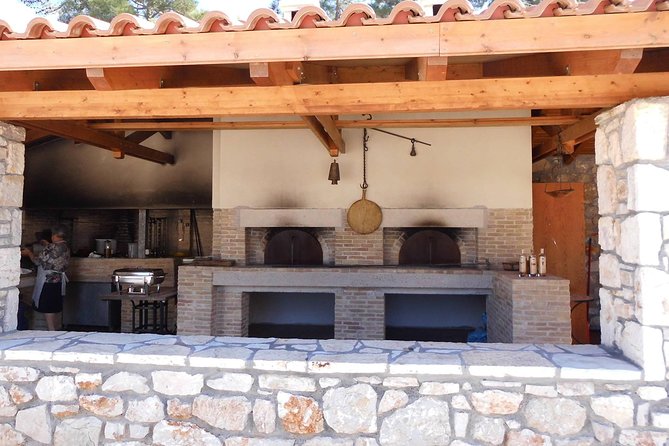
Your guided tour includes the traditional food preparation area, where you see the setting for local production and cooking. You also visit the Cookware Museum, which displays tools used by Greek village households as far back as the early 1900s.
The museum is valuable because it explains the work behind the recipes. A pie or loaf can seem simple on a plate, but old cookware shows how families prepared food before modern appliances changed the kitchen. For anyone interested in domestic life, farming, or food history, this may be as interesting as the cooking itself.
The library adds another unusual stop. It holds more than 650 cookbooks, including old volumes and books dating to the 19th century. You can look through recipes and see how local food customs connect with wider Greek cooking traditions.
I would not treat the library as a quick waiting room before lunch. Give it time. The building, the old books, and the cookware make this experience different from a standard farm visit. You are not only preparing food. You are seeing the tools, written recipes, and household customs that helped carry it from one generation to the next.
A long Arcadian lunch at the restaurant
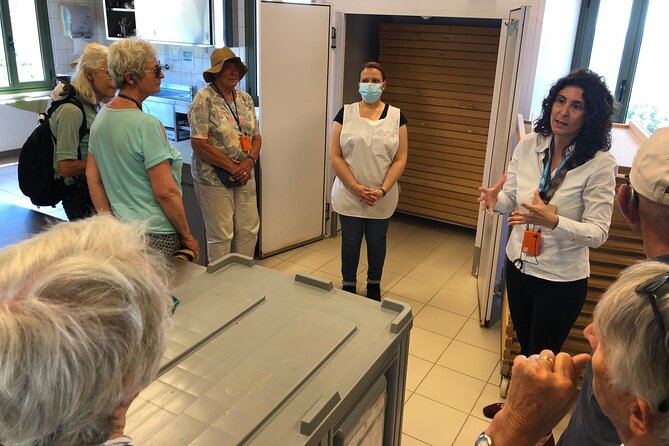
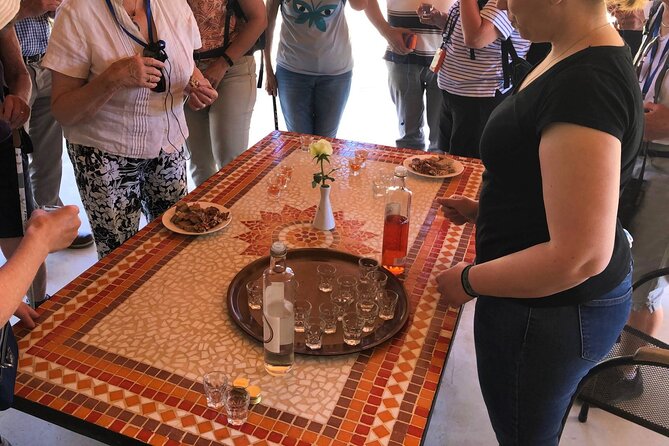
Lunch takes place at the on-site restaurant and includes the food made during your class. The meal may also include wrapped meat with grilled vegetables, rooster with local pasta, vegetarian dishes, traditional cheeses, and several appetizers.
The meal is paired with products from the Arcadian workshop and other Greek producers. Local red or white wine is included, along with ouzo, coffee or tea, and snacks.
The strongest value here comes from the length and range of the meal. You are not paying only for a recipe lesson. The price covers the guide, the farm visit, the food preparation tour, museum and library access, lunch, drinks, and taxes. The private booking also means the schedule is built around your group rather than a crowded class.
Still, $382.01 per person is a serious price. The value improves if you are traveling as a small private group and want a full-day rural outing with food, culture, and a meal in one booking. It is harder to justify if your main goal is simply to learn one Greek recipe, especially after adding a transfer from Kalamata.
Wine and ouzo are included, but you should think about the ride home. If you arrange paid transport, confirm how the return works and what is included in the transfer quote. The experience ends at the original meeting point, so transport needs to cover both directions.

What makes this private format useful
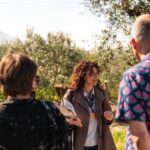
Once booked for the day, the experience is reserved for your group. That makes a real difference during a cooking class. You can ask Maria about ingredients, customs, or recipes without competing with a large room of people.
The private setup suits couples, families, and friends who want a relaxed day together. It also works for school groups and team-building events. Special dietary needs can be discussed in advance, including vegetarian, vegan, pescatarian, and flexitarian diets. Food allergies must be reported before the day, not at the table.
The operator can also combine the cooking experience with accommodation in a traditional three-level stone villa in the village. This is an extra-cost option and must be booked 15 to 20 days ahead. A local breakfast is included with that stay.
That overnight option makes sense if you do not want to spend so much of the day returning to Kalamata, or if you want to pair the class with more time in the village. It is not a casual last-minute add-on, so raise the idea when you first inquire.
Best seasons, weather, and practical planning
March through October is the stated season for the garden portion. Spring and autumn may be comfortable for outdoor work, while June offers the possible wheat harvest. The exact produce and farm tasks will depend on the time of year.
Good weather is required. If poor weather forces a cancellation, you will be offered another date or a full refund. Your own cancellation is different: the experience is non-refundable and cannot be changed for any reason. Because of that rule, choose your date carefully and avoid booking before your wider plans are firm.
The activity runs Monday through Sunday, except Holy Friday, Easter Tuesday, and Greek official holidays. It is near public transportation in general, but reaching the rural workshop requires a vehicle. Do not assume that arriving in Kalamata without a car will solve itself. Arrange the paid transfer in advance.
Wear shoes suitable for fields and a hat for sun protection. Tell the operator about dietary needs, food allergies, and bee allergies. The experience is family-friendly, but the outdoor time, drive, cooking, museum visit, and long lunch create a full six-hour day.
Who should book this Arcadian food day?
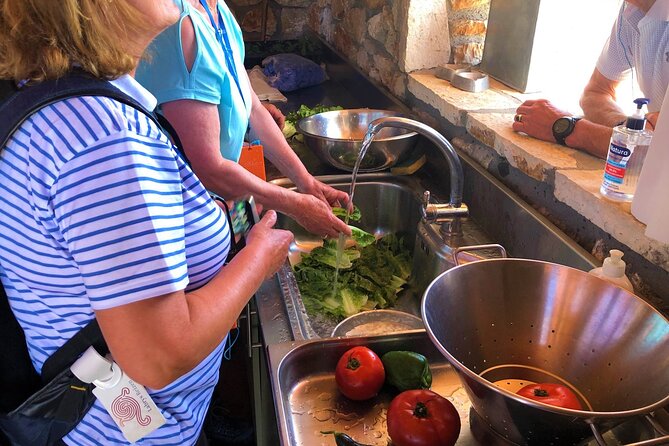
I would choose this for you if food is one of the main reasons you travel. You get to see ingredients in the garden, cook with local women, hear Maria explain regional customs, handle traditional methods, and sit down to a meal based on the work you have just done.
It also suits anyone who wants a quieter side of the Peloponnese. The views toward Mount Lykaio and Karytaina, the small village setting, the stone workshop, and the old cookware give the day a strong local focus.
The experience is less suitable if you want a short activity, a cheap cooking lesson, or a guaranteed single recipe. The long drive, added transfer cost, weather requirement, and high per-person price all deserve attention. You also need to book early enough for availability and the full payment deadline.
Should you book the village cooking class?
Book it if you want a private, food-centered day in Arcadia and are happy to pay for more than cooking alone. The garden, museum, library, local cooks, wine, and full lunch give you several connected experiences rather than one isolated class.
I would especially consider it in June for the chance of wheat harvesting, or during another period when the seasonal produce interests you. Ask what recipe is planned, confirm the transport price, and state all dietary needs before paying.
Skip it if your budget is tight or you only have a few hours in Kalamata. For the right person, though, this is a memorable way to connect Greek food with the fields, tools, books, and people behind it.
FAQ
Where does the experience start?
It starts at 9:00 a.m. at the Kalamata Port Authority, Mpoumpoulinas 4, Kalamata 241 00, Greece.
Where does the cooking class take place?
It takes place at an agrotourism unit and Arcadian workshop in a small village in the mountainous Arcadia region of the Peloponnese, about 70 kilometers from Kalamata.
How long does the experience last?
The experience lasts approximately six hours and ends back at the Kalamata meeting point.
Is transportation from Kalamata included?
No. You need transportation to the Arcadian workshop. You can use your own vehicle, or the operator can arrange a transfer with partners for an additional charge.
What food might I learn to prepare?
The class may cover embroidered bread, kolokythopita made with courgette or pumpkin, trachanokeftedes, or other local dishes. The recipe depends on availability and the arrangements for your date.
Is lunch included?
Yes. Lunch includes the food prepared during the class and may include local meat, grilled vegetables, rooster with local pasta, vegetarian dishes, cheeses, appetizers, local wine, ouzo, coffee or tea, and snacks.
Can dietary needs and allergies be accommodated?
You should notify the operator about dietary needs such as vegetarian, vegan, pescatarian, or flexitarian preferences. You must also report food allergies and bee allergies before the experience.
What happens if bad weather cancels the tour?
If the experience is canceled because of poor weather, you will be offered a different date or a full refund. Your own cancellation or amendment is non-refundable.