REVIEW · KALAMATA
Kalamata Food Tour: Greek Food Treasures and Traditions
Book on GetYourGuide →Operated by Food Philosophy · Bookable on GetYourGuide
Old Kalamata tastes better with a local guide. In just 3 hours, you hop through the historical centre with a Greek guide, tasting everything from olives and olive oil to pies, meat treats, sweets, and a light souvlaki lunch—plus you’ll hear ancient-food myths that explain why Greeks eat the way they do.
Two things I especially love: the warm, personal stops in family shops (you meet owners, not just staff), and the way the guide weaves food stories with local pride. One thing to consider: the tour includes food/alcohol tastings, so if you avoid alcohol, mention it when you book—also note that drinks themselves aren’t included.
In This Review
- Key highlights I’d plan around
- Why this 3-hour Kalamata route feels like the best kind of planning
- Meeting at Ypapantis Church: the start point that keeps things easy
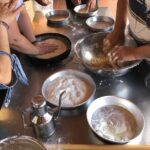
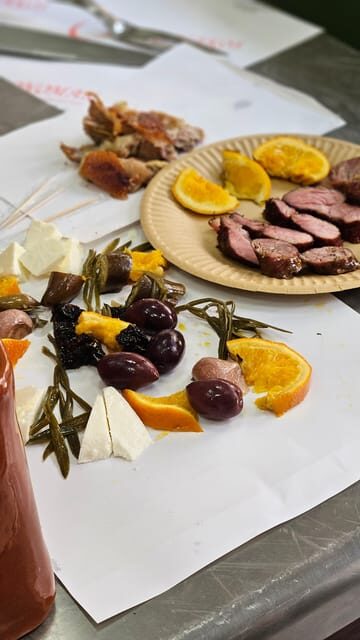
- What you actually taste: bread, olives, pies, meat, sweets
- A practical tip: go in hungry
- The guide makes the stops feel personal (and the shop owners do too)
- Ancient Greek food myths: why stories aren’t just filler here
- The hidden value of specific shop types (bakery, cheese/olive/wine, butcher)
- Lunch: the included souvlaki meal and why you’ll still be happy after
- Drinks, alcohol tastings, and how to handle it if you don’t drink
- Dietary needs: vegetarians, vegans, and gluten intolerance
- Price and value: is $88 for 3 hours a fair deal?
- Weather, walking, and what to wear
- Who should book this Kalamata food tour
- Should you book this Kalamata Food Tour?
- FAQ
- Where does the tour start?
- How long is the Kalamata Food Tour?
- What’s included in the price?
- Are drinks included?
- What languages are offered?
- Does the tour run in bad weather?
- Is it suitable for vegetarians or vegans?
- Can gluten intolerant guests join?
- Is the tour suitable for children or pregnant women?
- What’s the cancellation policy and payment option?
Key highlights I’d plan around
- Start at Ypapantis Church and walk an efficient route through old Kalamata
- Tastings across multiple food types: bread products, olives/olive oil, pies, meat products, sweets
- Shop-owner conversations give you context you won’t get from a standard meal
- Food myths and stories add meaning to what you’re tasting
- Light souvlaki lunch is included, so you won’t burn time hunting for food
- Diet flexibility for vegetarians, vegans, and gluten intolerant guests (tell the team your needs)
Why this 3-hour Kalamata route feels like the best kind of planning
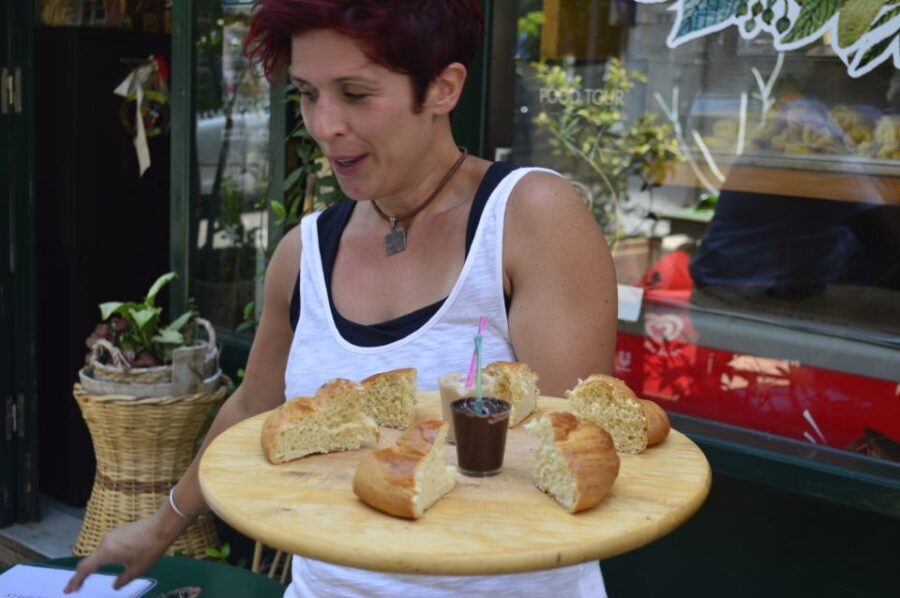
Food tours work best when they do the decision-making for you. This one strings together a set of carefully chosen tasting stops in Kalamata’s historical centre, so your job is simple: show up, walk, eat, and ask questions.
I like that it’s not just a line of tastings with no story. You’ll get myth and cultural context as you go, which makes the bites feel connected instead of random. And because it’s only 3 hours, it fits nicely with a day that also includes beaches, museums, or the rest of your Peloponnese plans.
You can also read our reviews of more food & drink experiences in Kalamata

Meeting at Ypapantis Church: the start point that keeps things easy
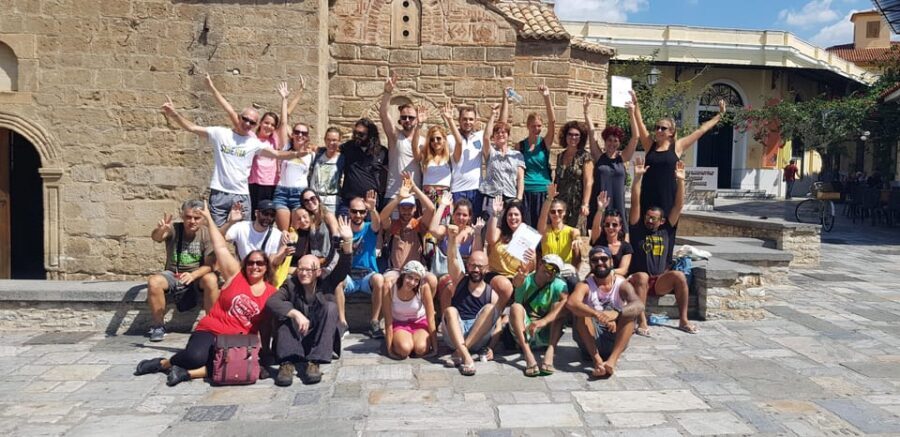
You’ll meet at the main entrance of Ypapantis Church in Kalamata’s historical centre. That’s a practical choice for first-timers: you’re already in the area you want to explore, and the walking route stays close to the older core of town.
From there, you move along a selected route with multiple short “pop in and out” stops. You’re not stuck waiting in one place for long; it’s a rhythm of sampling and brief conversations, which is perfect if you want food without turning the whole afternoon into one long sit-down.
What you actually taste: bread, olives, pies, meat, sweets
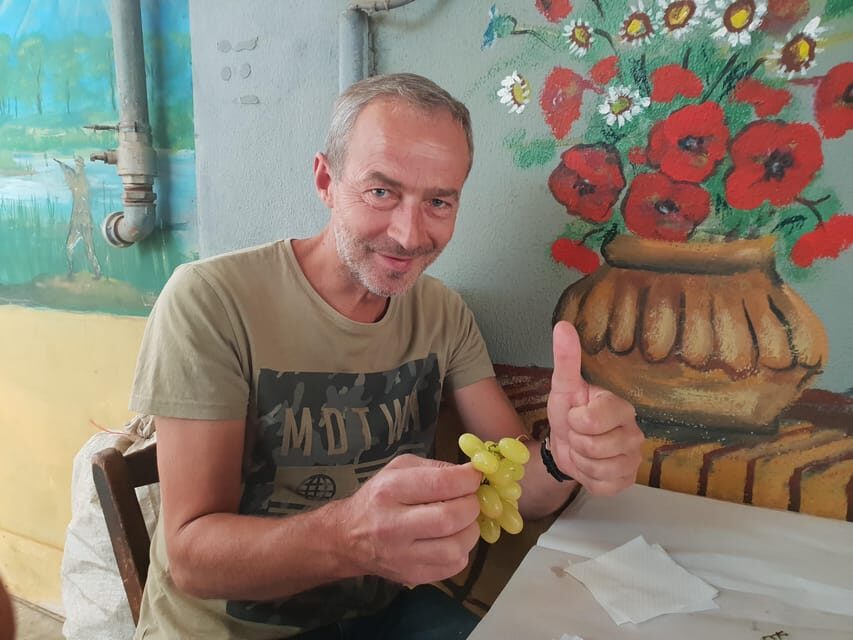
The tour is built around variety. In roughly the order of the tasting route, expect to try food across these categories:
- Bread products and pastries (often a first stop because Greece starts breakfast-style with flour and tradition)
- Olives and olive oil (Kalamata’s identity is hard to separate from these)
- Pies and other baked treats
- Meat products, including traditional succulent pork
- Sweets to finish things off on the friendly end
A big plus here is that you’re not limited to one style of food. You’ll taste a spread—savory first, then heavier flavors like pies/meat, and ending with something sweet—so you leave with a real sense of how Greek food shifts from bite to bite.
A practical tip: go in hungry
One of the clearest signals from past guests is that you leave full. So even if you usually eat breakfast on holiday, I’d treat this like a lunch-focused experience and keep your morning light.
The guide makes the stops feel personal (and the shop owners do too)
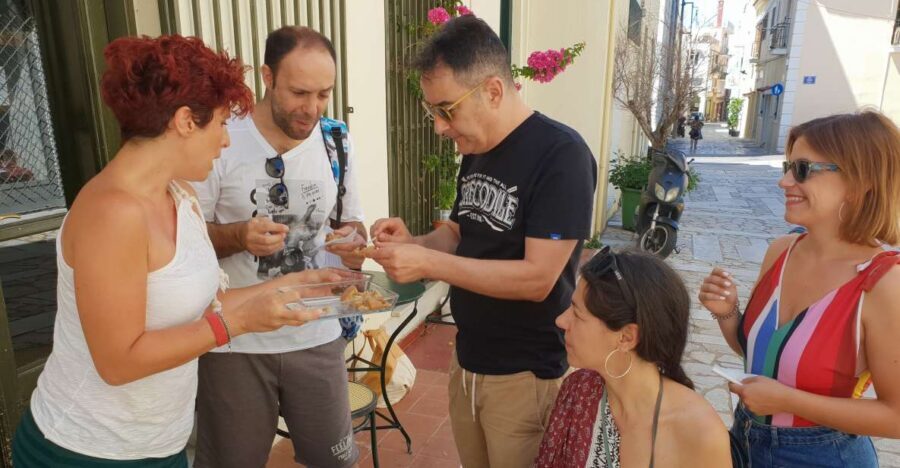
This tour lives or dies on its guide, and the names that show up repeatedly—Sara, Sofia, and Dora—are tied to the same thing: enthusiasm and a genuine local connection. You’ll likely spend time chatting with shop owners, not just collecting samples on autopilot.
That owner interaction matters more than it sounds. It’s where you learn what families consider important: what they make, why they make it, and what they serve at home. Several guides are described as friendly and upbeat, with time for questions and room to tailor recommendations for what to do after the tour.
If you’re the type who likes asking why something tastes the way it does—like the difference between olive oil styles or how a pie recipe changes by neighborhood—you’ll get a lot out of this format.
A few more Kalamata tours and experiences worth a look

Ancient Greek food myths: why stories aren’t just filler here
The tour doesn’t only explain what you’re eating. It also shares Greek myths and stories about food. That might sound like extra, but it works because the tales connect food to culture, habit, and identity.
What I like about this approach is that it makes the tastings “stick.” Instead of remembering a list of foods, you remember the reason behind them. And when a guide links a bite to a story, it’s easier to taste with attention rather than rushing through.
The hidden value of specific shop types (bakery, cheese/olive/wine, butcher)
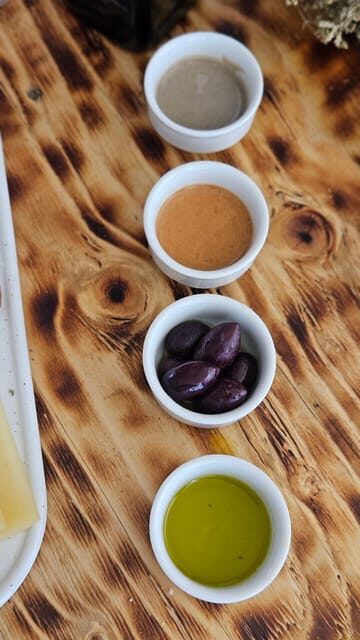
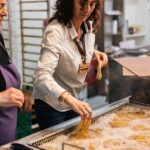
You’ll visit several food shops in the historical centre, and past experiences point to a pattern of classic local counters: a traditional bakery, a shop focusing on cheese/olives/wine, and even a butcher stop.
Here’s why I think these shop types are valuable:
- A bakery gives you a quick education in dough, fillings, and what people consider everyday comfort food.
- A cheese/olive/oil/wine stop shows how Greek flavor isn’t one-note. You get salt, fat, fruitiness, and aroma in small bites—tasted side by side.
- A butcher stop adds depth to the meat course. You learn what’s common, what’s prized, and what changes from one local style to another.
And importantly, it’s not about hard selling. Multiple experiences describe the vibe as relaxed, with no pressure to buy since the tastings are already part of the tour.
Lunch: the included souvlaki meal and why you’ll still be happy after
You get a traditional souvlaki light lunch included. That’s not just a convenience; it’s also a pacing tool. With a tour like this, you’re eating multiple samples for hours—so having lunch planned means you’re not stuck deciding between three places and blowing your appetite.
Also, “light lunch” is a good match for the structure: you can enjoy souvlaki without feeling like you need a second nap immediately after. Still, be ready—between the tastings and the included meal, you may feel like your stomach already ordered dessert.
Drinks, alcohol tastings, and how to handle it if you don’t drink
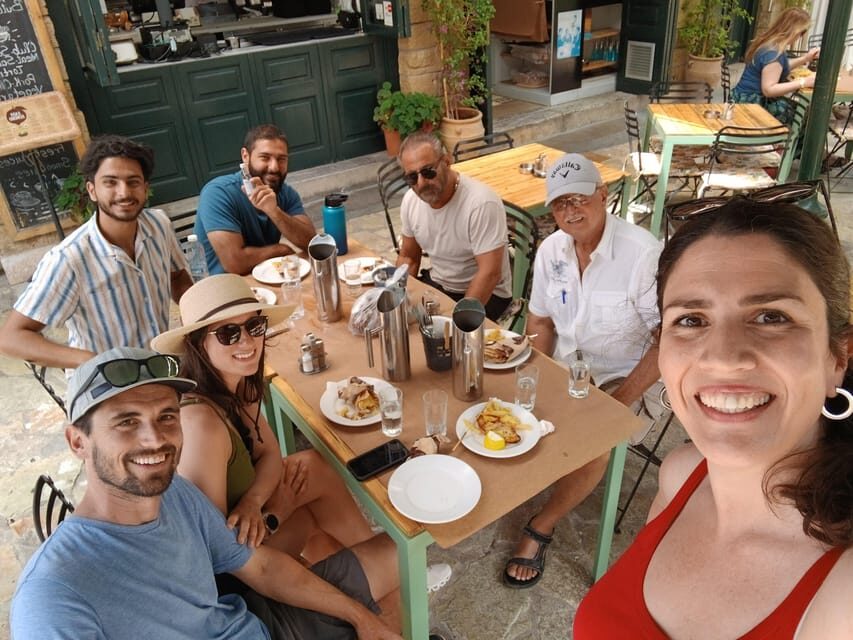
Included tastings cover food and alcohol, but the tour specifically notes that drinks are not included. Translation: you should expect some alcohol as part of tasting, but you won’t be buying full drinks throughout the tour.
If you don’t drink alcohol (or you only drink occasionally), tell the booking team when you register. That way you can understand how tastings are handled for your preferences. Either way, the food portion should still do most of the work.
Dietary needs: vegetarians, vegans, and gluten intolerance
The good news is that the tour is described as suitable for vegetarians, vegans, and people with gluten intolerance. The key practical move is to advise your dietary requirements when booking.
In a food tour, that detail matters because “Greek food” can still include bread, dairy, and hidden gluten. If you’re gluten intolerant, the best outcome is when the guide and the shops know your needs ahead of time, rather than you trying to figure it out mid-stop.
If you’re a vegan or vegetarian, you may still find enough savory variety—think pies with vegetarian fillings, olive-based treats, and other plant-forward options—though the exact mix can vary by shop.
Price and value: is $88 for 3 hours a fair deal?
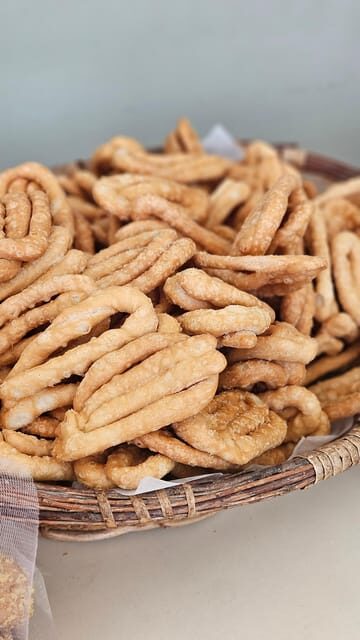
At $88 per person for a 3-hour walking food tour, the value comes from the bundle:
- A local guide who doesn’t just hand you samples, but explains food myths and local food culture
- Multiple shop tastings across bread, olives/oil, pies, meat, and sweets
- An included souvlaki light lunch
You’re also paying for access: speaking with shop owners and learning what the locals actually care about. If you tried to DIY this yourself, you’d still be searching for the right shops, and you’d lose the guided context.
The most important “cost” isn’t money. It’s appetite and time. If you normally pack light and eat only one meal a day, this tour will feel like a lot. If you enjoy sampling and you like slow conversations in small shops, the price tends to feel fair quickly.
Weather, walking, and what to wear
The tour operates in all weathers. That means you should dress for rain, wind, or heat as Kalamata calls for on that day, and wear comfortable walking shoes for a historical-centre route.
Because you’ll be popping in and out of shops, layering helps. You’ll go from outdoor air to indoor tasting rooms, and you’ll want to stay comfortable rather than overheating or getting chilled.
Who should book this Kalamata food tour
This is a strong choice if:
- You want a local guide-led route instead of planning tastings one by one
- You enjoy meeting shop owners and learning how food connects to identity
- You’re interested in Greek food myths and stories, not just food facts
- You want an organized plan for lunch while still sampling a lot
It’s less ideal if:
- You prefer a restaurant-only experience where you sit down and order one dish
- You need zero alcohol exposure (since alcohol tastings are included)
Should you book this Kalamata Food Tour?
I’d book it if you want a flavorful Kalamata afternoon with built-in context. The strongest reasons are practical: you get a guided walk through the historical centre, you taste a wide spread (bread, olives/olive oil, pies, meats, sweets), and you leave with the included souvlaki light lunch already handled.
Before you commit, do two things: eat lightly beforehand and share dietary needs during booking. If those boxes are checked, you’re set for a very local, very edible 3 hours—complete with the kind of shop conversations that make a place feel lived-in, not just photographed.
FAQ
Where does the tour start?
The meeting point is at the main entrance of Ypapantis Church in the historical centre of Kalamata.
How long is the Kalamata Food Tour?
It lasts 3 hours.
What’s included in the price?
It includes a local guide, a traditional souvlaki light lunch, and food and alcohol tastings.
Are drinks included?
Drinks are not included. Tastings may include alcohol, but you won’t have unlimited drinks included.
What languages are offered?
The live tour guide speaks English and Greek.
Does the tour run in bad weather?
Yes, it operates in all weathers.
Is it suitable for vegetarians or vegans?
Yes. The tour is suitable for vegetarians and vegans, and you should advise the team of your dietary requirements when booking.
Can gluten intolerant guests join?
Yes. The tour is suitable for people with gluten intolerance—again, tell the organizers your needs when you book.
Is the tour suitable for children or pregnant women?
Yes, it’s stated to be suitable for adults, children, and pregnant women.
What’s the cancellation policy and payment option?
You can cancel up to 24 hours in advance for a full refund, and there’s a reserve now & pay later option.