REVIEW · KALAMATA
Kalamata: Paranormal Walking Tour in the historical center
Book on GetYourGuide →Operated by Dusty Files Unlocked · Bookable on GetYourGuide
Ghost stories meet city history.
I like the way Foteini turns Kalamata’s legends into tight, scene-by-scene storytelling, and I like the mix of historical center squares with hidden corners and paranormal themes. One drawback to plan around: this is a walking tour at night, and it’s not suitable for wheelchair users.
At $41 for about 2 hours, it’s priced like a full storytelling experience, not a museum visit. You’ll keep moving, and the payoff is the atmosphere—“horror in the air” vibes—plus a rollercoaster of myths that connect Messinia to saints, monsters, and the supernatural.
If you come, come prepared: wear comfortable shoes (no high heels) and expect to stand and walk during the stops. The tour also doesn’t include snacks or drinks, but you’ll want energy—bring a sandwich and a bottle of water.
In This Review
- Key things that make this Kalamata paranormal walk worth your time
- What this tour is really doing in Kalamata’s historical center
- Meeting point and timing: the statues in the 23rd of March square
- How Foteini’s background changes the storytelling vibe
- The route feel: squares, then silent corners
- The folklore themes you’ll hear about (and what they mean for you)
- Practical comfort tips for a night walking tour
- Price and value: $41 for a guided story night
- Who this tour is perfect for (and who should skip)
- Should you book this paranormal walking tour in Kalamata?
Key things that make this Kalamata paranormal walk worth your time
- A 2-hour night walk focused on the historical center’s quiet streets and hidden corners
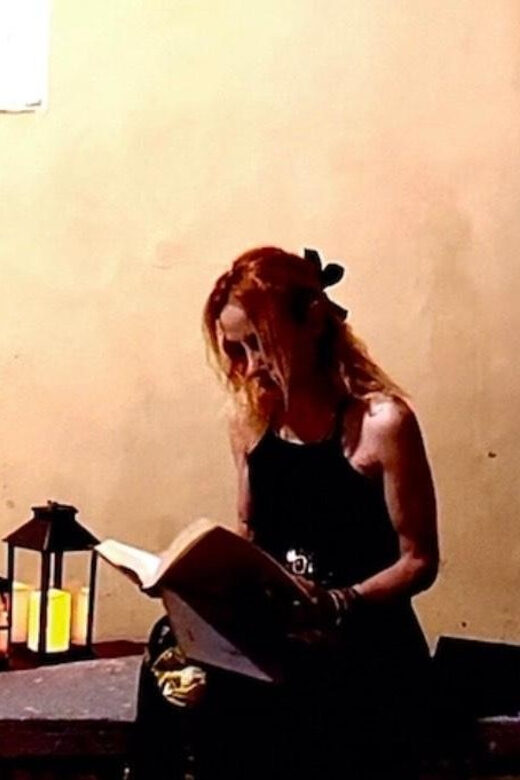
- Foteini’s storytelling background (film/media + religious studies, with TV-journalism experience) helps the folklore land well
- A big folklore mix: dragons, werewolves, saints, chthonic deities, ghosts, vampires, even extraterrestrial visitors and miraculous icons
- Ghosts with unfinished business—spirits who refuse to cross over and stay in Messinia
- Main squares first, then darker side streets so the city feels like a story unfolding in order
- No interior site visits: the power here is street-level storytelling, not ticketed entrances
What this tour is really doing in Kalamata’s historical center
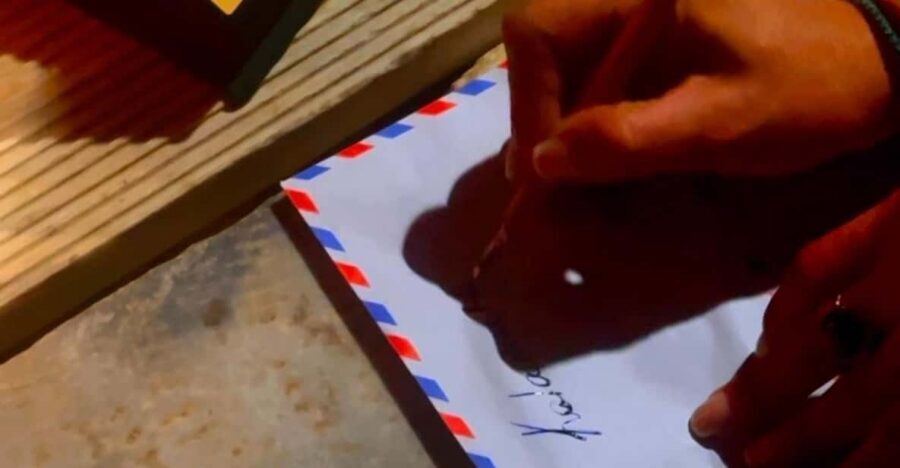
This isn’t a sightseeing checklist. It’s a guided night story session, but with real city geography under your feet. The idea is simple: Kalamata has centuries of layers—religious, cultural, and folk—and you experience those layers by walking them in sequence through the center.
You’ll get a blend of the “miraculous and inexplicable” with darker themes. Expect talk of torture, human sacrifice, saints and chthonic deities, and the tension between official religion and local folklore. The tour frames these as mysteries that people still read into today, even when you’re looking at the city from a modern angle.
The best part is how the tour uses place. Instead of generic spooky tales, you hear stories anchored to squares and corners—so the streets become the props. If you like folklore that feels theatrical but still tied to real locations, this is built for you.
And if you prefer your night walks calm and cozy, that’s the only “maybe” here. This one leans into fear, horror motifs, and unsettling imagery.
You can also read our reviews of more tours and experiences in Kalamata.


Meeting point and timing: the statues in the 23rd of March square
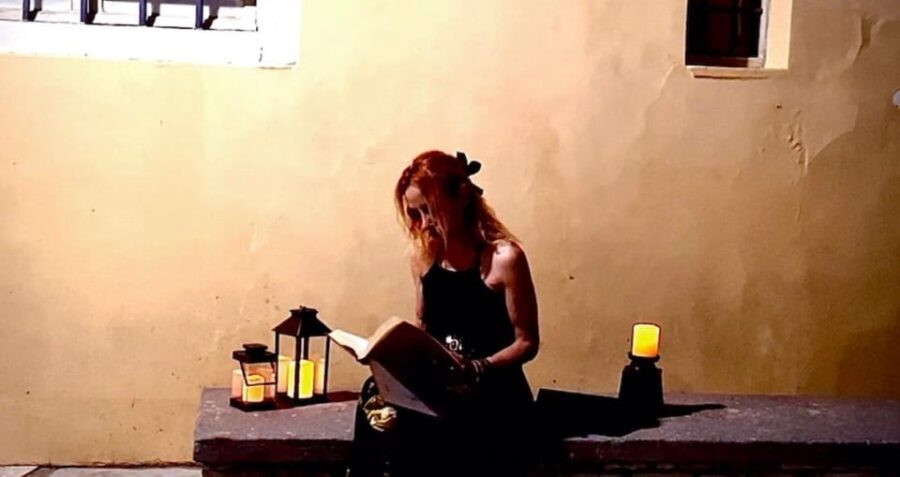
The tour starts in the historical center at the square of 23rd of March, right in front of the statues in the middle of the square. It’s easy to miss if you arrive late or wander—so plan to be there early.
They ask you to arrive 15 minutes before the start time, with your reservation number. The tour starts sharply, and once it begins, the guide won’t be able to answer calls. In practice, this means you should treat it like a showtime: show up on time, then relax.
Also note what “night” means for a walking tour. The pace matters less than comfort and footing. You’ll be outdoors, moving between stops, with no included access to indoor sites to reset your energy. That’s why the footwear rule is strict: comfortable shoes only, and no high heels.
If you’re the type who runs on schedule and likes being part of a timed group experience, you’ll fit this format well.
How Foteini’s background changes the storytelling vibe
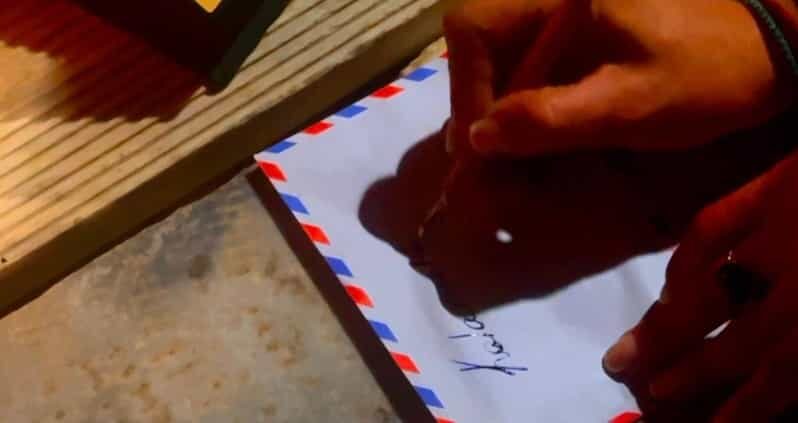
The tour’s guide is Foteini. The setup matters: she’s a graduate in film/media and religious studies, and she’s also described as a well-trained storyteller with experience as a journalist in one of Greece’s biggest TV networks.
That combination shows up in how the stories are delivered. The tour leans into cinematic pacing—turning corners, hitting main squares, then switching tone when you move into quieter spaces. Folklore can be fluffy when it’s not structured. Here, the structure seems built to keep the group engaged for the full 2 hours.
Foteini is also tied directly to the religious-and-myth angle of the tour. You’re not just hearing “ghost story, ghost story.” You’re hearing about how myths, saints, and local beliefs can overlap—plus the way people explain the strange through stories.
If you like a guide who can connect themes—rather than just recite scary legends—this is a strong match. The guide also gives stops purpose, so you’re not just walking for walking’s sake.
One caution: the tour focuses on horror elements. If you’re easily spooked by torture details or sacrifice themes, know what you’re stepping into before you join.
The route feel: squares, then silent corners
A clear pattern drives this tour. You’ll begin at the center and pass through the main squares, with the guide sharing dark tales at each stop. Think of those squares as the broad chapters of the story.
Then you move into quieter streets and hidden corners—the parts of the historical center that feel more intimate and less touristy. The tour messaging is that these are the spaces where the “mysterious air” feels strongest, and that you’ll notice signs of horror as you walk.
You should expect a guided sequence built around atmosphere: time gates and time travelers, treasures with divine power, compass-like temple symbolism, and sacred-mountain terror. Even without exact stop names listed here, the tour is described as covering a spread of themes across the center, while keeping your energy up with multiple carefully selected pauses.
It also ends back at the meeting point in the square. So you get the convenience of a loop: no complicated transit planning, just a return to where you started.
If you’re traveling solo, this format helps. It’s structured, group-based, and you’ll get context for what you’re seeing instead of wandering on your own in the dark.
The folklore themes you’ll hear about (and what they mean for you)
This tour openly mixes a wide range of folklore and “unexplained” themes. You’ll hear about:
- Dragons and werewolves
- Saints and chthonic deities
- Ghosts and vampires
- Extraterrestrial visitors and miraculous icons, described with bloodstains and DNA-uncertainty style mysteries
That may sound like a grab bag, but the point is how Kalamata’s folk imagination works. The guide frames the supernatural as part of a local storytelling tradition that blends religion, myth, and modern curiosity. So you’re not just hearing scary monsters—you’re hearing how communities connect strange events to familiar symbols.
The “unfinished business” angle matters too. The highlights mention spirits that refuse to cross over and remain in Messinia. For you, that means the tour doesn’t treat the supernatural as random. It treats it like a story with continuity: something happened, and the city is still carrying it.
And then you get the darker end—human sacrifices and tortures of unimaginable cruelty. Those themes are presented as part of the local mystery atmosphere. If you’re looking for spooky but not graphic, you may want to sit with that upfront.
The value isn’t whether you believe everything. The value is understanding how these stories live in place, and how Kalamata’s historical center can feel like a living stage.
You can also read our reviews of more historical tours in Kalamata
Practical comfort tips for a night walking tour
This one is about movement, so practical choices matter.
Wear comfortable shoes. The tour doesn’t allow high heels. That’s not just a rule—it’s a clue that you’ll be on uneven or varied street surfaces at night.
Bring water and a sandwich. Snacks and drinks aren’t included. You’ll be strongly advised to bring something to eat because the paranormal stories apparently work up an appetite. Even if you don’t buy that logic, the energy advice is real: plan for fuel so you can focus on the walk.
You’ll have multiple stops designed to keep energy levels up. If you’re the type who hates standing for long stretches, they even note you can bring a pillow—so yes, the tour expects some standing time.
One more practical detail: the guide won’t be able to answer calls after the tour begins. That means you should take care of last-minute questions before you’re off and walking.
If you want the best experience, come as you are—just with the right comfort setup. This is not the tour for fancy shoes or for people who plan to “wing it.”
Price and value: $41 for a guided story night
At $41 per person for about 2 hours, this tour is clearly in the “pay for a guide + pay for the experience” category. You’re not paying for museum entry because the tour doesn’t include access to the interiors of sites visited.
So the value comes from three things:
- Storytelling quality (Foteini’s background and pacing)
- Street-level immersion (main squares plus hidden corners, at night)
- A themed concept that mixes folklore and historical atmosphere rather than one narrow subject
For families, it gets more interesting. Children up to 13 are free of charge. That can be a great way to justify the cost when you’re traveling with kids who can handle the spooky storytelling tone.
Where you should be cautious is expectation-setting. This is not a quiet lecture. It’s a dark, paranormal-flavored walk. If you want only gentle folklore or only history without horror themes, the tone may not match.
But if you like guided night walks with strong narrative energy, the price feels aligned with what you’re getting: a focused 2-hour experience, guided end-to-end.
Who this tour is perfect for (and who should skip)
This is a great fit if you:
- Love folklore and monster myths like werewolves, vampires, and dragons
- Enjoy stories that mix religion, local belief, and the unexplained
- Like a guided night walk where the city becomes the set
- Want a 2-hour activity that doesn’t require museum tickets or long planning
It’s not the best fit if you:
- Need wheelchair accessibility (it’s not suitable for wheelchair users)
- Want an indoor, low-walking tour (you’ll be out on the streets)
- Prefer horror themes to be mild or absent
It’s also smart for anyone who’s already curious about Messinia beyond the basic highlights. The tour’s focus on local folklore and the historical center’s atmosphere makes it feel like a different way to read the city—especially at night, when the streets go quiet.
If you’re traveling with friends who like spooky entertainment but also appreciate context, this is a fun group choice.
Should you book this paranormal walking tour in Kalamata?
If you’re in Kalamata and you want one memorable night that mixes folklore, dark themes, and city geography, I’d book it. The guide-driven storytelling format, the 2-hour length, and the fact that it’s built around the historical center make it a practical way to get an experience you can’t recreate on your own.
Just match your expectations first. This isn’t a tame ghost walk. It’s story-heavy, fear-forward, and outdoors. Bring comfortable shoes, water, and a snack, then let the historical center do its job after dark.