REVIEW · RHODES
Kamiros Skala: Marine Life Experience
Book on Viator →Operated by Blutopia · Bookable on Viator
Dolphins and fish science in one trip. This marine-life outing from Blutopia (in Kamiros Skala) is built around real explanations from a marine biologist, so you’re not just watching animals—you’re learning how the Mediterranean works. I especially like that the guide-led focus includes hands-on marine moments like a guided “sift” of the seabed, plus a clear dolphin payoff when the boat’s wake starts doing its thing.
My second big win: the guide team’s energy and how they share extra ways to keep learning after the swim. When Lucy and her biologist colleagues talk, it’s practical stuff, from what you’re seeing in the water to how local fish farms can fit into more sustainable fishing. The main drawback to keep in mind is timing: it’s about 3 hours 30 minutes, and the day depends on good weather, so plan it as your flexible ocean highlight, not your only activity.
In This Review
- Kamiros Skala Marine Life: The “Marine Biologist, Not a Tour Host” Factor
- What Happens at Blutopia Marine Park Before You Hit the Water
- The Main Stop: Kamiros Skala’s Clear Water and Guided Snorkel
- Dolphins at Sea: When the Captain Does the Big Doughnut Routine
- Marine Science on the Boat: Fish Farms and Sustainability Talk
- Photos After the Trip: A Nice Bonus for Parents and Busy Memories
- How Much It Costs and Whether It’s Good Value at $108.02
- Timing, Weather, and the Best Way to Place This on Your Rhodes Itinerary
- Who This Experience Fits Best (and Who Might Be Happier Elsewhere)
- Quick Tips to Get More Out of Your Marine Life Experience
- Should You Book Kamiros Skala’s Marine Life Experience?
Kamiros Skala Marine Life: The “Marine Biologist, Not a Tour Host” Factor
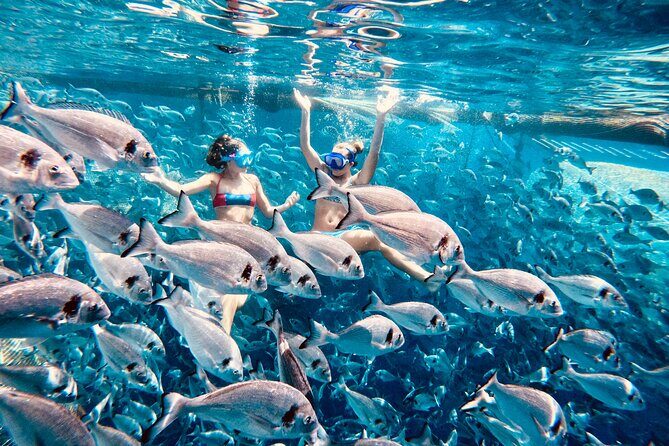
You come for the dolphins and the snorkeling. You stay for the science lesson that makes the whole experience click.
This is not a slow lecture, though. The marine biologist guides your attention in the water—what to look for, why it’s there, and how the local ecosystem connects to the people who live here. That turns a quick ocean window into something you’ll remember (and talk about later at breakfast).
And because the group is capped at 40 people, it tends to feel manageable instead of chaotic. That matters when you’re trying to watch small fish, track movement underwater, and still enjoy the big moments like dolphins.
What Happens at Blutopia Marine Park Before You Hit the Water
The meeting point is Blutopia Marine Park, in Kamiros Skala (851 08, Greece). You start there and the activity ends back at the same place—no mystery transfers across the island.
If you’re using pickup, it’s scheduled for 8:30AM and can shift based on your location. Pickup is offered from Rhodes Centre, Faliraki, Ixia, and the west coast up to Kamiros Skala, but it costs 15€ per person and is not included in the tour price.
Once you’re there, the tour runs for about 3 hours 30 minutes total. That timing is a sweet spot for many families: enough time for snorkeling and the dolphin hunt, but not so long that little ones (or anyone on a tight schedule) feel trapped on a boat all day.
You can also read our reviews of more tours and experiences in Rhodes.

The Main Stop: Kamiros Skala’s Clear Water and Guided Snorkel
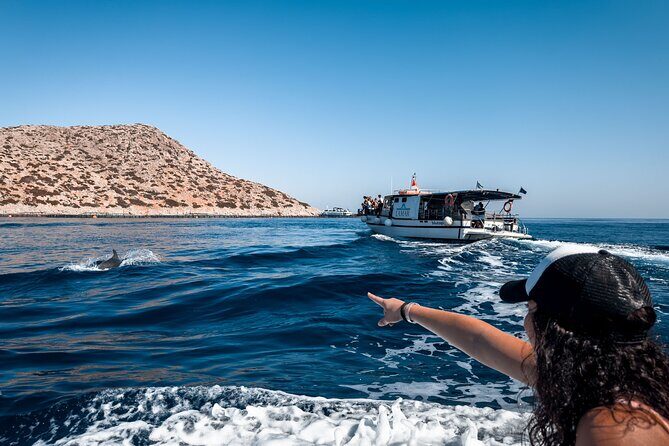
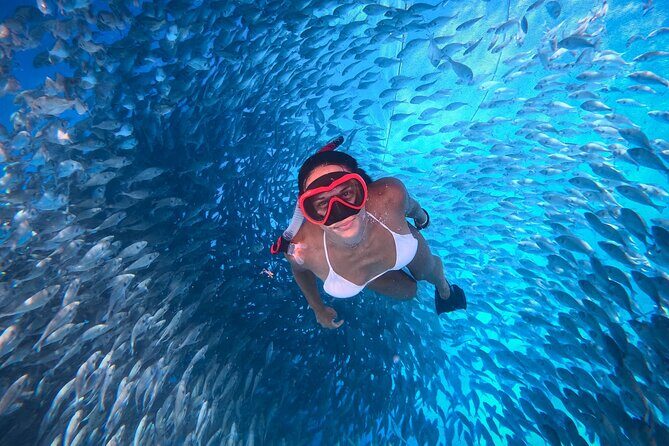
Kamiros Skala is where the show happens. The core experience centers on watching playful dolphins and swimming among huge numbers of Mediterranean fish, with guidance from the marine biologist.
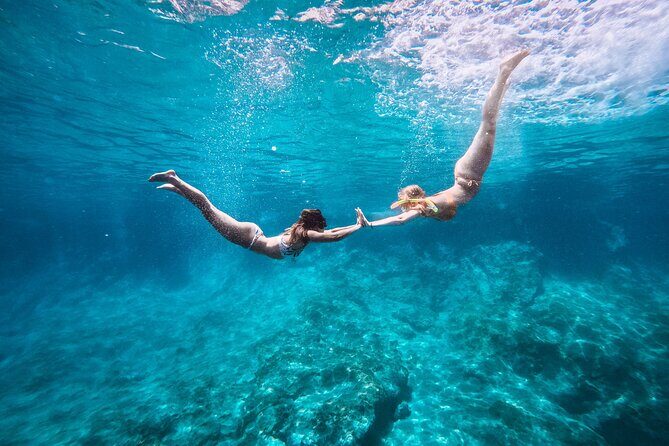
What makes this stop special is how the underwater viewing is guided. Instead of pointing vaguely at the ocean, the biologist focuses your attention on the small stuff and the systems behind it. You might hear practical explanations about what you’re seeing and why, and you’ll get context for how the seabed and fish life connect.
The water is often described as very clear, which helps. When visibility is good, you can actually spot movement rather than just hoping something appears. That clarity makes it easier to follow the guide’s instructions and notice the variety around you—schools of fish, and occasional larger surprises.
A highlight from the experience is a guided moment where the guide and team bring up items from the seabed using a mesh “sift.” Seeing things like starfish and sea urchins up close changes the whole feel of snorkeling. It’s one thing to swim over the bottom; it’s another to understand what lives there and what role it plays in the ecosystem.
Dolphins at Sea: When the Captain Does the Big Doughnut Routine
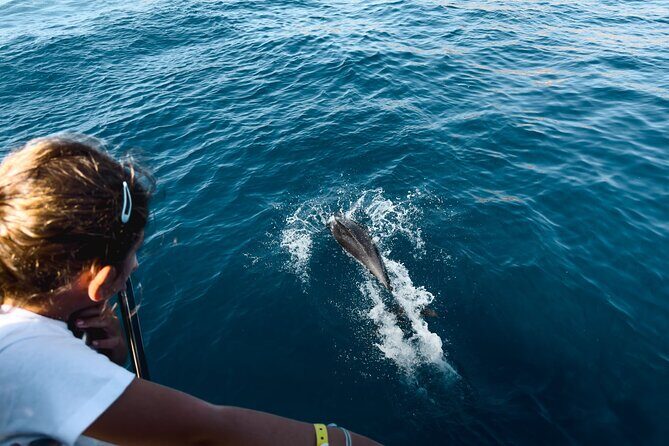
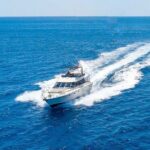
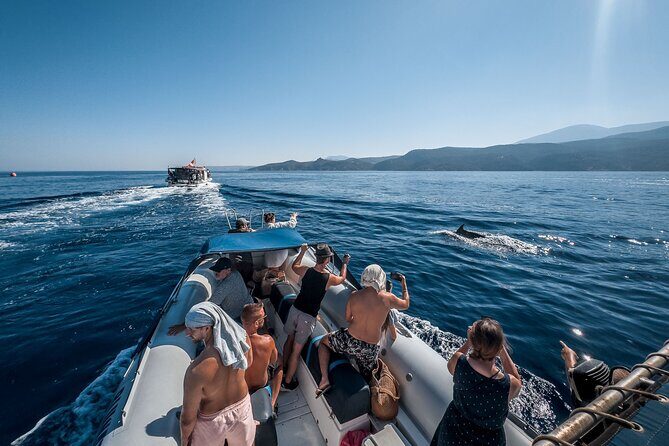
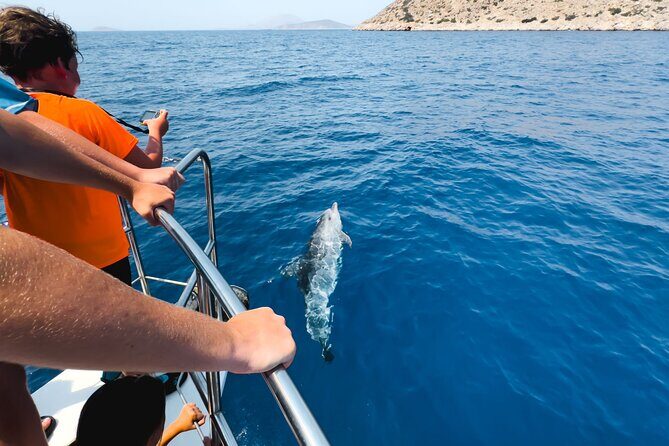
Dolphins are the headline, but the best part is how it’s handled. The captain engages when dolphins show up—doing big turns so you can watch their behavior in the wake.
You’re not just hoping for a random sighting from far away. When dolphins arrive, the boat’s movement turns it into a shared moment: playful dolphins, fish life around the surface, and that quick burst of excitement that makes everyone forget the clock.
From the experience description and the shared details from the guides, dolphin sightings can be part of the natural rhythm of the outing. The trip includes enough time in the right setting that dolphins feel like a real possibility, not a marketing gamble.
Marine Science on the Boat: Fish Farms and Sustainability Talk
One thing I like about this outing is that it addresses the human side of the sea. The marine biologist isn’t only naming animals; they also explain how local fish farms work and how they can support more sustainable fishing.
That matters because it connects what you see underwater to the wider picture. If you only focus on dolphins and pretty fish, it stays cute. If you connect it to fishing practices, ecosystem health, and local choices, it becomes useful.
It also helps kids and adults stay engaged. You might not know the names of every fish, but if you understand the logic behind the ecosystem, the snorkeling becomes a real observation game.
Photos After the Trip: A Nice Bonus for Parents and Busy Memories
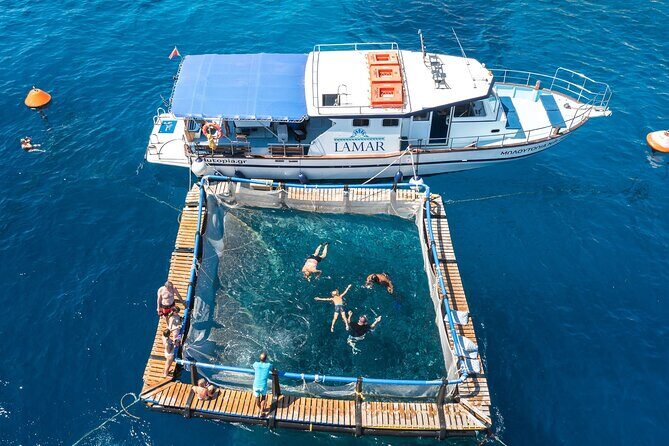
Another practical perk: the team sends photos after the trip. That’s genuinely helpful, especially if you’re traveling with kids or you’re the person who usually takes the pictures.
Even if you’re focused on seeing everything live, it’s nice to have a backup set of memories. And when you get home, you can look back and compare what you saw with what was captured.

How Much It Costs and Whether It’s Good Value at $108.02
The price is $108.02 per person, and admission is included. That matters, because you’re paying for the core experience at the marine site—not just a boat ride.
Pickup isn’t included, though. If you need pickup, it’s 15€ per person extra, and it runs from key zones like Rhodes Centre, Faliraki, and Ixia (plus west coast stops up to Kamiros Skala). So your true total will depend on where you’re staying.
For value, I’d think about it like this:
- You’re not paying for a generic tour guide. You’re paying for marine biology-led instruction.
- The experience time is short enough to fit many itineraries.
- You get a real chance at dolphins plus guided snorkeling.
- You’re capped at a maximum group size of 40, which typically keeps things from turning into a crowded scramble.
Is it expensive? It’s not budget. But for a science-led marine experience with real wildlife moments, it often feels fair—especially compared to longer day cruises where kids get cranky and the “main activity” is still mostly just staring at the sea.
Timing, Weather, and the Best Way to Place This on Your Rhodes Itinerary
This is a weather-dependent experience. If poor weather cancels it, you’ll be offered another date or a full refund. That’s important because marine conditions can change quickly, and snorkeling plans don’t work in rough conditions.
It’s about 3 hours 30 minutes, so it’s easier to work into your day than a full-day boat trip. One smart strategy: treat it as your top water activity, and keep your schedule flexible around it. If you stack it back-to-back with another long plan, you’ll feel the squeeze if the weather forces a change.
Also, it starts early enough that pickup (if you want it) matters. If you’re staying outside the pickup zones or you don’t want the extra cost, you’ll need to factor in getting yourself to Blutopia Marine Park.
Who This Experience Fits Best (and Who Might Be Happier Elsewhere)
This works well for:
- Families with kids who want dolphins and snorkeling without a full-day commitment.
- People who like animal experiences when there’s actual science behind it.
- Anyone interested in the Mediterranean ecosystem, not just a sightseeing checklist.
It may not be your best choice if you want:
- A long, all-day cruise with multiple stops.
- A relaxed “sit and watch” trip with no guidance or learning.
- A guaranteed dolphin encounter, since wildlife sightings depend on conditions.
Still, the structure helps. You get snorkeling time, guidance, and a focused approach to marine life, all within a manageable window.
Quick Tips to Get More Out of Your Marine Life Experience
You’ll enjoy it more if you go in with a small mindset shift. Instead of thinking of it as just snorkeling, think of it as a guided observation session.
A few practical ideas:
- Listen for the marine biologist’s “what to look for” cues. They’re there for a reason.
- Pay attention to the timing around dolphin sightings, because the boat can shift to make viewing easier.
- If you’re traveling with kids, this length is often a win—plan for a short morning adventure, then recharge after.
And if you care about sustainability topics, ask questions while you can. The guide team is there for the living ecosystem, not only the animals.
Should You Book Kamiros Skala’s Marine Life Experience?
If you want dolphins plus a guided marine biology angle in a short, well-structured outing, I think this is a smart booking. The mix of marine biologist-led explanations, the hands-on seabed “sift” moment, and dolphin-focused boat time makes it feel like more than a standard swim trip.
Book it especially if:
- You value science and want context for what you see.
- You’re traveling with kids and want something not too long.
- You like wildlife experiences where the guides actually teach.
Hold off if your schedule can’t handle weather risk, or if you’re looking for a multi-stop full-day itinerary. But if you can place it as a flexible morning-to-early-afternoon plan, it’s a strong pick for Rhodes.