REVIEW · DODECANESE
Karpathos Valley Walk in Pigadia – easy guided walking tour
Book on Viator →Operated by Art and Walk Karpathos · Bookable on Viator
Early starts, big rewards. This easy guided walk in Pigadia takes you through olive fields and goat-paths with a guide who turns plants, culture, and local customs into a real story. I especially like the way the route mixes outdoors time with inside-moment details, from chapel prayers to a cool herbal tea stop. One thing to keep in mind: you’ll be walking 7 km at a relaxed pace, but the morning start helps you beat the heat, so don’t plan a late breakfast.
You’ll meet at the AutoTour car rental office in Pigadia and head out toward Menetes area, where the valley changes character depending on the season. You get coffee and/or tea during a shade break, and the guide also explains what you’re seeing along the way. If you’re expecting a short stroll, treat this as a calm half-day hike, not a quick wander.
In This Review
- Key things that make this Valley Walk in Pigadia worthwhile
- Morning Starts in Pigadia: When and Where to Meet
- Goat-Paths and Olive Fields: The First Leg Outside Town
- What you’ll notice on the ground
- The Chapel Break Below Menetes: Shade, Tea, and Local Plant Stories
- Into a Slightly Wet River Bed: Olive Time, Fossil Shells, and Texture
- Pace and Terrain: What Makes This Walk Truly “Easy”
- Guides Renate and Thom: Storytelling That Feels Personal, Not Scripted
- Coffee and Tea, Plus Walking Sticks: What’s Included and Why It Matters
- Price and Logistics: Is $43.14 Worth It?
- Who This Walk Suits Best (and Who Might Prefer Something Else)
- Practical Tips for Your Valley Walk Day
- Should You Book the Karpathos Valley Walk in Pigadia?
- FAQ
- How long is the Karpathos Valley Walk in Pigadia?
- How far do we walk, and is there much climbing?
- Where do we meet for the tour?
- What time does the tour start?
- What’s included in the price?
- Is this walk suitable for most people?
- How large is the group?
- Is the tour offered in English, and do I get a mobile ticket?
- What happens if the weather is bad or I need to cancel?
Key things that make this Valley Walk in Pigadia worthwhile
- Small group feel: maximum 20 people, so questions actually happen.
- Great morning timing: the start is set early to avoid the summer heat.
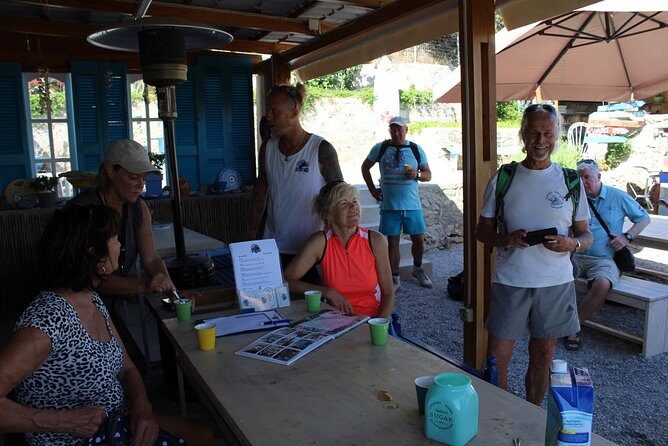
- Herbal tea break with context: you’ll pause by a chapel below Menetes and learn about local plant use.
- Real variety in scenery: olive shade, spring flowers or summer high grass, and a slightly wet river-bed section.
- Worth-the-walk details: historical olive trees, fossilized shells, and even the Poseidon cave area (depending on the exact route).
- Easy terrain on purpose: mostly flat with not much height difference, about 3–4 hours at a calm tempo.
Morning Starts in Pigadia: When and Where to Meet
This is the kind of tour that starts early for a reason. You meet at the AutoTour car rental office on the main street in Pigadia and the walk kicks off around 8:30am (with the meet-time set earlier so everyone is ready). The early departure helps you enjoy the valley before the hottest part of the day.
The tour lasts about 3 hours 30 minutes (often described as 3–4 hours) and returns you to Pigadia by roughly 11:30am. That means you still have most of your day free for the beach, a late lunch, or an afternoon exploring spree.
Practical tip: if you’re staying out of town, plan a little buffer for the walk back into Pigadia later, since the tour ends where it starts.
You can also read our reviews of more walking tours in Dodecanese

Goat-Paths and Olive Fields: The First Leg Outside Town
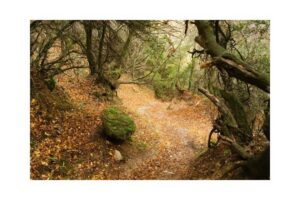
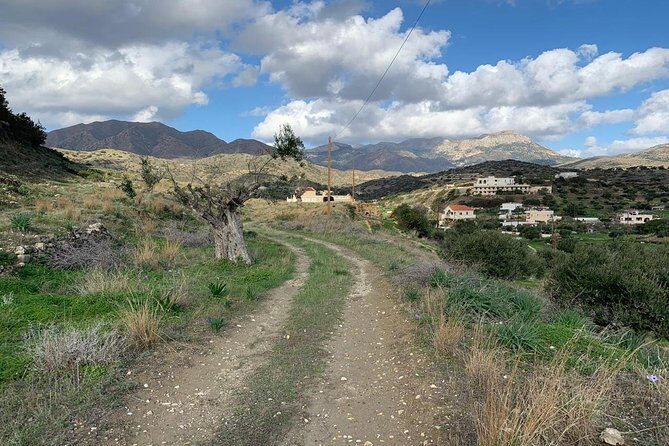
Once you leave Pigadia, the route shifts from town life to something older and quieter. You’ll follow goat-paths and pass through olive fields, with the sound of goat-bells acting like a natural soundtrack for the walk.
You also pass abandoned houses tied to Greek-American history. It’s one of those details that’s easy to miss if you’re driving by, but with a guide talking through what happened and why those places look the way they do, the valley feels more human and less like scenery.
What you’ll notice on the ground
- In spring, you’ll see flowers in the fields.
- In summer, expect high grass and a more “wild” look under the heat.
The good news for most people: the terrain is mainly flat with not much height difference. The walk is designed for a calm pace, and it’s described as easy—just think steady walking over multiple hours.
One consideration: even on “easy” walks, sun and hydration matter. Bring water, and plan to use the shade when it shows up.
The Chapel Break Below Menetes: Shade, Tea, and Local Plant Stories
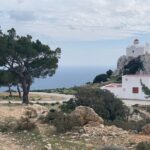
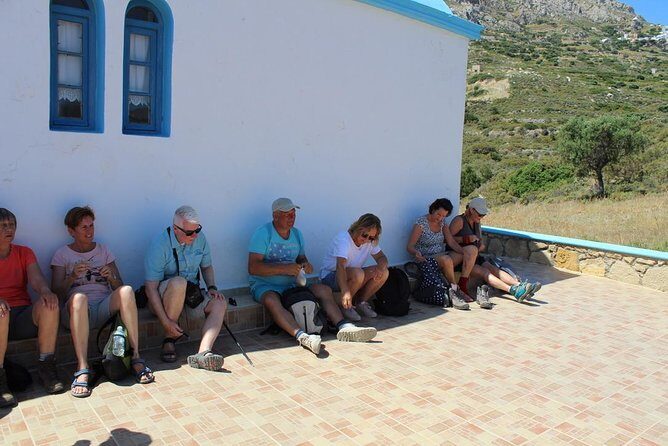
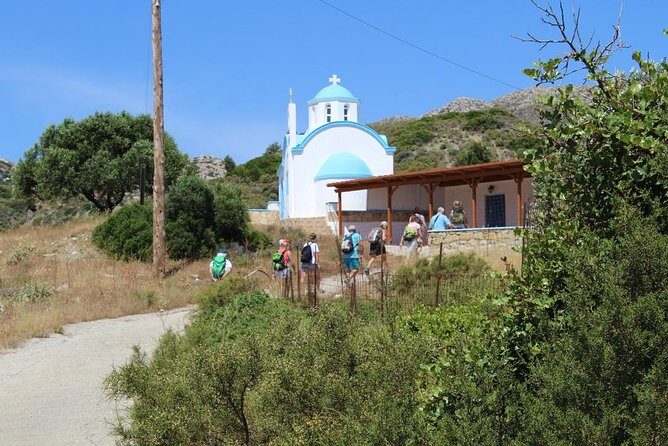
The middle of the walk includes a real reset: you reach a chapel below Menetes and take a break in the shade. This is where you get locally made herbal tea—and the tea isn’t just a drink, it’s part of the storytelling.
In the way the guide explains it, the tea connects you to everyday island life: what grows here, how people use it, and how locals pay attention to plants. One of the guides (Renate) is specifically praised for describing plants with the kind of enthusiasm that makes you look at leaves and stems instead of just your feet. You might end up doing that post-walk thing where you suddenly notice every herb on the roadside.
Then you step inside the chapel to see how locals pray. This is one of those small, respectful moments that adds depth without getting heavy. You get a glimpse of living tradition rather than a museum-style performance.
Etiquette note: chapels are for worship. Keep your voice low and follow the guide’s cues.
Into a Slightly Wet River Bed: Olive Time, Fossil Shells, and Texture
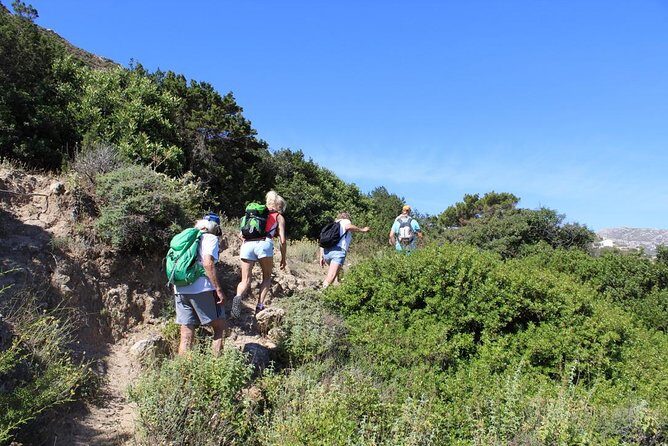
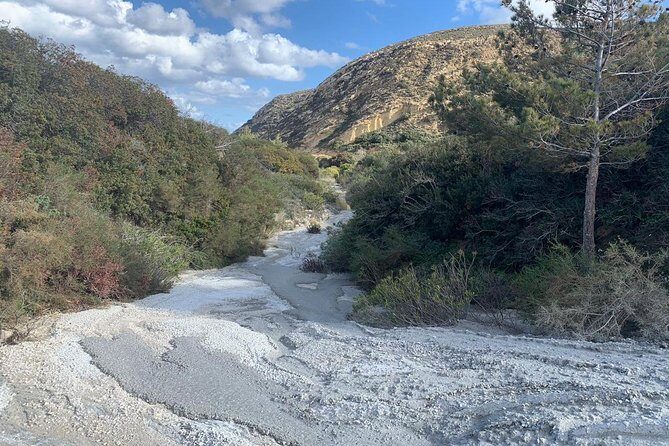
After the chapel, the walk heads into a slightly wet river bed. This isn’t described as extreme, but it does add a different kind of walking—more texture underfoot, and a reminder that this valley isn’t staged for postcards. If it’s been wet recently, your shoes will matter.
As you continue, you reach the highlights at the end of the route:
- Historical olive trees
- Fossilized shells waiting at the end of the walk
That combination is surprisingly satisfying. You get living agriculture (olive trees), plus a geology clue (fossil shells) that makes the place feel older than the people walking it today.
And yes—some versions of the route are described as including the Poseidon cave area, which can add an extra sense of mythology to the natural setting. If that’s included on your day, it’s a nice contrast to the practical stuff happening the whole time: plants, shade, water breaks, and local customs.
You can also read our reviews of more guided tours in Dodecanese

Pace and Terrain: What Makes This Walk Truly “Easy”
A lot of tours call themselves easy. This one is closer to real-world easy because the route is designed for a relaxed tempo and mostly flat terrain.
Here’s how to think about it:
- Distance: about 7 km
- Elevation: not much height difference
- Time: around 3–4 hours
- Group size: up to 20 (so it stays manageable, and the guide can still respond to questions)
That setup makes it a good option if you want a leg-stretching morning but don’t want steep climbs or a breakneck pace. It’s also a nice match for people who get bored on “just viewpoints” tours. Here, you’re walking through different textures—fields, shade, chapel interior, then the river-bed section—so your brain stays engaged.
If you’re sensitive to wet ground: wear shoes with grip and consider asking for a walking stick on request. The tour includes walking sticks you can request.
Guides Renate and Thom: Storytelling That Feels Personal, Not Scripted
Part of why this tour has such a strong reputation is the way the guides teach. Renate and Thom are repeatedly praised for enthusiasm and for answering questions like they actually want to understand where you’re coming from.
You’ll hear about:
- local culture and customs
- how island life connects to plants and everyday habits
- history around what you see in the valley
Renate is especially noted for her plant-focused explanations—so if you like learning without it turning into a lecture, this is a great match. Thom is also highlighted for providing a welcoming atmosphere and adding context, so the walk becomes more than a route on a map.
The result is that you don’t just walk past things. You walk with a guide who helps you notice.
For the best experience: ask questions. The tone of the tour is interactive, and the small group size makes it realistic.
Coffee and Tea, Plus Walking Sticks: What’s Included and Why It Matters
At the price point, the built-in comfort items are a big part of the value.
Included are:
- Coffee and/or tea
- Walking stick (on request)
That matters because it removes two common friction points on morning walks. You don’t have to wonder where you’ll get a drink later, and if your knees need a little help, a stick is available.
Also, the tour uses a mobile ticket, so you’re not juggling paper on the go. If you like simple systems when you travel, this is a nice detail.
Price and Logistics: Is $43.14 Worth It?
At $43.14 per person, this isn’t a “throwaway” activity, so it’s worth judging the value based on what you actually get.
You’re paying for:
- a professional guide who shares history and culture alongside what you see
- a structured route that’s more than a casual stroll (about 7 km)
- a real mid-walk comfort stop with local herbal tea
- a small group size (maximum 20)
When you break it down, the cost starts to make sense if you compare it to the cost of a self-guided day of transport plus a paid experience with food or drink. Here, you’re getting the guide plus refreshments built into a half-day outdoors plan.
If you already like hiking, plants, and local life, it’s a strong deal. If you want only a quick scenic walk with no explanations, you might feel like you’re paying for someone to talk while you walk. But if you enjoy learning while moving, it’s the right kind of guided experience.
Who This Walk Suits Best (and Who Might Prefer Something Else)
This tour is a smart choice if you:
- want an easy, mostly flat walking experience
- prefer a small group to big coach tours
- enjoy culture, plants, and seeing everyday places beyond the main sights
- like morning activities that leave your afternoon open
It may be less ideal if:
- you hate early starts and heat planning
- you’re looking for a short 30–60 minute outing
- wet ground worries you (the river-bed section is described as slightly wet)
That said, the overall pace is calm, and the tour is designed for most people to participate.
Practical Tips for Your Valley Walk Day
A few things will help you enjoy the morning more, without overthinking it.
- Wear shoes with good grip for the slightly wet river bed section.
- Bring a light layer. Morning starts can feel cool, then warm up fast.
- Use the shade stops. The olive trees and chapel break aren’t just convenient; they help you keep energy steady.
- If you want extra support, request a walking stick ahead of time.
Also, since it’s offered in English, you’ll be able to ask questions and follow the explanations easily—this is especially useful for getting the most out of the chapel visit and plant talk.
Should You Book the Karpathos Valley Walk in Pigadia?
I think you should book this if you want a morning on Karpathos that feels like local life—olive fields, old stone, chapel customs, and plants you actually learn about—without requiring serious hiking fitness. The small group size, the herbal tea break, and the standout guide storytelling (Renate and Thom are repeatedly praised) make it more than just exercise.
If you’re on the fence, decide based on your travel style:
- If you like guided context and you’re comfortable walking 7 km, it’s an easy yes.
- If you only want a short, low-effort stroll, look for something shorter.
One more smart planning move: book ahead. This walk is commonly reserved well in advance, with an average booking window of 73 days, so earlier is better.
FAQ
How long is the Karpathos Valley Walk in Pigadia?
The walk takes about 3 hours 30 minutes (approximately 3–4 hours).
How far do we walk, and is there much climbing?
You walk about 7 km. The route has not much height difference and is mainly flat terrain.
Where do we meet for the tour?
You meet at the AutoTour car rental office on the main street of Pigadia.
What time does the tour start?
The tour starts at around 8:30am. You’re instructed to meet at the AutoTour office earlier so everyone can begin on time.
What’s included in the price?
The tour includes coffee and/or tea. A walking stick is available on request.
Is this walk suitable for most people?
Yes. It’s described as an easy walk with a calm, relaxed tempo, and most travelers can participate.
How large is the group?
The tour has a maximum of 20 travelers.
Is the tour offered in English, and do I get a mobile ticket?
Yes, it’s offered in English, and you receive a mobile ticket. Confirmation is received at the time of booking.
What happens if the weather is bad or I need to cancel?
The experience requires good weather. If it’s canceled due to poor weather, you’ll be offered a different date or a full refund. If you cancel, it’s free cancellation up to 24 hours in advance for a full refund.