REVIEW · KASTRAKI
Kastraki: Meteora Via Cordata Hiking Tour to the Great Saint
Book on GetYourGuide →Operated by Visit Meteora · Bookable on GetYourGuide
Sandstone walls, monk-made paths, and nerves of steel. This small-group Via cordata trek from Kastraki climbs toward the Great Saint for 360-degree views over Meteora’s monasteries. I also like the personalized feel, with a guide-to-hiker setup that keeps things controlled and supportive. The one big consideration: you’ll do real scrambling and balancing, so this hike is for hikers with a good fitness level and confidence on uneven rock.
You meet in the center of the old habitation of Kastraki village at Qastiro Meteora, then get a safety briefing plus the gear you need, including helmets and harnesses. Guides like Kostas, Costa, and Evin are mentioned for being professional, friendly, and steady when the rocks get technical. If rain shows up, the tour is cancelled, and you get a full refund or an alternative date, so plan your Meteora days with a little flexibility.
In This Review
- Key reasons this hike is worth your time
- Kastraki meet-up and safety gear: helmets, harnesses, and a quick game plan
- Via cordata in Meteora: what you’re actually signing up for
- Sandstone scrambling and your comfort checklist: what to bring and how to pace
- Great Saint summit: 360-degree views, monastery scenery, and photo stops that make sense
- Timing, heat, and fewer crowds: how a short 3-hour tour improves the Meteora day
- Price and value: why $88 feels fair if you care about safety and guidance
- Should you book the Great Saint via cordata hike?
- FAQ
- How long is the Meteora Via cordata hike to the Great Saint?
- Where do we meet the guide in Kastraki?
- What is included in the price?
- Is hotel pick-up included from Kalampaka or Kastraki?
- What should I bring for the hike?
- Are sandals or flip-flops allowed?
- Is the tour suitable for children?
- What fitness level is needed?
- What happens if the weather is rainy?
Key reasons this hike is worth your time
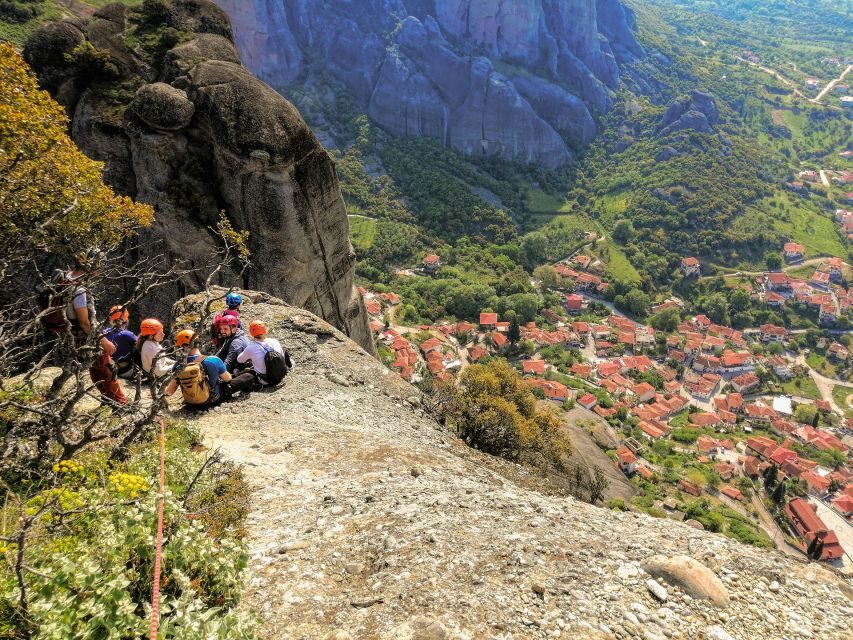
- Via cordata experience on Meteora rock, with support where you need it
- Helmets and harnesses so you’re not figuring out gear on the fly
- Small group size (limited to 6) for a more personal pace
- 360-degree Great Saint summit views over Meteora’s monasteries and rock towers
- Photo-friendly stops with viewpoints worth the effort
- Fewer crowds thanks to the focused, short 3-hour format
Kastraki meet-up and safety gear: helmets, harnesses, and a quick game plan
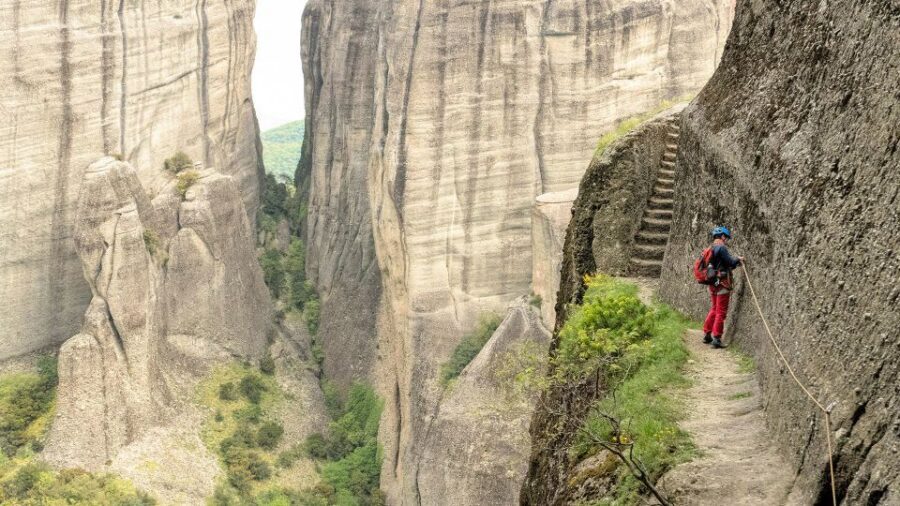
This is one of those Meteora experiences where you start grounded, not overwhelmed. You’ll meet at the center of the old habitation of Kastraki village, at Qastiro Meteora, where your guide gets you organized before you ever touch the rock. Then comes the safety briefing and the key equipment drop: helmets and harnesses, plus a basic plan for how the climb and sections of the route work.
One practical win: water is included. It’s a short tour (3 hours), but Meteora’s rock routes can feel longer once you’re moving up sandstone and watching your footing. Having water handled means you can focus on your breath and balance instead of remembering supplies.
The tour is described as moderate to challenging, and the gear helps you understand why. You’re not doing a casual walking path the whole time. You’ll encounter rock formations that require scrambling and balancing skills, which is exactly where a good guide matters. In the reviews, people repeatedly note feeling secure and instructed at the right moments, especially when they’re not frequent hikers.
Group size also affects how safe and enjoyable this feels. The hike is limited to 6 participants, and it’s described as small even by Meteora standards—one guide can manage your spacing, and they can watch for the moments where nerves or fatigue show up.
If you’re traveling from Kalampaka, hotel pick-up isn’t included, though an optional pick-up service is offered. So double-check where you’ll be based the morning of the hike, then plan your timing around the Kastraki meeting point.
You can also read our reviews of more tours and experiences in Kastraki.
Via cordata in Meteora: what you’re actually signing up for
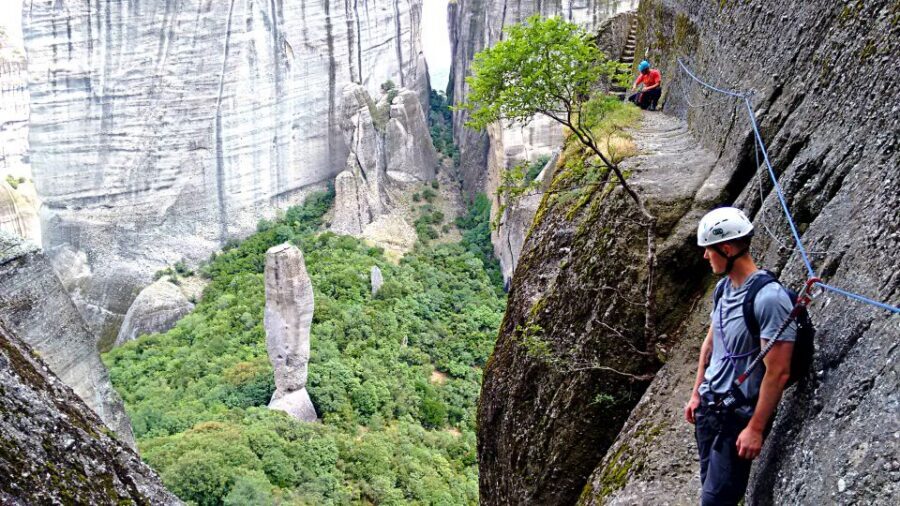
A lot of people hear via ferrata and via cordata and assume they’re the same vibe. Here’s the difference that helps you choose: this route is a Via cordata, which—based on guide-style guidance you’ll feel during the hike—tends to be less about pure power and less about vertigo than classic ferrata routes. That doesn’t mean it’s easy. It means the experience can be more accessible when you have the basics: closed-toe footwear, careful movement, and a willingness to slow down.
Expect a mix of walking sections and rock scrambling. Your guide will be there for support and timing—where to place your feet, when to pause, and when to use the protection system. In one example, someone who doesn’t exercise regularly felt manageable because they were roped in for safety at times and guided through those steps. Another hiker noted that even when someone in the group was scared, the instructors helped them feel secure.
So what should you do with this information? Don’t treat via cordata like a fitness contest. Treat it like a skills hike. The goal is good technique:
- Keep your center of gravity steady
- Move one step at a time
- Listen closely when your guide gives route cues
- Take the short pauses—your legs will thank you
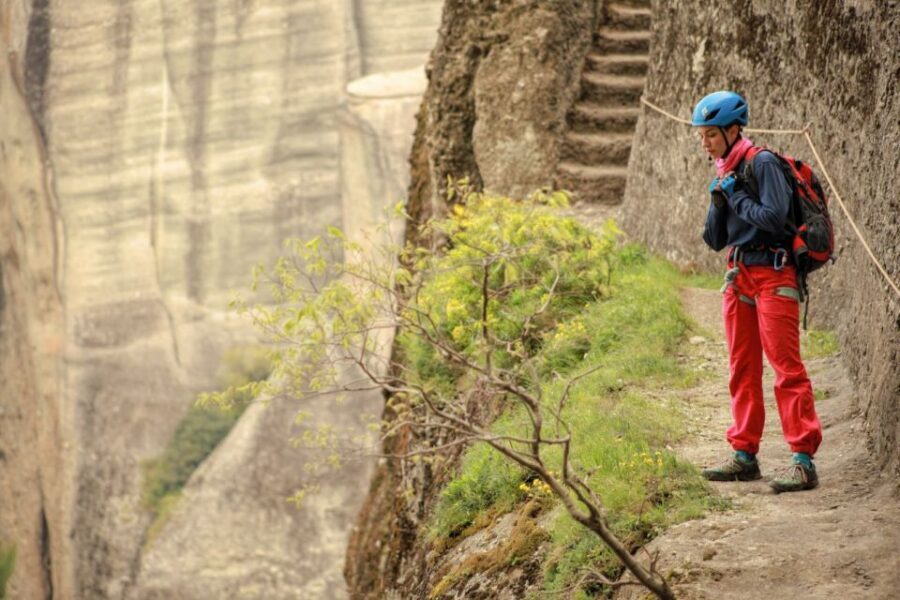
Also, this route is a very Meteora-specific way to understand the place. You’re not only looking at monasteries from a distance. You’re moving along paths carved by monks on the rock, which turns the scenery from a postcard into something you’re literally traveling through.
And yes, the payoff includes serious views. But the “wow” isn’t just at the end—it starts once you realize you’re suspended above the rock towers in a way that feels both protected and thrilling, not chaotic.
Sandstone scrambling and your comfort checklist: what to bring and how to pace
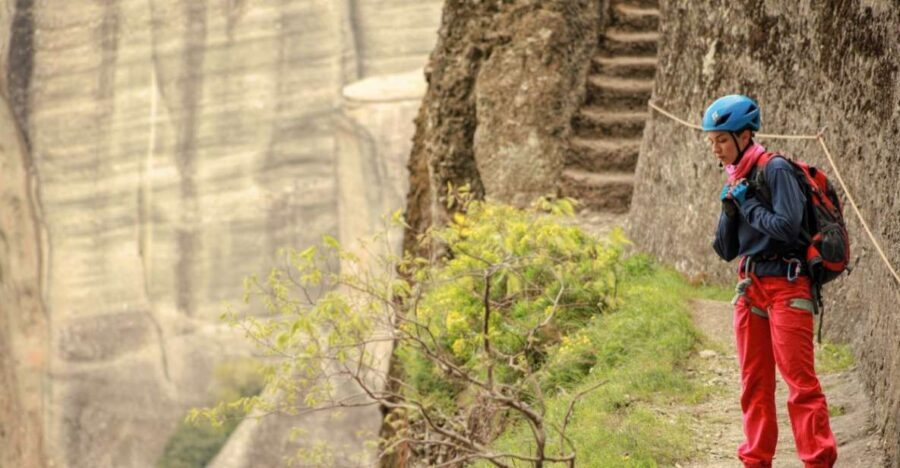
Your success on this hike depends on three things you control: your shoes, your pace, and your expectations about height and footing.
The tour asks for closed-toe shoes and says sandals or flip-flops aren’t allowed. That’s not just rule-following. Meteora’s sandstone and rock sections can be unforgiving. Grippy shoes matter because you’ll be balancing on uneven ground, and you’ll want traction when you’re scrambling.
Fitness level matters too. This hike is listed for people with a good fitness level, and it isn’t suitable for children under 8 or people with low fitness. That doesn’t mean you need to be a mountain athlete. It means you should be comfortable walking uphill, handling uneven steps, and not needing to stop every minute.
Pacing is part of safety. Guides on this route are known for being patient and helping with photos during stops, which tells me they’re not rushing you through. That’s important for via cordata: if you rush, your footing gets sloppy and your mind goes to panic. If you move calmly, it becomes a controlled challenge.
A small comfort note from a real hiker: they didn’t have gloves and wished the climb were a bit more comfortable. Gloves aren’t listed as included or required, but if you have thin hiking gloves in your kit, they might make holds feel less harsh. Just don’t assume they’re necessary for the safety setup—your gear is already provided.
Finally, think about timing. The climb is only 3 hours, which sounds fast. That can be a good thing, but it also means you’ll want to start the hike well-rested and ready. If you’re planning other Meteora activities the same day, keep room for fatigue afterward.
Great Saint summit: 360-degree views, monastery scenery, and photo stops that make sense
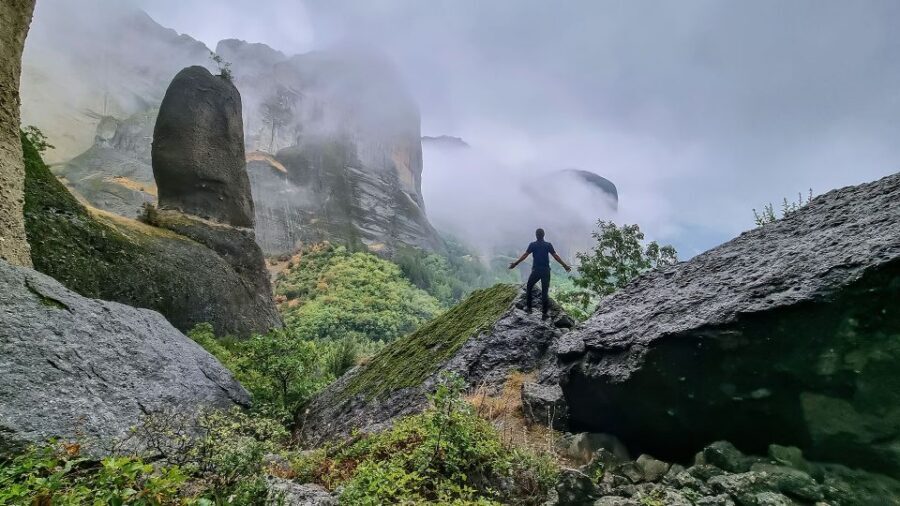
The top of this hike is the moment you’ll remember when you’re back in your room later. The goal is the Great Saint mountain in Meteora, and the reward is described clearly: breathtaking 360-degree views of the Meteora rocks and monasteries.
What I like about this kind of summit payoff is how it reframes the entire area. Meteora can look like a cluster of famous monasteries from ground level. From up here, you see how the towers, ridges, and monastery sites relate to each other in space. The views aren’t only pretty; they’re also navigational. You start to understand why monks chose these spots in the first place.
This hike is also built around photo opportunities. Stops along the way and at the top give you time to breathe and take pictures, not just sprint to the finish. One review mentioned guides even helping take amazing photos, which is the kind of small service that turns a good view into a great memory.
The summit part also tends to be when nerves settle. People who were worried earlier often relax once they realize the route is manageable with instruction. The physical work doesn’t disappear, but the mind shifts from I have to get through this to Look at where we are.
When you reach the top, you’ll take time to catch your breath before descending. That break is more than courtesy. It helps you control breathing before you’re back on rock sections that need steady foot placement.
If you’re a photographer, plan for a mix of angles. The 360 degrees means you’ll want shots in multiple directions, not only “the main monastery view.” The best photos often come after you stop staring at the obvious and start scanning for smaller tower shapes and monastery outlines.
Timing, heat, and fewer crowds: how a short 3-hour tour improves the Meteora day
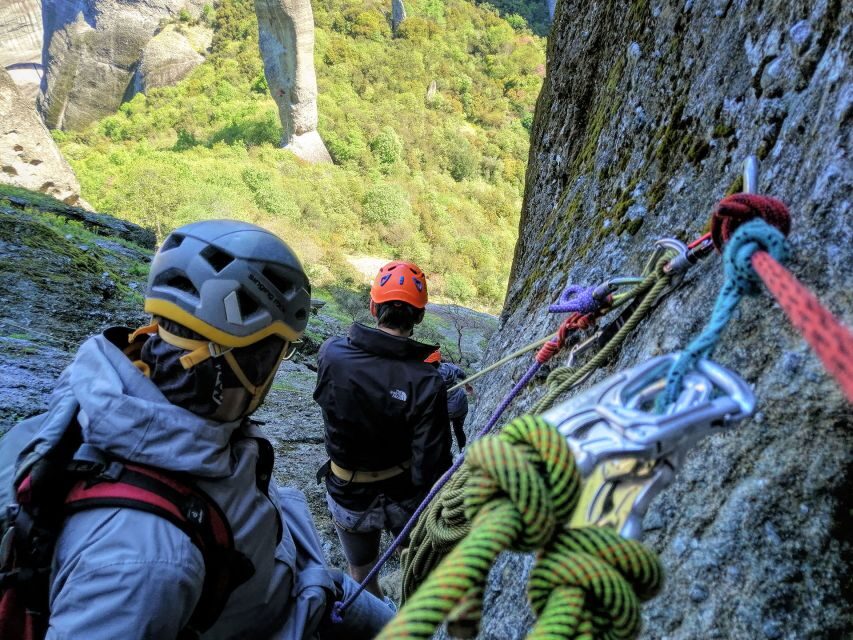
Meteora can get busy. This tour’s design helps you avoid some of the worst crowd pressure because it’s focused and time-boxed. In practice, you’re moving with a small group and a clear goal: get to the Great Saint, enjoy the views, then head back. That structure makes the experience feel efficient, not rushed.
Timing also matters for comfort. One rider highlighted that departing early helped avoid big heat, and they noticed there were plenty of shadows during the ascent. That’s a real advantage in summer months when Meteora’s rock can feel like it’s holding warmth. Even in shoulder seasons, starting early can mean cooler air and more comfortable scrambling.
The short duration is also a value factor. You’re paying for guided time on technically demanding terrain, but you’re not losing half a day to logistics. Three hours is long enough to feel like you earned the summit views, but short enough to pair with other Meteora experiences after you’re done—like monastery visits or a relaxed lunch back in Kastraki or Kalampaka.
And about weather: if it’s rainy, the tour is cancelled and you get a full refund or an alternative date. That matters because via cordata and scrambling on wet rock aren’t a great mix. If you see rain in the forecast, plan to keep one extra Meteora day open. Your hike will be better and safer when conditions are dry.
Price and value: why $88 feels fair if you care about safety and guidance
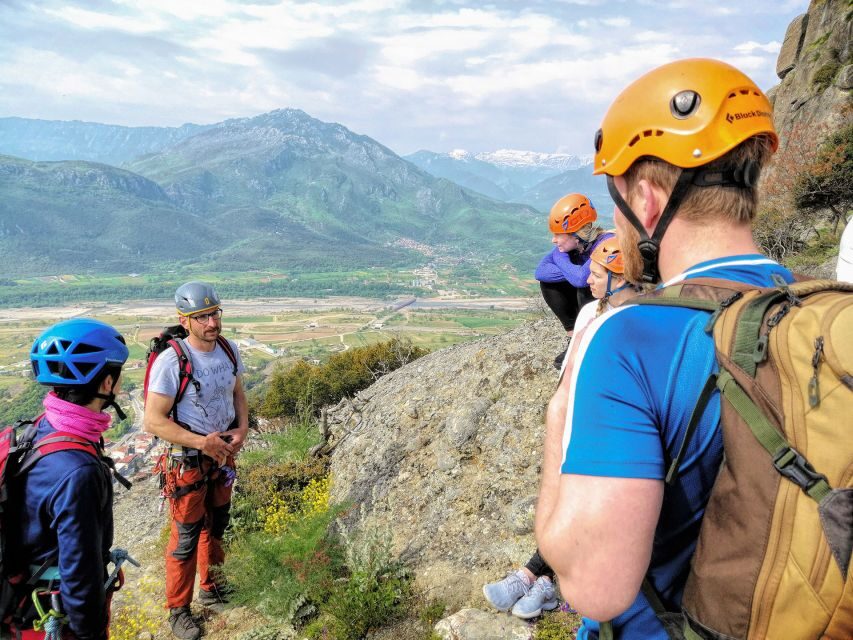
At $88 per person for a 3-hour guided hiking tour, the price sits in the “reasonable adventure” zone for Meteora—especially because the tour includes several things that cost money if you arrange them yourself.
You get:
- A professional English-speaking mountain guide
- All necessary equipment (helmets and harnesses are specifically mentioned)
- Water
You’re not paying extra for gear rentals or trying to source a guide last minute. And on via cordata routes, a guide isn’t a luxury. It’s part of the product. This is the difference between wandering and having a controlled experience on protected terrain.
What’s not included is also important. Hotel pick-up and drop-off from Kalampaka or Kastraki aren’t included (though optional pick-up service is offered). Food and drinks aren’t included unless specified. So budget for snacks or plan a proper meal afterward.
Where the value really lands is the group size and personal attention. A smaller group means your guide can manage your spacing, adjust pacing for comfort, and help with photo moments. It also means you’re less likely to feel like one person in a long line when the climbing sections get technical.
Who is this best for?
- Outdoor enthusiasts who want more than a standard viewpoint walk
- Hikers who want a manageable challenge with safety support
- People who appreciate local history storytelling while hiking (guides are praised for giving lots of information and humor)
- Anyone who wants to reduce crowds and keep the day efficient
Who might think twice?
- Anyone who has trouble with moderate to challenging uneven terrain
- People sensitive to height and scrambling (even though the route can feel less vertigo than some ferrata styles, it still climbs)
- Families with kids under 8
Should you book the Great Saint via cordata hike?
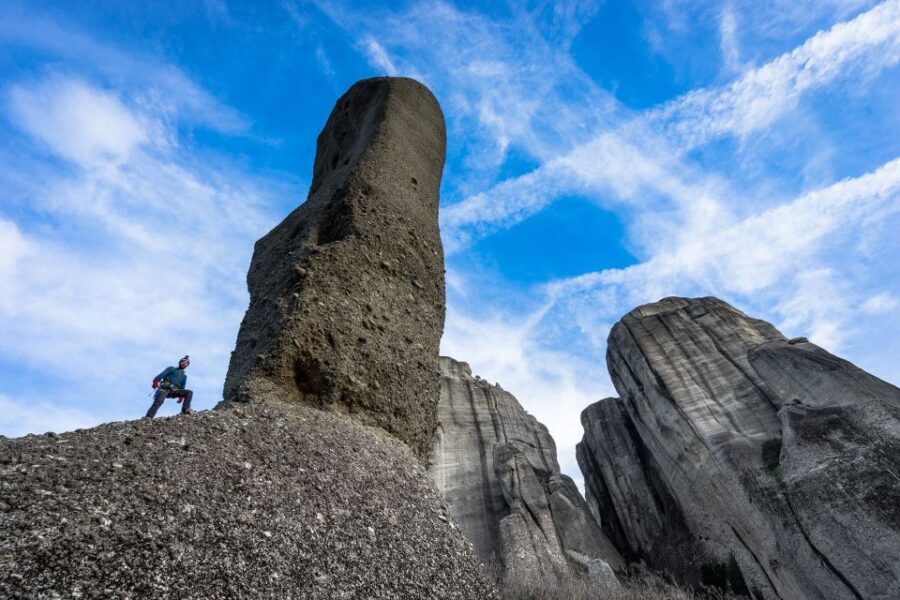
Book this tour if you want Meteora in motion: rock scrambling, monk-carved paths, and summit views that hit hard in the best way. I especially think it’s a strong fit if you like the idea of being guided and roped in for safety at times, rather than figuring out the route yourself.
Don’t book it if you’re not comfortable with climbing and balancing on rock. This is not a stroller-friendly stroll, and it’s not built for low fitness. Also, pay attention to shoes. Closed-toe grip matters here more than most sightseeing days.
If you’re on the fence, use this simple test: Are you willing to work for a 360-degree summit view in about 3 hours, while listening to clear guide instructions? If yes, you’ll probably love the experience.
FAQ
How long is the Meteora Via cordata hike to the Great Saint?
The tour lasts 3 hours.
Where do we meet the guide in Kastraki?
You meet your guide at the center of the old habitation of Kastraki village at Qastiro Meteora.
What is included in the price?
Included are a professional English-speaking mountain guide, all necessary equipment, and water.
Is hotel pick-up included from Kalampaka or Kastraki?
Hotel pick-up and drop-off from Kalampaka or Kastraki are not included, but an optional pick-up service is available.
What should I bring for the hike?
Bring closed-toe shoes.
Are sandals or flip-flops allowed?
No. Sandals and flip-flops are not allowed.
Is the tour suitable for children?
It is not suitable for children under 8 years old.
What fitness level is needed?
The tour isn’t suitable for people with low level of fitness. It’s described as moderate to challenging.
What happens if the weather is rainy?
If it rains, the tour will be cancelled and you will receive a full refund or an alternative date.