REVIEW · KASTRAKI
Kastraki: Meteora Morning Horse Riding with Monastery Visit
Book on GetYourGuide →Operated by Meteora Horse riding · Bookable on GetYourGuide
Meteora hits different when you’re on horseback. This Kastraki morning ride blends easy riding with views of the UNESCO rock world and a real stop at the Monastery of Ipapanti.
I especially like that you get a calm, early start that makes the rocks and monasteries look extra dramatic, and the guide helps you understand what you’re seeing—Christian monastic life, plus the geology that shaped the cliffs.
One thing to keep in mind: it’s weather-dependent, so if conditions are rough, you may need to dress for rain or mist, and the ride can be adjusted.
In This Review
- Key highlights to look for
- Meteora in the morning light: why horse time works
- From the stables to the rock pillars: what your ride feels like
- Monastery of Ipapanti: the stop that adds meaning
- The small-group setup (max 6): better coaching and fewer headaches
- Price and value: what $88 includes, and what you’ll pay extra
- What to bring (and how to dress for a Meteora morning)
- Who should skip this ride (and who will love it)
- Photo and comfort tips from the saddle
- Should you book the Kastraki Meteora morning horse ride?
- FAQ
- How long is the Meteora morning horse riding tour?
- Do I need prior horseback riding experience?
- Is a helmet provided?
- Is the Monastery of Ipapanti entry fee included?
- What should I bring and wear?
- How big is the group?
- What should I do if the weather is bad or I need to cancel?
Key highlights to look for
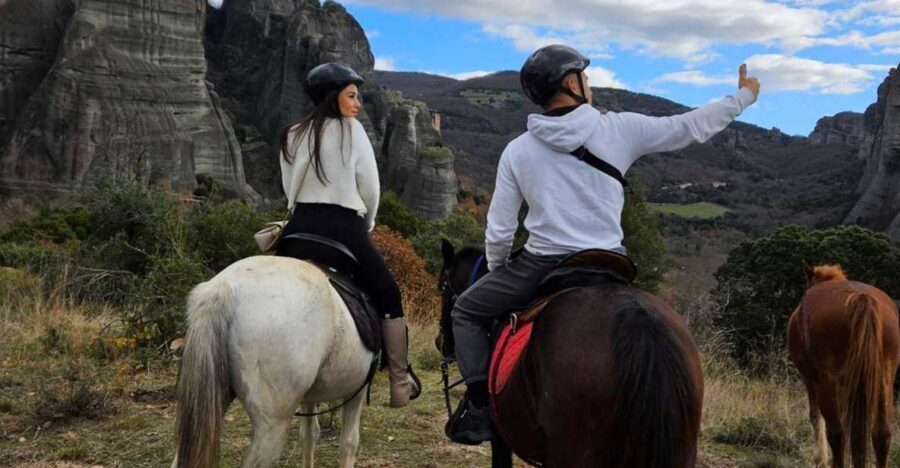
- Early-morning Meteora views from the saddle, with photo stops along the way
- Monastery visit at Ipapanti for context beyond the scenery
- Gentle, well-trained horses that suit beginners and relaxed riders
- Small group up to 6 for more coaching and less waiting around
- Helmet included and safety guidance before you mount
- Guide in English and Greek, with stories about rocks, legends, and monastic life
Meteora in the morning light: why horse time works
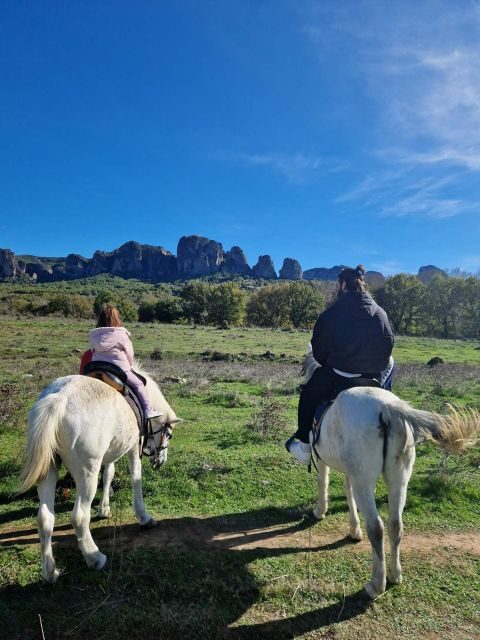
Meteora is famous for monasteries perched on impossible-looking rock towers. Most people experience it from parking lots, bus stops, and staircases. This tour changes the angle fast: you see the cliffs from ground level while you’re moving—quietly, slowly, with a horse doing the “transport” part.
The morning timing matters. Early light softens contrast, so the rock faces don’t glare at you. You’ll also notice the monasteries look less like distant icons and more like part of a living, human landscape carved into stone. That feel is the whole point: it’s not only a photo mission, it’s a way to understand why this place became sacred in the first place.
You also get “Meteora context” instead of just sightseeing. The guide shares how the Christian monastic life worked here and what makes the geology so special—why these towering pillars exist and how they shaped where people could build. It turns the views into something you can actually explain to friends back home.
And because the group is capped at 6, you’re not stuck behind a crowd. You can focus on your horse, the path, and the view in front of you.
You can also read our reviews of more tours and experiences in Kastraki.
From the stables to the rock pillars: what your ride feels like
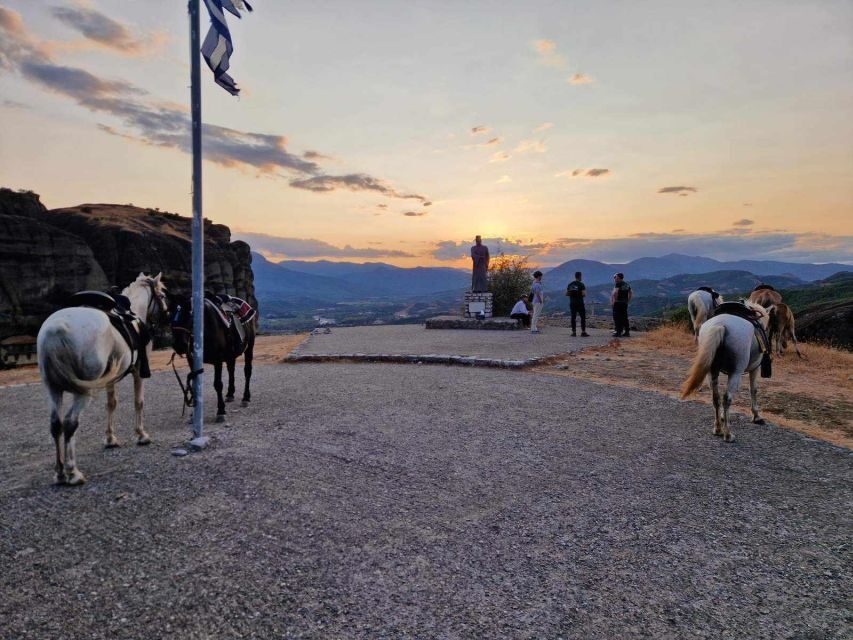
Your morning starts at the stables with a welcome from the instructor. You’ll meet your guide and get introduced to your horse before you mount. There’s safety info, and you’ll have a helmet on your head—simple, practical, and reassuring if you don’t ride often.
Then you’re off on trails around the towering rock formations. This is the part many people end up craving: riding in open air, moving through nature with the monasteries towering above and behind you. It’s a slower pace than driving or hiking, so you notice details—where the path follows the terrain, how the light hits the cliffs, and how the rocks frame the monastery silhouettes.
The tour is designed for all experience levels, and the horses are described as gentle and well trained. In plain terms: you’re not signing up for a rodeo. You’ll get guidance suited to your comfort level, and you should feel guided throughout rather than thrown into the deep end.
You’ll also have photo stops at carefully selected viewpoints. That matters because the best photos are rarely taken while you’re bouncing in motion. Build in time for moments where you can stand still, frame up, and let the guide handle logistics so you can focus on the view and your horse.
Practical note: there’s a weather factor. This is a morning outdoors activity, so plan for changing conditions—especially if the forecast looks gray. One strong advantage of doing it early is that if the weather is cooperative, your light will reward you quickly. If it isn’t, you’ll still have the experience of riding the trails and seeing Meteora from a different level.
Monastery of Ipapanti: the stop that adds meaning
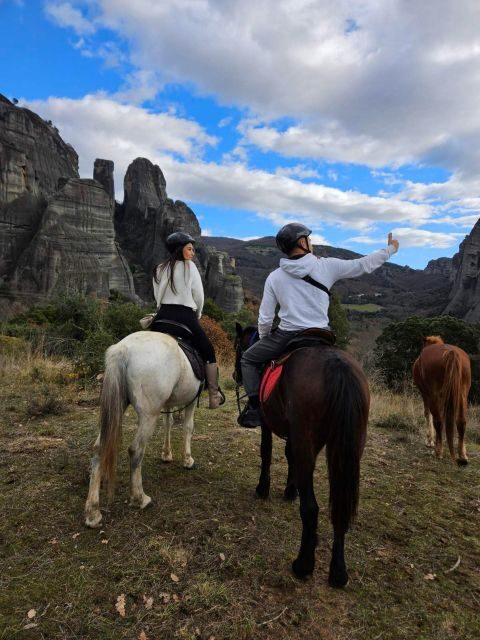
The standout cultural moment on this ride is the stop at the Monastery of Ipapanti. You’re going there on horseback, which is already a story you can tell later. Approaching a monastery from this angle helps you understand the “why” behind the setting.
Ipapanti sits on a rocky pinnacle, and that location is part of its power. From there, you get panoramic views that make the whole Meteora story click: this isn’t random building. It’s a place where distance, height, and isolation all support the idea of monastic life—quiet, routine, and devotion in a dramatic setting.
Once you arrive, you’ll learn about the monastery’s history and significance, plus what daily life in these monastic walls can look like. Even if you’ve read about Meteora before, this kind of stop tends to fill in the human part: who built these places, why they chose this geography, and how the religious life fit the environment.
There’s also a nice rhythm to the tour here. You’re not just looking at stones and stopping for a quick peek. The ride naturally brings you close to the scale of the rocks, and then the monastery visit gives you the cultural anchor so the scenery isn’t just pretty—it’s meaningful.
Keep your expectations realistic: a monastery stop here is a visit during the tour, and monastery entry fees are not included. So you’ll want to budget for whatever the monastery requires at the time of your visit.
The small-group setup (max 6): better coaching and fewer headaches
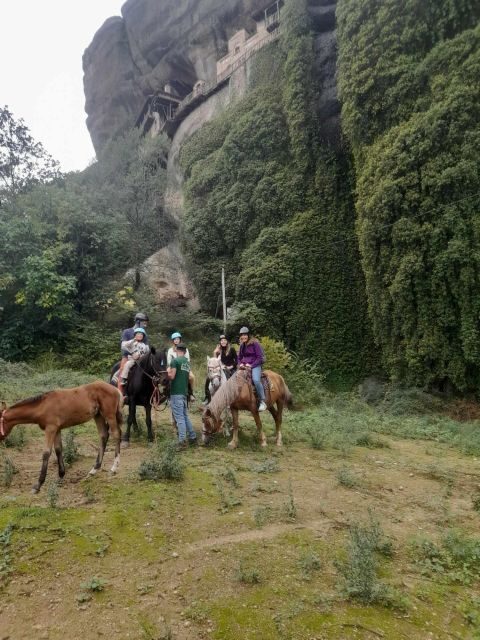
A lot of Meteora experiences feel crowded, rushed, and a little chaotic. This one is built to avoid that. The group size is limited to 6 participants, which changes the whole vibe.
With a smaller group, the guide can pay attention to individuals—how you mount, how you sit, how comfortable you feel, and whether you need more time to get steady. It also helps when your horse needs a moment to move into position. You’re not standing around waiting while a larger group catches up.
It also helps with photos and pacing. If you want a clear shot with your horse or a clean view of the cliffs and monasteries, you need space and timing. A small group makes that easier, and it keeps the tour from feeling like a conveyor belt.
English is part of the experience (and Greek too). That matters more than you might think. When the guide explains the monastic life and the geology in a language you understand, the sights stick with you after the tour ends.
Price and value: what $88 includes, and what you’ll pay extra
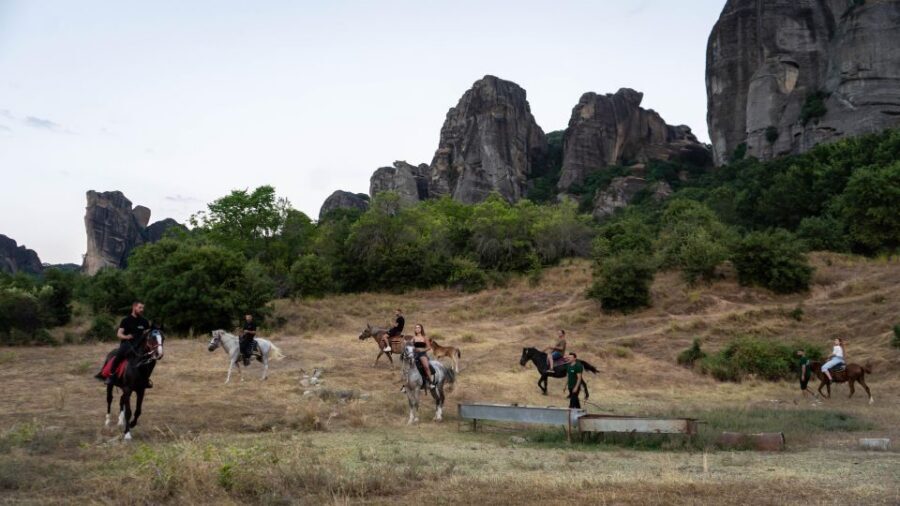
At $88 per person for about 1.5 hours, you’re paying for more than “a ride.” You’re getting a guided experience that bundles together:
- A hosted start at the stables with instruction
- A helmet and safety briefing
- Horse time through Meteora’s rock trails
- A stop at the Monastery of Ipapanti
- A guide who connects the scenery to history and how the monastic life worked
That’s a lot for a short slot, especially in a place like Meteora where independent logistics can eat time.
What’s not included matters too:
- Monastery entry fees are not included
- Water is not listed as included
- Hotel transfer is not included, so you’ll need your own way to the meeting point
So the “value” question becomes simple: if you want an easy way to see Meteora from horseback plus a monastery visit with interpretation, $88 is a fair deal. If you’re hoping for a long, full-day exploration with multiple monasteries and no extra costs, you’ll likely want a different format.
My advice: treat this as a focused morning experience. Plan to spend a bit more if monastery admission is required, and bring your own water just in case. You’ll then feel zero stress and get the most from the ride.
What to bring (and how to dress for a Meteora morning)
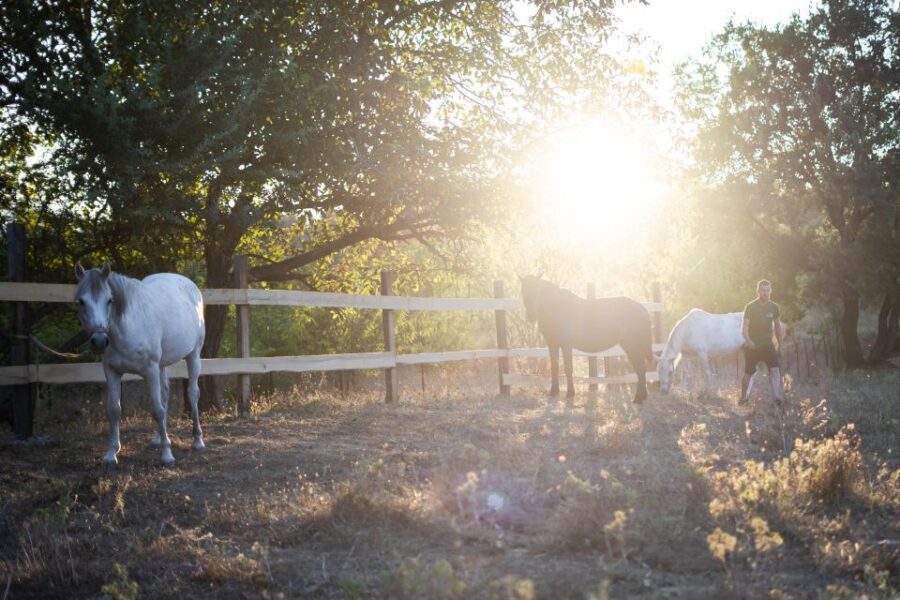
This tour is straightforward, but small details matter when you’re on a horse.
Bring:
- Your passport or ID card
- Comfortable clothes according to the weather
- Closed-toe, comfortable shoes
You’ll also want to think about comfort for your legs and back while you’re riding. The activity is not suitable for people with back problems, and that’s worth taking seriously. If you’re sensitive to bouncing or prolonged sitting, plan accordingly.
Weather note: the activity depends on weather conditions. That means you should be ready for rain or cooler morning air. Even if the forecast looks “mostly fine,” Meteora can surprise you. Dress in layers and choose clothing you don’t mind getting a little damp.
One practical tip: keep your hands free. If you’re trying to balance a camera, phone, and your reins at the same time, you’ll either miss shots or get stressed. Use photo moments during viewpoint stops, when you can stand, frame, and relax.
Helmet is included, so you don’t need to bring anything for that. Just show up ready to move.
Who should skip this ride (and who will love it)
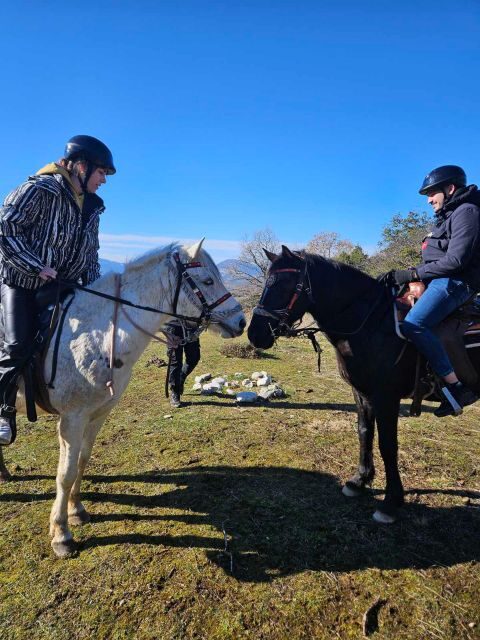
This is a horse riding tour, so it has clear boundaries. It’s not suitable for:
- People over 209 lbs (95 kg)
- People with back problems
- Pregnant women
- People with heart problems
- Children under 10
Also, intoxication isn’t allowed. That’s normal for safety, and it helps keep the horses calm too.
If you’re within the limits and you’ve been curious about riding but not sure you can do it, this one is designed to feel manageable. No prior horseback riding experience is required, and the horses are chosen for their gentle nature and fit for riders of different abilities.
This tour is a great match if you:
- Want an active, different way to see Meteora beyond stairs and shuttle buses
- Like the idea of a monastery visit with interpretation, not just a quick exterior photo
- Prefer small groups and a calm pace
- Enjoy taking photos from good viewpoints, especially when the lighting is soft
If you hate sitting on a saddle for even a short time, or you have mobility or health concerns, you’ll probably be happier choosing a different Meteora option.
Photo and comfort tips from the saddle
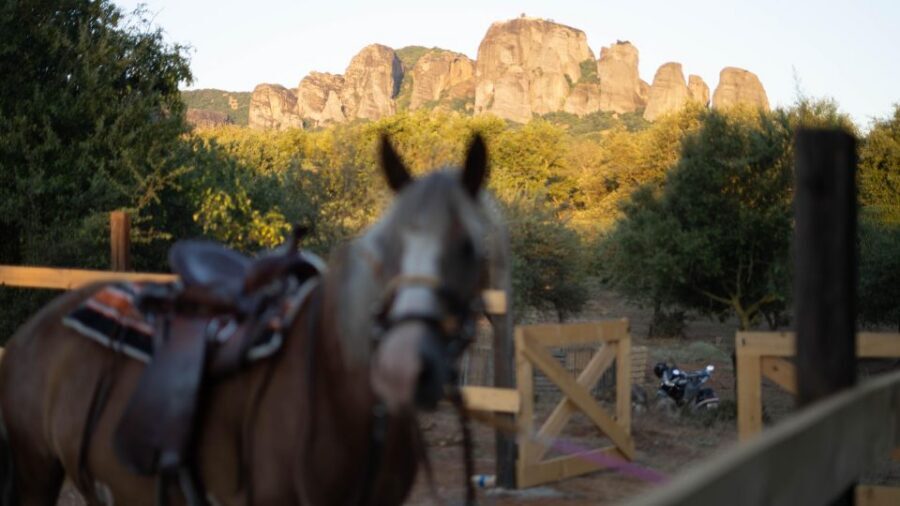
You’ll have opportunities for photos and a guided approach to the best viewpoints. That’s where the tour format helps: the guide chooses the stops, so you’re not guessing where to stand for the best angle.
A few practical moves:
- During stops, take wide shots first (monasteries and rock towers), then switch to tighter frames (horse + cliff edge).
- Use the guide’s timing. When they pause, it’s usually because the moment is good for photos and the trail conditions are safe.
- Keep your phone secure. Riding is steadier than you might expect, but you still want grip and calm.
Also, remember that your horse is part of the experience. The tour is built around easy handling, and you’ll likely get patience and instruction if you’re new. That’s important, because the best photos come when you’re not fighting your own nerves.
Should you book the Kastraki Meteora morning horse ride?
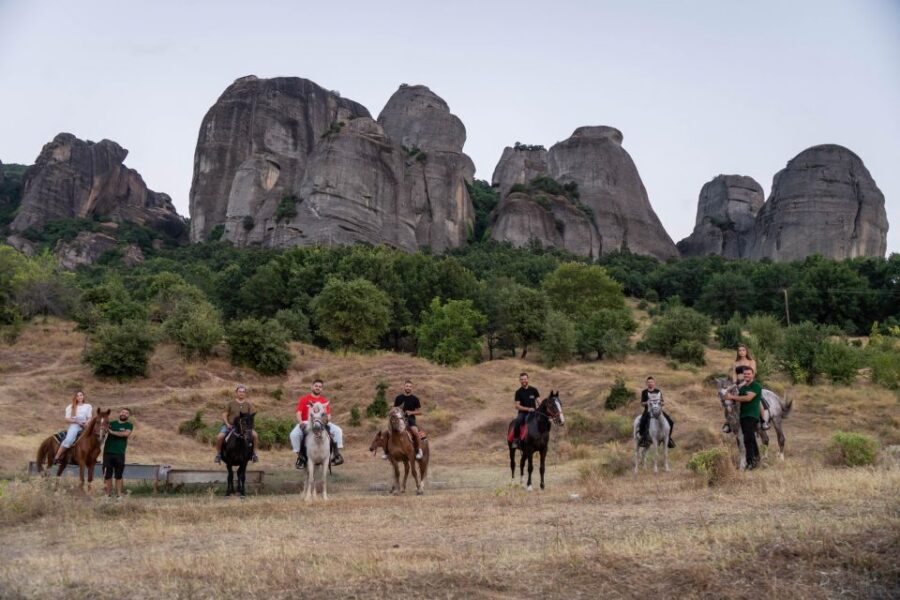
Book it if you want Meteora from a new angle with easy riding, a small group, and a monastery stop that gives the place meaning. At $88, it’s good value for the blend of guided interpretation, helmet safety, and horse time—especially if you’re short on hours and want something that feels distinct from standard sightseeing.
Skip it if you’re outside the health or weight limits, you’re dealing with back issues, or you know you can’t handle time on horseback. Also skip it if you can’t travel to the stables without a transfer—hotel transfer isn’t included.
If the weather forecast looks shaky, don’t panic. Just dress for it. Meteora can be dramatic even when it’s not sunny, and this tour still gives you the core experience: moving through the rock world and learning why Ipapanti sits where it does.
FAQ
How long is the Meteora morning horse riding tour?
The tour duration is about 1.5 hours.
Do I need prior horseback riding experience?
No. The tour is suitable for riders of all levels, and no prior experience is required.
Is a helmet provided?
Yes. A helmet is included.
Is the Monastery of Ipapanti entry fee included?
No. Entry fees for monasteries are not included.
What should I bring and wear?
Bring your passport or ID card and wear comfortable clothes and closed-toe shoes.
How big is the group?
It’s a small group limited to 6 participants.
What should I do if the weather is bad or I need to cancel?
The activity depends on weather conditions. Cancellation is allowed up to 24 hours in advance for a full refund, and you can also reserve now and pay later.